We camped alongside the wild and untamed Yukon River in Dawson City, an old gold rush mining town that you can leave a pub at 1 am, take the ferry across the river, walk to your campground, and sit outside at 1.30 am and read the paper – it’s that bright out. The next morning we headed out on the Top of the World Highway, aptly named for there is not a single developed piece of land for 100 miles, the views are 360 degrees, the gravel is decent in most places, and the border patrol outpost is a lonely place to be. So lonely in fact that the US Customs and Border Patrol Officer was more than happy to chat with us for awhile and take a few pics.
We then stopped in Chicken, Alaska, a much larger town with a population in the summer of 24. When the town was settled, the settlers felt quite a bit of state pride and wanted to name the town after the Alaskan state bird. However, none of them could agree on how to spell Ptarmigan, so they named it Chicken.
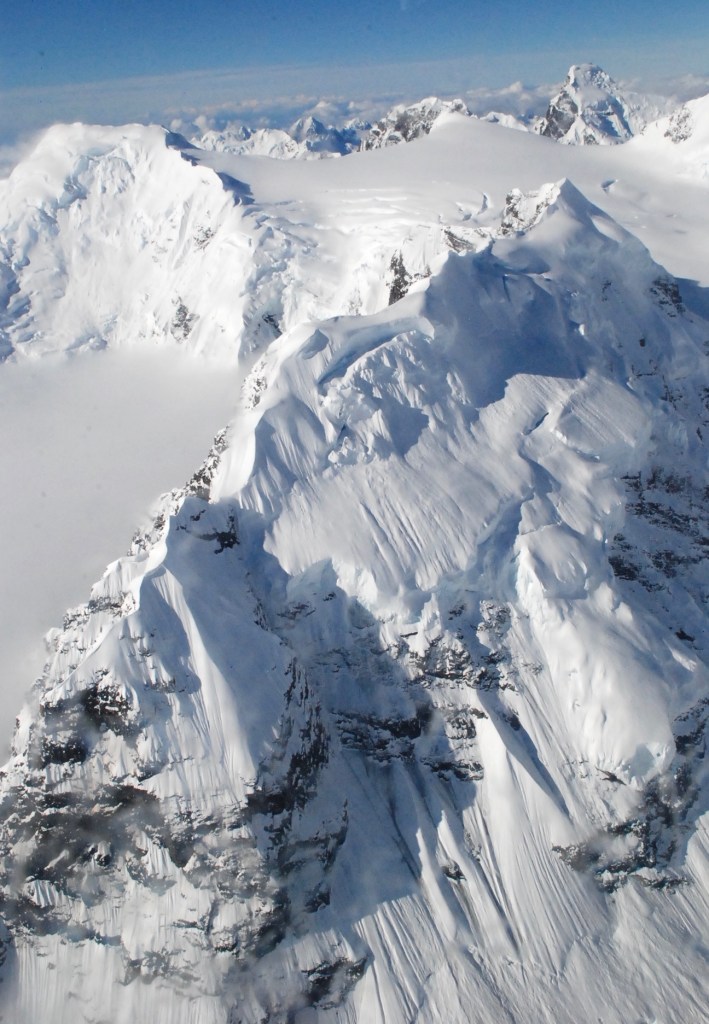
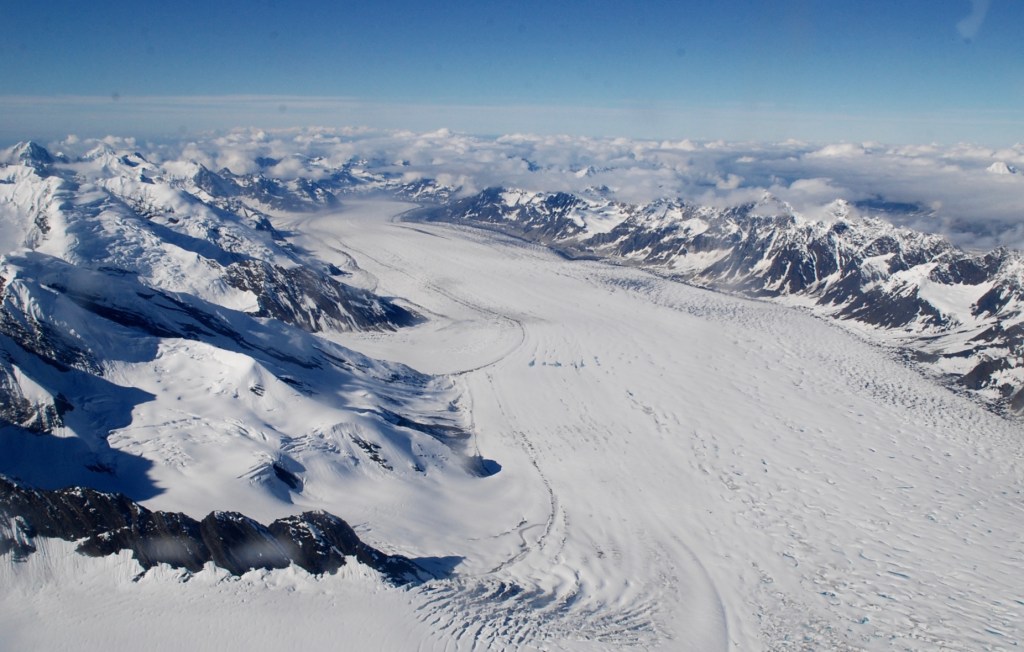
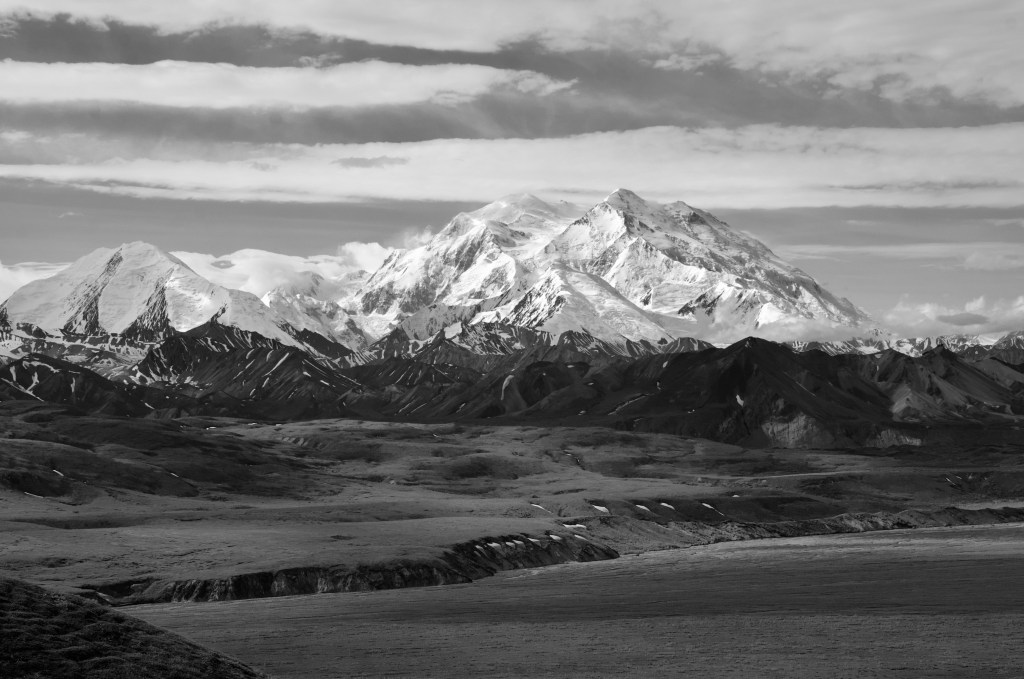
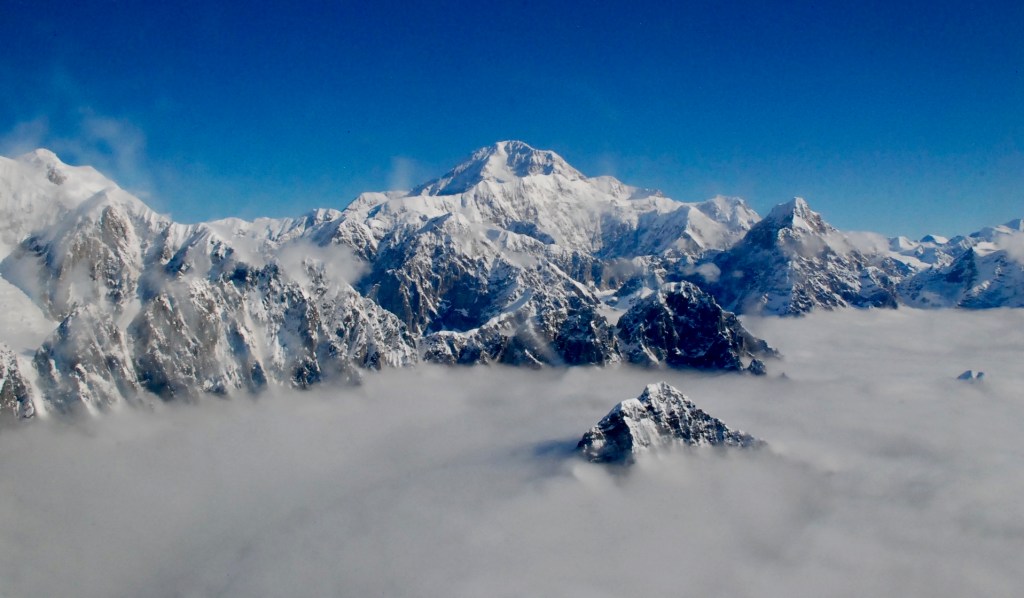
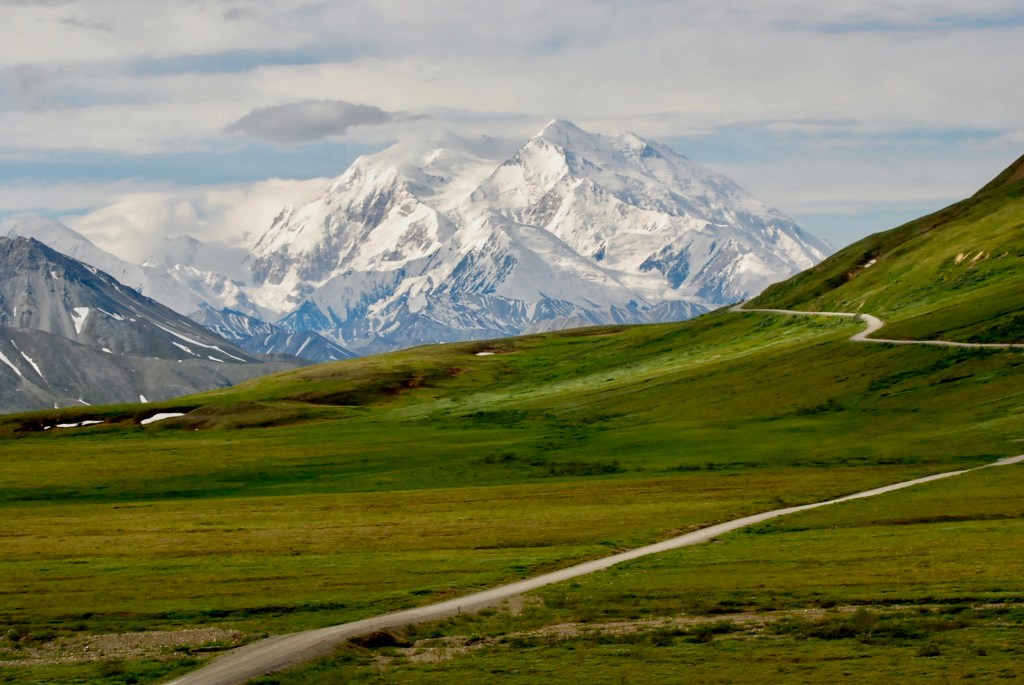
We camped outside Denali for four days waiting for the weather to clear as we’d heard a story around a campfire that the flightseeing trips were amazing and really put the vastness of Denali into perspective. Here’s a few images from out the window.
This glacier was 26 miles long!Yes, you’re thinking we hiked up this ridgeline when in fact we’re about 3 miles away in the plane. As close as the pilot wanted to get because fog descends very quickly and he was navigating visually in the 9 passenger single engine plane.
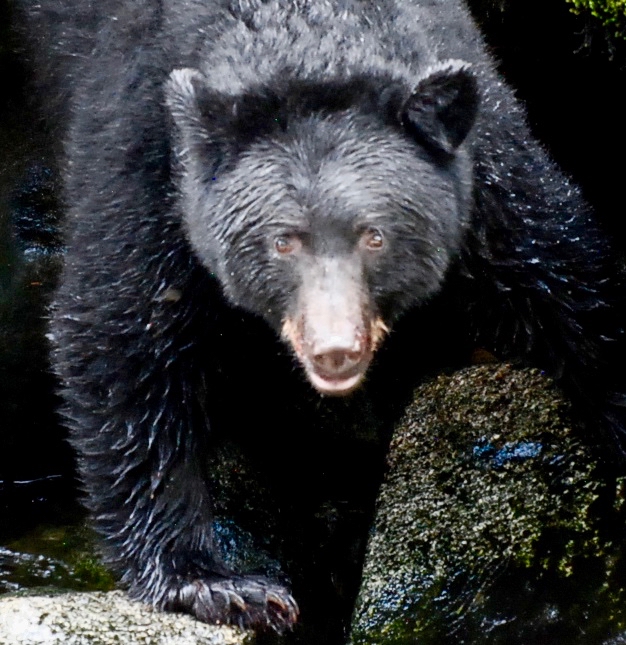
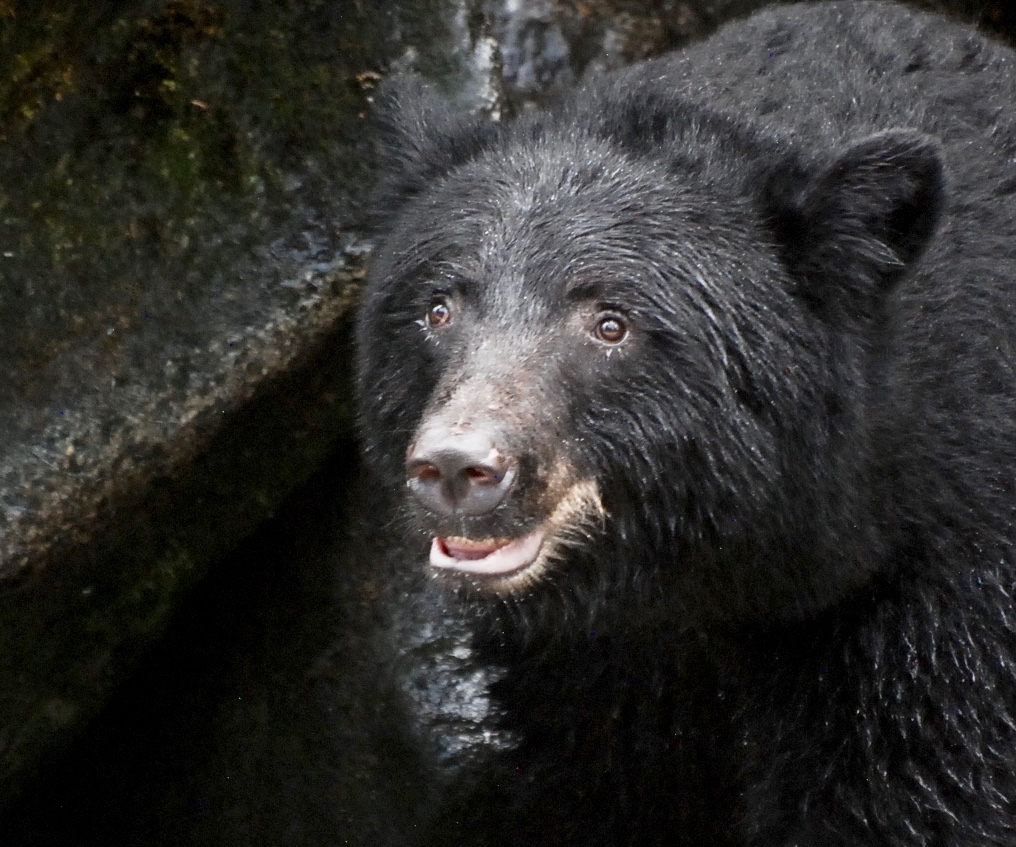
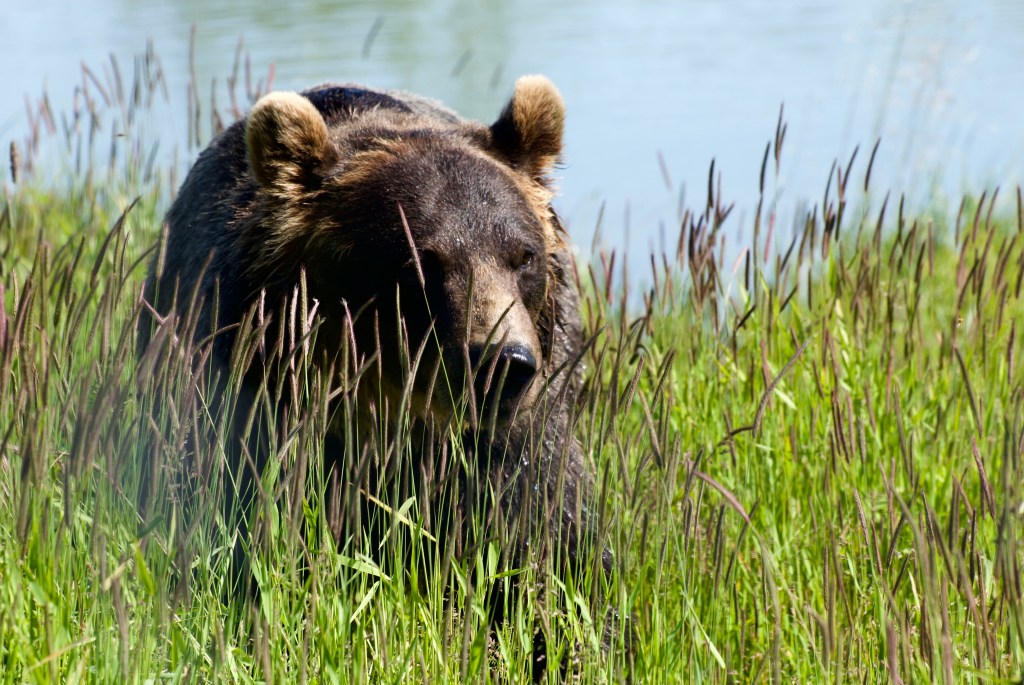
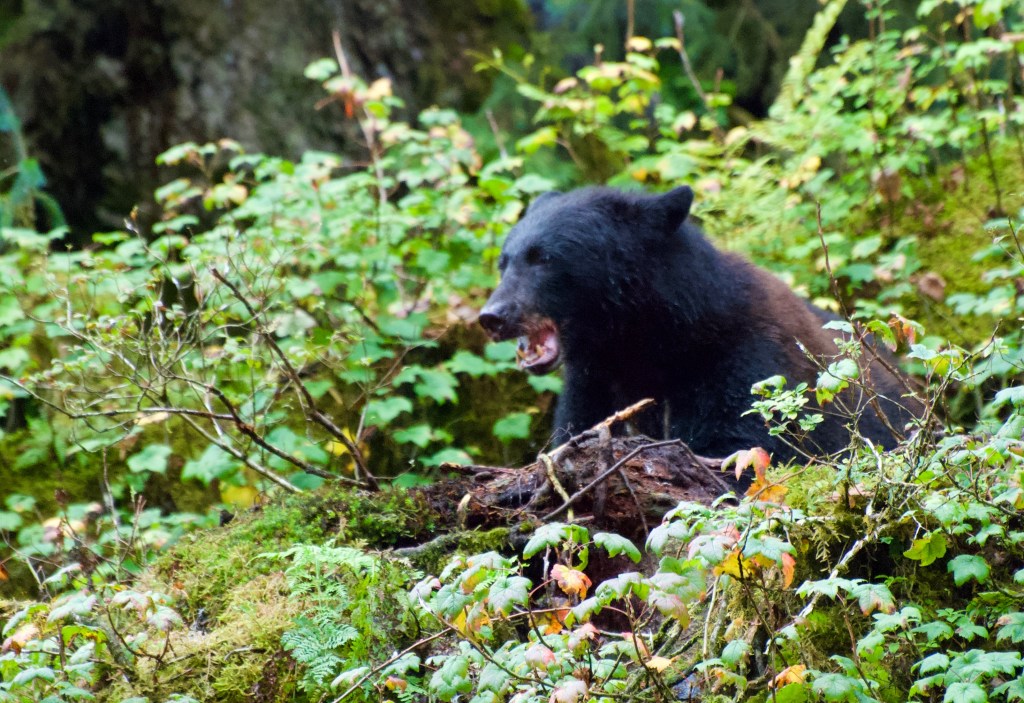
After the mountains it was time to go in search of bears. Hmm, will we see any bears on this trip?
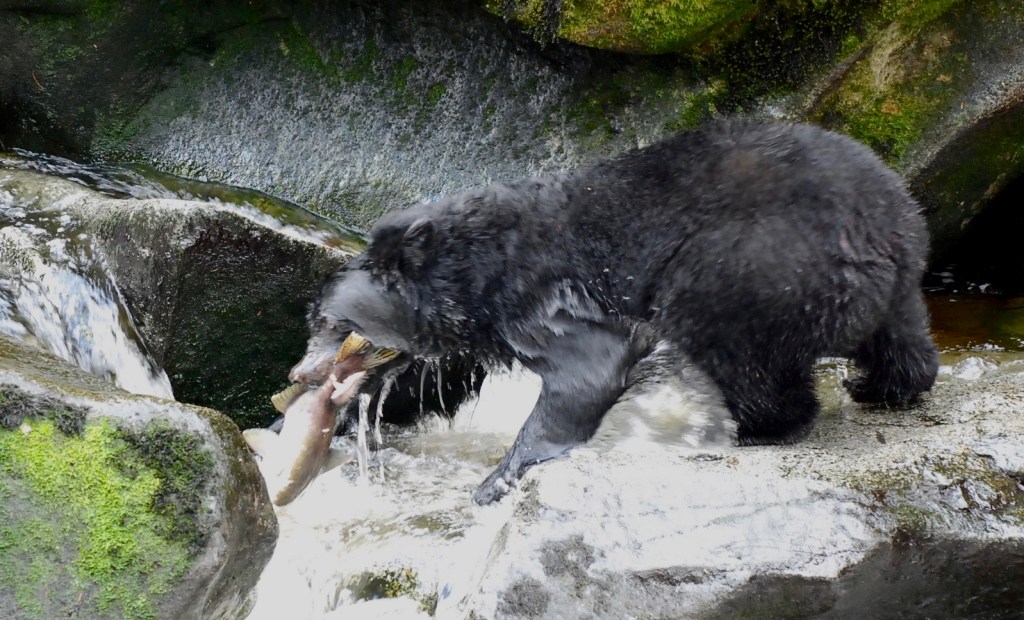
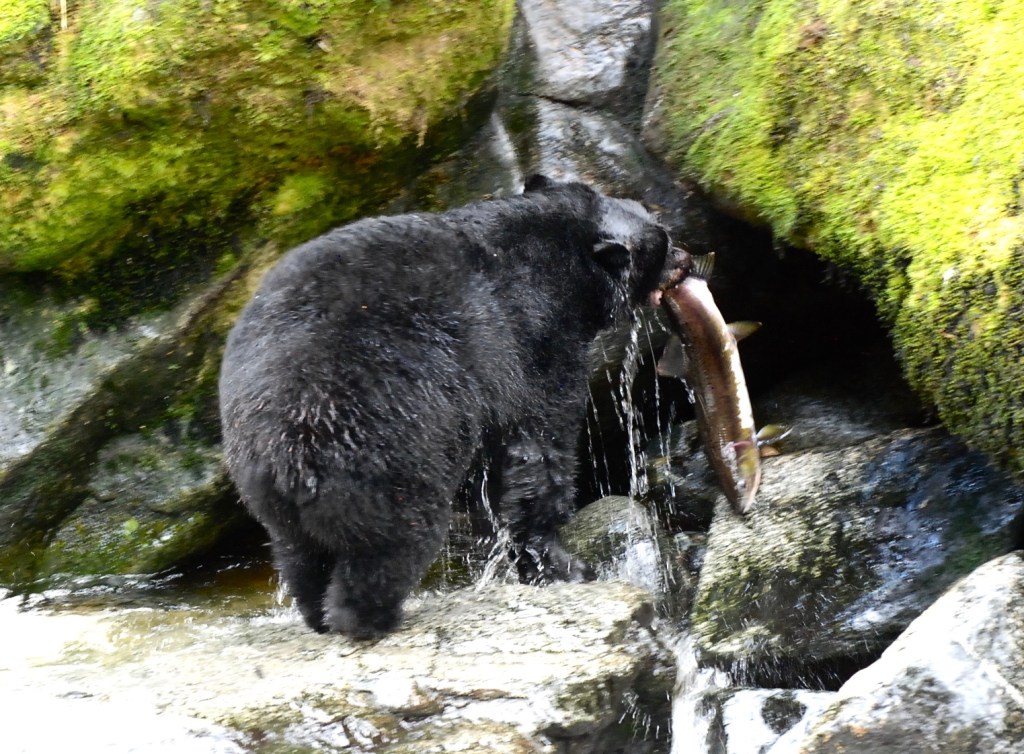
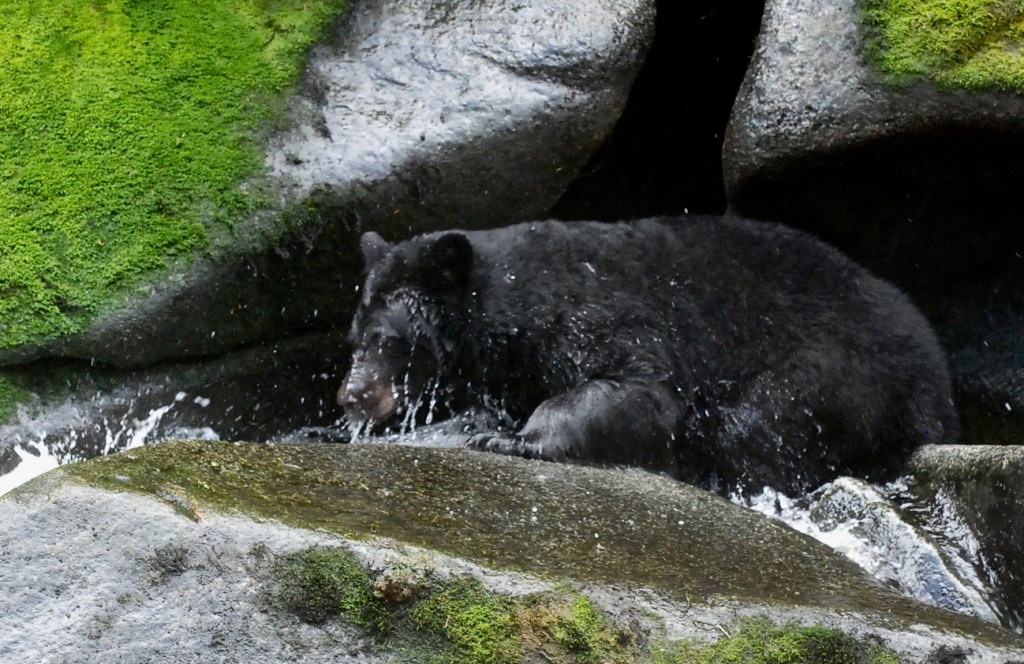
When I go fishing, I always ask Susan to defrost chicken for dinner. These bears didn’t have that issue!
Okay, you’re good, I’ll turn aroundI’m a wee bit uncomfortable with the intensity of your eyesYou look a bit more relaxed now, whew!
All of these images were captured sitting in a protected bear blind on the side of a river in the Wrangell National Wildlife Refuge along the Inside Passage. Came across another fisherman:
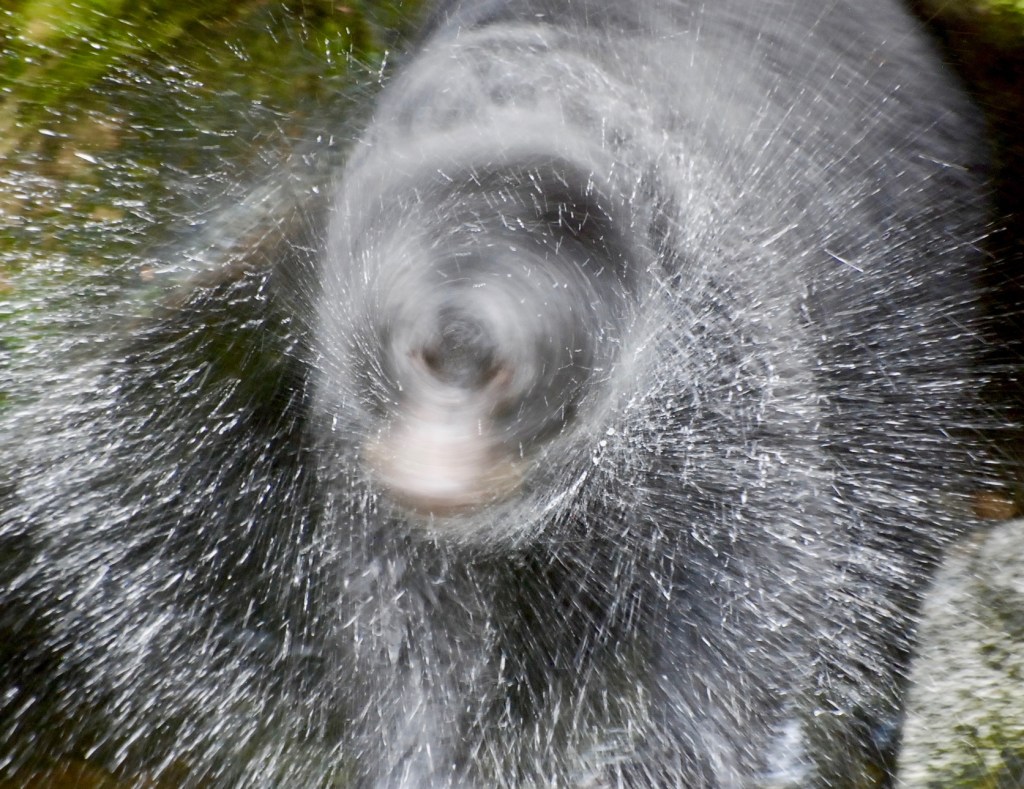
Sometimes when that fish gets away you just gotta shake it off…
While on the Kenai Peninsula came across a few more bears wandering up and down the river bank.
That’s it – after 4 months in the Airstream and 10,000 miles it was time to head back to Park City
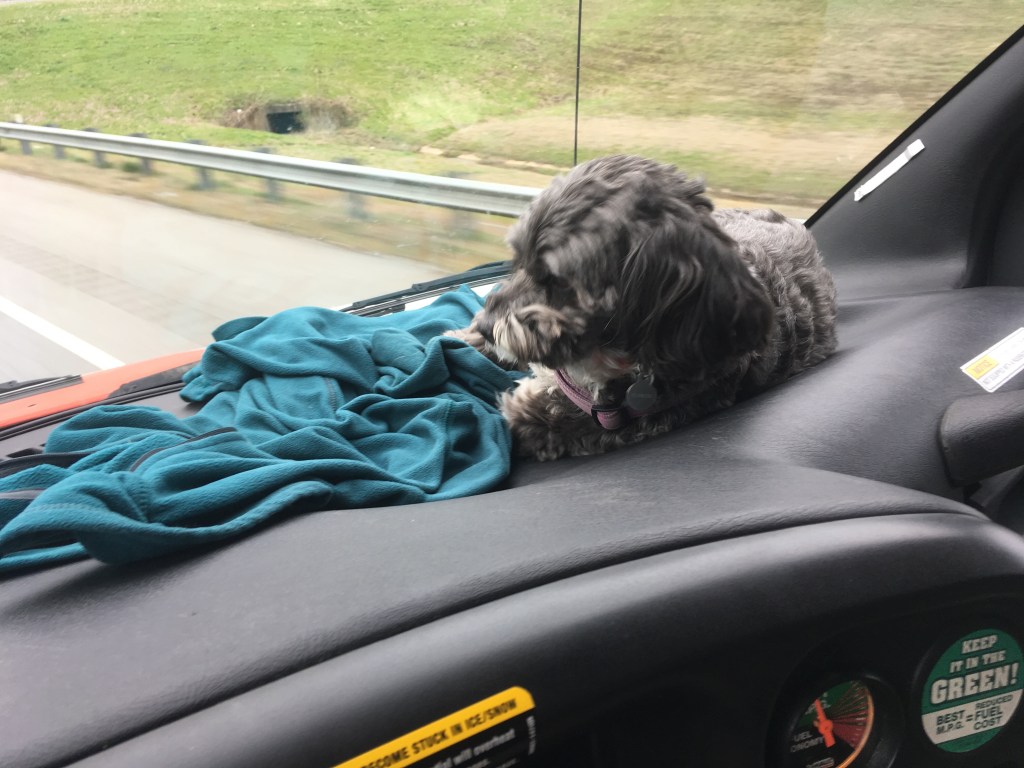
They say that the most interesting places are at the end of the longest road. In the summer of 2018, we loaded the Yukon with mountain bikes, kayaks, golf clubs, camping supplies, put little Coco on her happy spot – the expansive dashboard – and hooked up the Airstream for a 10,000 mile, four month camping trip through British Columbia and the Yukon Territory, entering Alaska via the Top of the World Highway and through Chicken, AK. Came down the Inside Passage via the Alaska Marine Highway, a fascinating way to spend a month seeing Alaska from and on the water.
Absolutely amazing scenery, wildlife and people. Truly the Last Frontier.
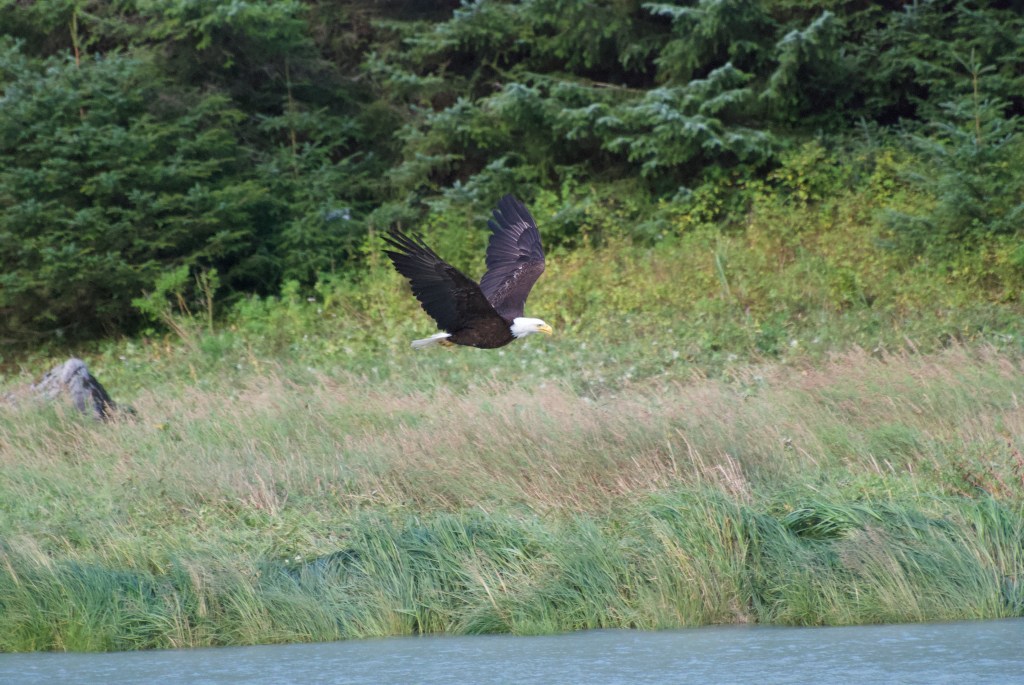
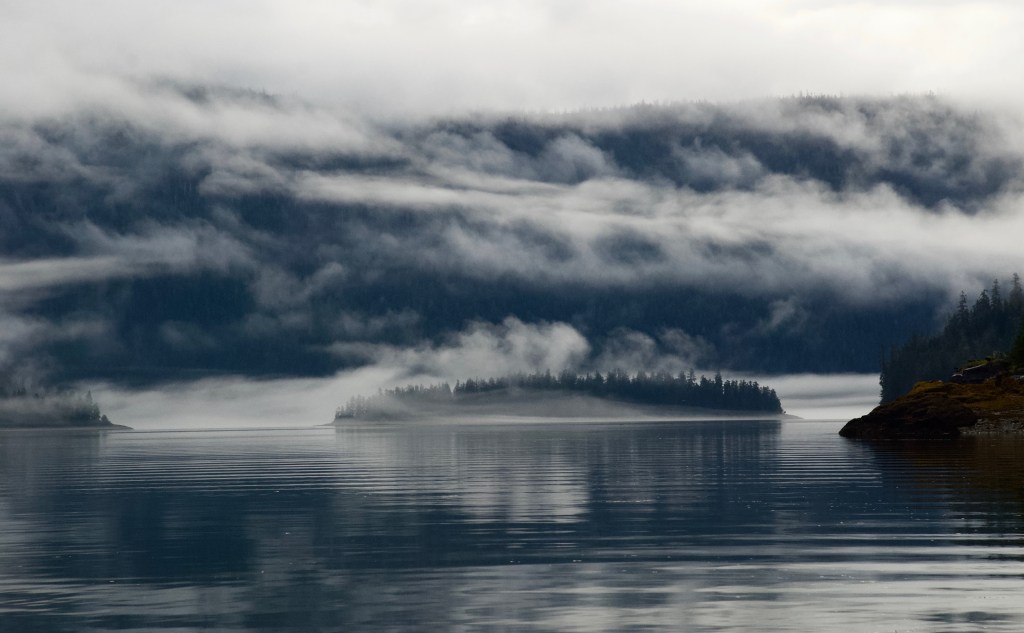
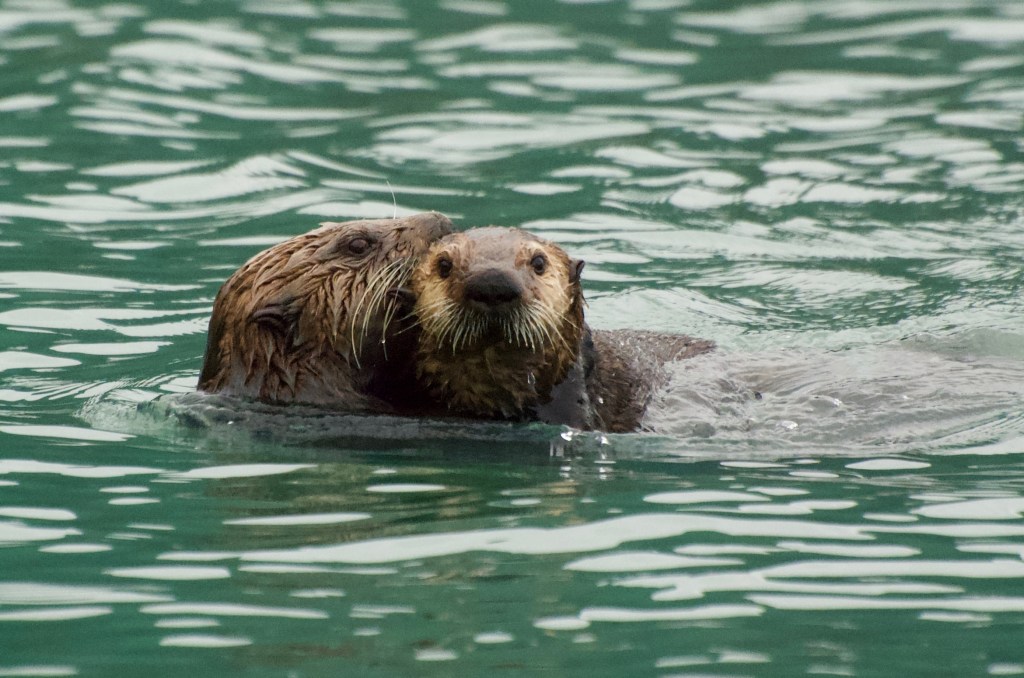
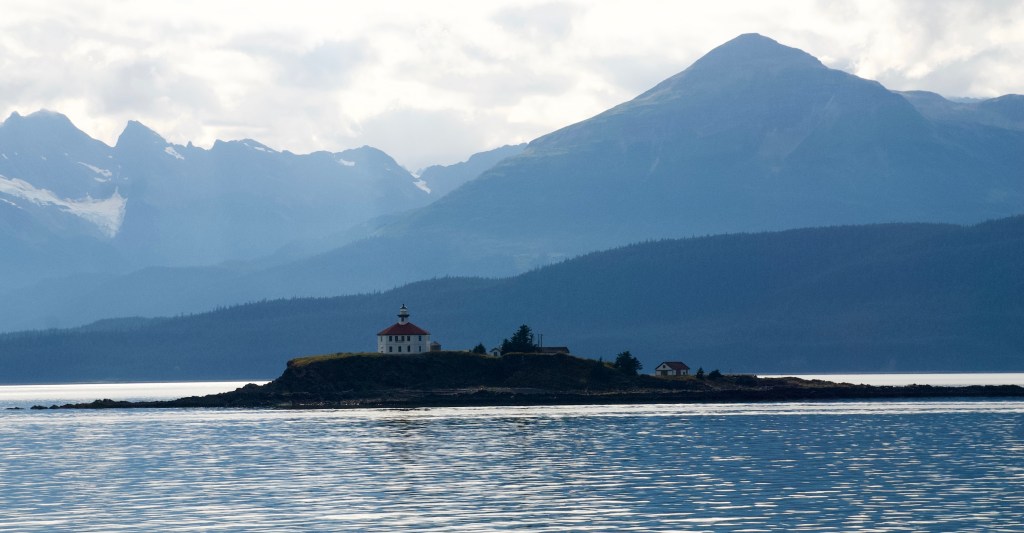
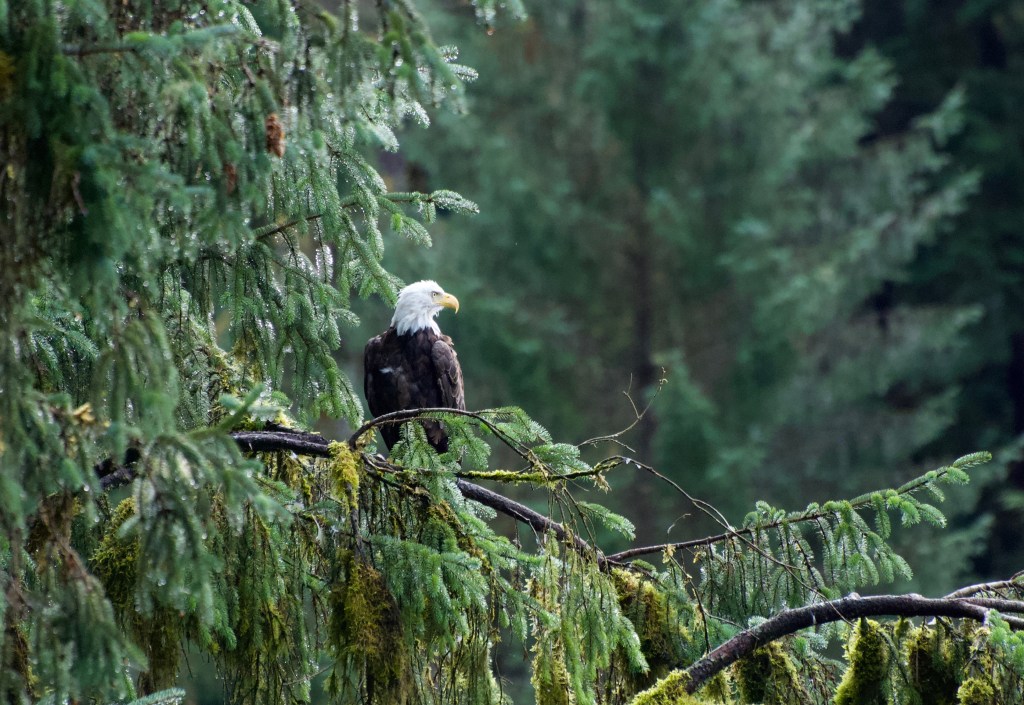
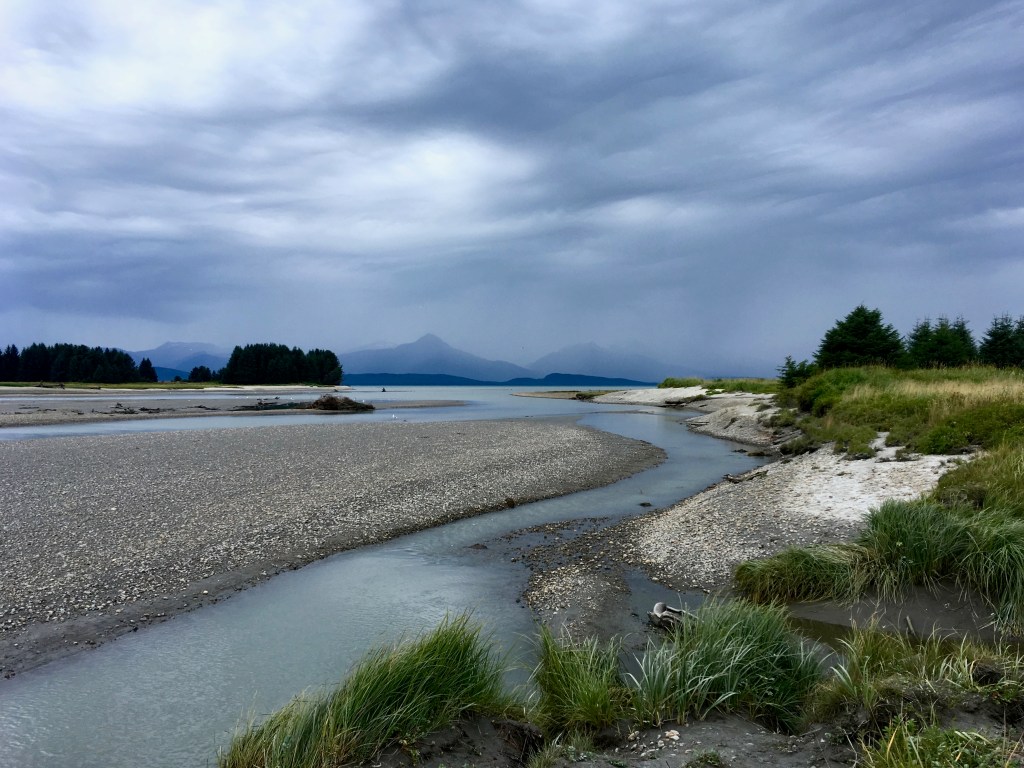
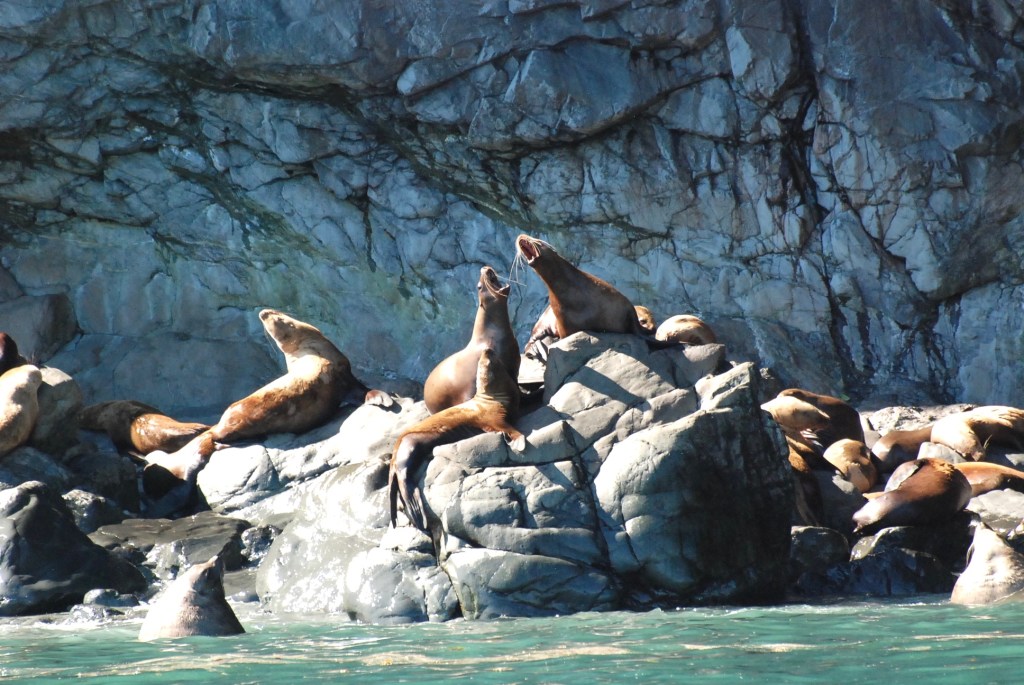
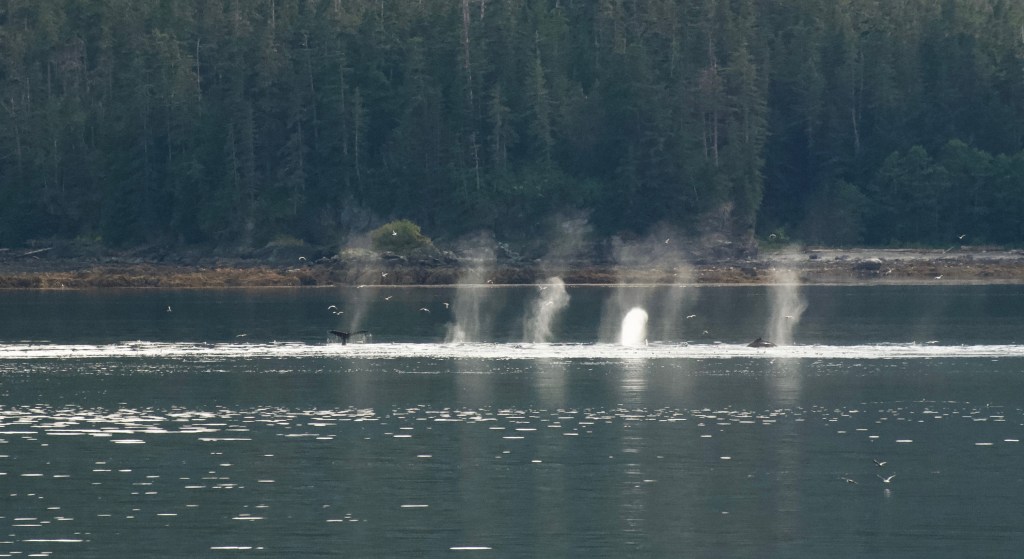
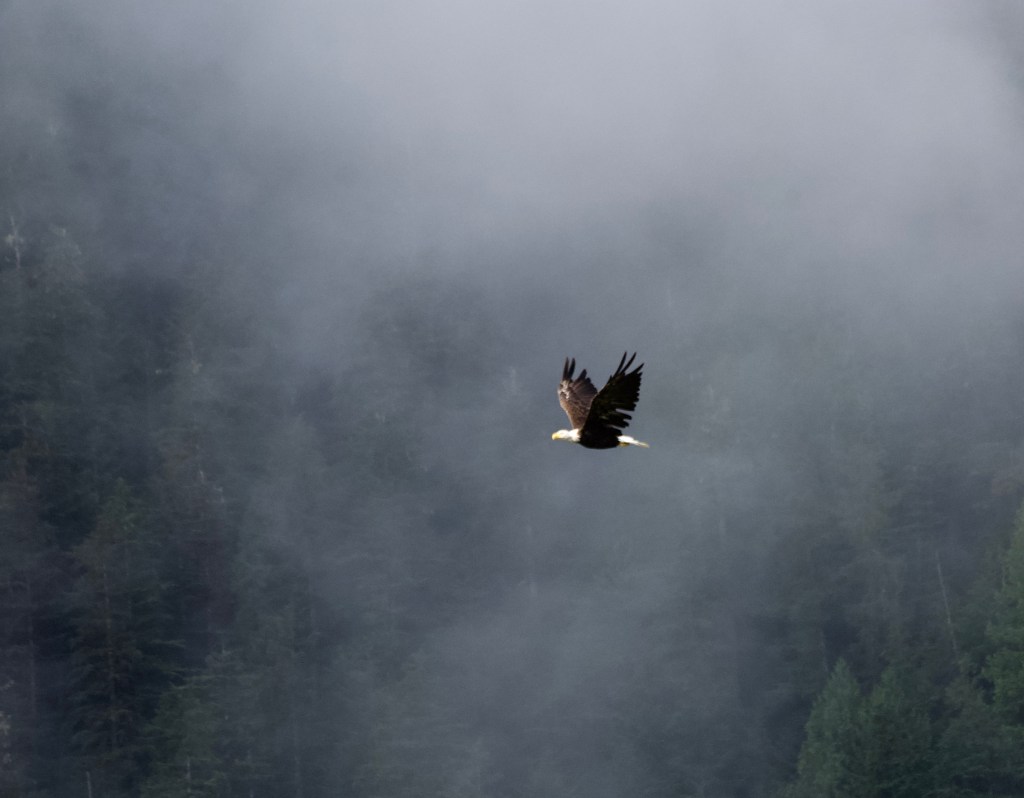
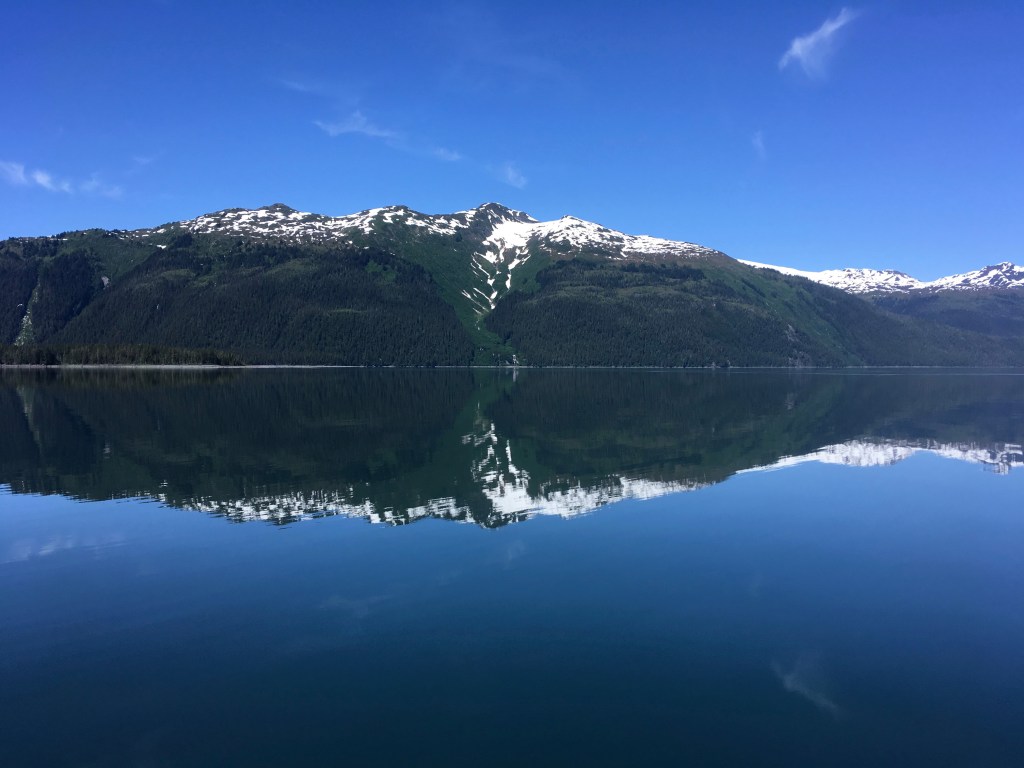
DenaliOn the way to Wrangell National Wildlife Refuge, Inside Passage, AlaskaFlightseeing over DenaliKeeping my distance and Coco in the truckMother and Child ReunionMajestic morning dewThe only road to Denalisomewhere along the Inside PassageEagle River outside Juneau Sea Lions near HomerWhales bubble feeding along the Inside Passage. They encircle a large school of prey fish and blow out at the same time, the extraordinary rush of bubbles forces the school of fish toward the surface and it’s lunch time.
We had sold the Deer Valley home and furniture, put the things we valued in long term storage, and moved aboard a Nordhavn 47 trawler named Dragonfly. After spending May – September in New England and Maine, we were heading south like everyone else. Tied up in a marina along the C & D Canal (connecting Chesapeake and Delaware bays), Susan took little Coco for a walk and was chatted up by a guy on a Huge powerboat named Coping. Ray played the 20 questions game, and when Susan said we didn’t have specific plans for where to spend the winter, he made the very compelling argument to skip Florida and head to the Abacos and spend the winter at the Royal Marsh Harbour Yacht Club. It sounded very fancy, but we later learned that it was organized by a bunch of drunks, I mean boaters (but you knew that) who thought it would be fun to create a boating club in the Bahamas for cruisers. They knew the Queen wouldn’t bless the club, so they made former University of Texas football coaching legend Darrell Royal an honorary member, and named the Club after him. The rest is history, though it is surprising how many yacht clubs offer reciprocal privileges when you mention that you’re a member of a Royal club.
And so this is how we came to spend three winters in the Abacos, followed by spring cruising in the Exumas. If you’ve never been, this area is famous among boaters, first and foremost for the water. Clear, clear, and more clear, with unbelievable shades of blue, green and everything in between.
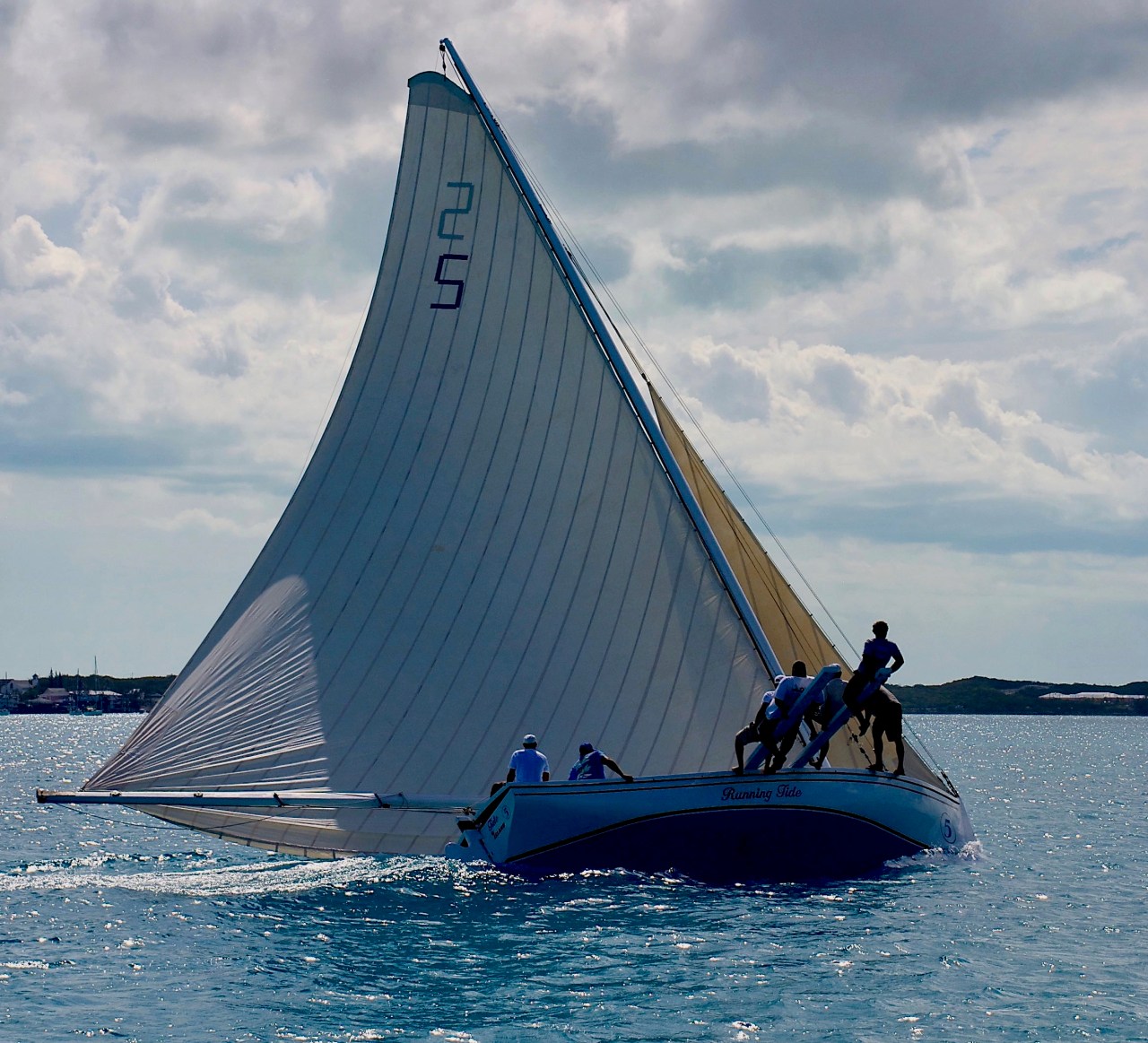
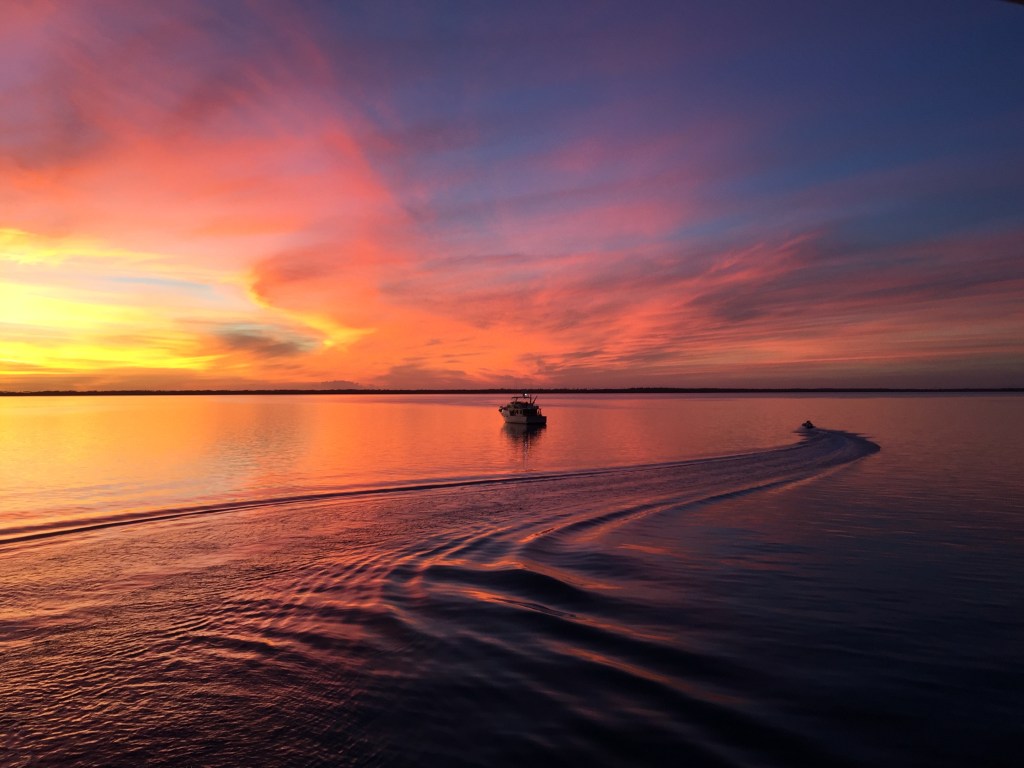
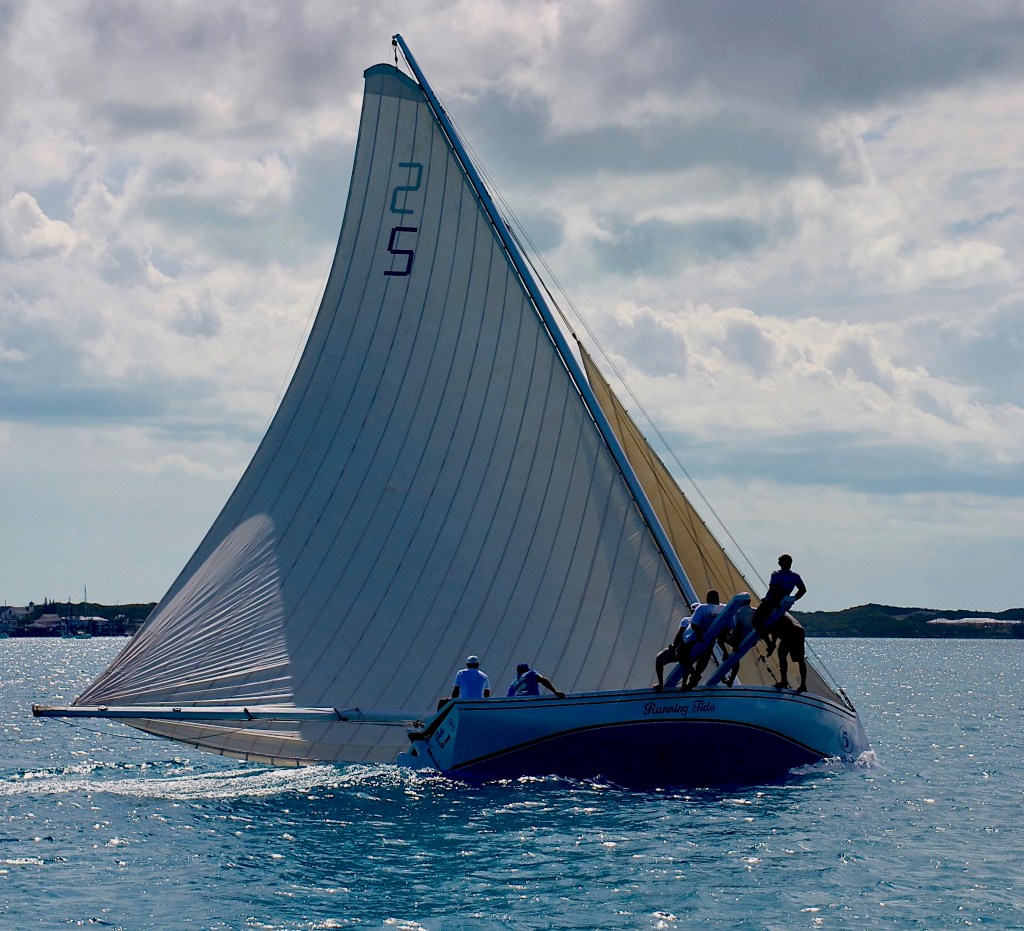
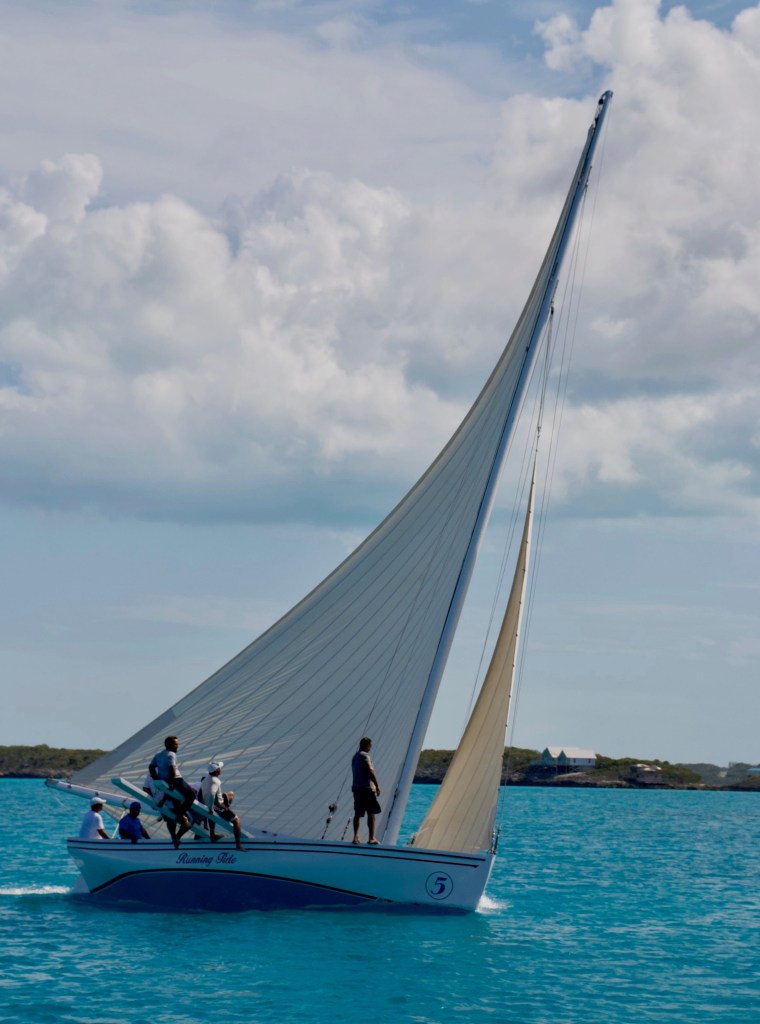
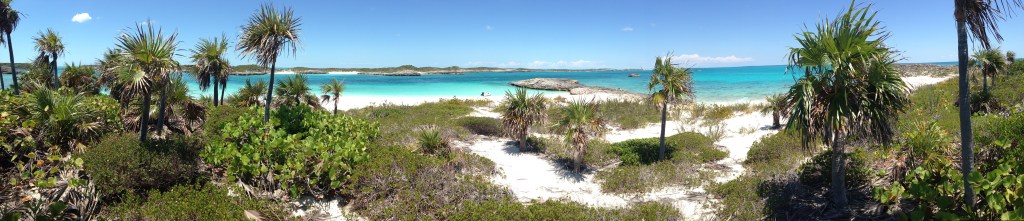
Best sunset photo of the Bahamas, off Elbow Cay with Elizabeth Ann, a Fleming 55Family Island Regatta, Georgetown, ExumasSpending the day on a deserted island, east of Cambridge Cay, ExumasSunset off Lubbers Landing, AbacosSport fishing off Marsh Harbour in the Abacos and the boat caught this huge Mahi MahiHighbourne Cay in the northern Exumas – a personal favorite!
“We couldn’t still be living here if it wasn’t for all of you.”
Gratitude. Complete and total gratitude. Usually it is heard in a voice. Sometimes it is sensed in body language. Occasionally it is seen in one’s eyes. But on the rarest of times is gratitude, complete and total gratitude, heard in a voice, sensed in body language, and seen in one’s eyes.
Darkness comes quickly in the lower latitudes during the winter. It is an abbreviated twilight as the low sun rapidly disappears over the North Atlantic. Departing the one room Bahamian Customs and Immigration cabin, I crossed the gravel driveway and walked along the marina bulkhead looking for Kyle in the last of the fading light. His is a familiar face upon arriving at Old Bahama Bay marina, the Dockmaster of a popular first stop for mariners after leaving Florida and crossing the gulf stream for the Bahamas.
The unmuffled sound of a gasoline engine caught my attention just as Kyle came around the corner on an ATV, relying on a handheld flashlight rather than headlights for guidance. I waived him down to complete the registration forms and pay for the overnight dockage since we were departing at sunrise for an anchorage on the Little Bahama Bank.
As he started to fill out our dockage forms, I asked how his family was after Hurricane Matthew. He was still holding the flashlight, pointing it down upon the clipboard, the light reflecting off of the papers and illuminating his face in what had become total darkness. Without looking up, he started talking. This is Kyle’s story, told as faithfully as I remember:
“Oh man, that was a bad storm. I don’t ever want to be in a storm like that again. I mean that was a really bad storm.
I was here for Hurricane Frances and Hurricane Jeanne, and they were only 12 days apart, and this was a lot worse than those storms.
I don’t ever want to be in a storm like that again.
My family, and my brother’s family, and my cousin who lives down the street in the settlement, we were all in my Dad’s house. He built it in the 1980’s to withstand a hurricane. It has hurricane straps and all to keep the roof on. So there were 14 of us in his house.
And the storm was loud, you cannot believe how loud it was. They clocked wind at 180 miles an hour. Can you believe that?
My Dad was sawing. I stood there watching him saw, and I said give me that saw, I’m gonna saw.
Why was I sawing? Because the kids were yelling and screaming in a couple of the rooms. The rain and wind was coming in. The windows had blown out. So Dad took a bathroom door down and was sawing it to nail it over the two broken windows. But I wanted to saw. He shouldn’t be having to do that. I should do it.
And so I’m sawing. And it’s really loud. Loud! And the rain and wind are screaming into the house. And it’s so loud you cannot believe it.
And then it was silent!
Just like that. In one second it just became silent. The eye of the hurricane passed directly over us. With Frances and Jeanne I remember it getting quiet when the eye came over, but not like this. This time it just got silent immediately.
So we went outside and I remember thinking why am I at the marina? There was three feet of water in front of the house, just like at the marina, but my Dad’s home is two blocks back from Main Street. That’s the street in West End that goes along the waterfront. The storm brought that much water into our streets.
So we all went down the road checking on everyone. The homes on Main Street were terrible. You could see right through them. Doors and windows and garage doors – they were all gone. There had been a surge of 8-9 feet of water and the water just ripped it all wide open.
For the first part of the storm, we had 14 people in my Dad’s house. After the eye passed over, we had 40.
But everybody in town is okay.
Nobody died.
We lost all of our electricity. And our drinking water is desalinated so we don’t have any of that because there’s no electricity. So we don’t have drinking water either.
We couldn’t still be living here if it wasn’t for all of you.”
Kyle was still looking down at his clipboard, reliving the terrifying experience one word at a time, the flashlight still held in place and reflecting the light onto his face. Confused, I asked what he meant by “all of you”, as in all of us boaters?
“No, the United States.
They said we weren’t going to have electricity until February. We can’t live here that long without electricity and drinking water. We couldn’t stay here. We couldn’t live here.
This company from Tampa sent people over here.
Man, those guys worked hard. They never stopped working. They worked all day. They worked all night. All they wanted to do was get our electricity back up so we could live here. They were here for six weeks. And all they did was work all day and all night.
In Freeport they said that this company from Tampa was going to have to leave early. The local employees wanted to drag out the repairs until February so they’d get more overtime. But we said no, we can’t live here that long without electricity. So we called and said you can’t make them go back to Tampa now. So they stayed. They were here for six weeks. And now we have our electricity. And we can still live here.
On their second to last day here, we had a fish fry for them. Right here in the marina. We got a couple of Greyhound buses and brought all of them out here, and had a big fish fry.”
For the first time since he began reliving the storm, Kyle looked up at me, a big smile came across his face, reflected in the beam of the flashlight, and he said, “man, we made friends for life that day!”
Gratitude. Complete and total gratitude.
There are many remarkable aspects to this story, but I was struck by how he thought of the men and women who came over and worked so tirelessly to bring power back to the people of West End and the other towns and settlements of Grand Bahama Island. He didn’t think of them by their individual names, or by what company they worked for, or what state they were from. The reason they could still live here was because of the United States.
To the hardworking men and women from “this company in Tampa”, thank you. You are the best of America, and the Bahamians will forever be grateful.
The Bahamas during nicer weather:
Dragonfly, our Nordhavn 47 trawler, in the foreground at Warderick Wells, ExumasBig sunset off Elbow Cay, Abacos
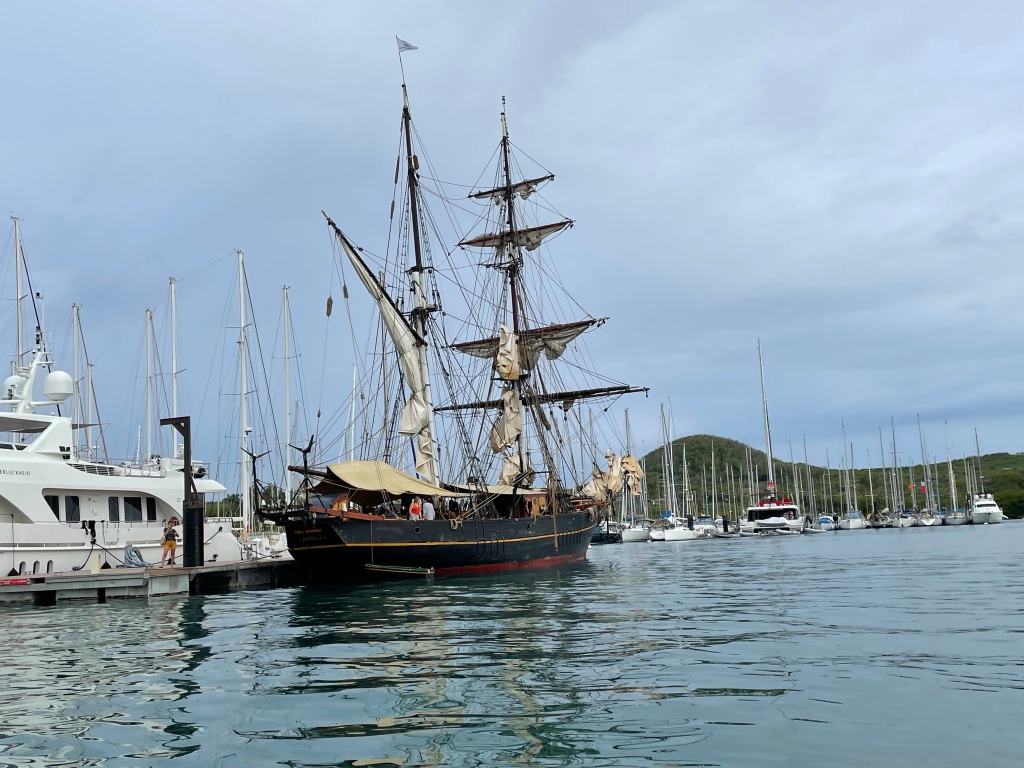
A pirate ship docked at the end of our pontoon here in Le Marin, Martinique.
Tres Hombres
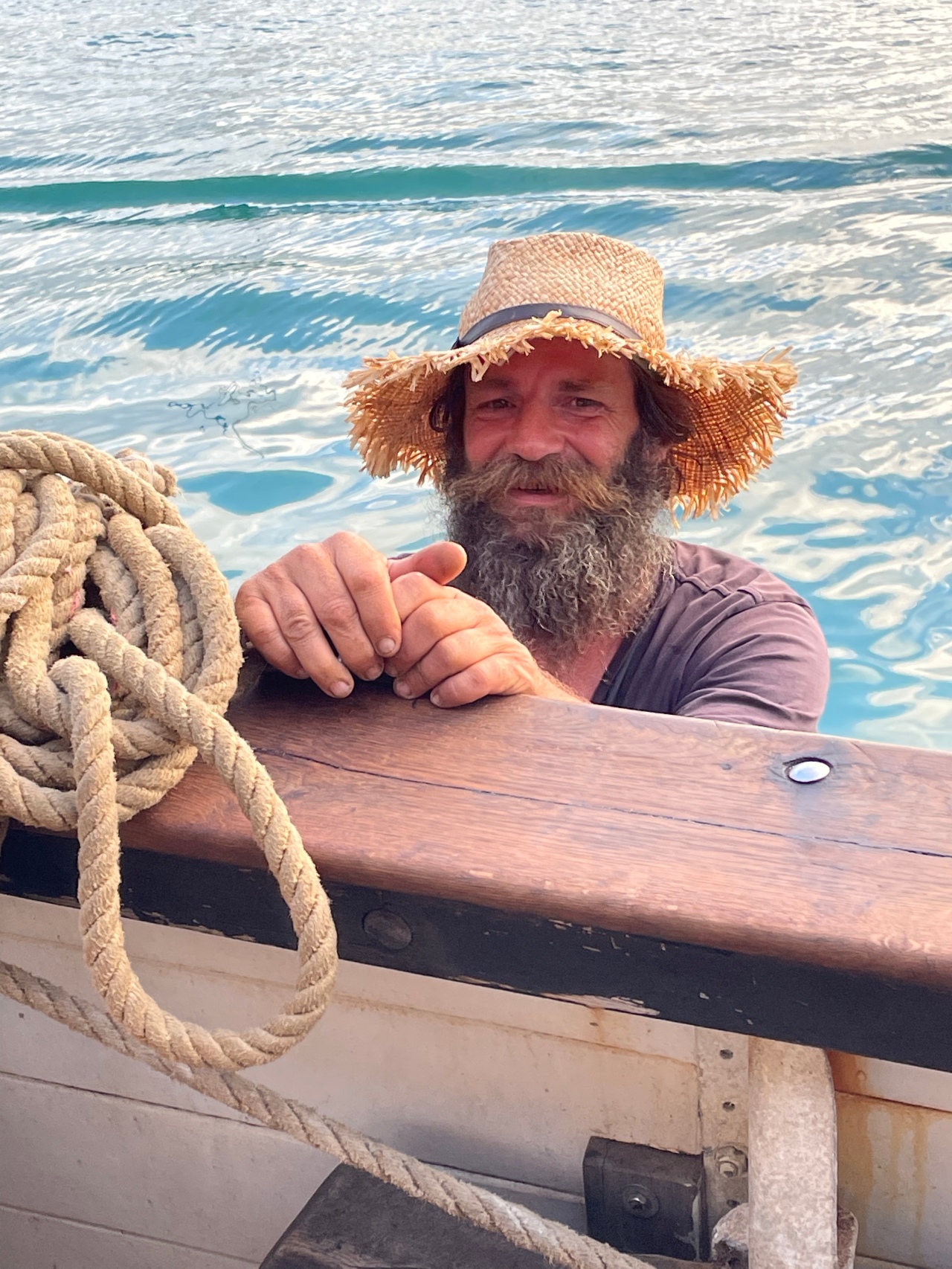
Well, maybe it wasn’t a pirate ship, but it sure looked like one, and all the more so by the crew wandering up to the pub on shore – barefoot, sunburned, dreadlocks, old hemp style ropes used as belts, salty as in the real kind of salty sailors.
Le Capitan
We wandered down the next day to see what the story was, and what a story it is.
Repairing the sails
Tres Hombres was built by the German Navy in 1943 as an all wood powerboat meant to do coastal surveillance. Wood was chosen as it does not readily show up on radar like a steel vessel. After the war, the boat was more or less left abandoned, and three friends from the Netherlands bought it in 2007 as they were starting a clean shipping movement. They spent a couple of years refitting the boat and turning it into a sailing yacht. To make room for cargo, they removed the engine and so this boat literally sails everywhere they go.
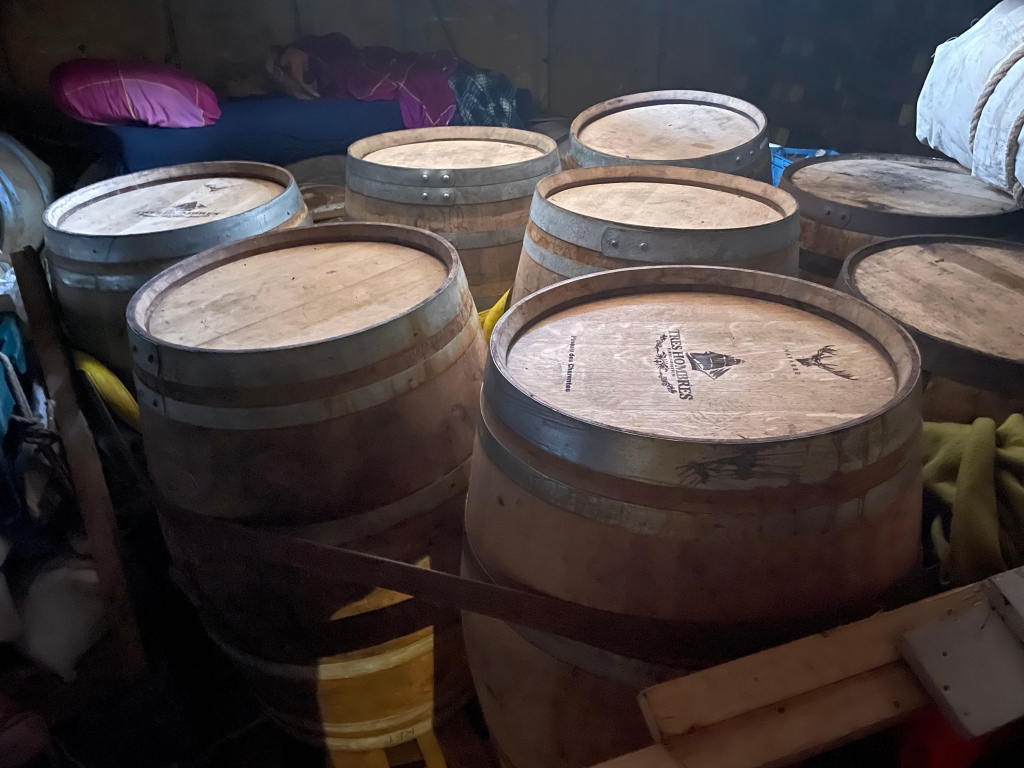
Clean shipping refers to the idea that sail-powered cargo shipping worldwide can be feasible. Tres Hombres carries 40 tons of organic and traditionally crafted goods like Tres Hombres Rum, cocoa, coffee, honey and canned fish. They cross the Atlantic from the Netherlands to the Windward Islands, load cargo, then sail up to the Dominican Republic to load more cargo, then back to the Netherlands.
Rum cargoA very authentic galleyNotice the compass numbers are backwards. This is because the compass can be viewed from the navigation station which is directly below decks. Therefore looking upward the navigator reads the numbers properly.
The captain and crew were very personable, giving the locals the opportunity to board the ship, have a look around, sample the rum, and chat with the crew.
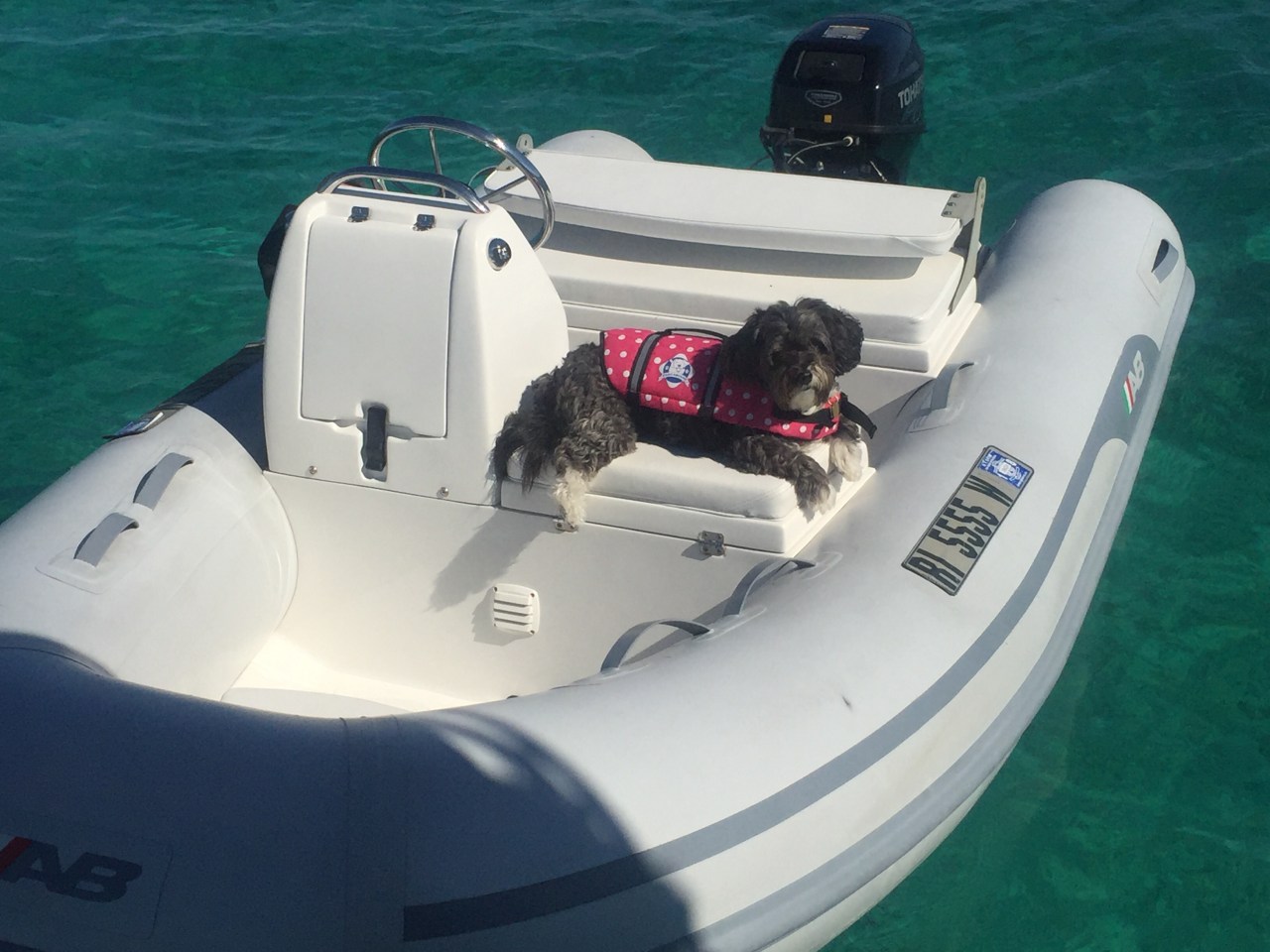
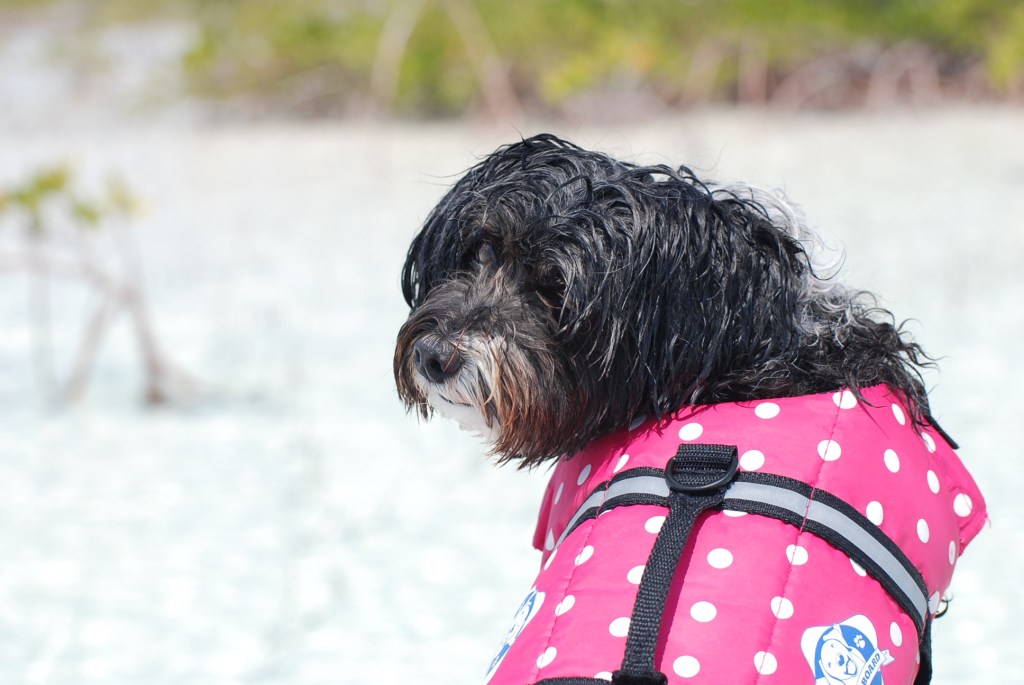
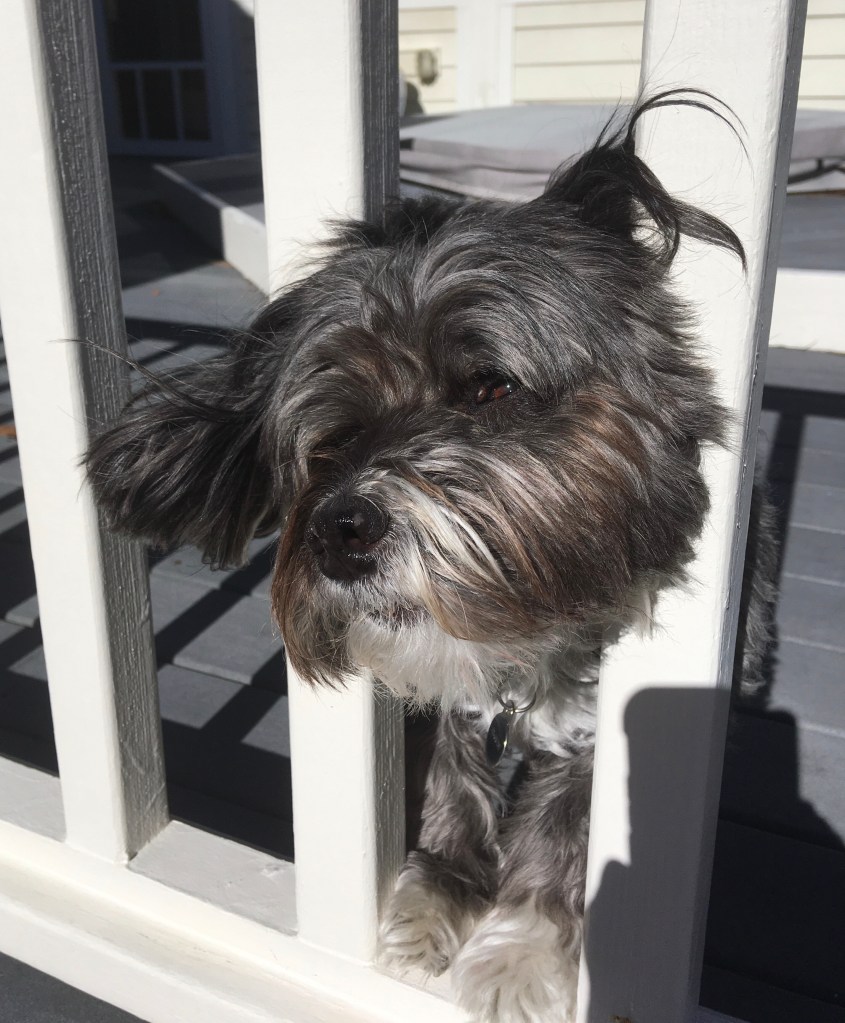
As we start another new adventure, we know that Coco’s spirit will be with us every day. She was the best little friend ever and we miss her dearly for she came along on nearly every trip we’ve taken since 2008.
This made her a well traveled dog, for it included three years on the Nordhavn, 19 national parks in the Airstream, countless airplane trips to visit Grandma in Austin, and lots of time in the mountains of Utah, hiking, snowshoeing, chasing squirrels and the occasional deer.
Coco was a remarkably smart dog and she trained us well. Highly attuned to the vibe in the house, we were able to communicate with her in complete sentences, and she fully understood the difference between “Do you want to go to the beach?” (run and jump in the yacht tender) and “We have friends coming over for dinner” (run to the side deck and start barking).
After the tears, we are left with the wonderful memories and the understanding of just how much she filled our lives and hearts with so much joy and happiness.



























 Dragonfly Waypoints