Come mid-September a distinct bite in the late afternoon air announces the summer cruising season in Maine is drawing to a close and it’s time to raise the hook and head to the Bahamas.



Our time aboard the Nordhavn 47
Come mid-September a distinct bite in the late afternoon air announces the summer cruising season in Maine is drawing to a close and it’s time to raise the hook and head to the Bahamas.

Holy cow, we just bought a Nordhavn.
Susan and I are lifelong sailors, mainly racing dinghies such as Snipes, Lasers, J22’s, etc., but have also had larger keelboats along the way (Beneteau 393 in the BVI and C&C 29 on San Francisco Bay).


As the years rolled along, it became clear that while we loved being on and around the water, wearing 4 mil wetsuits and taking waves over the Snipe bow were not sustainable for the long term. The nail in the coffin came when I blew out my back racing a Laser, resulting in L5/S1 surgery.
How we came to buy this Nordhavn 47 is kind of an interesting story. Our search led us to power, and then trawlers, and then Grand Banks, and then to TrawlerFest in Baltimore a couple of years ago. There were a great variety of boats, so we spent lots of time on Kadey Krogens, Selenes, Defevers, a Krogen Express and three Nordhavns (a 40, 43 and 47). We met Jeff Merrill, a very knowledgeable Nordhavn broker and started the deep dive on the Nordhavn product.
Several weeks after we got home to Park City, UT, we received a Fedex box from Merrill with every Circumnavigator issue and lots of product info on the 47. The magazines were lying around the house and we’d flip through them every now and again.
Susan is a professional teaching chef and had been a panelist at a healthy eating / child nutrition event when she was approached by a Mom who asked if she would be interested in getting involved in improving the public school lunch program. The woman gave Susan her card – Eric, Ann and Bear Bloomquist.
One afternoon Susan was having tea and reading an old issue of Circumnavigator when she came across the profile of owners who had a child named Bear. Well, there just aren’t too many people who name their kid Bear, so she digs out this family card she remembered receiving, called Ann, and asked “Do you happen to have a Nordhavn?” Holy cow, they just finished 11 years living aboard Nordhavns (a 40, 47 and 64 – Oso Blanco). Who would have thought in a town of 7,000 people we’d find another couple with a Nordhavn background by sitting on a food panel and reading Circumnavigator? So of course we had them over for dinner, learned all about Nordhavns, Susan and Ann founded a non-profit to improve school lunches and became great friends. Thanks Circumnavigator!
Our search then narrowed to resale Nordhavn 47’s and we identified a very nice 47 on San Francisco Bay that had been on the market for about a year. We visited it with Jeff Merrill, and about a month later we were finally ready to go forward and called Jeff to write an offer. And Merrill’s reply is: “The boat went under contract this morning” You have got to be flipping kidding me! Susan’s reply was “Wow, we need Health, Time, Money AND a Boat.”
Later, Susan was on Yachtworld looking at available 47’s and asked about Winkin, an equally nice 47 on the east coast. I remembered Eric telling me that Winkin was originally Oso Blanco, the boat they had built when they moved up from their 40 to a new 47. What a small world!!!
So we put Winkin / Oso Blanco under contract and planned our due diligence trip for mid December. Four days before flying to Rhode Island, I slipped on ice and snapped my fibula – ouch! Hmm, can we still fly across country and spend three days on a boat with cast and crutches?
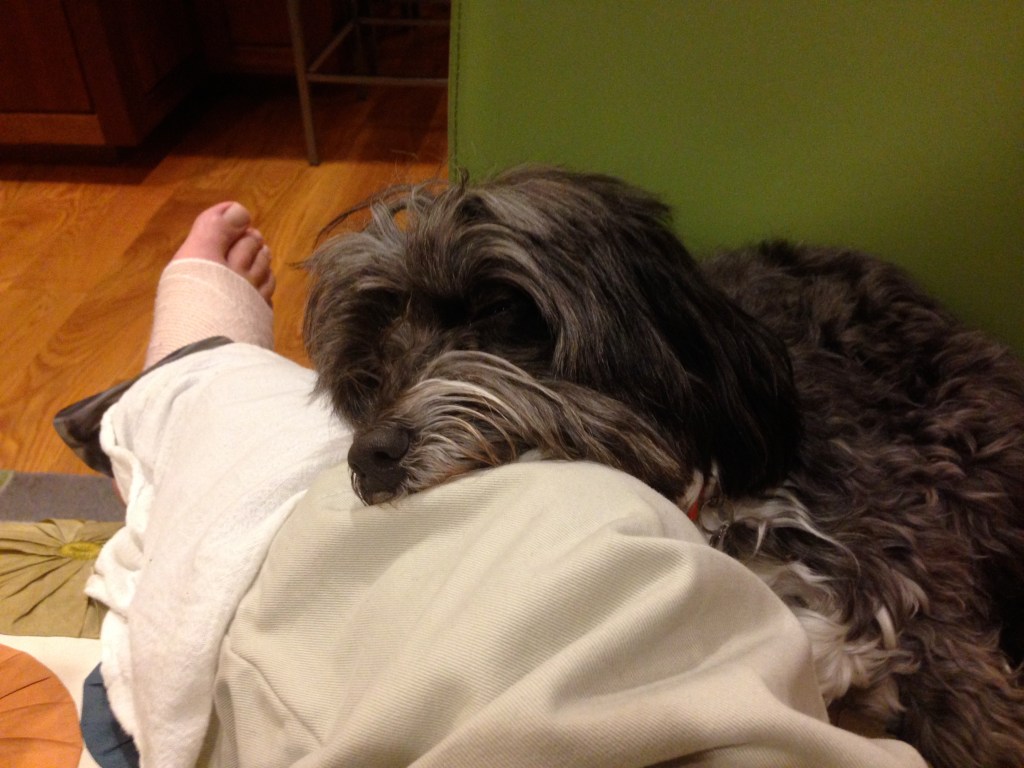
Time for rally caps – we changed hotels to have an elevator, changed the rental car to have a minivan, and rented a wheelchair as the forecast was for snow and ice and we needed a way to get up and down ramps and docks. It was a great trip – Jeff, Susan and Dave Balfour (the seller’s broker) were all super and helped me on and off the boat and I was able to crawl up and down the stairs dragging the cast behind me. Most of my own due diligence was done looking in floor hatches and cabinets at floor level. I never did see in the high cabinets. The sea trial was done with snow flurries blowing across the bow in 25 degree weather and snow and ice on all of the decks. The boat heater was not operational as the boat had been winterized for the season so the inside temperature wasn’t much higher than the outside temperature. Merrill being from southern California spent most of his time in the engine room!
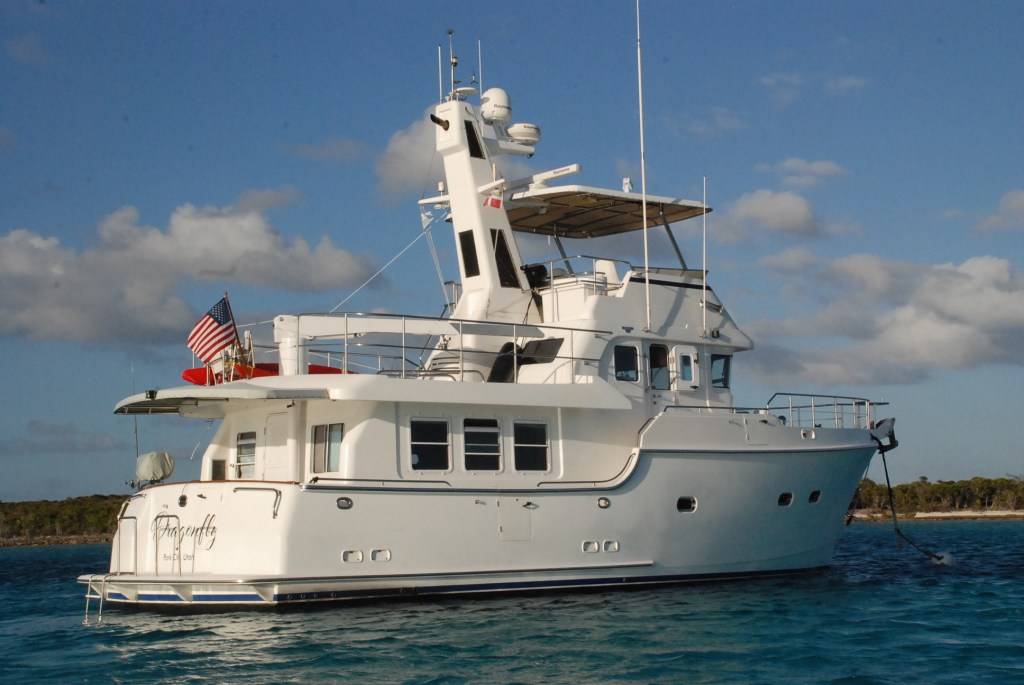
It’s a great boat and we’ll start our adventures in April when we splash Dragonfly and start exploring New England and then the Bahamas.
When in the Abacos we met some serious fishing folks who invited us out and they landed a blue marlin – a Really big deal in the fishing world – so that was pretty cool. Yes, it is most definitely catch and release with these Hemingway trophy fish.

So I thought it would be fun to do some fishing and see what I could land.

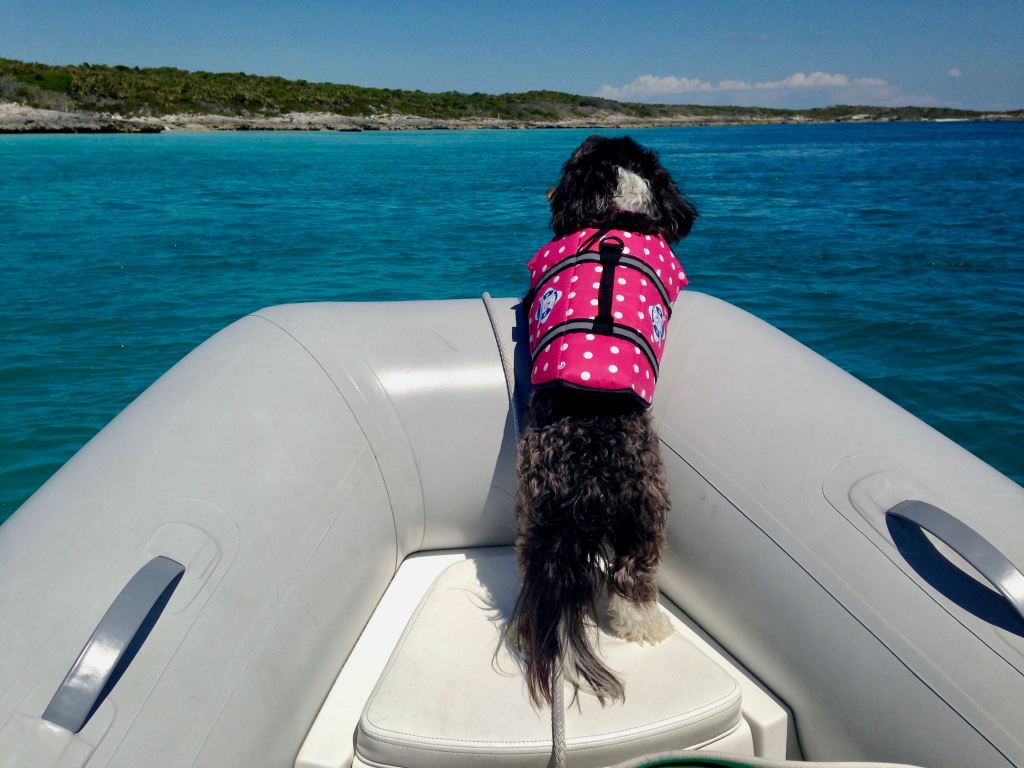
We had sold the Deer Valley home and furniture, put the things we valued in long term storage, and moved aboard a Nordhavn 47 trawler named Dragonfly. After spending May – September in New England and Maine, we were heading south like everyone else. Tied up in a marina along the C & D Canal (connecting Chesapeake and Delaware bays), Susan took little Coco for a walk and was chatted up by a guy on a Huge powerboat named Coping. Ray played the 20 questions game, and when Susan said we didn’t have specific plans for where to spend the winter, he made the very compelling argument to skip Florida and head to the Abacos and spend the winter at the Royal Marsh Harbour Yacht Club. It sounded very fancy, but we later learned that it was organized by a bunch of drunks, I mean boaters (but you knew that) who thought it would be fun to create a boating club in the Bahamas for cruisers. They knew the Queen wouldn’t bless the club, so they made former University of Texas football coaching legend Darrell Royal an honorary member, and named the Club after him. The rest is history, though it is surprising how many yacht clubs offer reciprocal privileges when you mention that you’re a member of a Royal club.
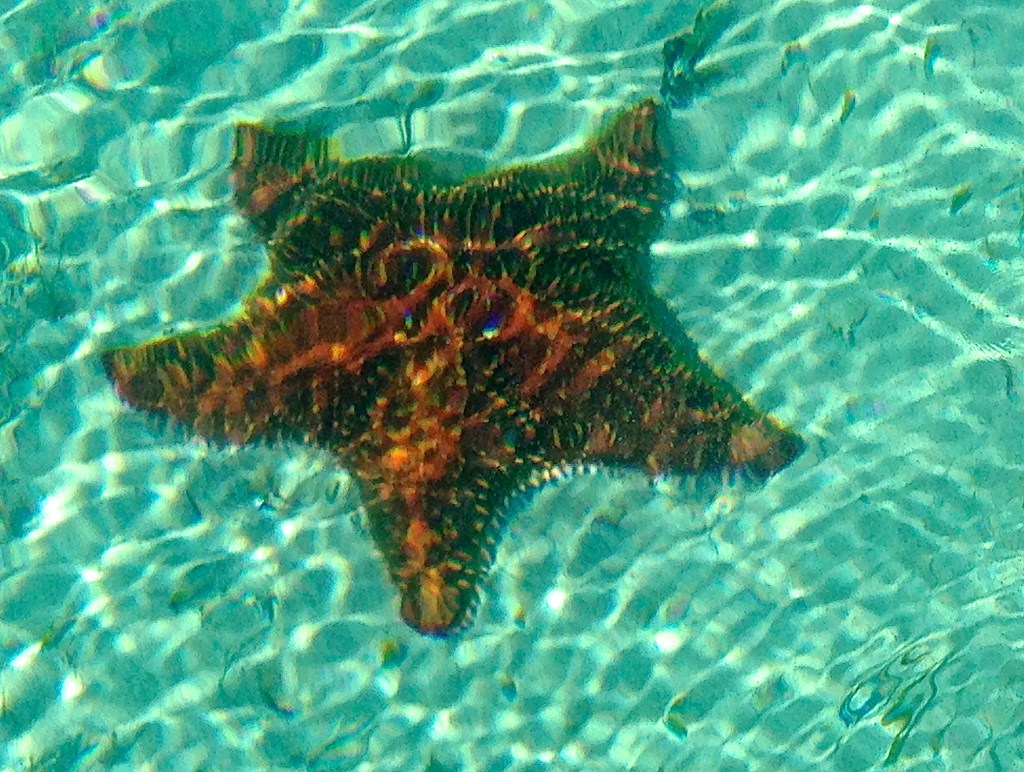
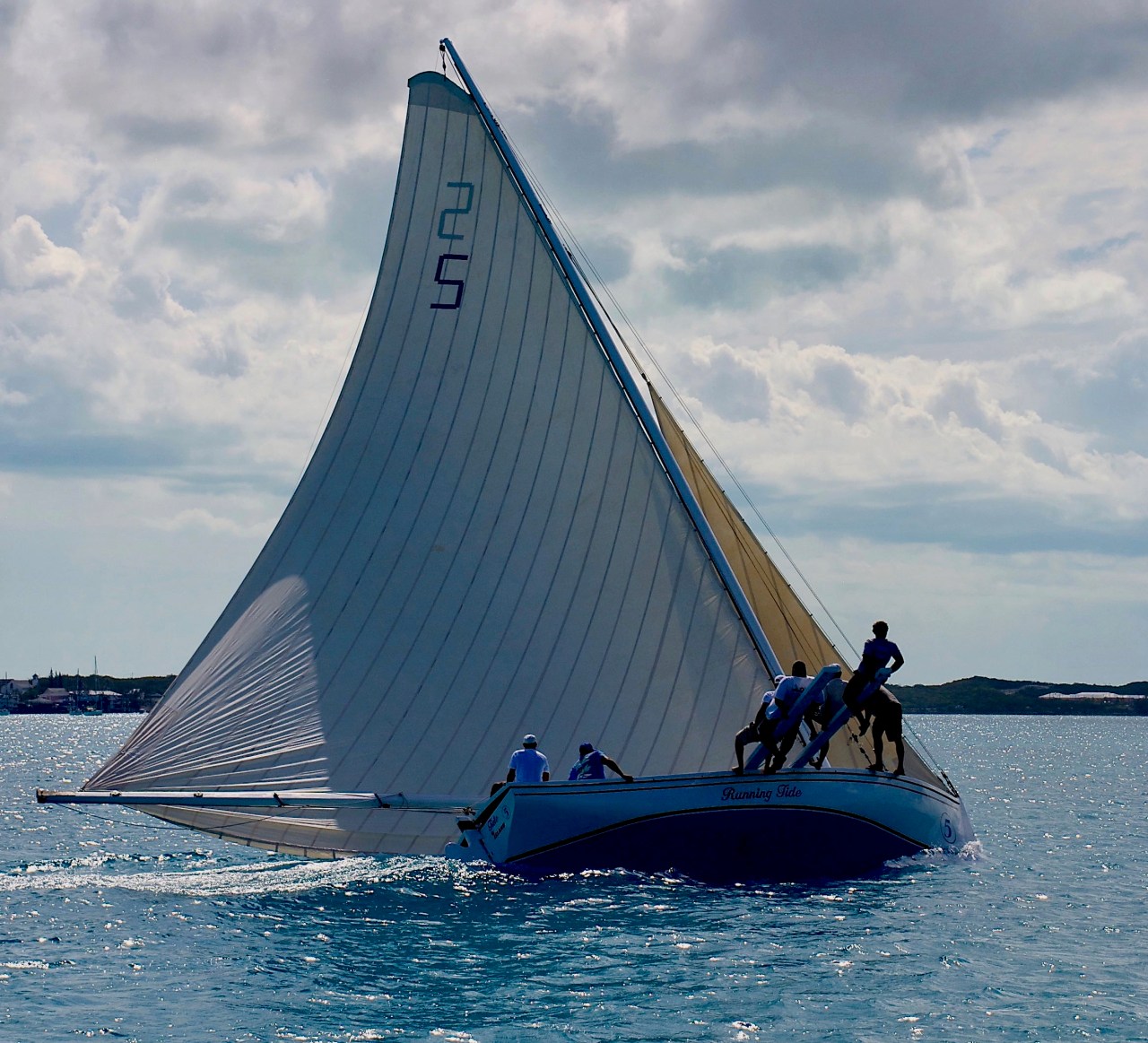
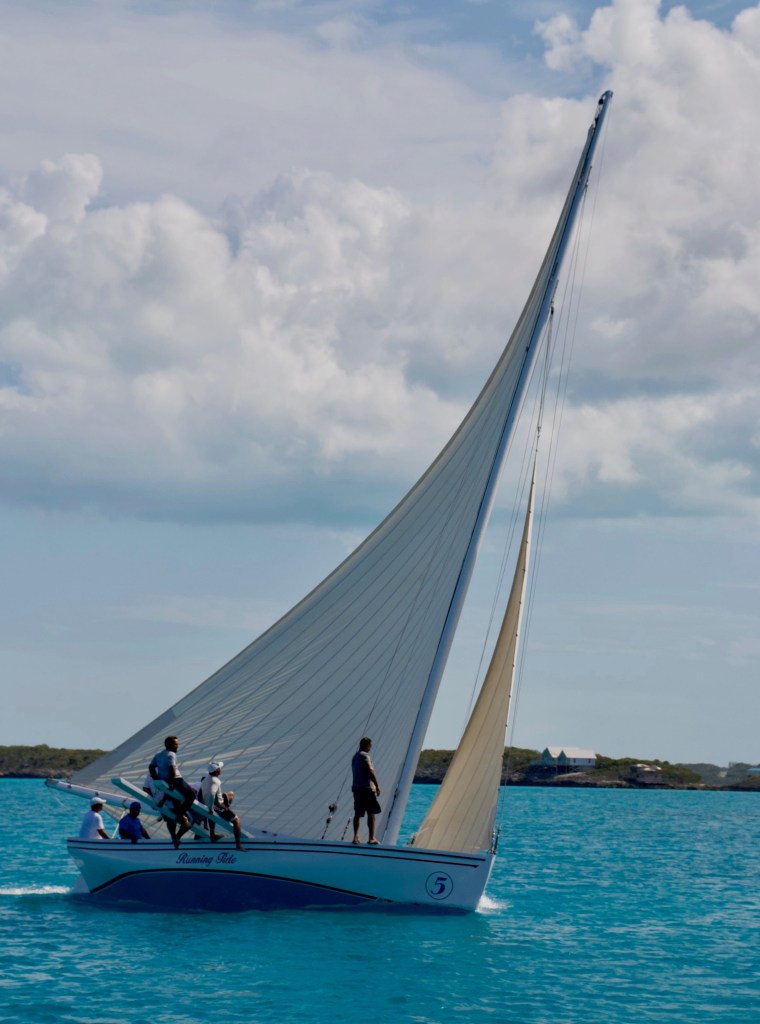
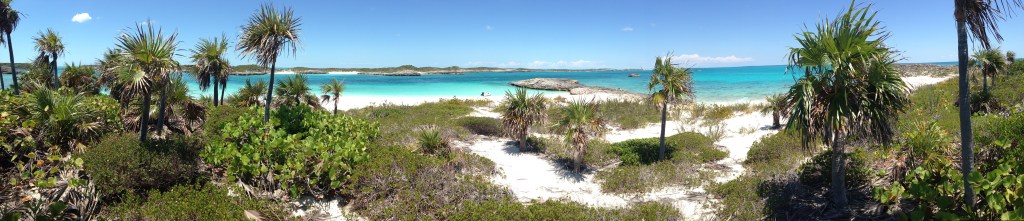
And so this is how we came to spend three winters in the Abacos, followed by spring cruising in the Exumas. If you’ve never been, this area is famous among boaters, first and foremost for the water. Clear, clear, and more clear, with unbelievable shades of blue, green and everything in between.


“We couldn’t still be living here if it wasn’t for all of you.”
Gratitude. Complete and total gratitude. Usually it is heard in a voice. Sometimes it is sensed in body language. Occasionally it is seen in one’s eyes. But on the rarest of times is gratitude, complete and total gratitude, heard in a voice, sensed in body language, and seen in one’s eyes.
Darkness comes quickly in the lower latitudes during the winter. It is an abbreviated twilight as the low sun rapidly disappears over the North Atlantic. Departing the one room Bahamian Customs and Immigration cabin, I crossed the gravel driveway and walked along the marina bulkhead looking for Kyle in the last of the fading light. His is a familiar face upon arriving at Old Bahama Bay marina, the Dockmaster of a popular first stop for mariners after leaving Florida and crossing the gulf stream for the Bahamas.
The unmuffled sound of a gasoline engine caught my attention just as Kyle came around the corner on an ATV, relying on a handheld flashlight rather than headlights for guidance. I waived him down to complete the registration forms and pay for the overnight dockage since we were departing at sunrise for an anchorage on the Little Bahama Bank.
As he started to fill out our dockage forms, I asked how his family was after Hurricane Matthew. He was still holding the flashlight, pointing it down upon the clipboard, the light reflecting off of the papers and illuminating his face in what had become total darkness. Without looking up, he started talking. This is Kyle’s story, told as faithfully as I remember:
“Oh man, that was a bad storm. I don’t ever want to be in a storm like that again. I mean that was a really bad storm.
I was here for Hurricane Frances and Hurricane Jeanne, and they were only 12 days apart, and this was a lot worse than those storms.
I don’t ever want to be in a storm like that again.
My family, and my brother’s family, and my cousin who lives down the street in the settlement, we were all in my Dad’s house. He built it in the 1980’s to withstand a hurricane. It has hurricane straps and all to keep the roof on. So there were 14 of us in his house.
And the storm was loud, you cannot believe how loud it was. They clocked wind at 180 miles an hour. Can you believe that?
My Dad was sawing. I stood there watching him saw, and I said give me that saw, I’m gonna saw.
Why was I sawing? Because the kids were yelling and screaming in a couple of the rooms. The rain and wind was coming in. The windows had blown out. So Dad took a bathroom door down and was sawing it to nail it over the two broken windows. But I wanted to saw. He shouldn’t be having to do that. I should do it.
And so I’m sawing. And it’s really loud. Loud! And the rain and wind are screaming into the house. And it’s so loud you cannot believe it.
And then it was silent!
Just like that. In one second it just became silent. The eye of the hurricane passed directly over us. With Frances and Jeanne I remember it getting quiet when the eye came over, but not like this. This time it just got silent immediately.
So we went outside and I remember thinking why am I at the marina? There was three feet of water in front of the house, just like at the marina, but my Dad’s home is two blocks back from Main Street. That’s the street in West End that goes along the waterfront. The storm brought that much water into our streets.
So we all went down the road checking on everyone. The homes on Main Street were terrible. You could see right through them. Doors and windows and garage doors – they were all gone. There had been a surge of 8-9 feet of water and the water just ripped it all wide open.
For the first part of the storm, we had 14 people in my Dad’s house. After the eye passed over, we had 40.
But everybody in town is okay.
Nobody died.
We lost all of our electricity. And our drinking water is desalinated so we don’t have any of that because there’s no electricity. So we don’t have drinking water either.
We couldn’t still be living here if it wasn’t for all of you.”
Kyle was still looking down at his clipboard, reliving the terrifying experience one word at a time, the flashlight still held in place and reflecting the light onto his face. Confused, I asked what he meant by “all of you”, as in all of us boaters?
“No, the United States.
They said we weren’t going to have electricity until February. We can’t live here that long without electricity and drinking water. We couldn’t stay here. We couldn’t live here.
This company from Tampa sent people over here.
Man, those guys worked hard. They never stopped working. They worked all day. They worked all night. All they wanted to do was get our electricity back up so we could live here. They were here for six weeks. And all they did was work all day and all night.
In Freeport they said that this company from Tampa was going to have to leave early. The local employees wanted to drag out the repairs until February so they’d get more overtime. But we said no, we can’t live here that long without electricity. So we called and said you can’t make them go back to Tampa now. So they stayed. They were here for six weeks. And now we have our electricity. And we can still live here.
On their second to last day here, we had a fish fry for them. Right here in the marina. We got a couple of Greyhound buses and brought all of them out here, and had a big fish fry.”
For the first time since he began reliving the storm, Kyle looked up at me, a big smile came across his face, reflected in the beam of the flashlight, and he said, “man, we made friends for life that day!”
Gratitude. Complete and total gratitude.
There are many remarkable aspects to this story, but I was struck by how he thought of the men and women who came over and worked so tirelessly to bring power back to the people of West End and the other towns and settlements of Grand Bahama Island. He didn’t think of them by their individual names, or by what company they worked for, or what state they were from. The reason they could still live here was because of the United States.
To the hardworking men and women from “this company in Tampa”, thank you. You are the best of America, and the Bahamians will forever be grateful.
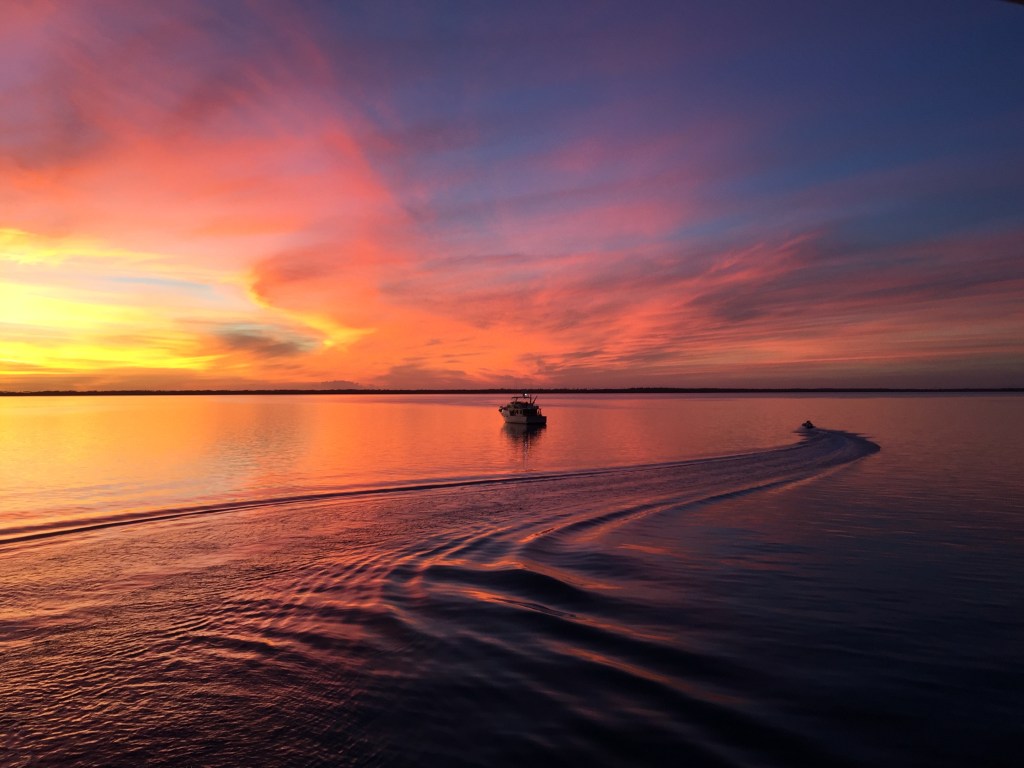
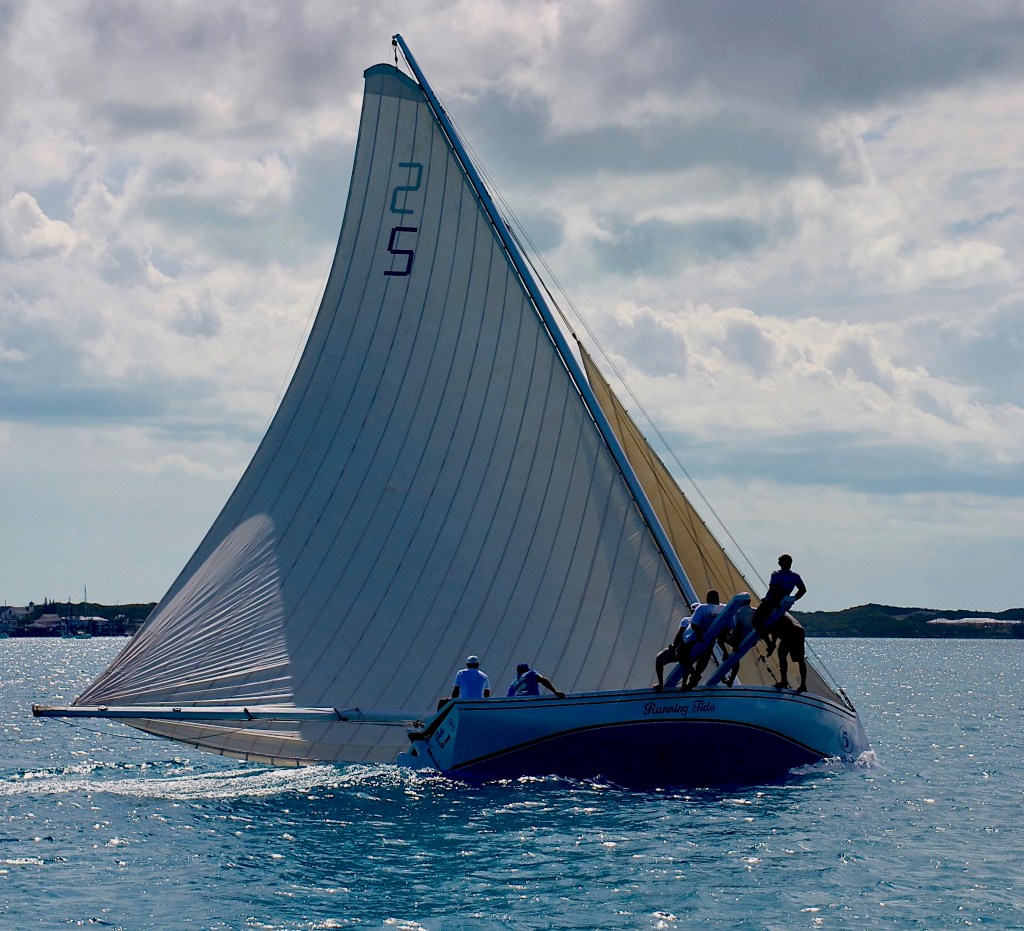
The Bahamas during nicer weather:


 Dragonfly Waypoints