







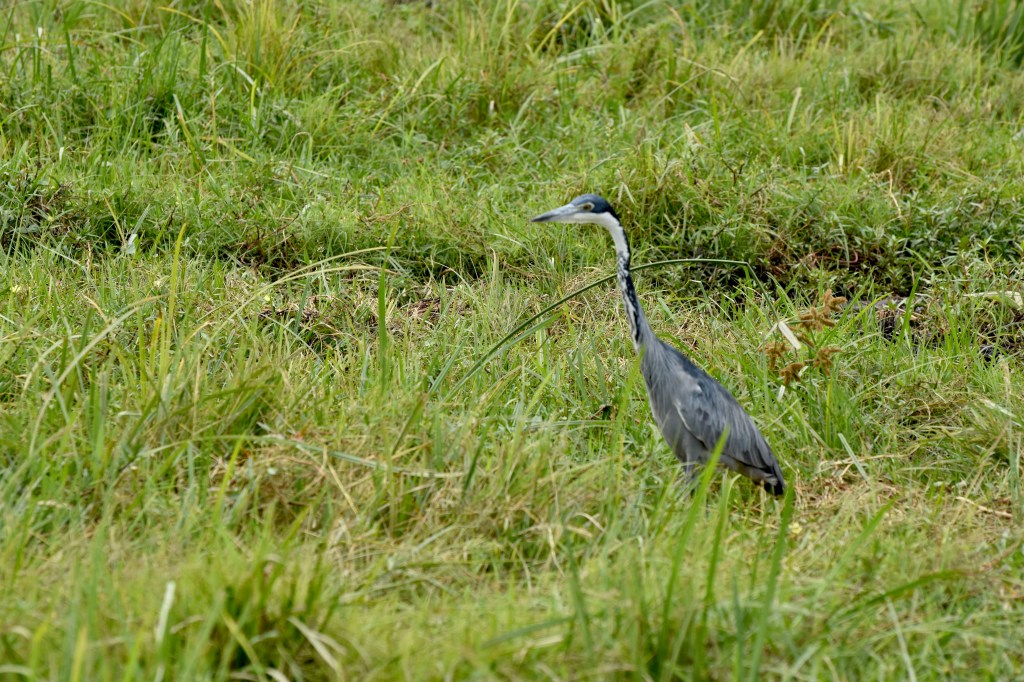
I am an African Fish Eagle, considered by many to be one of the iconic birds of Africa. Blessed with extraordinary eyesight, my vision is 8 times stronger than yours and I can see prey up to a mile away. One of the largest from the eagle family, my wingspan can reach a massive 2.4 meters and my loud screeching call is said to be one of the sounds of Africa.
Come along with me as I go find my next meal.

My life is consumed by just three activities: being a predator and eating things like tree lizards and fish, and by staying safe from predators who eat birds like me, and by reproducing to keep my species alive.
That’s it, that’s all I do.
It’s everyone for themselves out here, so I better get focused and find me a tree lizard or this feeling of Hangry will be the end of me!
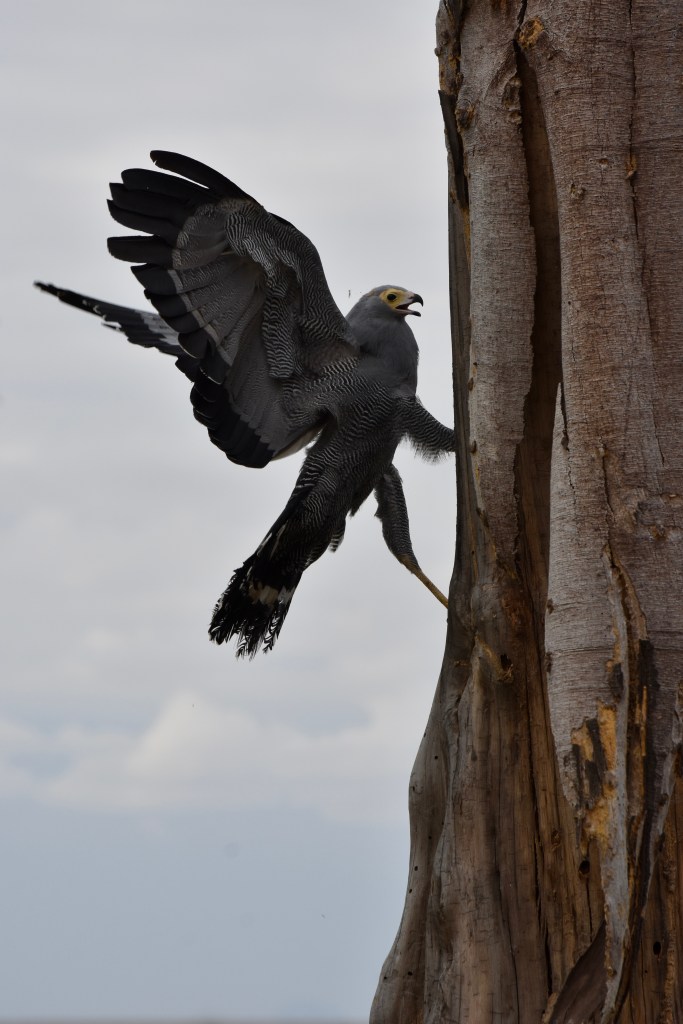

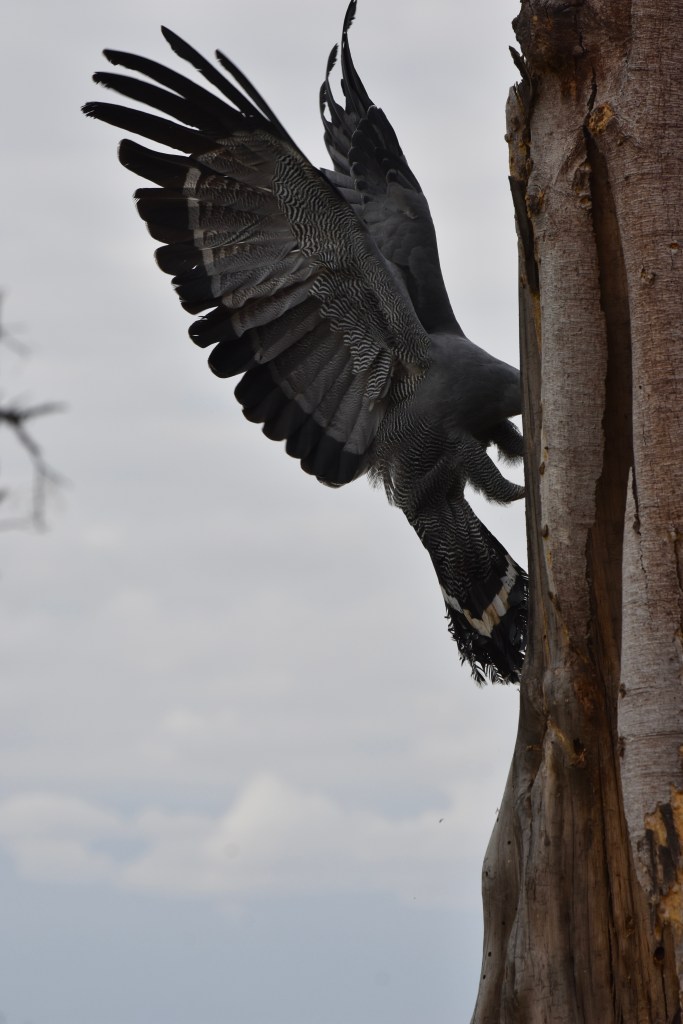


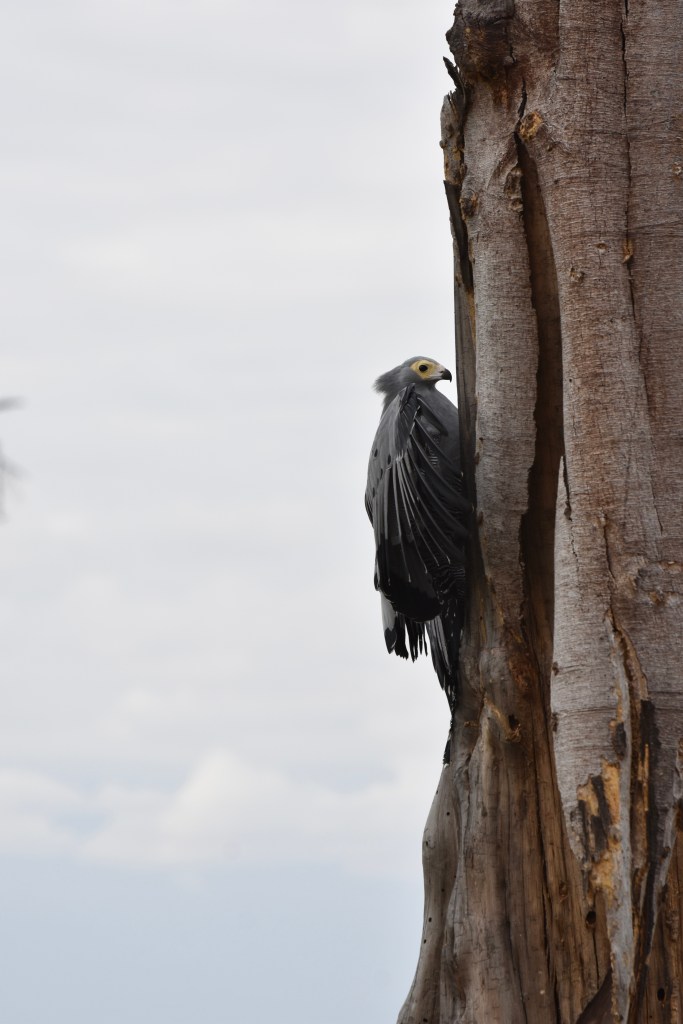
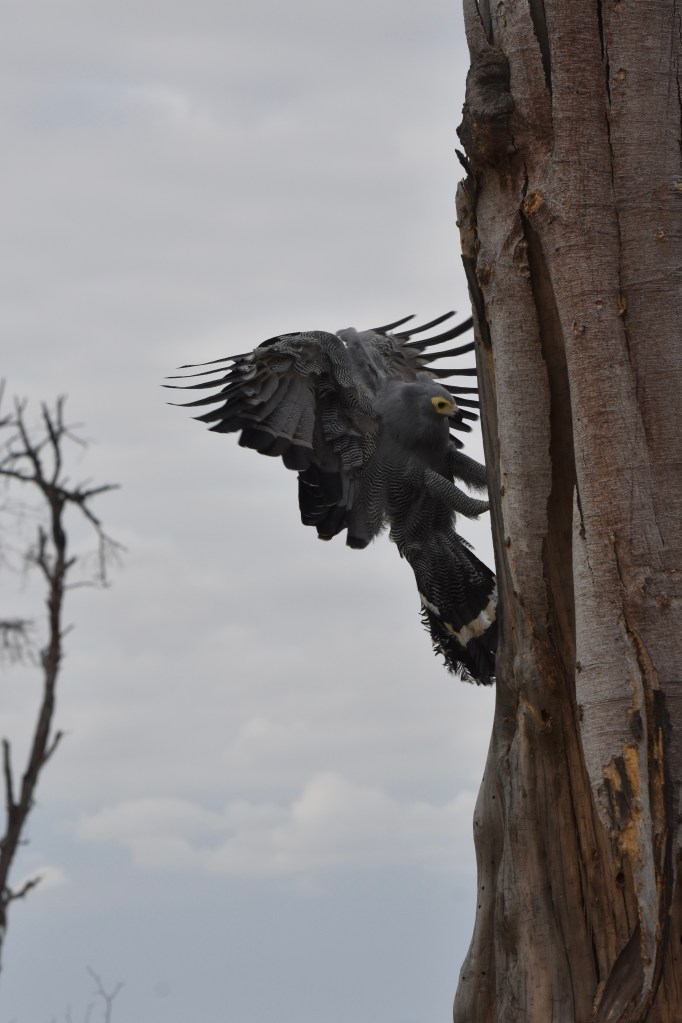
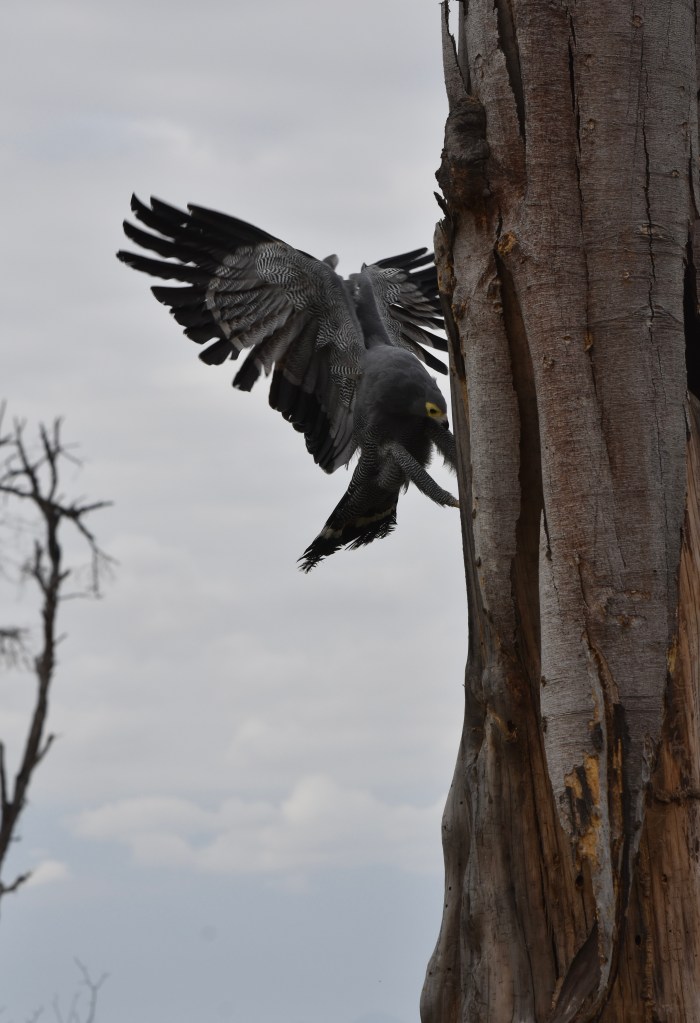
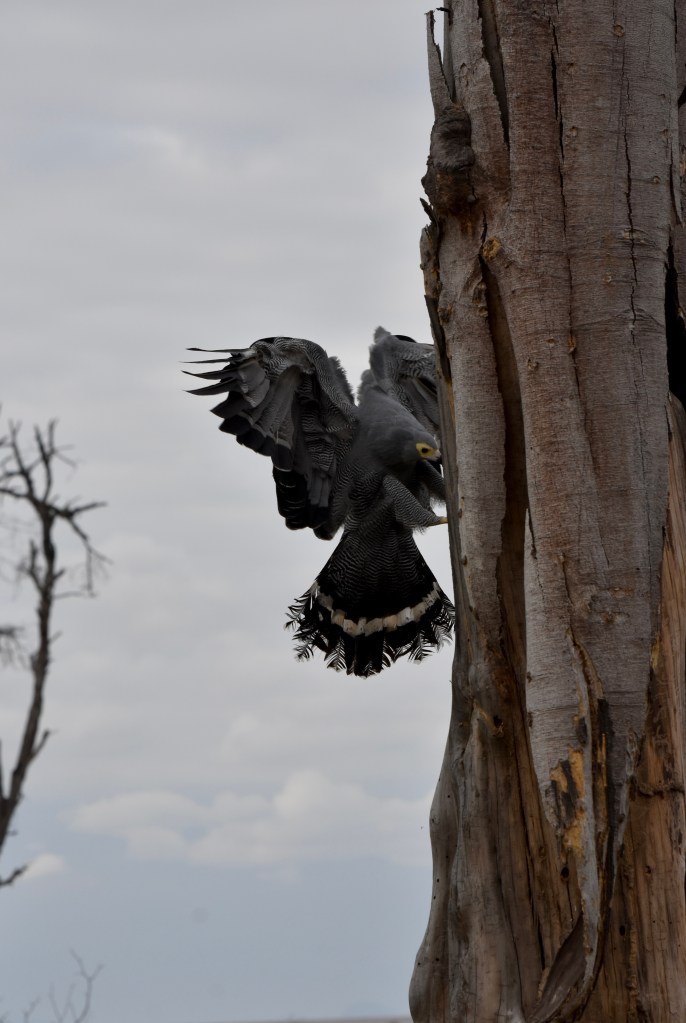

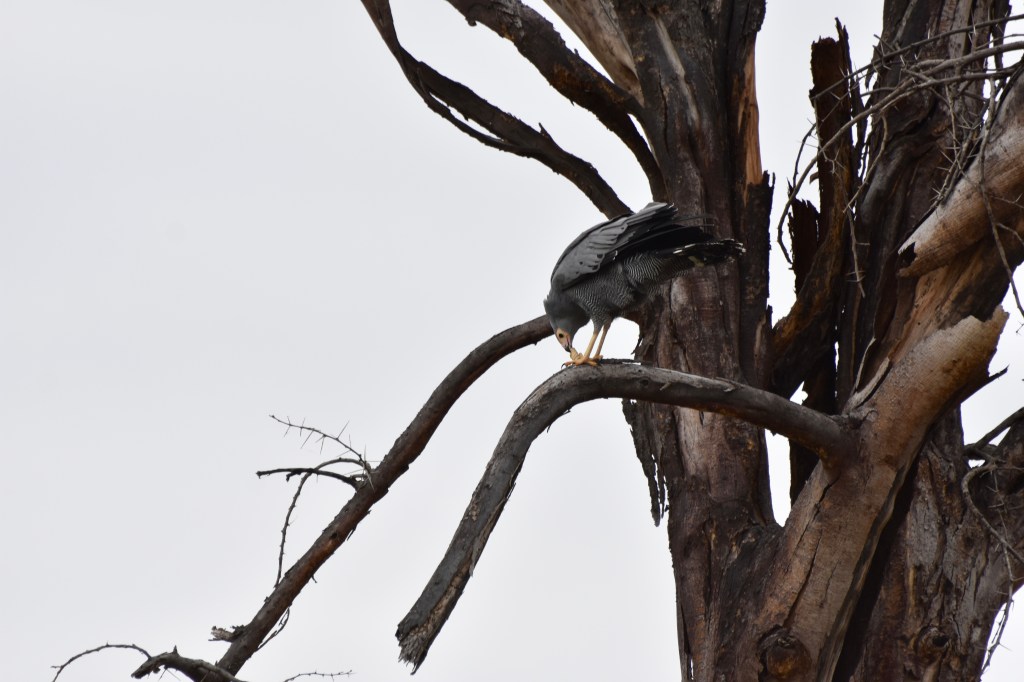

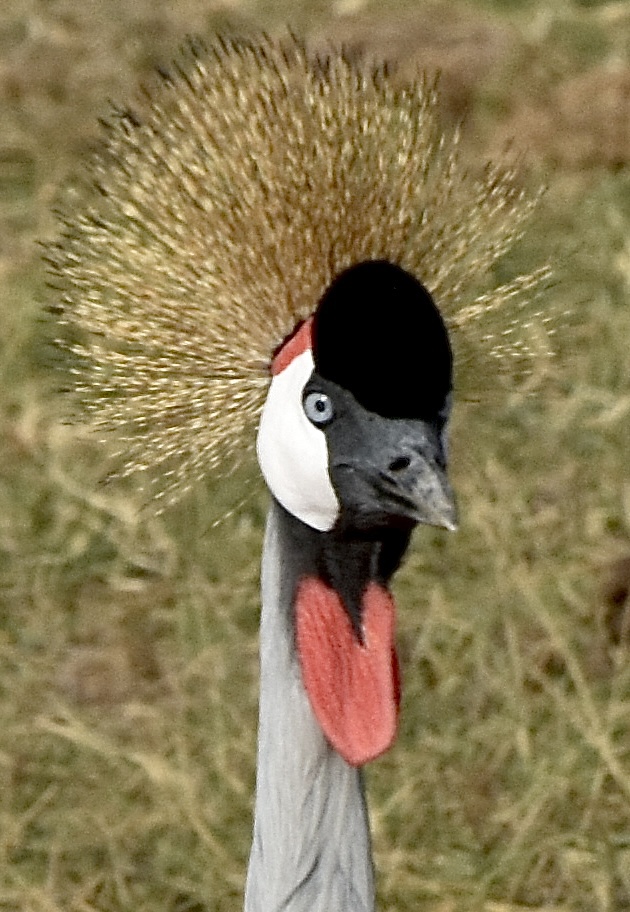
The human connection comes from eye contact, looking another in the eye and conveying a message, whether it be admiration, love, understanding, or something so simple as an acknowledgement, I see you and I recognize you and I value who you are.
It is uncanny in the wild animal world, in fact sometimes a little bit spooky, how they seem to look you directly in the eye, and you cannot help but wonder if they’re thinking, if not for that Toyota Land Cruiser I’d munch on you too! But they don’t, they’re not remotely aggressive, due to the fact that since 1977 when hunting was outlawed in Kenya, they have never, not once, been threatened by a Land Cruiser.
So we continue to co-exist like the giraffes and warthogs, or maybe like the wildebeests and zebras.


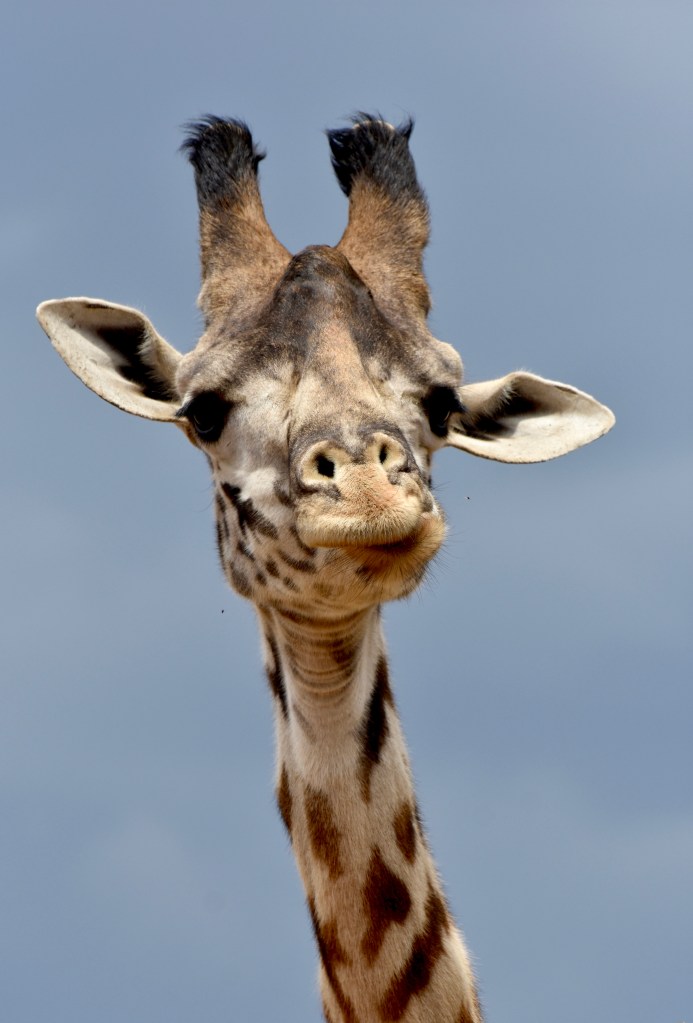
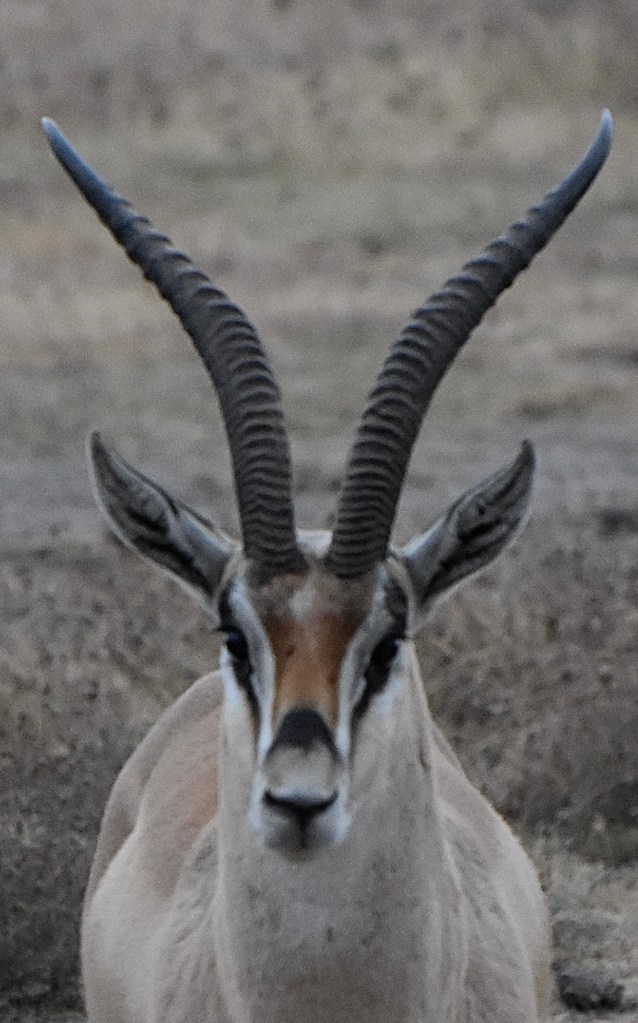
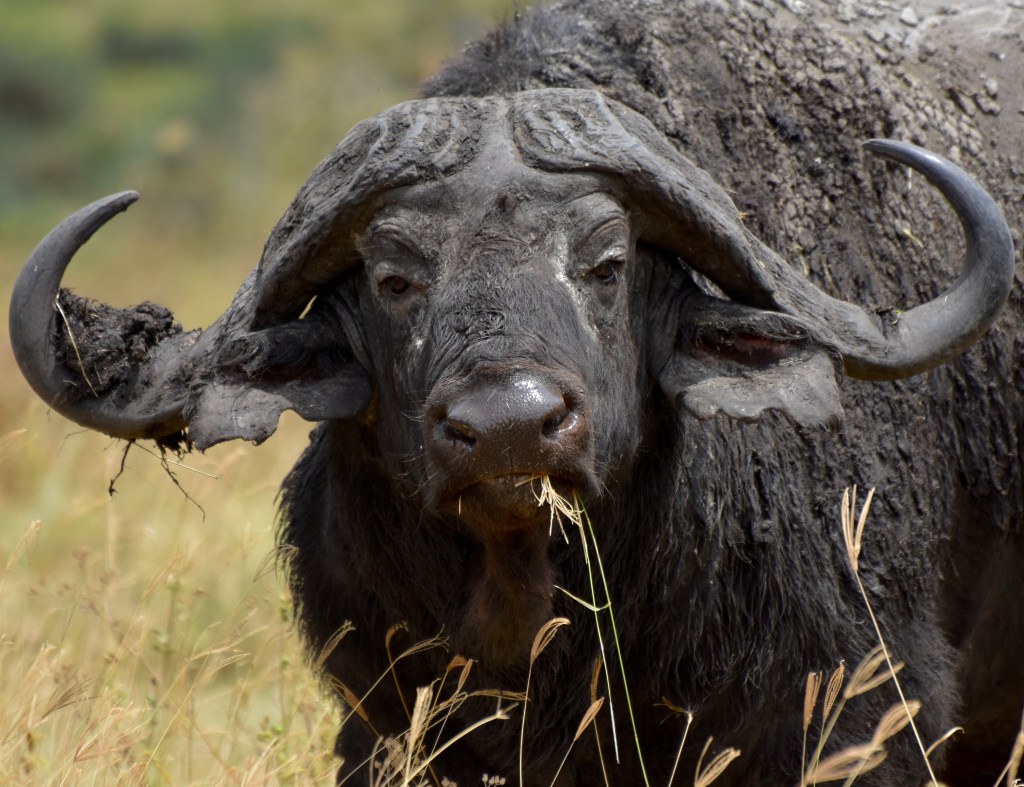
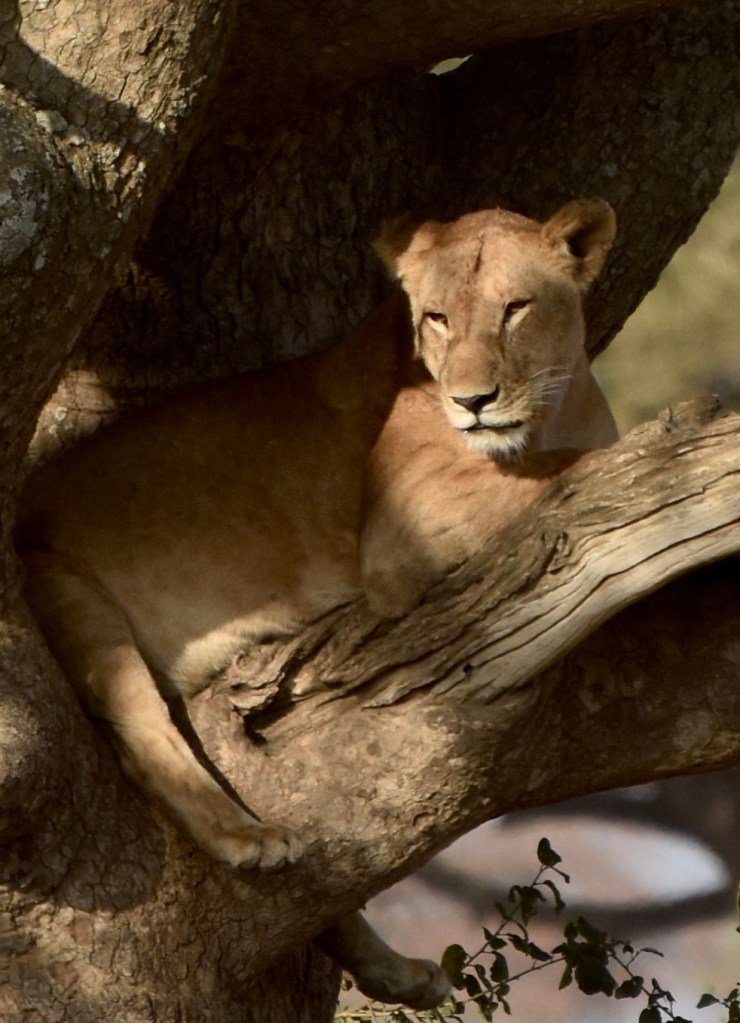


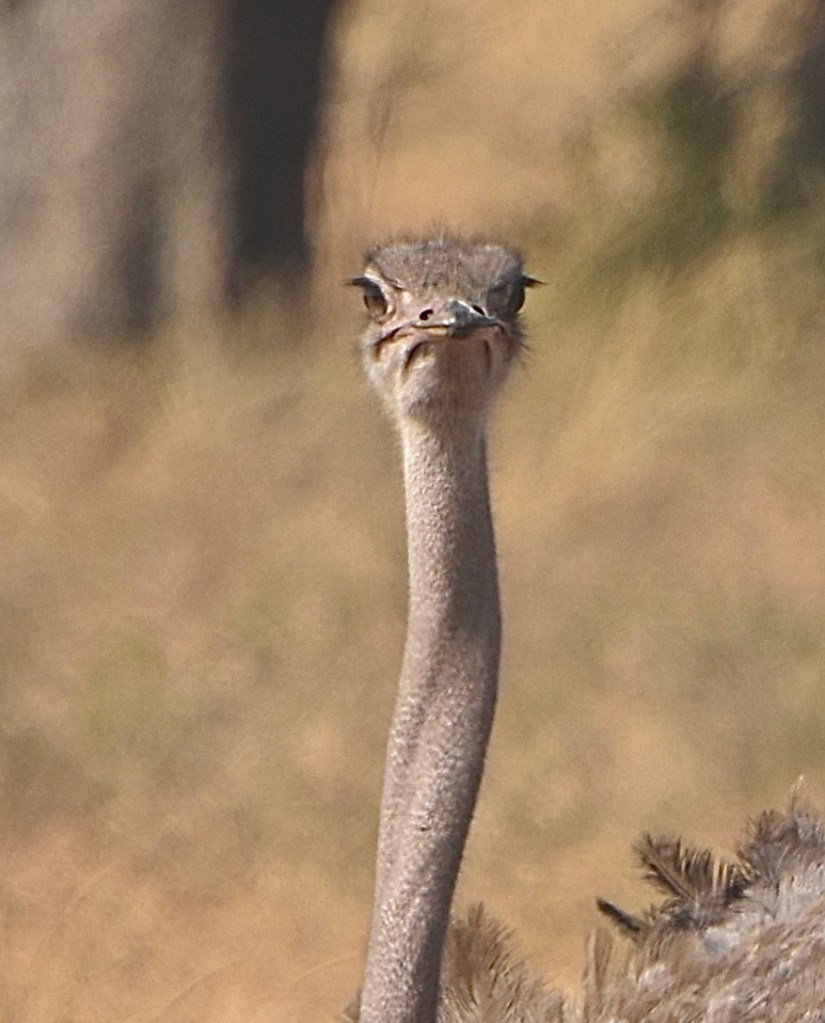

A collection of mostly very short stories compiled after two weeks on safari in Kenya and Tanzania.
***********
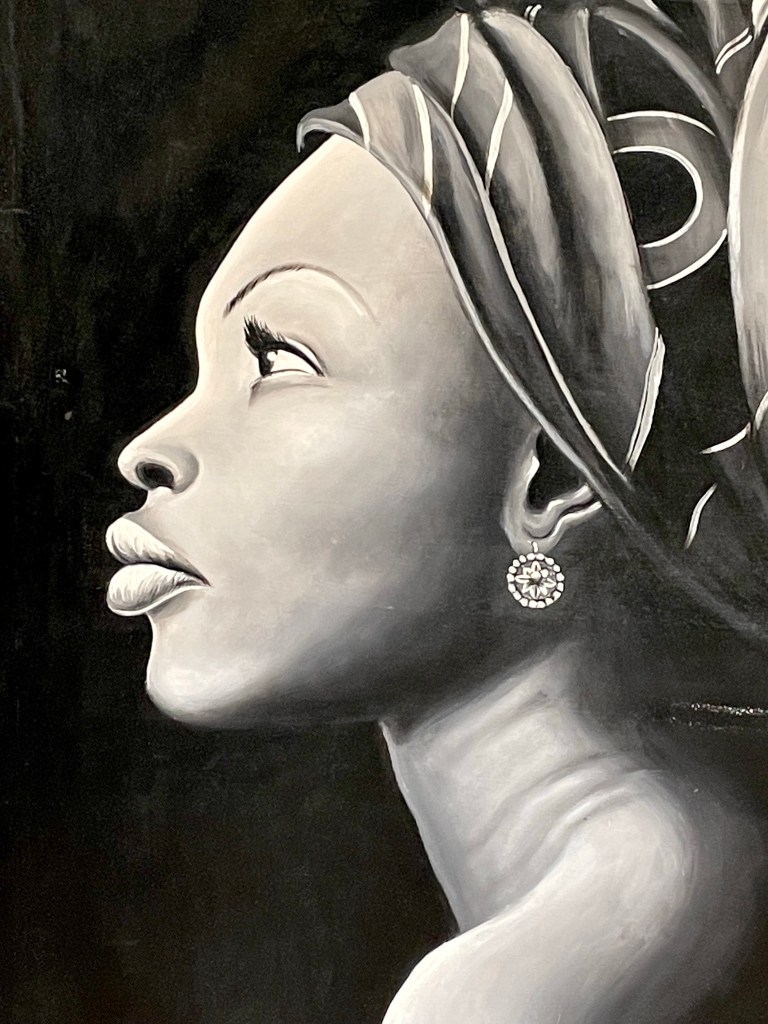
The painting conveys so much; at first glance it’s mostly the radiant beauty, for a portrait to render a young woman so beautiful she must surely have been even more-so in life beyond the canvas. However there are layers here, and the layers have context, to really appreciate the beauty that lies within it’s the context that must be understood.

In Kenya, a suburb of Nairobi called, simply, Karen, on an historic coffee plantation with a single story ranch home, built by colonialists from Europe, here to exploit the natural resources and the local people, a failed marriage, a dream of a business that died, but in the loss came rebirth in the form of a novel, Out of Africa, written by Karen Blixen, and later an eponymous movie, and with it recognition and fame and money and a place on the map, all for both the author and the subject.

And it was in this life that Karen began painting portraits of young Kenyans who had became a part of her life, or maybe she had become a part of their lives.
Recognized as the most beautiful young girl in the entire area, tribal custom followed that she would be presented for marriage to various tribes near what would much later become the suburb Karen, and as if to validate the consensus of her beauty, the most affluent tribe won her hand with the unheard of offer: 250 goats and a pot of honey.
***************
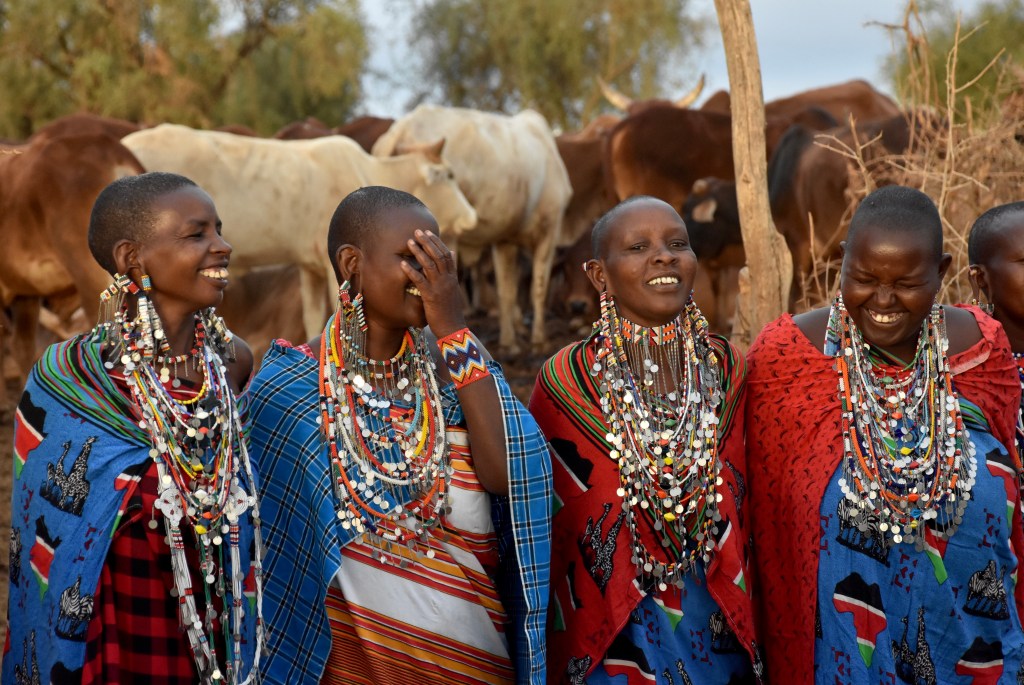
Culture is a fascinating concept, for it can never be Right and it can never be Wrong, it is simply different, and the difference is better to be understood than to be judged. In the Maasai culture, a man can have more than one wife but only if he has the financial wherewithal to support her, for that support comes in the form of her having her own home. The Maasai woman owns All the property inside the home. For the Maasai man, his wealth is measured not by a bank account but by the number of cows and goats he owns.
***************
Walking across the runway, we boarded the Air Kenya de Havilland Dash 15 bound for the Masai Mara.
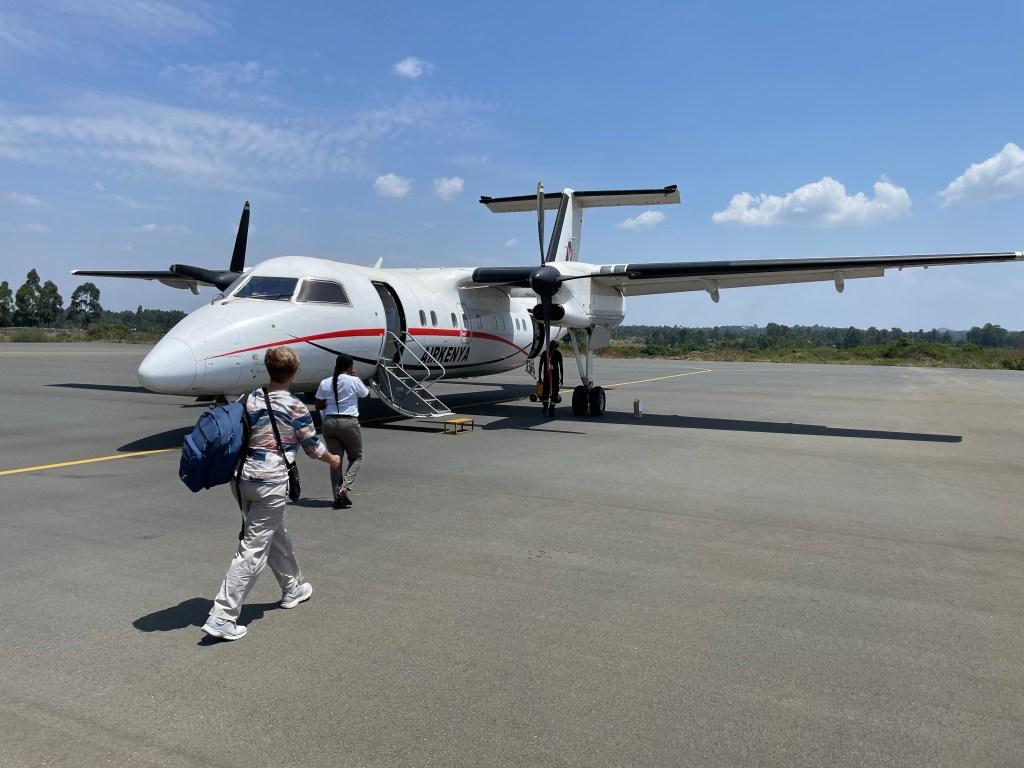
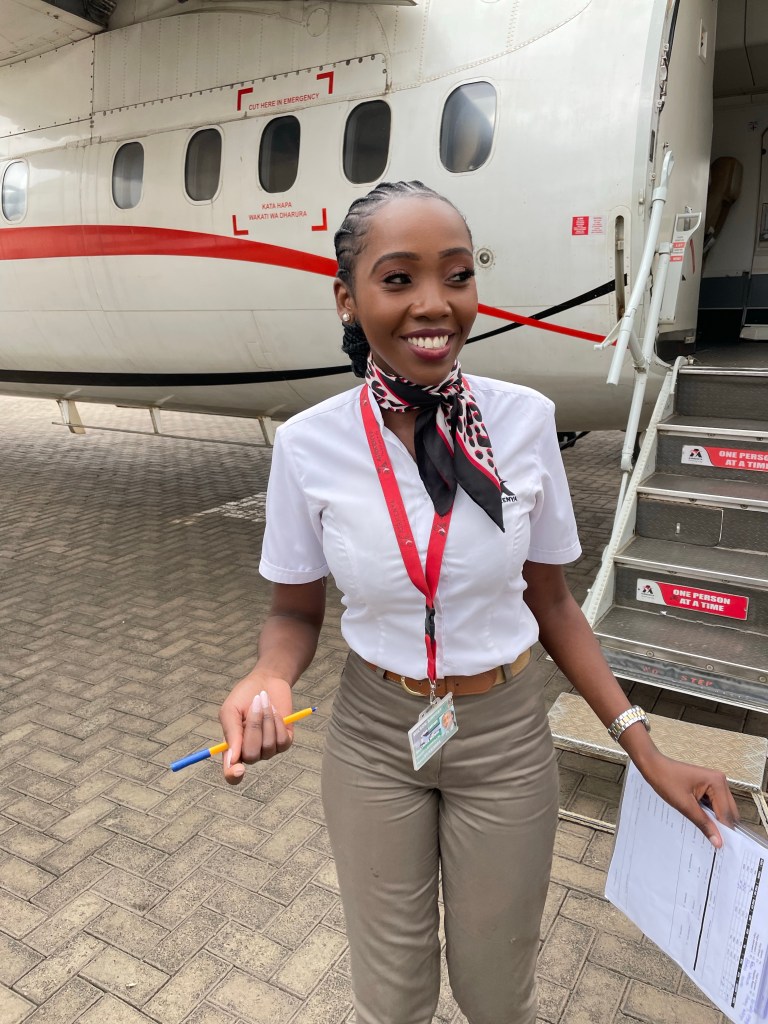
Directed to the front of the plane as boarding passes have not yet made the trip to remote Kenyan border towns, we found ourselves occupying the emergency exit row. The flight attendant’s extensive, earnest and detailed instructions on our responsibilities hinted at her expectation that a reasonable likelihood existed where we would actually have to do what she said. (There was a flash of a good future consultant – someone with the knowledge that giving advice is much easier than actual implementation.) She explained in great detail exactly how to remove the emergency exit door, but stopped mid sentence and said “Before opening the door, first look through the door window and check for fire, propellers and lions!”
**************
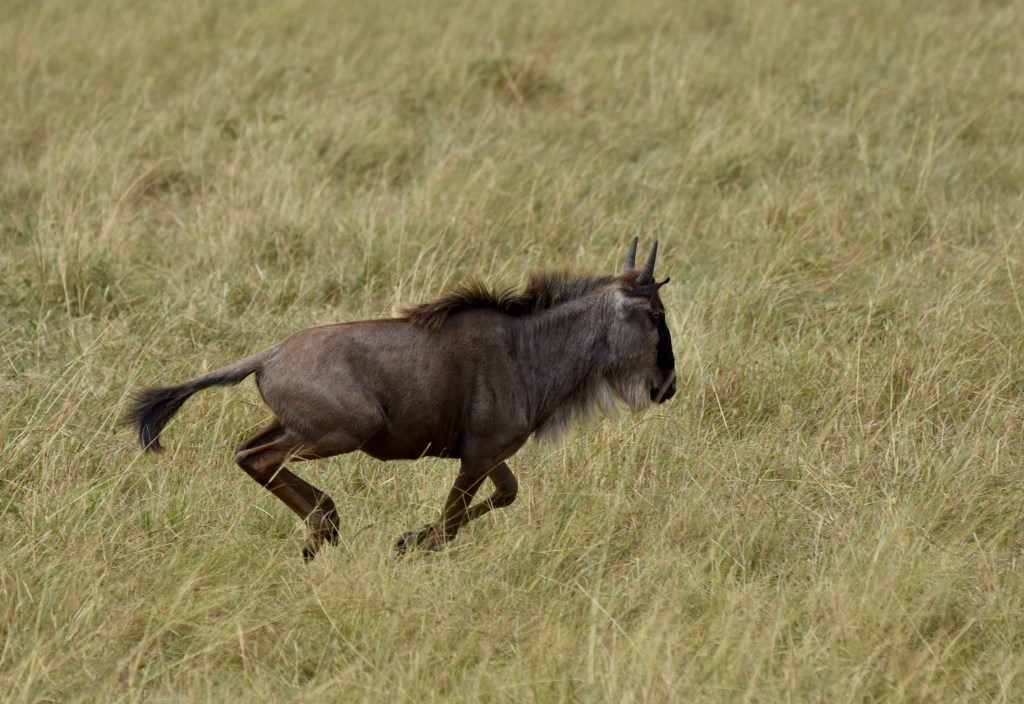
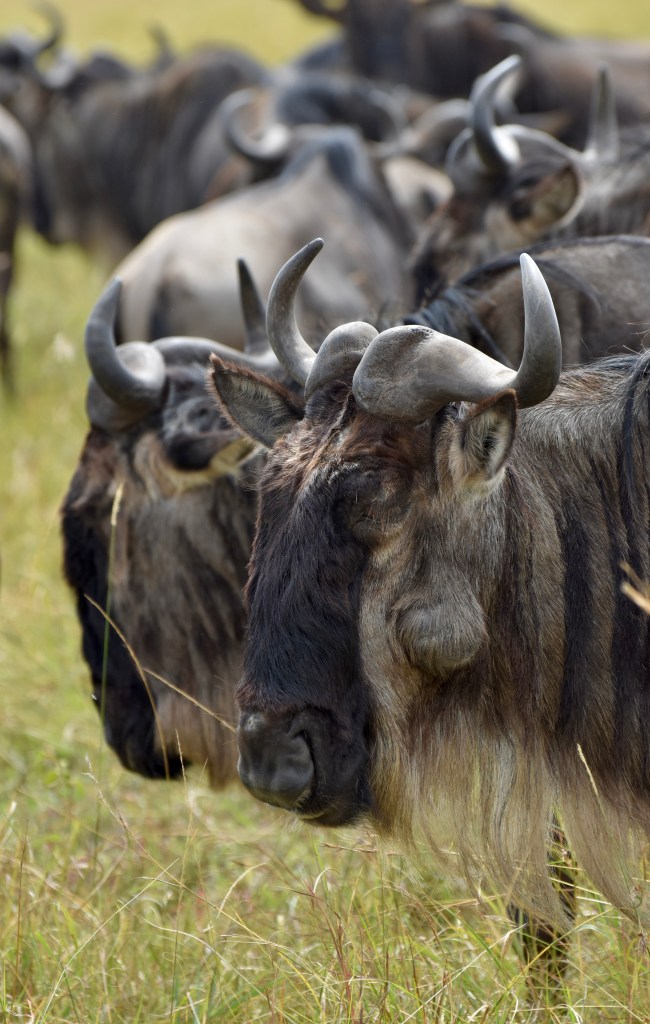
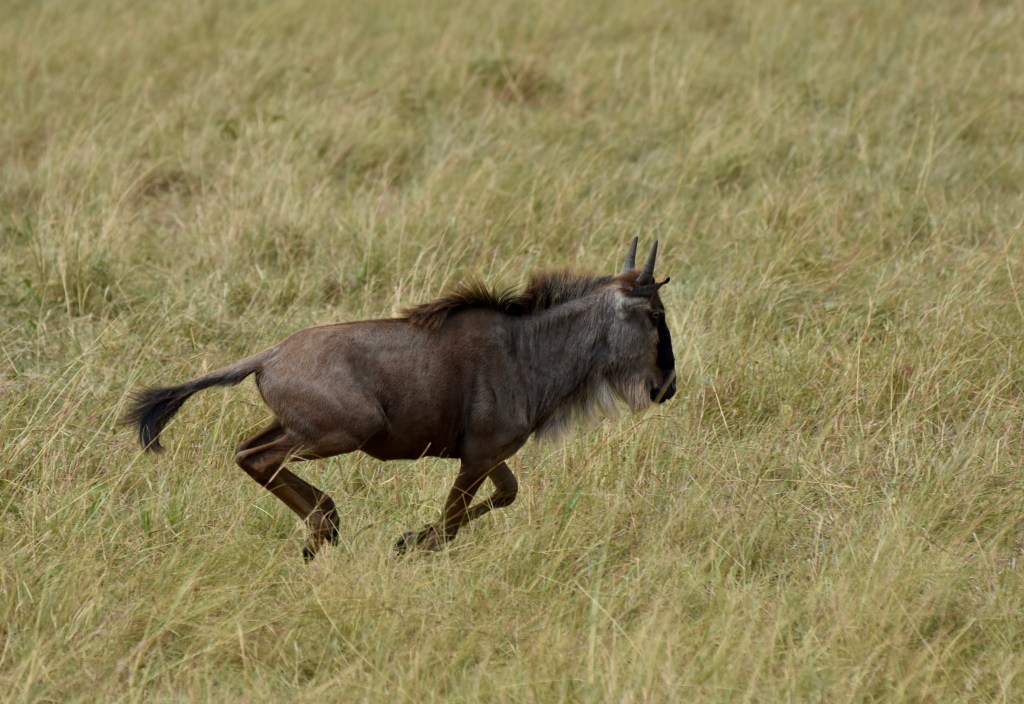
It is said that the wildebeest was the last animal made by God. He was essentially finished with his work, but had leftover body parts so made the wildebeest, whose horns come from the Cape Buffalo, face from the locust, short rear legs from the hyena, and mane from the lion.

**************
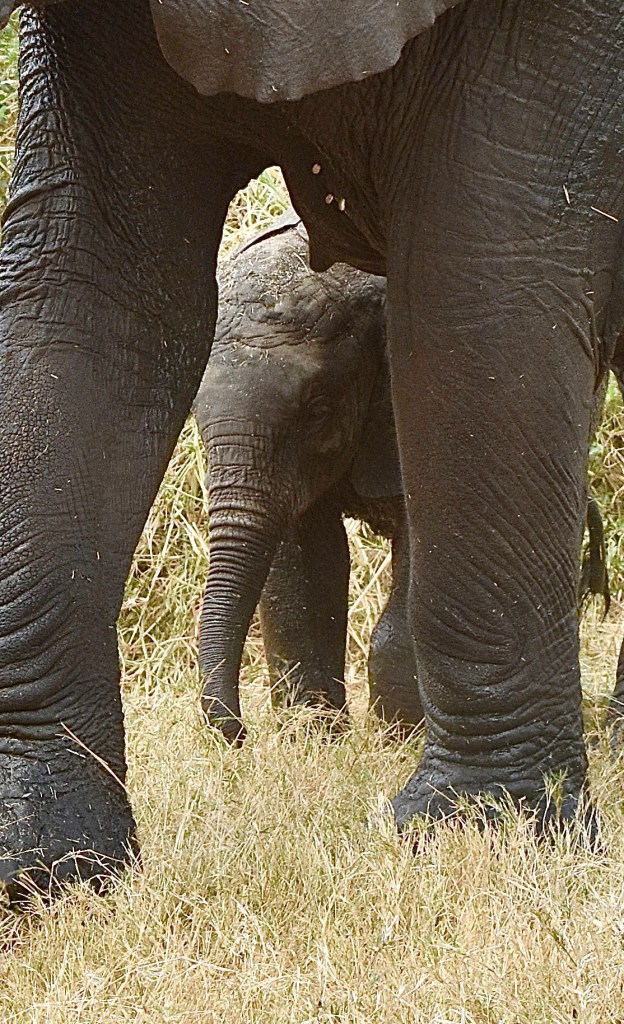
Having colonized a good part of the world, the British were very experienced, so when the British Road Engineering Office was called to the Ngornogoro Crater to do site selection and road construction from the crater rim to the crater floor, they surveyed numerous locations and chose the optimal path. Building the road was made easier by the fact it was already an existing path – the smartest animals living on the crater floor, the elephants, had already figured out the optimal path and had been using it for millennia. The British simply had to widen the path to create a safe and navigable single lane road.

**************
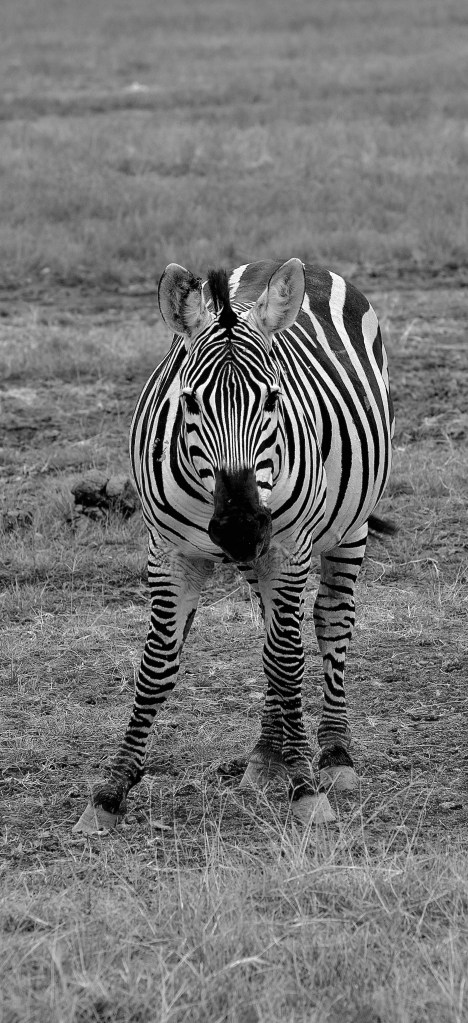
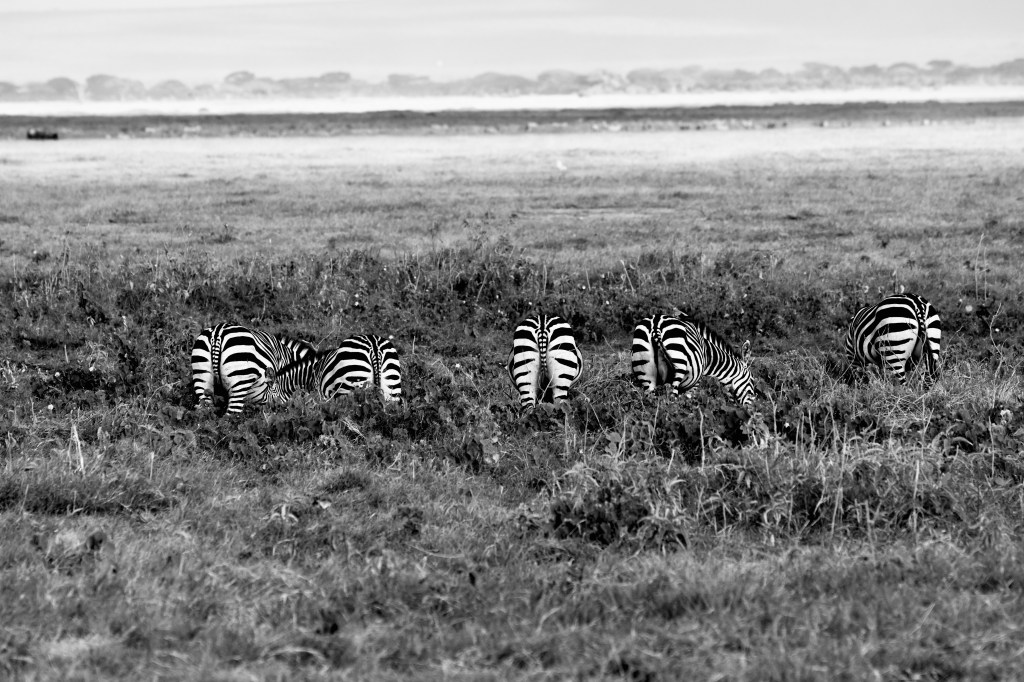
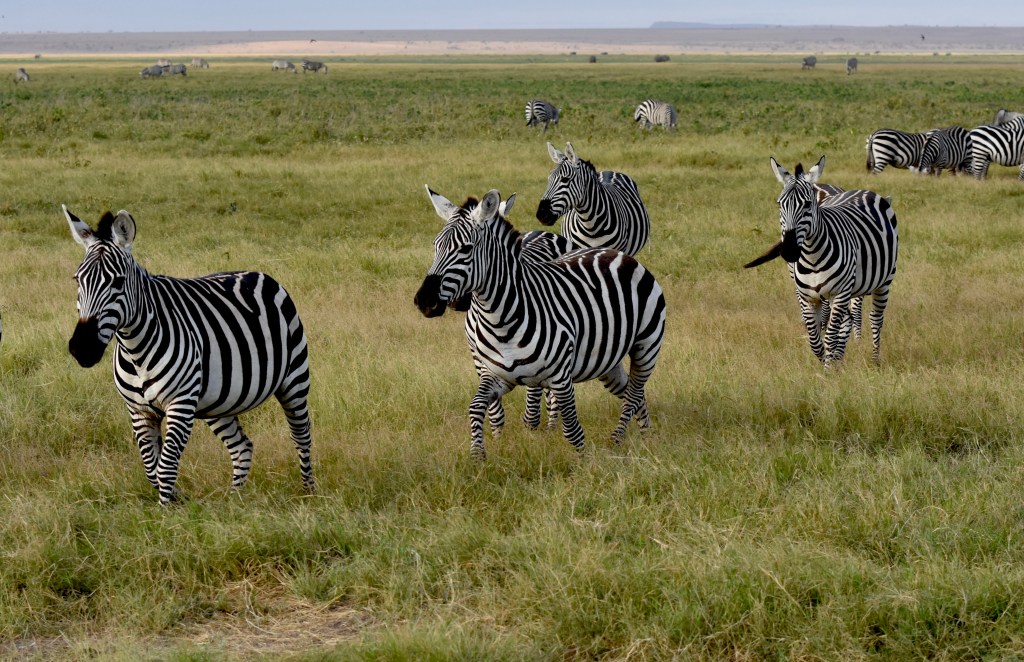
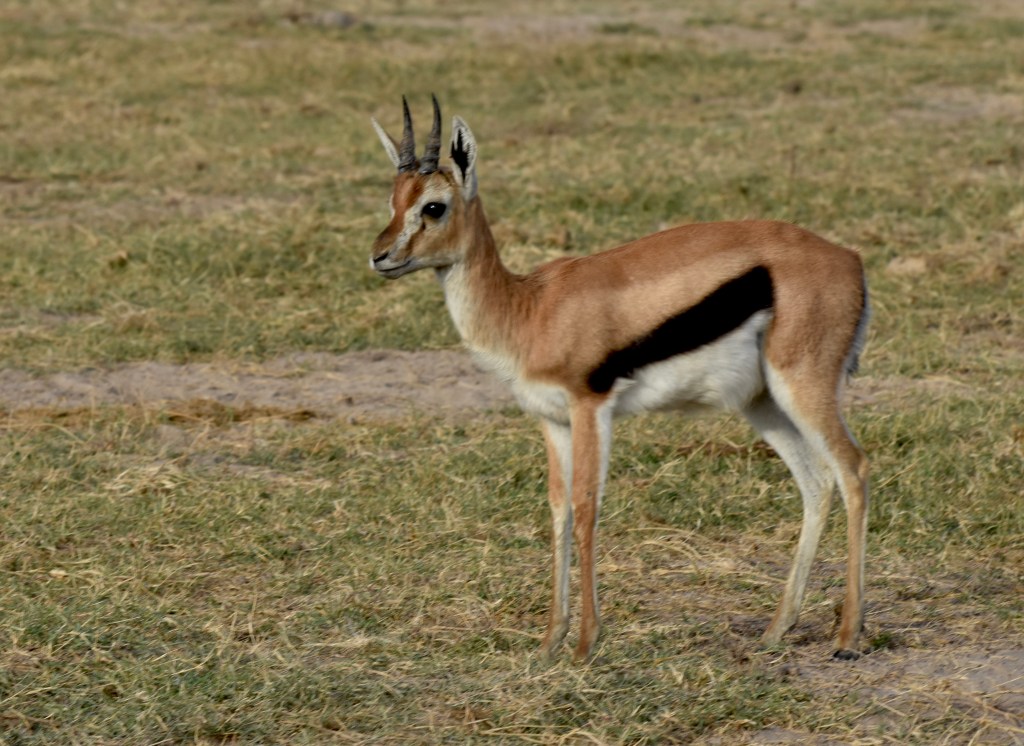
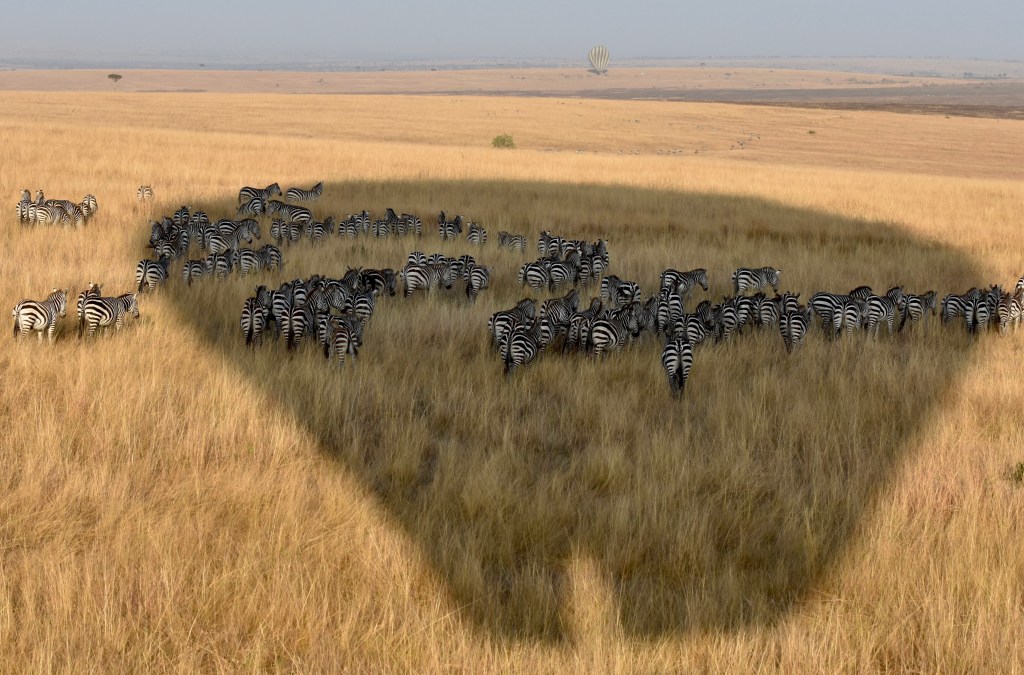
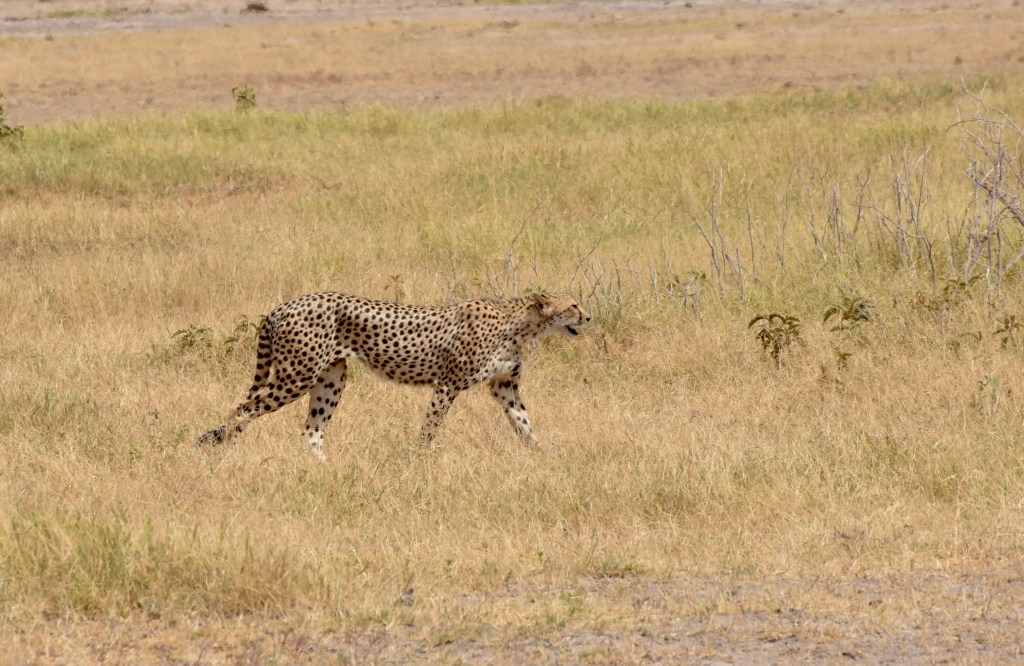
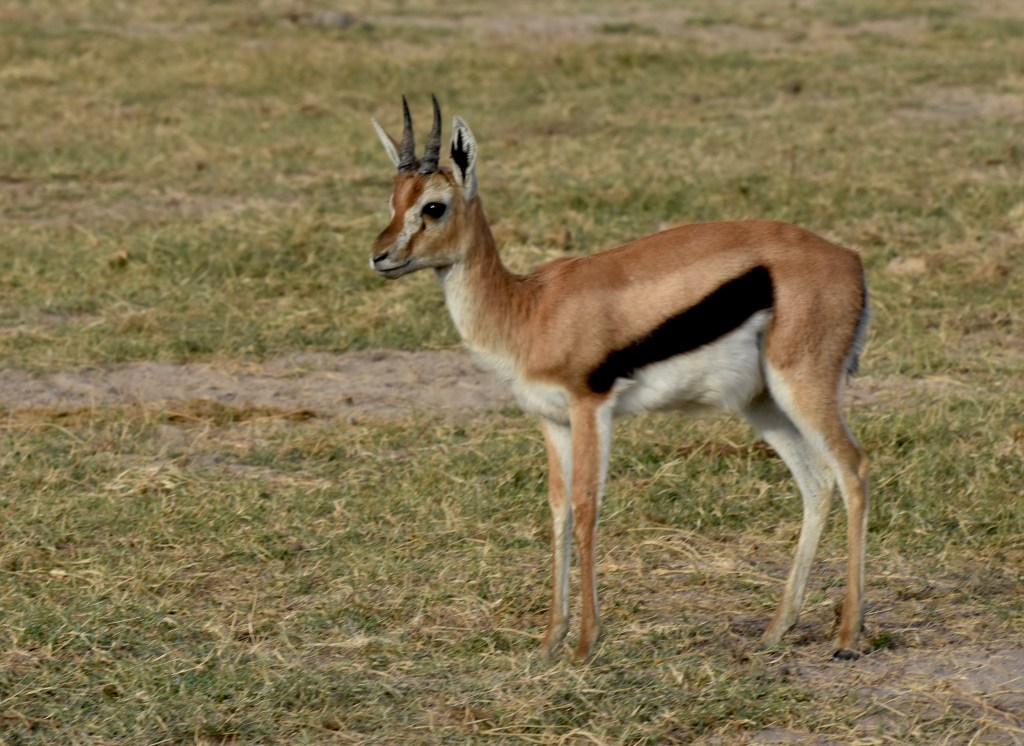
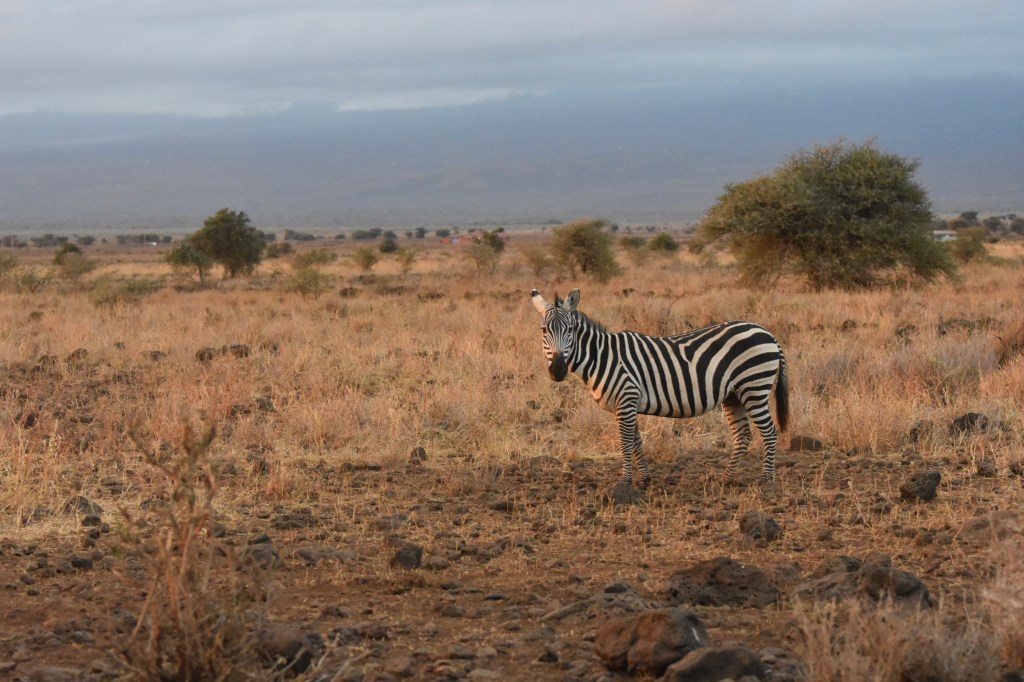
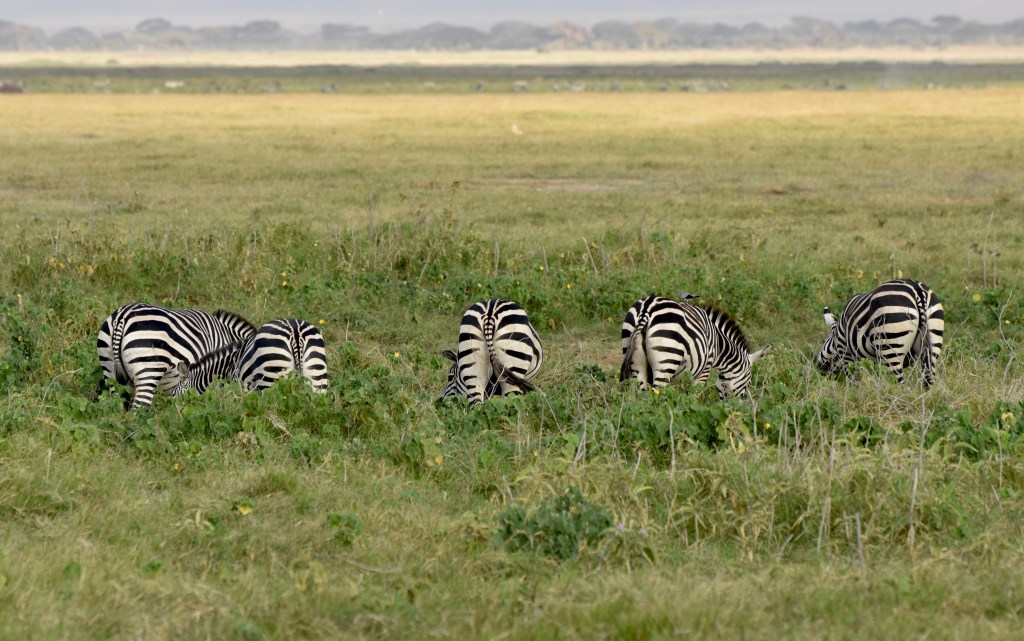
Migration in central Africa is a fact of life, and a matter of life and death, for many species especially the herbivores as they require vast amounts of land for grazing on the wild savanna grasses. The rut happens in one designated locale, babies are born where water and food are plentiful, but as grasses are depleted and weather turns hotter, the clockwise migration begins – another form of the cycle of life, this one repeating annually. Zebras in the hundreds of thousands lead the migration as they eat the tops of the tall grasses, followed by the wildebeests who eat the middle grasses as they are a source of water, and finally the gazelles who enjoy the short grasses. Lions, leopards and cheetah trail the annual migration as they enjoy all three of these road warriors.

*************
These Toyota Land Cruisers work as hard as the men who drive them. 80 km/hour on dusty, hardened washboard roads, absolutely pounding tires, rims, shocks, springs, bearings and bushings. Dust everywhere. 6-8 passengers plus luggage and supplies. Two spare tires on the back as every safari has at least one flat tire. These things are bulletproof, there is no alternative. Service life in this harsh, unrelenting environment is 20 years!


Recently the Four Seasons Serengeti bought a fleet of Range Rovers because, well, because they’re the Four Seasons. But what happens when you get dust on a vacuum sensor and it shuts down the engine? Six months later the Range Rovers were auctioned and replaced with, well you already know.


**************
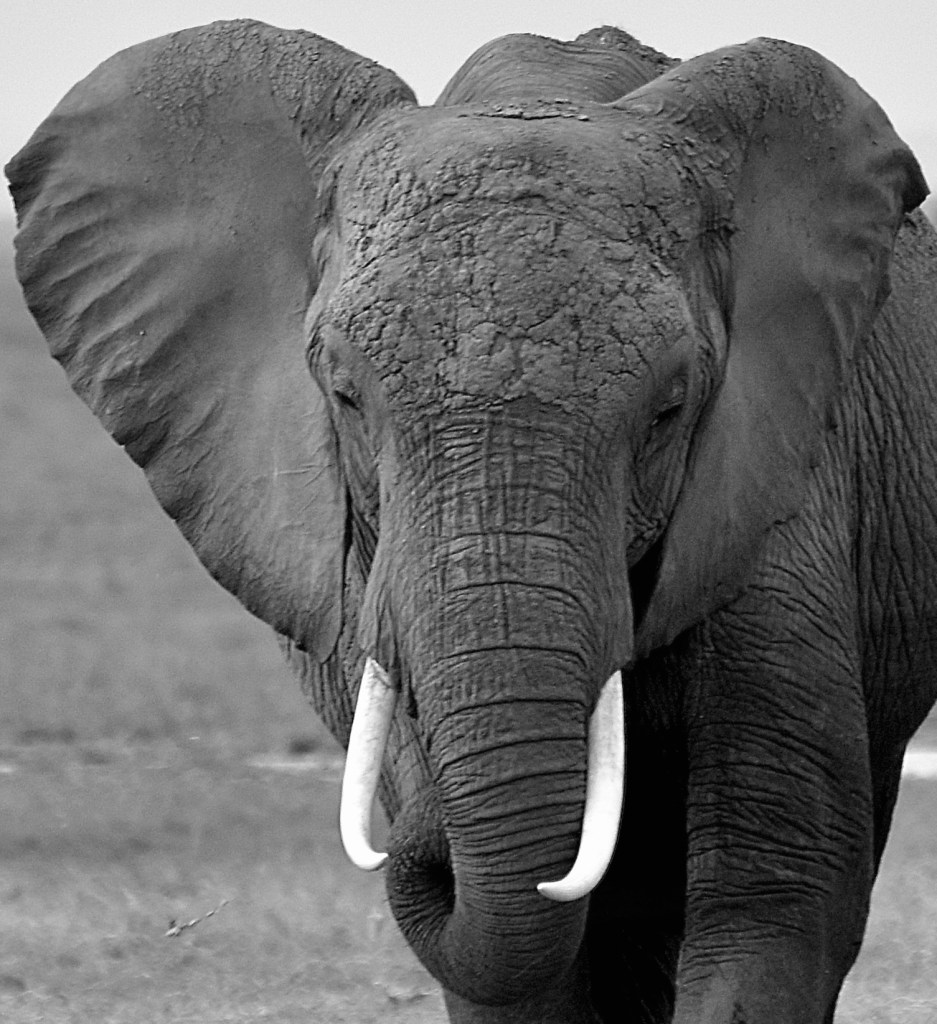
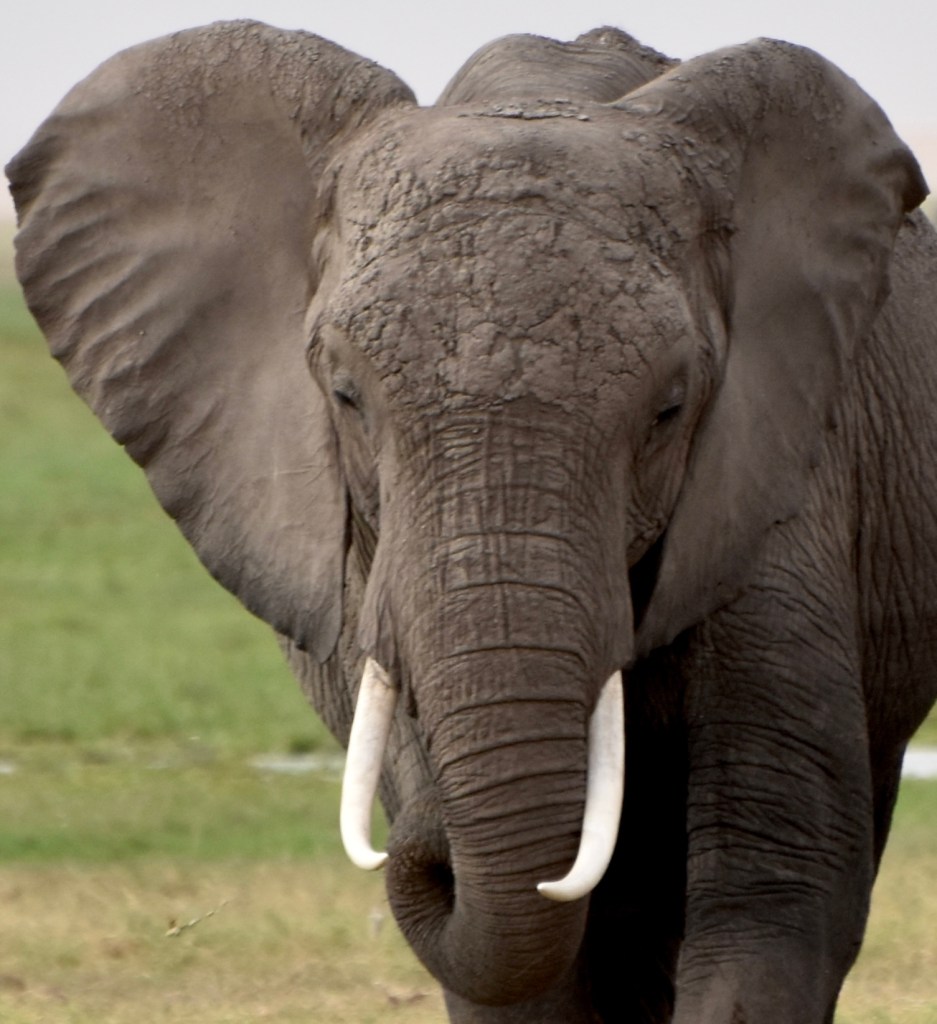
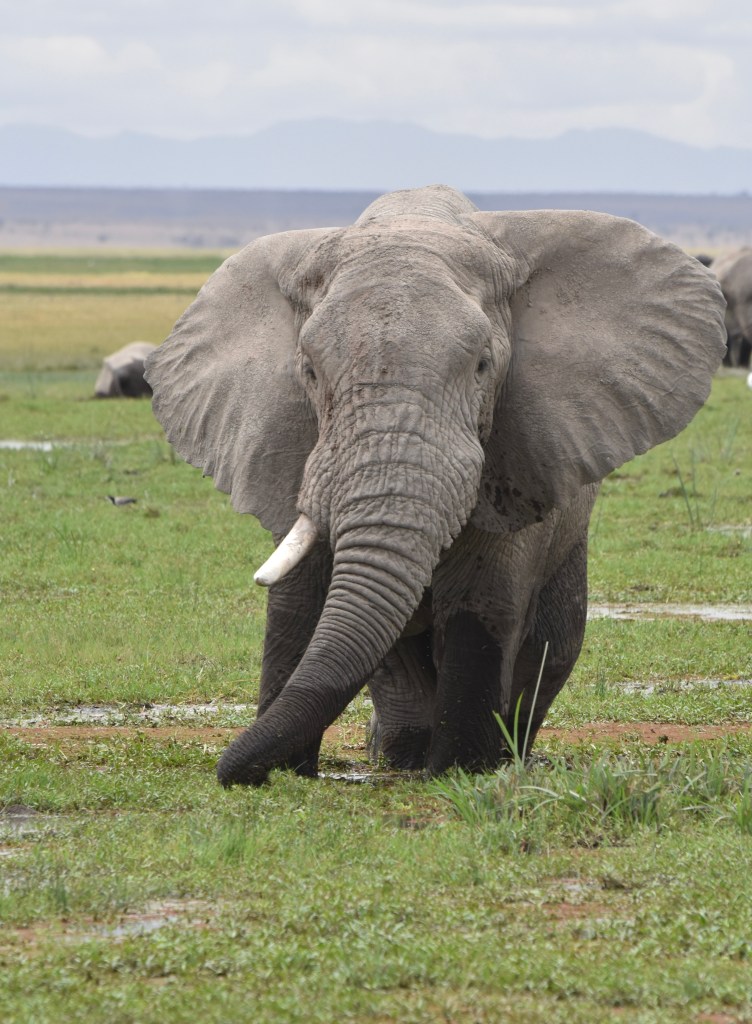
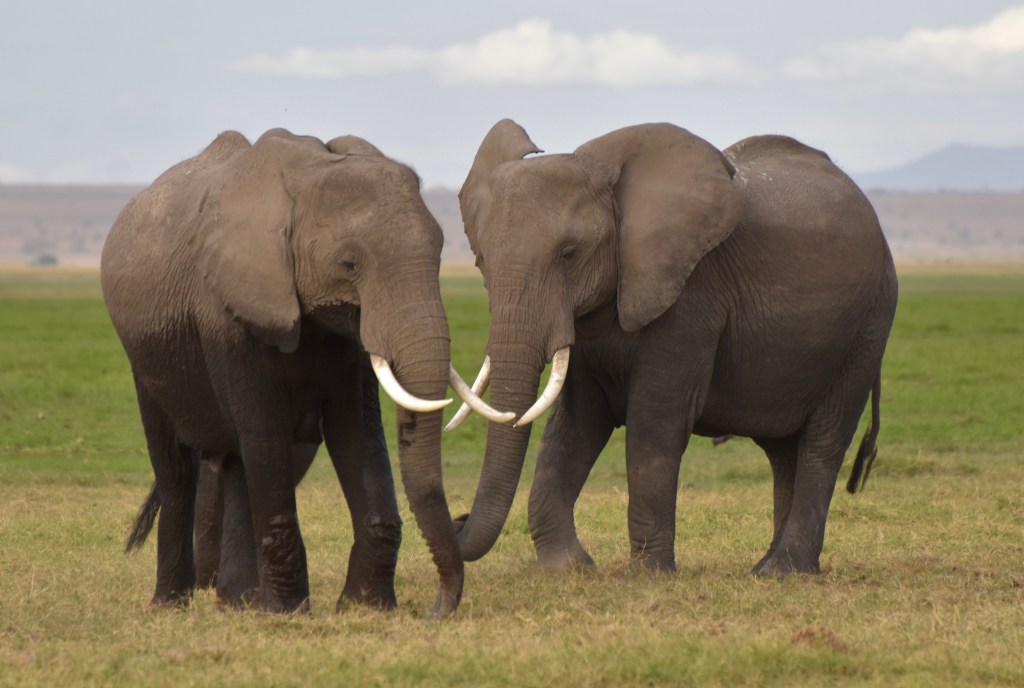
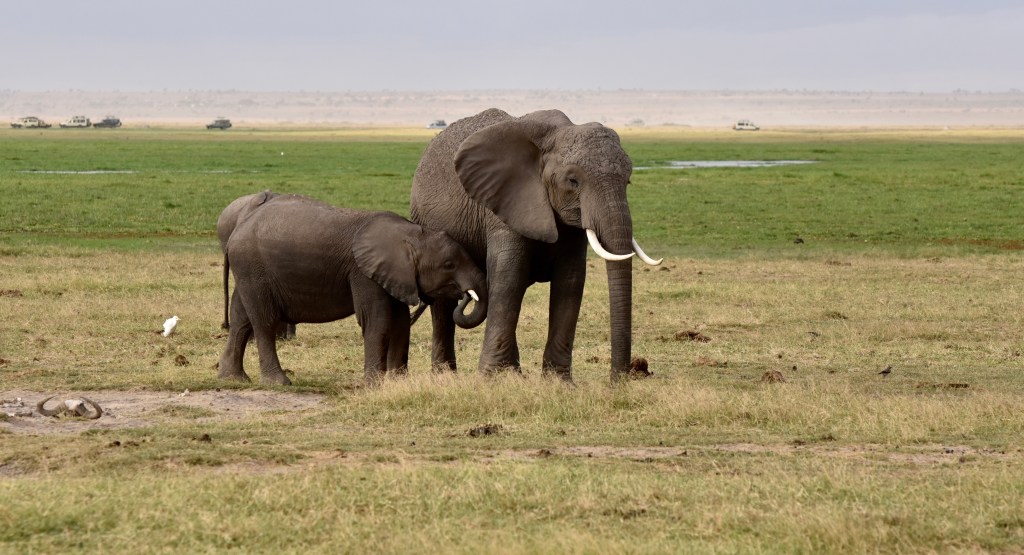
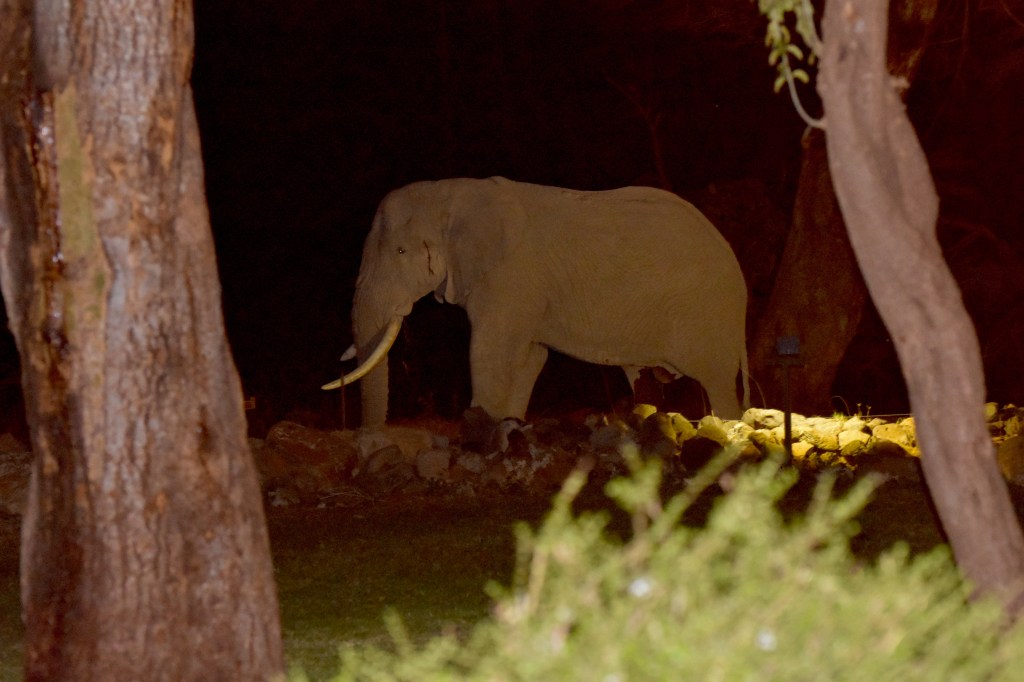
Elephants are either left handed or right handed, and you can tell by the tusks, the dominant side is shorter because that’s where all the work is done.

***************
In the early days of colonizing Africa, the missionaries ventured into the bush to meet and convert the locals. Camping under a specific type of shade tree that they favored, malaria became problematic so they named this genus of tree the Fever Tree. Much later they learned the malaria came from mosquitoes.
****************
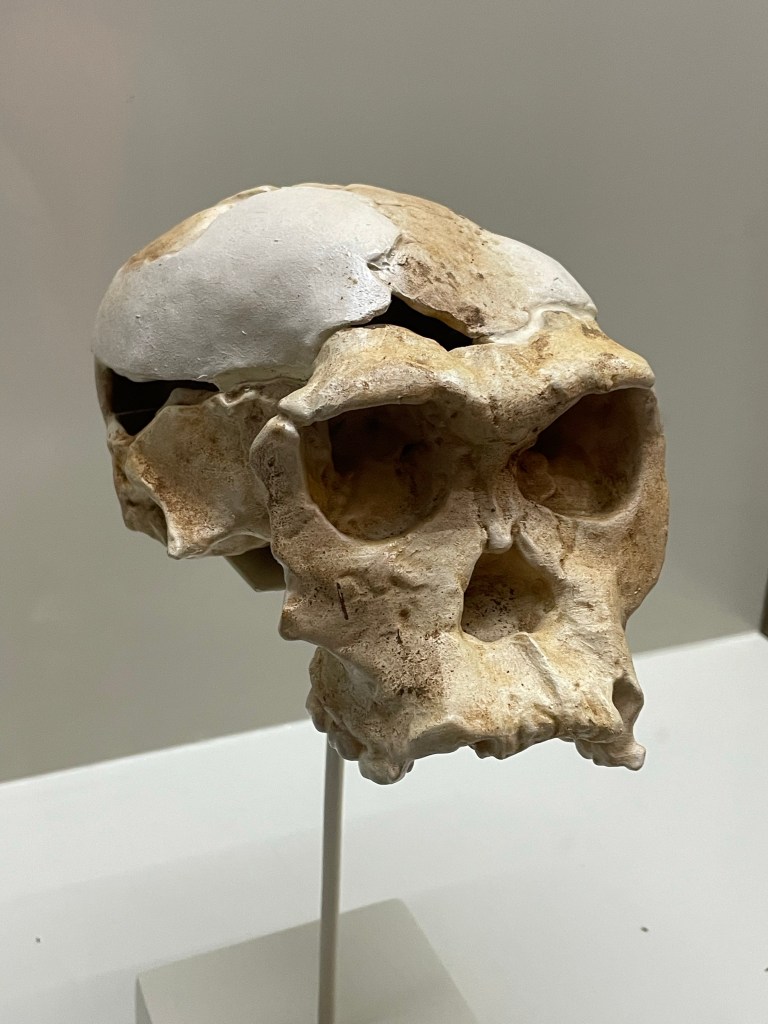
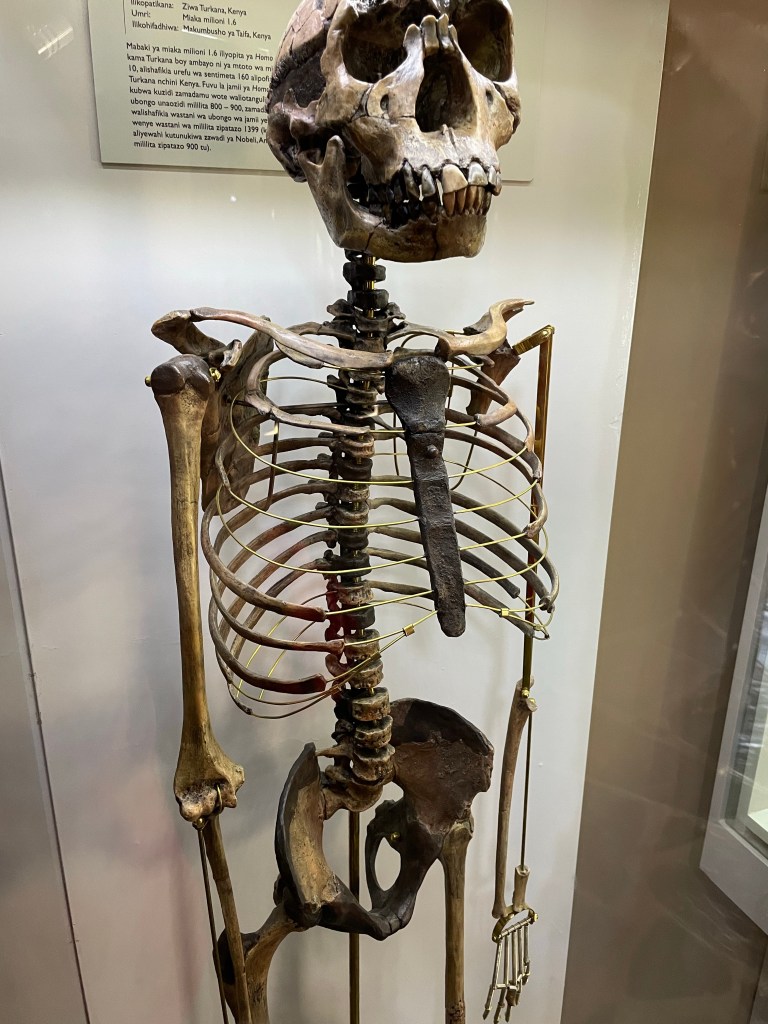
Visiting the Nairobi National Museum, our guide Winnie led us to the Cradle of Mankind wing, stopping abruptly at the entrance, asking if anyone was a devout Christian and if so, are we okay proceeding as this permanent exhibit is centered around Evolution and some Creationism visitors refuse to enter.
A similar conversation ensued at the entrance to the Modern History of Kenya wing – turns out some British visitors also refuse to enter, something to do with oppressing an entire population, slave trade, stealing land rights, separate and unequal….
With Knowledge comes Power.
*******************
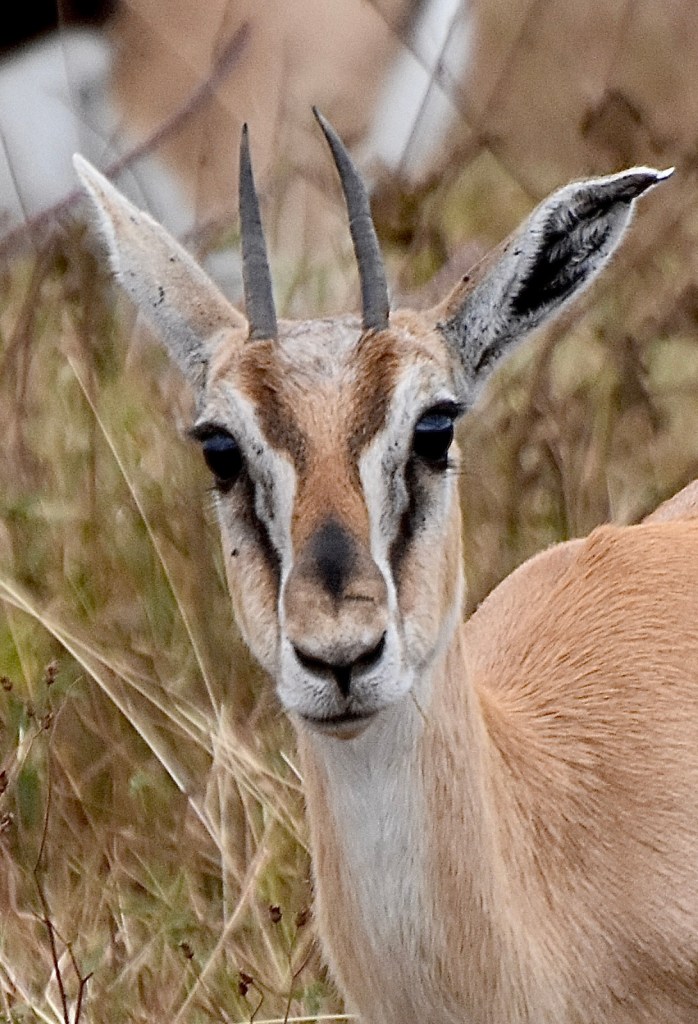
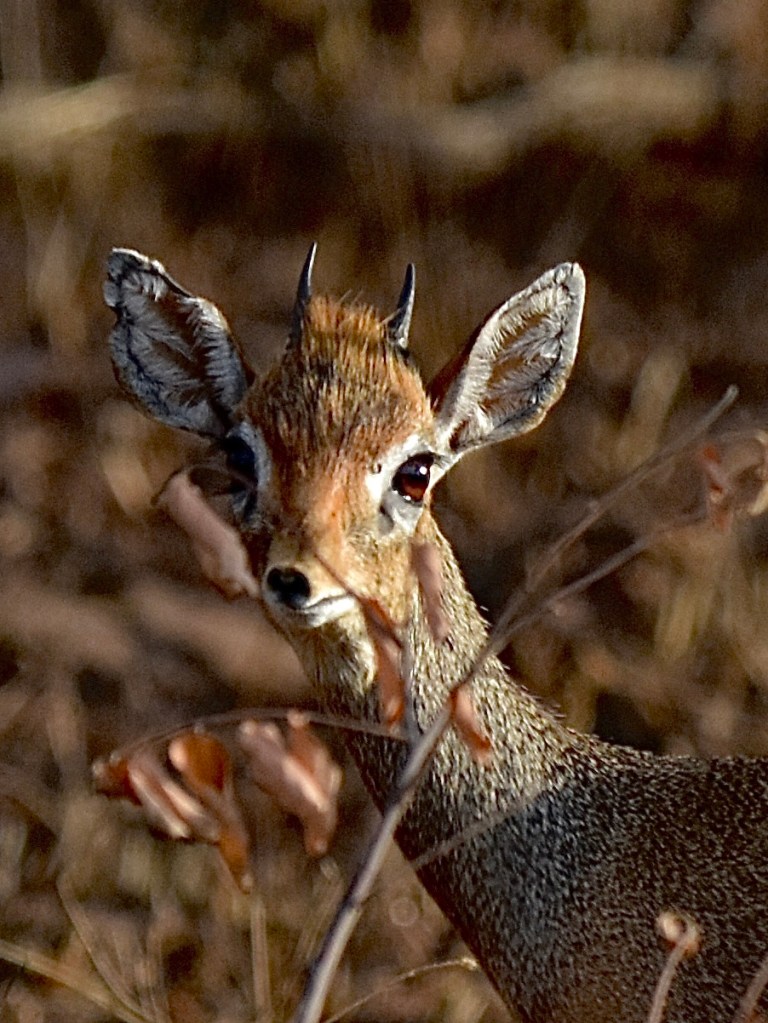
In Maasai culture it is widely believed that if a Dik Dik runs across your path then something bad will happen. Possibly because a running Dik Dik is often closely followed by a very hungry leopard.
*****************
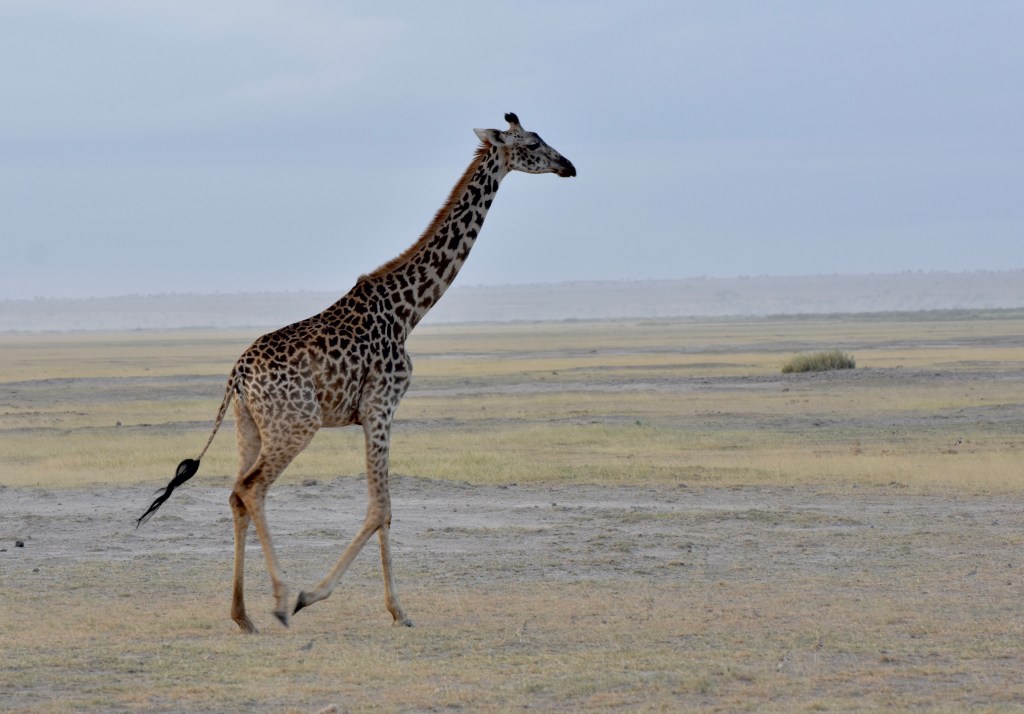
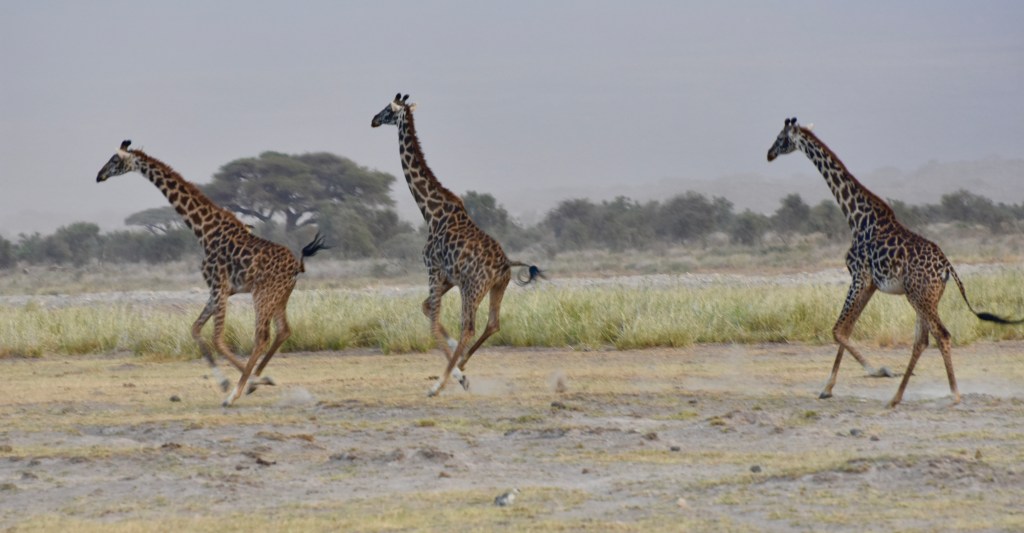
When walking, giraffes are unusual in that both legs on the same side move together. They gallop with front and rear legs moving as pairs, enabling them to reach speeds up to 37 mph.

******************
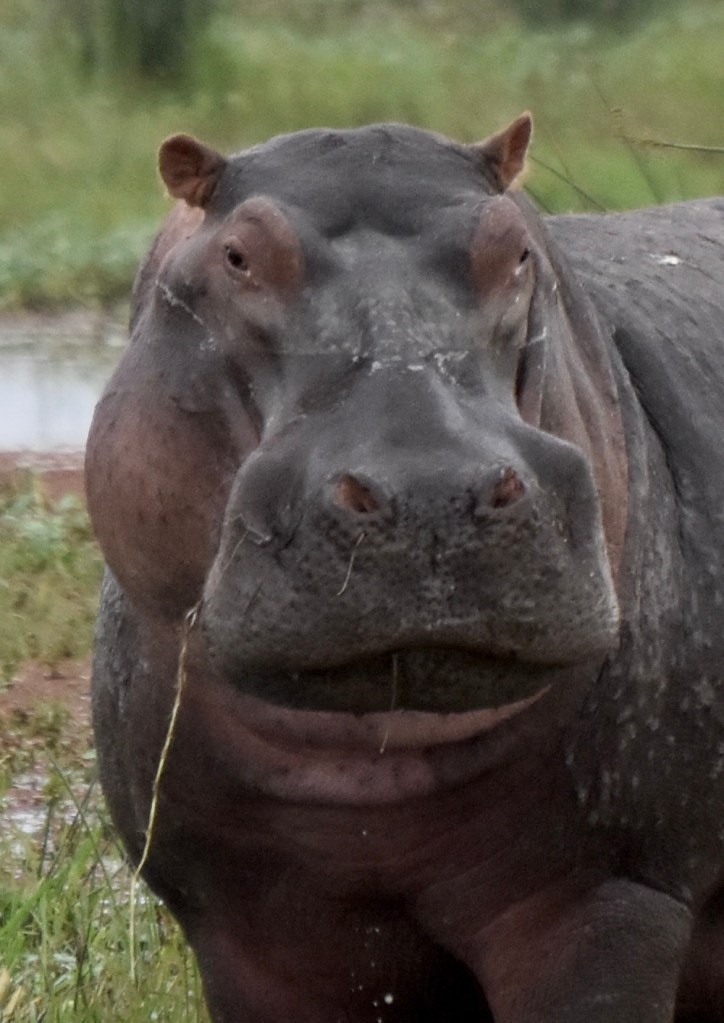
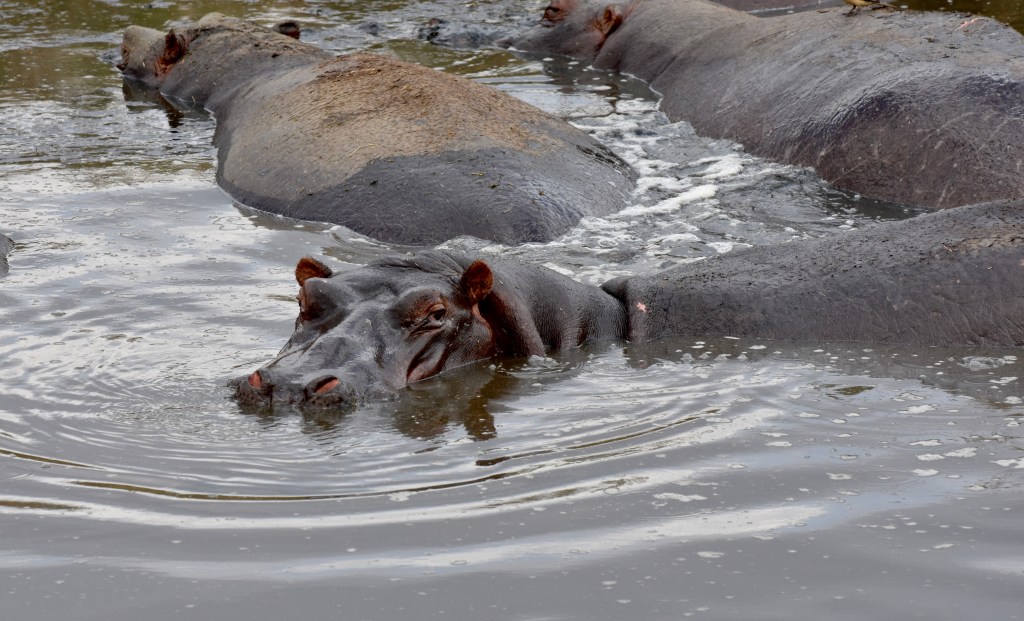
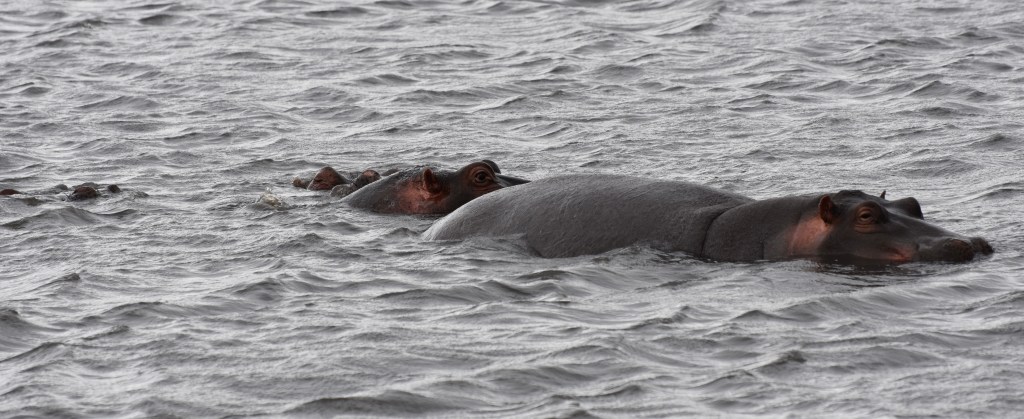
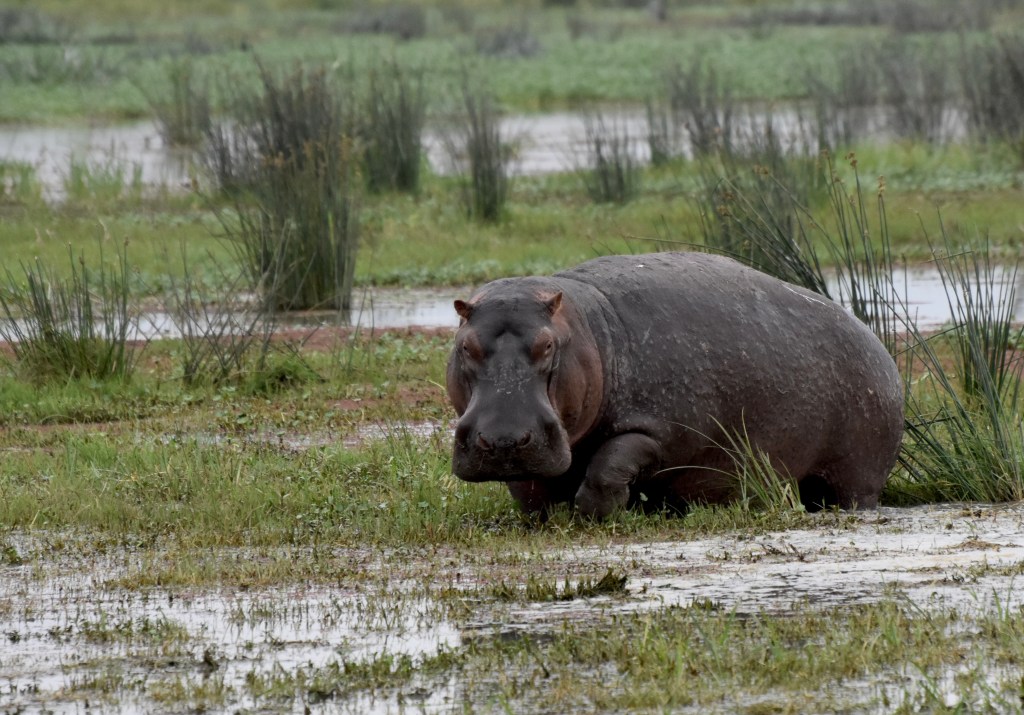
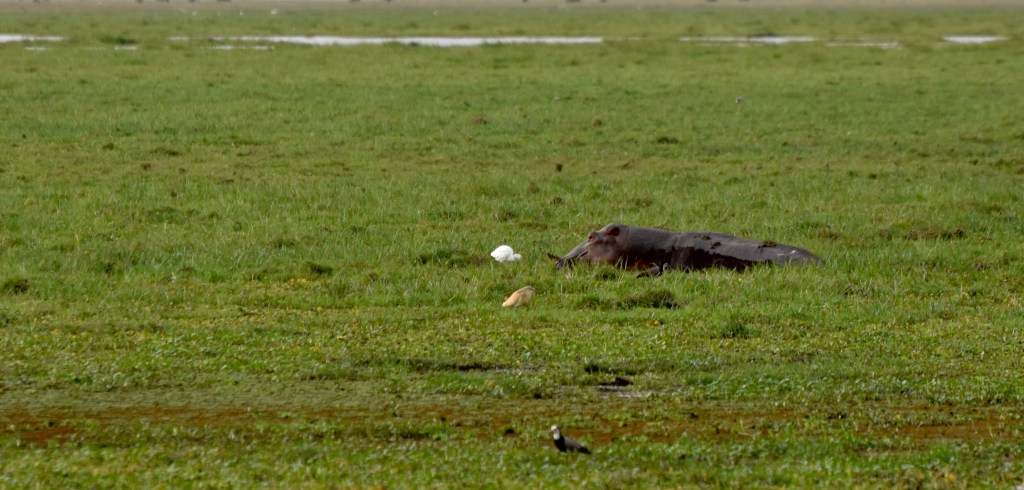
Hippopotamus are the most dangerous animal in this part of Africa, responsible for over 500 human deaths each year, far in excess of other predators such as lions or crocodiles. The threat comes from their territorial nature – we were told more than once that if you enter their space, they will simply kill you. Herbivores, they won’t eat you, they’ll just use their jaws, which open to 180 degrees, to bite you in half and leave you for the hyenas.
With Knowledge comes Survival.
*******************
Giraffes feed on the stately and shapely Acacia tree, but in an example of survival of the fittest, the Acacia tree had to develop protective mechanisms. It holds ants within the tree bark and structure, not causing structural problems, but rather warding off the giraffes for if they eat too much of the tree the ants go up their nose and they immediately stop.

**************
Kenya encompasses 44 distinct tribes, each with their own unique identity, customs and language. To unify the country around a common language, Swahili was selected. To enable the country to be a part of the global community, English was adopted. And so nearly all Kenyans speak at least three languages: Swahili, English and their native tribal language.
Learning and using just a little Swahili, derived from Bantu and Arabic, makes for a completely different experience.
Hello – jambo
Please – tafadhali
Thank you – Asante
You’re welcome – Karibu
What’s happening – mambo
Cool – poa
Everything is good – acuna matata
Goodbye see you soon – kwaheri ya kuonana
***************
Felix and Oscar. Giraffes and Warthogs. They both get along because they each bring something to the table. Given giraffe’s height and better vision, they can identify predators early. Similarly, warthogs have extraordinarily good hearing, so they hear what the giraffe doesn’t see. They keep each other safe and do not pose a threat to each other.

***************
A group of tourists
A tower of giraffes
A pride of lions
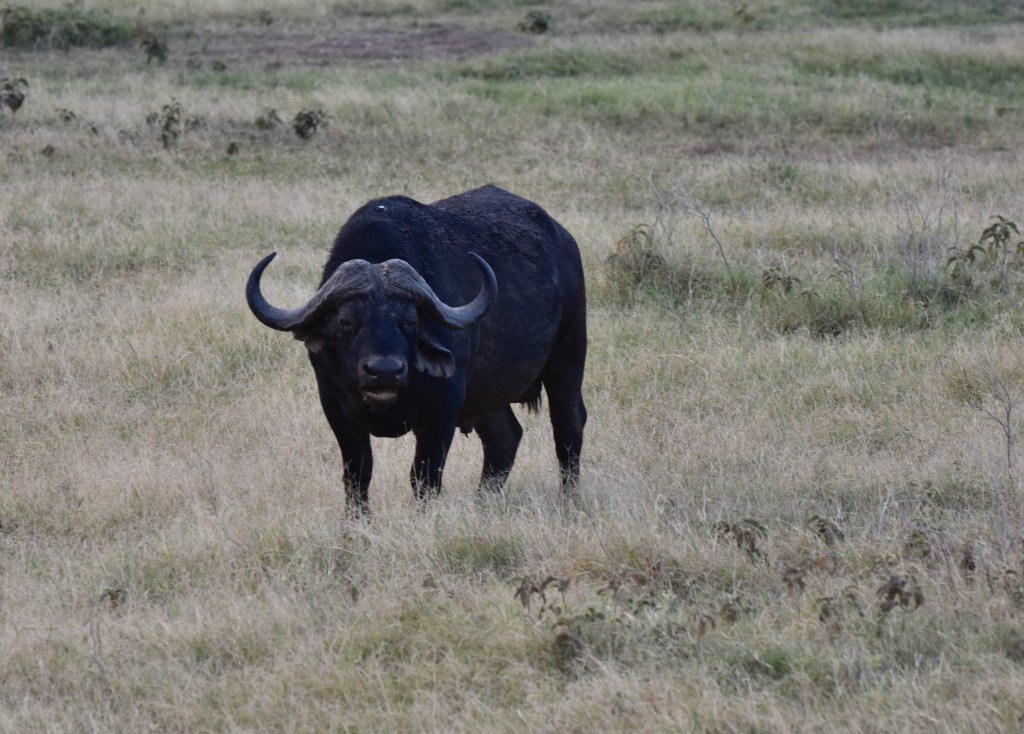
A herd of Cape buffalo
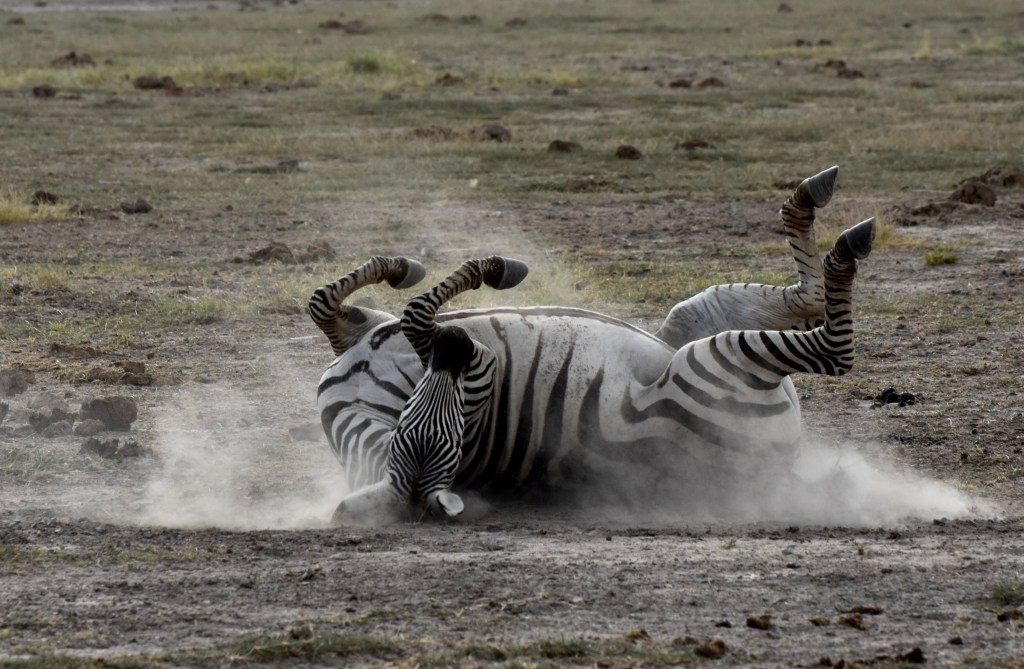
A dazzle of zebras
A bloat of hippopotamus
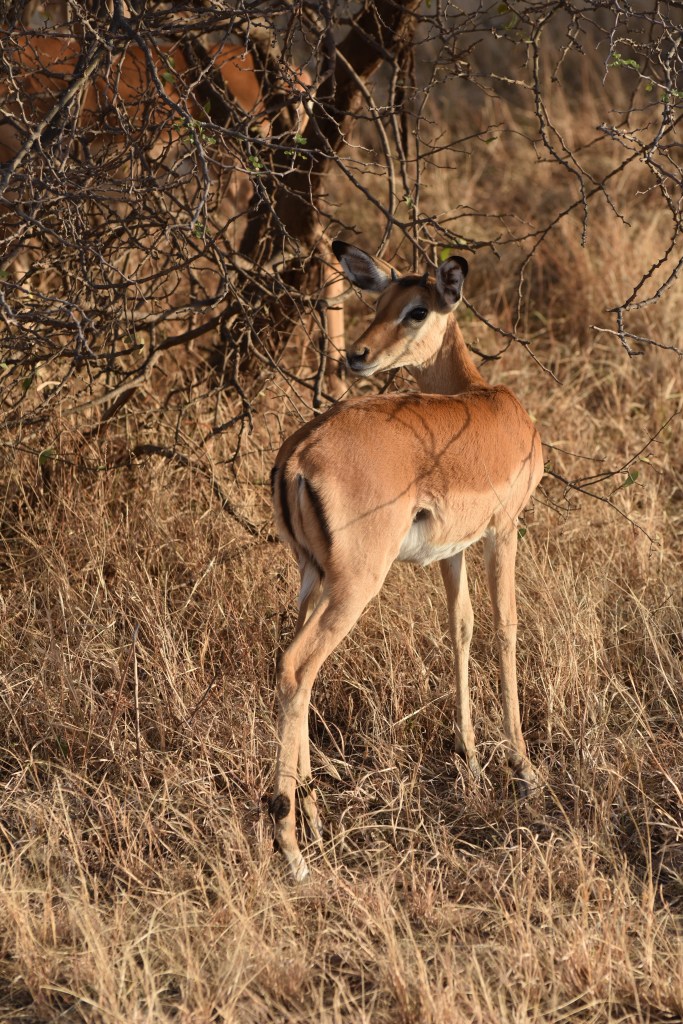
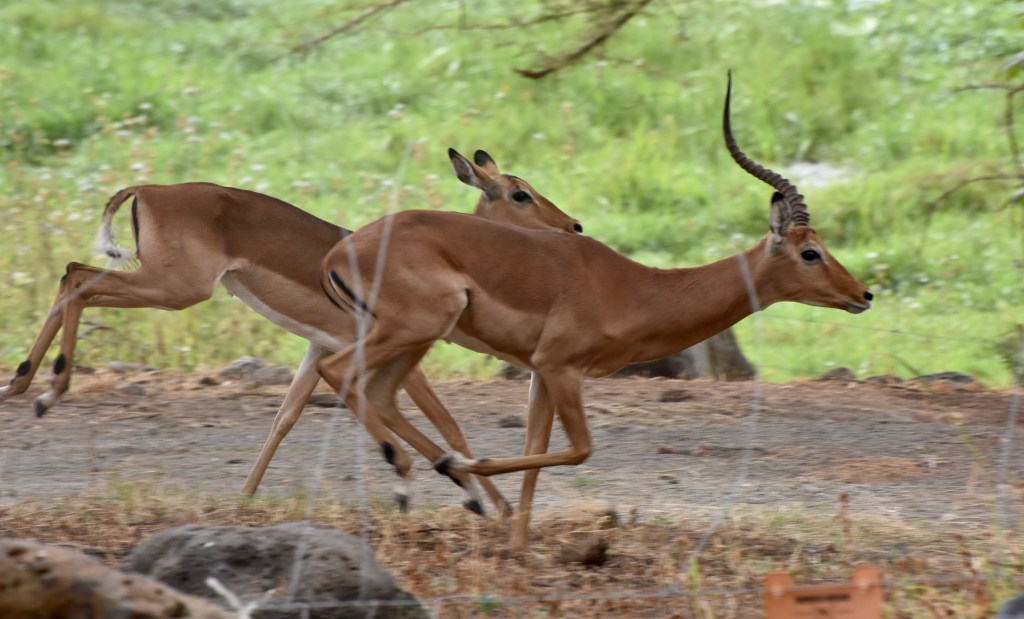
A harem of impala
A sounder of warthog
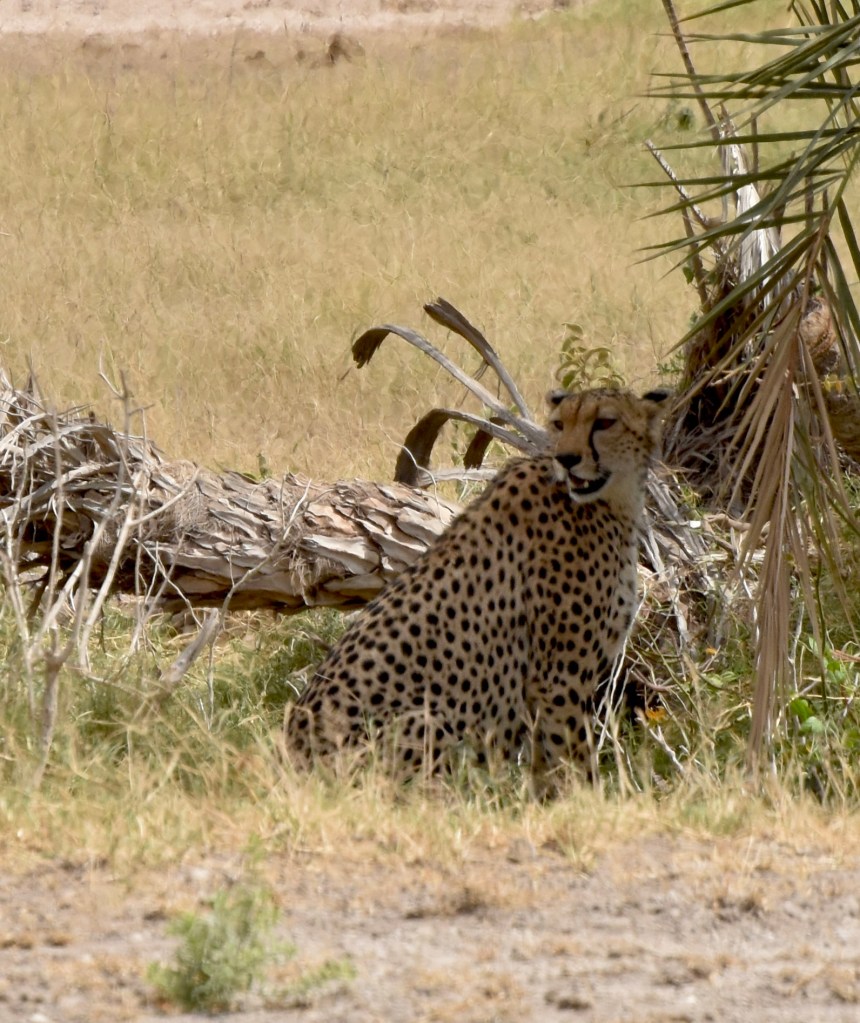
A collision of cheetahs
A journey of giraffes when on the move
A herd of elephants
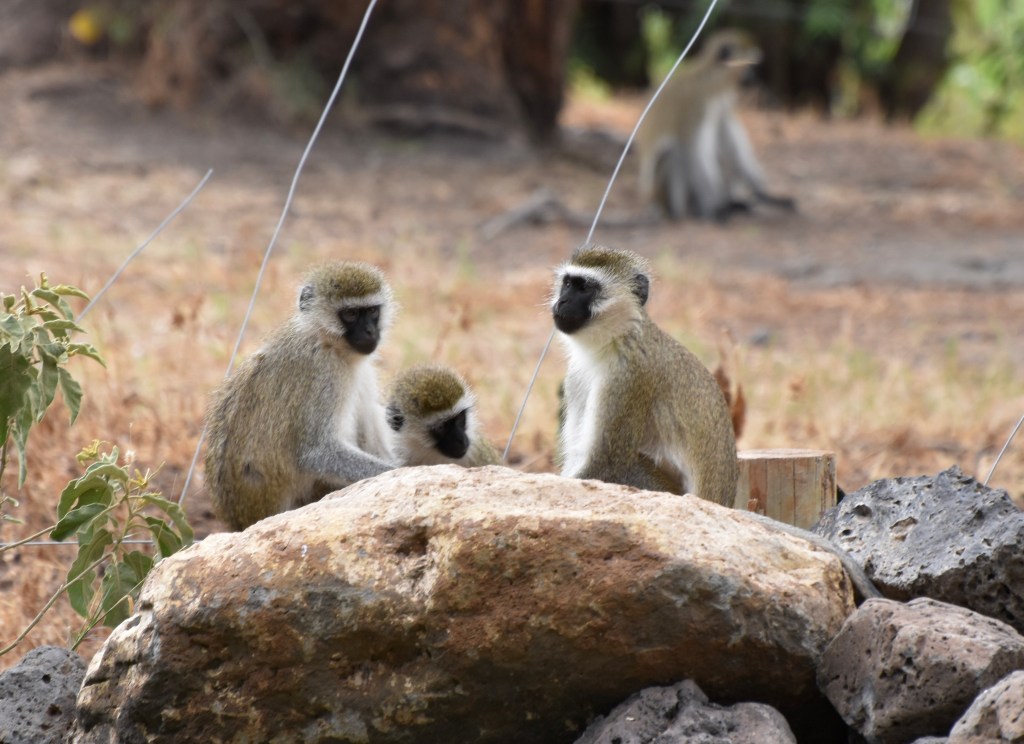
A troop of monkeys
A nothing of leopards, for they are solitary creatures
*********************
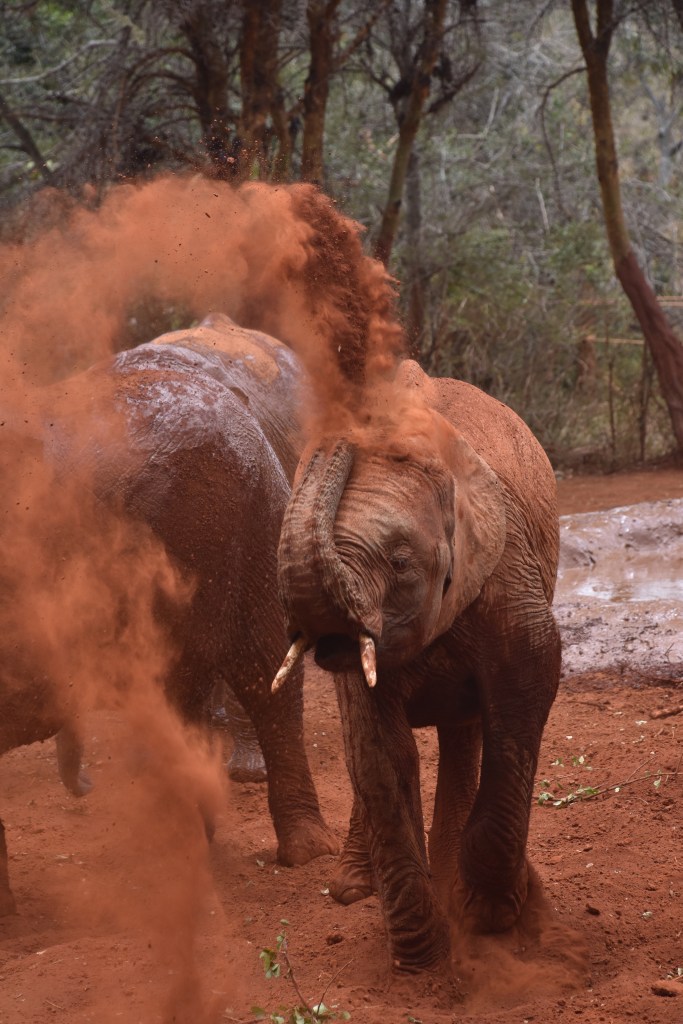
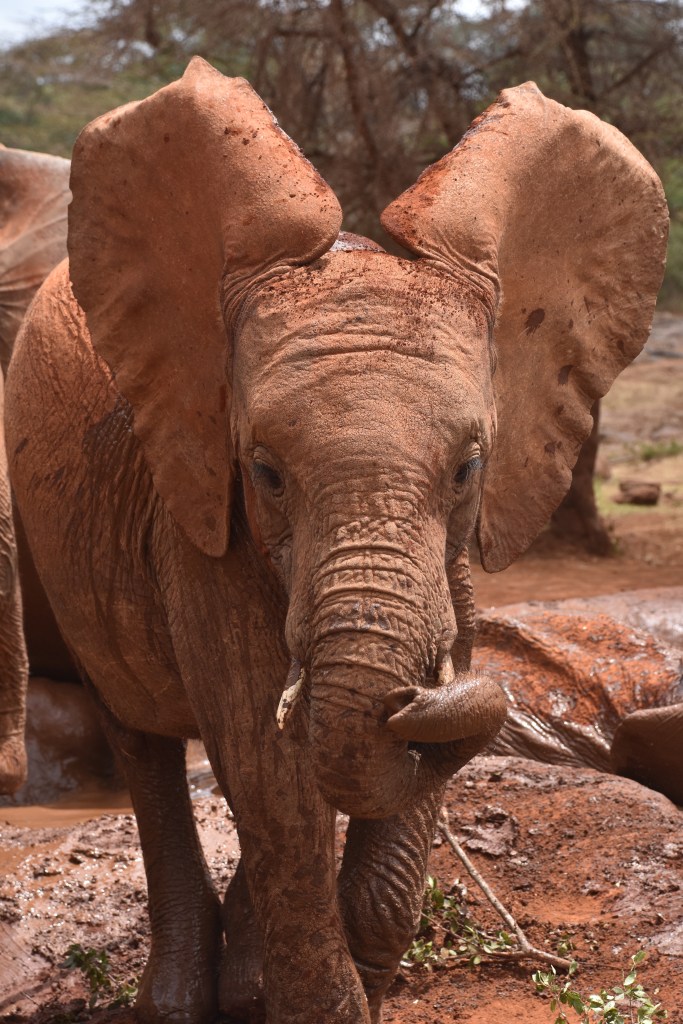
Just for the fun of it…..

*********************
Those who wander are not lost.
As this marks the end of the Great African Safari blog, it is dedicated to the most wonderful people of Kenya and Tanzania, whose smiles and warmth and beauty and kindness will forever be remembered.
Kwaheri ya kuonana!
Doudi (David)

When I started mentally composing this Best of Africa post I envisioned a variety of images that captured the light and the beauty and the expressiveness of these wild and untamed animals of the African savanna.
But as time went by it became clear that there was more than wildlife that comprised the Best of Africa – the beautiful and happy and warm and friendly and earnest and hard working people of Kenya and Tanzania.
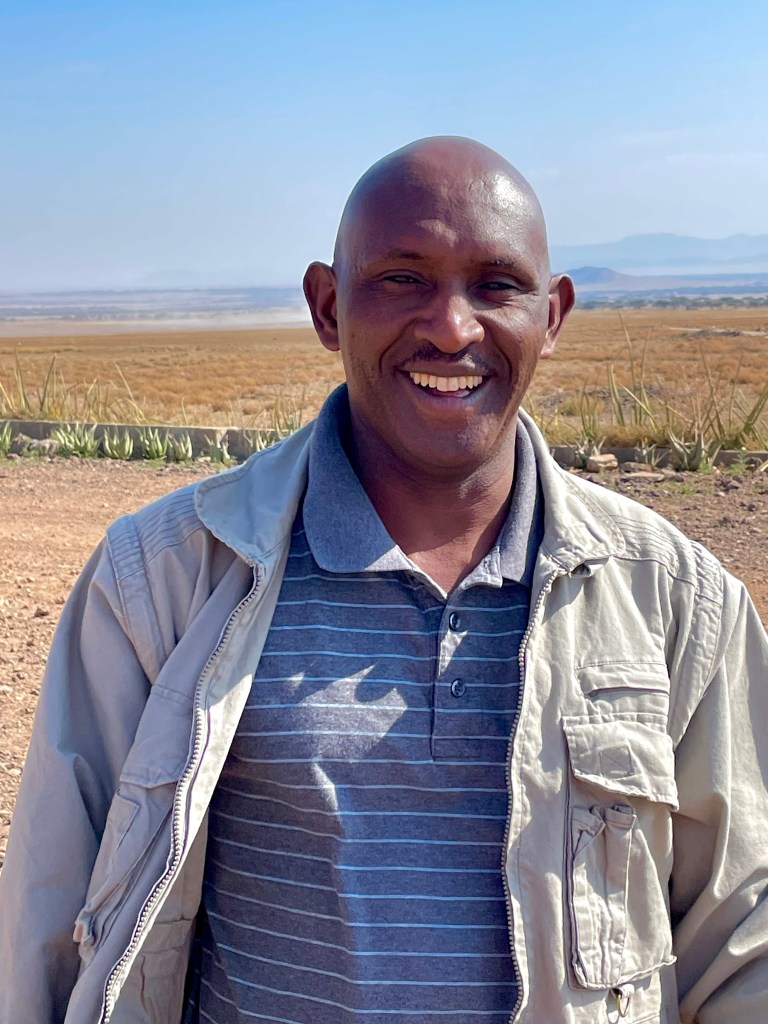


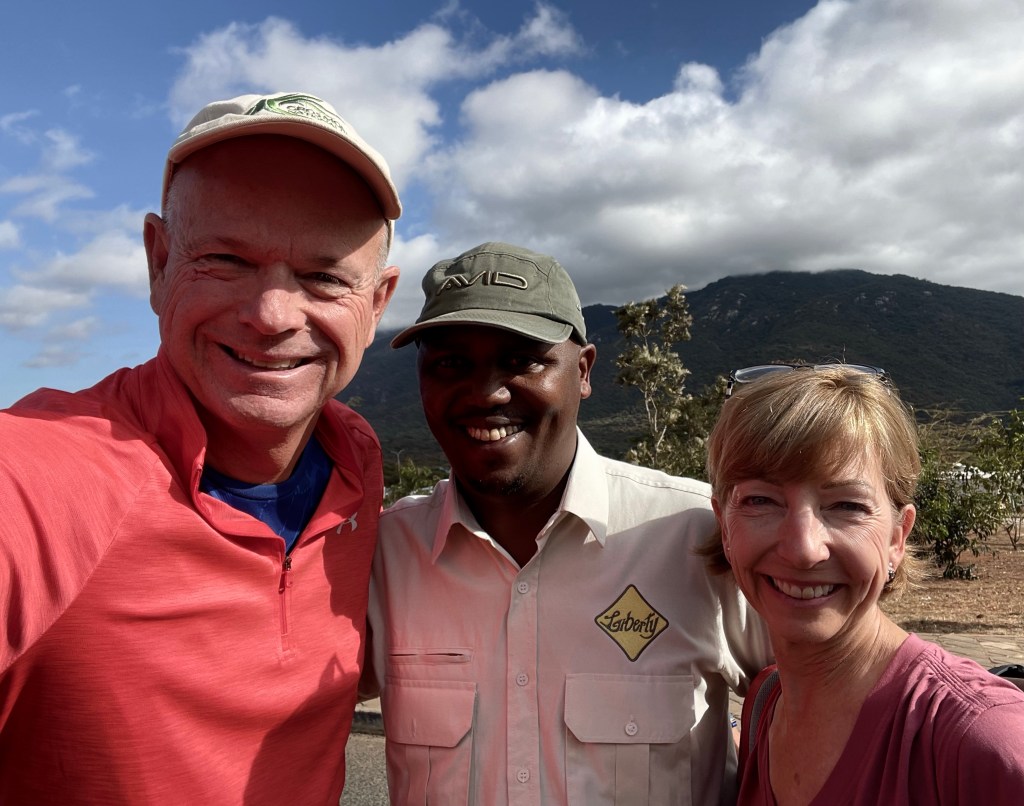

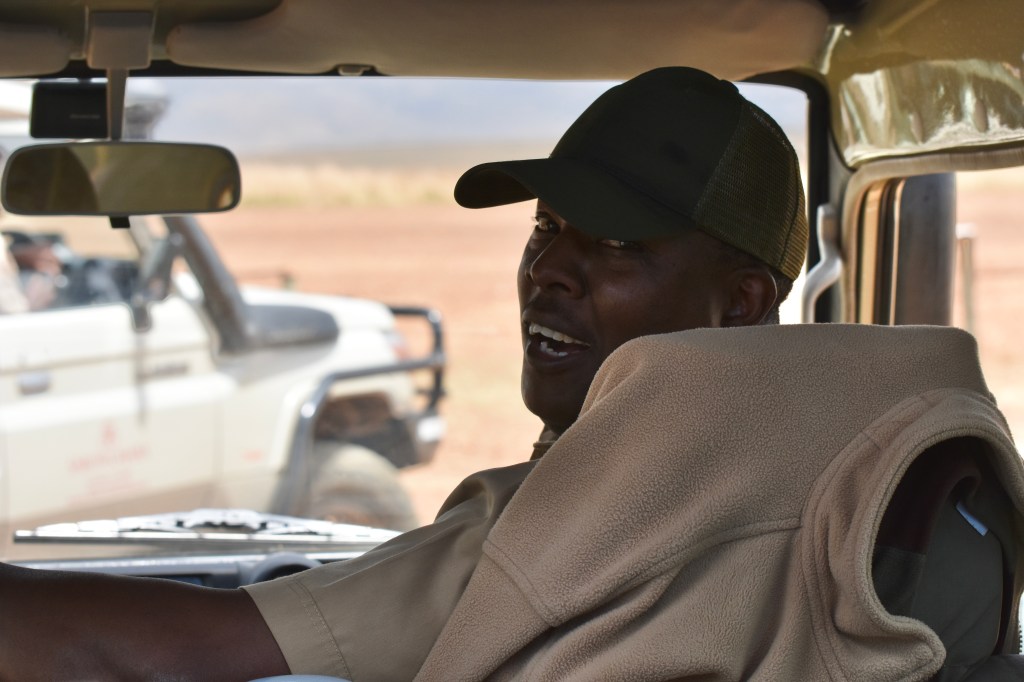
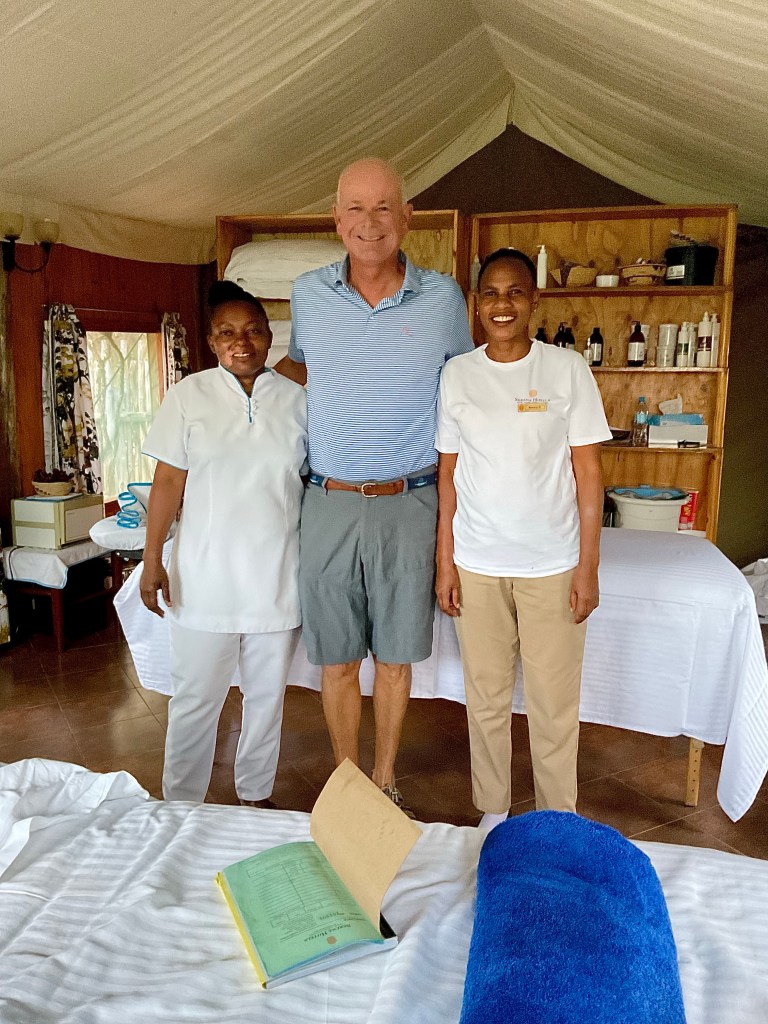
It is impossible to take photos of all the wonderful people with whom we interacted over two weeks, but there were so many common themes that repeated again and again: genuinely friendly, warm, lovely smiles, extremely hard working, great attitudes, curious and engaging.
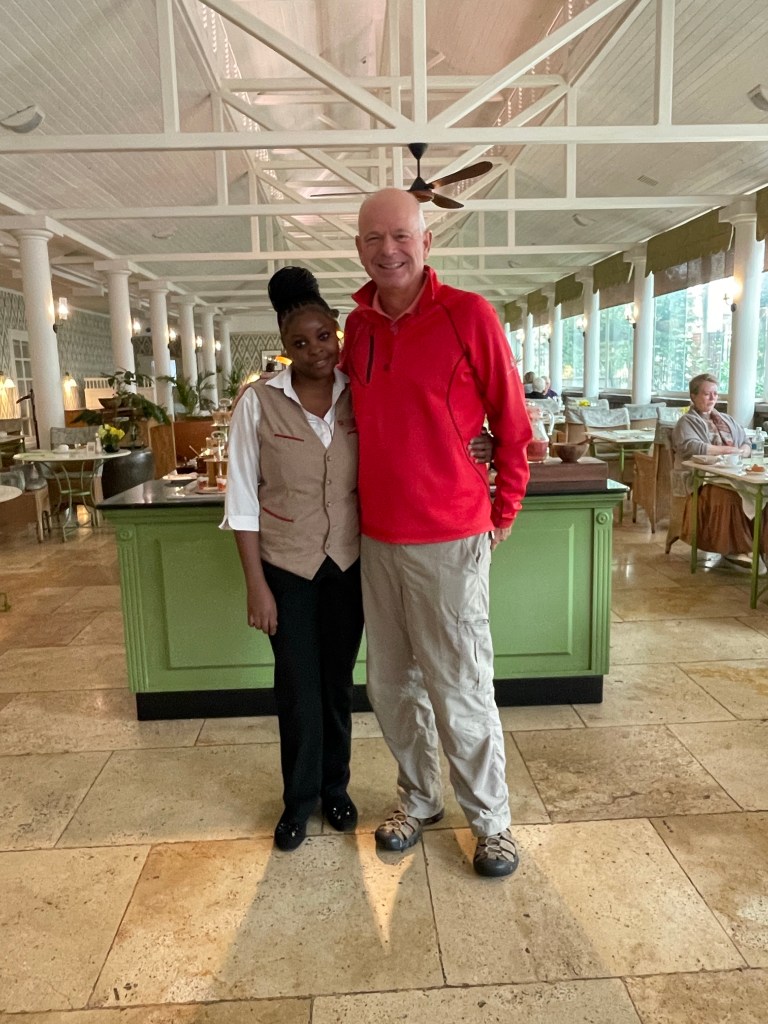
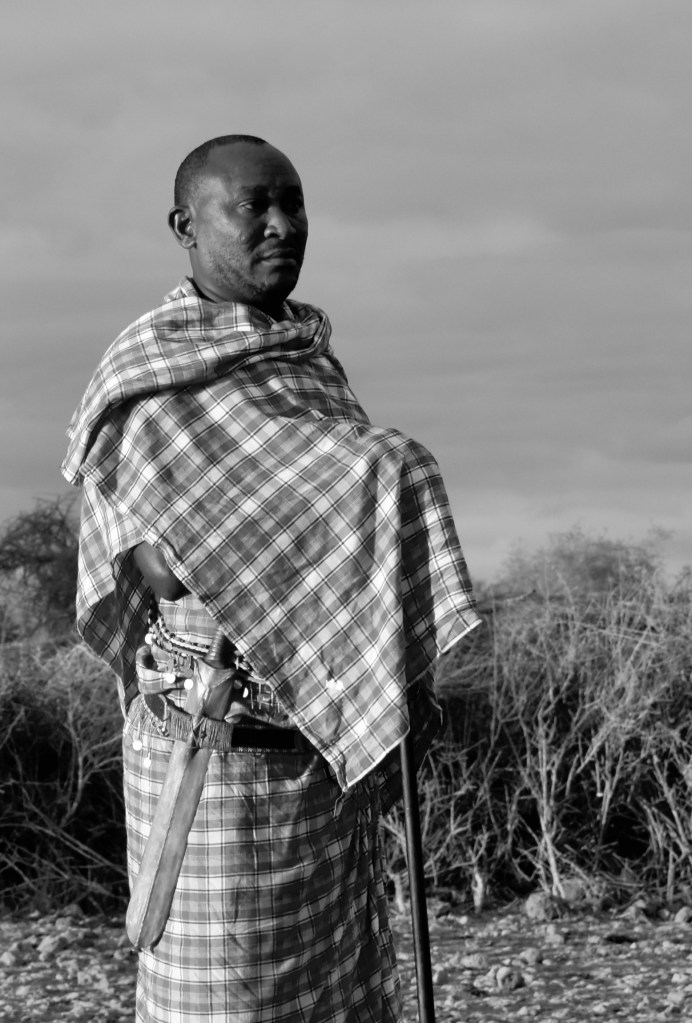
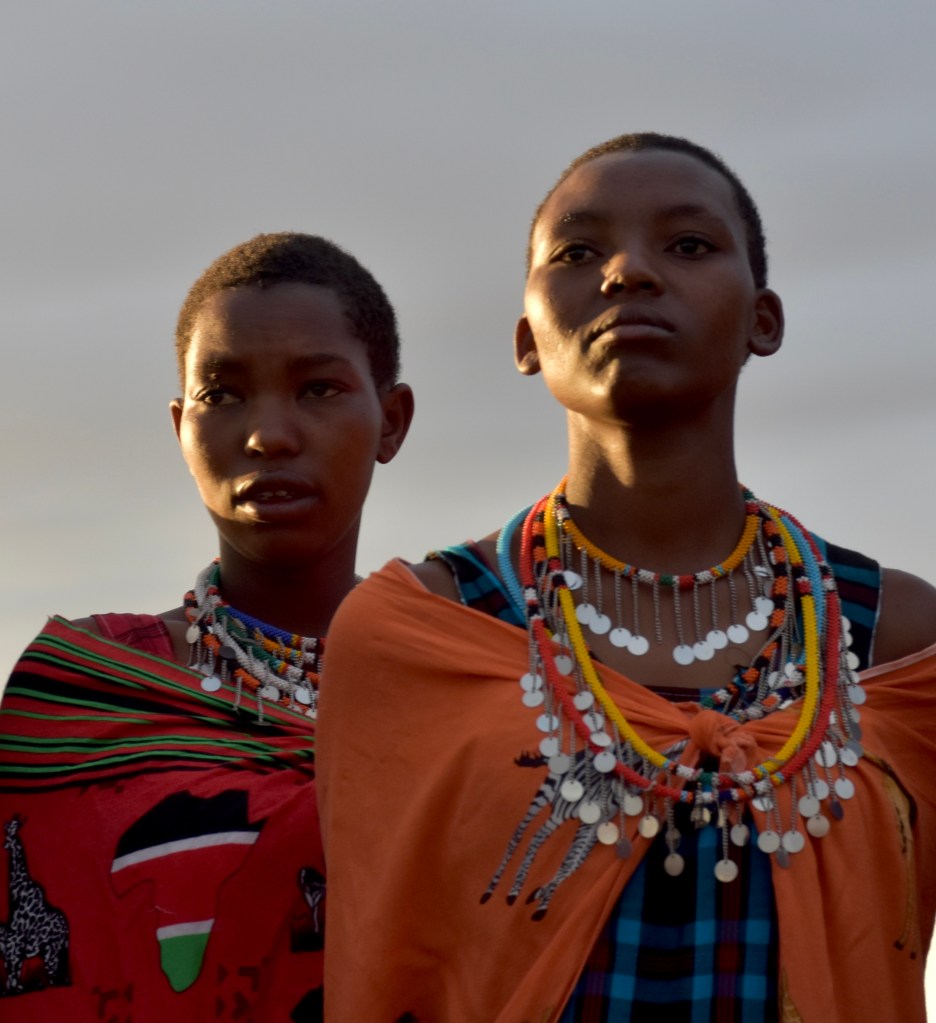
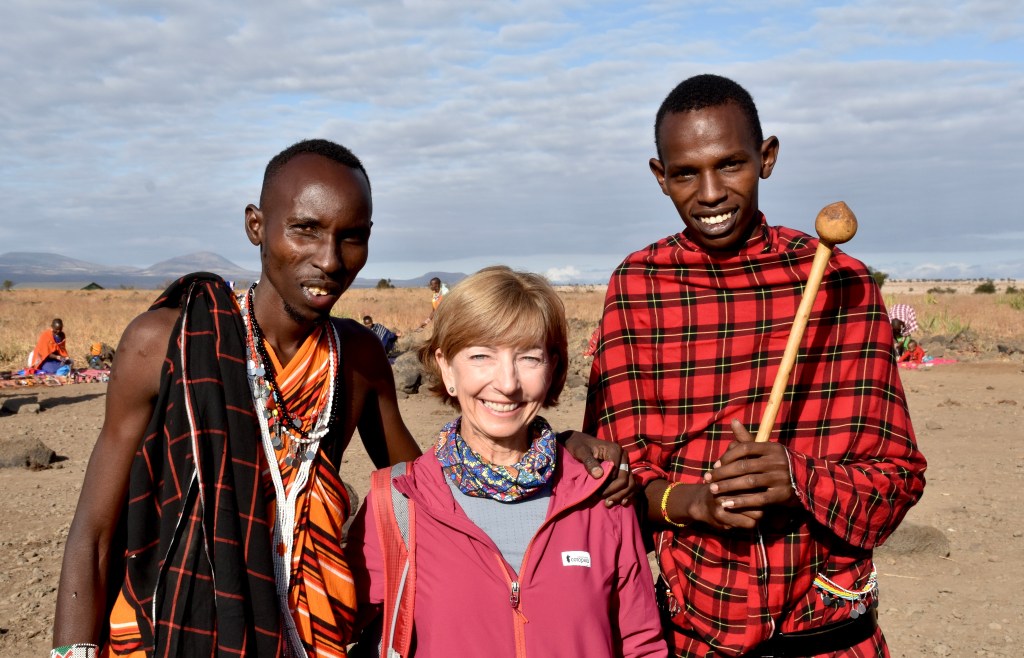
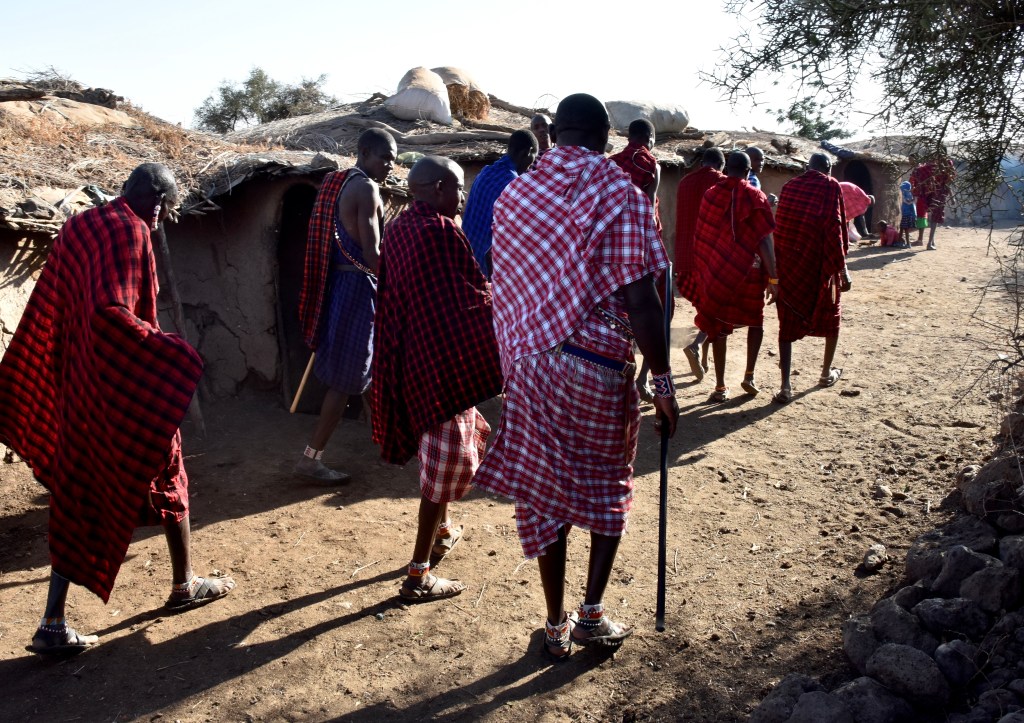
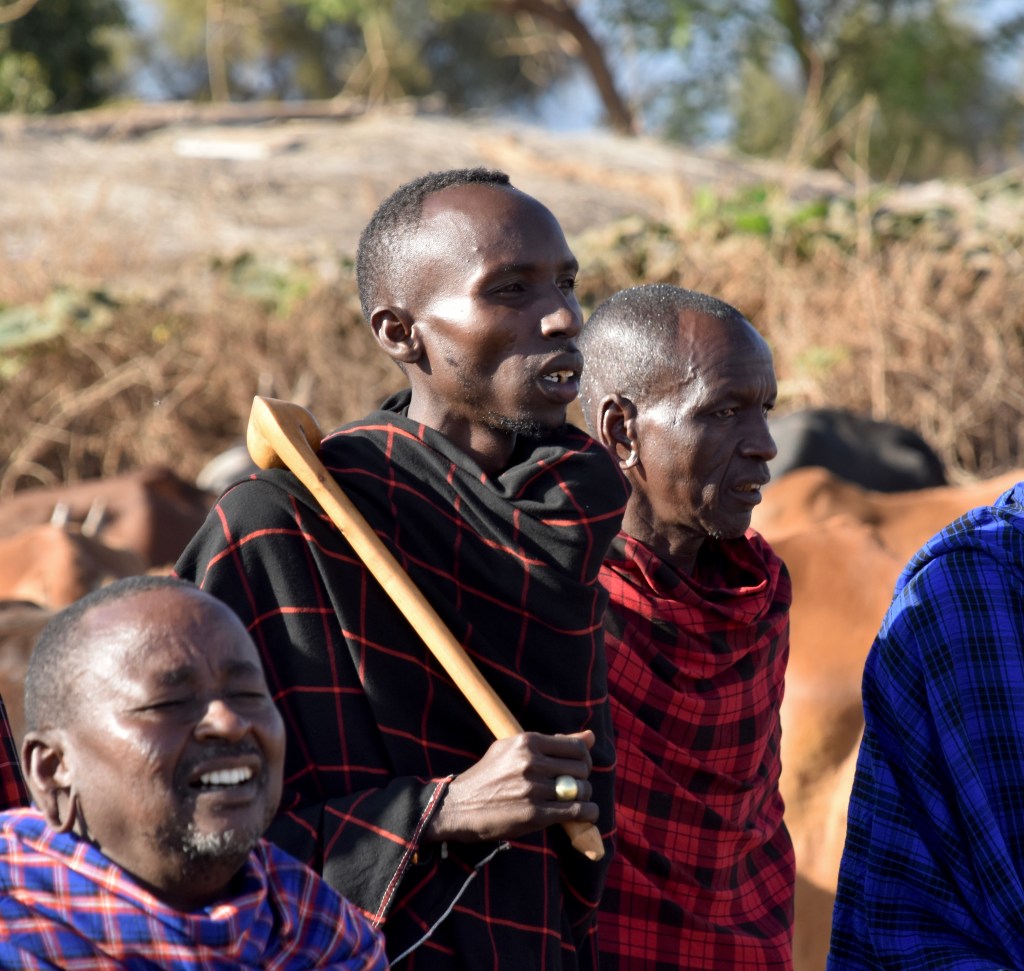
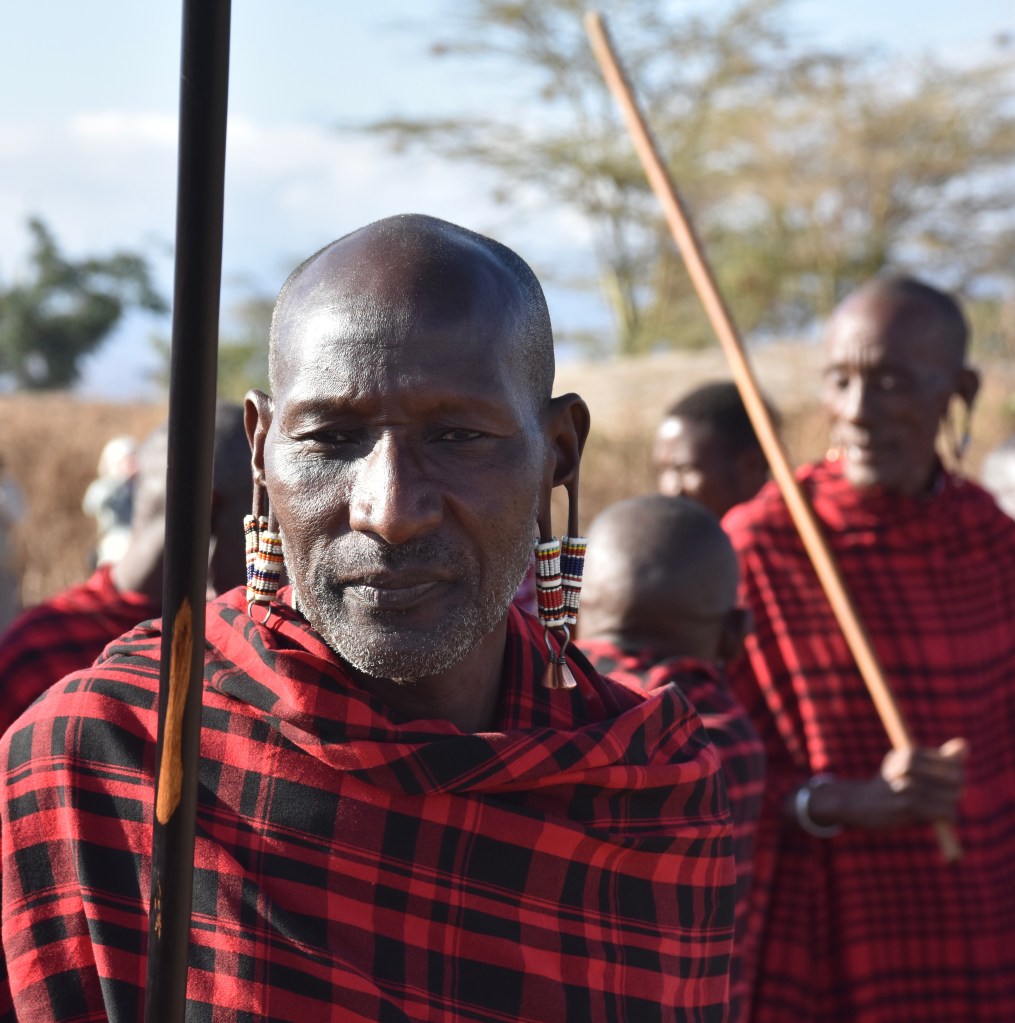
The morning we spent in Amboseli with the Maasai tribal village members will stay with us forever.

And now to the wildlife:
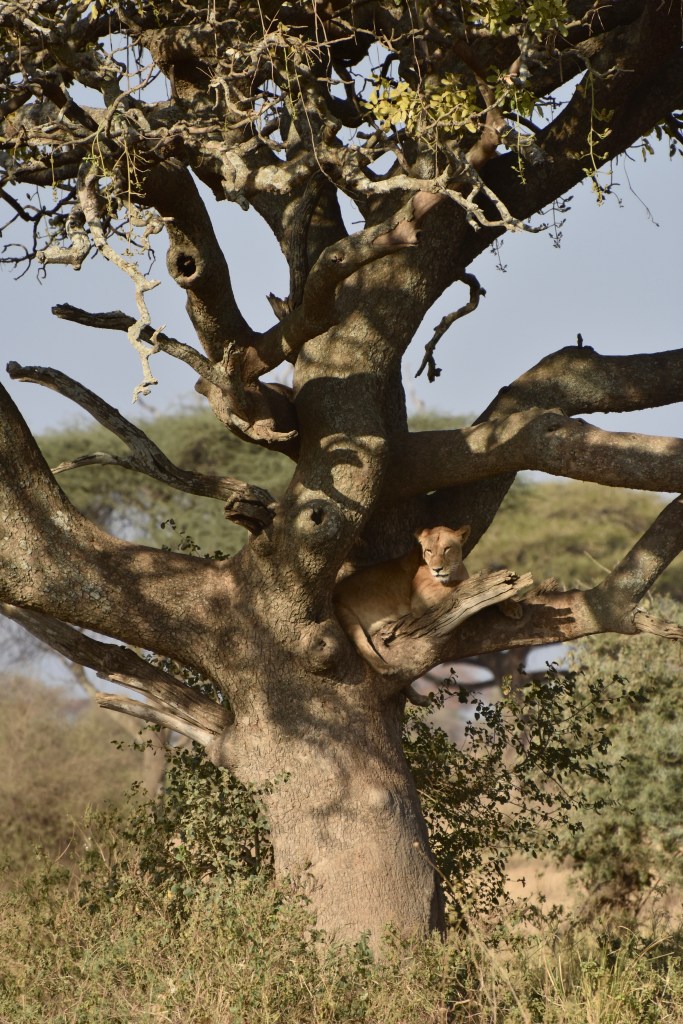
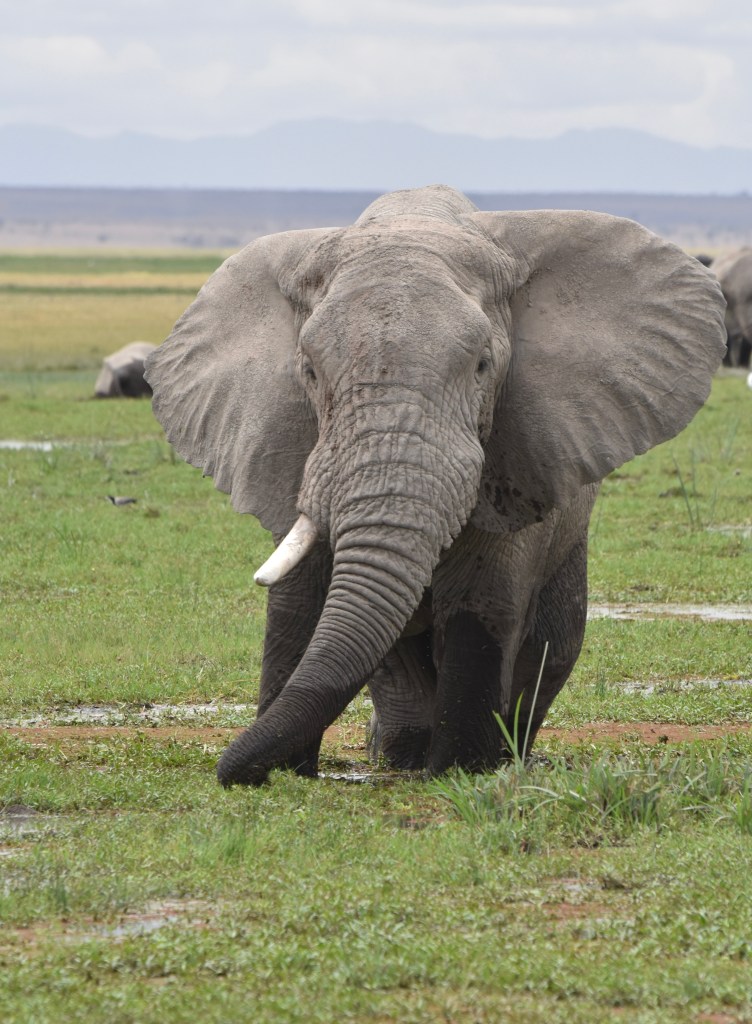
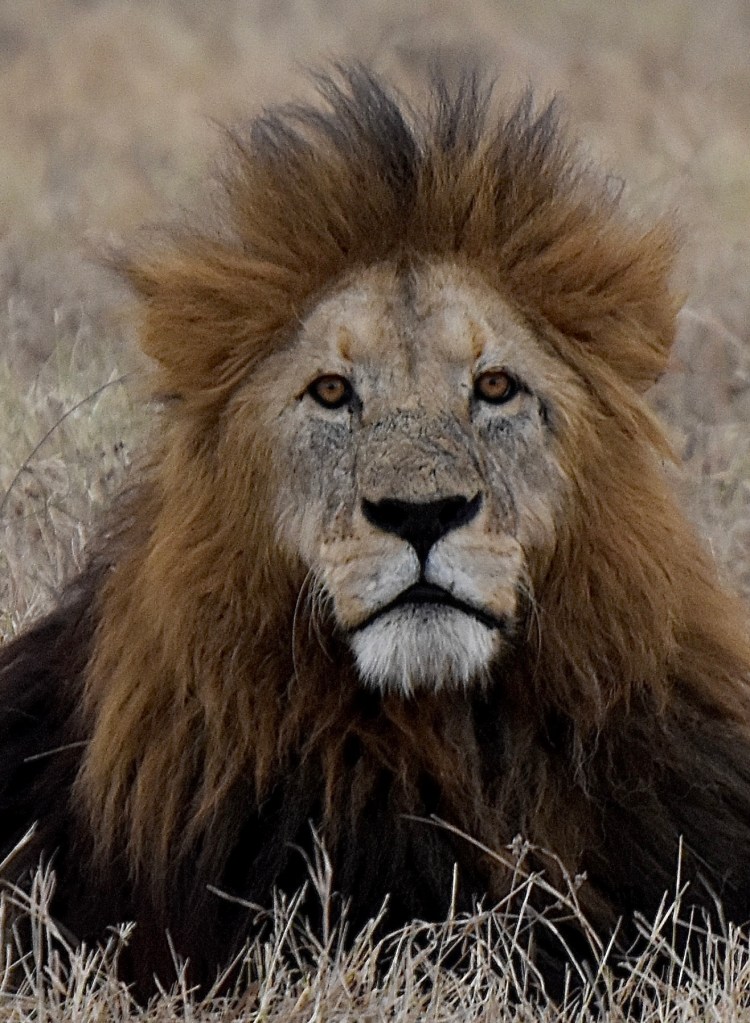

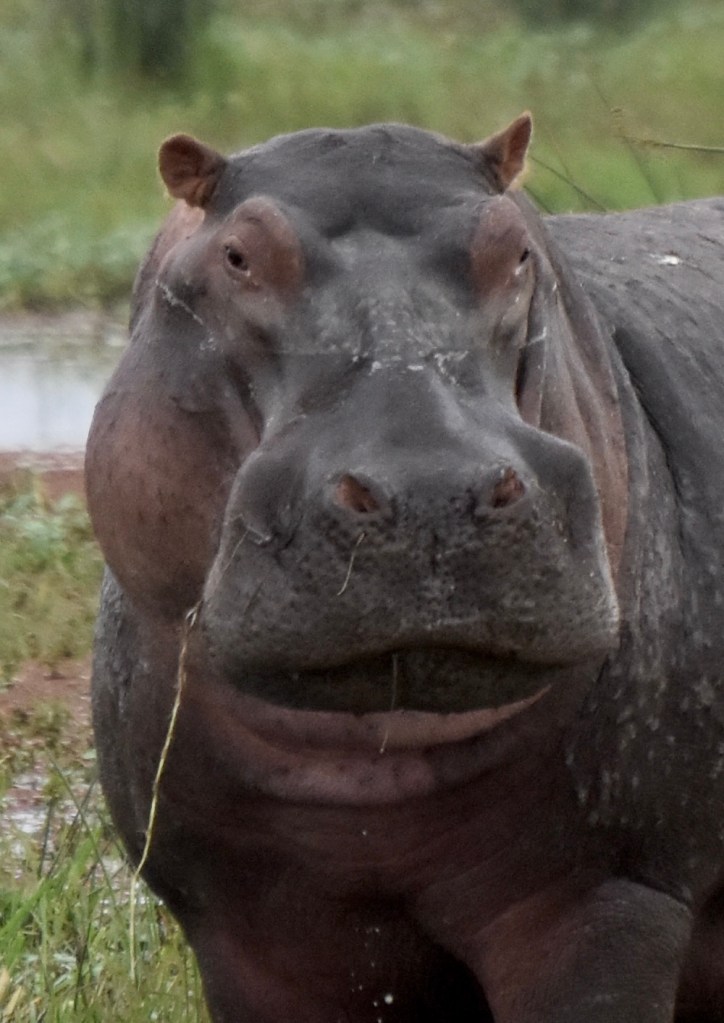
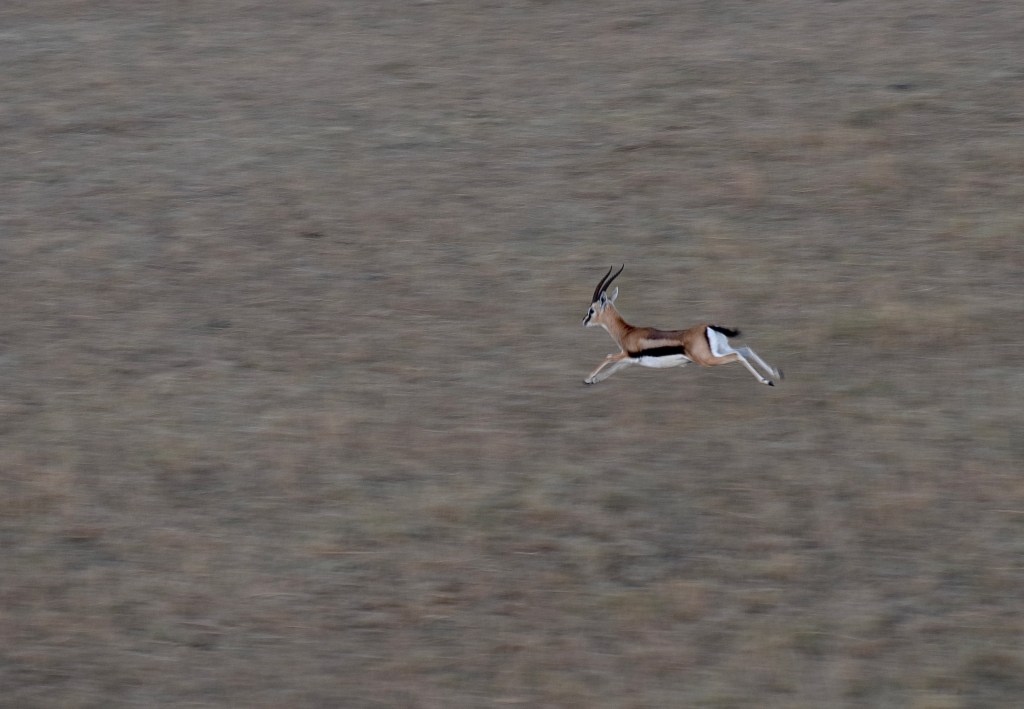
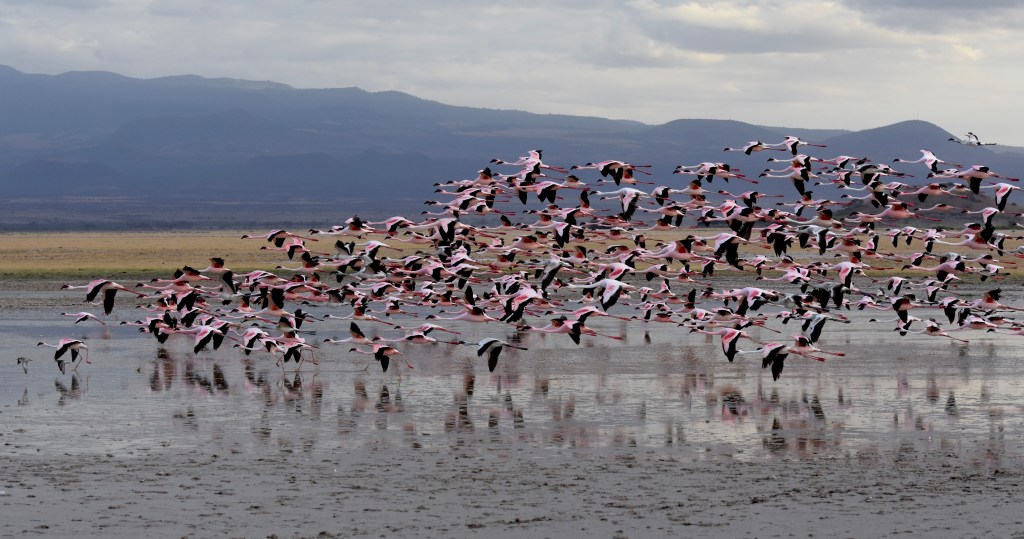
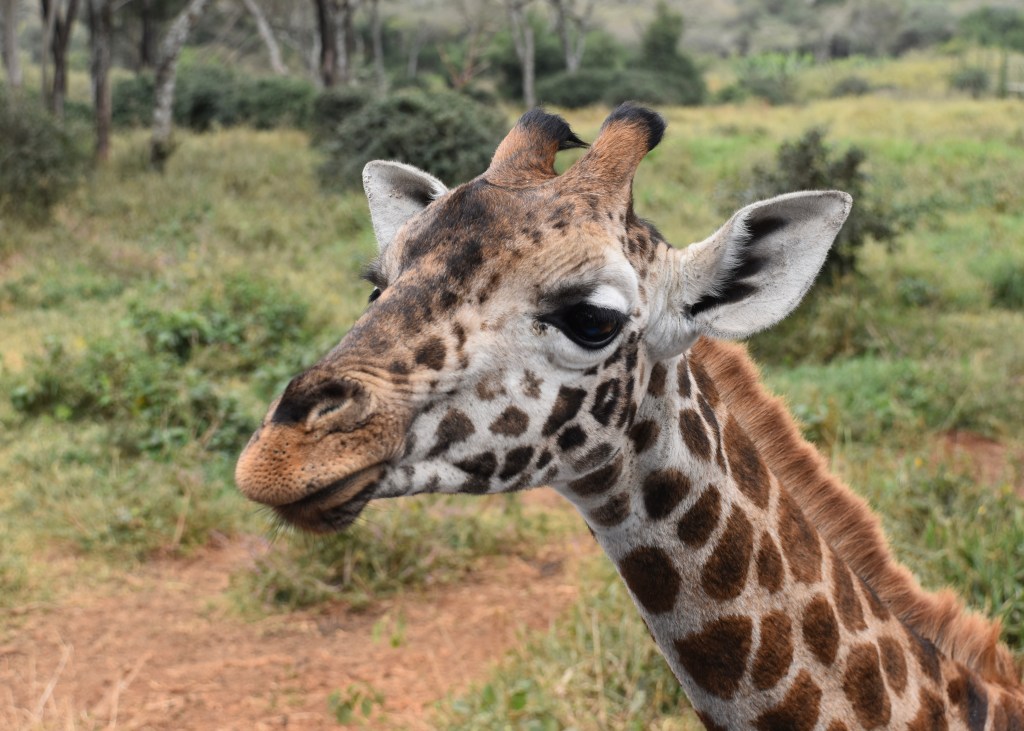
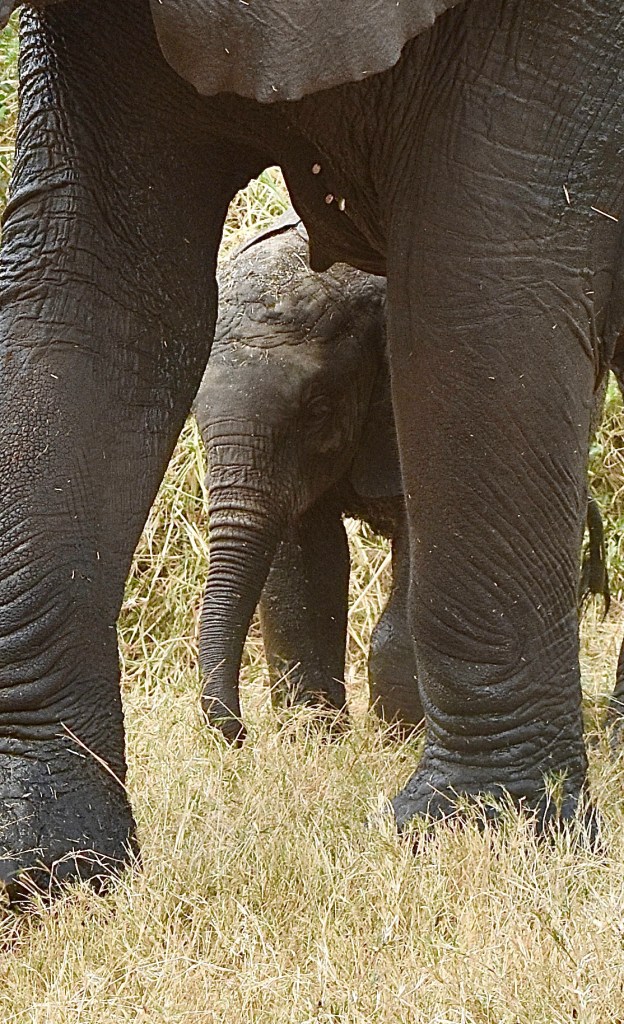

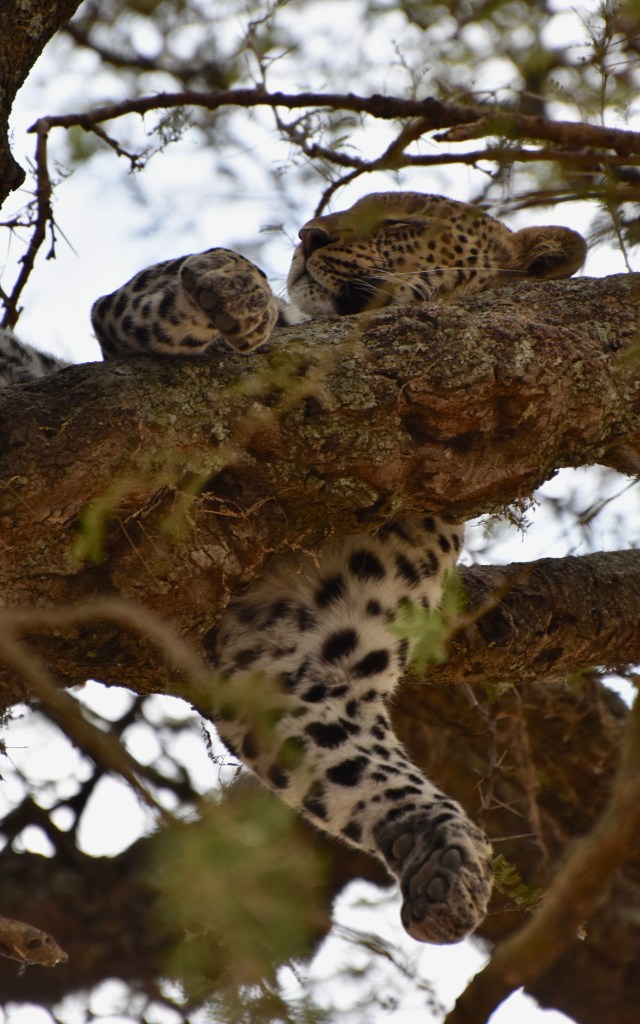


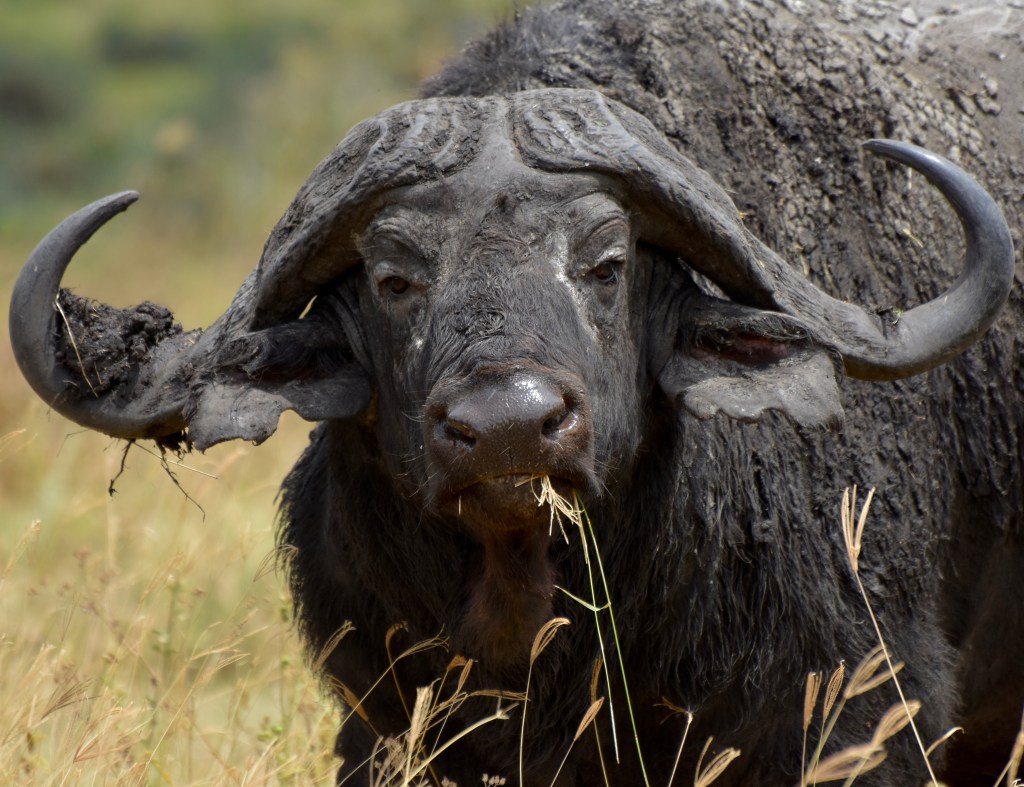

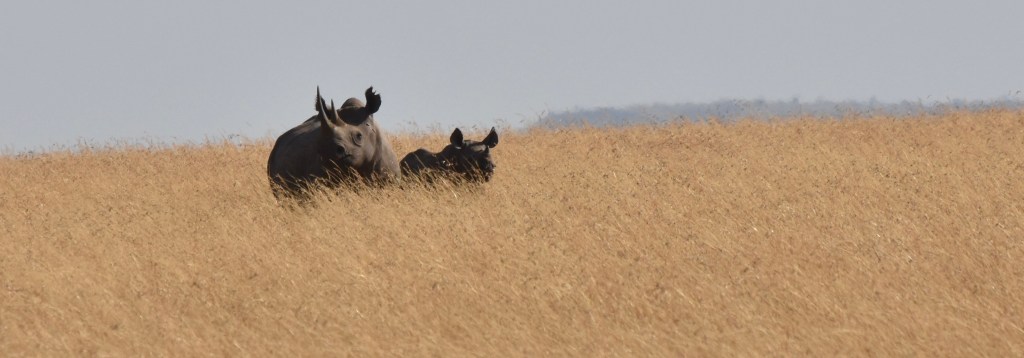
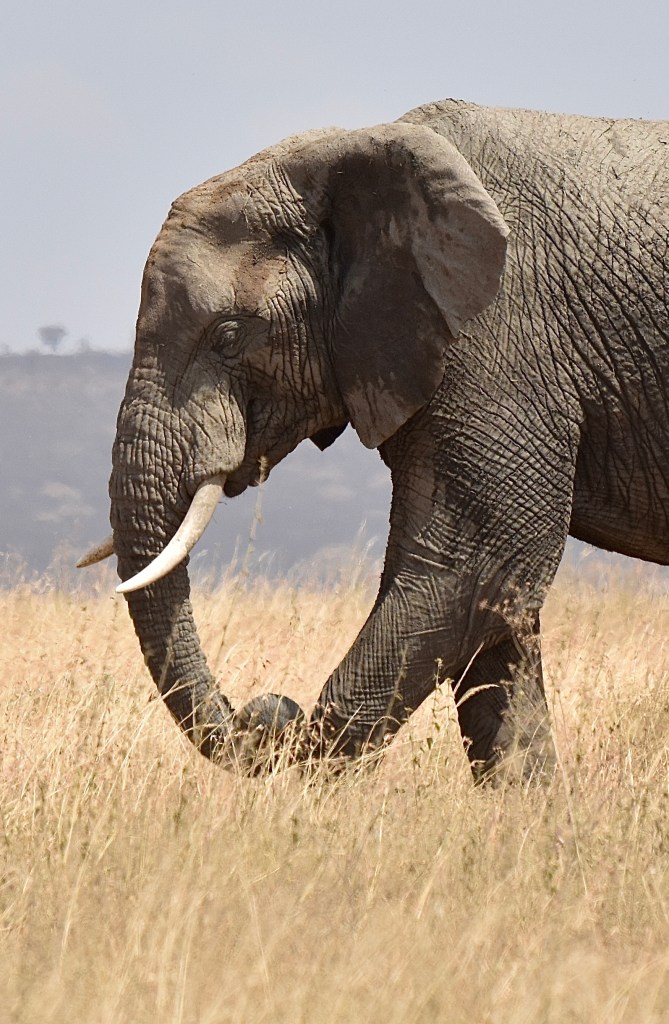

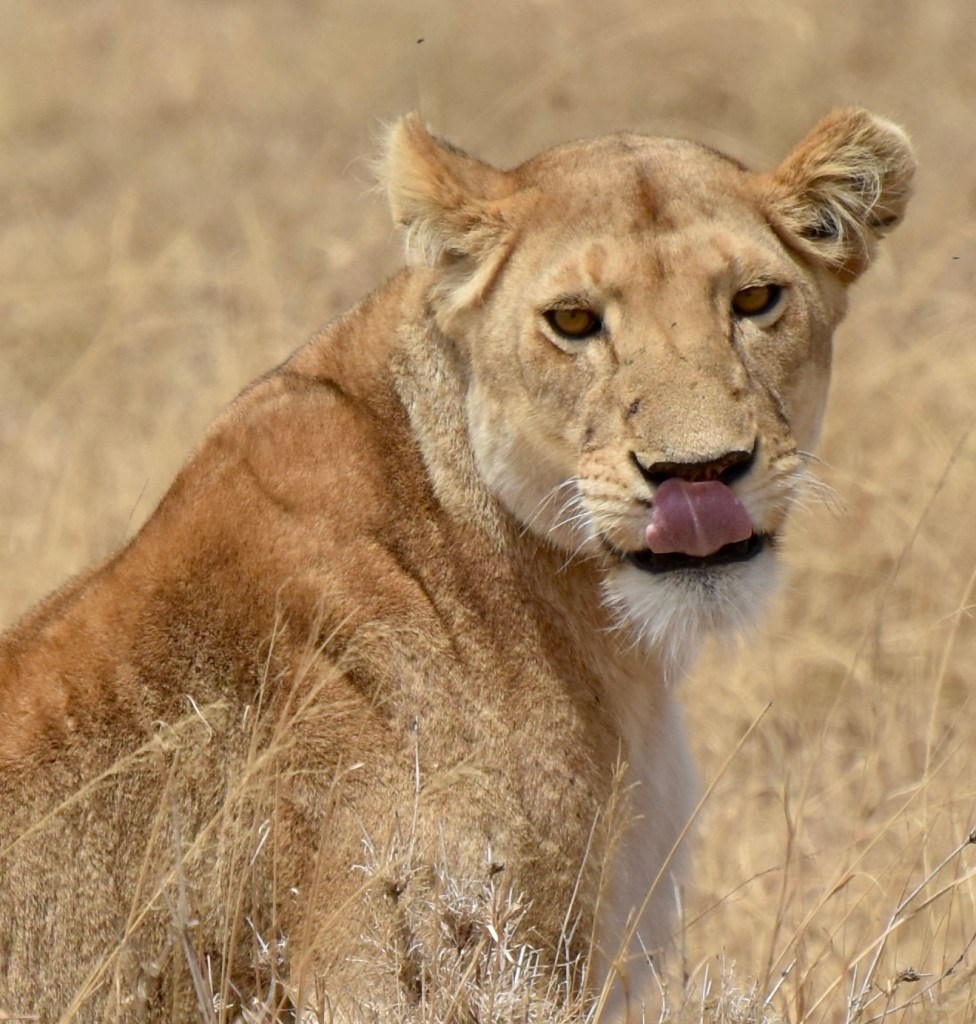
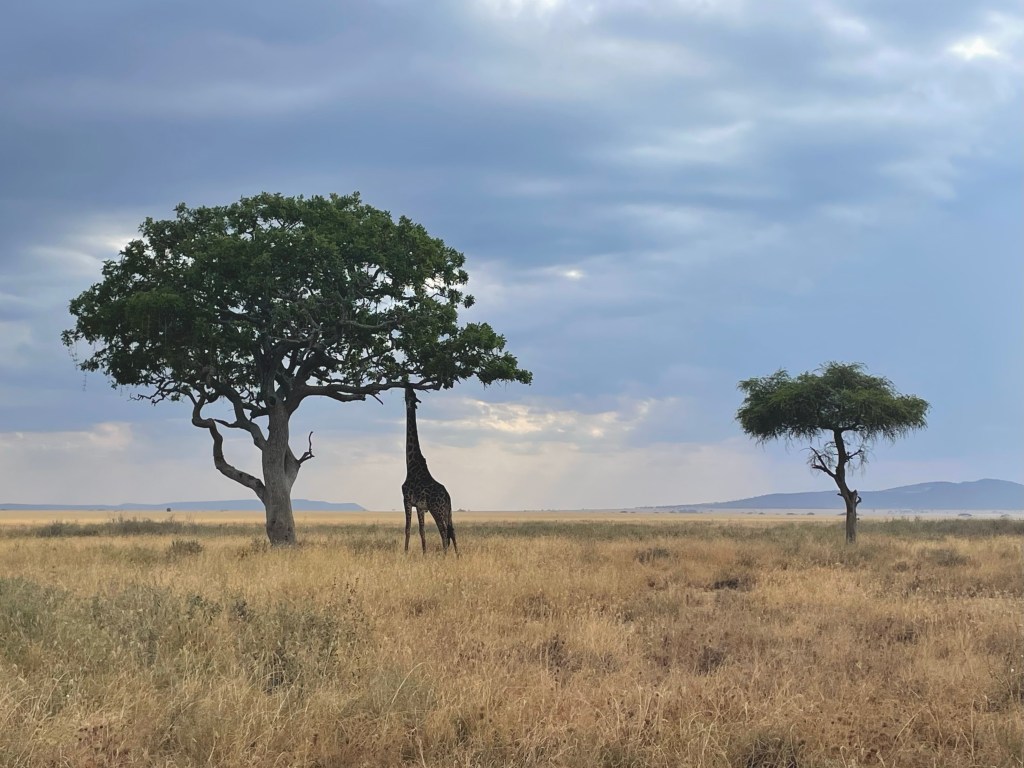
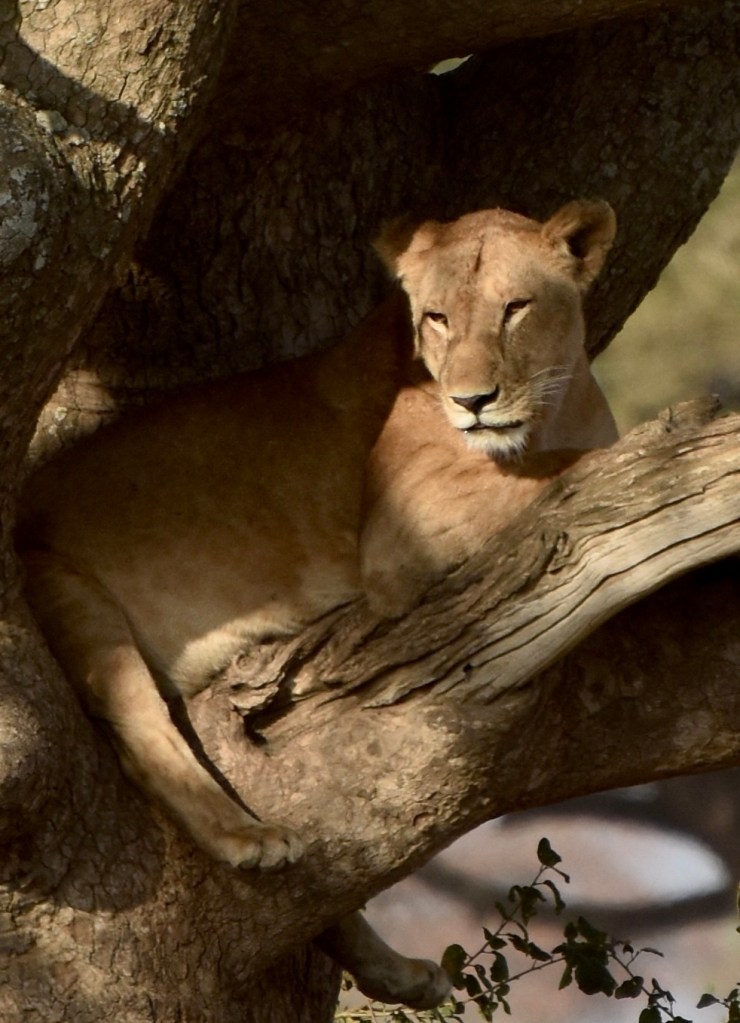

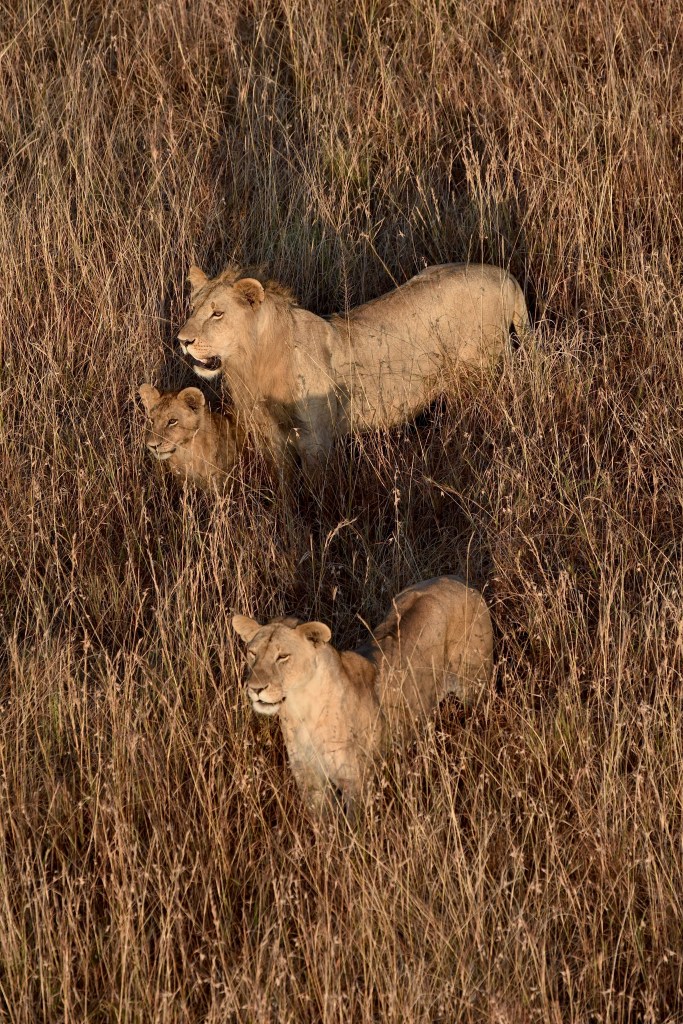


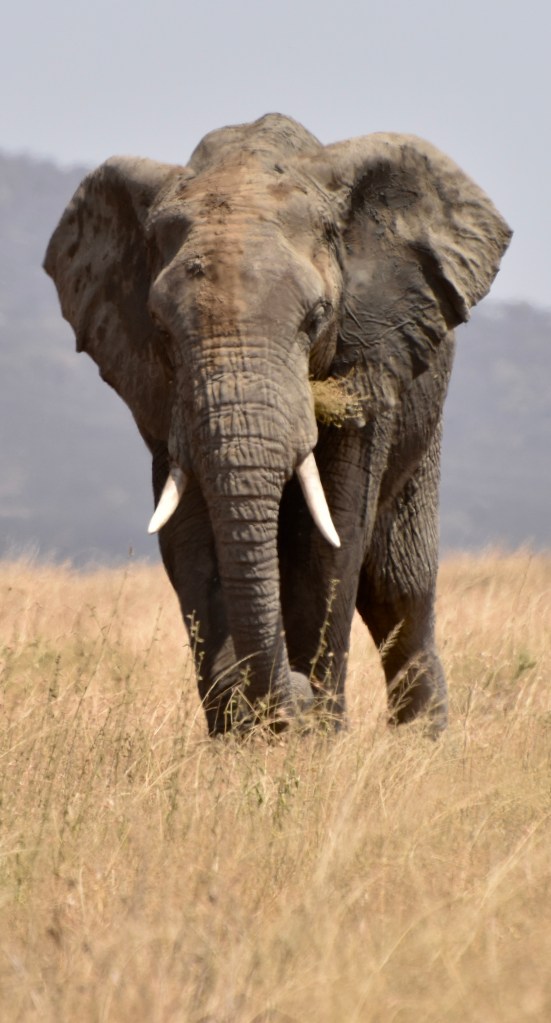

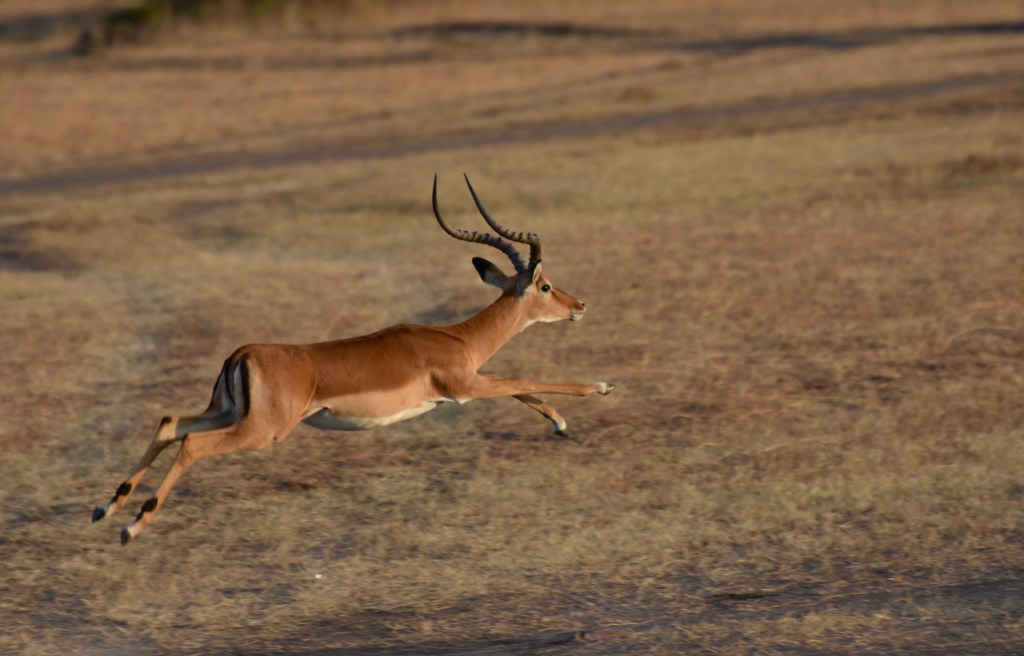

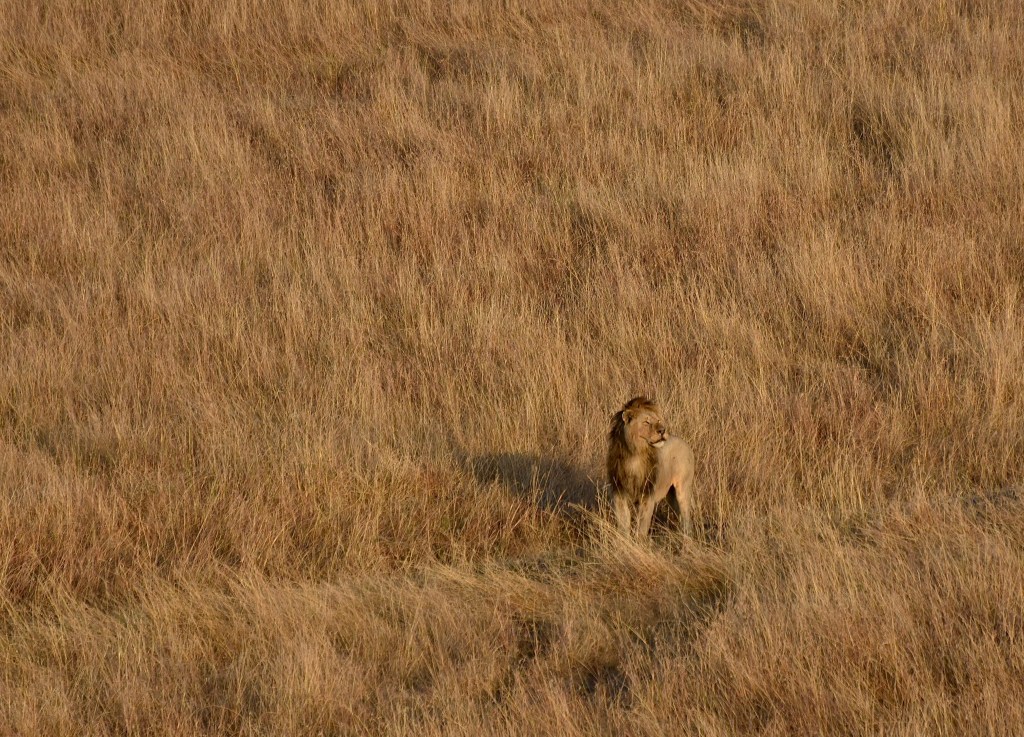
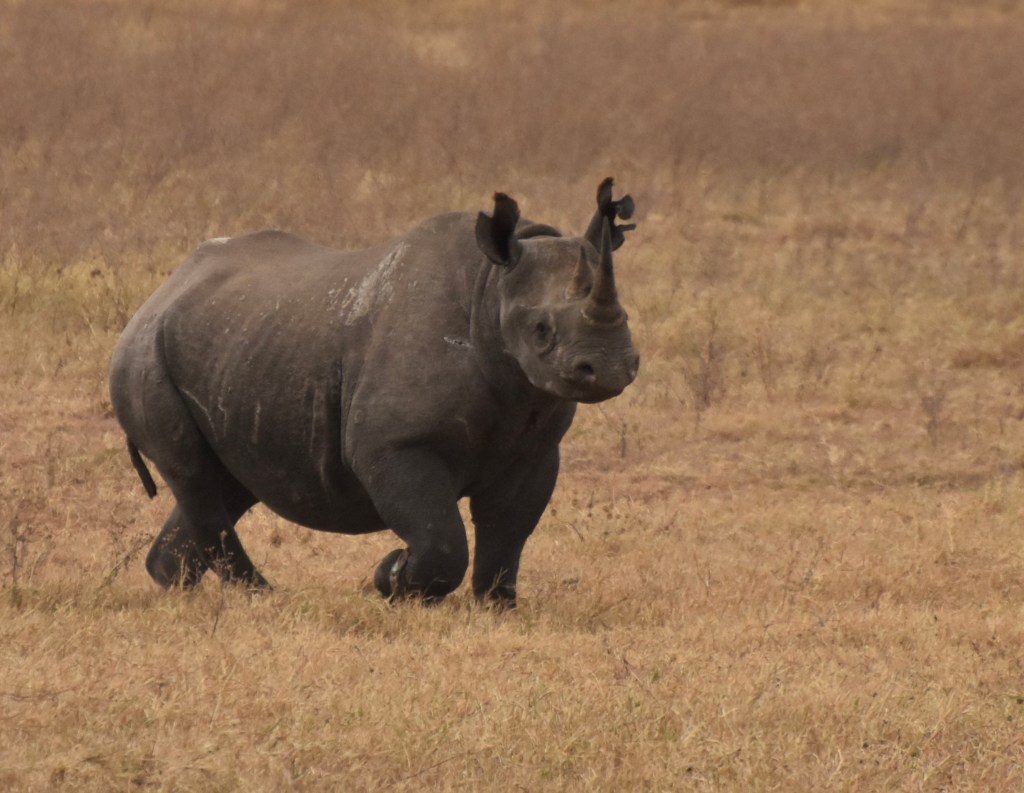
Big game hunters crowned the most challenging and difficult African animals as the Big Five, a shorthand designation for their goal: to track, hunt, kill and bring home for display. Killing for sport, and in the process, depleting the natural balance of nature by pressuring the population of a number of species.
Recognizing this was not sustainable, the Kenyans in 1977 outlawed All hunting. Period. Yes, 46 years ago they chose to move their entire wildlife tourism industry to safaris focused solely on watching and observing and learning and enjoying.
Poaching was a problem simply because there were still profits available in guiding big game hunters and in harvesting things such as elephant tusks. Our Kenyan guide Edwin explained this was quickly solved – the Kenyan rangers simply bought bigger guns. And they used them on the poachers. They didn’t arrest, try and convict the poachers. Government policy was poachers will be shot on site. Word quickly got out that poaching for profits now came at an unreasonably high cost. The Kenyan rangers continue to patrol for poachers, but the problem has largely been solved.
The Big Five:



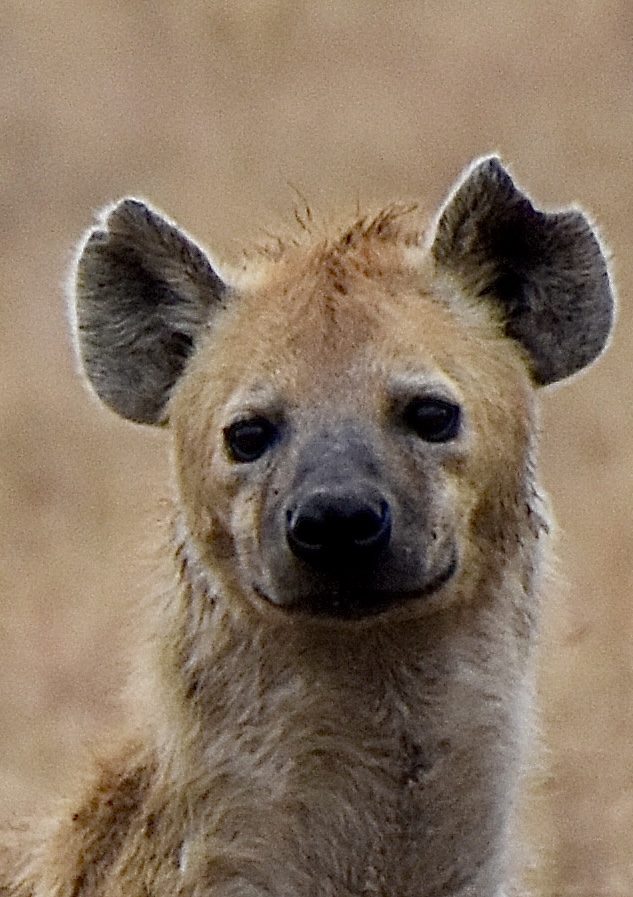
The Ugly Five:
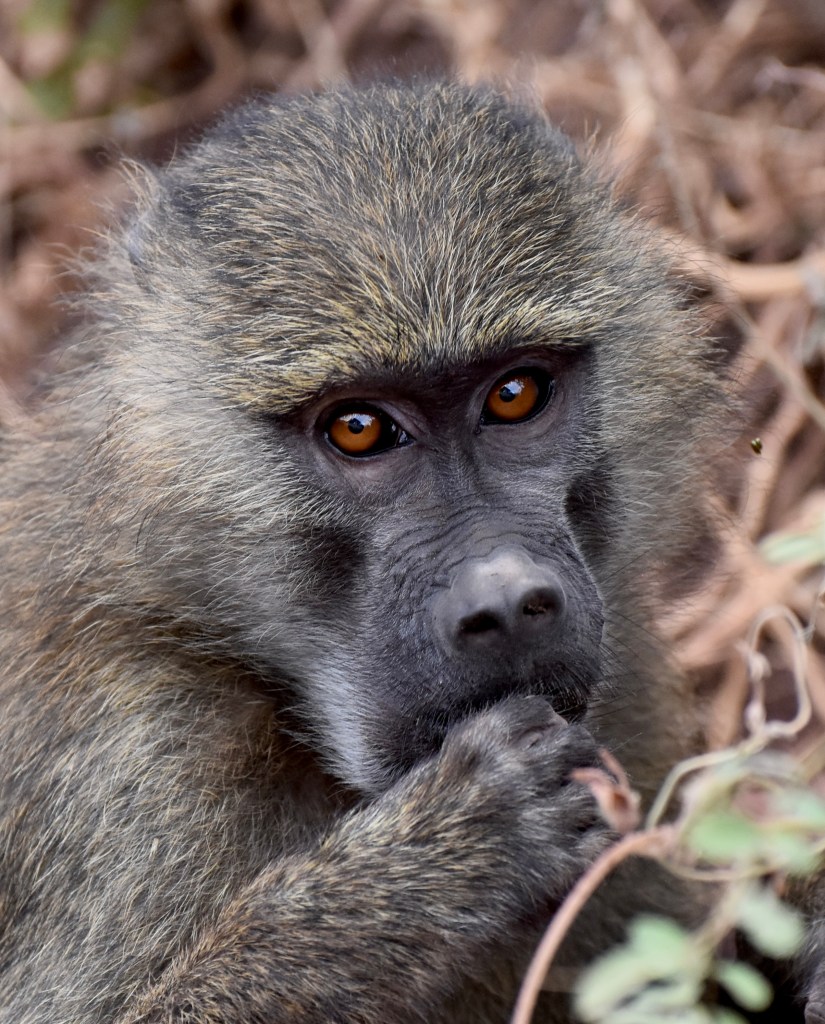
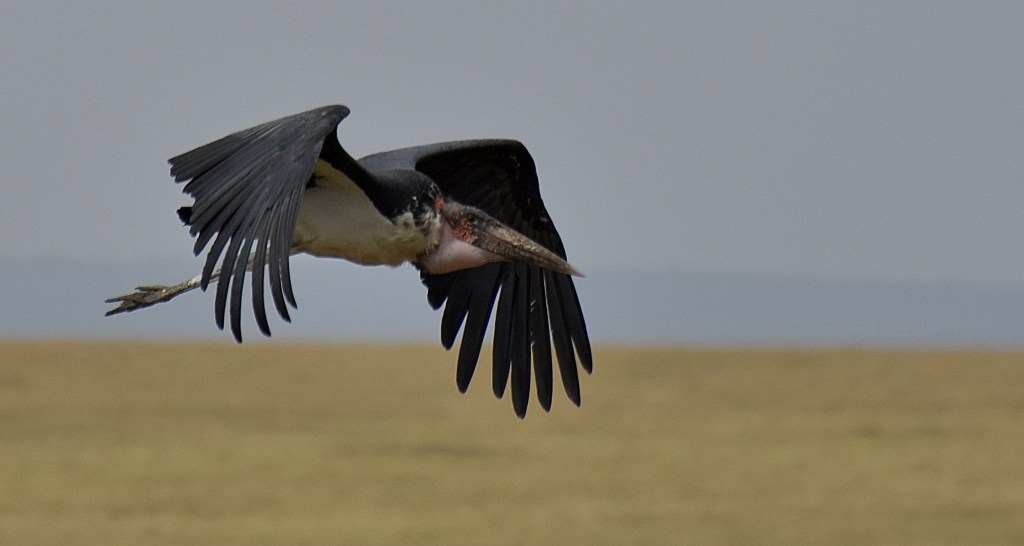
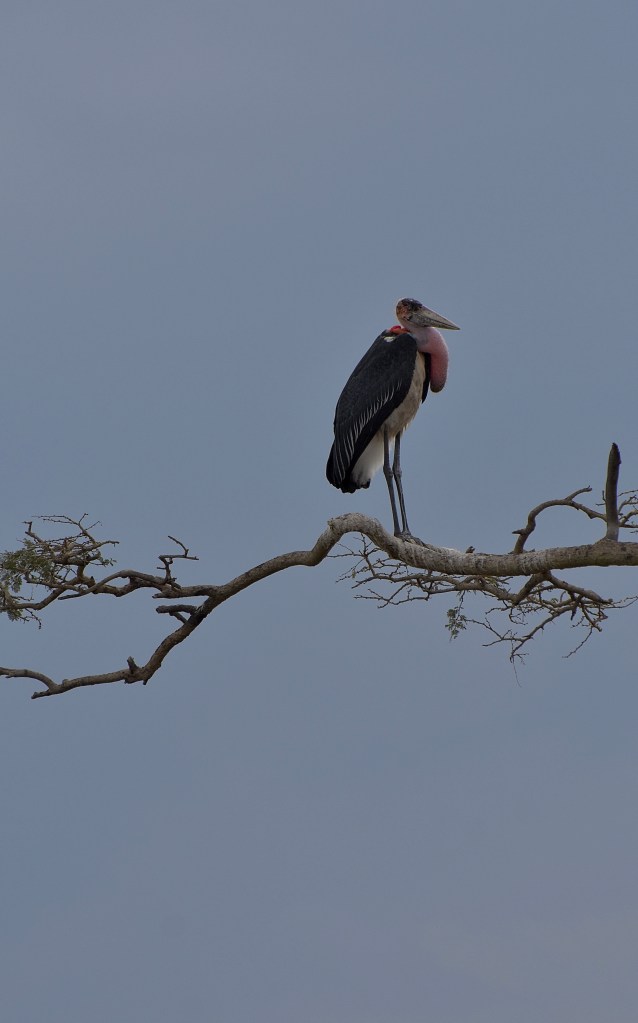
Seeing the beauty in these wild animals it became apparent that beauty really is a relative assessment, and as time went by a consensus formed that there also existed on the African savannah a handful of species that were just plain ugly. Yes, there can be beauty in ugly, a few dog breeds come to mind, and yes beauty and ugly are in the eye of the beholder, but here are the Ugly Five:


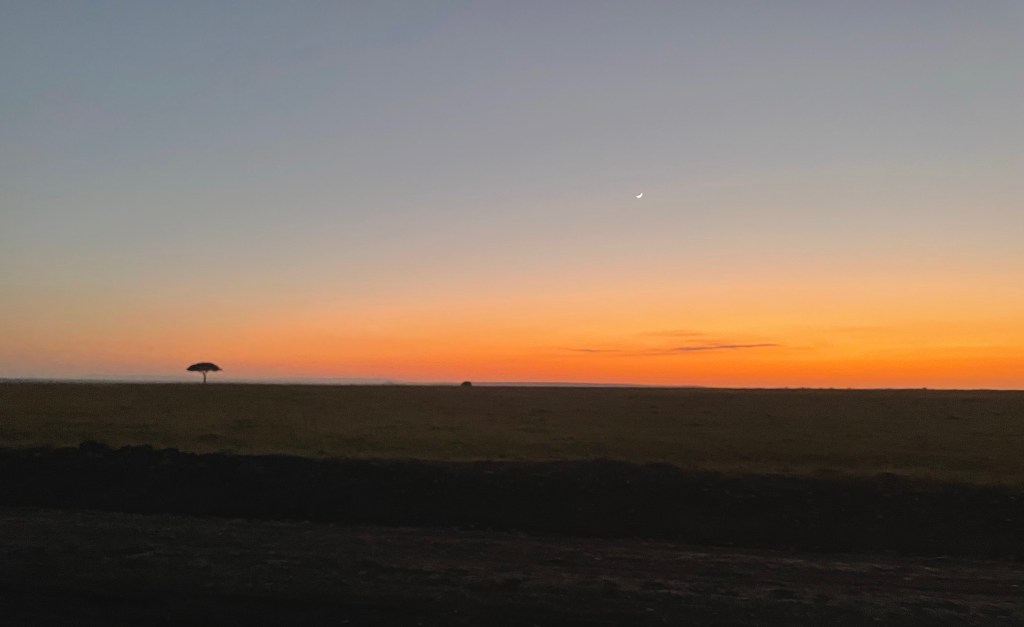
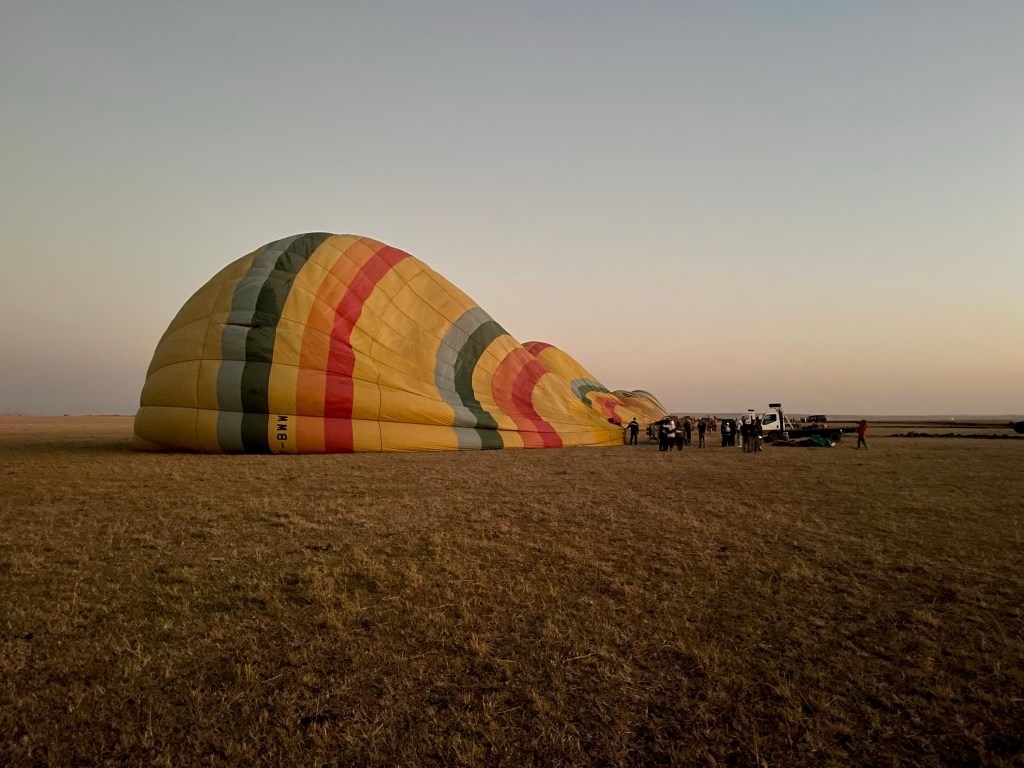
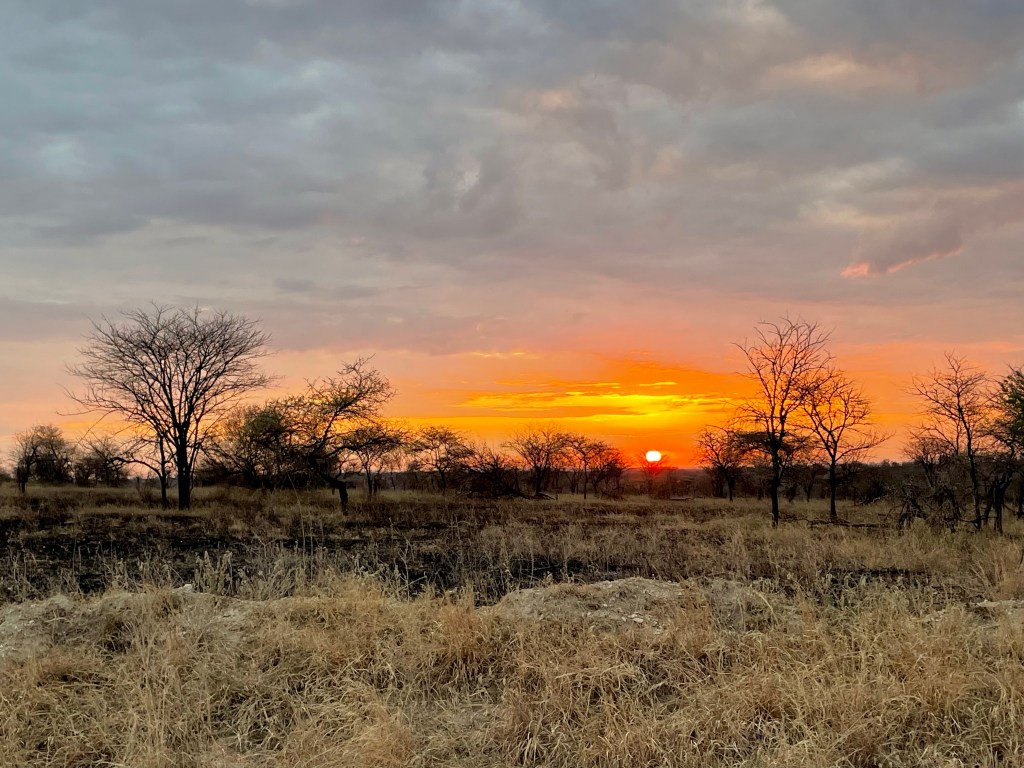
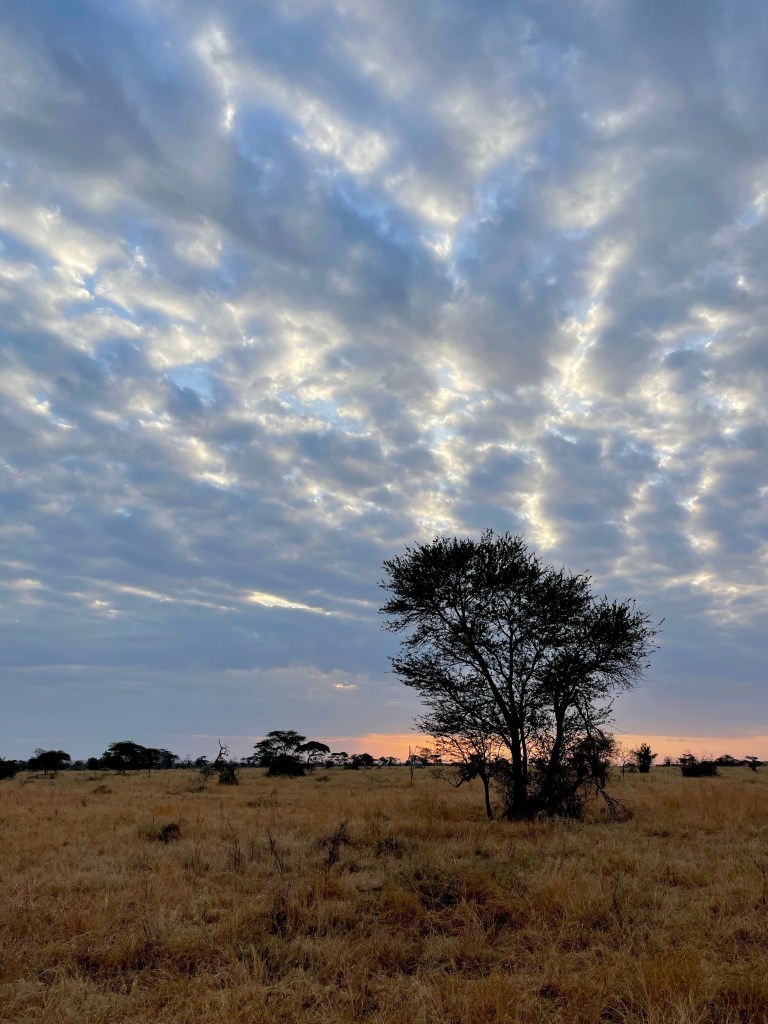
Sunrise and sunset come quickly at the low latitudes, as mariners dawn and dusk barely exist in the equatorial region.
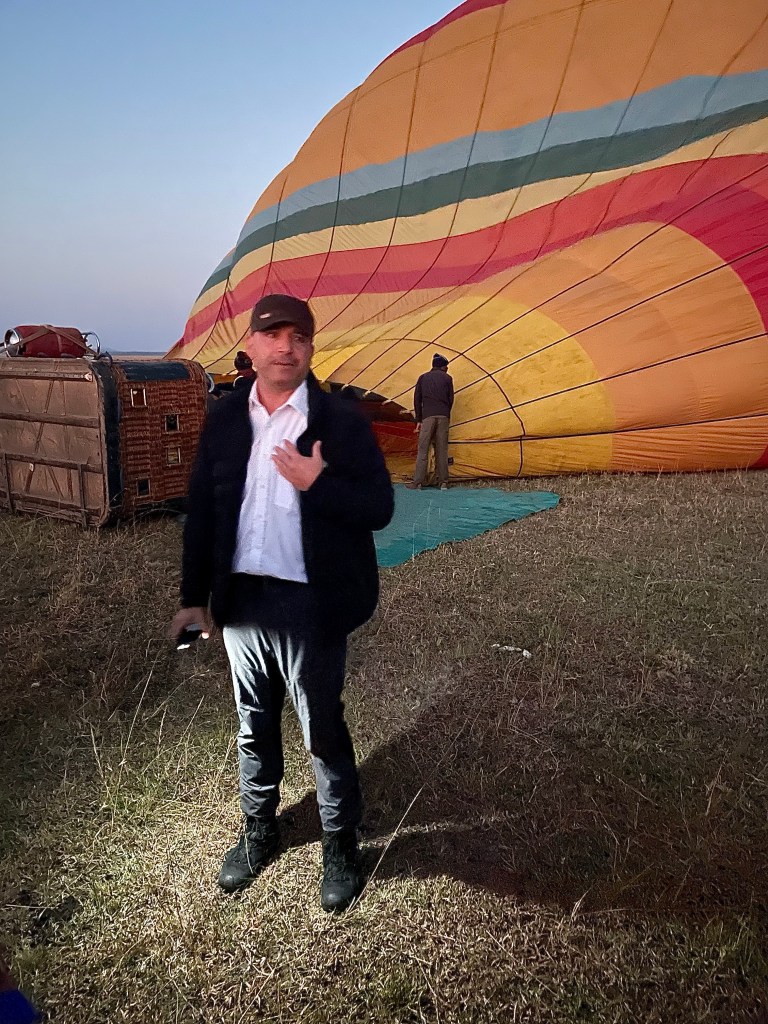
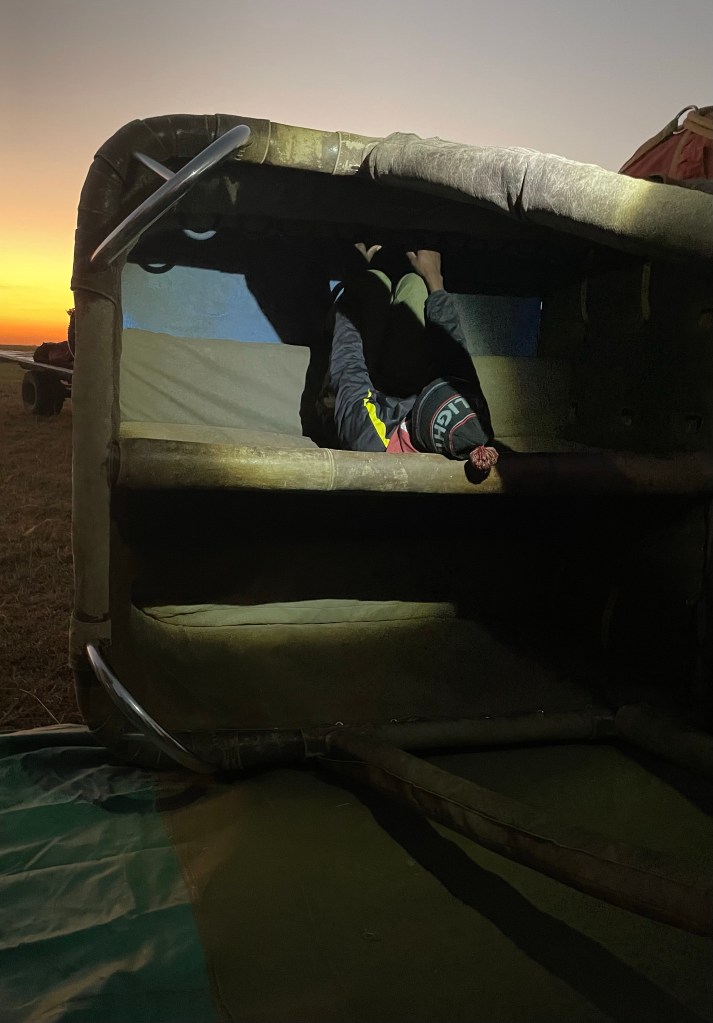
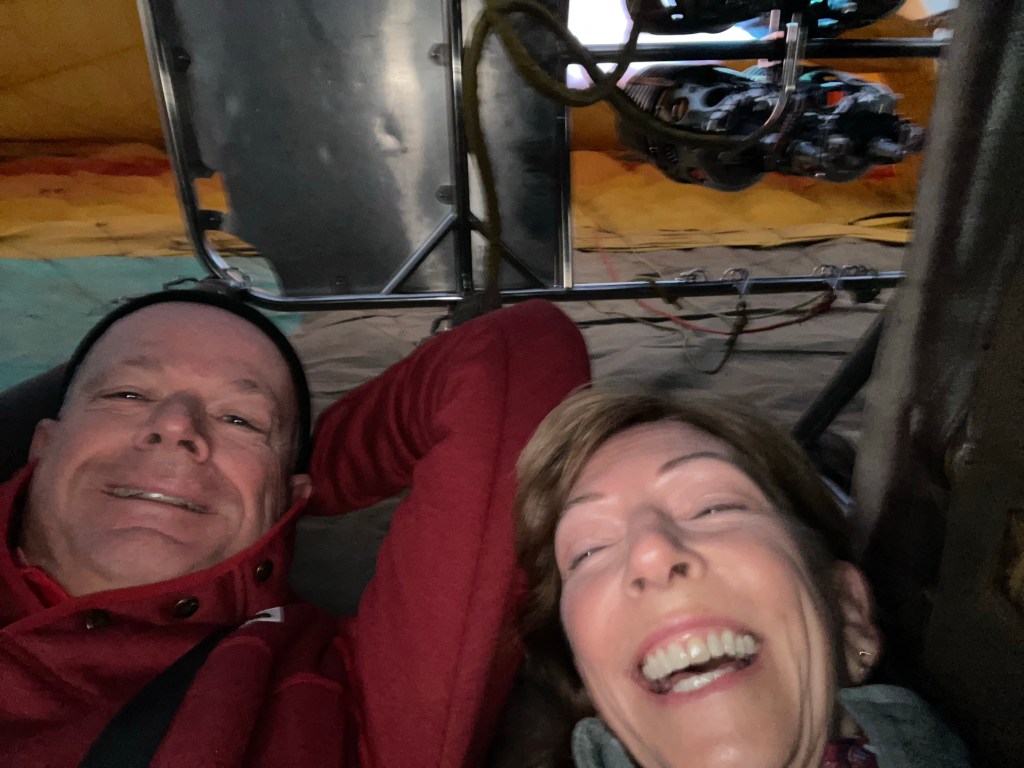
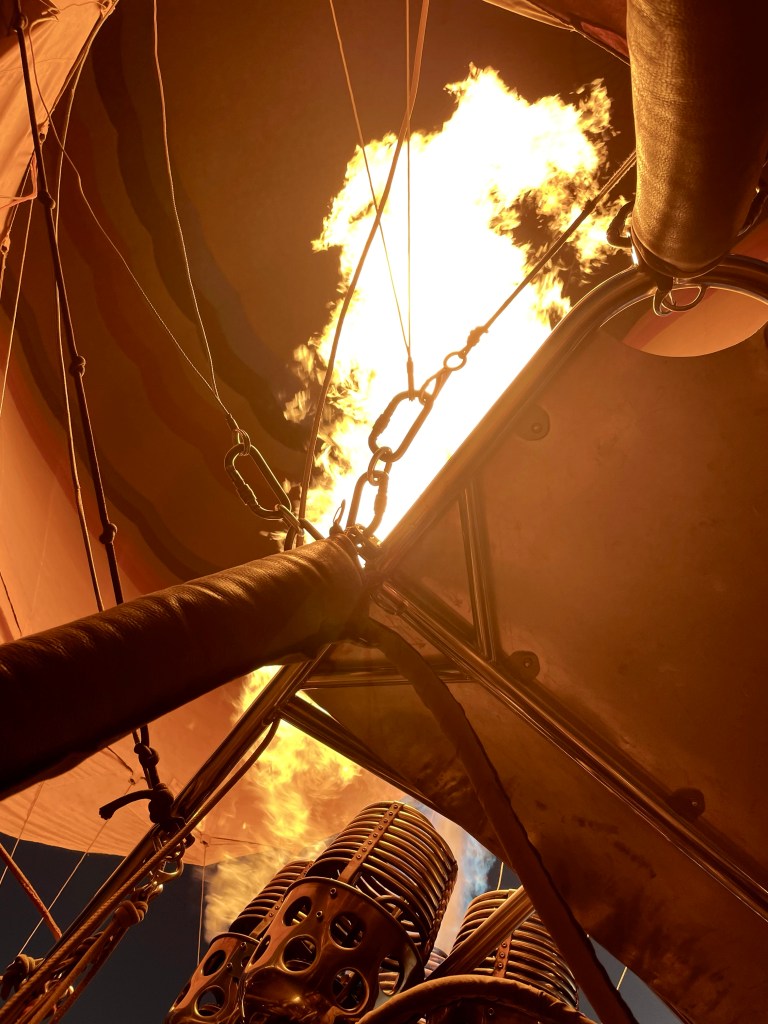
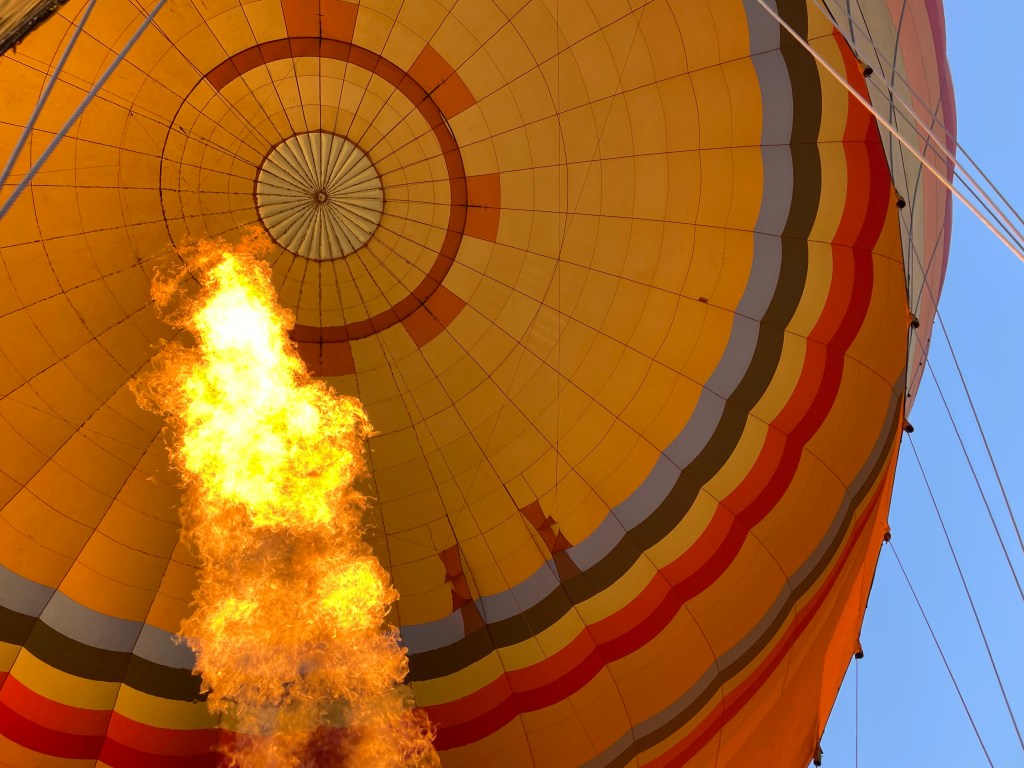
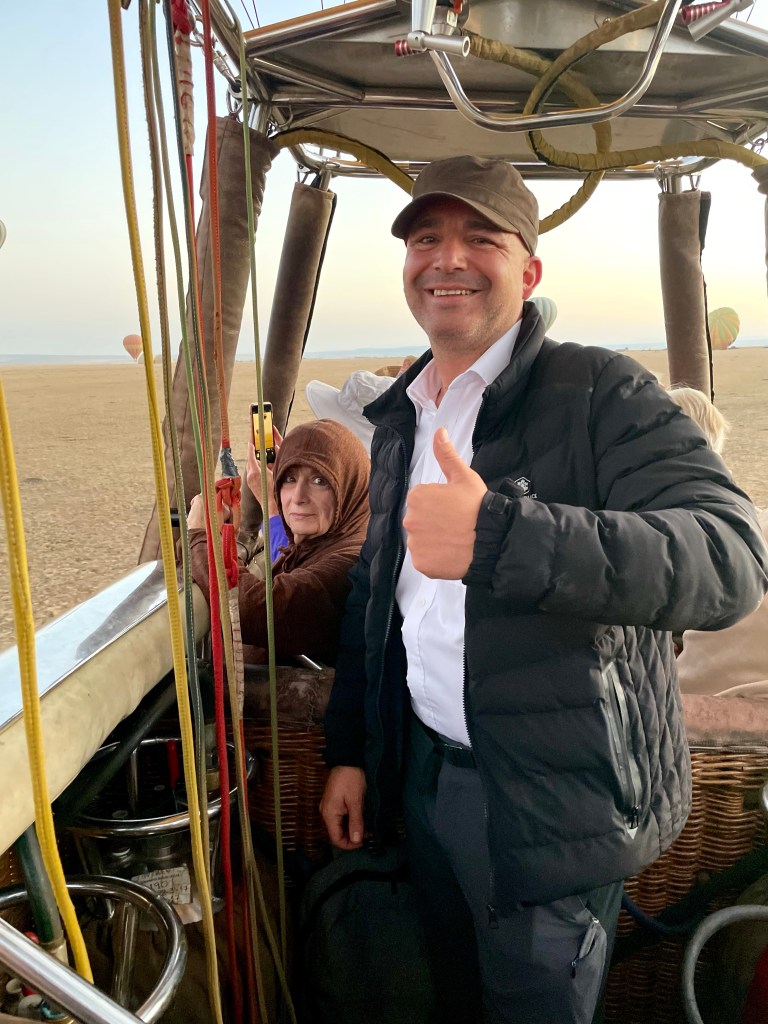

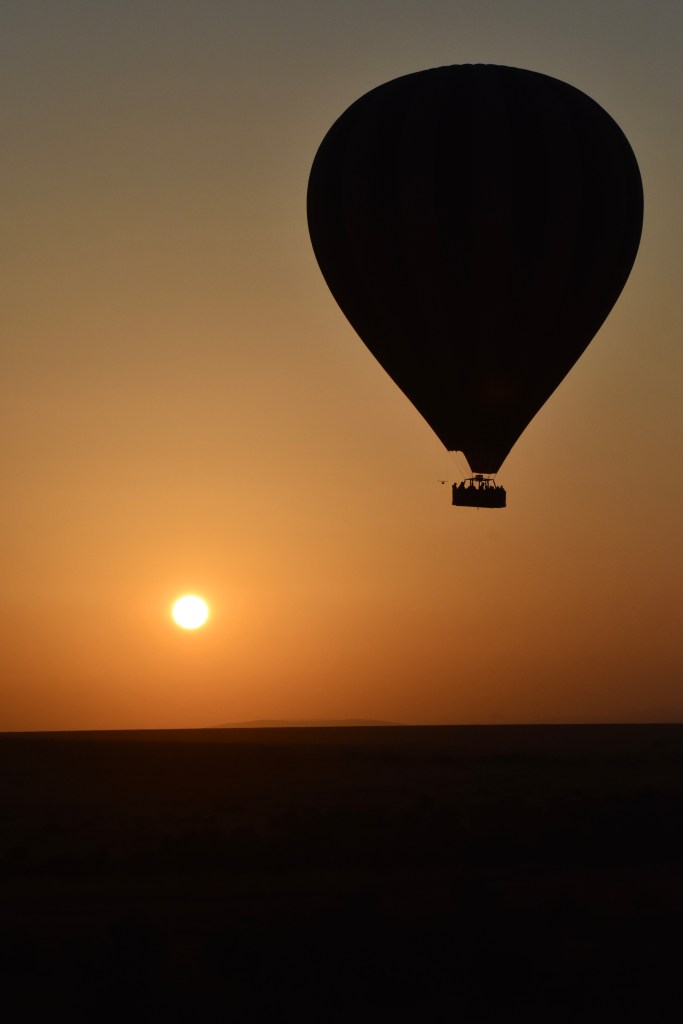
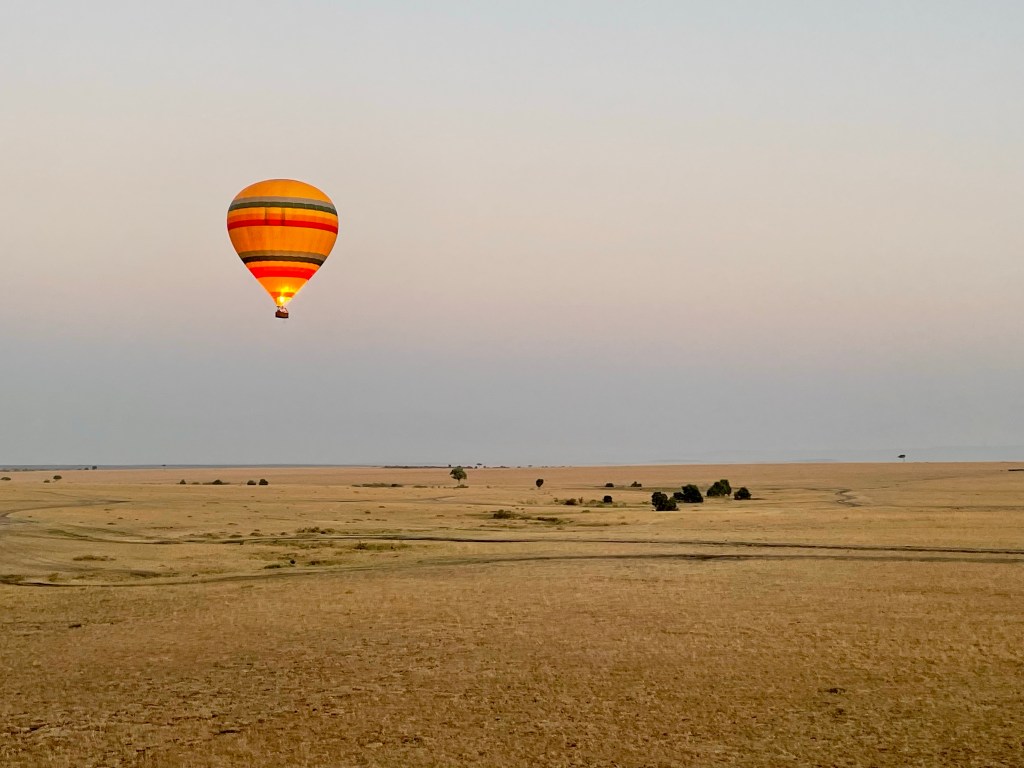

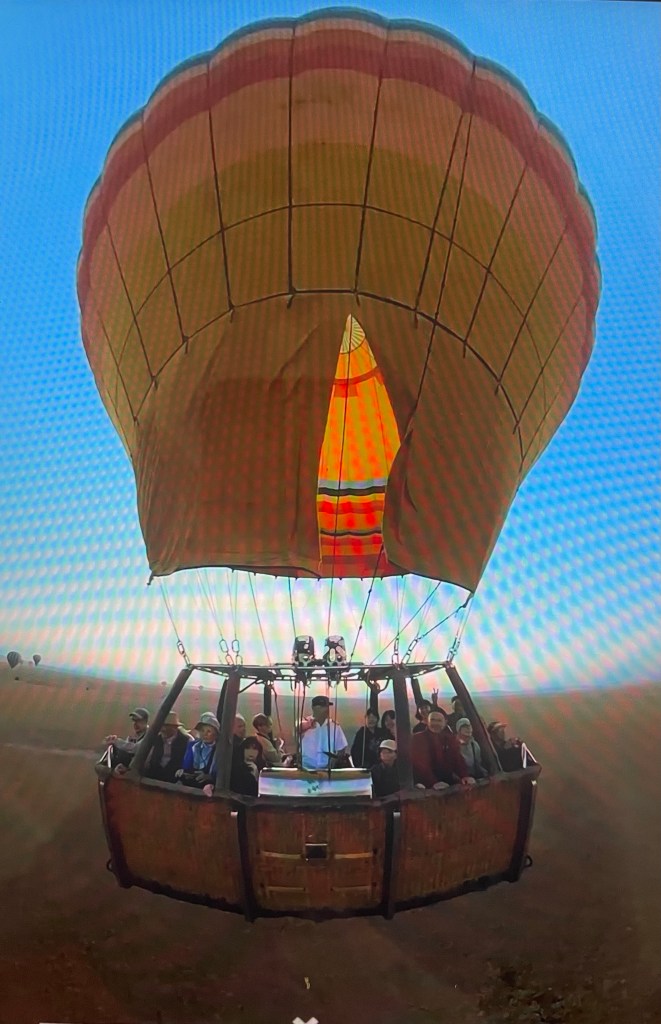
A number of wildlife images from the balloon:

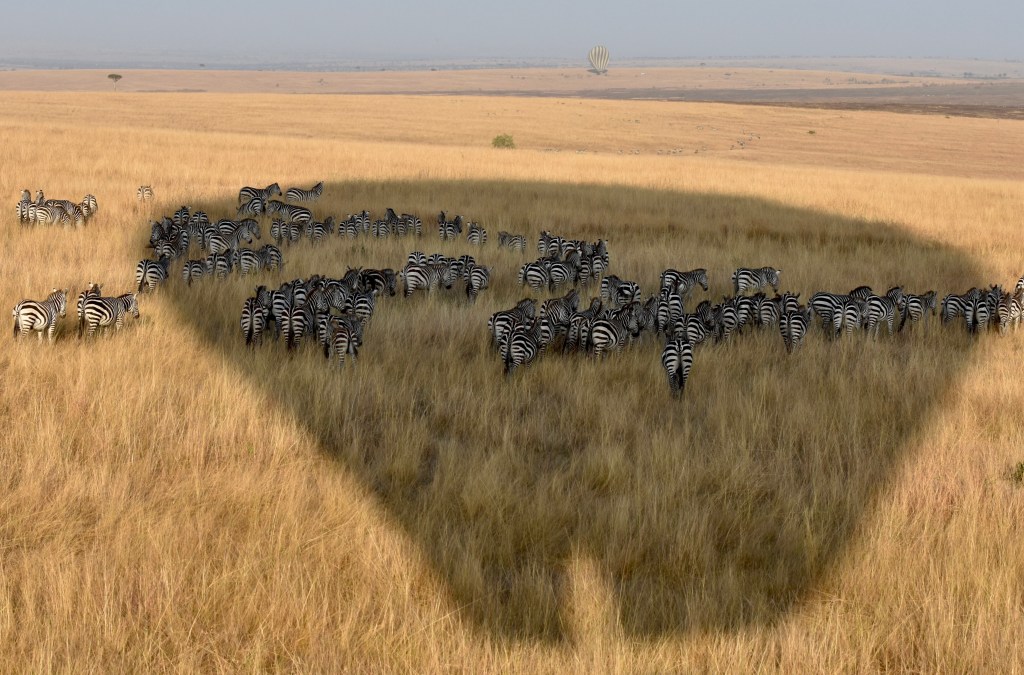
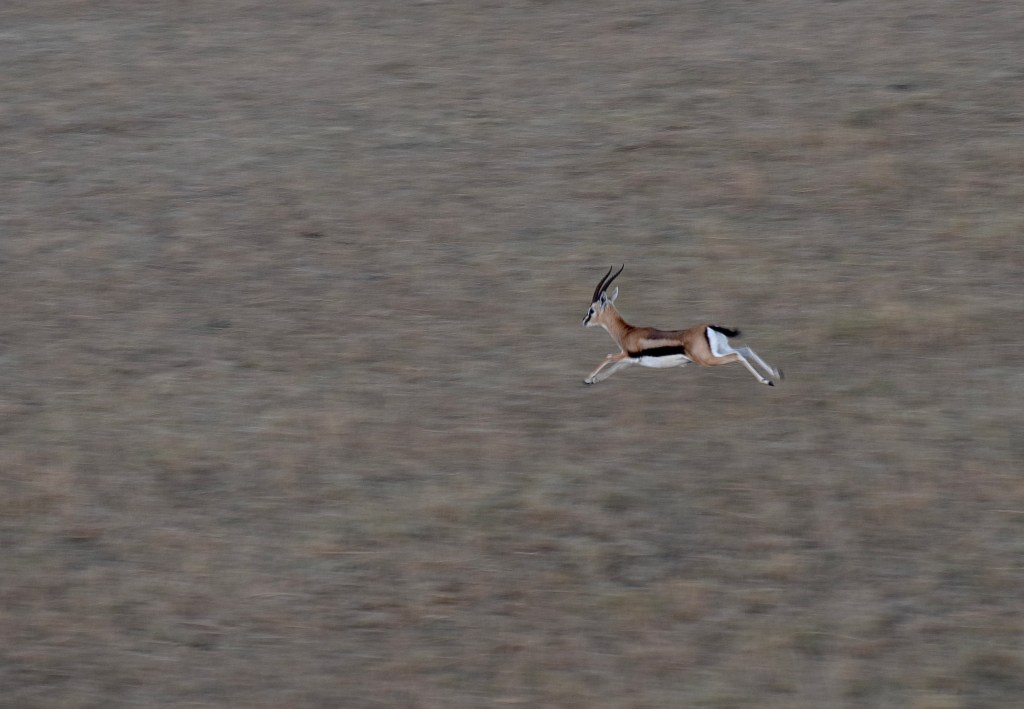
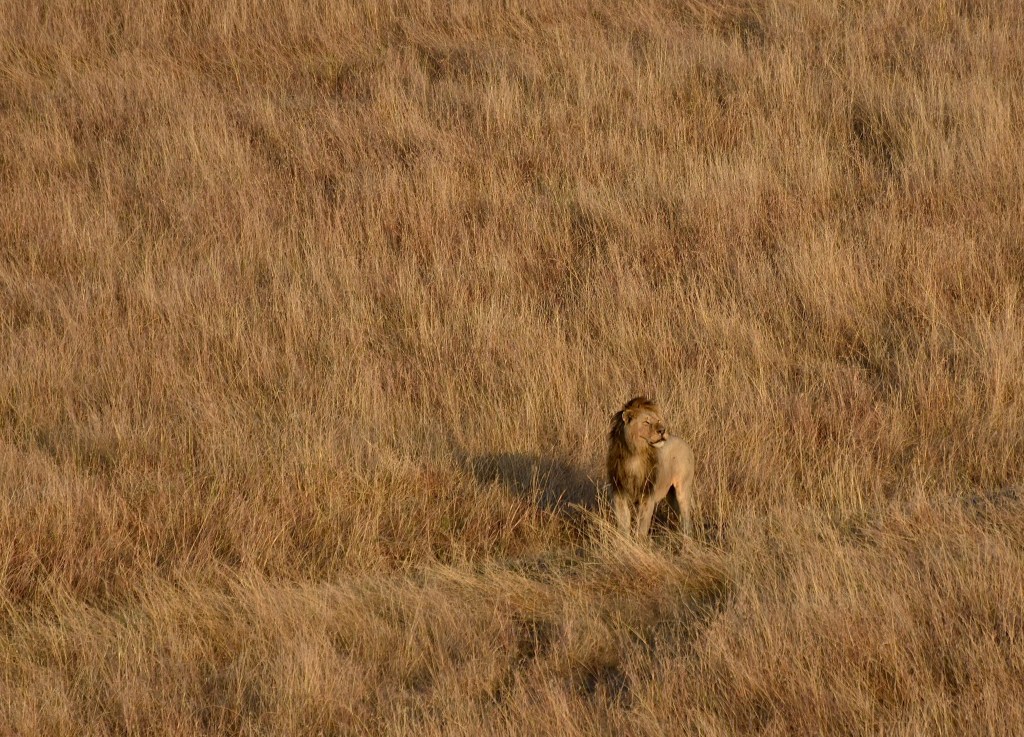
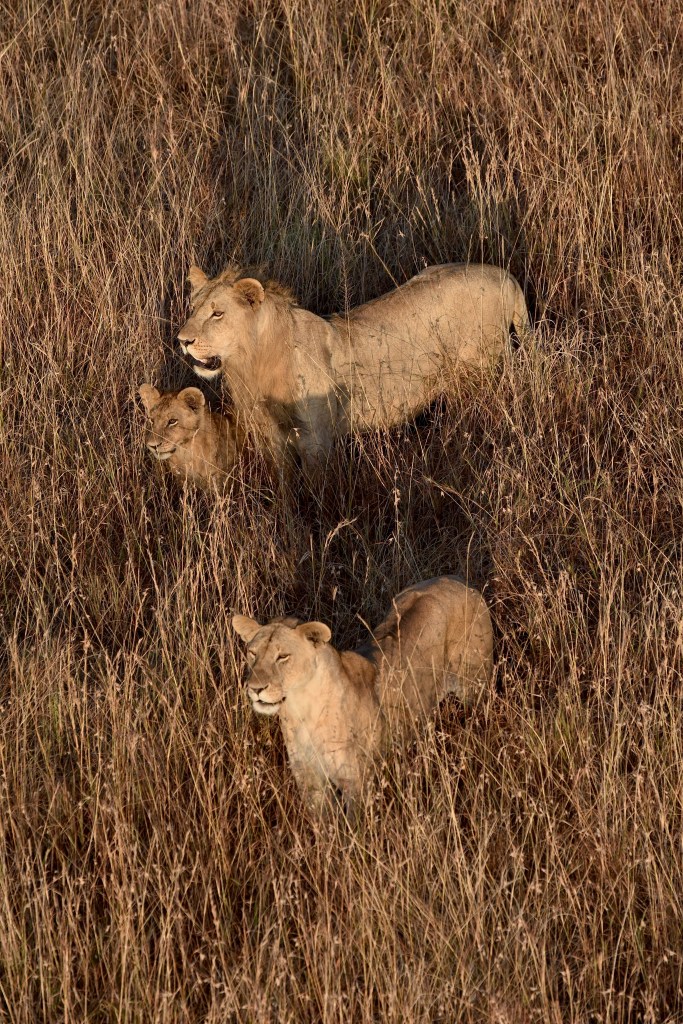

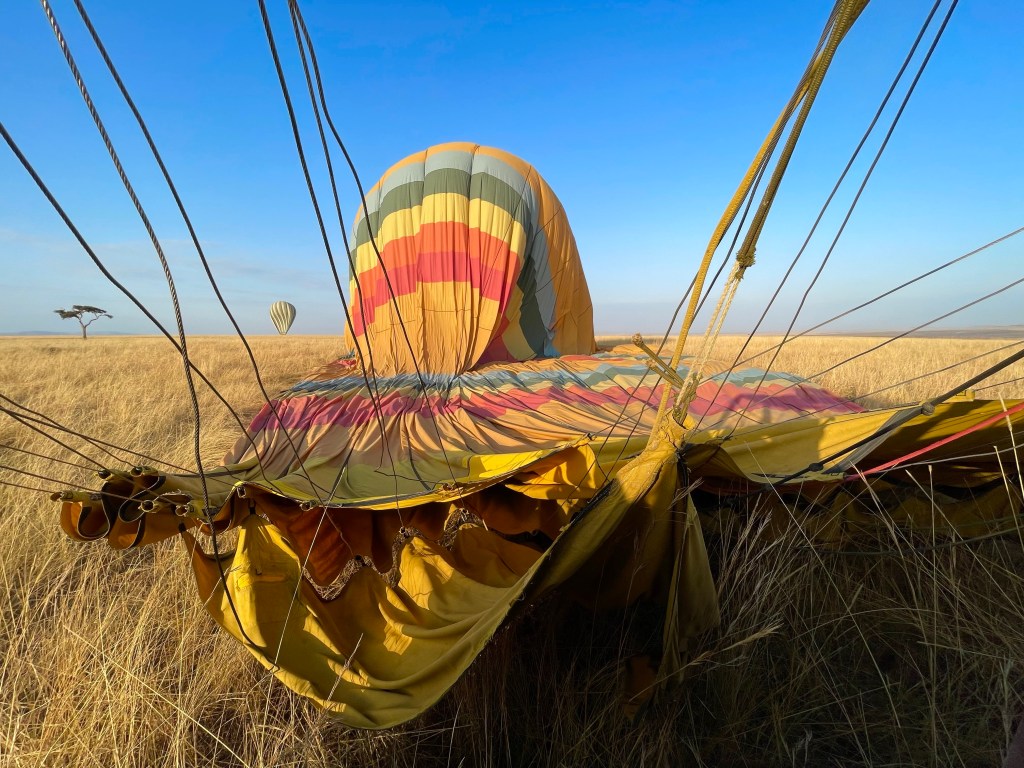
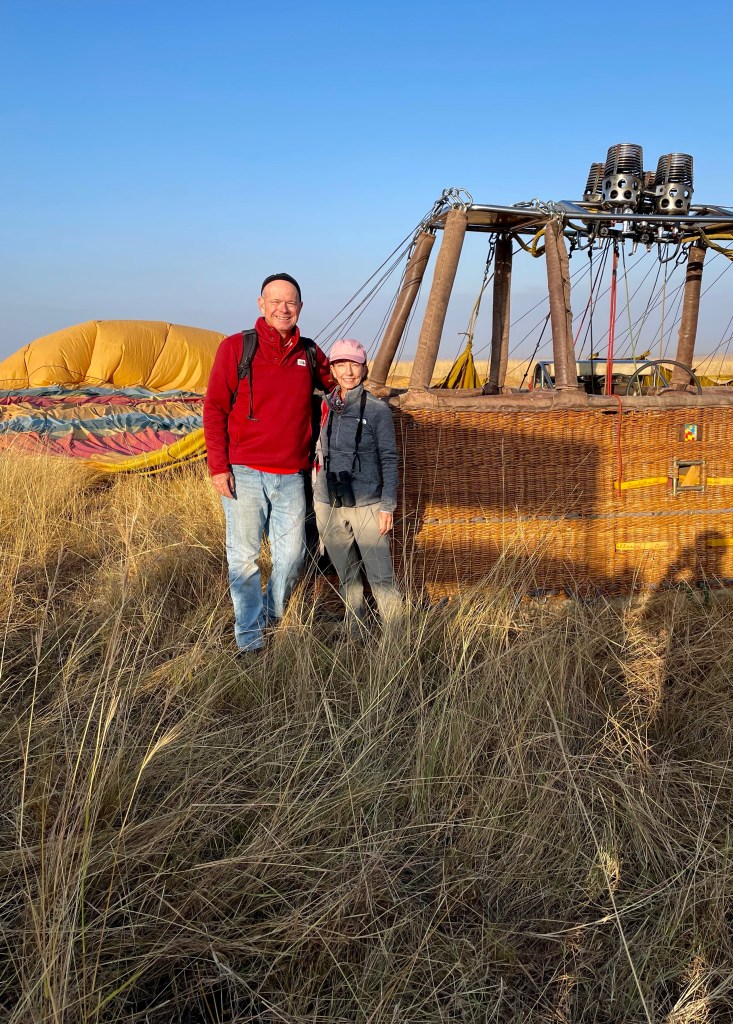
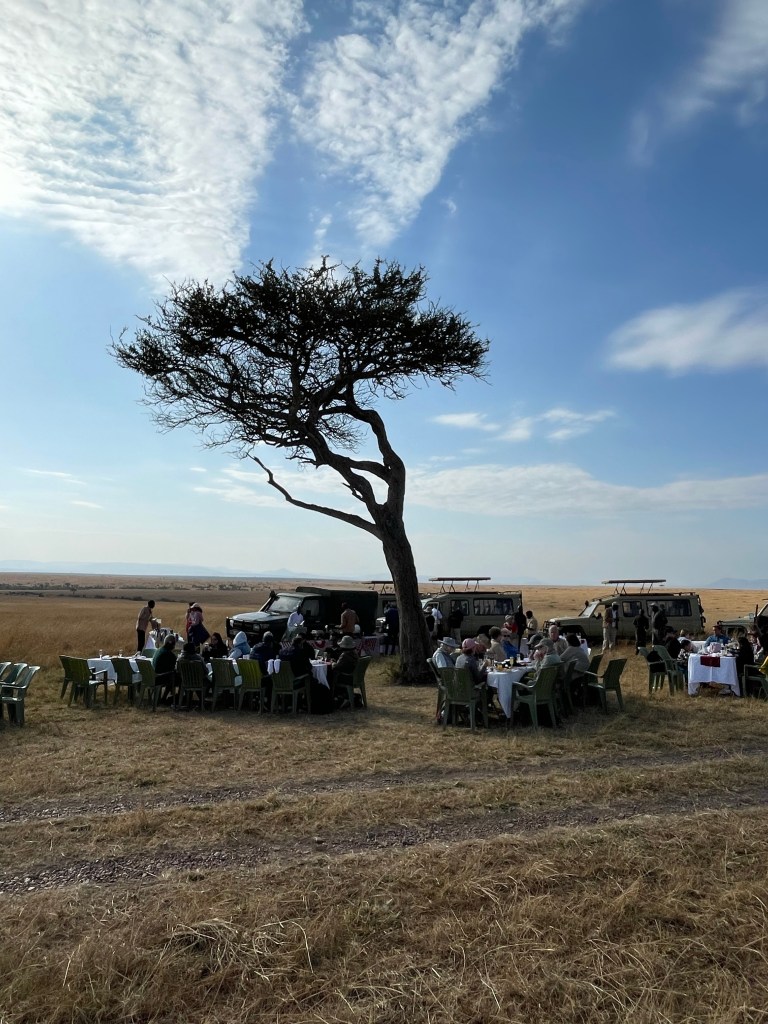
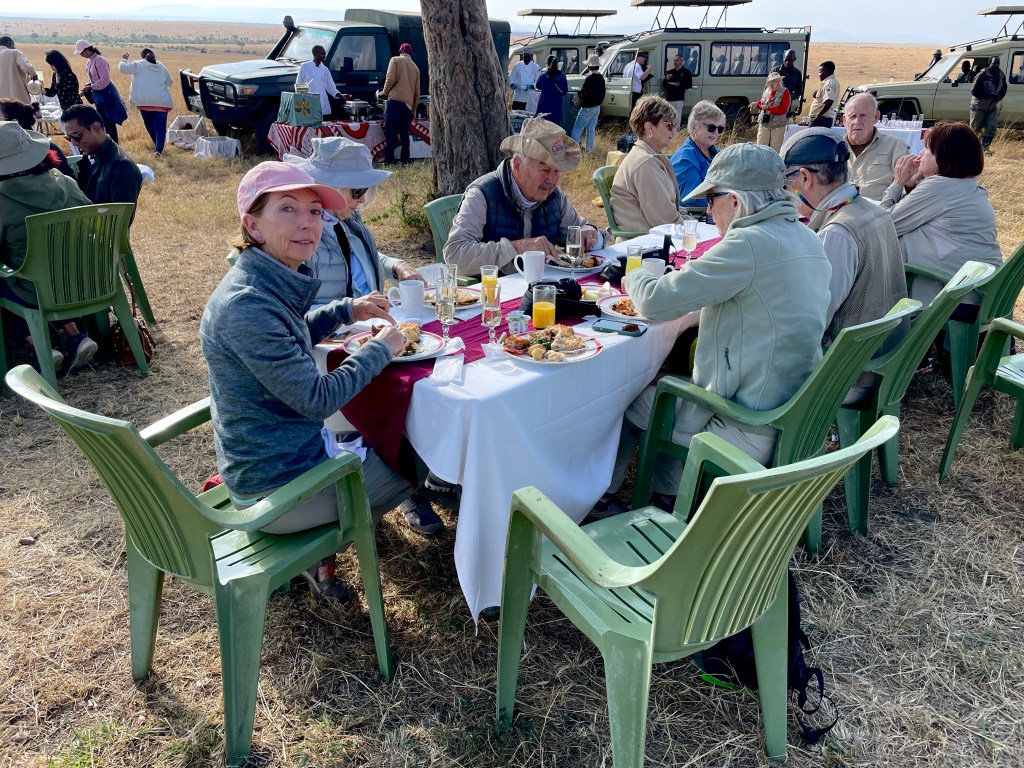

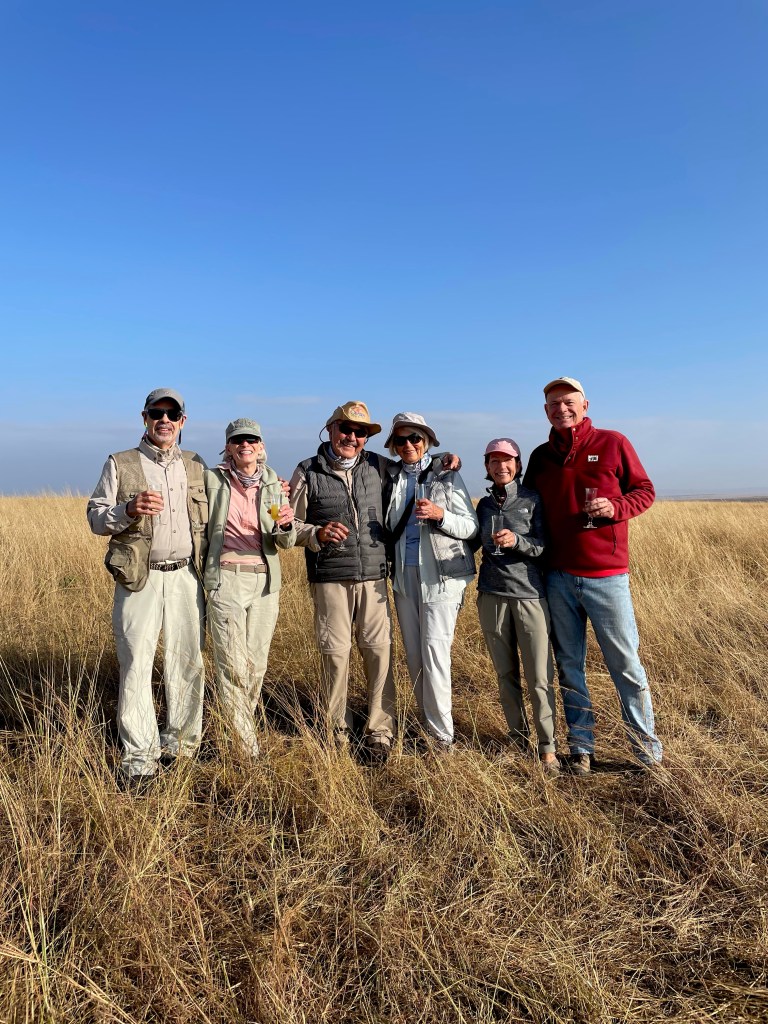
At first you notice the light. The clarity, the purity, the way it illuminates the surroundings.
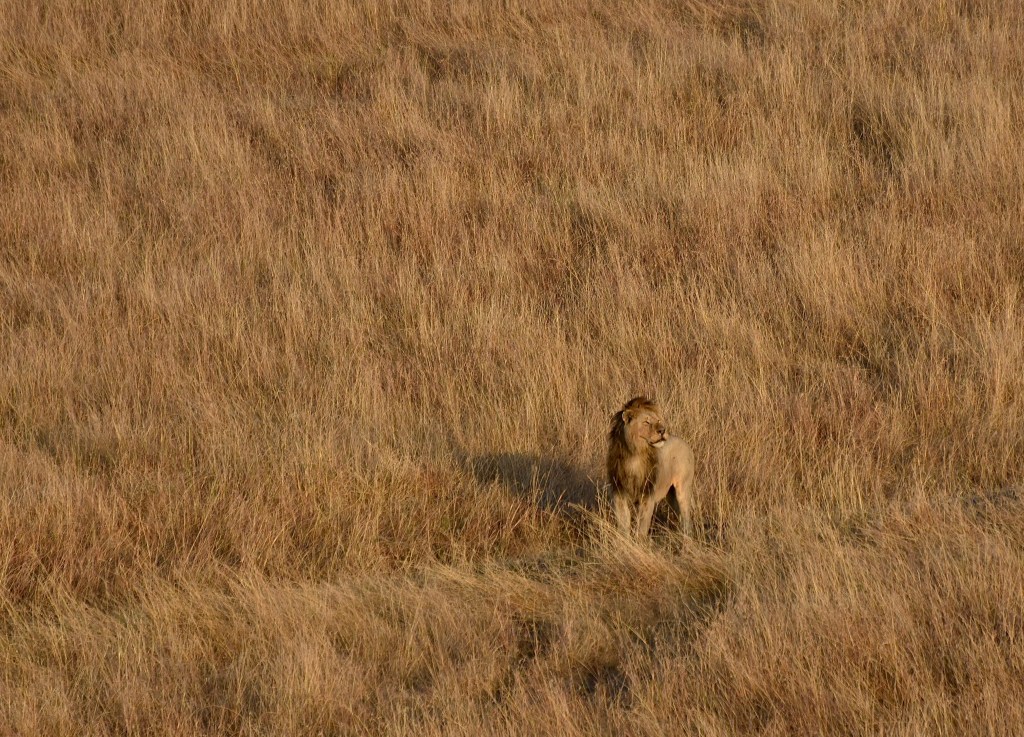
And then: Amber waves of grasses. Rolling hills extending beyond the horizon. An animal here. An animal there. Acacia trees. A long string of green surrounded by yellow, hinting at the existence of a fresh water stream. A narrow, winding trail running through a field, only set foot upon by an indigenous animal.

A Balantine tree, always solitary, always just one.

A herd of animals grazing.

Always grazing.
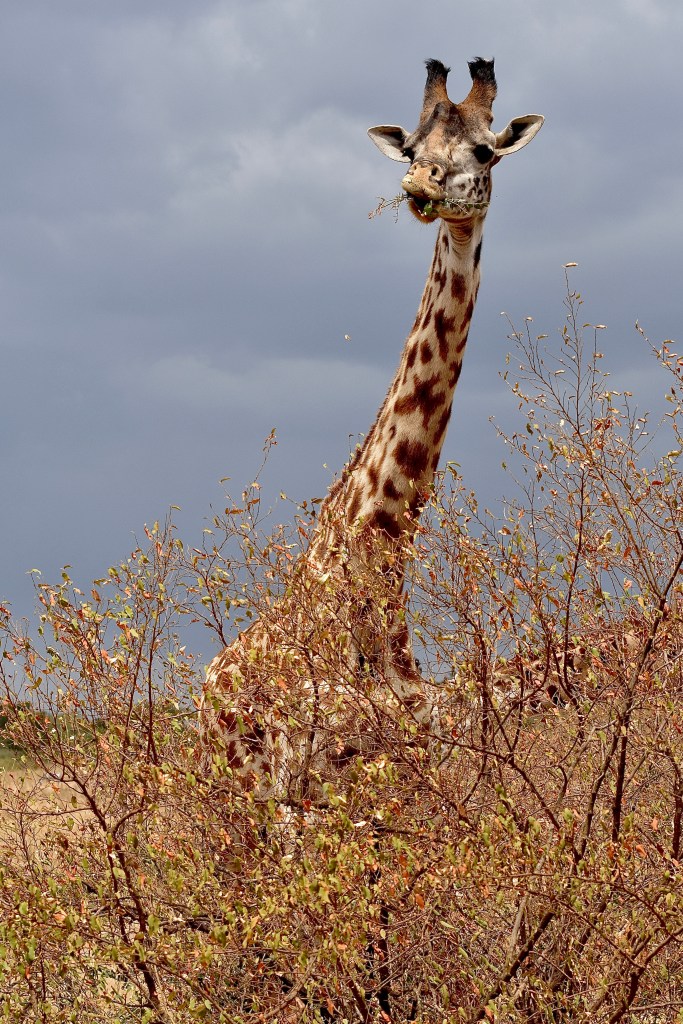
Always grazing, for there’s only three things all of these various species do: eat, reproduce, and seek protection to stay alive another day.
The herbivores are always eating. No hobbies, no activities, no outside interests, nothing. Just grazing.
The carnivores eat when they’re hungry. Maybe once every 3-4 days. But when they do eat, it’s more consequential than it is when the herbivores eat, for while the grasses are alive, there’s no heartbeat, no instinctive duty to raise an infant, no will to live.
Reproduction happens, it’s a certainty given the size of the herds and the many babies seen each day, but it’s seldom seen.

Often the time of fertility might last just a few weeks, so with the wildebeest 85% of all calves are born within a three week period, ensuring that predators such as lions, leopards and cheetah are overwhelmed by the food supply thus maximizing the herd survival rate. Female impala can delay birthing up to a month if grazing conditions are not satisfactory. A typical female elephant becomes fertile once every 3-9 years, but they live to about 60. And so it happens but it’s not often seen.
Seeking protection is innate.
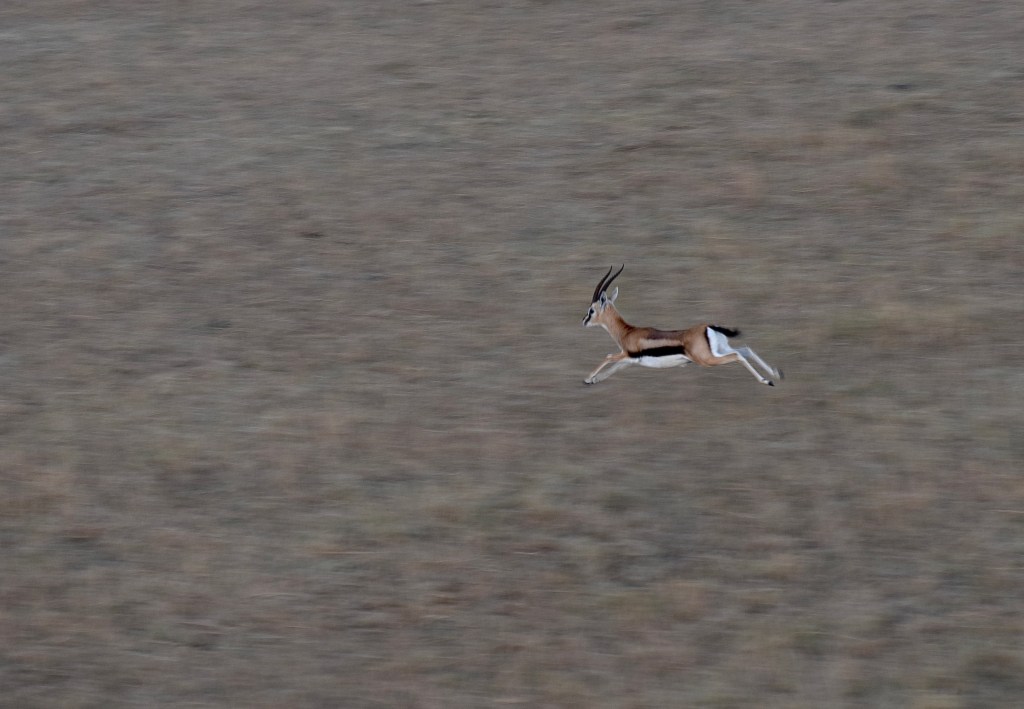
It happens every minute of every hour of every day. And especially of every night, because some of the most fearsome hunters – think the big cat family – are nocturnal and hunt at night. So much for a good night’s sleep.
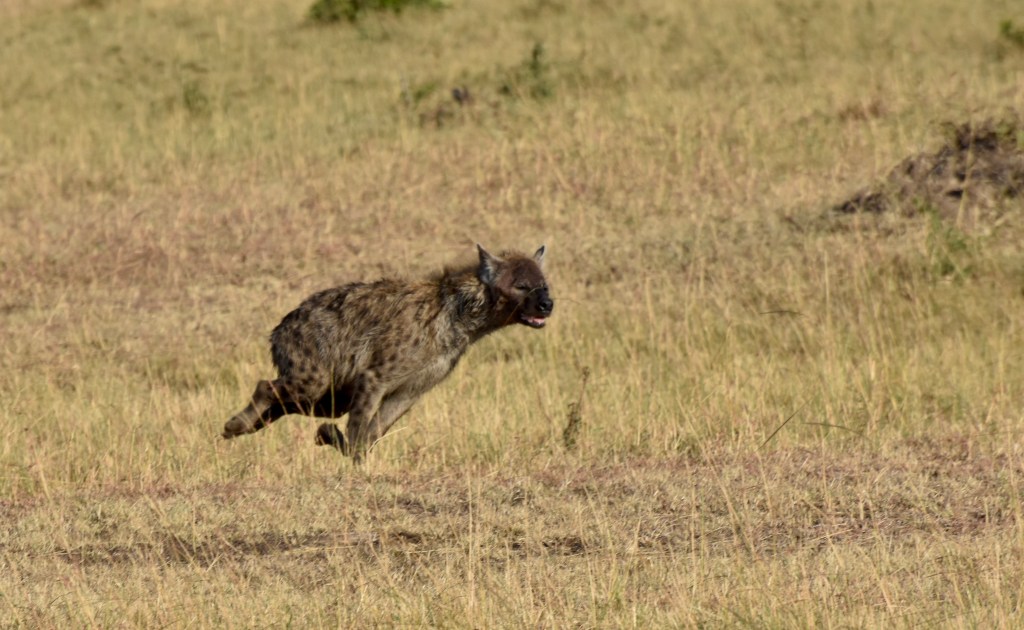
The efforts to survive are on display every day and every where. It’s in the body language. The twitch of a head. The slow and subtle relocation to safer ground. The rejoining the herd for safety in numbers. Stopping the grazing when a lion or a leopard or a cheetah or a hyena enters the Perimeter of Fear, and just watching it intently – Is it hungry? Is it aggressive? Is it focused on me? Should I go stand next to a slow poke?
In the language of the Maasai, Mara = spotted. As in spotted land.
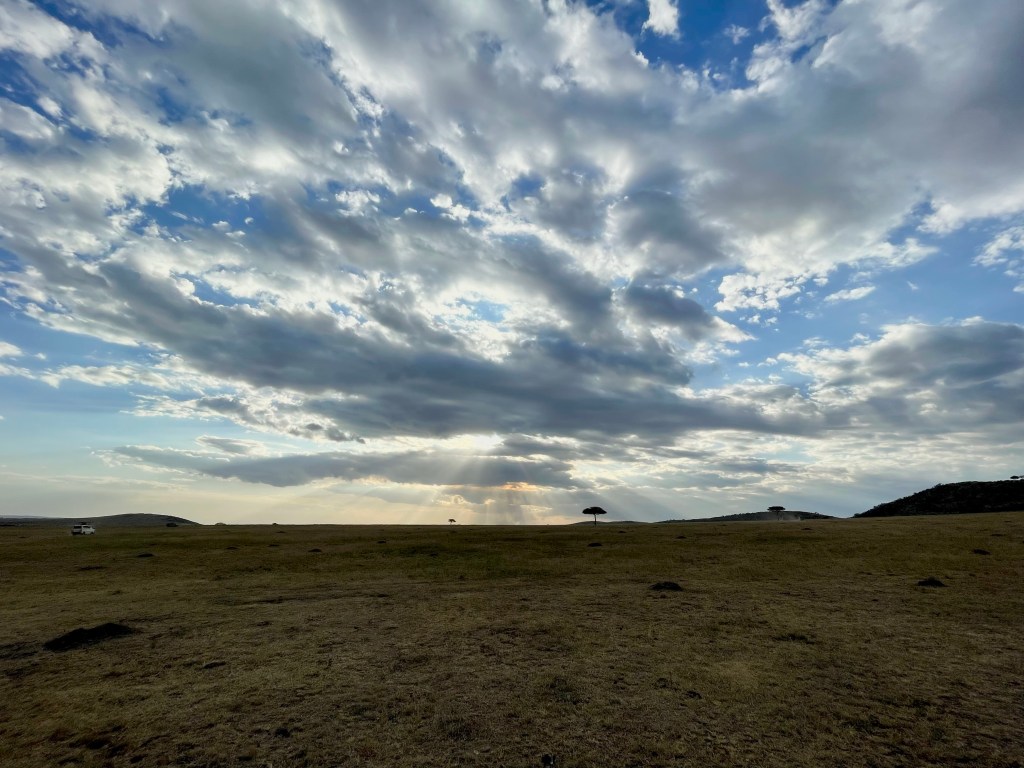
Visualize a vast and beautiful and remote and undeveloped expanse of central Africa, the territorial home for centuries of the Maasai tribe, and the land upon which 1.5 million wildebeests and 400,000 zebras and who knows how many other species rely upon for their annual migration in an effort to, you guessed it, stay alive for another day. These herds of animals create spots on the vast landscape, as do the cluster of trees and the shadows of white, fluffy clouds above – a landscape spotted in every direction with beauty and so named by the Maasai – the world famous Masai Mara – the Spotted Land of the Maasai!
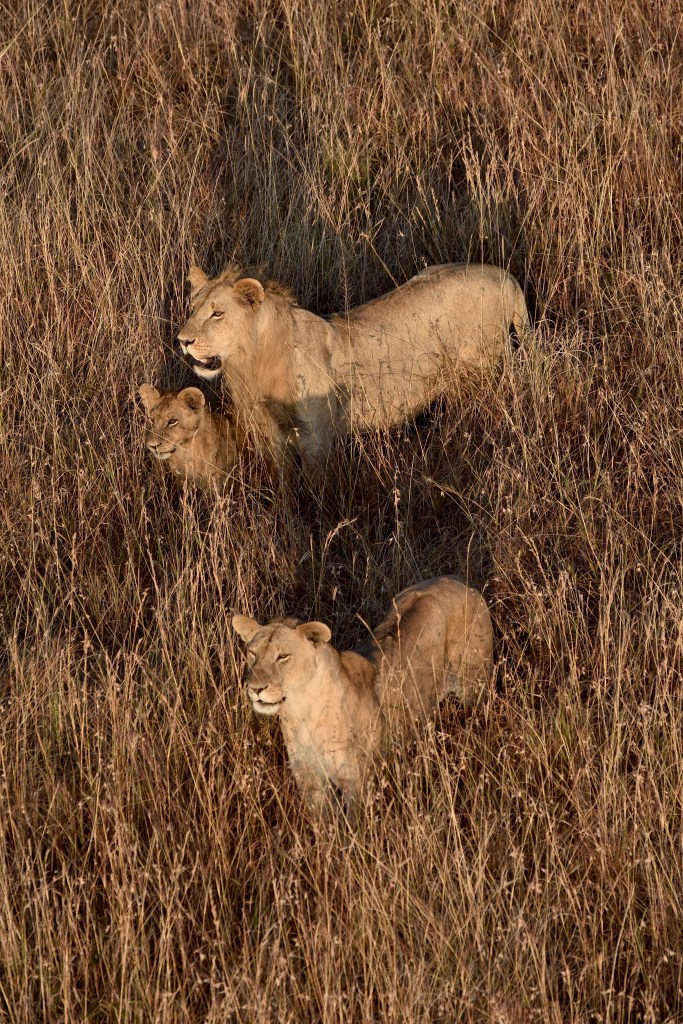
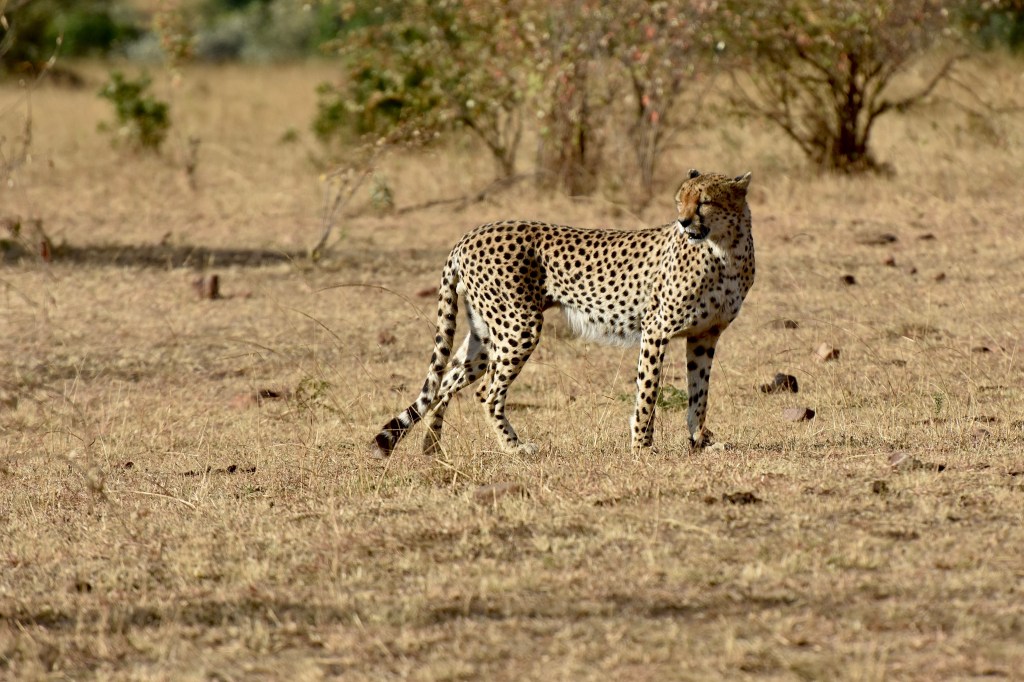
Introducing just a few of the wild majestic aggressive nervous hungry satiated young old residents passersby of the Masai Mara:

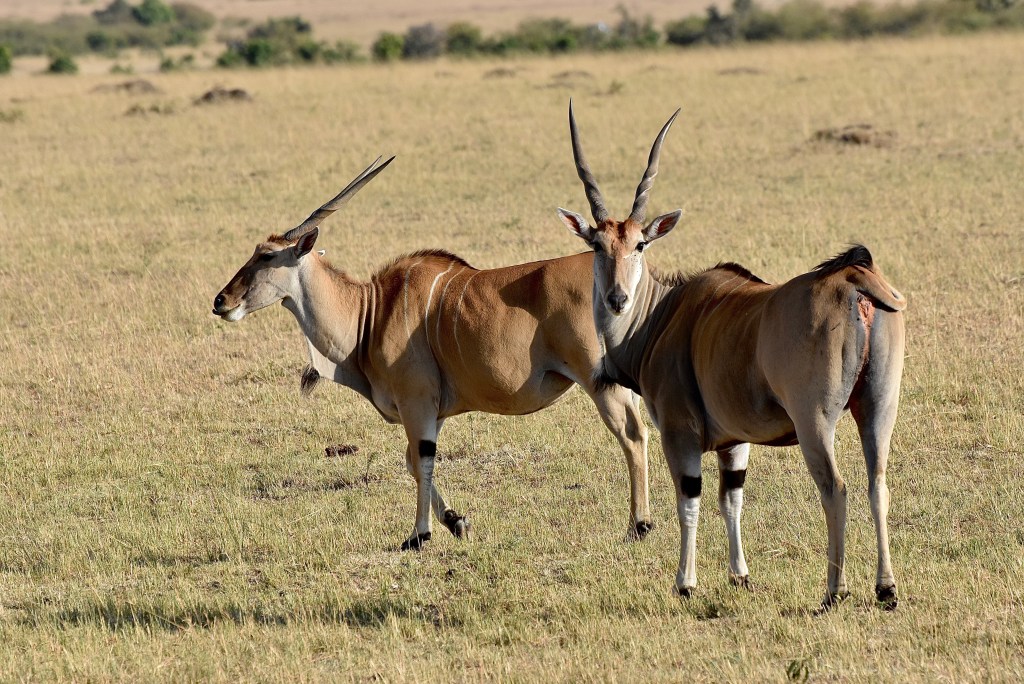

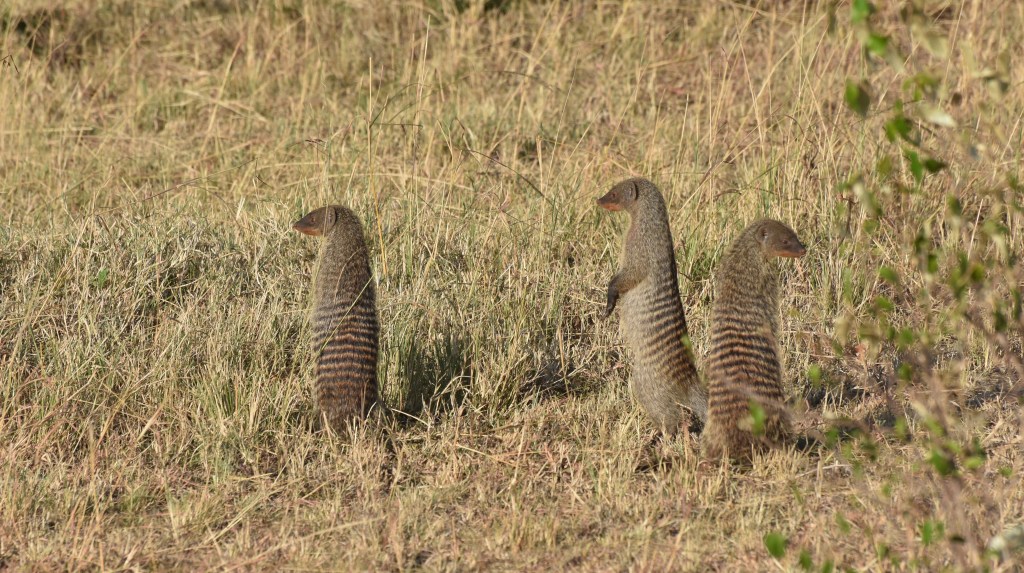
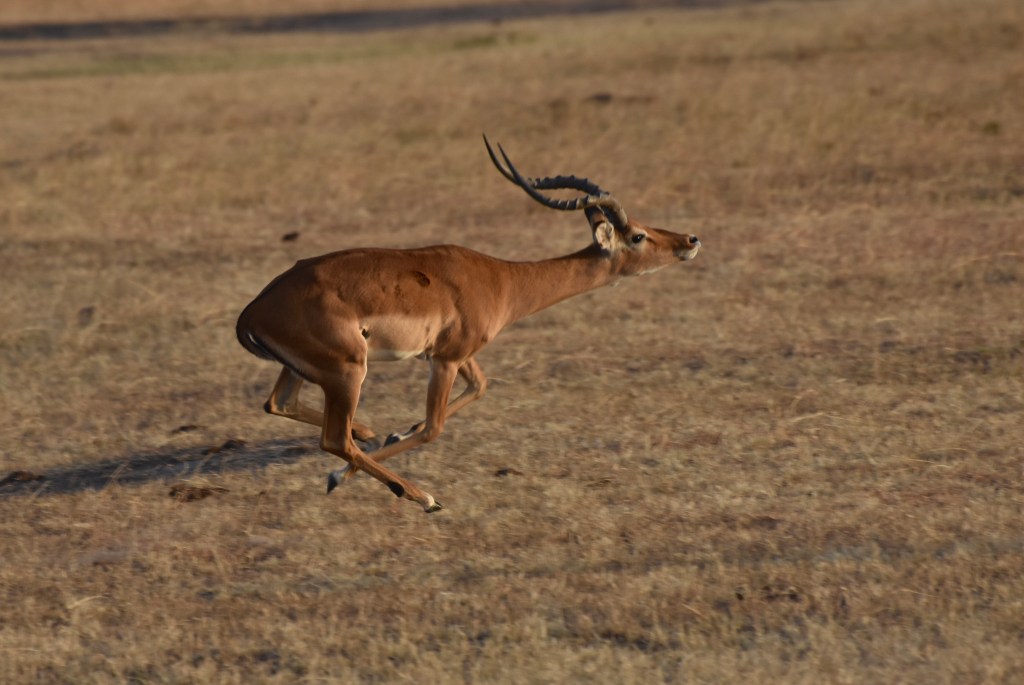
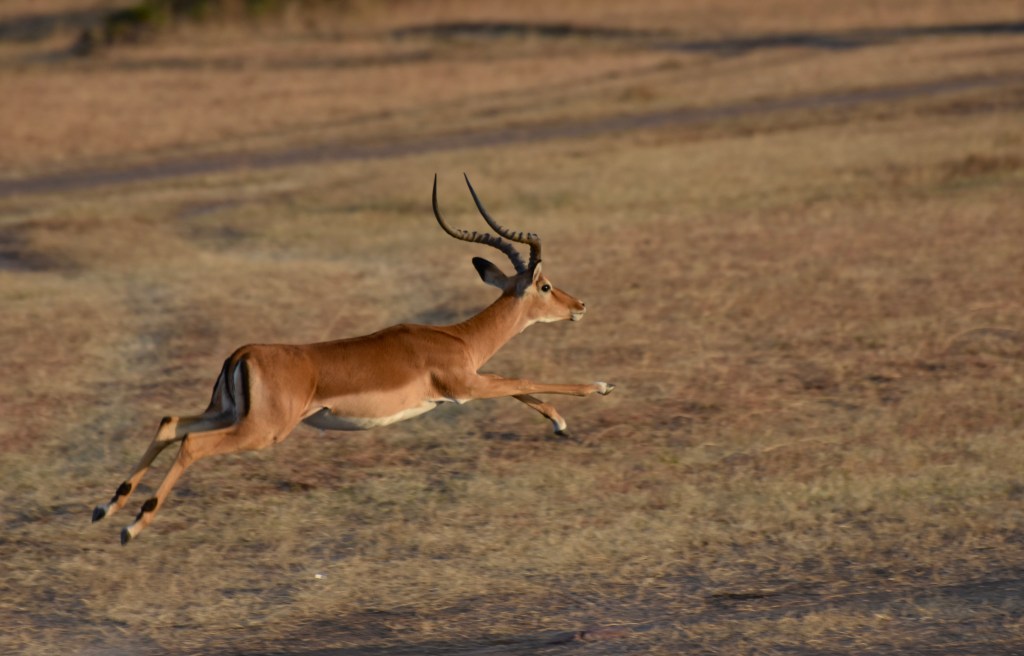


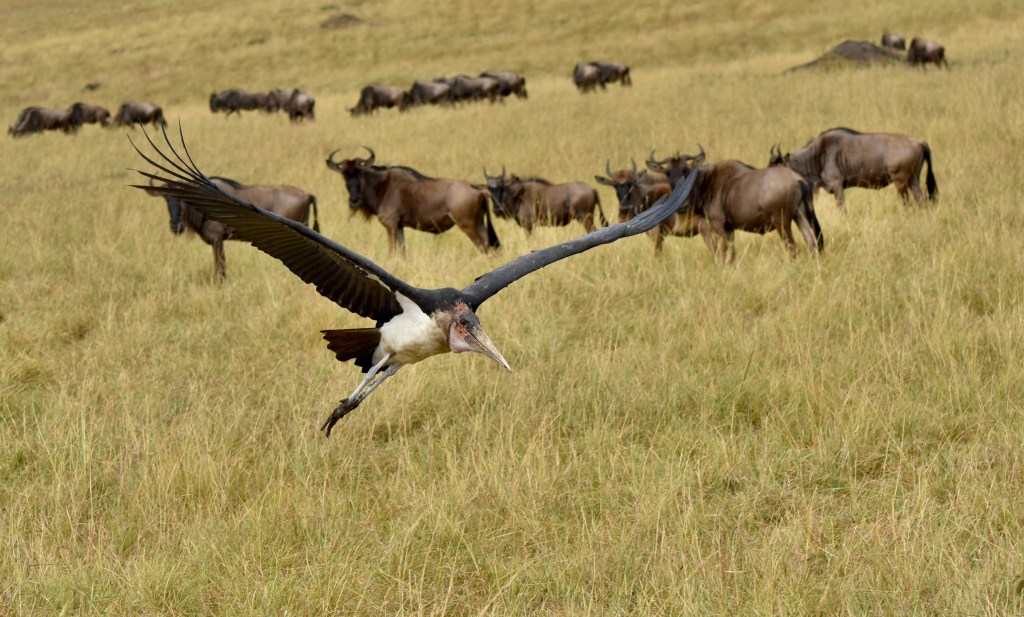


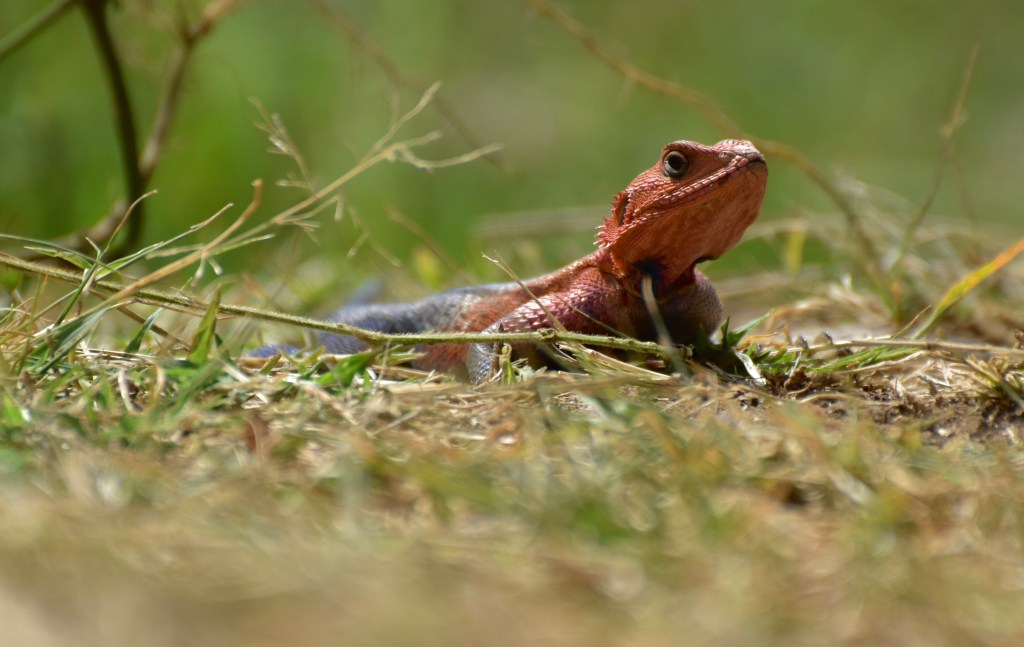

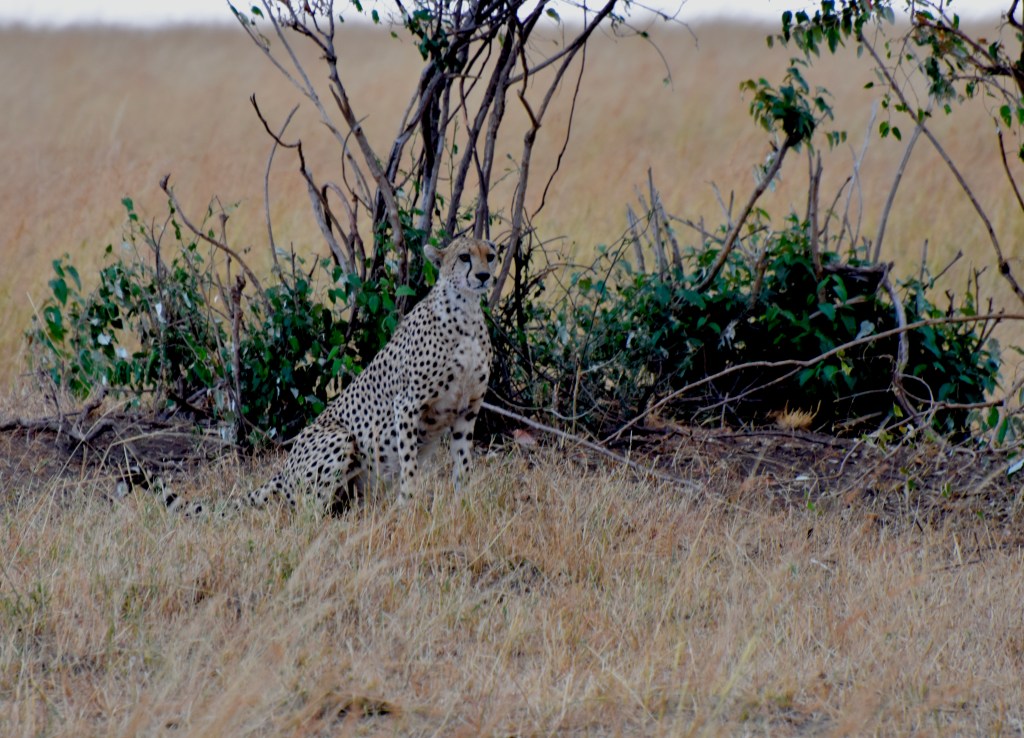


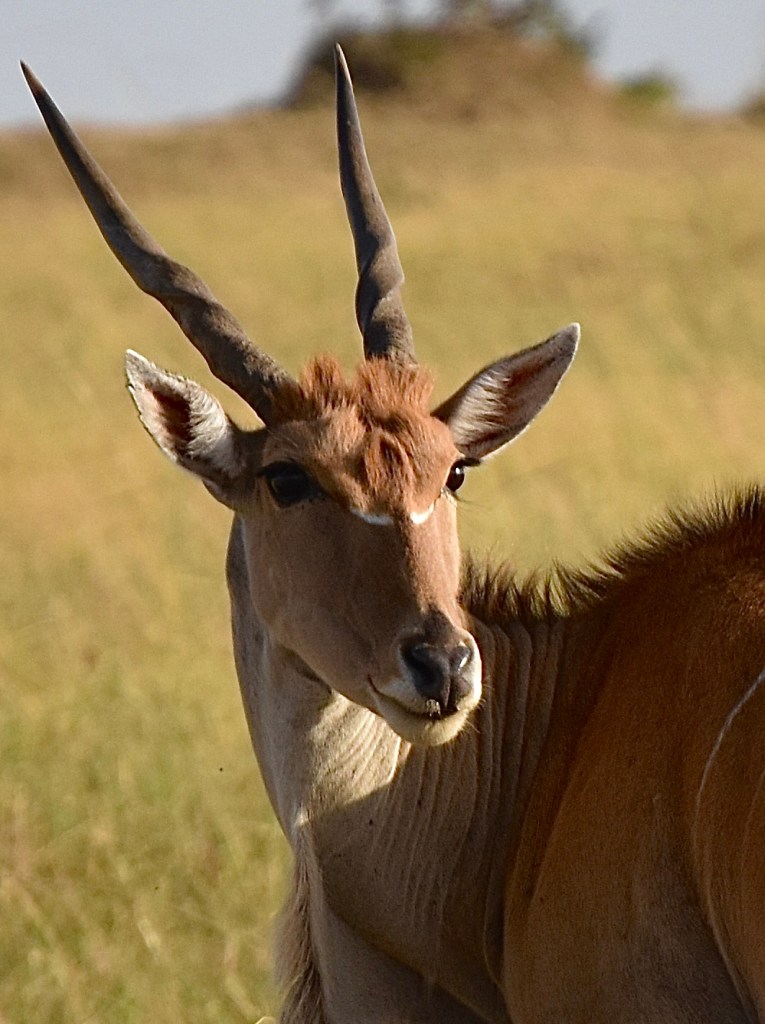

We left the Serengeti at zero dark thirty, upon the guidance of our safari guide Edwin, as we had four long hours on rough washboard dirt roads followed by a border crossing out of Tanzania and back into Kenya, a 30 minute bus ride to the airport, a bush flight to the Masai Mara airstrip where we’d be met by our new drivers in Land Cruisers, and then a late afternoon game drive on the way to the safari tent lodge.
A long day indeed but oh so interesting….
Rewarded with early morning light:
Our road conditions for the next four hours:
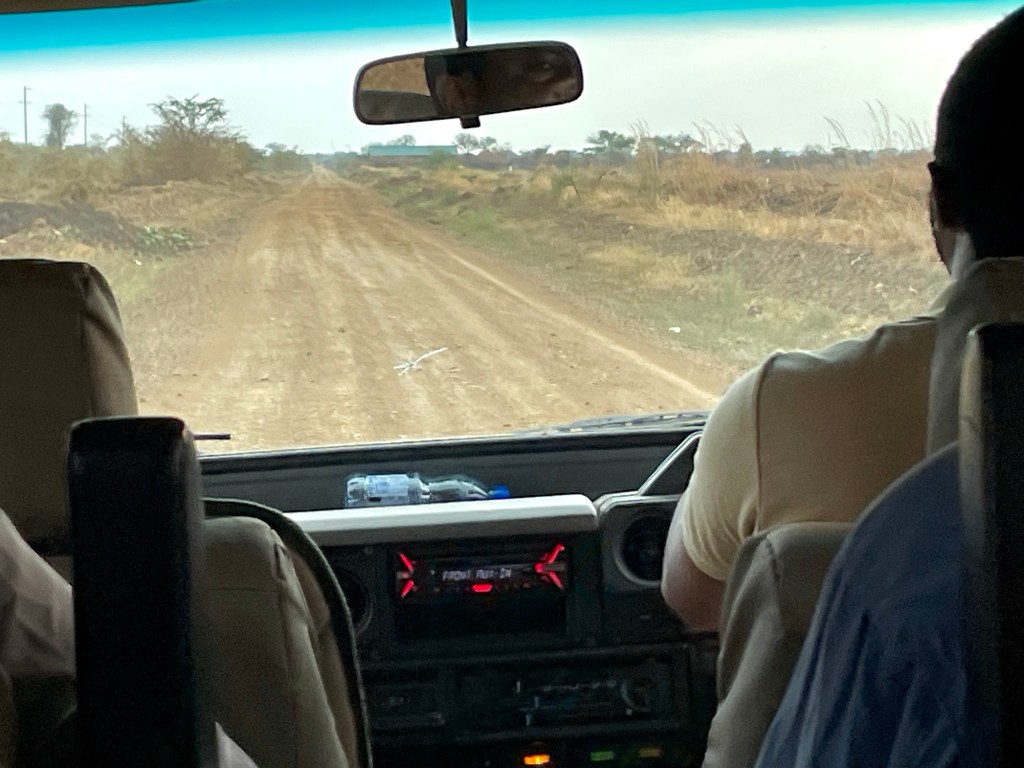
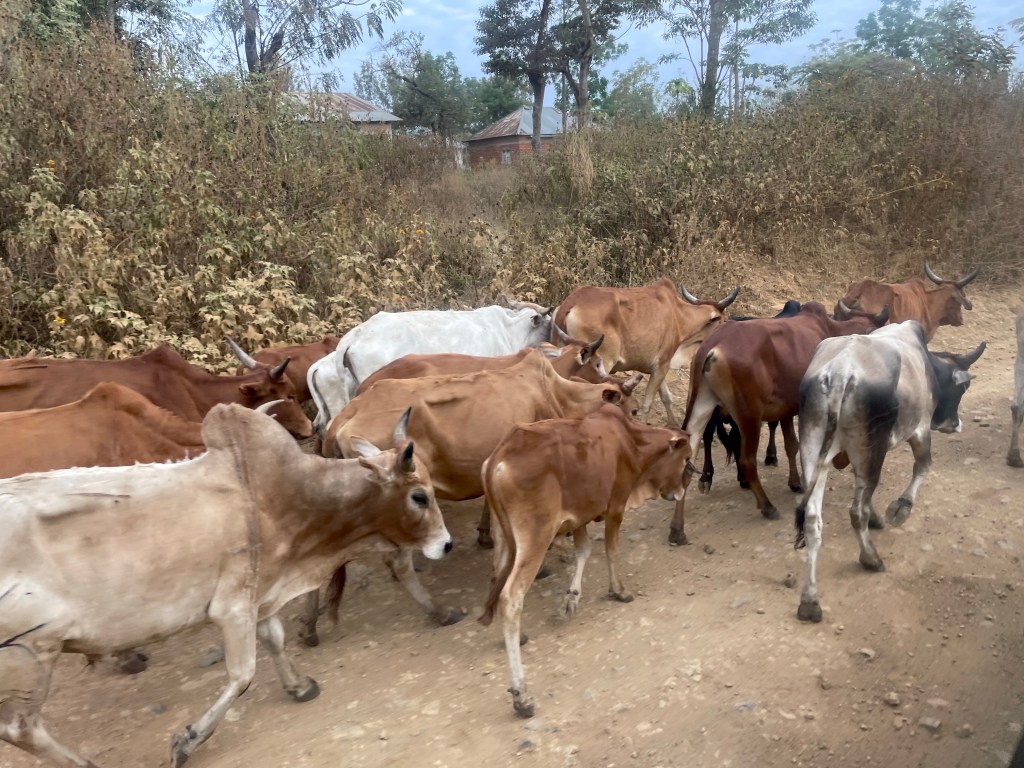
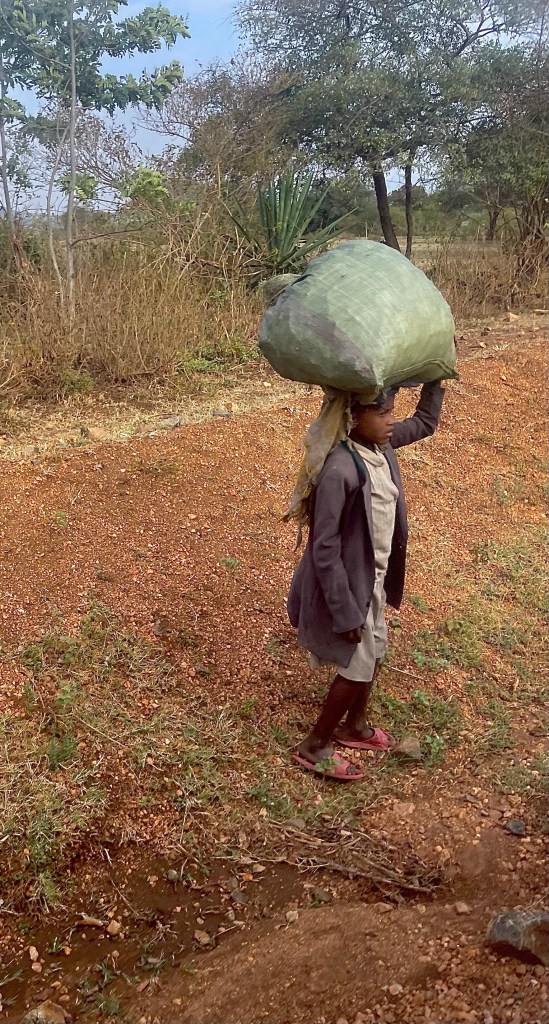
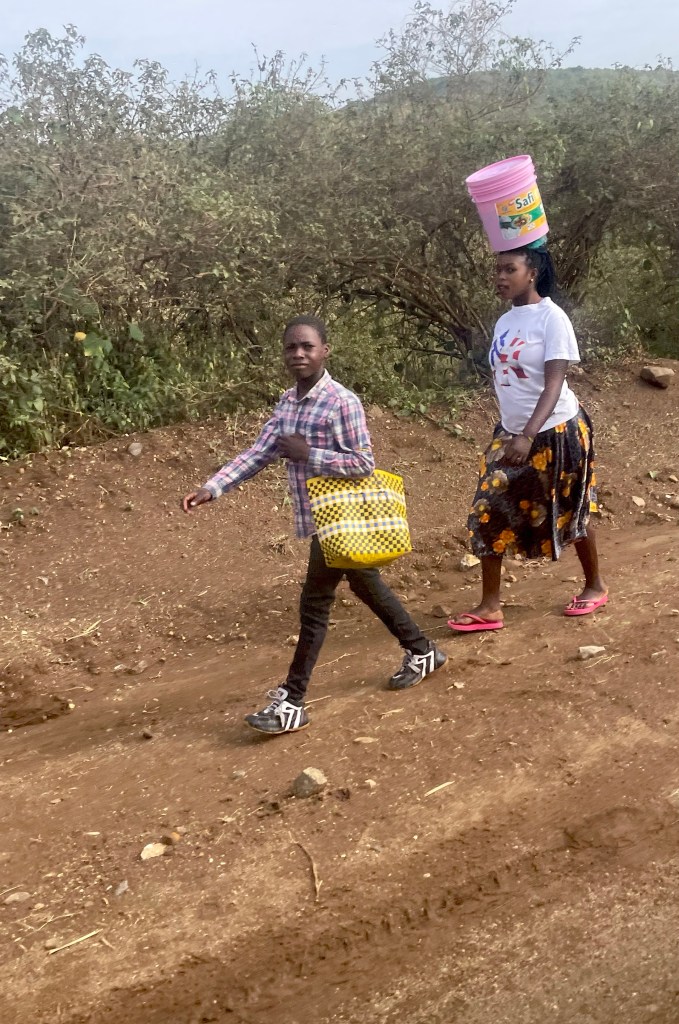
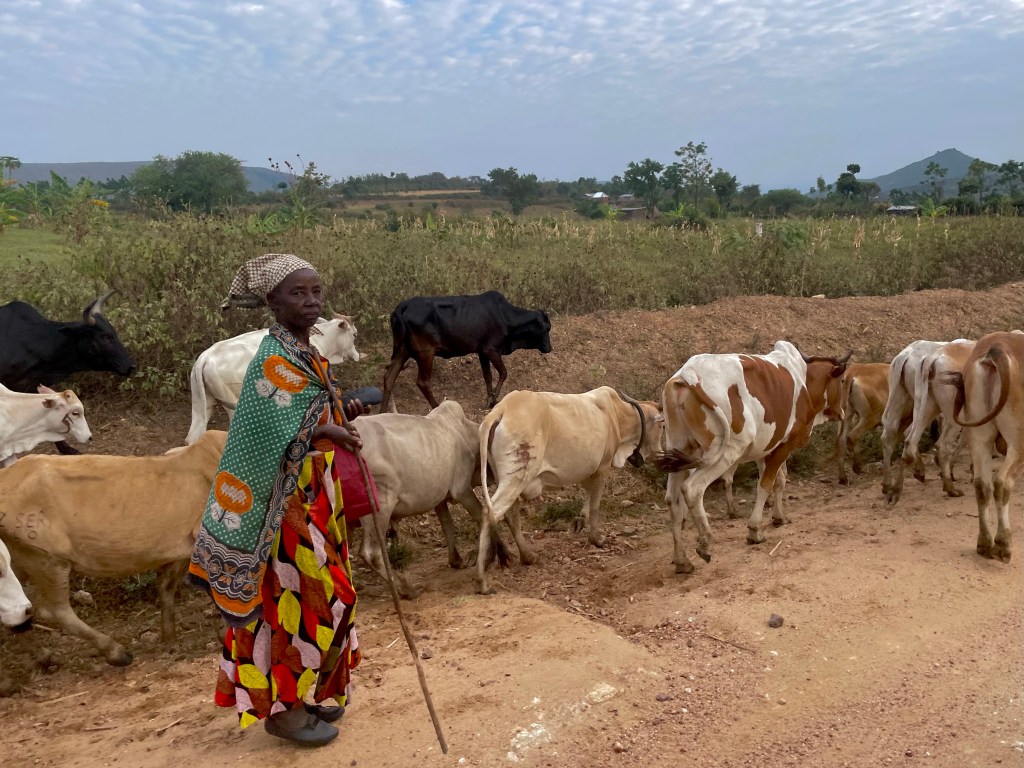
A selection of street views driving through Tanzania on the way to the Kenyan border:

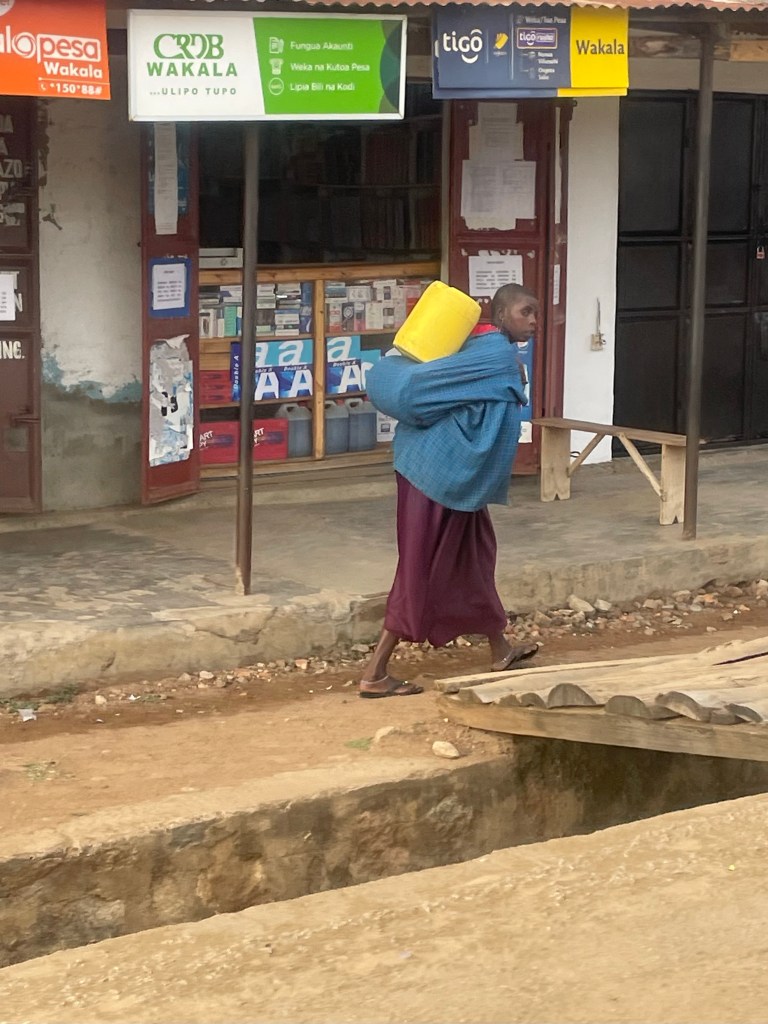

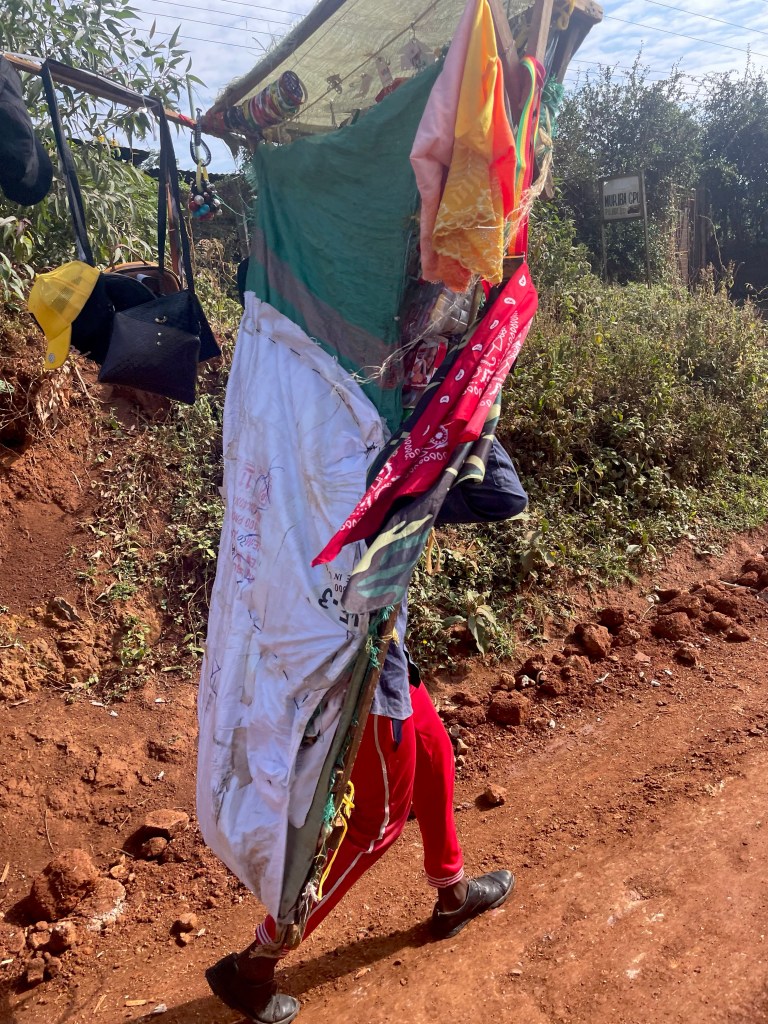
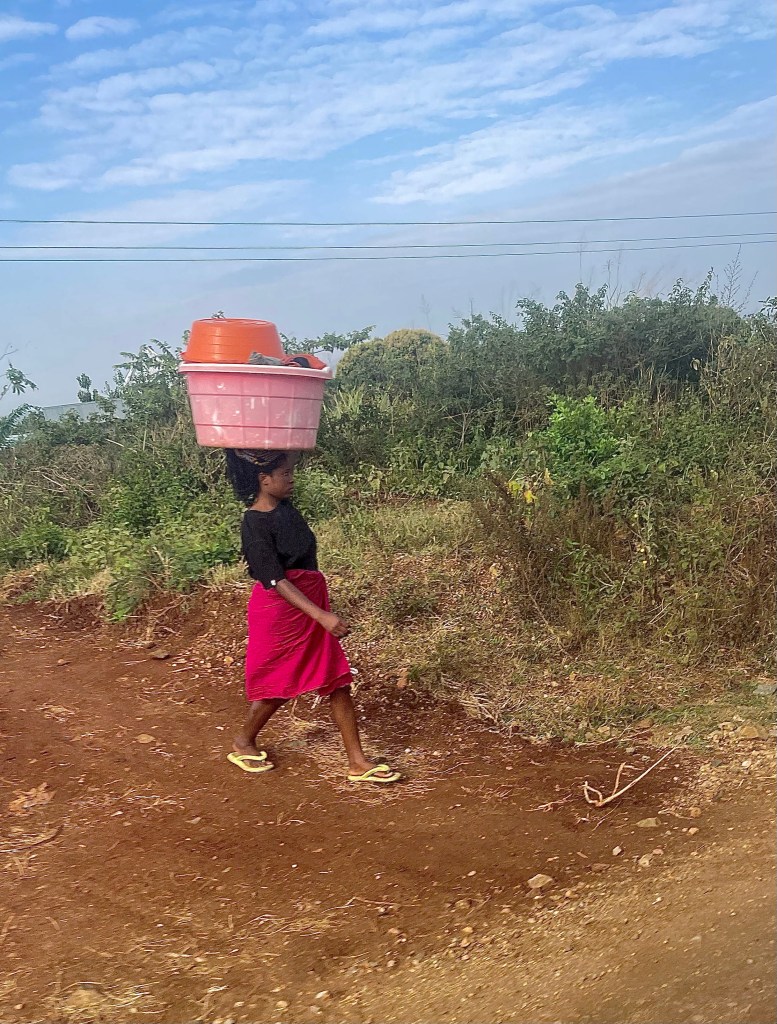
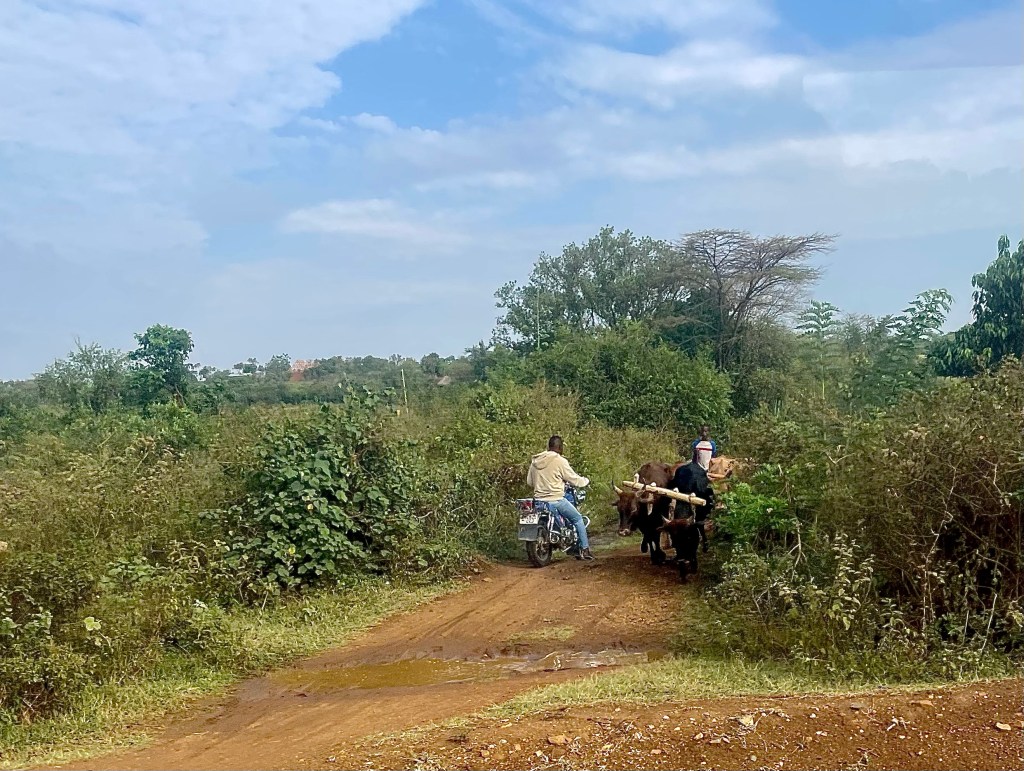
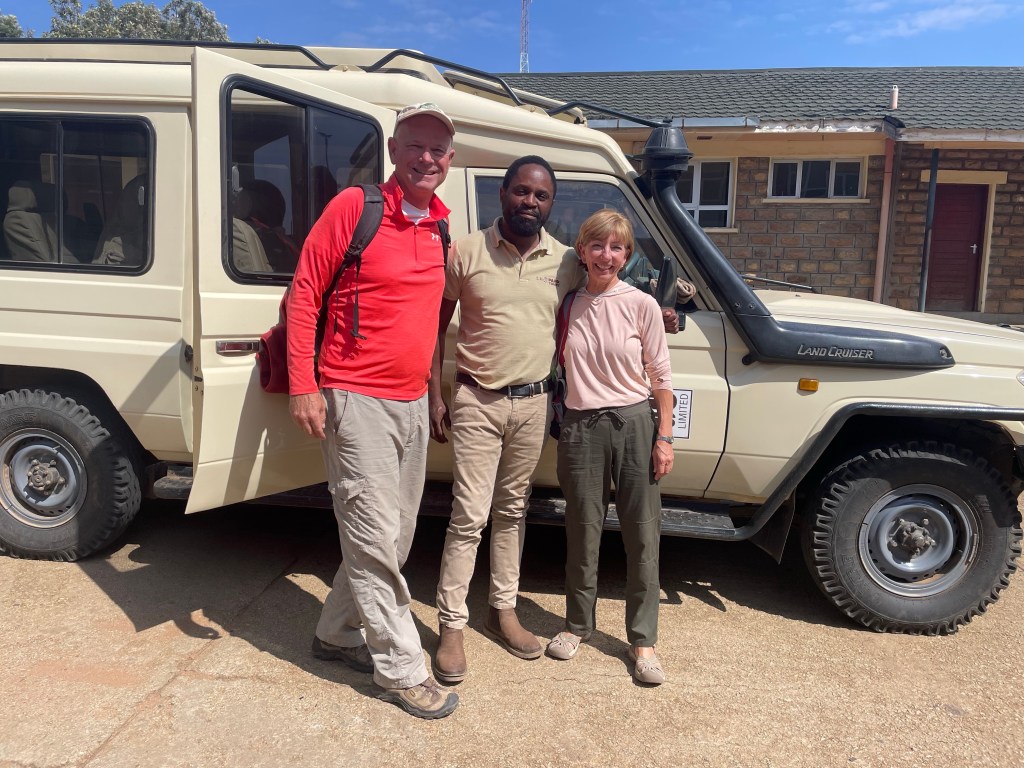
Saying goodbye at the border to Big John, our Tanzanian driver
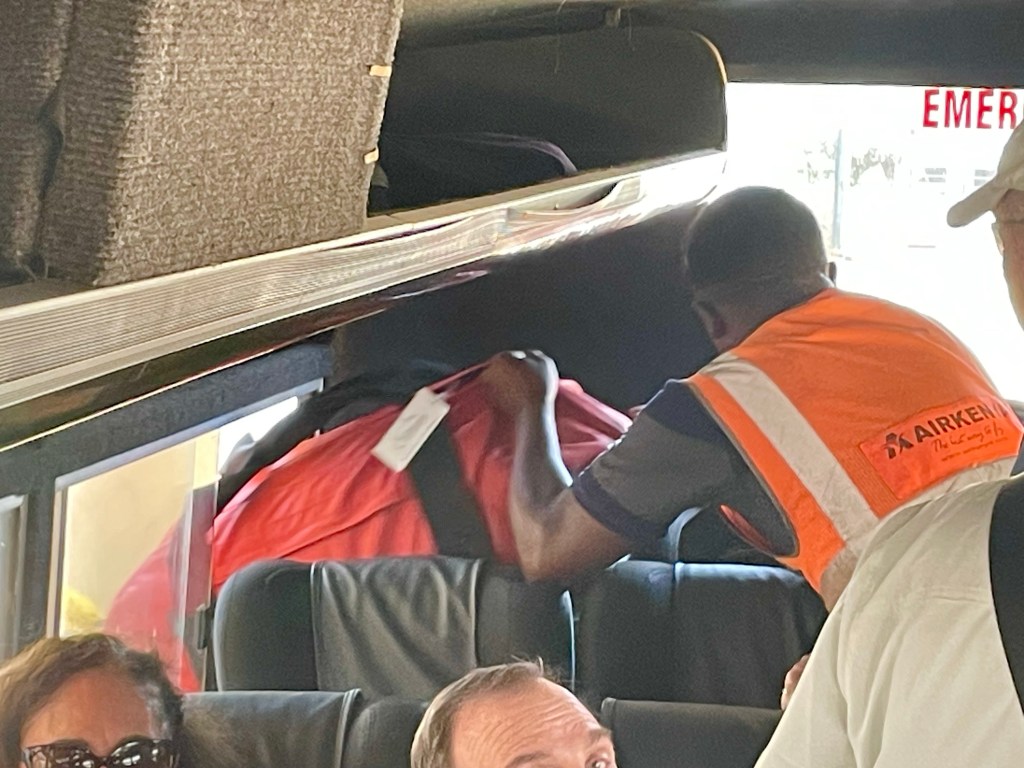
After clearing in to Kenya, we bused to the airport after loading luggage via the rear window
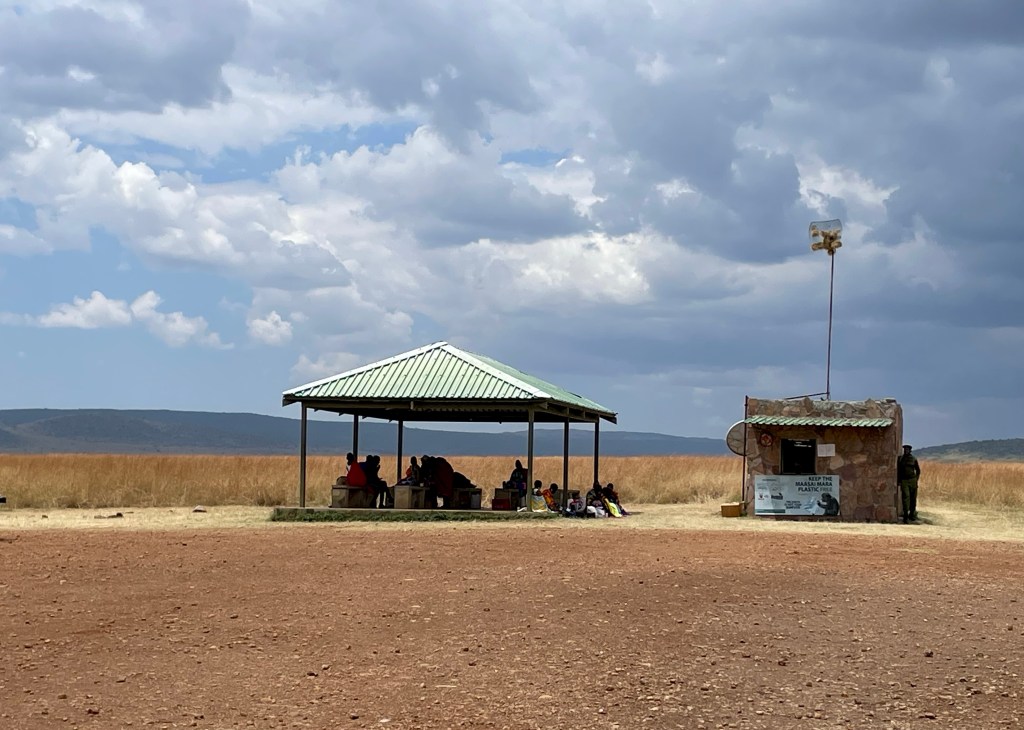
Airport terminal. No boarding passes required, just take a seat.
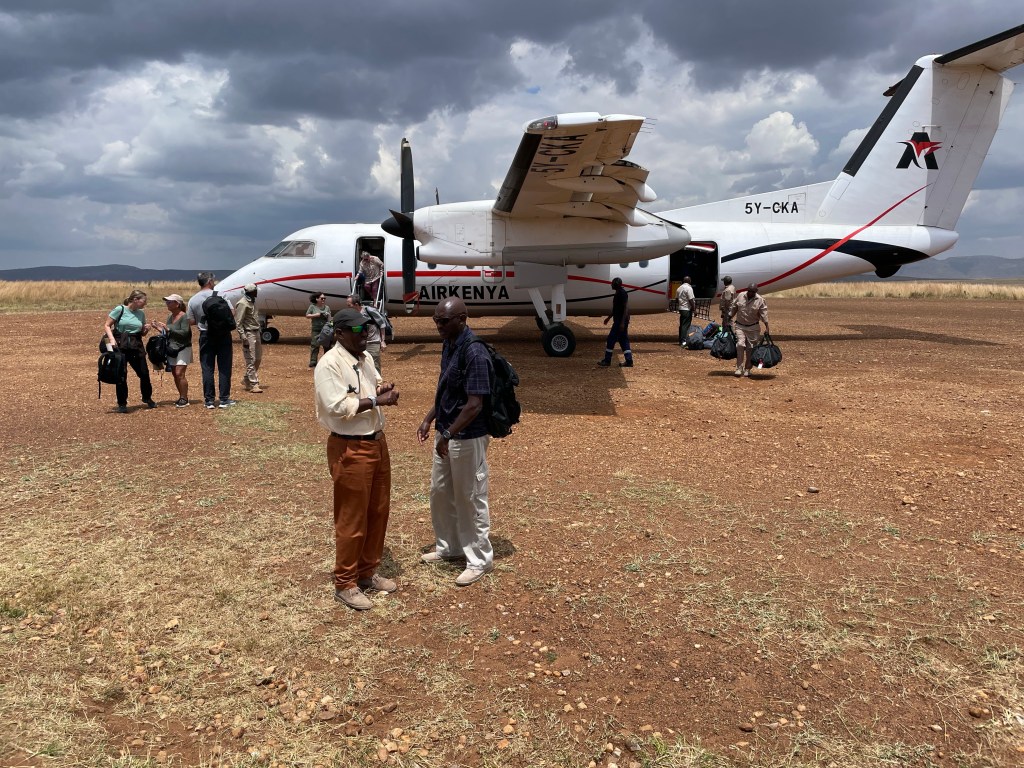
A quick game drive once in Masai Mara
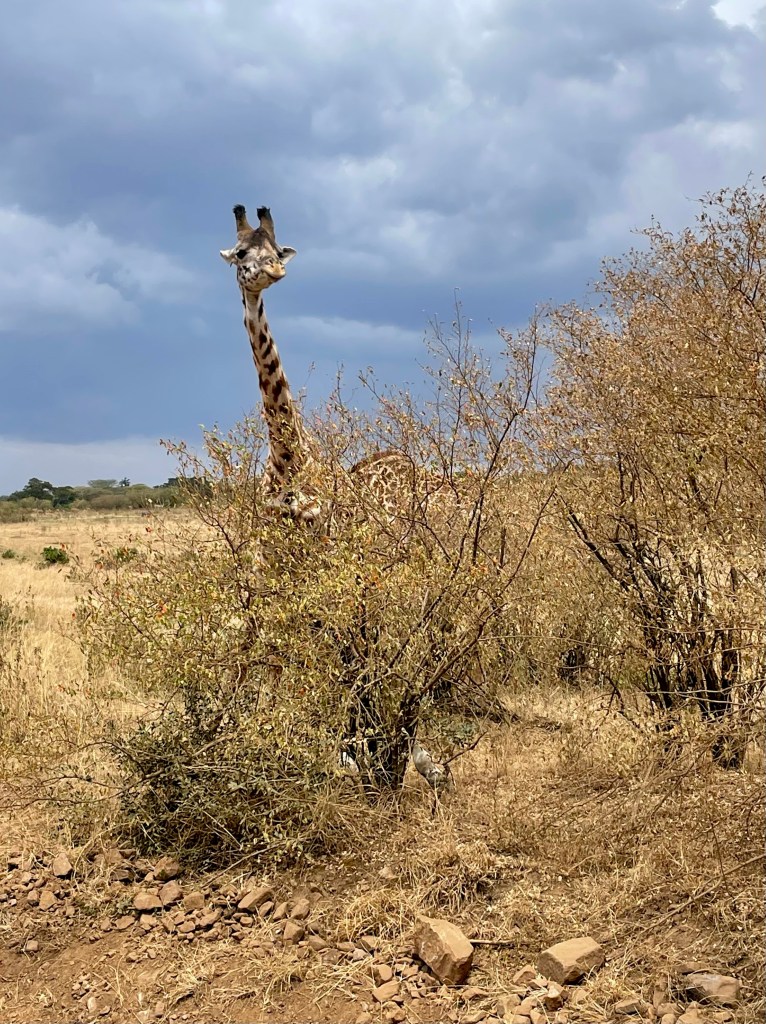
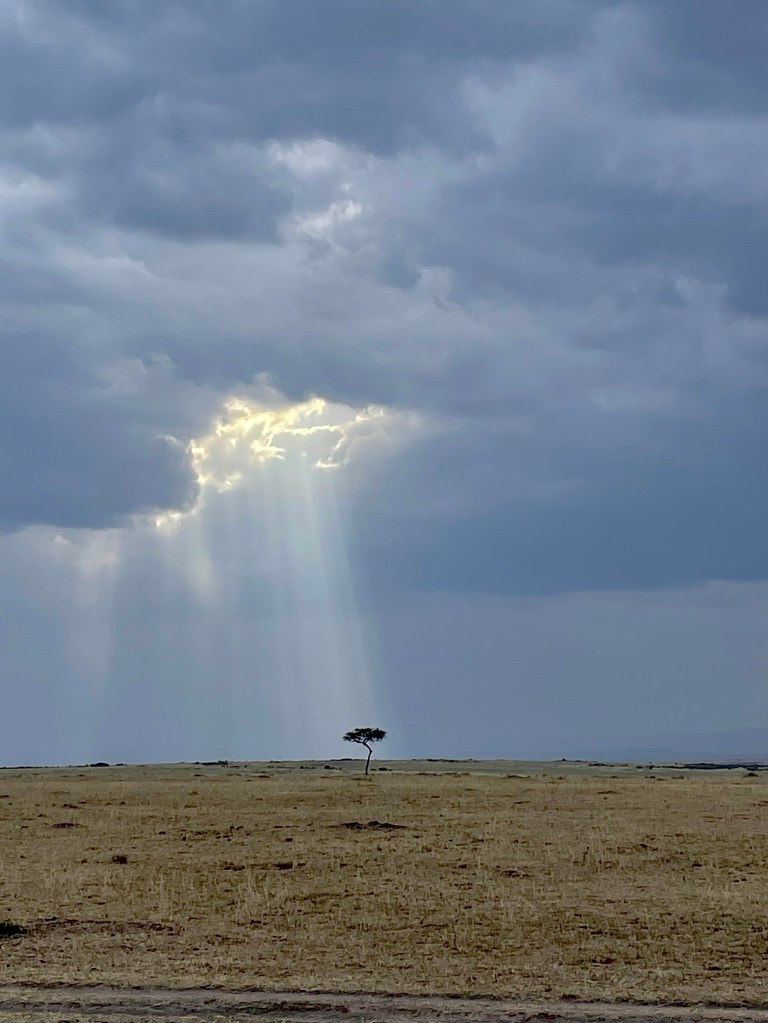
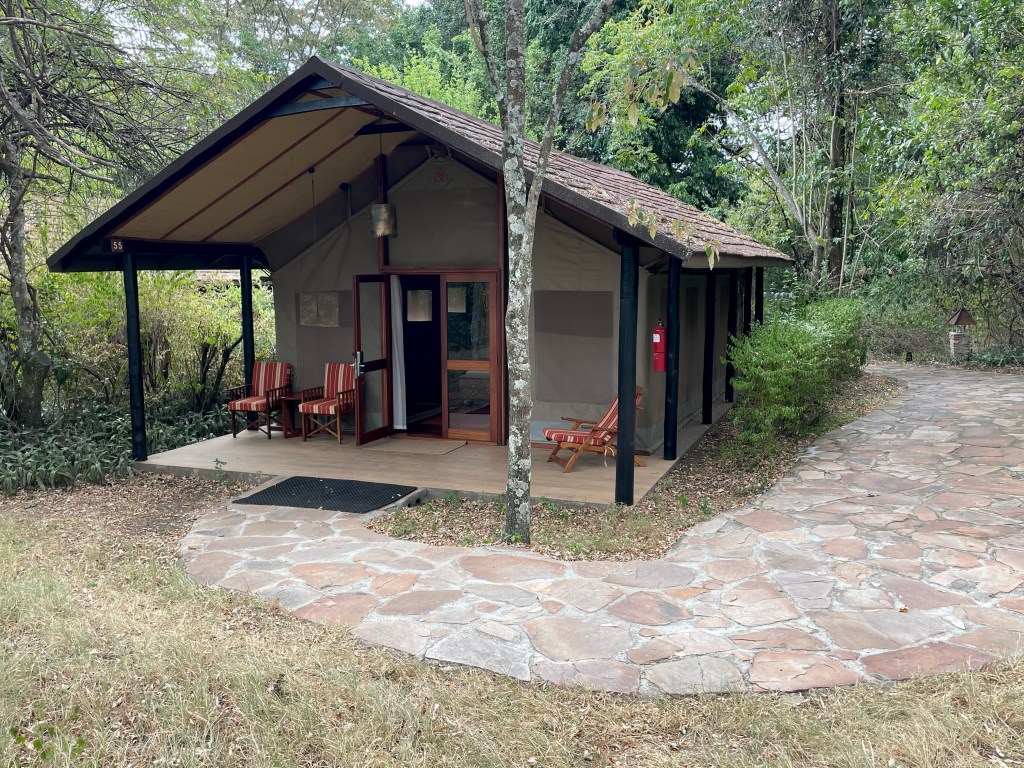
Arrival at our tent camp after a full and fun day!
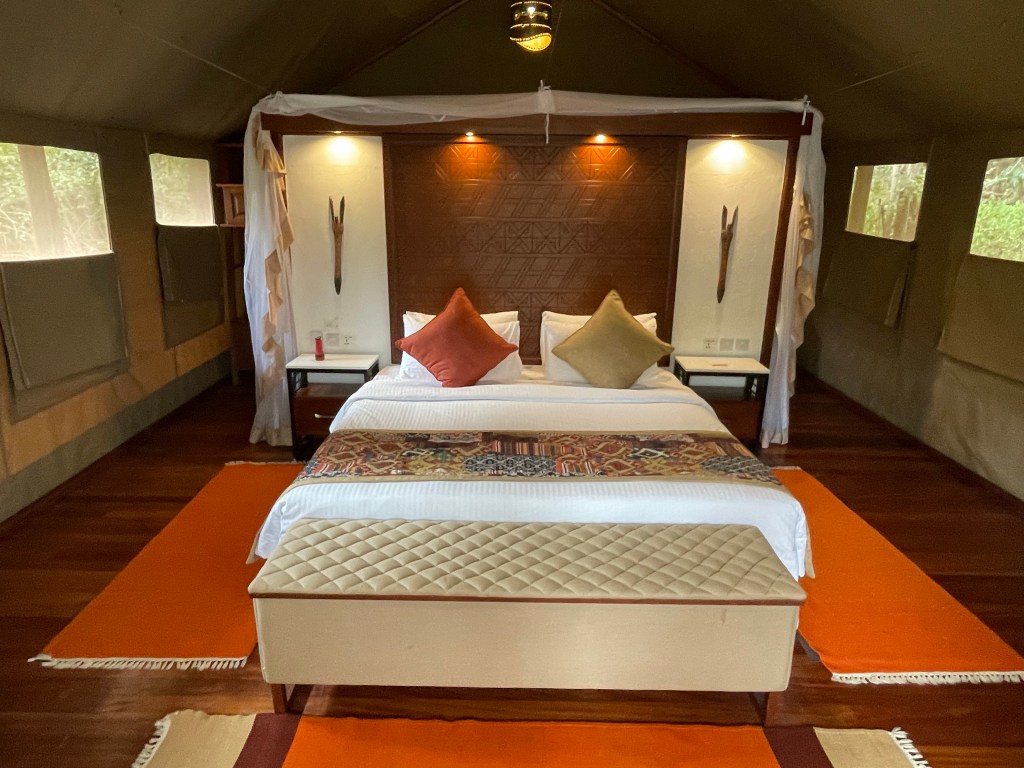

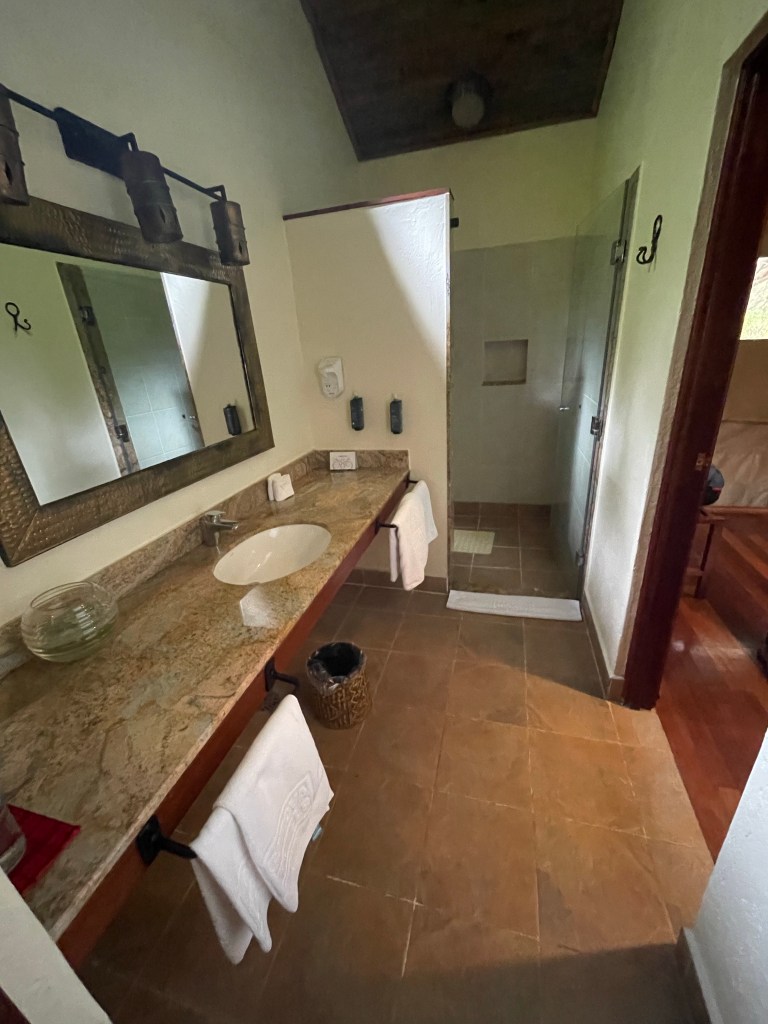
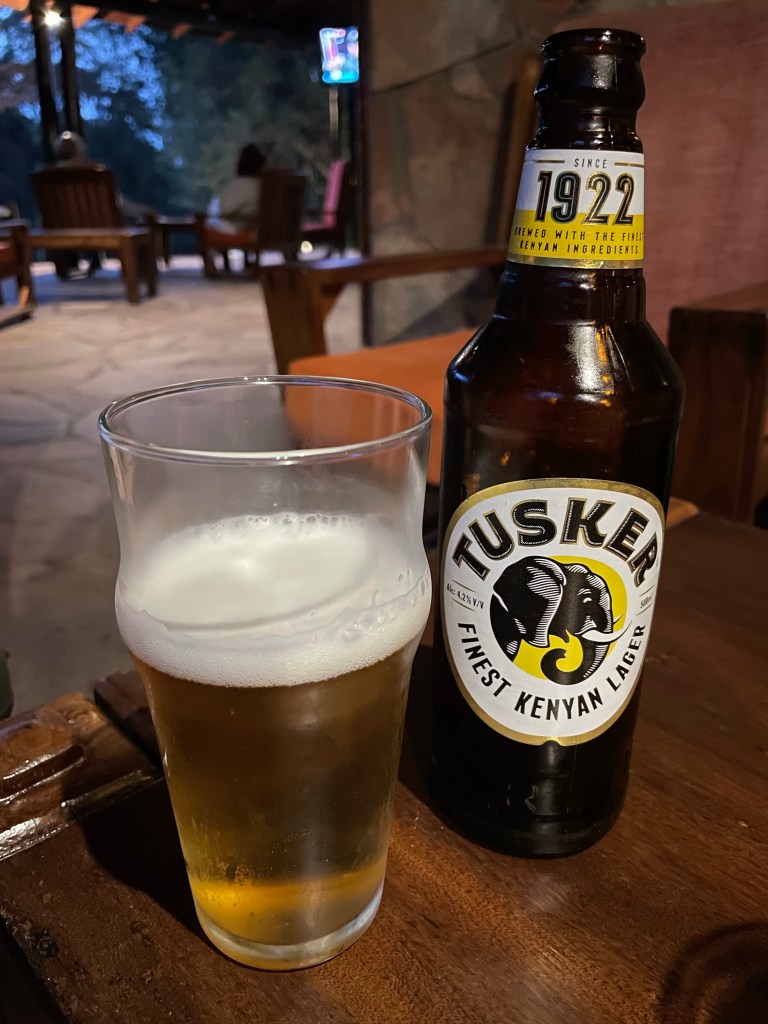
The day’s last activity 🙂🍺
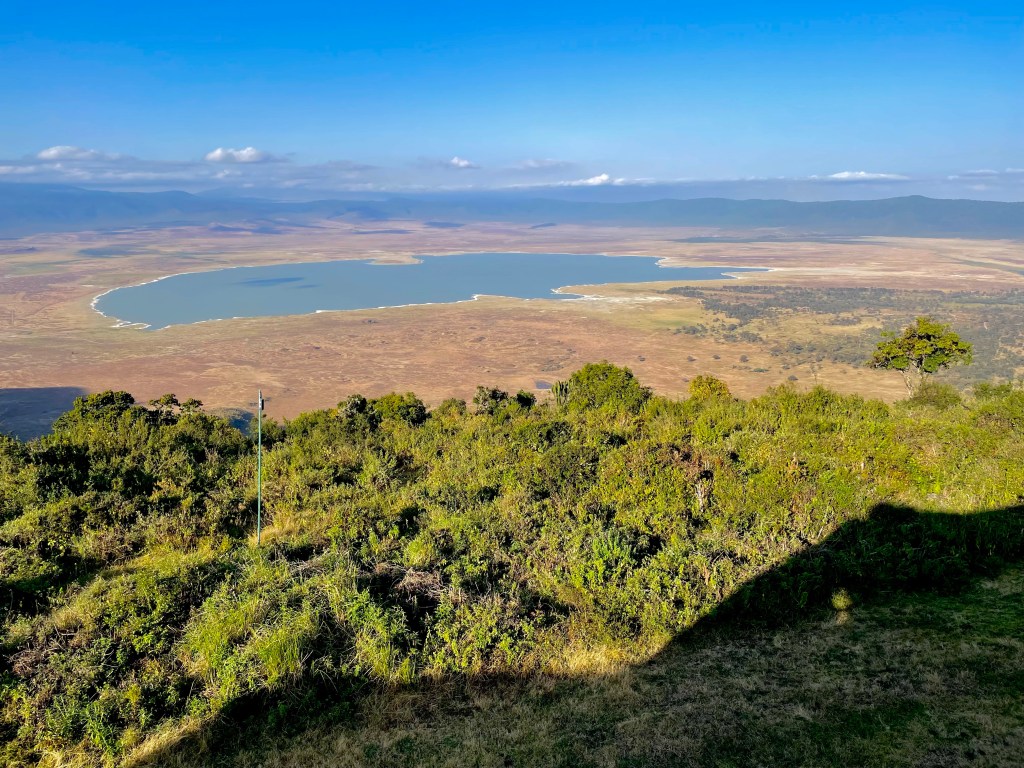
About 2.5 million years ago, the Ngornogoro volcano did what volcanoes do – blew its top! Smoke, fire, lava, ash, destruction and death rained down on the surrounding area until at last the volcano quieted and ultimately became dormant. Left behind was the Ngornogoro crater in the Arusha region of northeastern Tanzania.
As time went by, the layers of sedimentary ash provided the foundation for the evolution of an ecological wonder: a 100 square kilometer area bounded by high natural walls that supports about 25,000 wildlife.

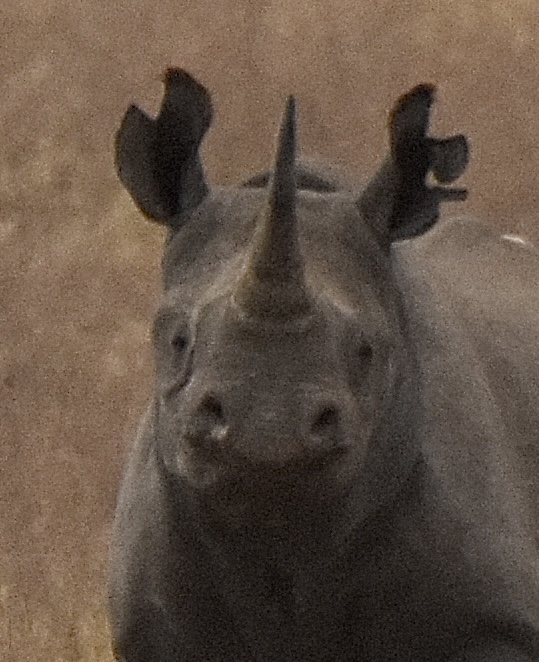
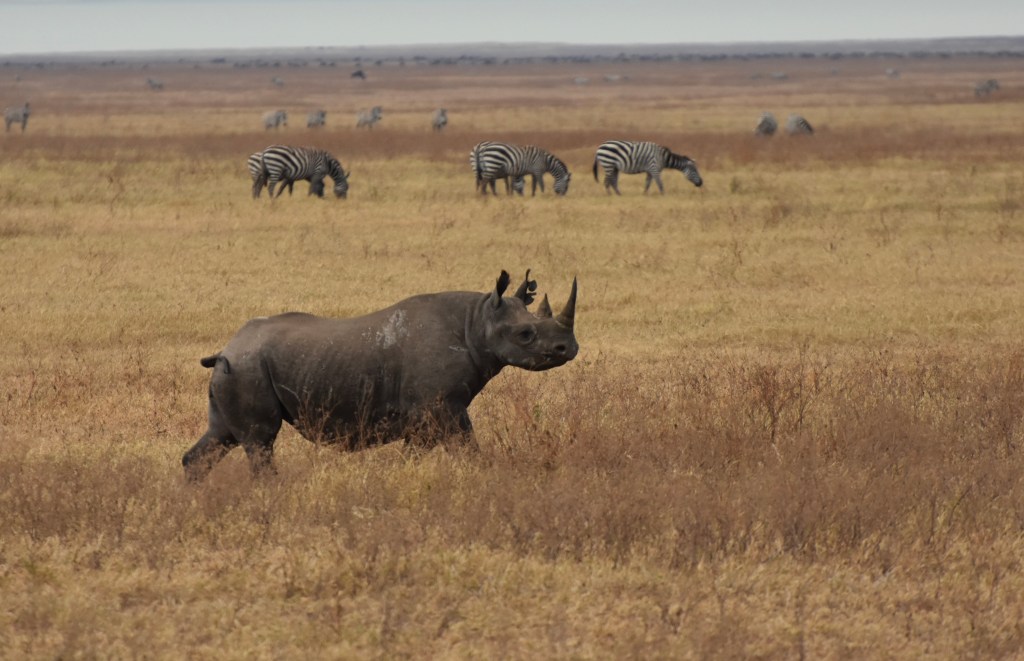
Prehistoric looking like no other animal in this part of Africa, the rhinoceros tends to prefer secure, wooded areas though they will come out in search of food and water especially on cooler days.


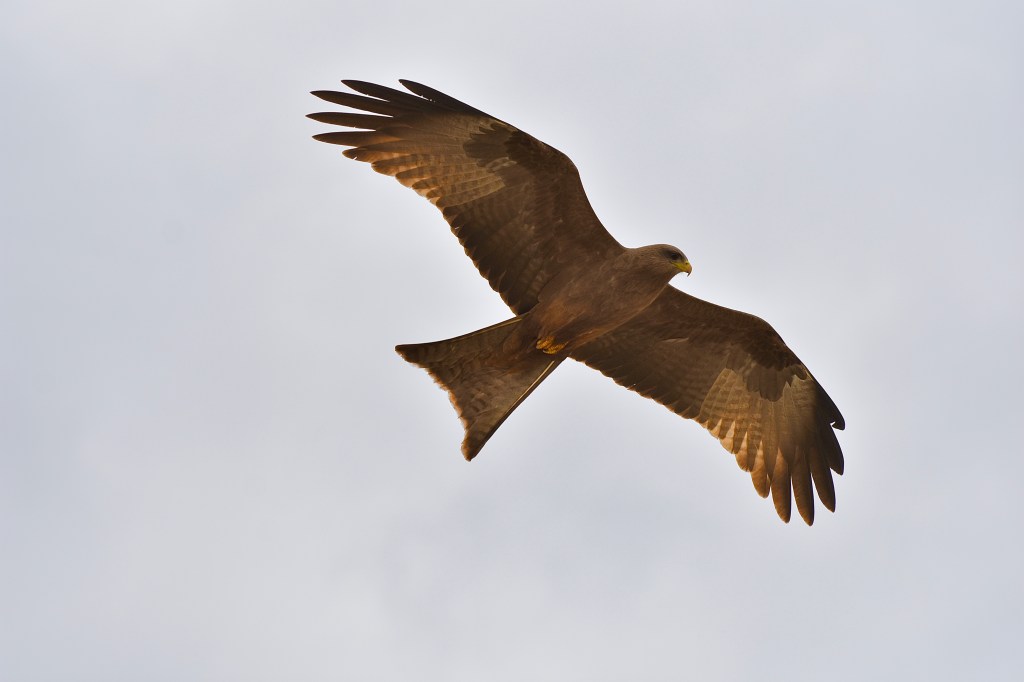
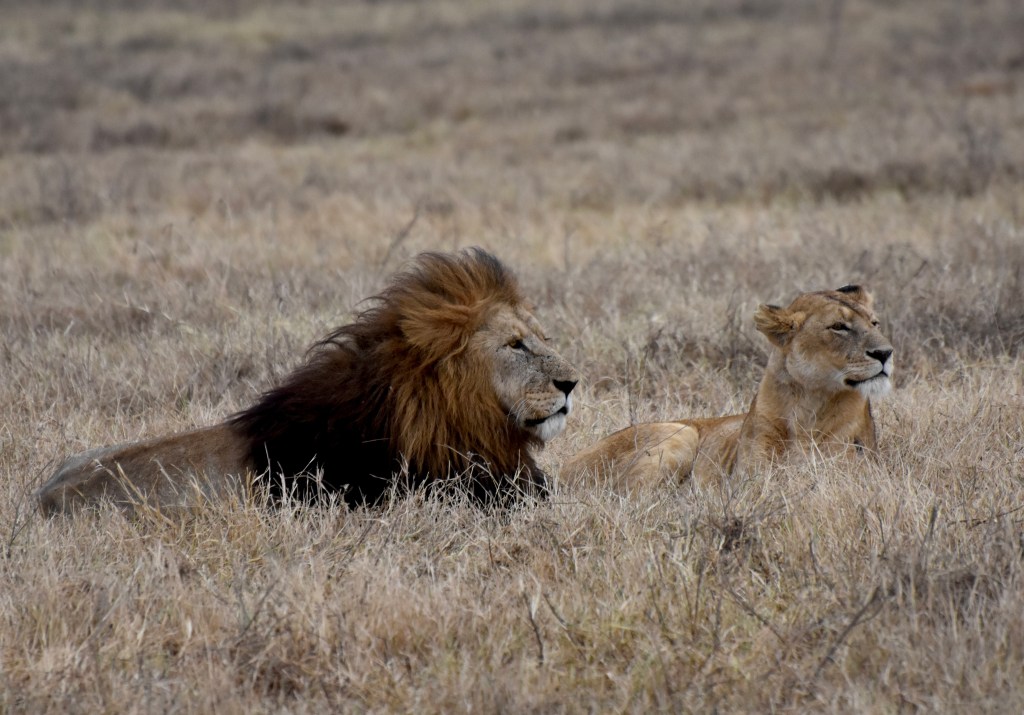
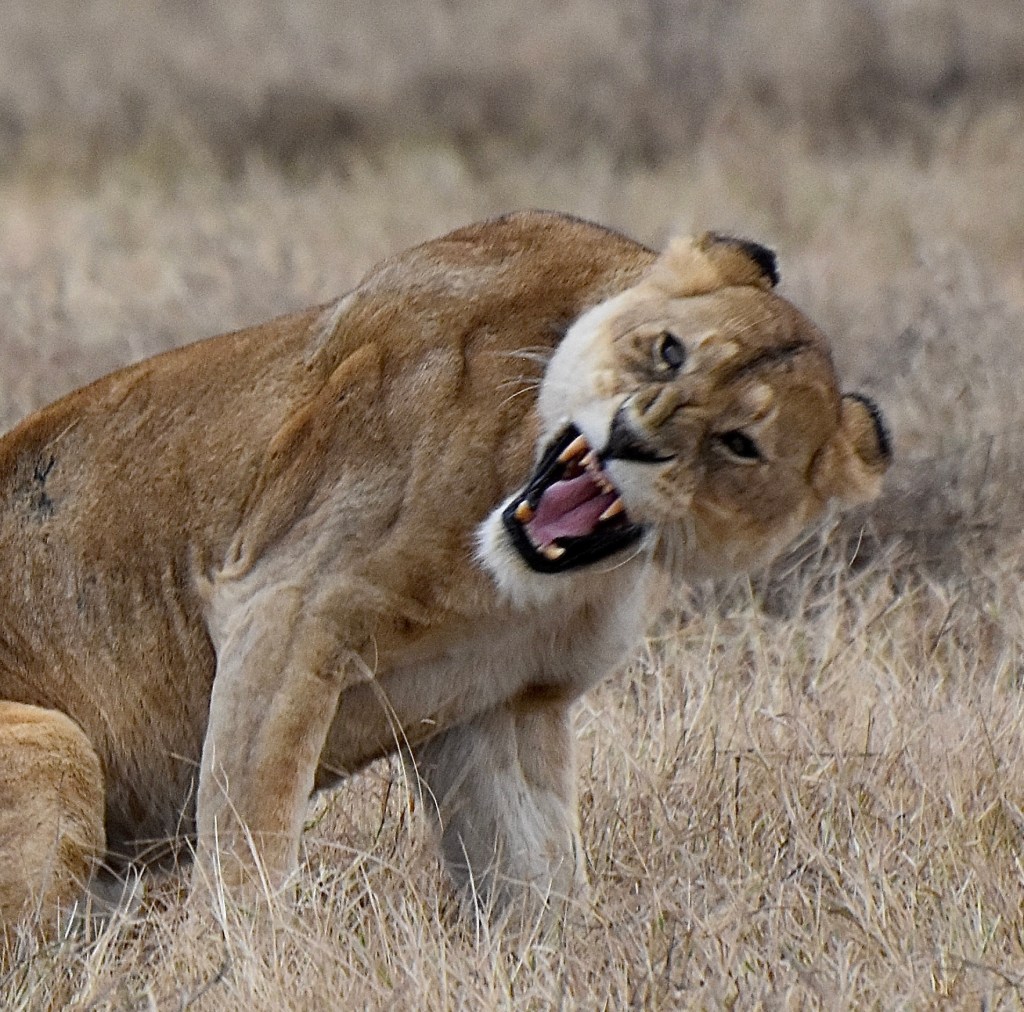
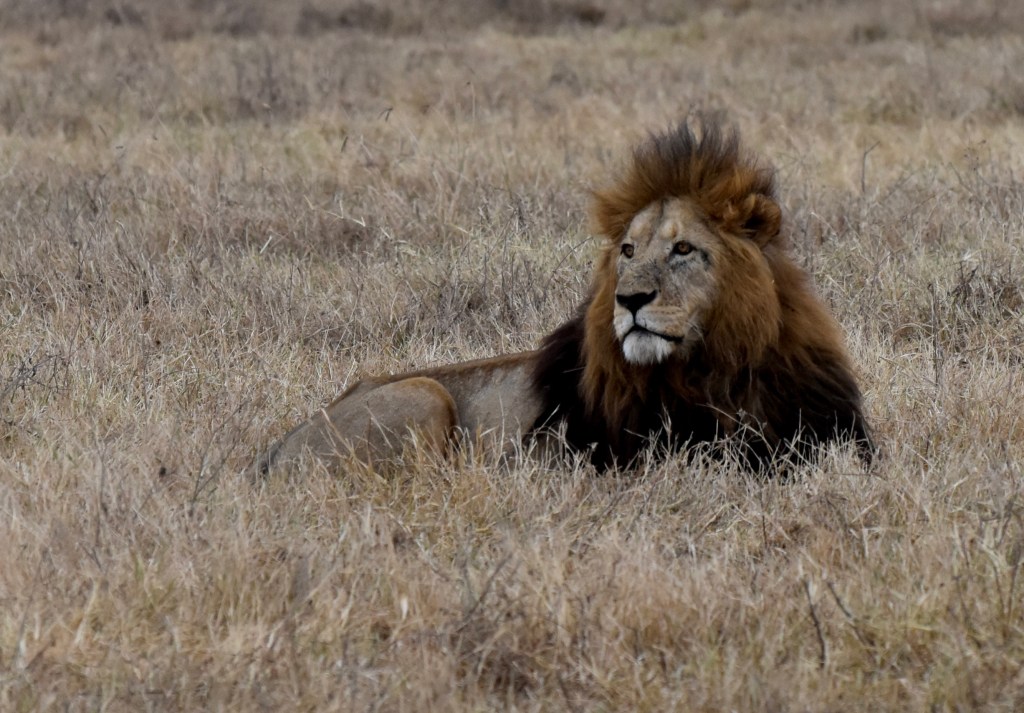
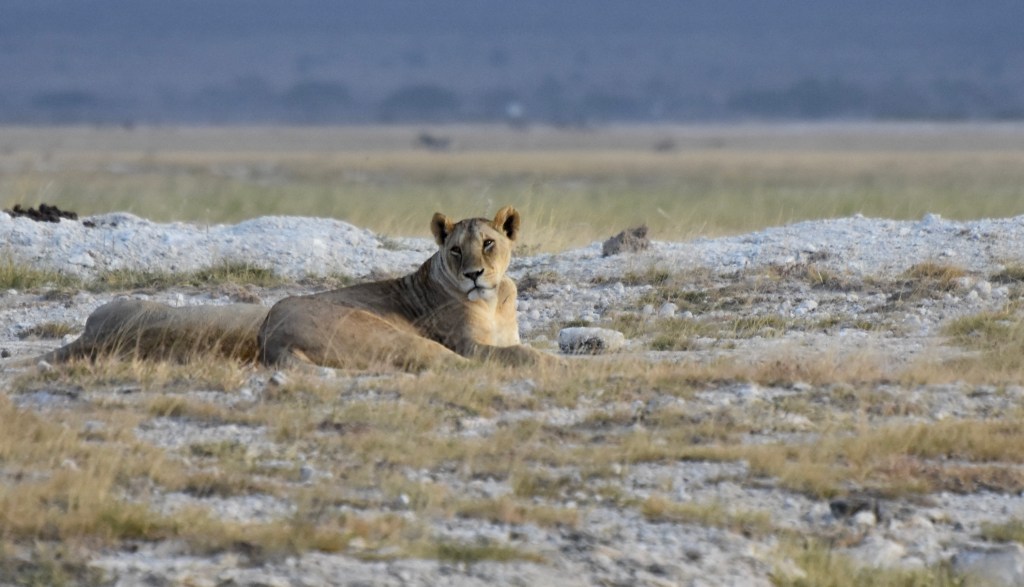
A collection of Big Cat images:

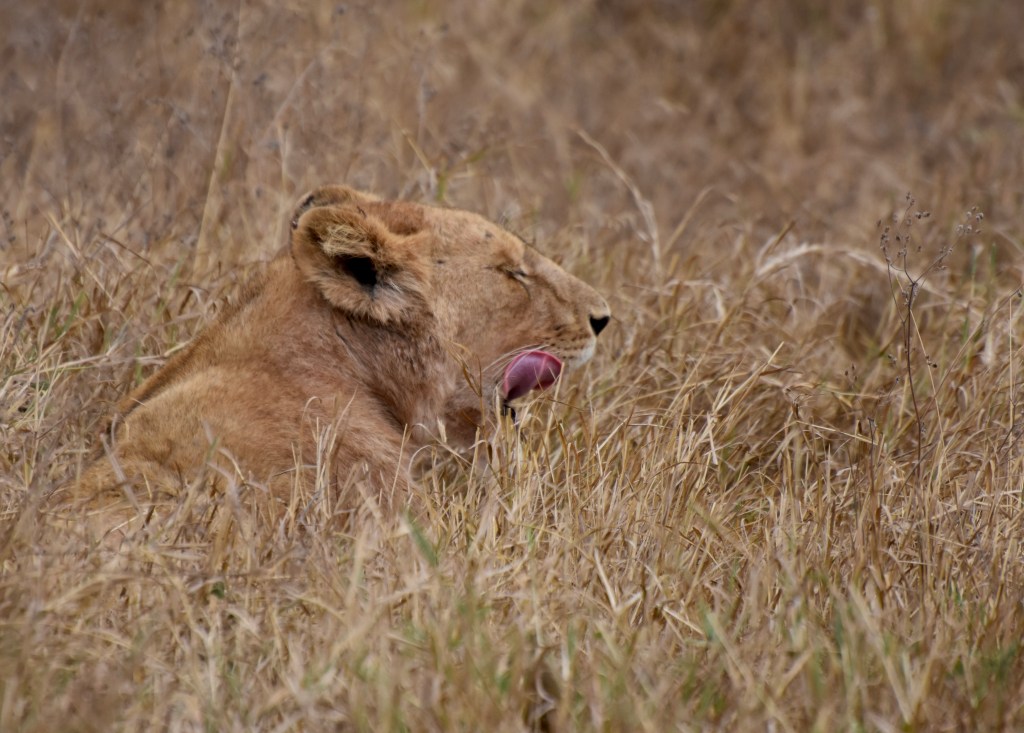

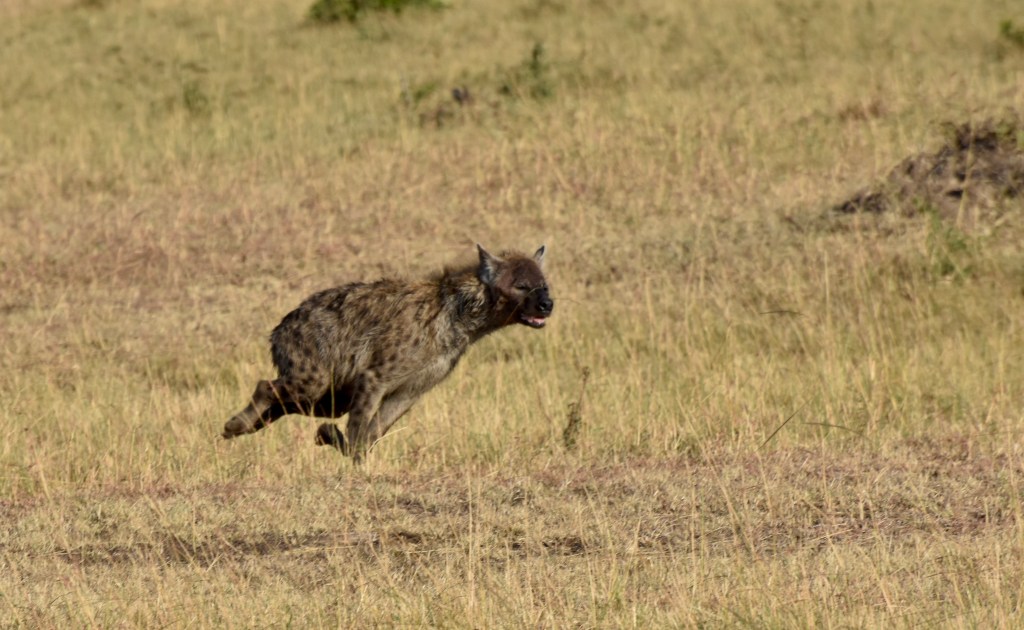
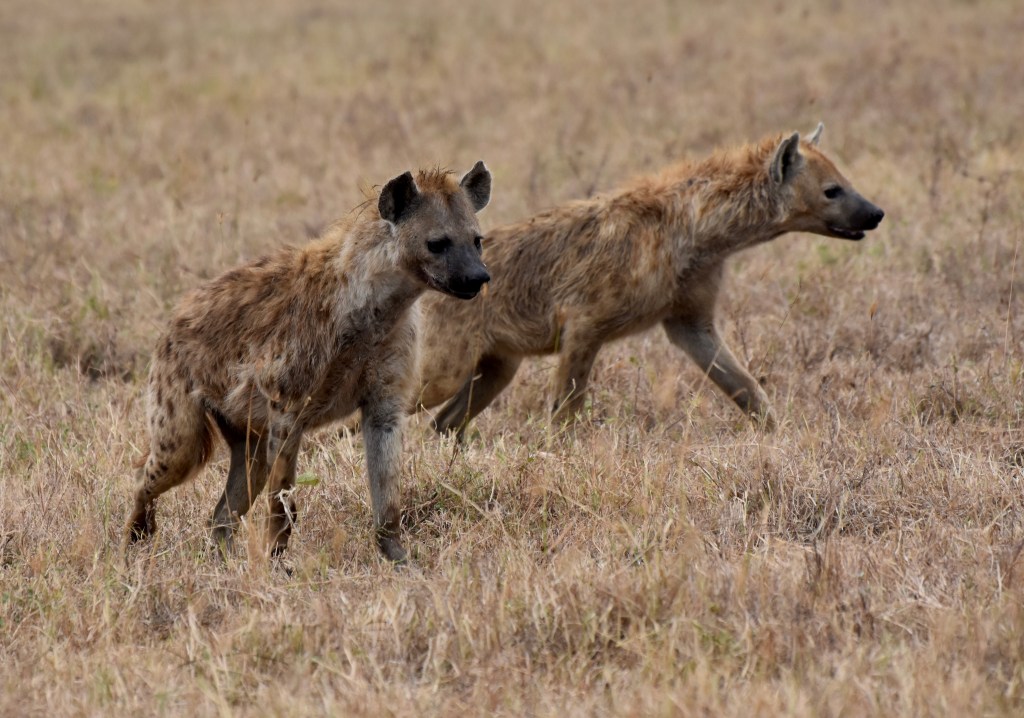
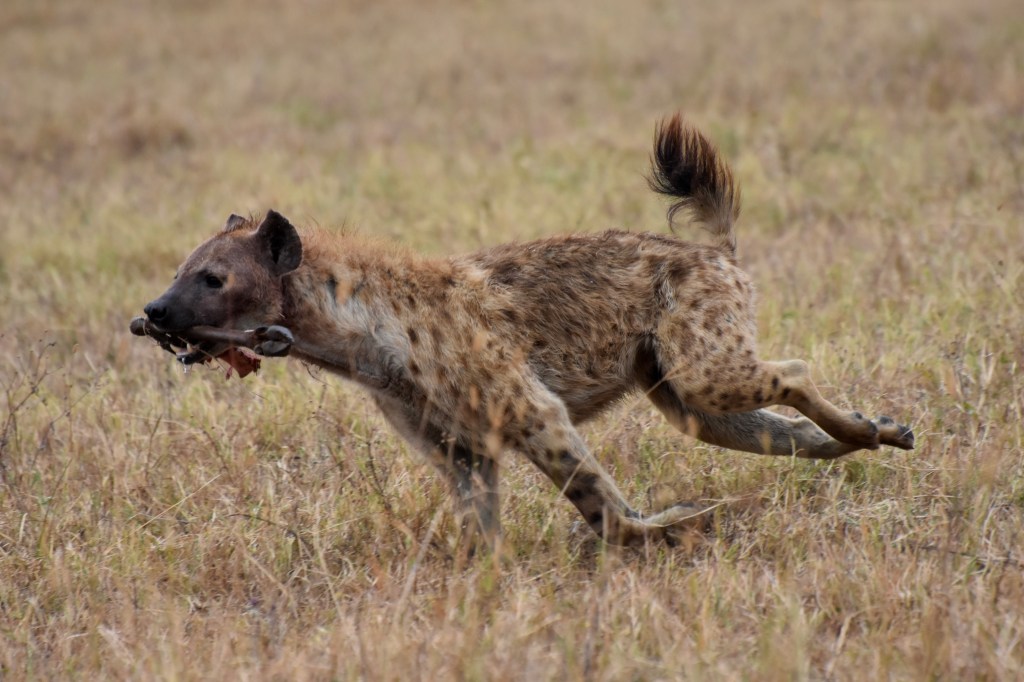
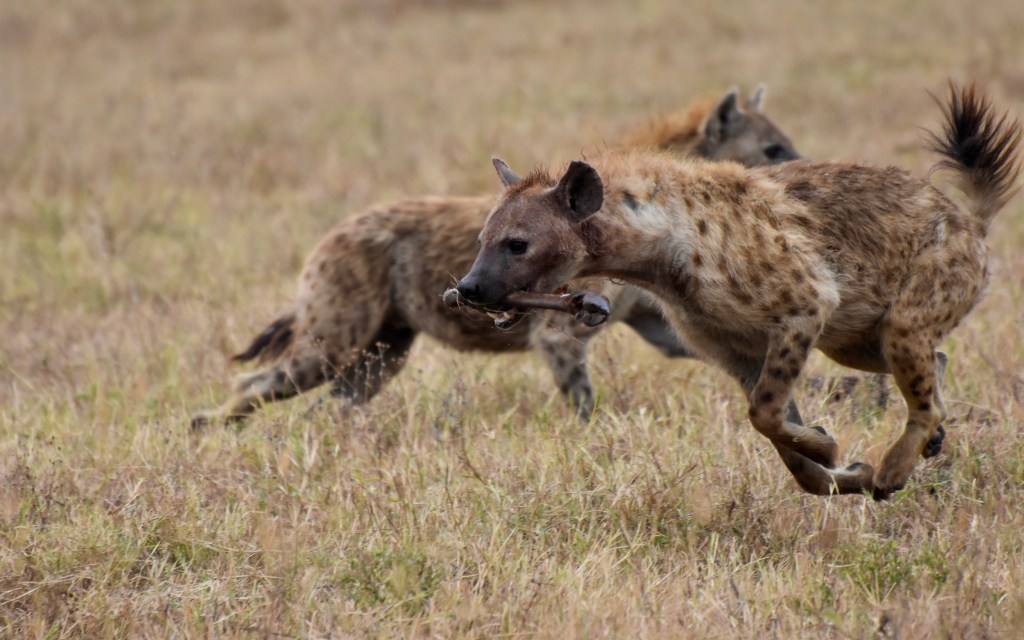
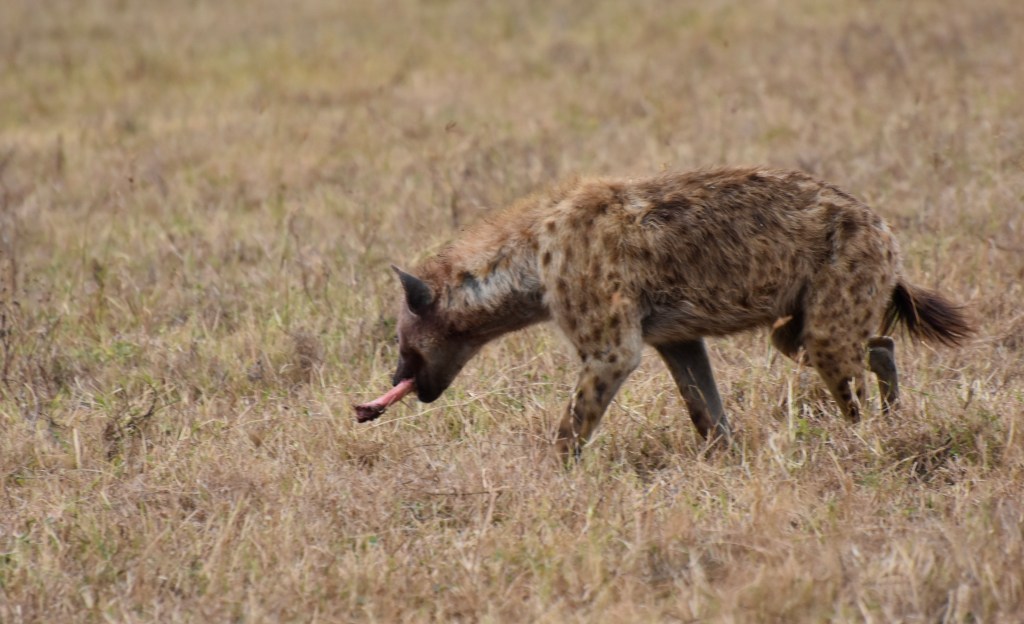
Hyenas are the garbage disposal of the savanna – they eat absolutely everything right down to the bones. Pack animals to the core, they steal or kill their next meal as a pack. But once the food is secure, it’s every hyena for themself. They attack the kill, tearing off a piece and then sprinting away about 30 yards to devour it. Then the run full speed back to the kill for another bite. It’s wild aggressive manic animalistic – and fascinating to observe.
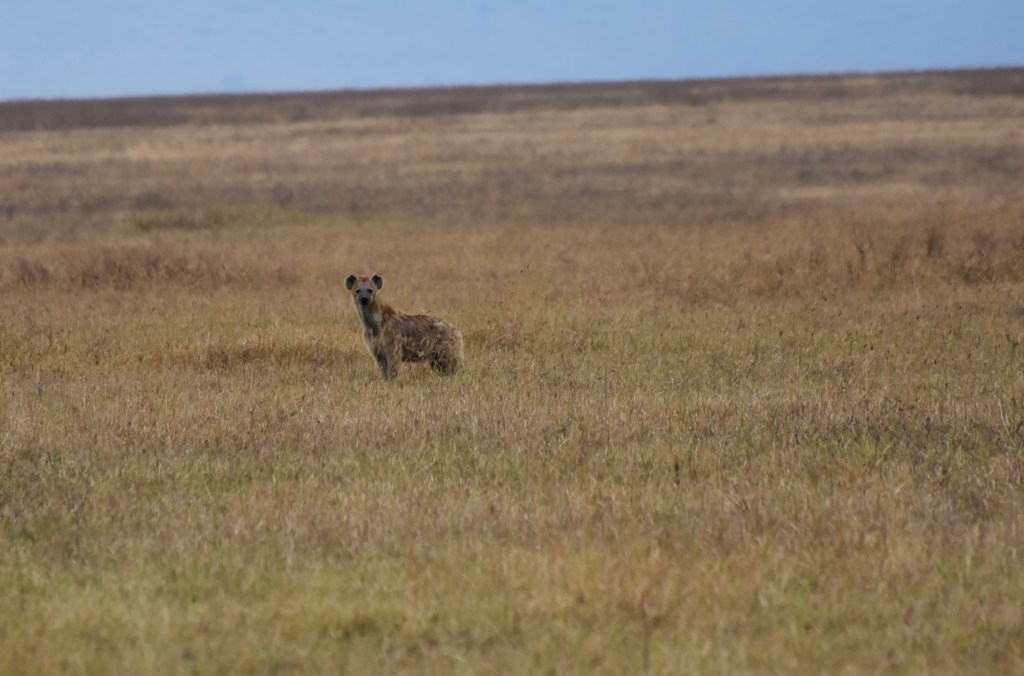
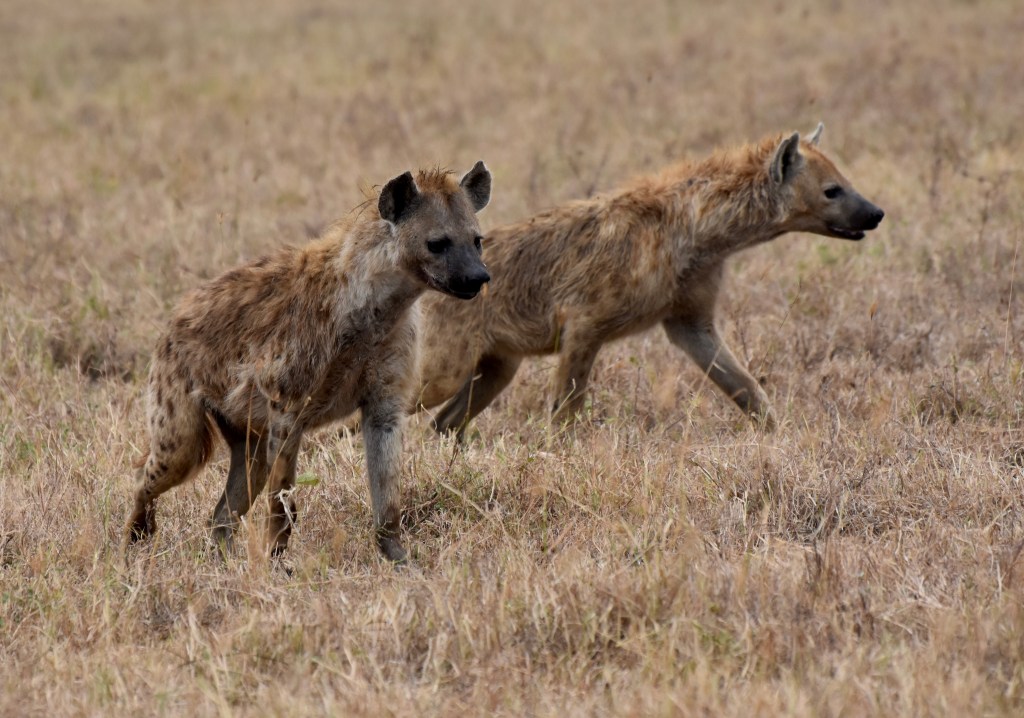

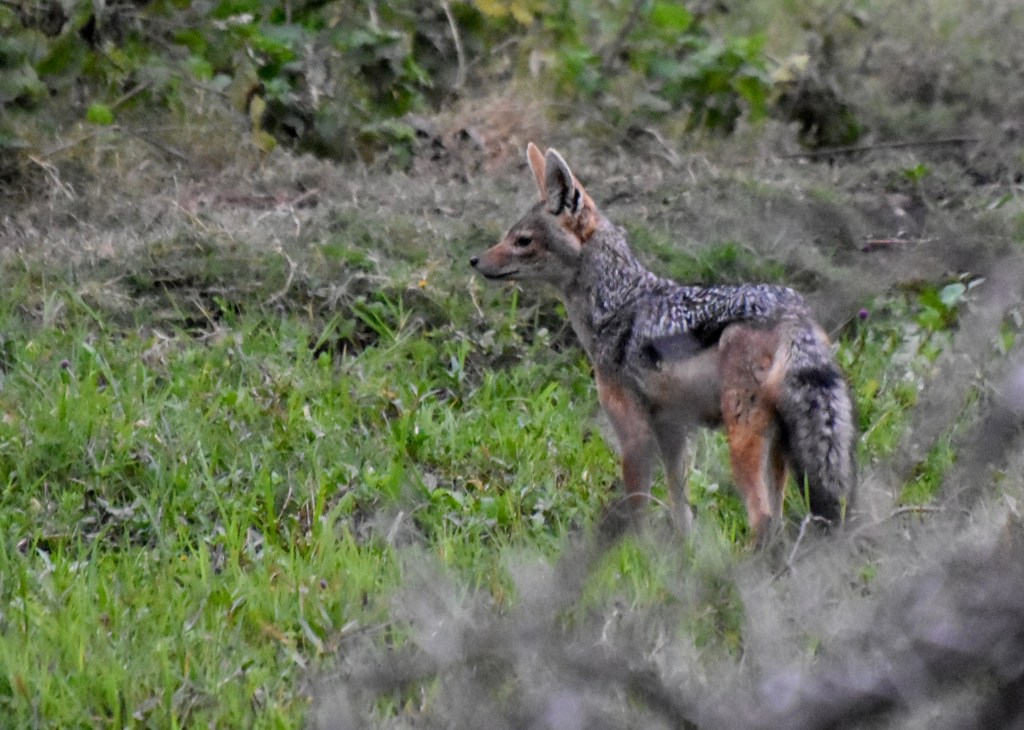
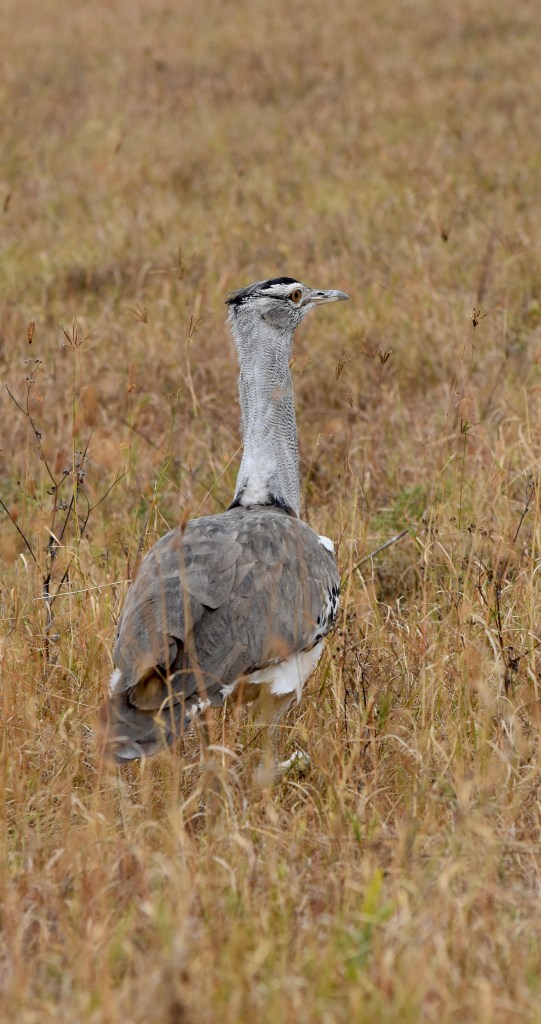
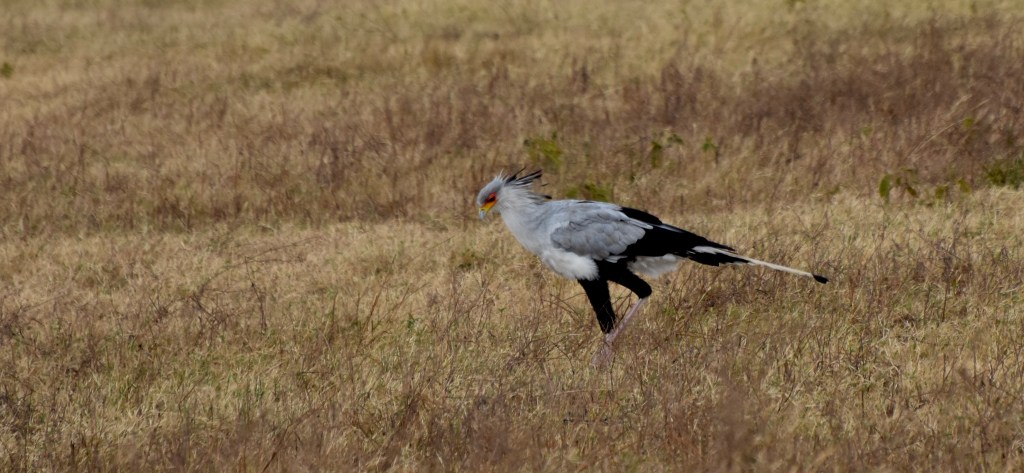

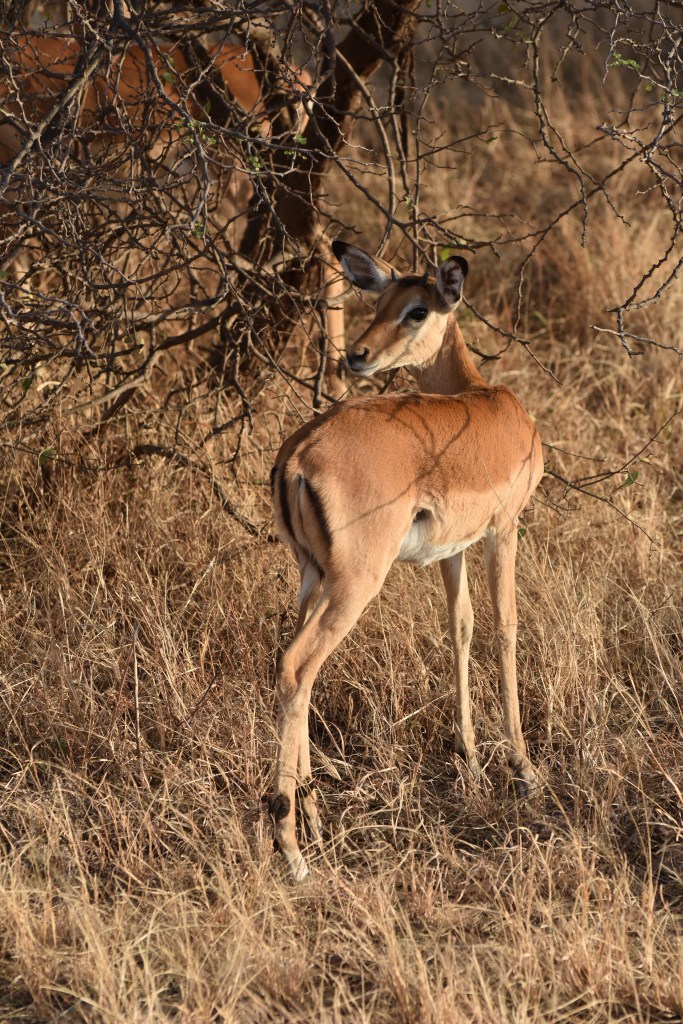
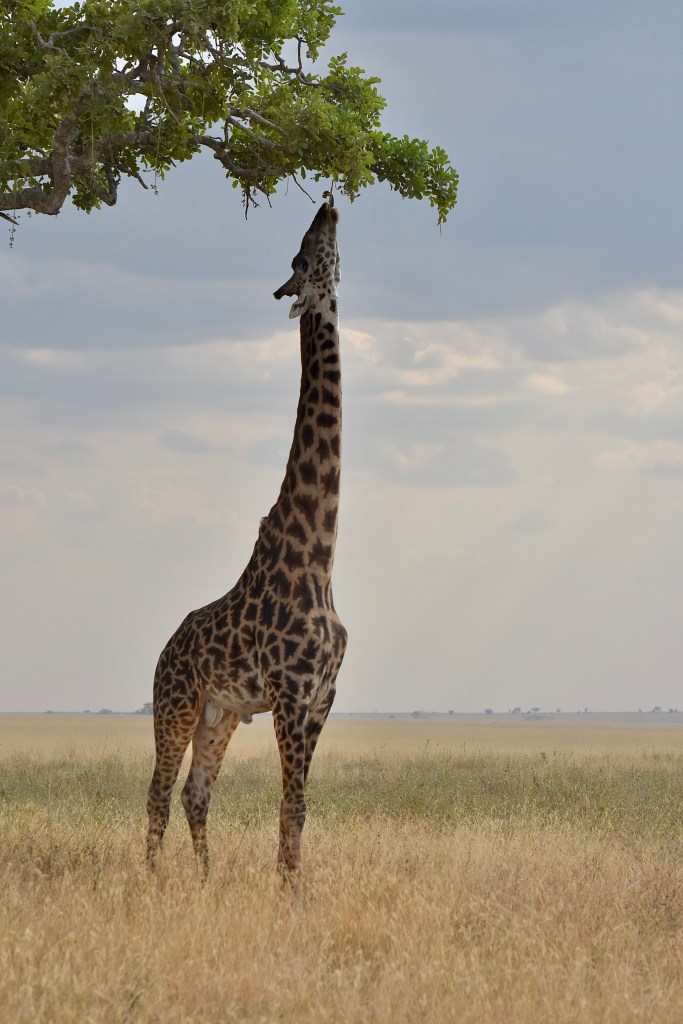
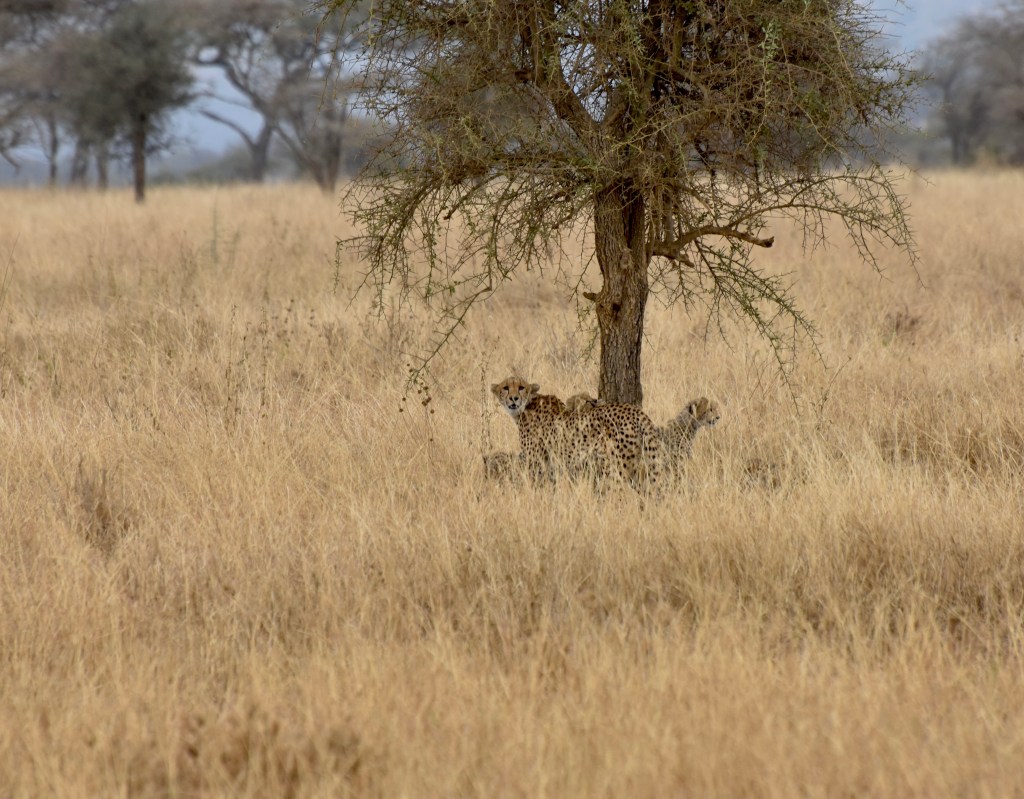
Tanzania has set aside an astonishing 40% of its land area for wildlife in the form of national parks and conservation areas. Likely the most famous is the Serengeti, a vast expanse of grassland savannas and arbored forests. The Serengeti is home to 28 hoofed animals and hundreds of bird and insect species – truly an amazing place to explore and observe wildlife in the most natural of habitats.





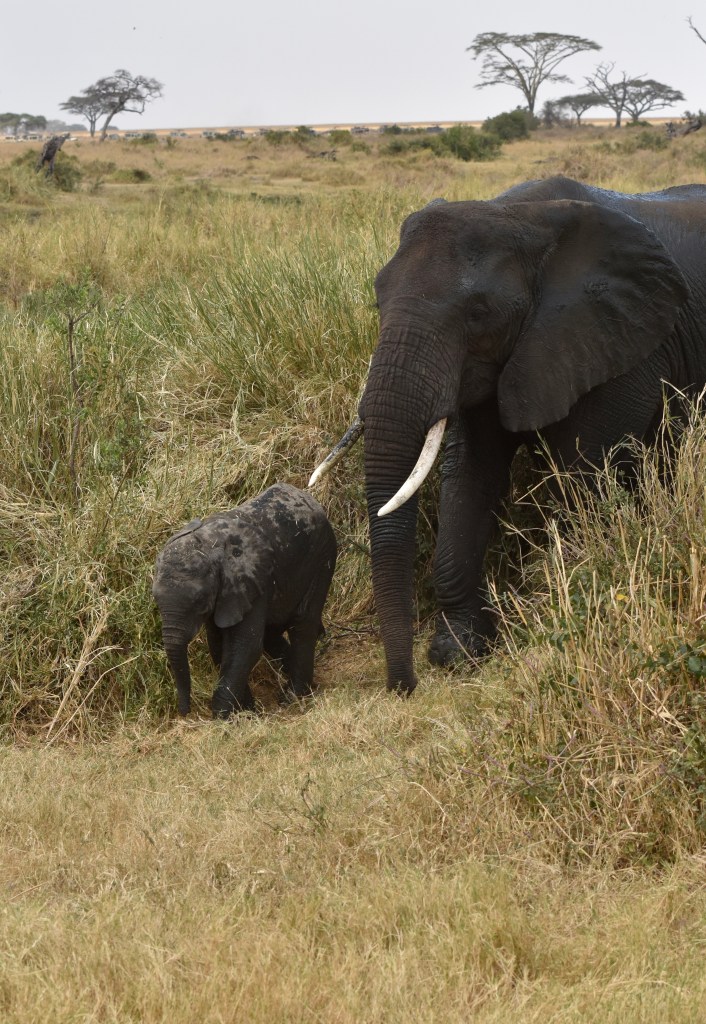


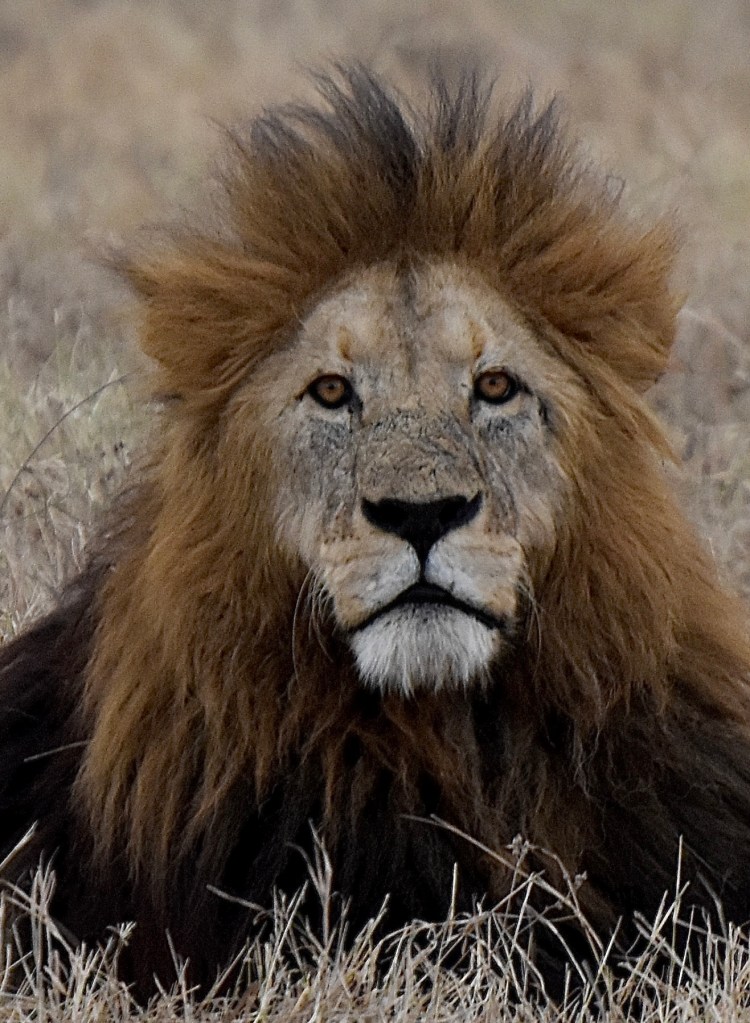
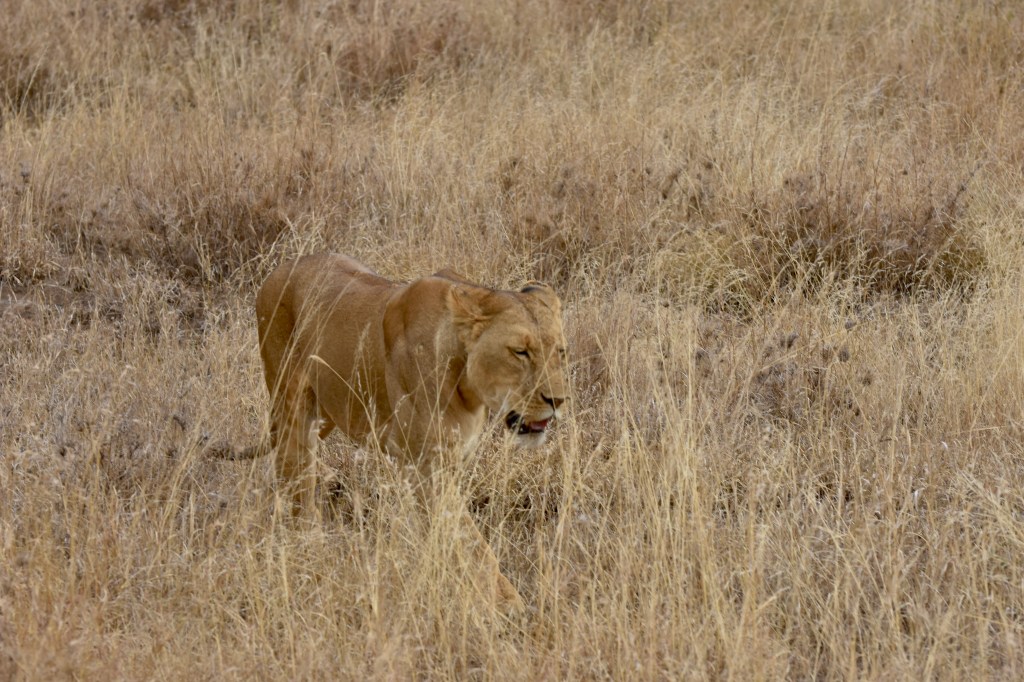
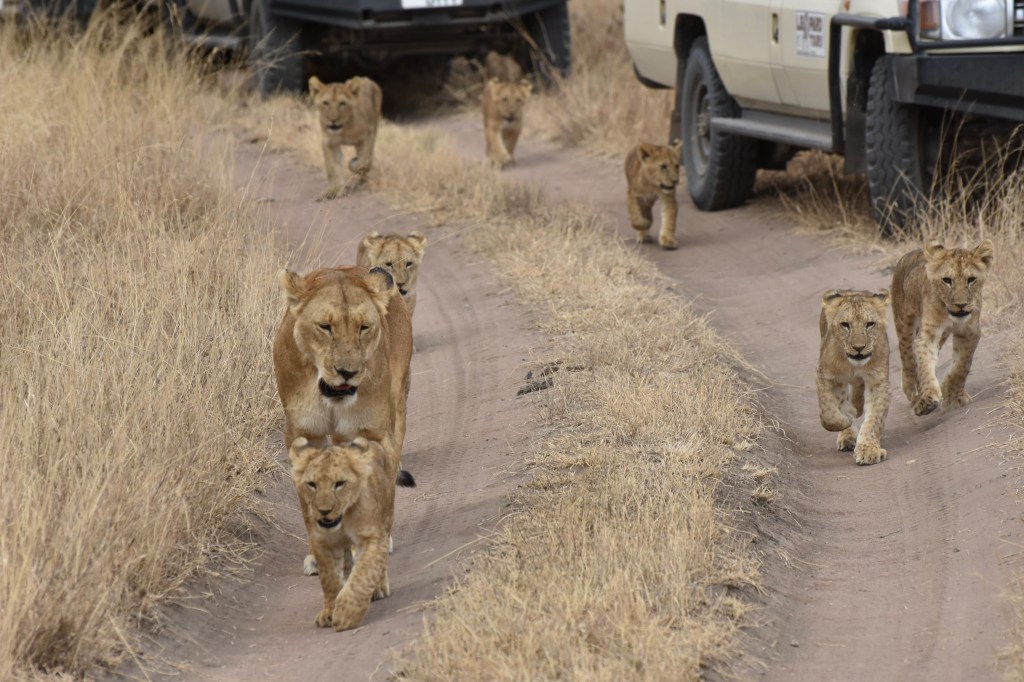
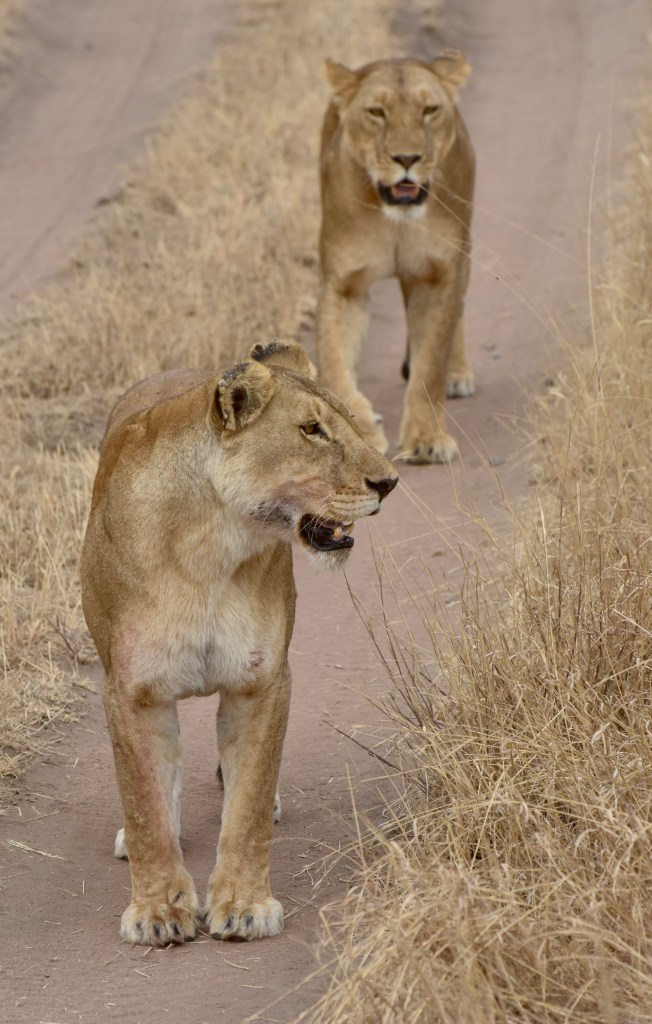
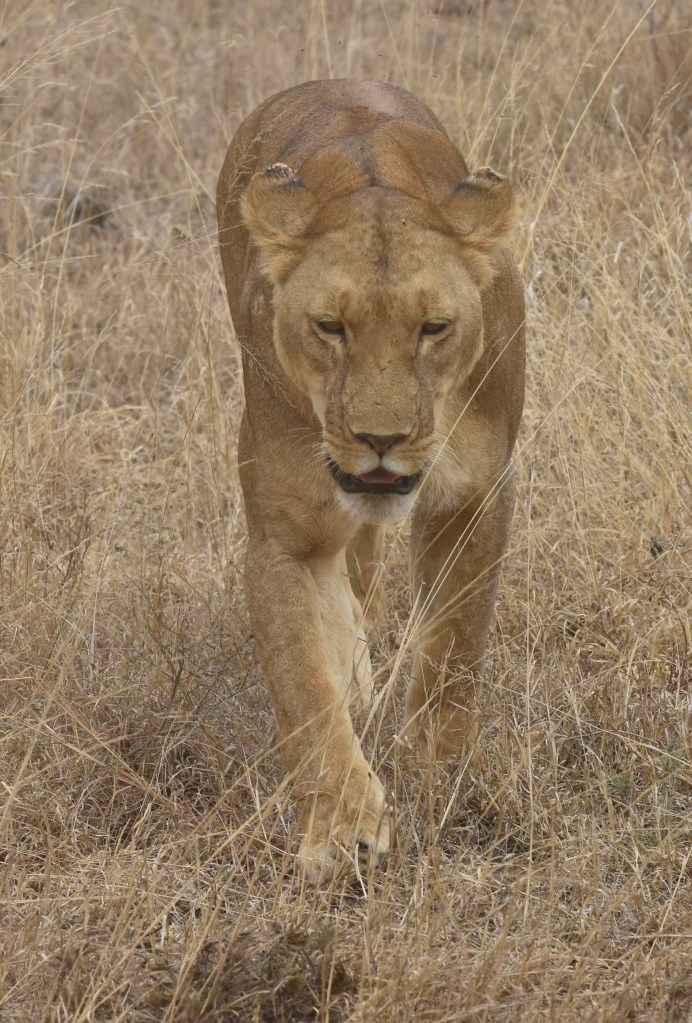
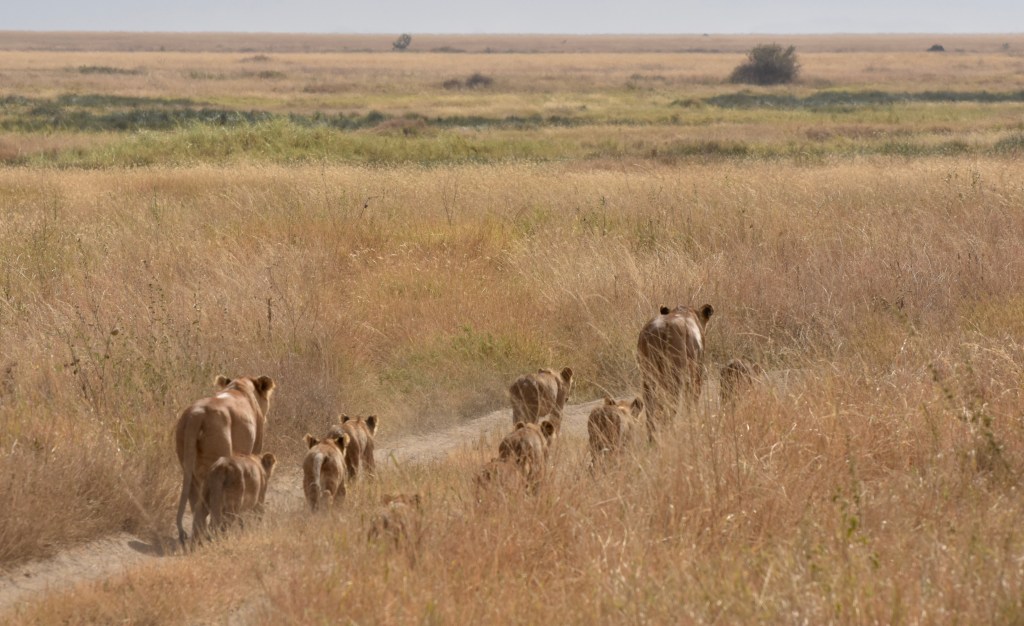
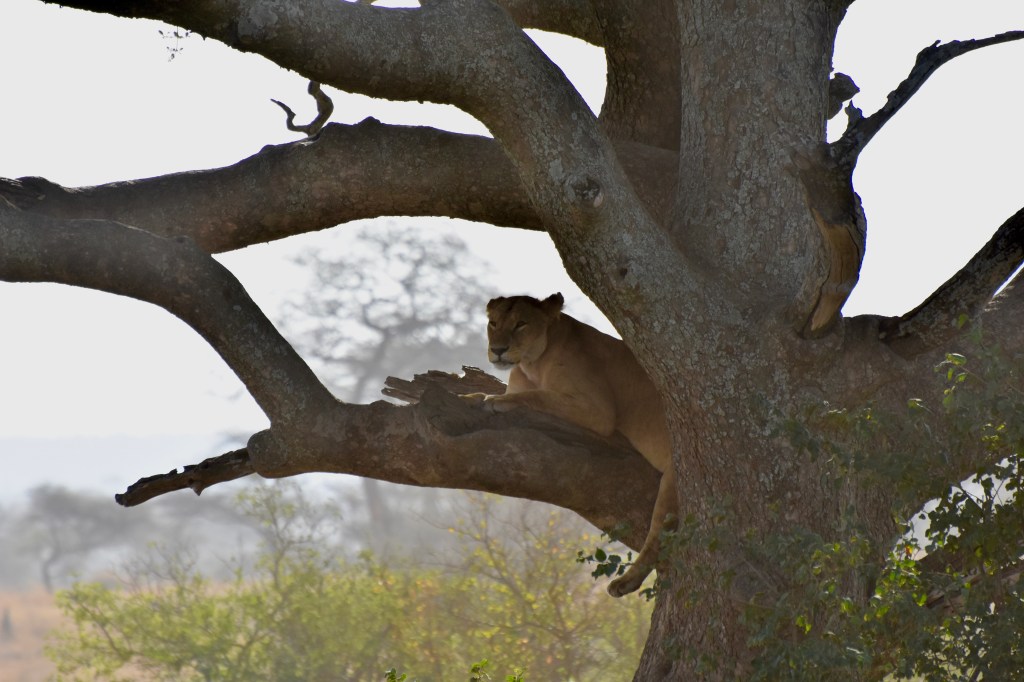
Here’s an interesting series of lion images – they’re in charge and they know it from early on.






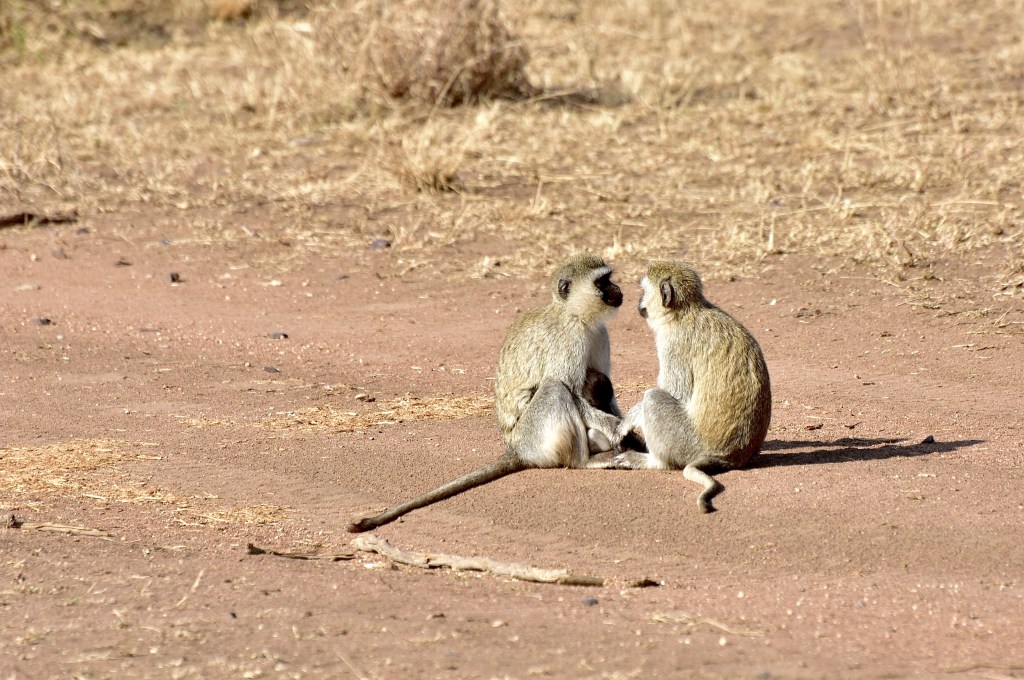
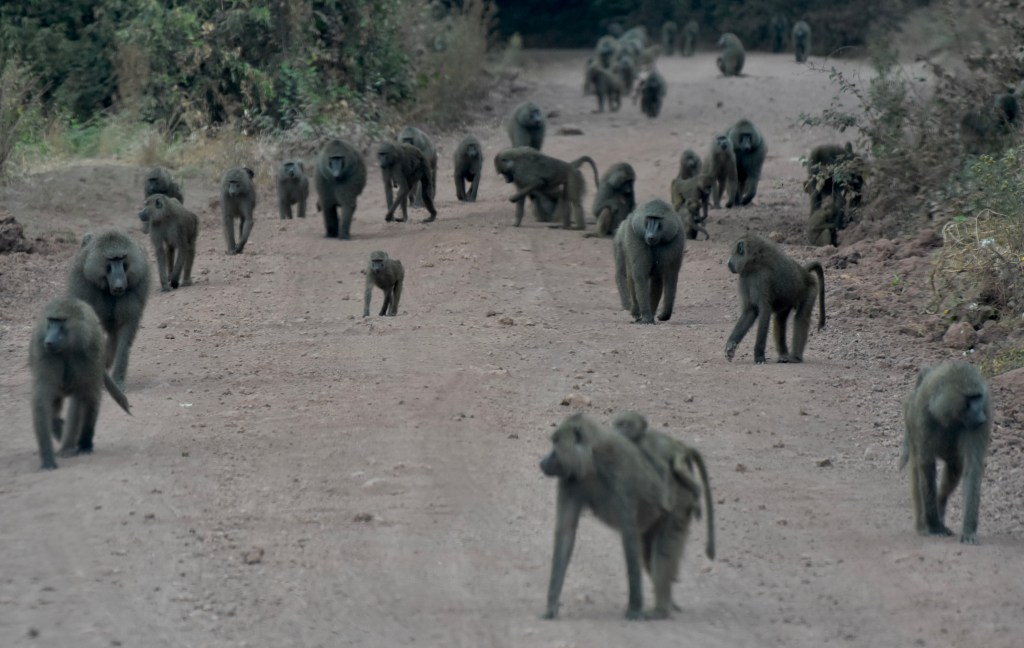
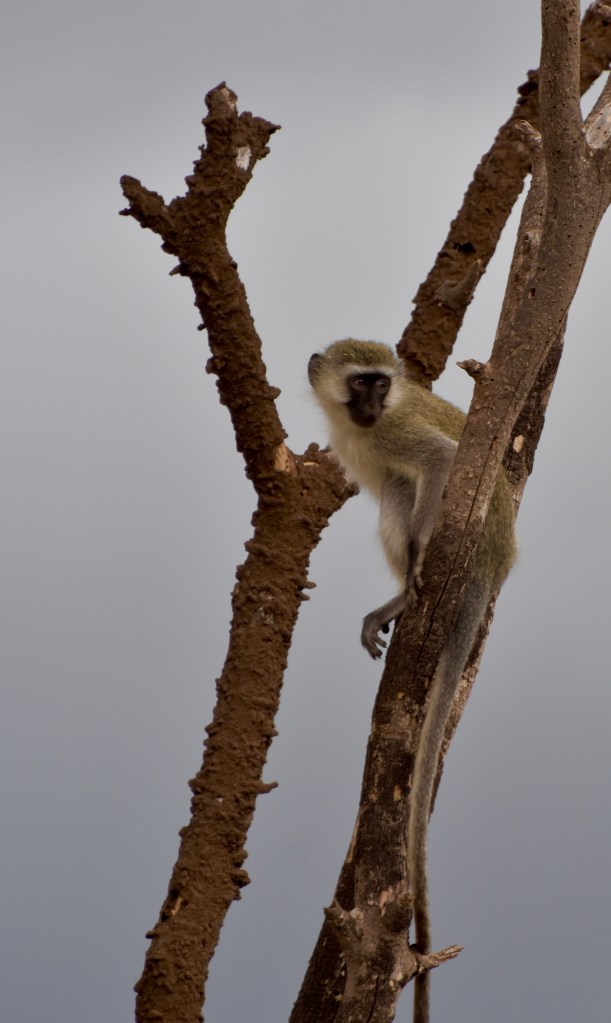
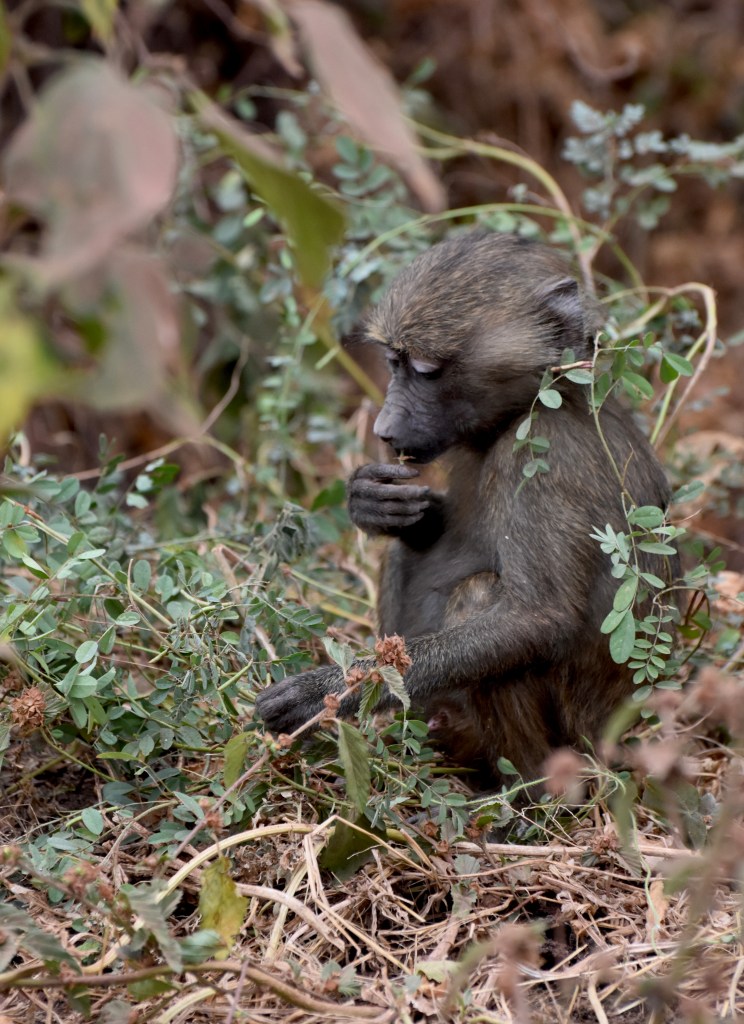
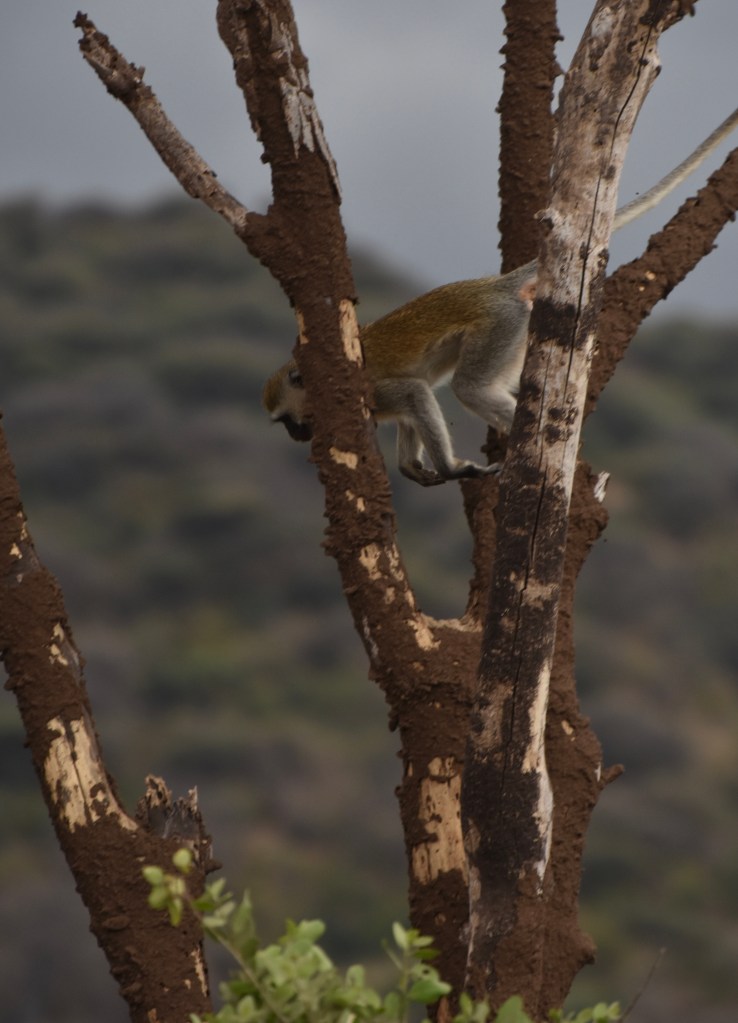
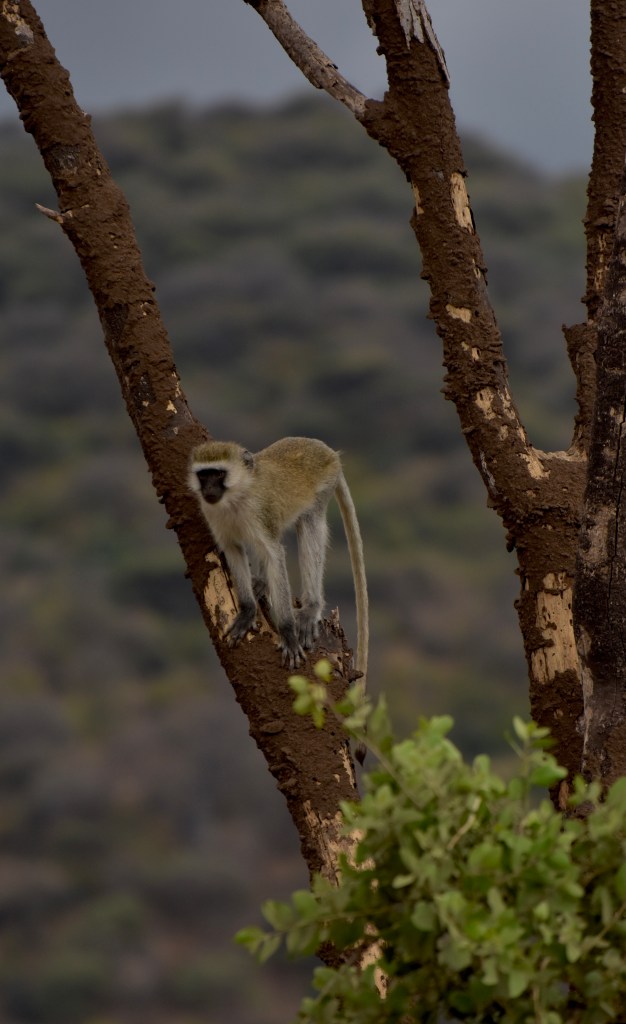
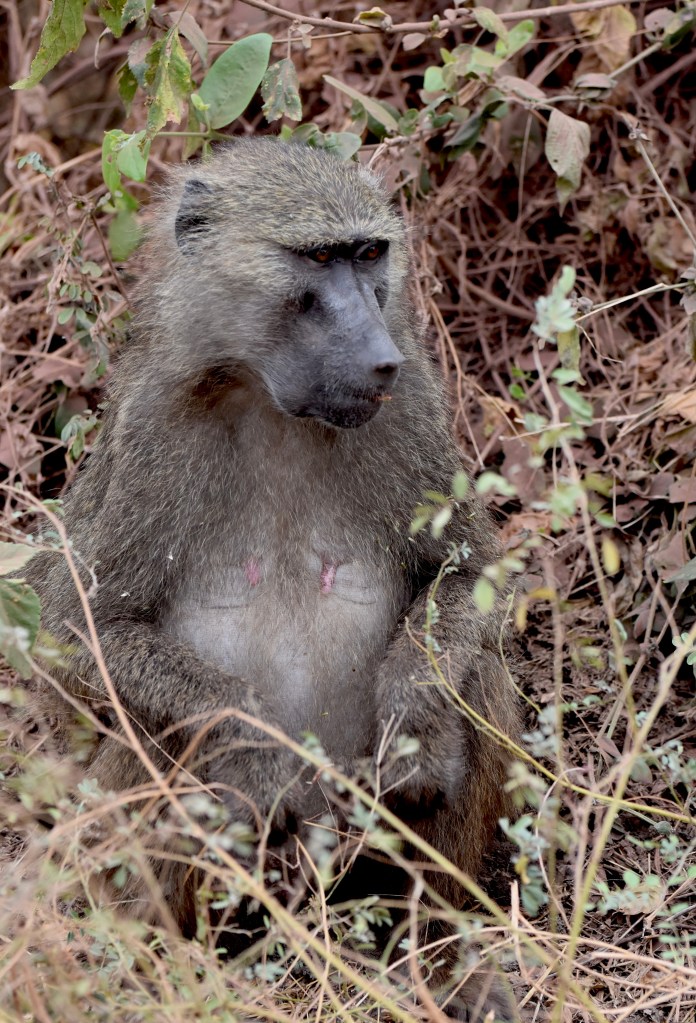
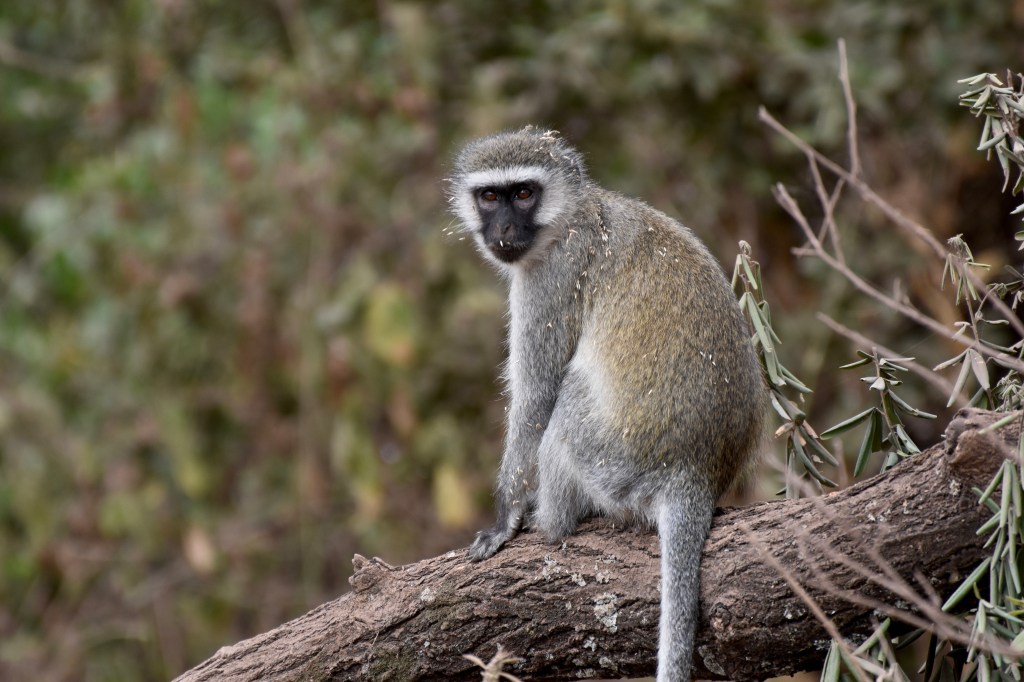
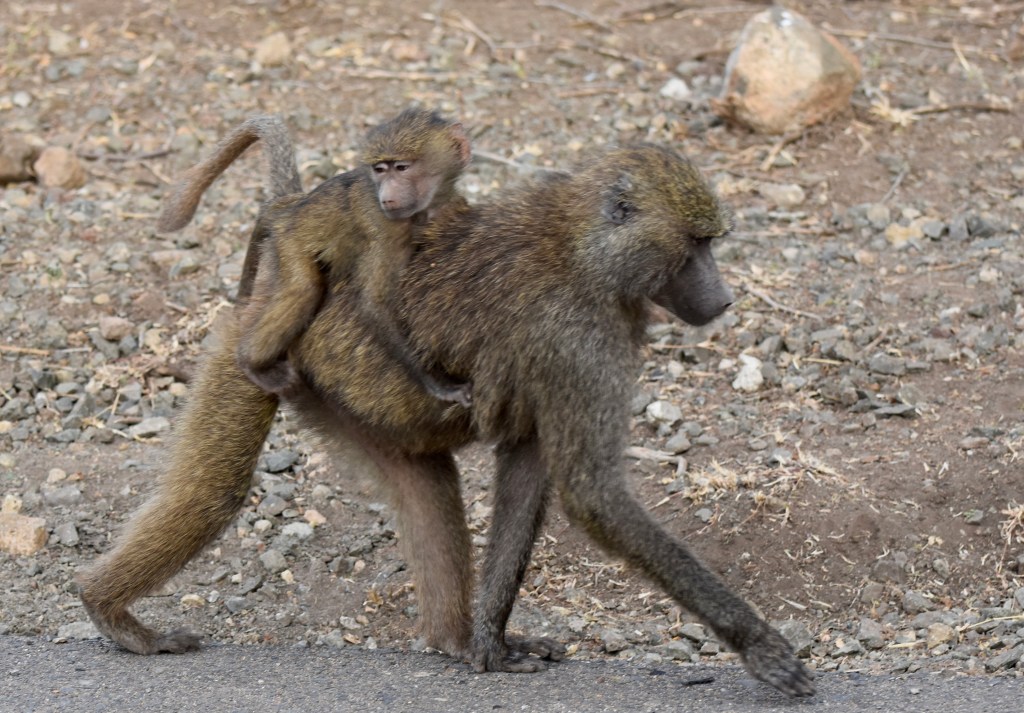
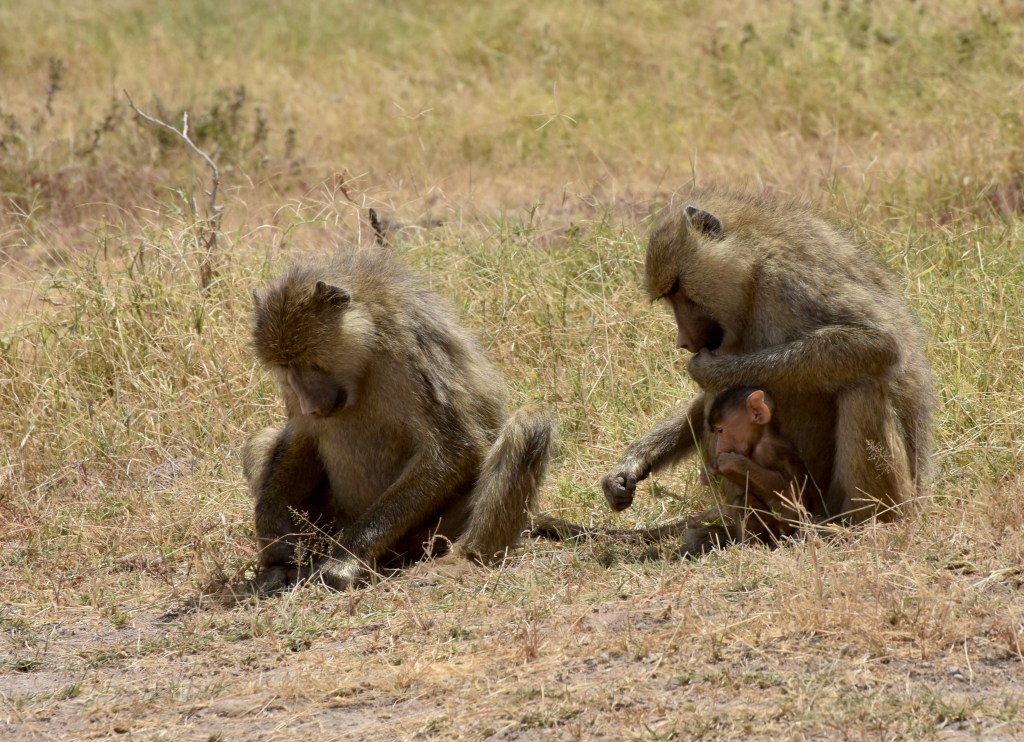
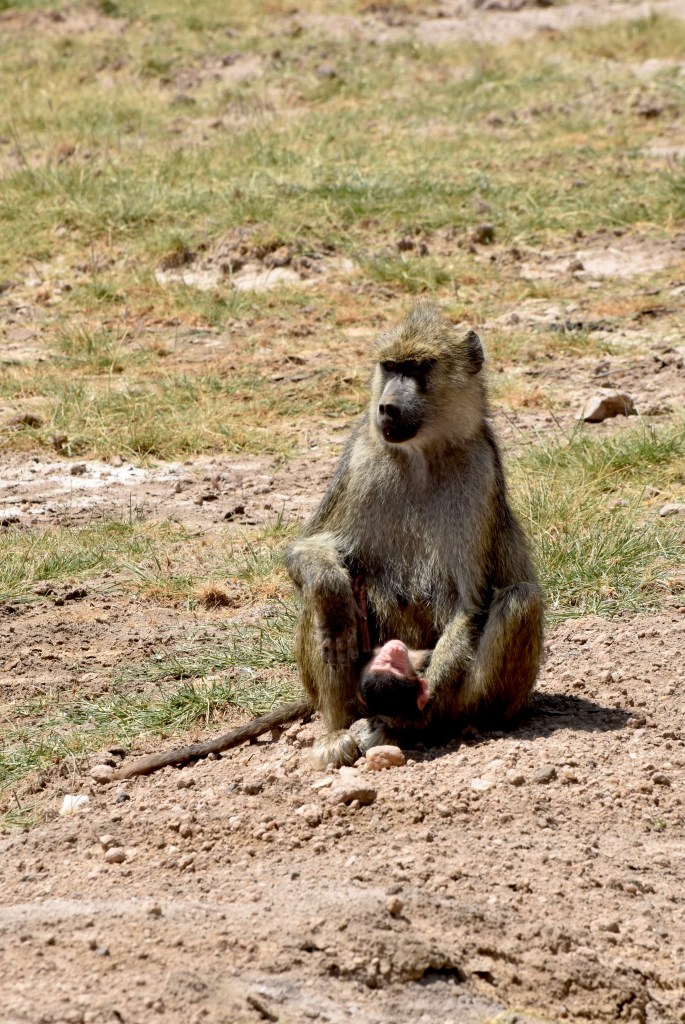
Leaving Amboseli and entering Tanzania, we spent an evening at Lake Maynara which is home to a number of baboons and monkeys, all of whom were very comfortable with us being nearby and also very photogenic.
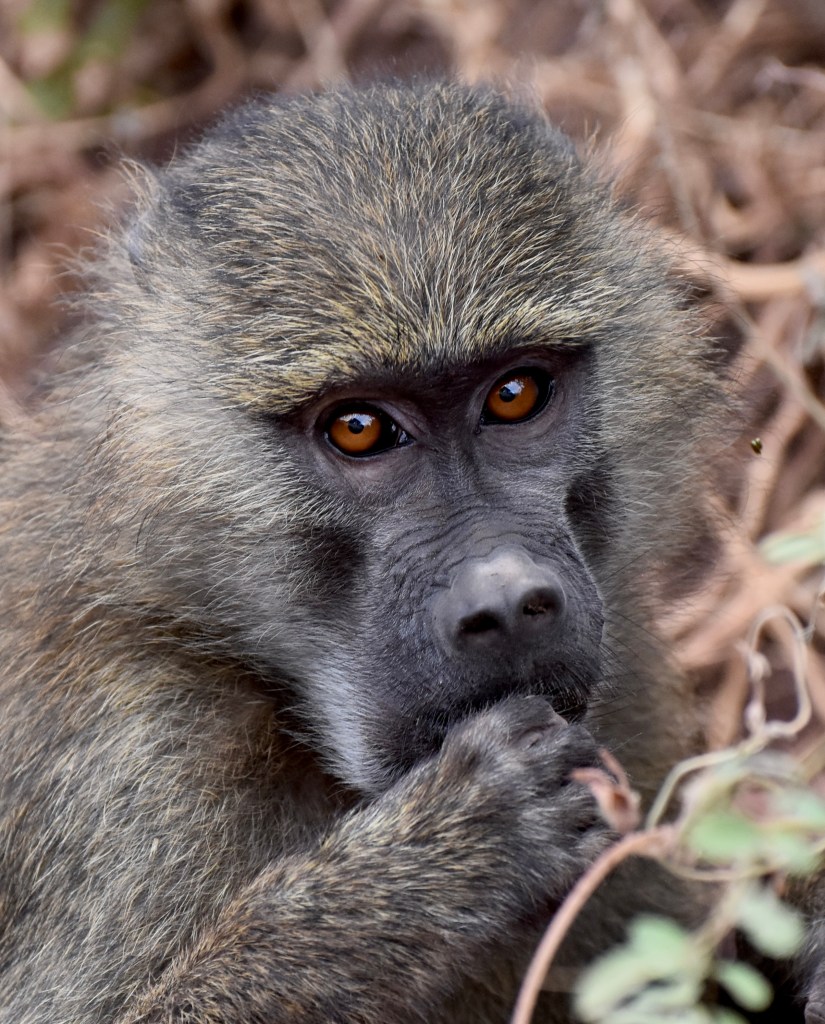
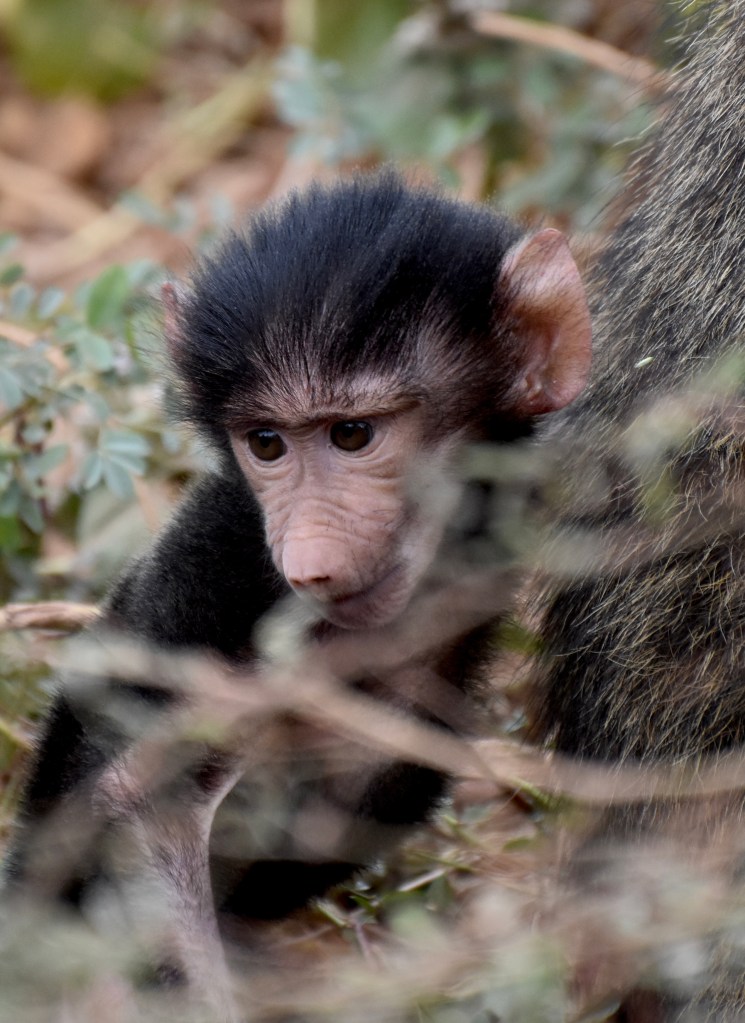
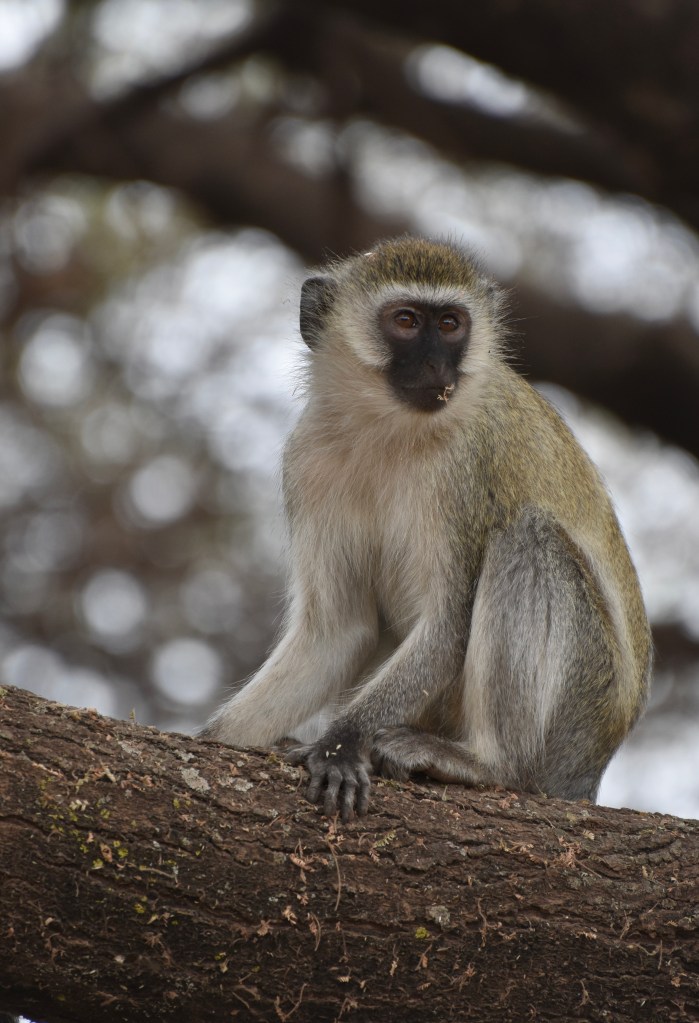
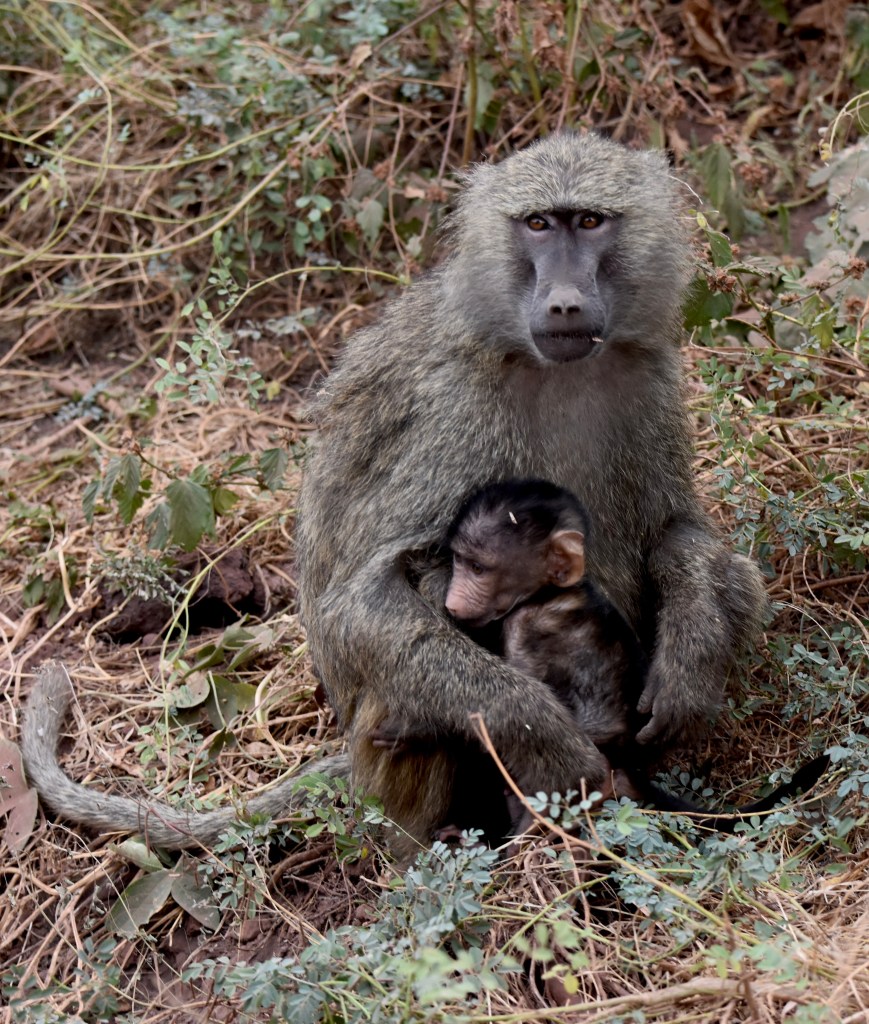

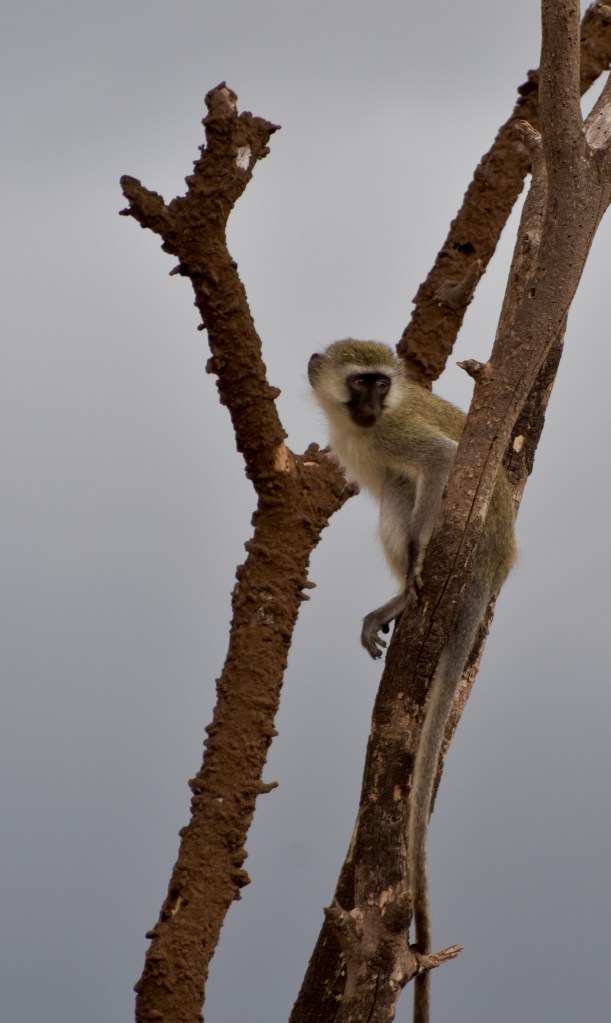
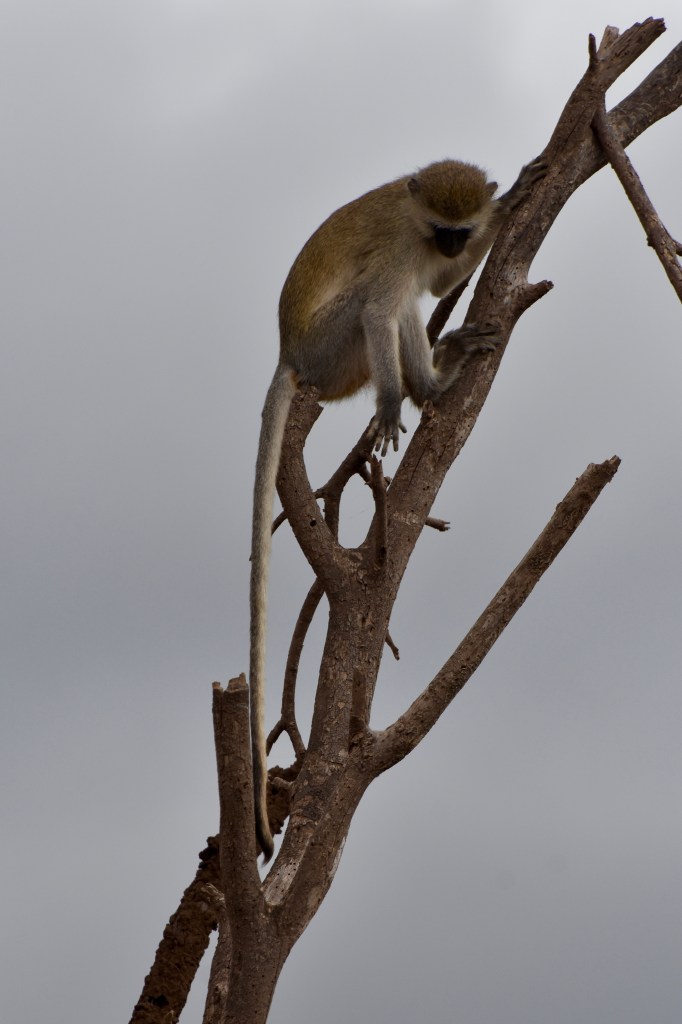
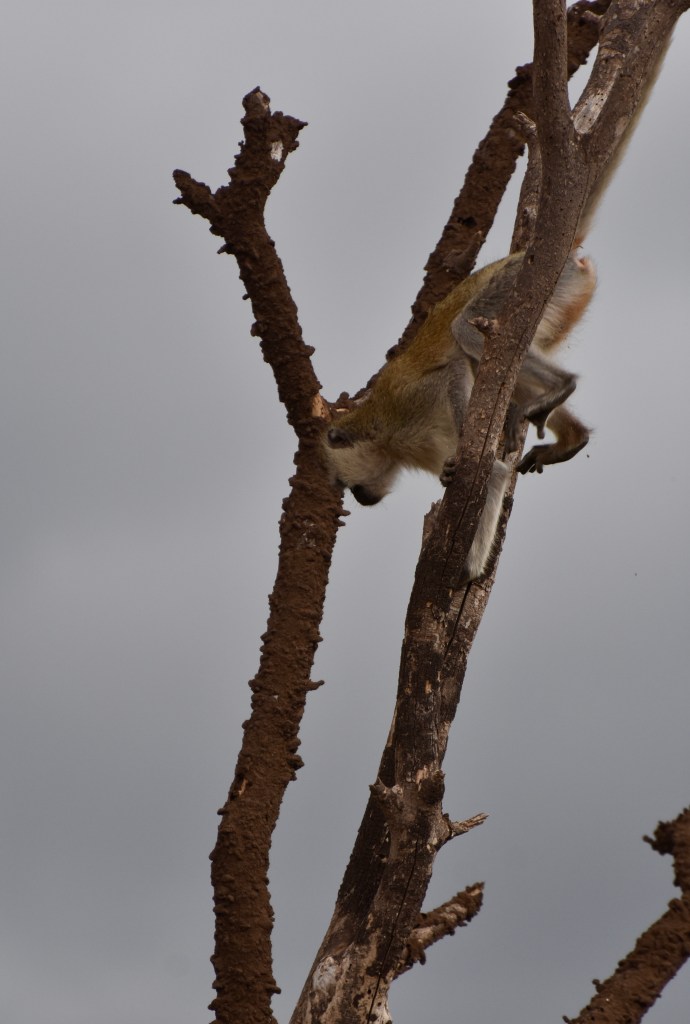
A tree jumping sequence follows. The monkey made it to the top but ran out of tree branches….
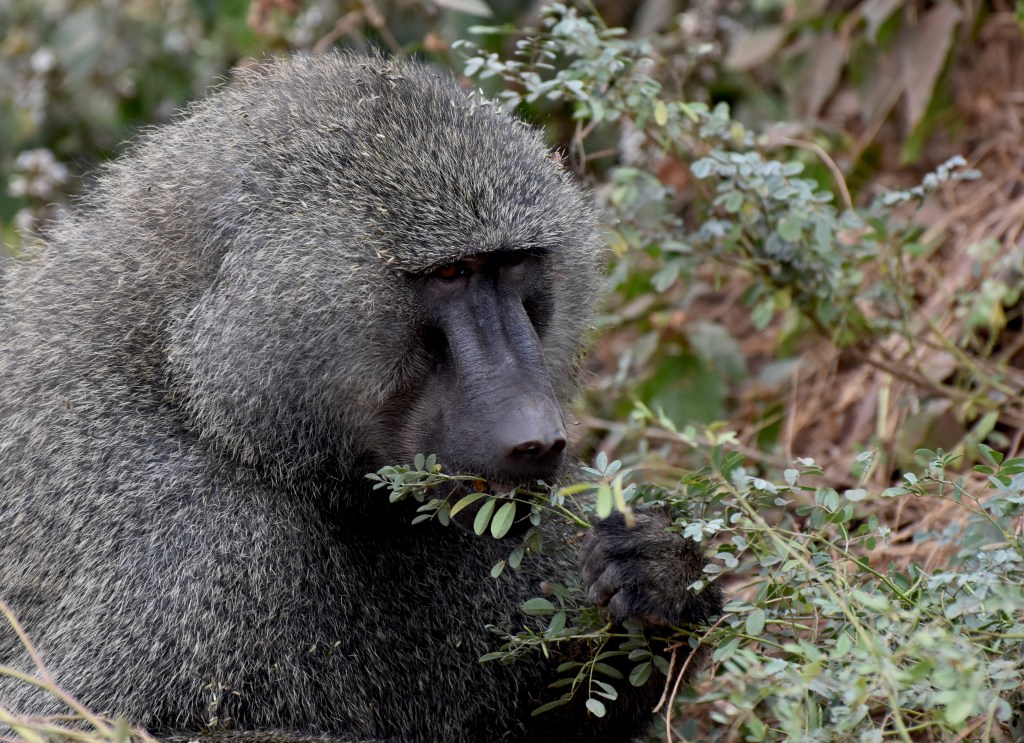

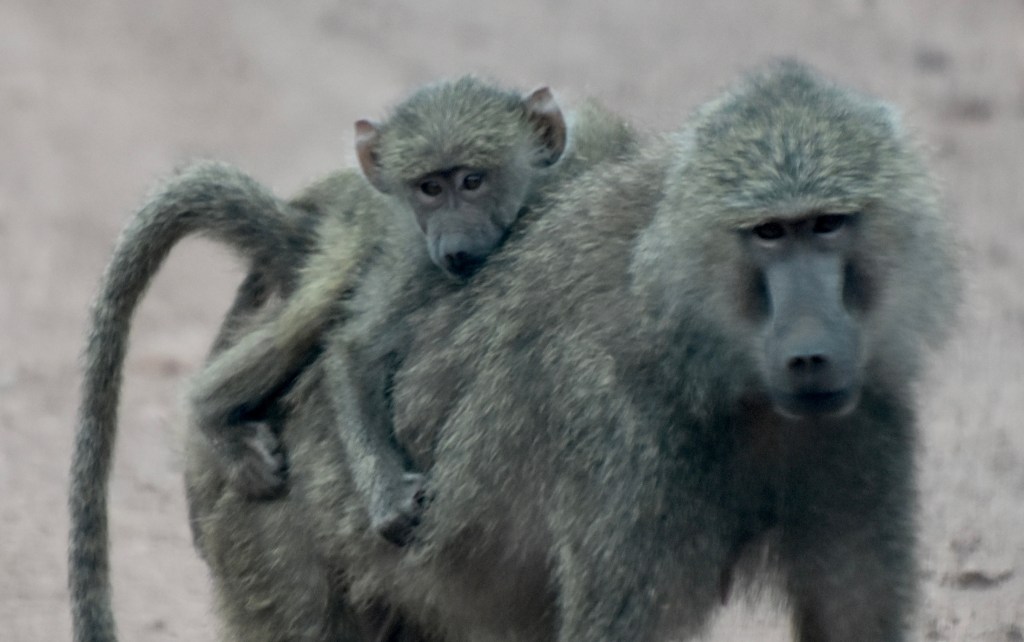
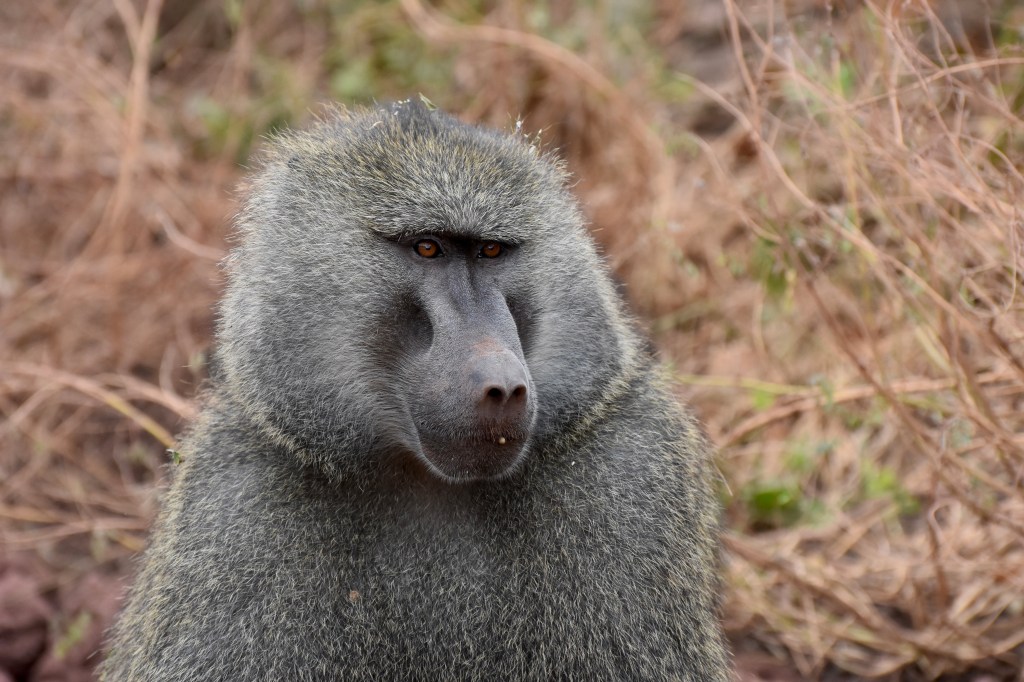
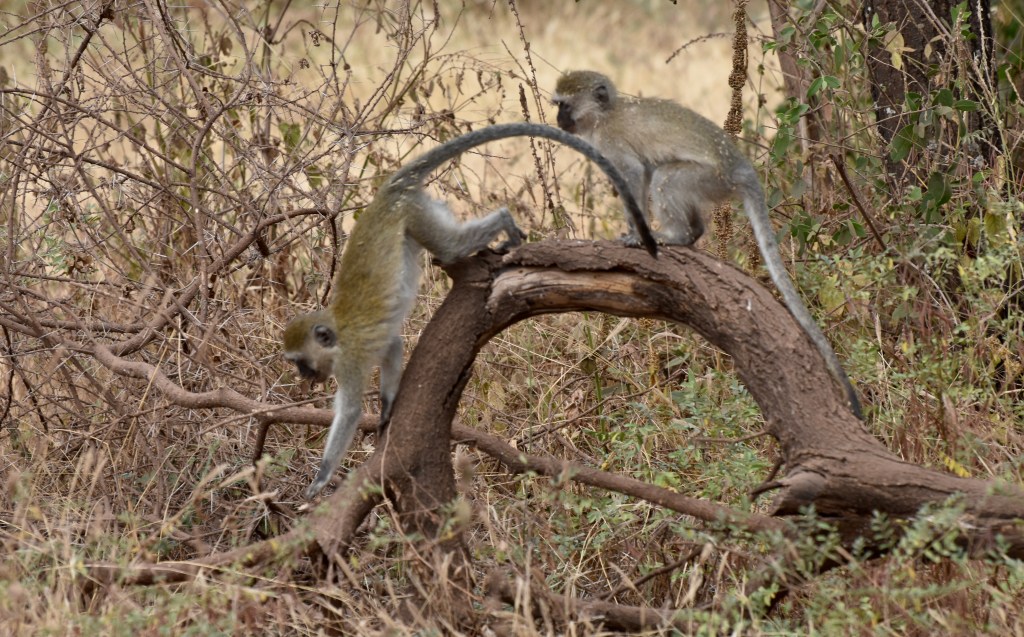


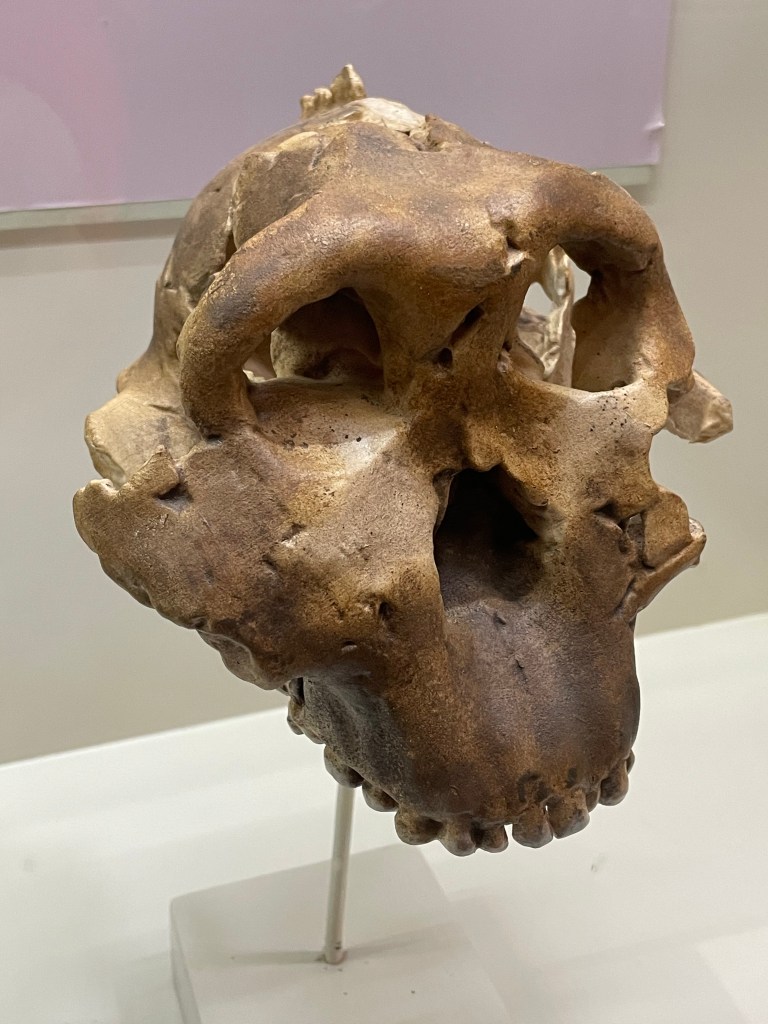
It was only appropriate to follow this up with a visit to the world renowned Olduvai Gorge, the excavation site in Tanzania where Mary and Louis Leakey spent 50+ years on an archaeological dig that validated and documented the evolution of our species from Homo erectus to Homo sapiens, including the fossils of Lucy.
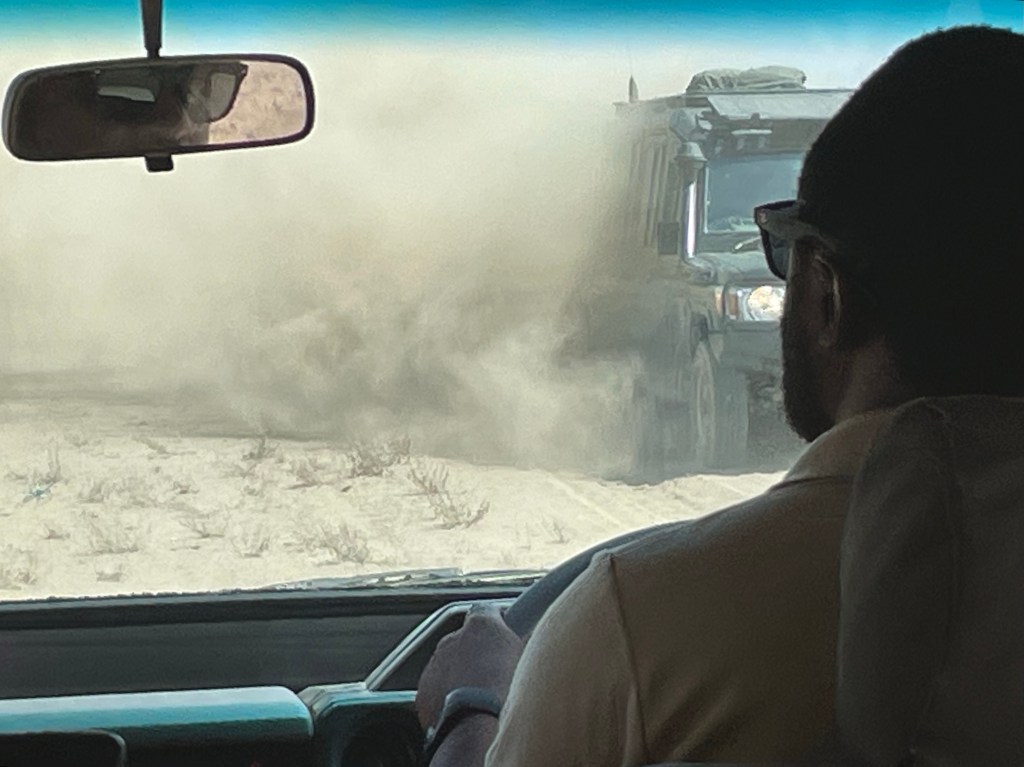
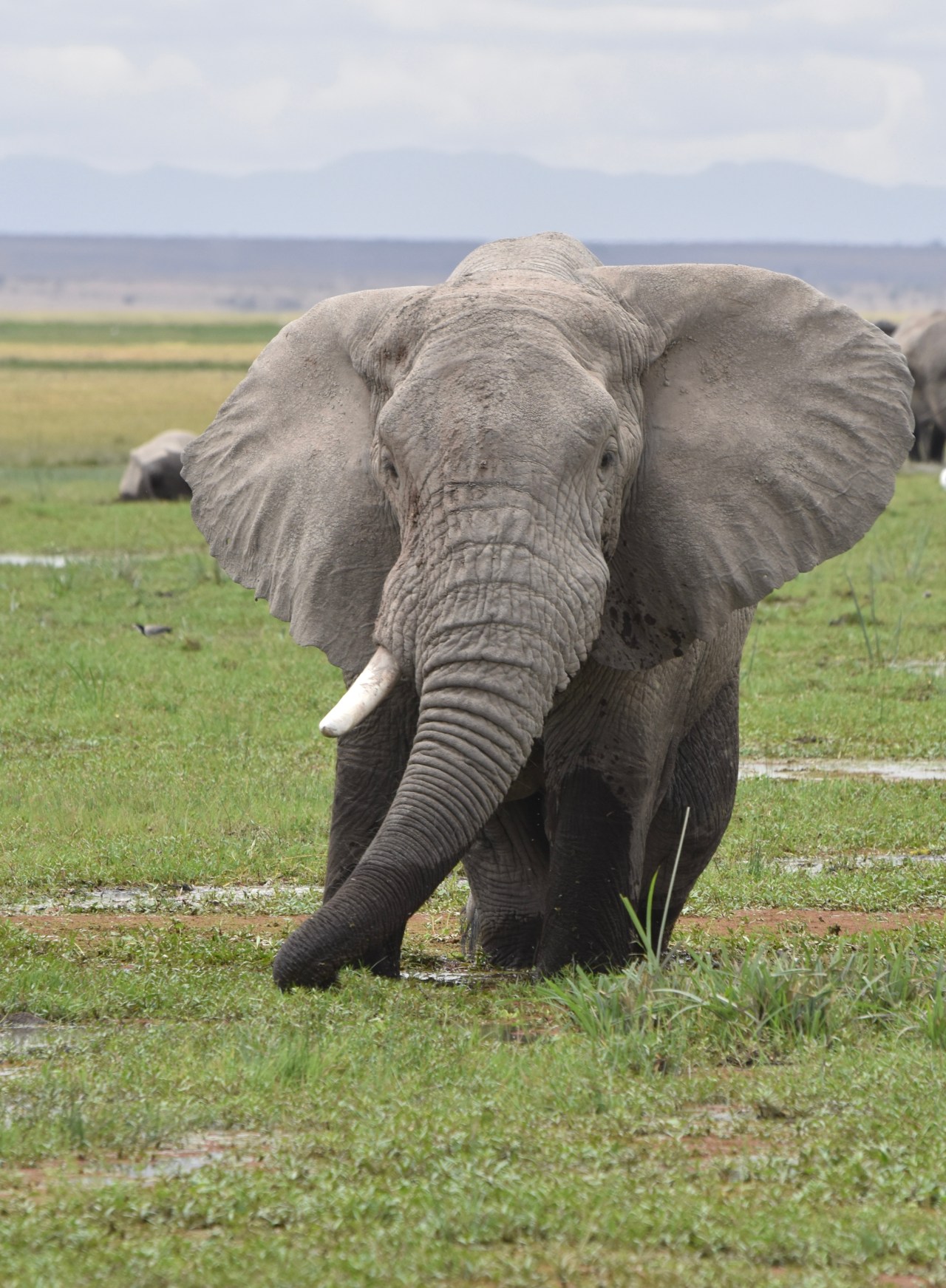
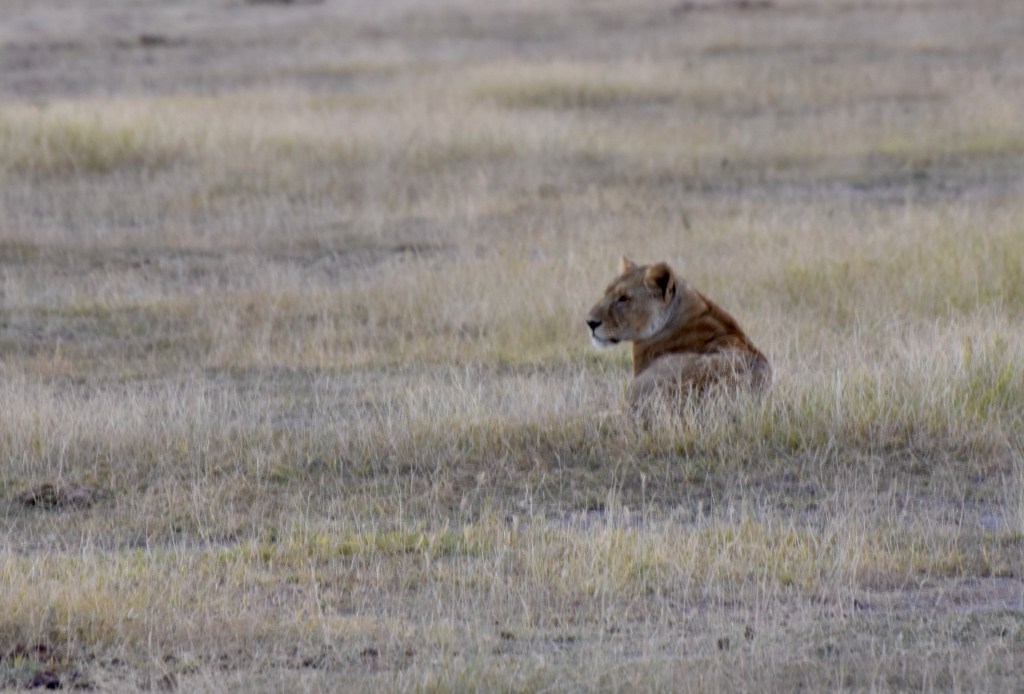
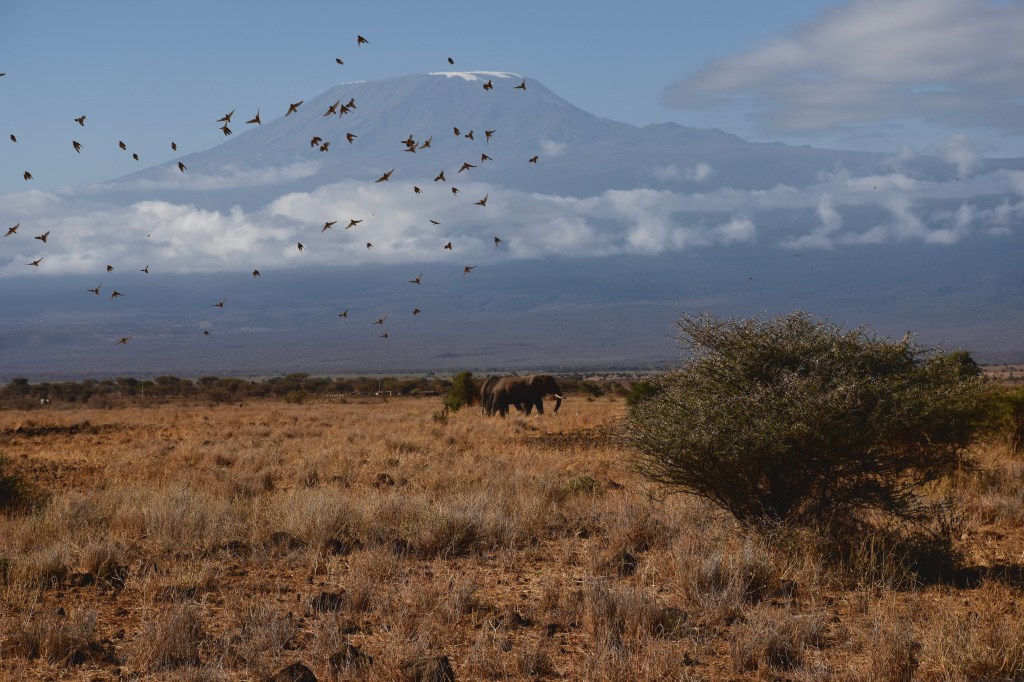
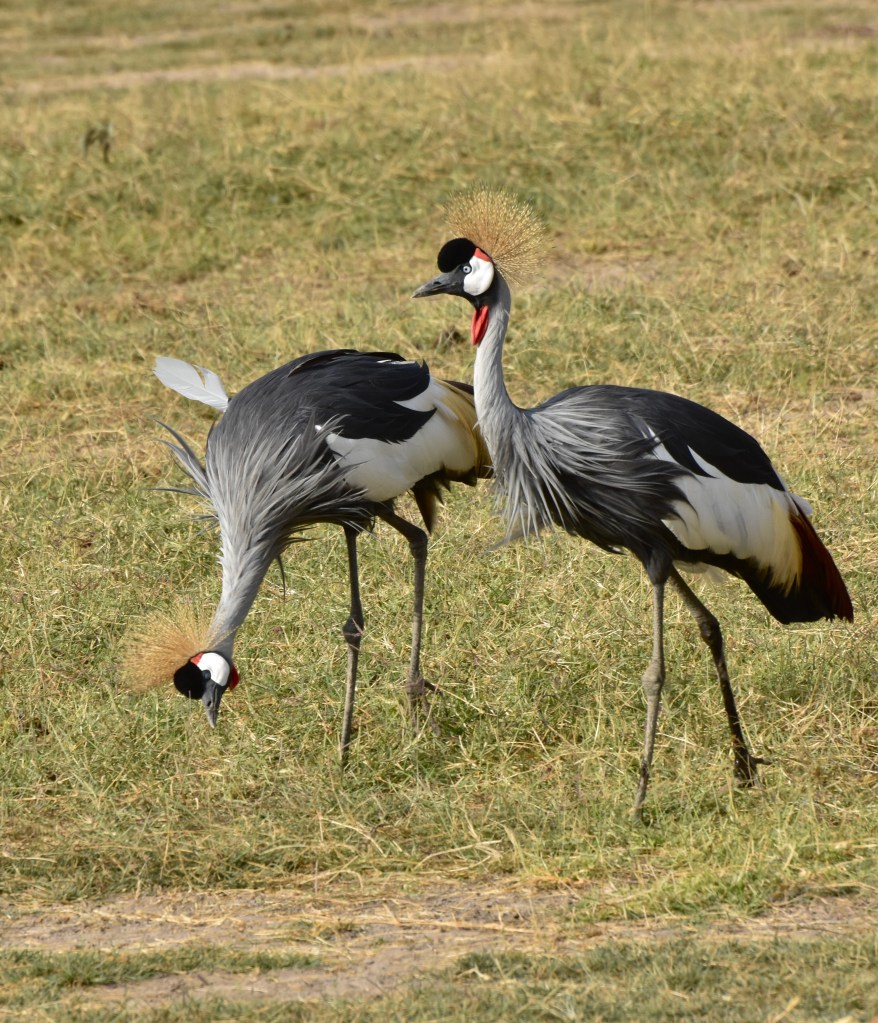
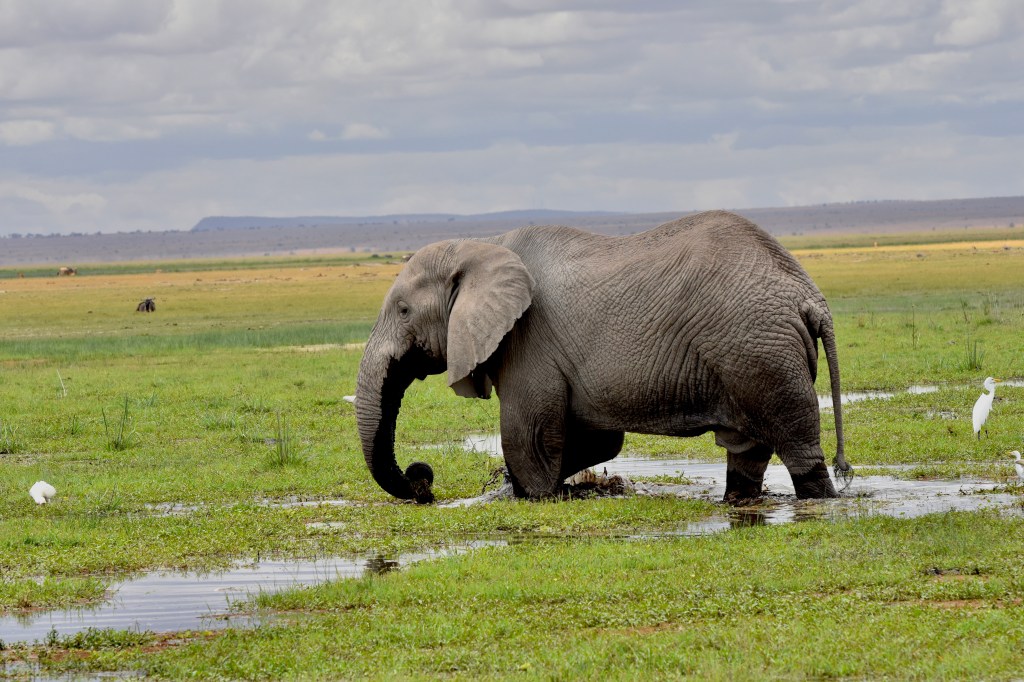
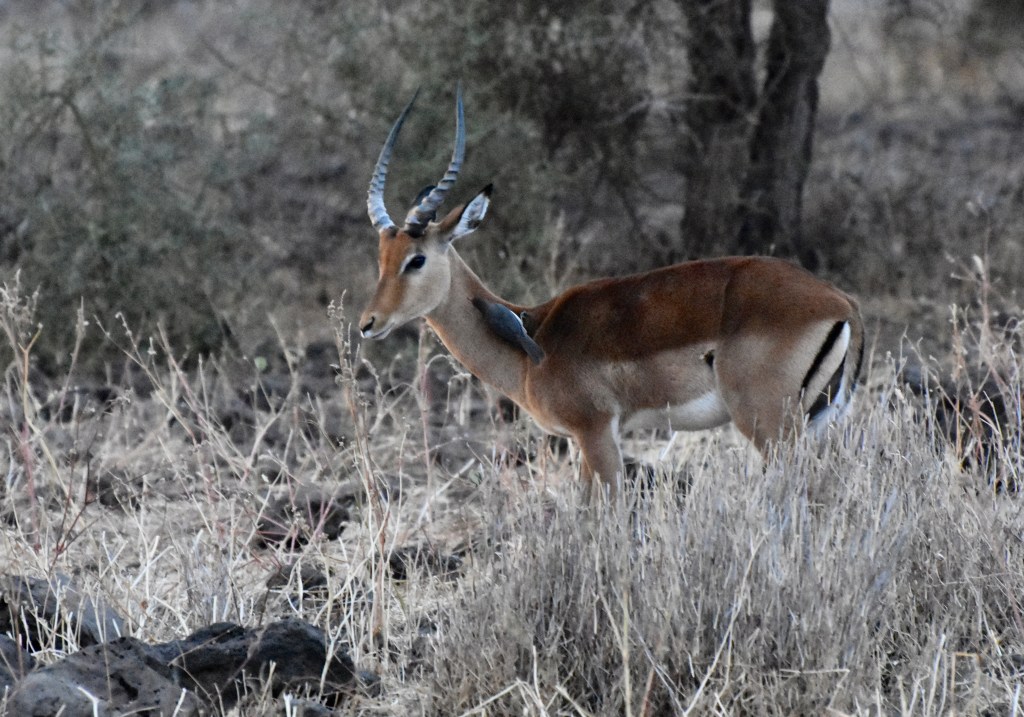
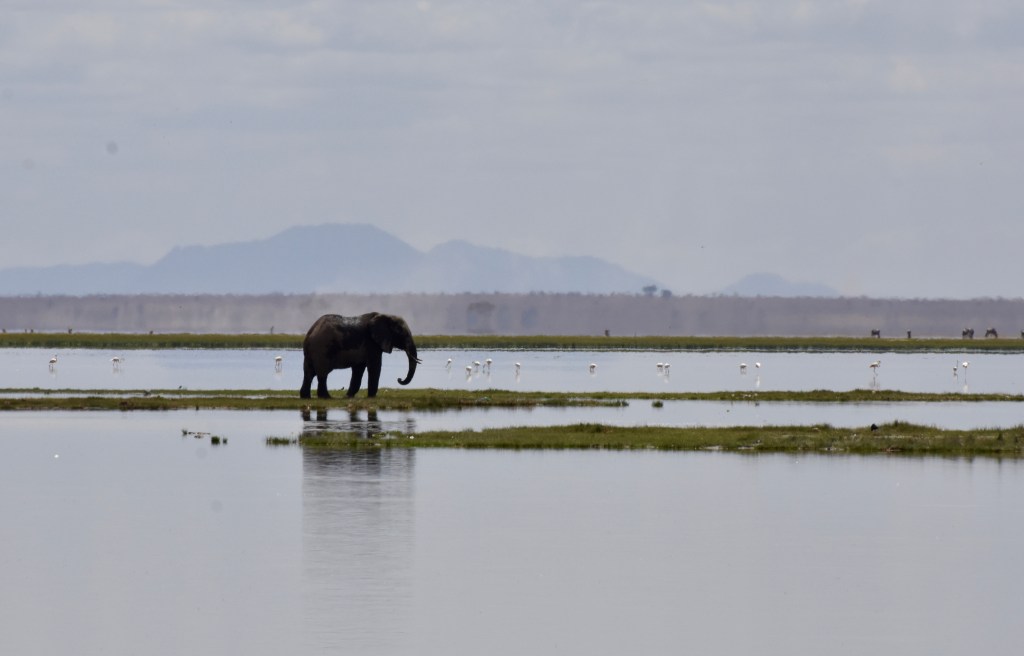
Leaving Nairobi before sunrise on a cool, overcast Sunday morning, we headed south on the road to Mombasa, then after a couple hours we turned onto a washboard gravel road. Traveling at 80 klicks, we experienced our first free Kenyan massage inside the 8 person Land Cruiser. But arriving at Amboseli National Park in the shadow of Mt. Kilimanjaro was well worth it as the park was teeming with wildlife.










Jomo Kenyatta is the father of modern day Kenya, serving as the first President in 1964 when the struggle for independence and self rule meant the end of British East Africa (comprised of Kenya, Tanzania and Uganda) and the beginning of the nation of Kenya. He understood that to unify 42 separate and distinct tribes there needed to be a common language: Swahili. This was necessary because these 42 tribes each have their own language, traditions and customs.
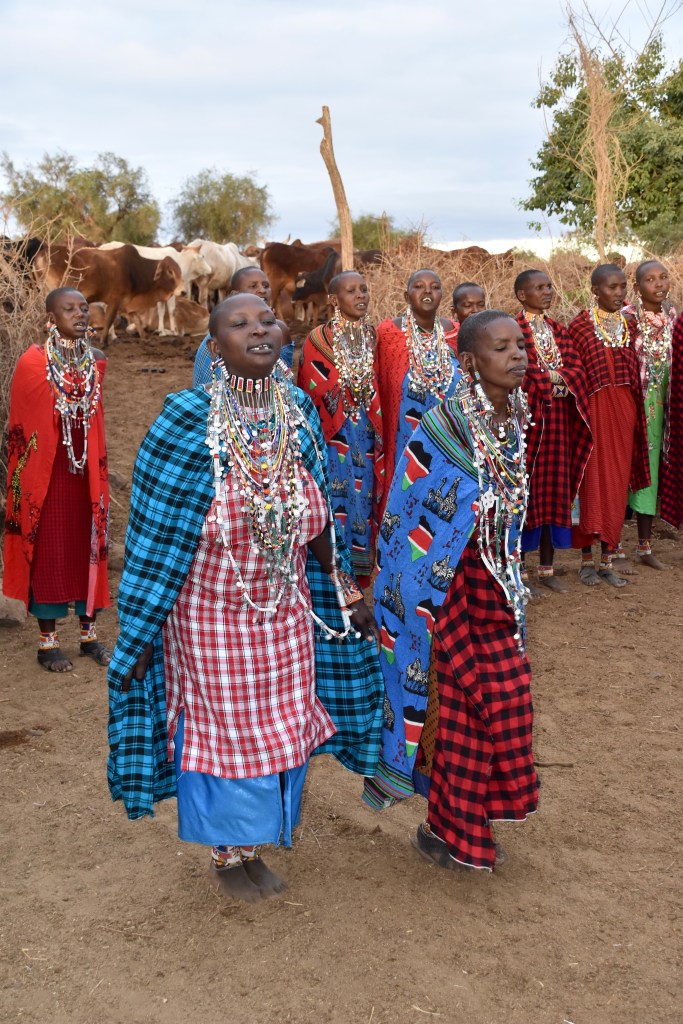
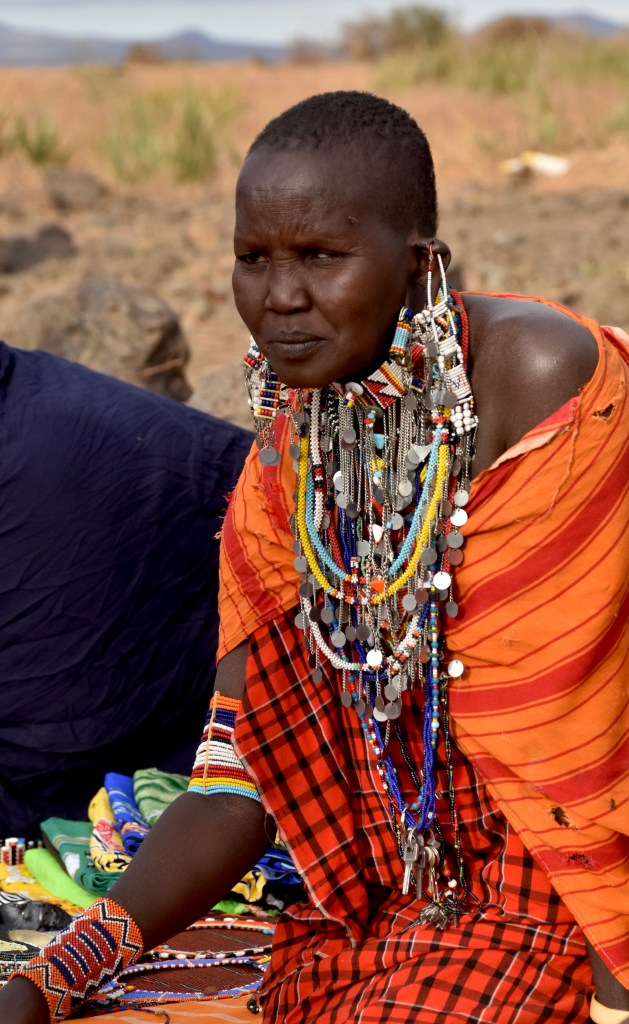
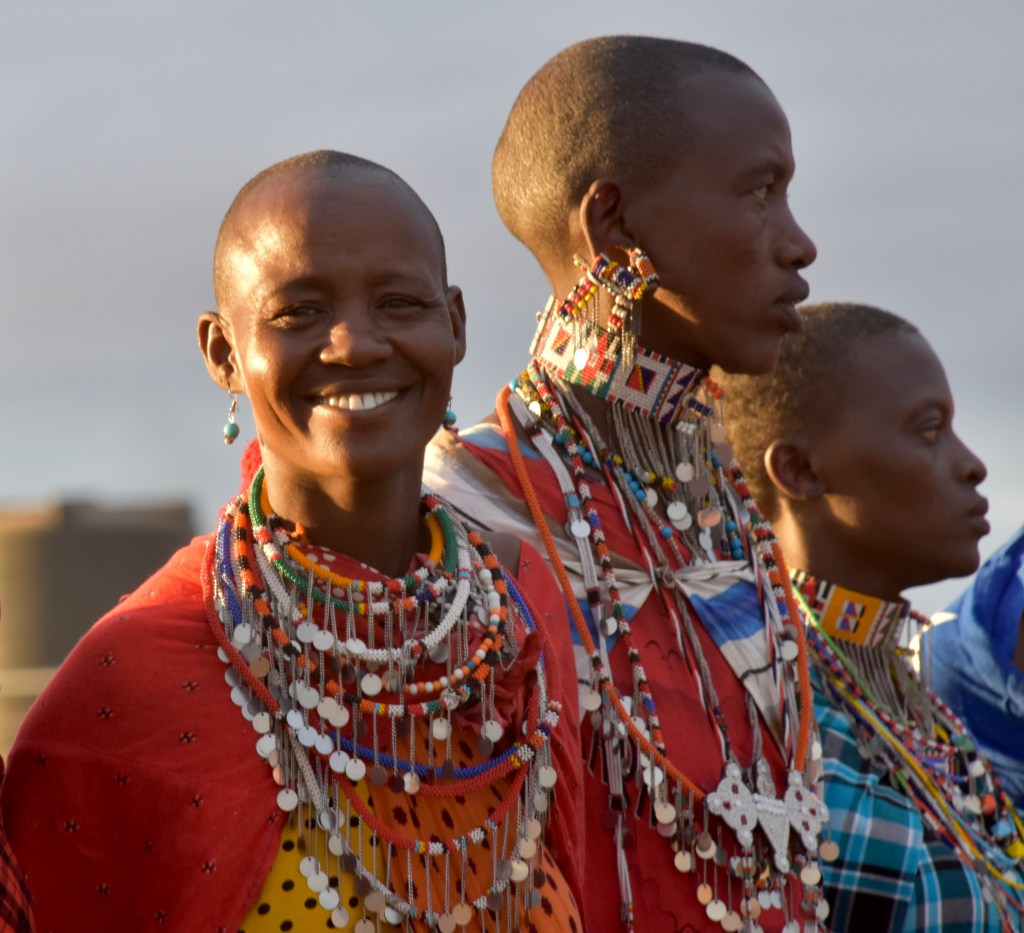
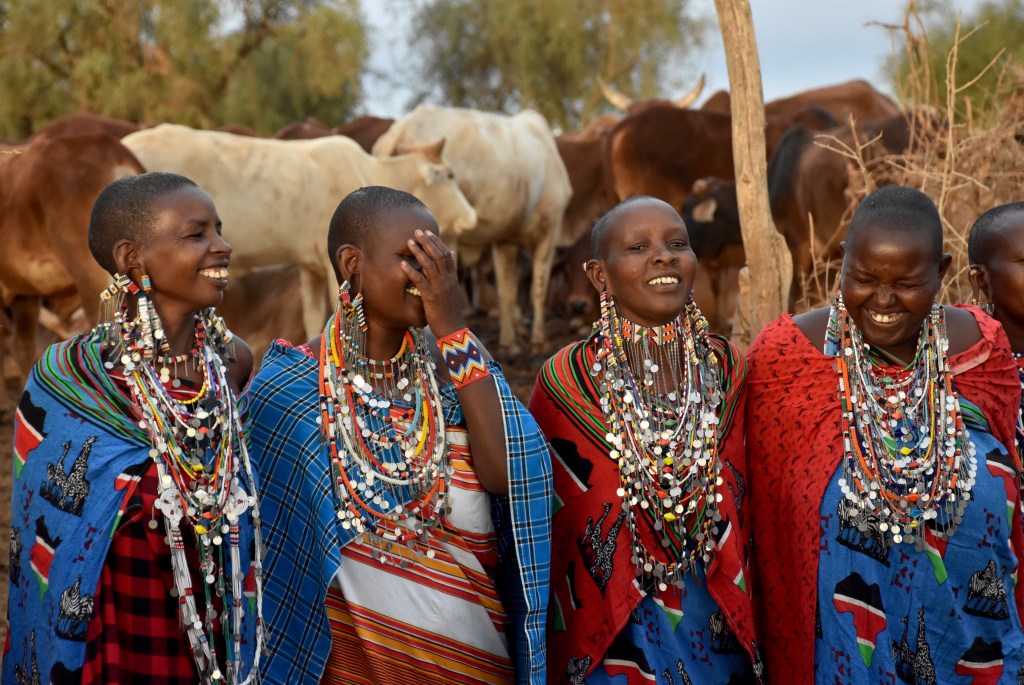
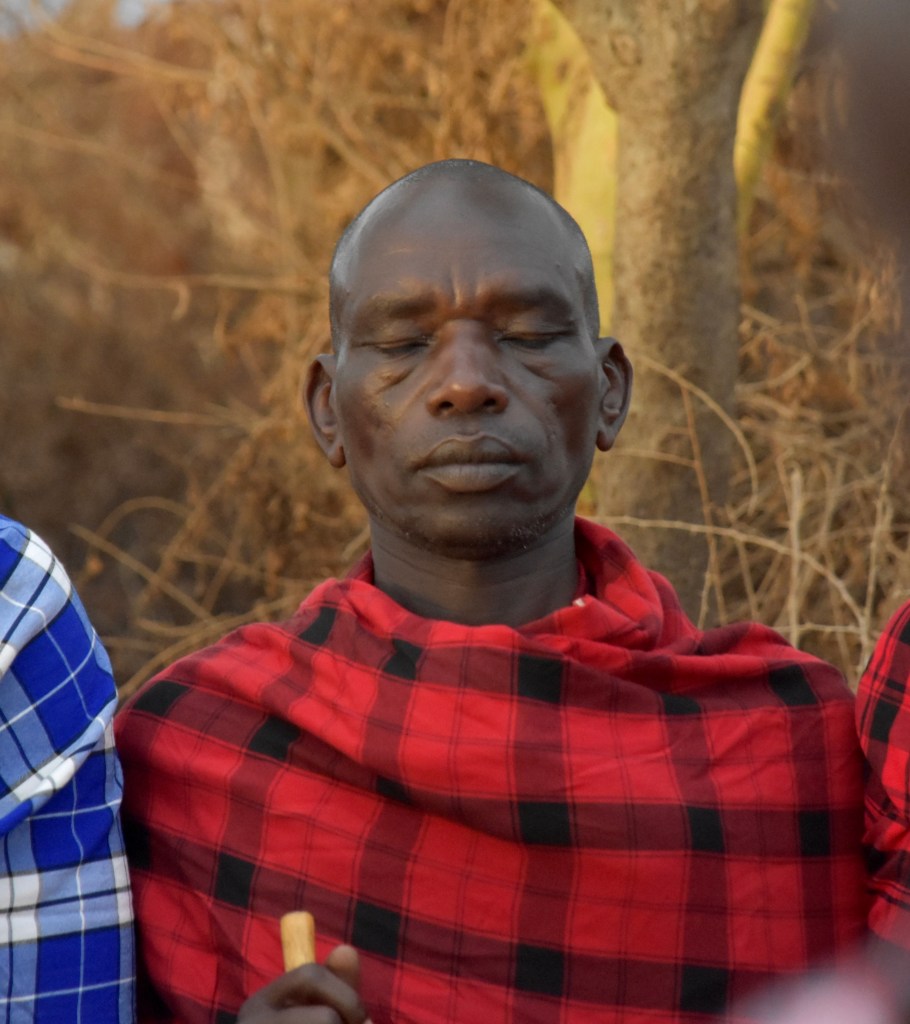
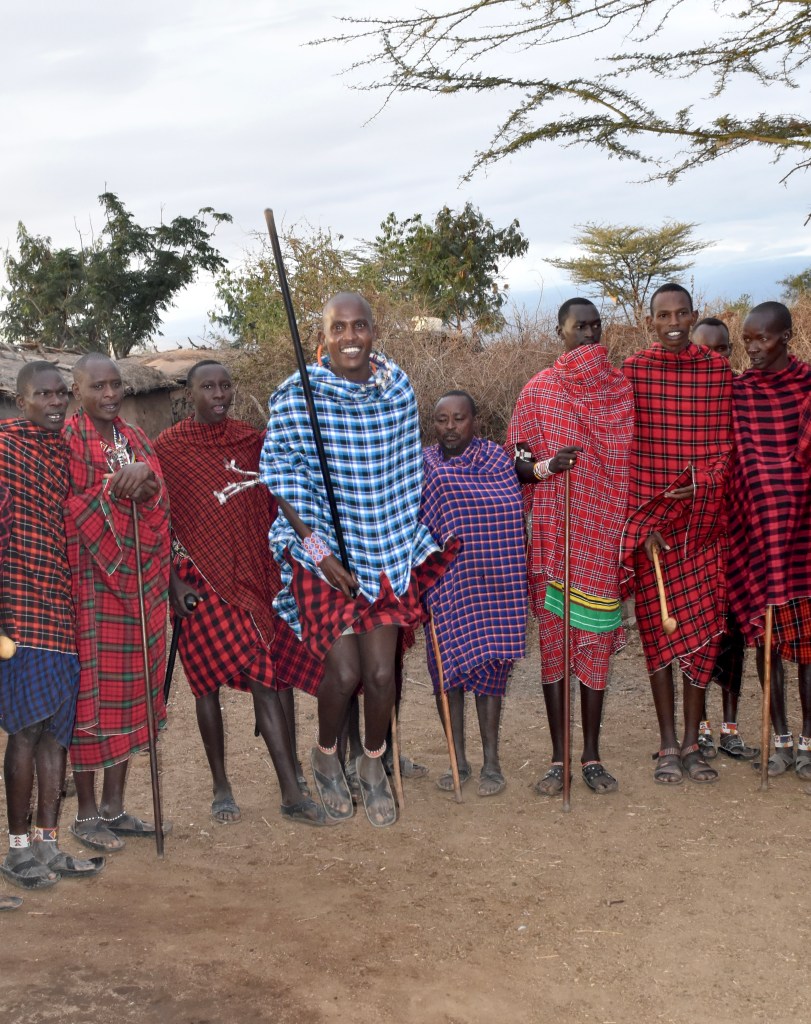
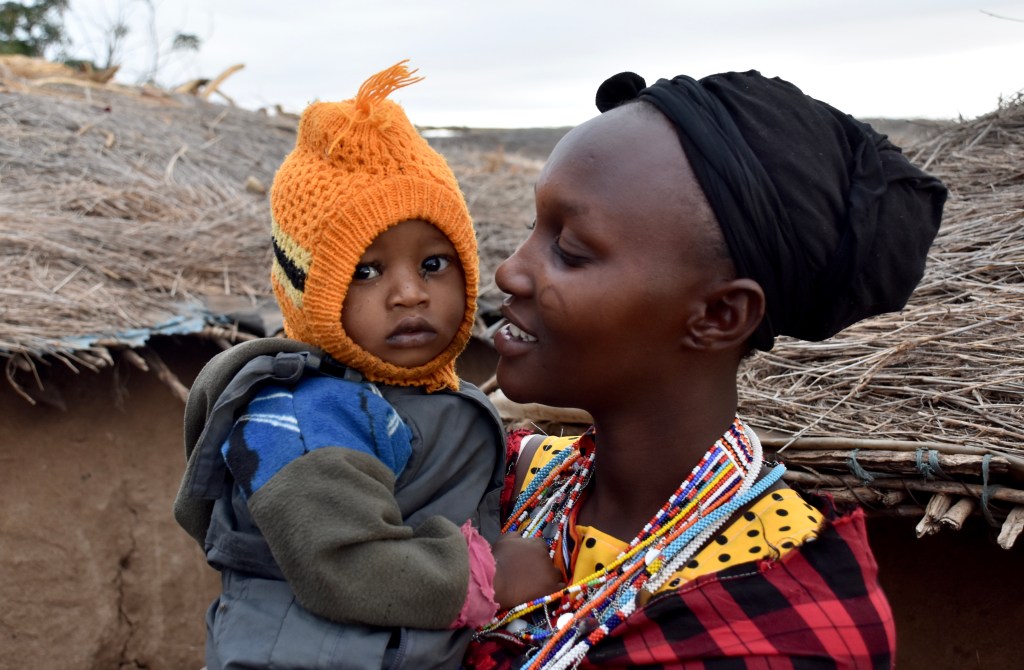
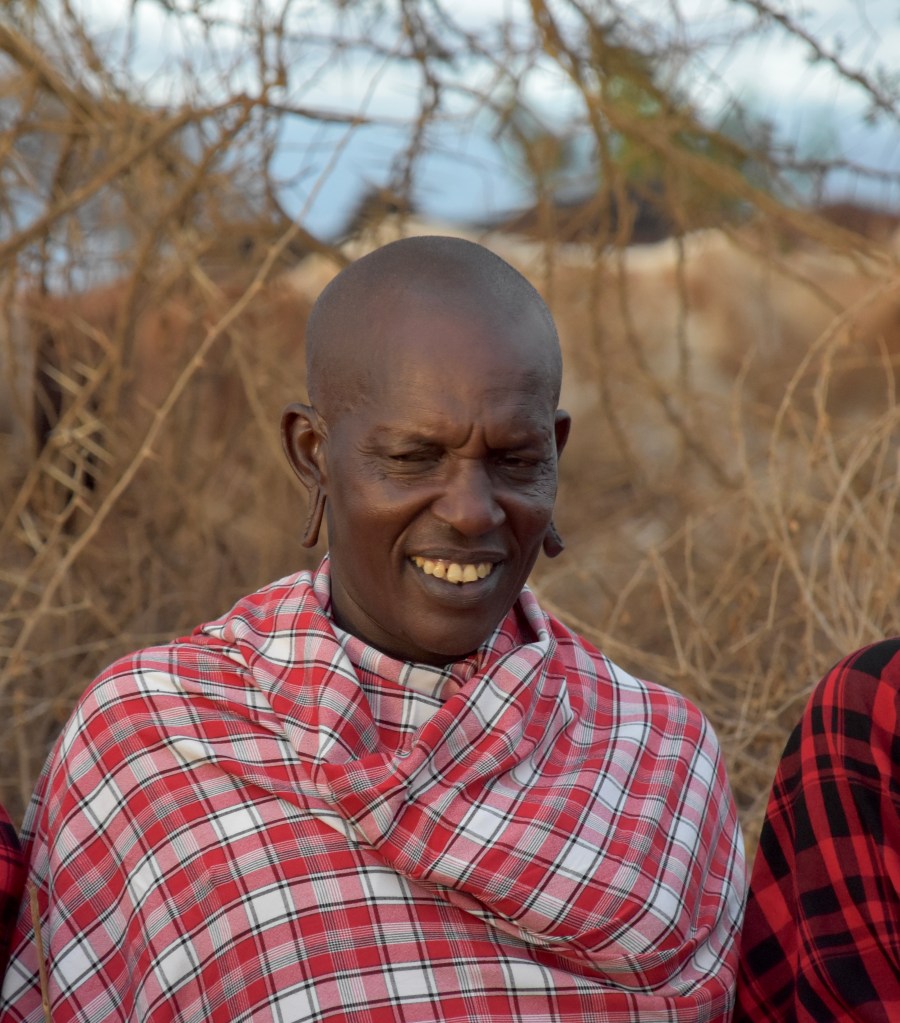
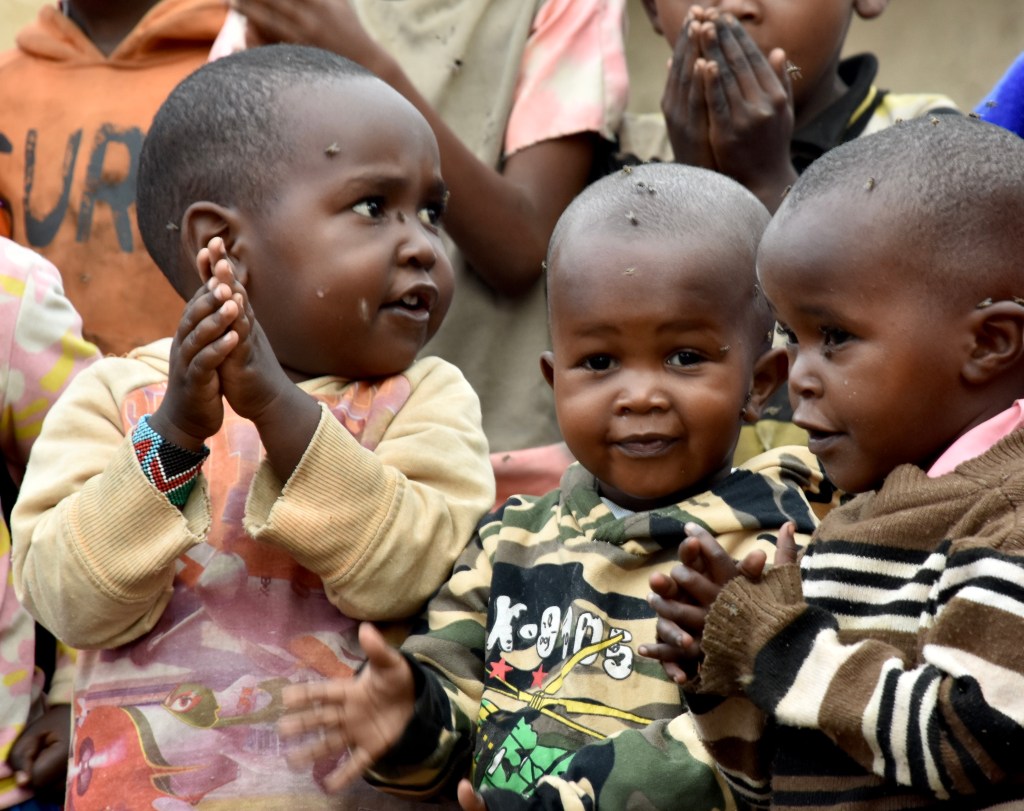
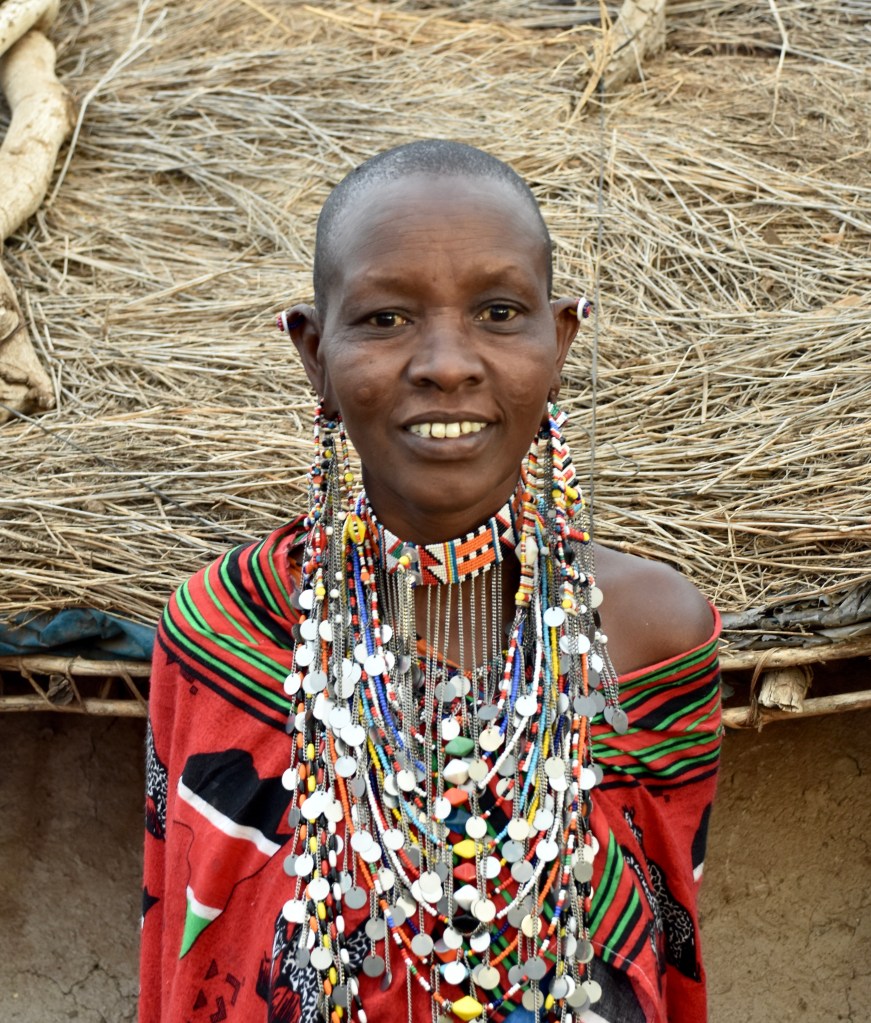
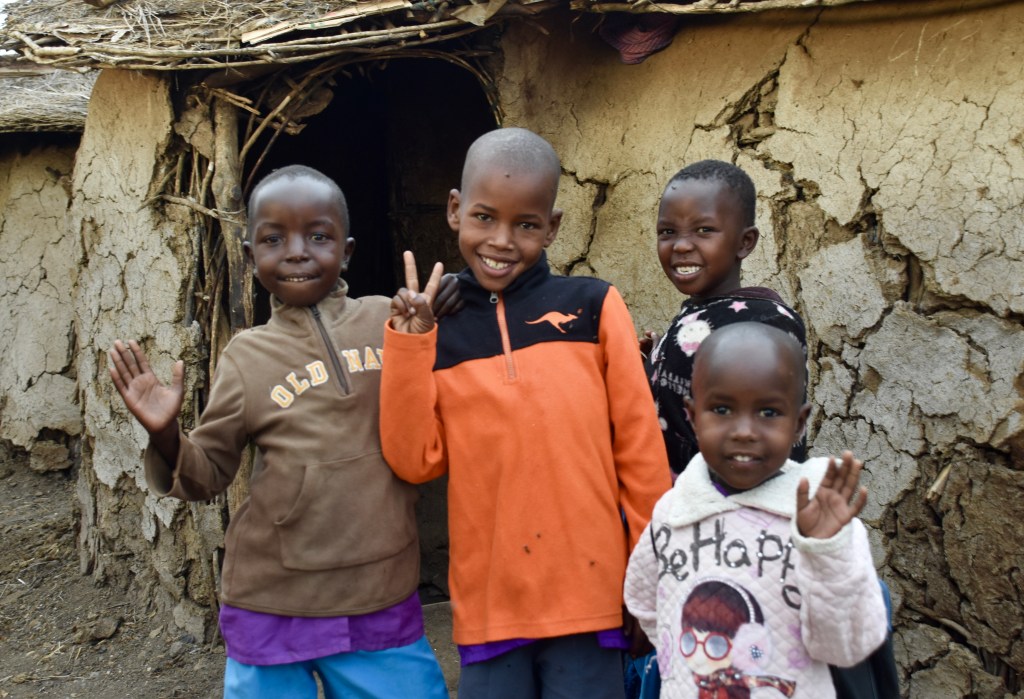
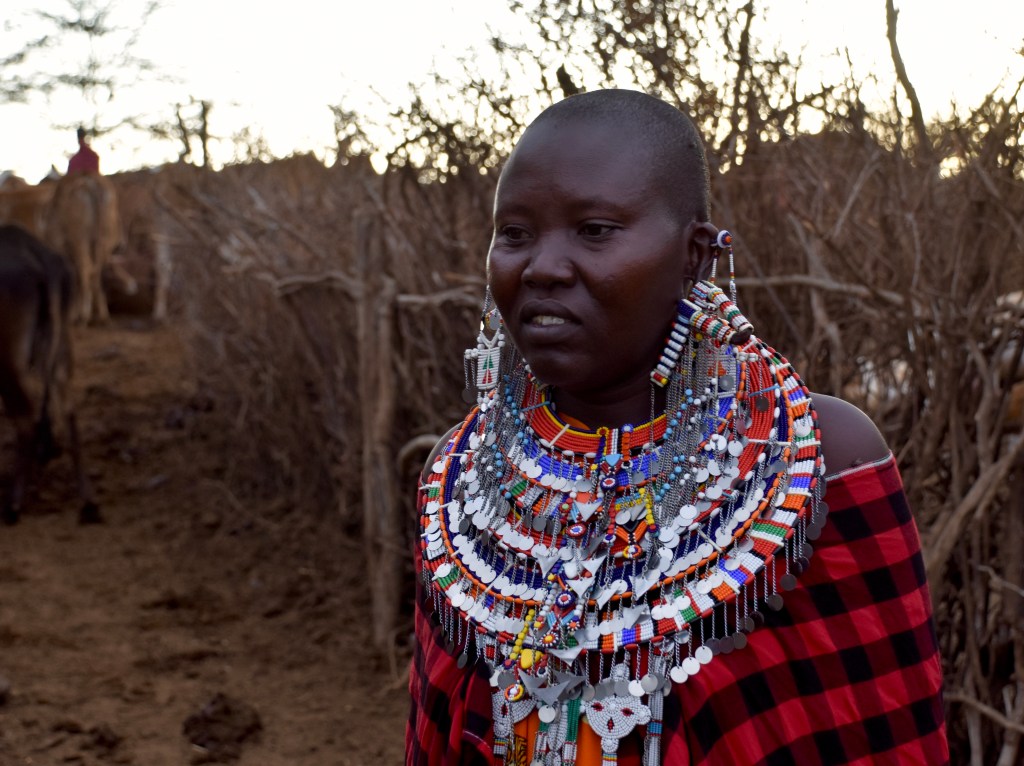
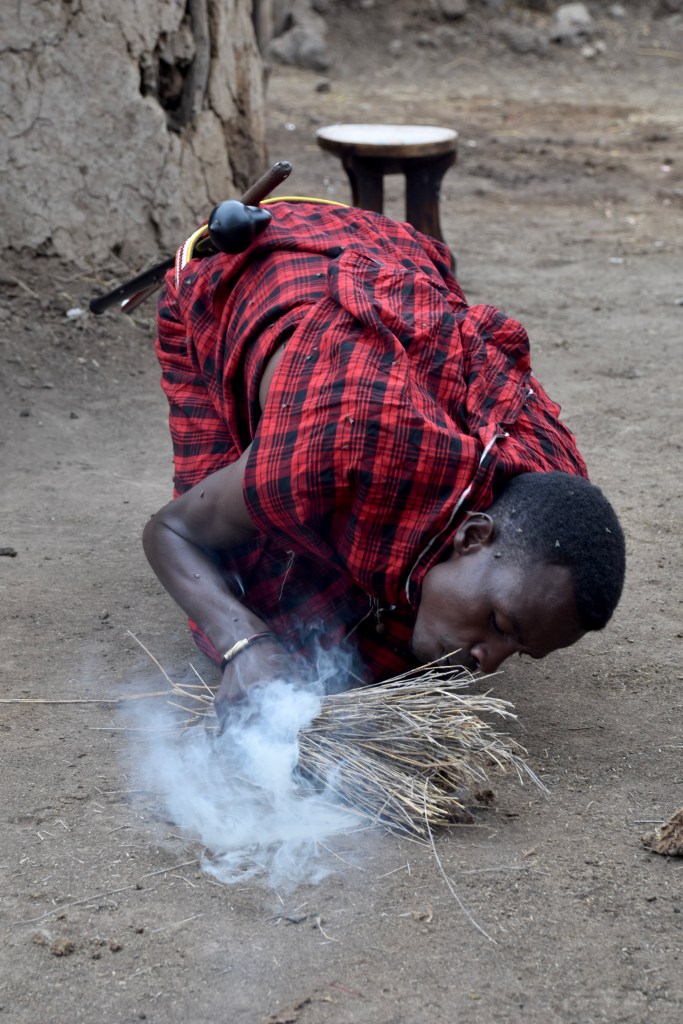
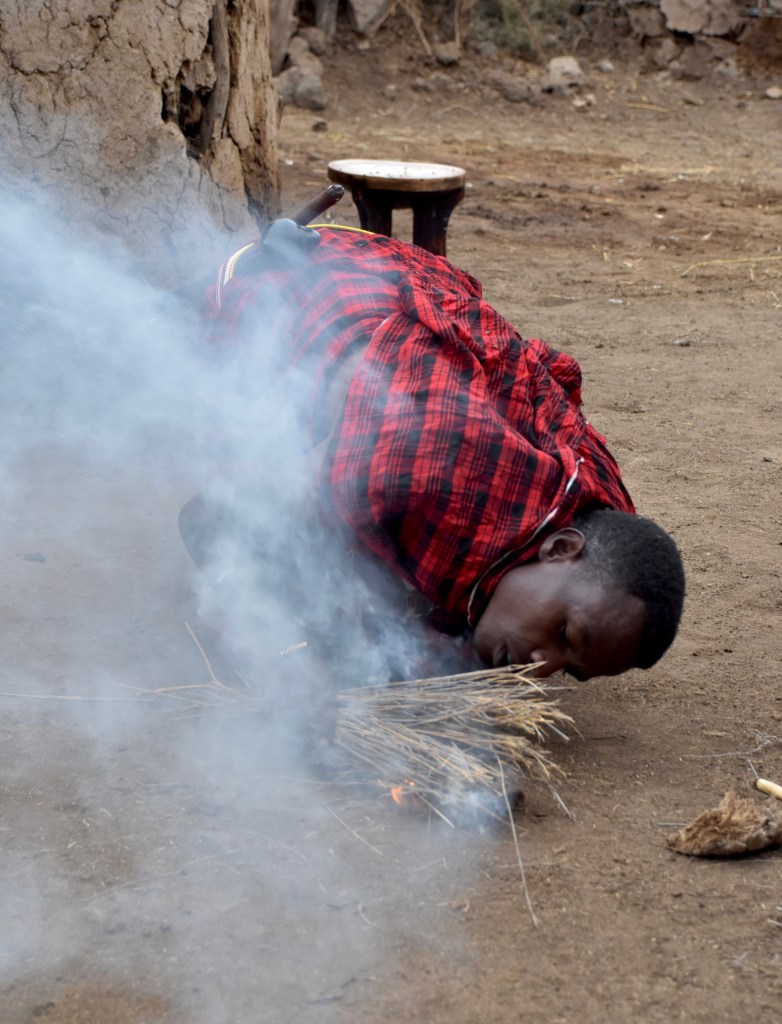
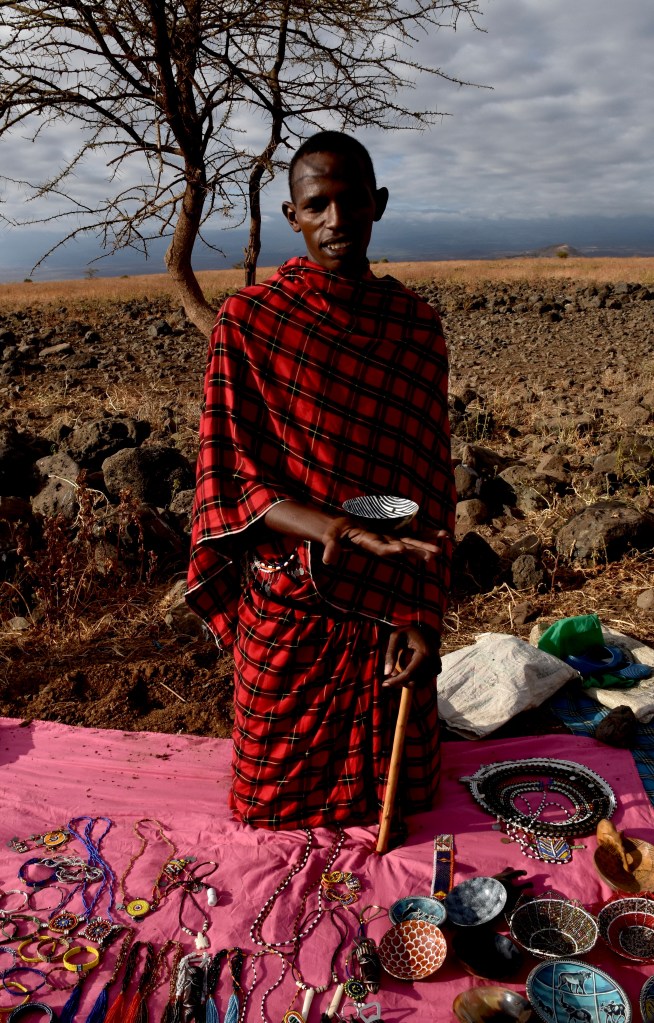
The Maasai tribe is one of the smallest in the Kenya / Tanzania area with a population of about 1.2 million. Many Maasai continue to live the traditional lifestyle of the past generations. Their village is built in a large circle; their cows and goats occupy the center of the village, whilst homes are built on the perimeter of the circle. They have no electricity or running water, share property and assets on a communal basis, practice polygamy subject to each wife receiving her own home, emphasize education, and typically have two meals a day – milk and beef.
Intensely private, they are very averse to having their photo taken as they believe it takes part of their soul. We were fortunate as our guide is a member of the Maasai tribe, and he was able to facilitate an invitation to visit the tribal village located within Amboseli National Park. As a result of being invited guests, we were welcomed with song and dance, visited with many members of the tribe (most Kenyans speak at least three languages: Swahili, English and their tribal language), toured their village, and invited to take as many photos as we wished.
And so I respectfully share these images of an unbelievably memorable morning.









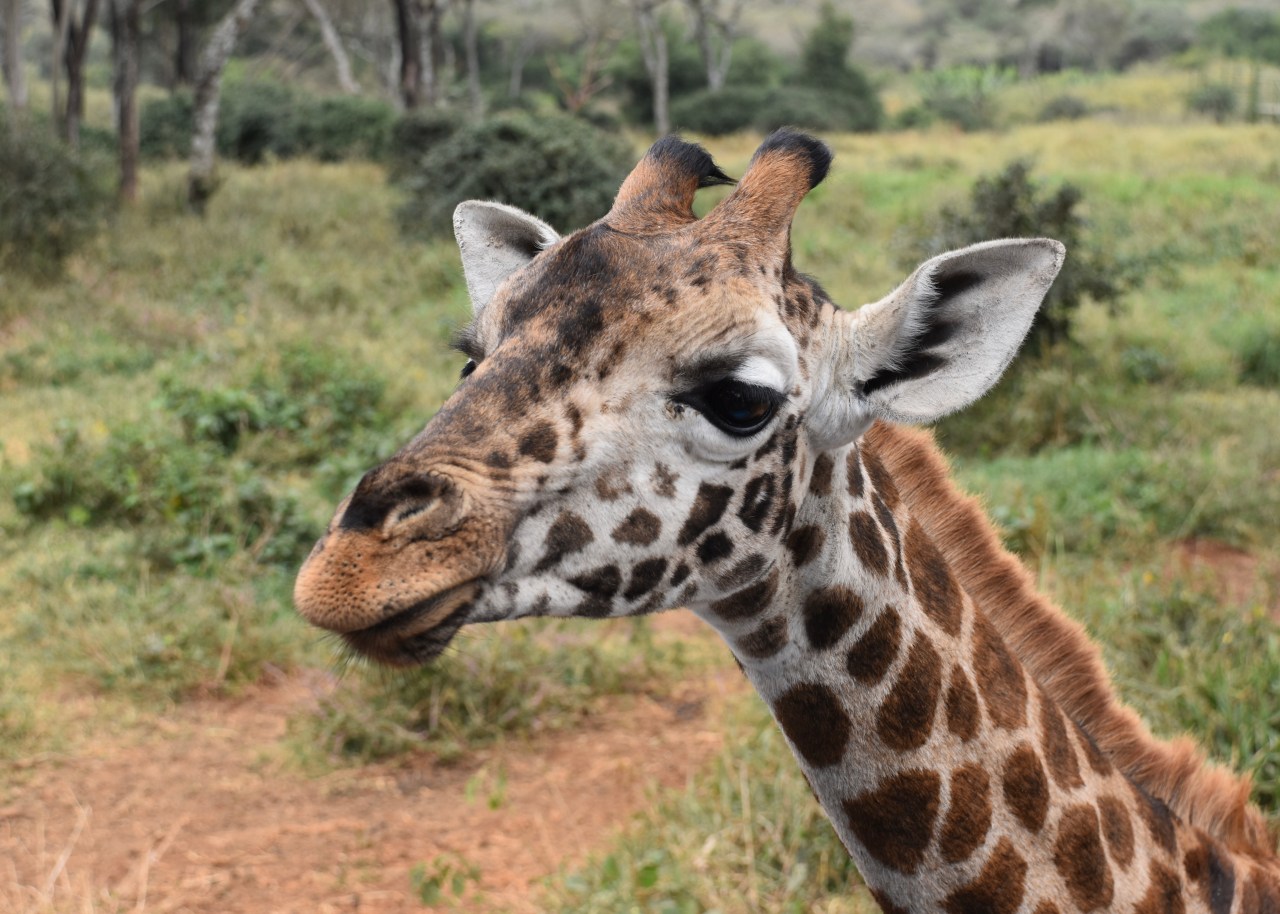
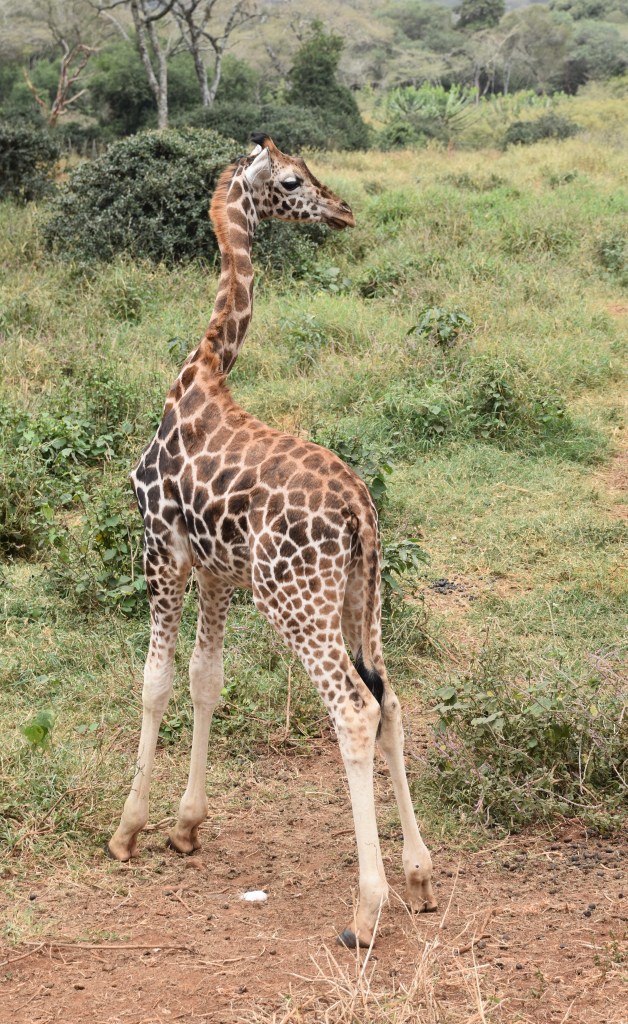
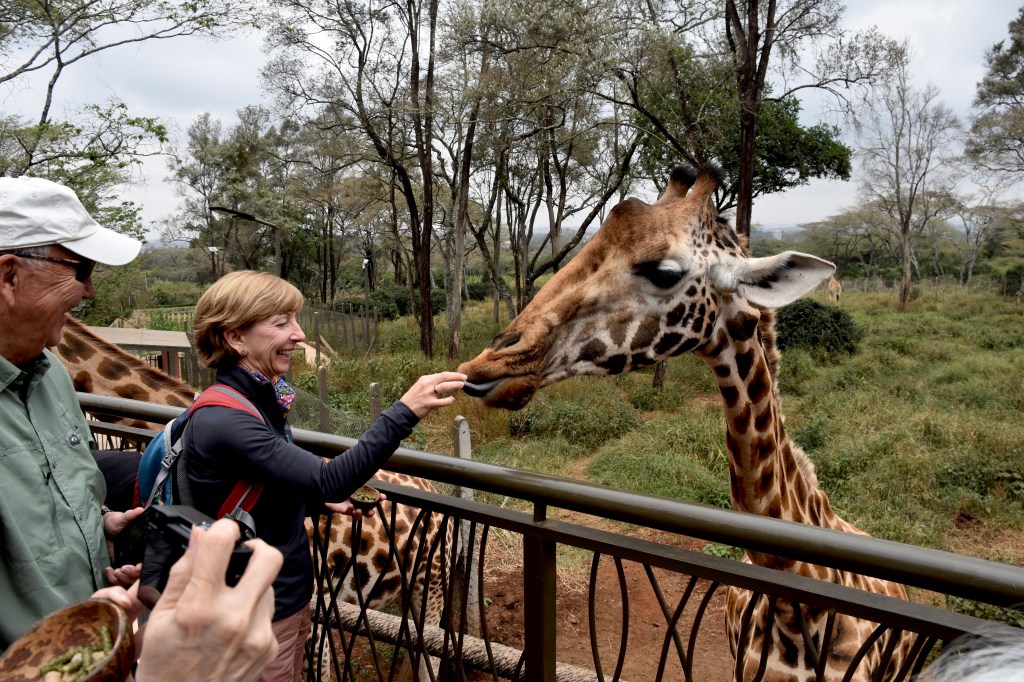
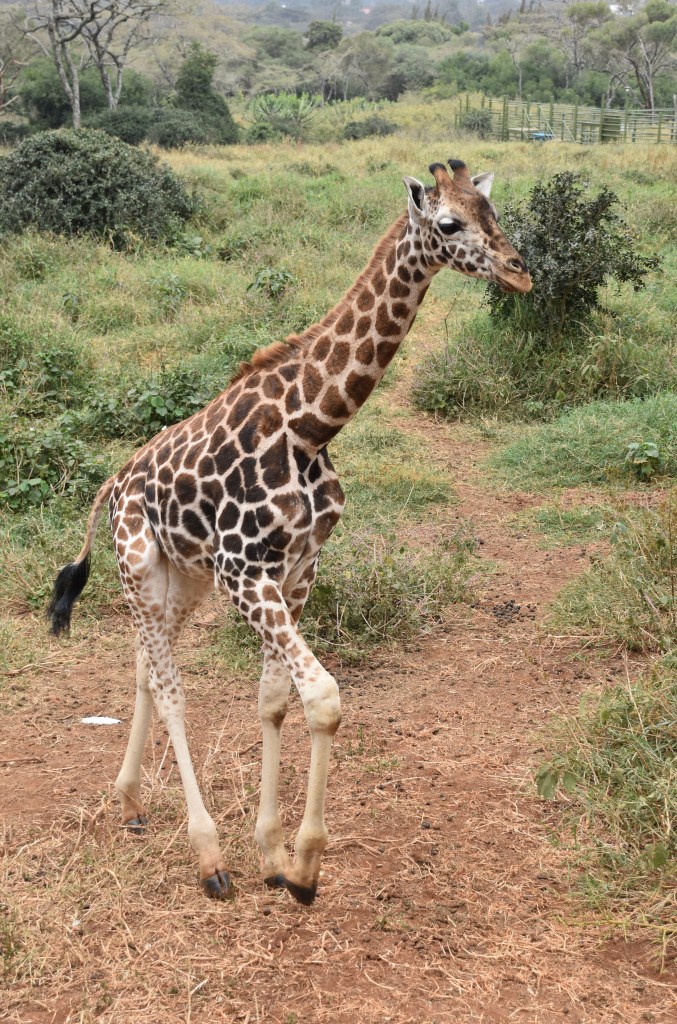
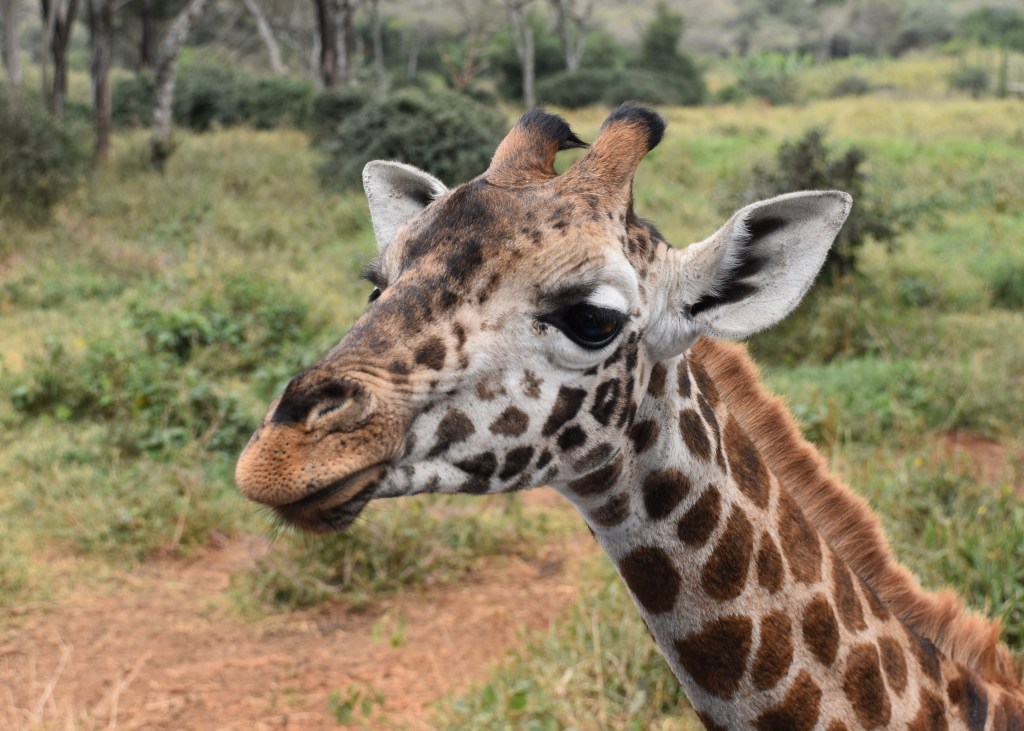
A lush, verdant expanse of land sitting on a low plateau on the outskirts of Nairobi is the home of The Giraffe Centre. Founded in 1979 to rescue the endangered Rothschild giraffe as there were only 120 remaining, the Centre has created an environment in which baby giraffes are born and raised until the age of 4 at which time they are introduced to their native habitat. Wildly successful, today the Rothschild giraffes number over 900.



 Dragonfly Waypoints