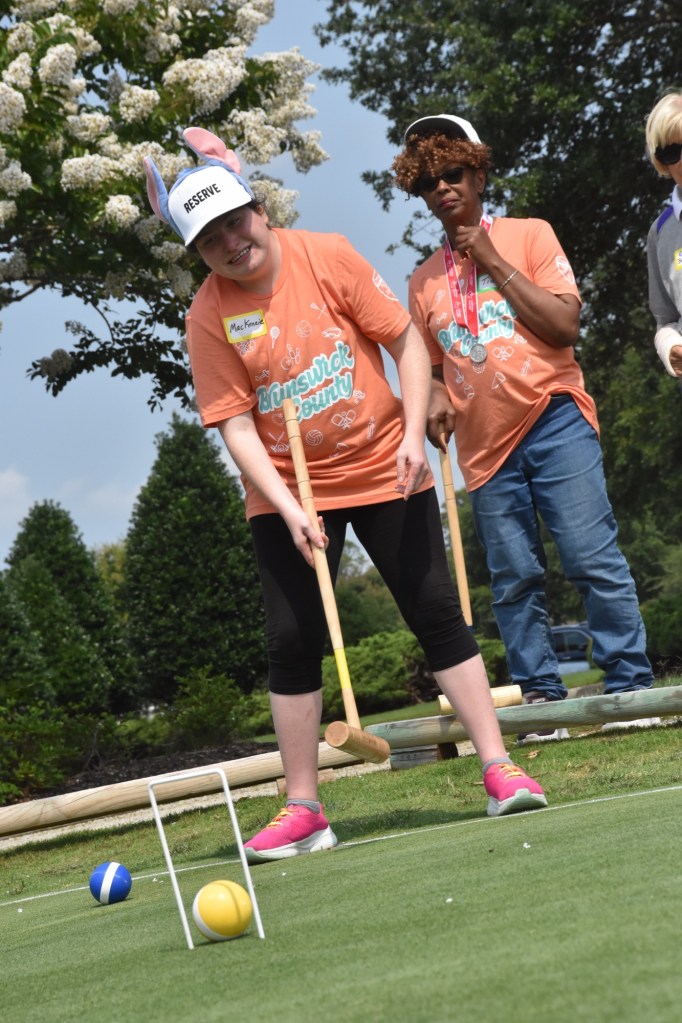
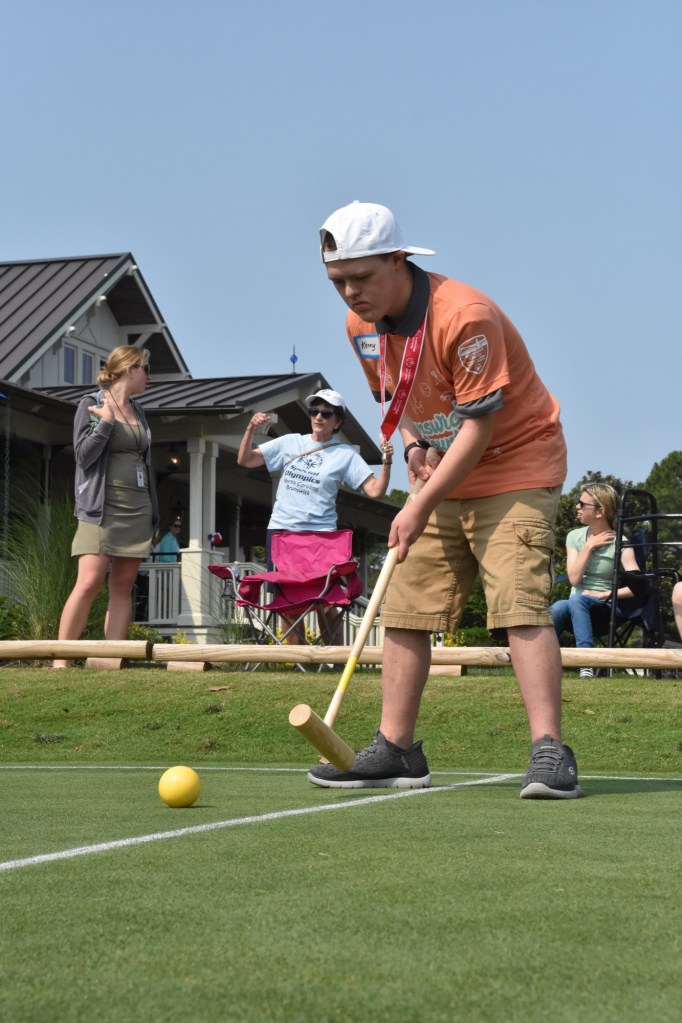
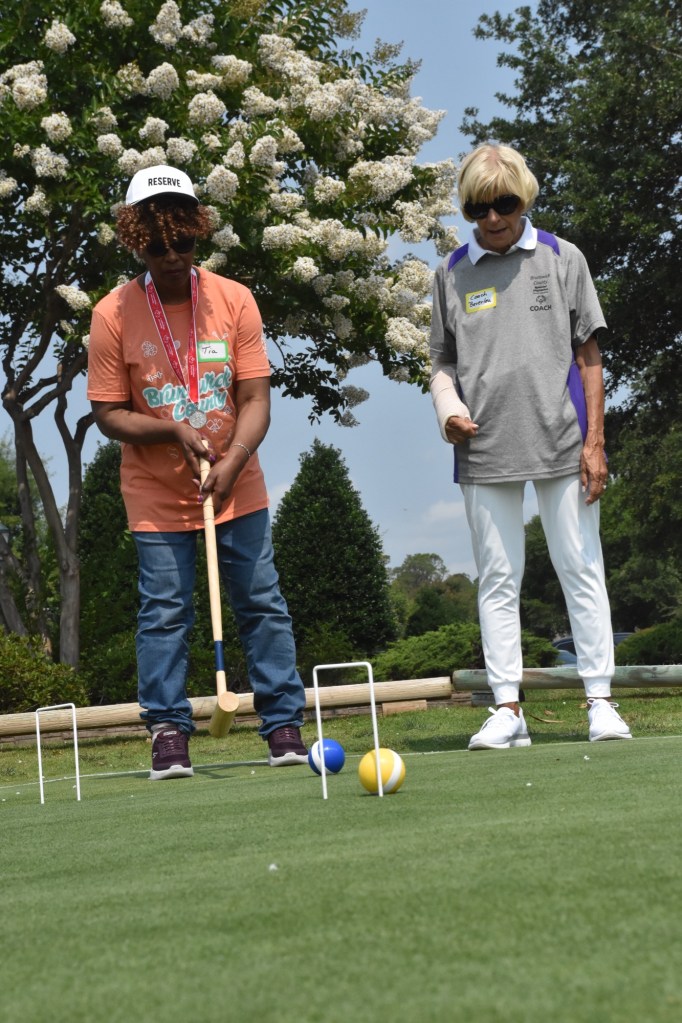
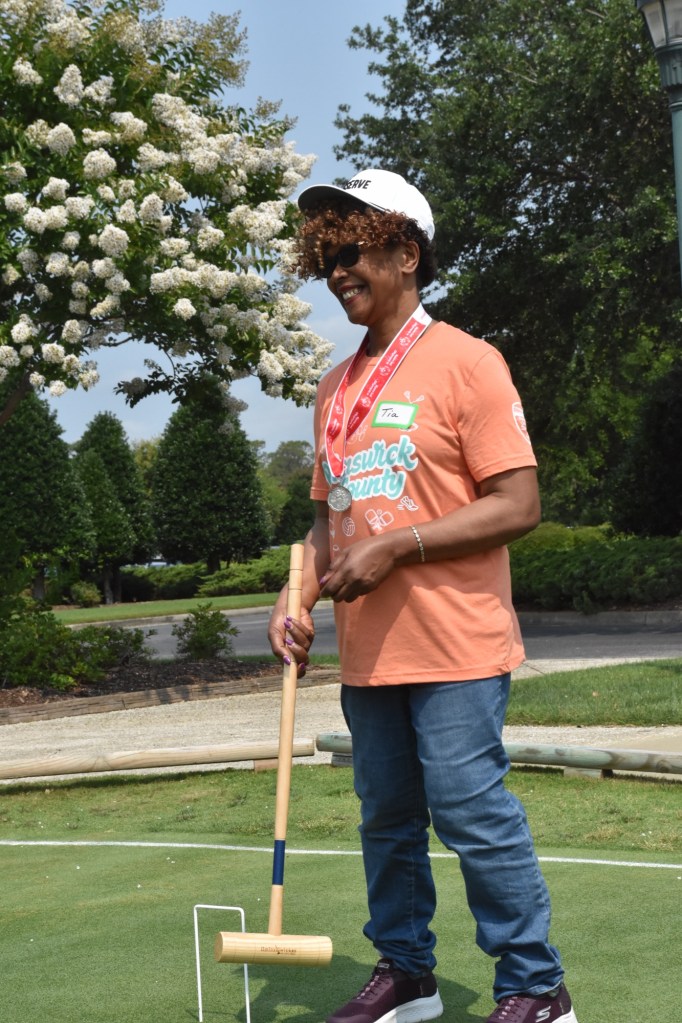
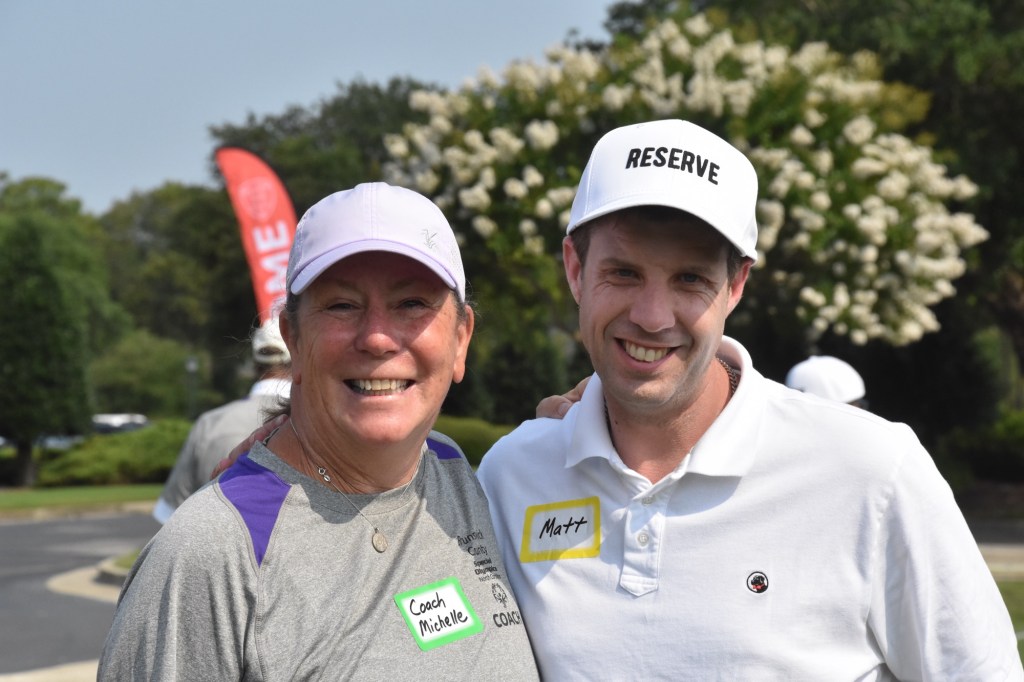
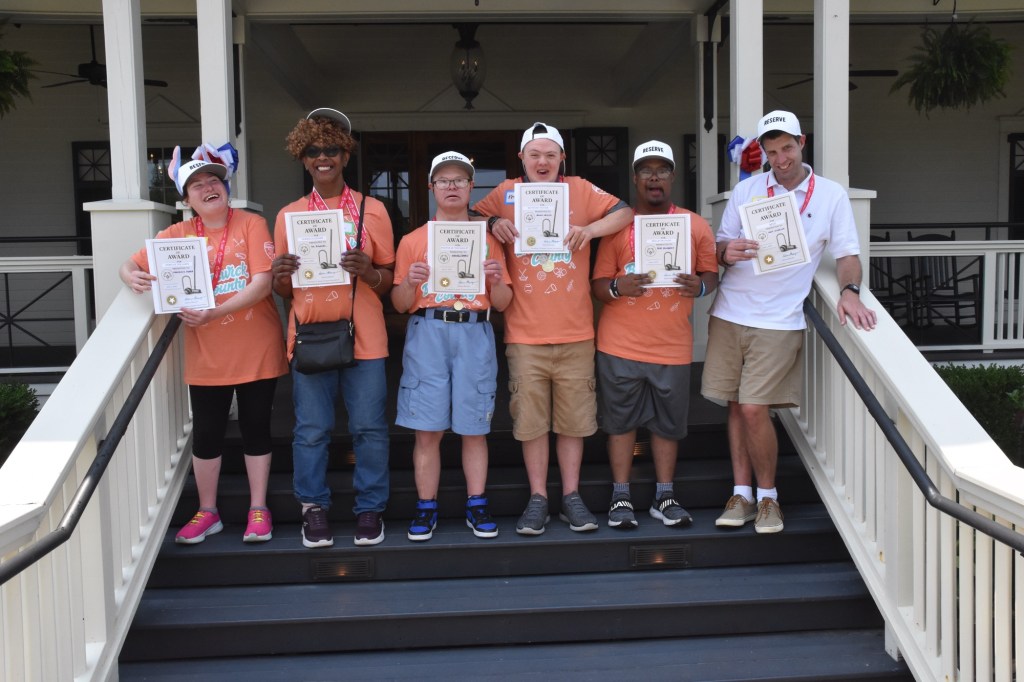
Brunswick County Special Olympics held their first ever croquet tournament at the Reserve Field in St James. Six athletes participated with everyone playing at a high level, exhibiting great sportsmanship, and having lots of fun.
If you would like a print or digital copy of any of these images, at no cost, please send an email to David Odell at david.wanderer@gmail.com.
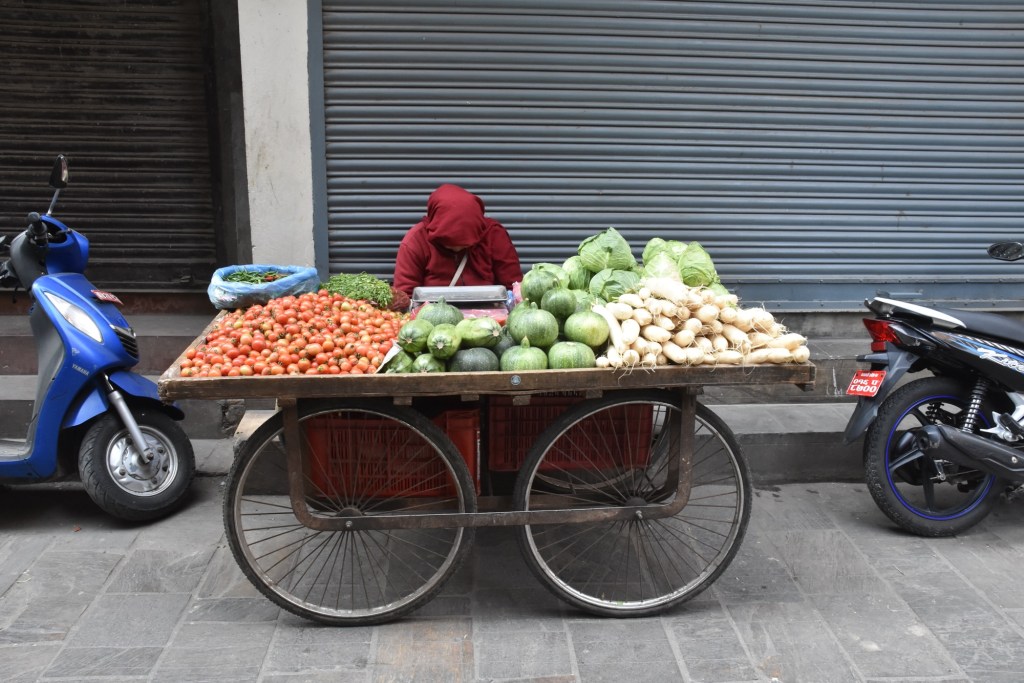
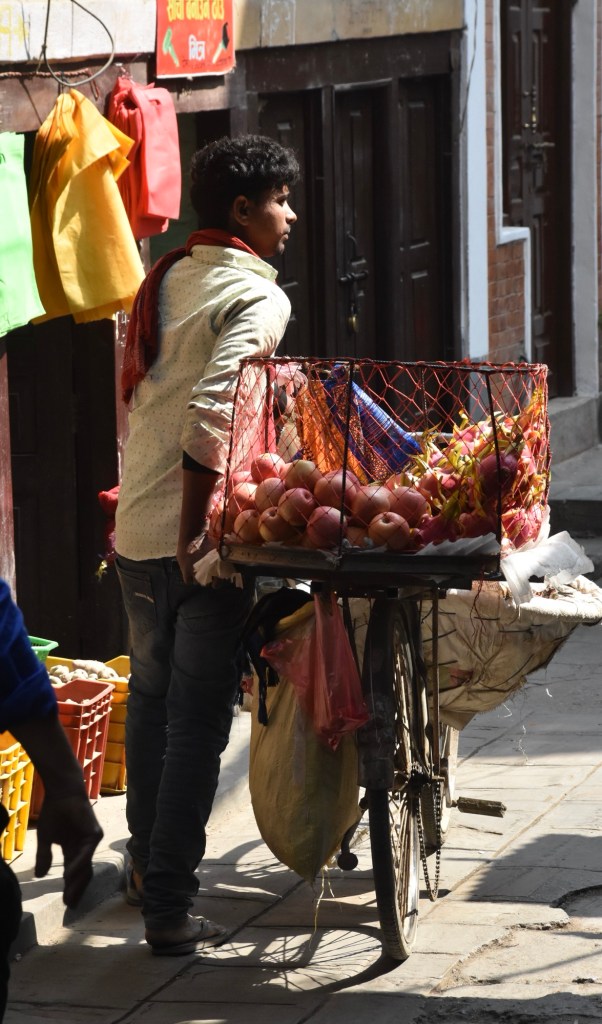
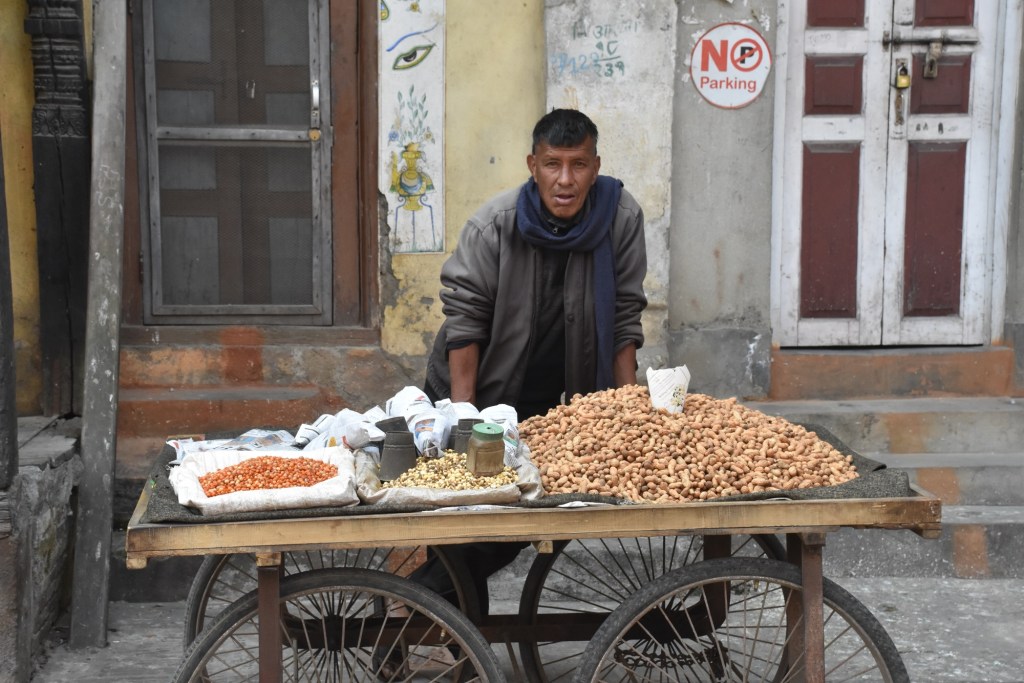
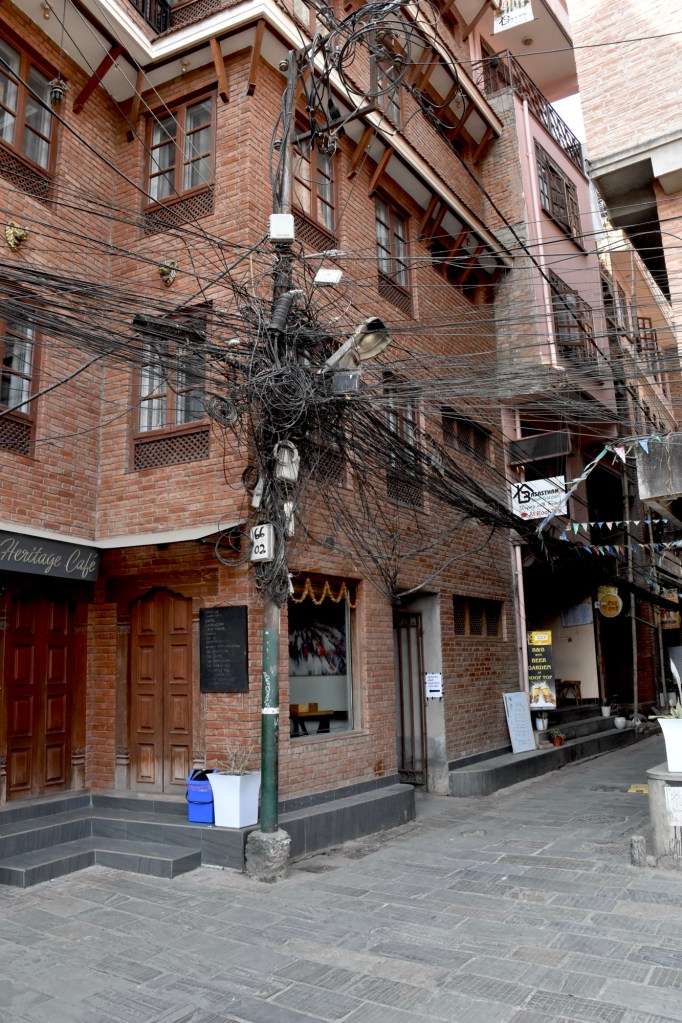
Nestled in a long, deep valley south of the Himalayan mountain range, Kathmandu is the capital of Nepal and home to 4 of this remote country’s 30 million deeply religious citizens. A land locked country whose primary historical purpose seems to have been to serve as a buffer between the 1.1 billion Chinese to the north and the 1.5 billion Indians to the south. A basic economy, focused on the essentials.
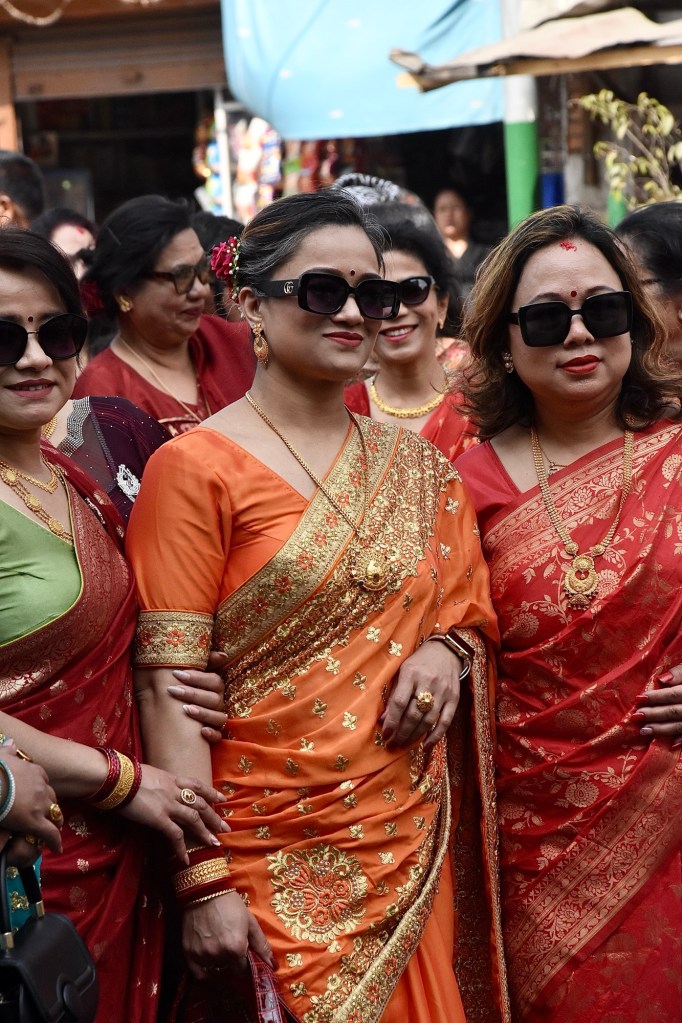
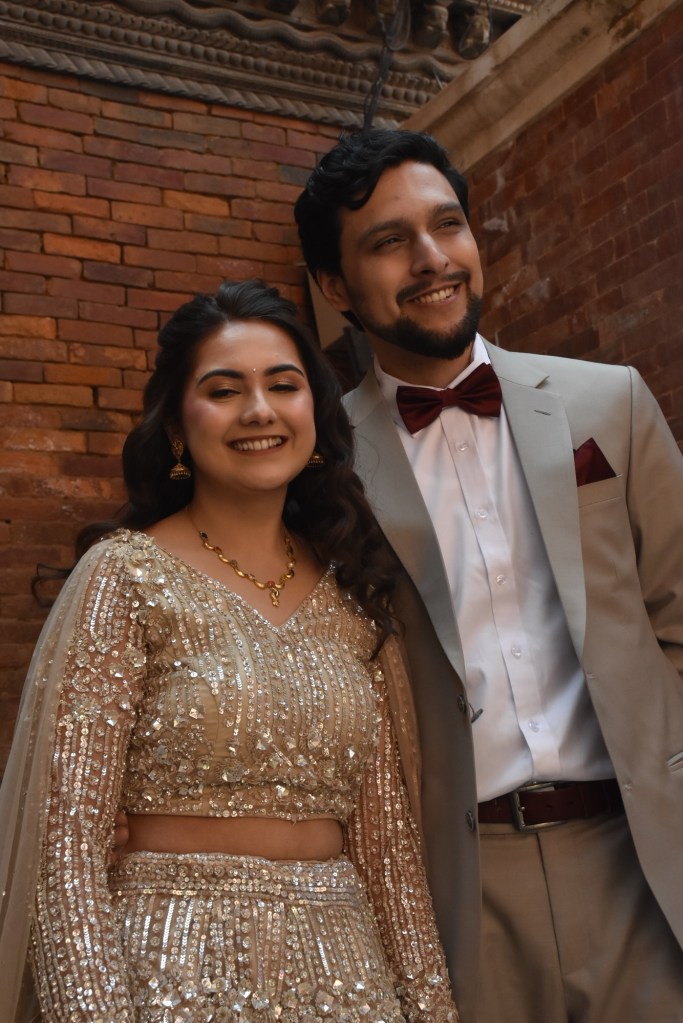
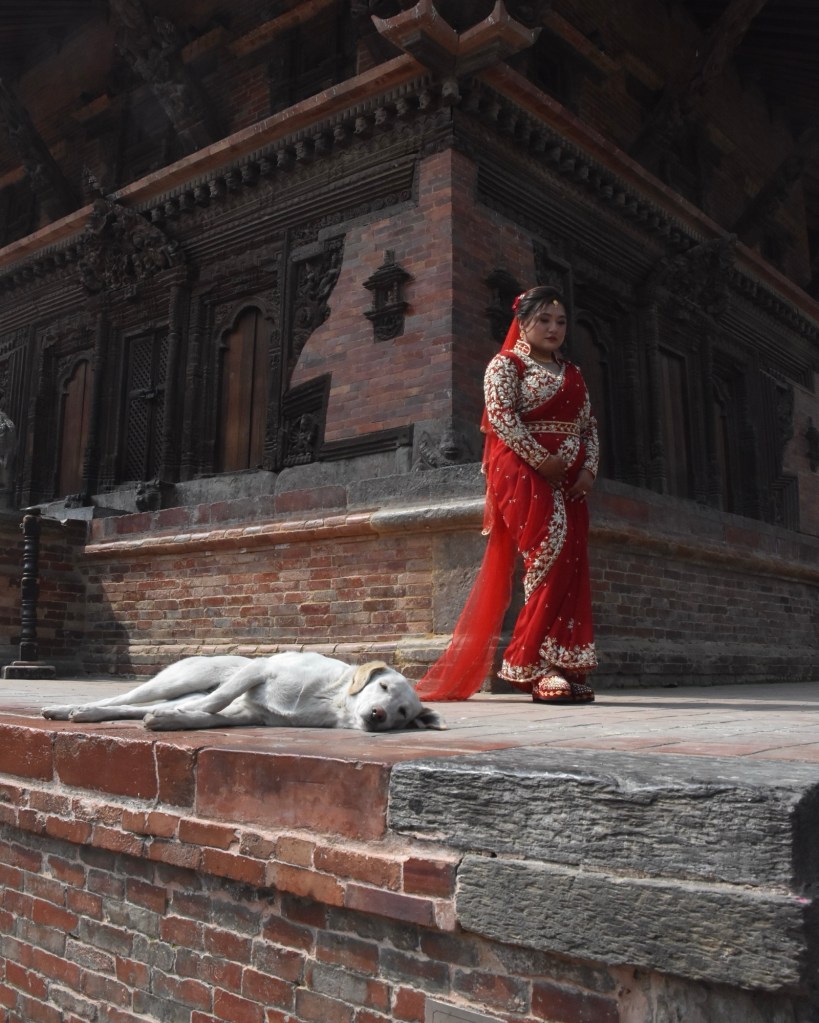
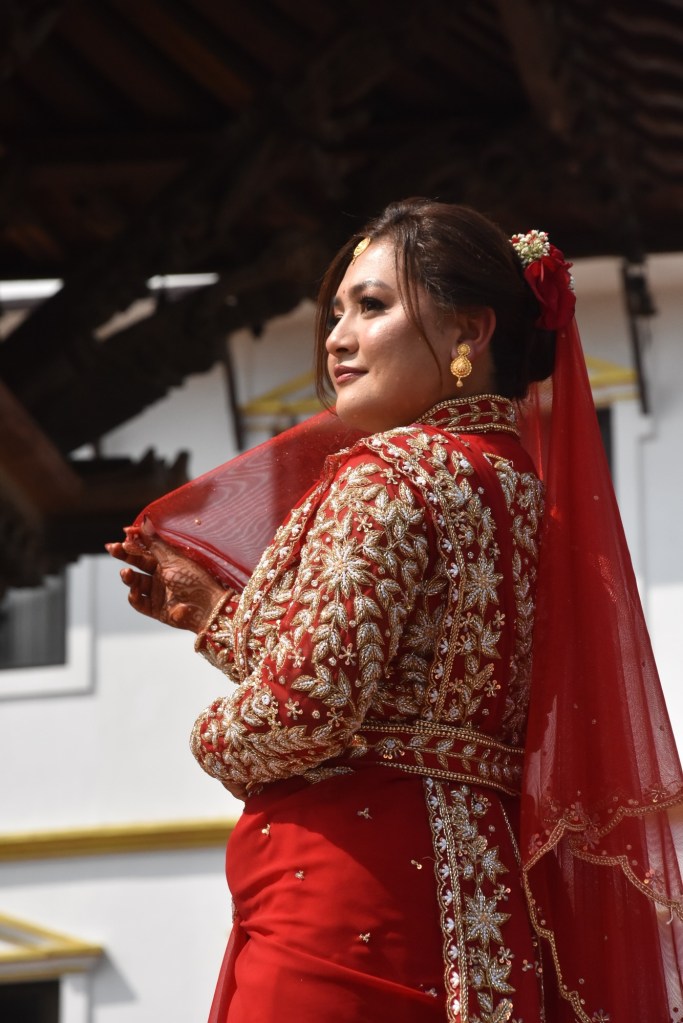
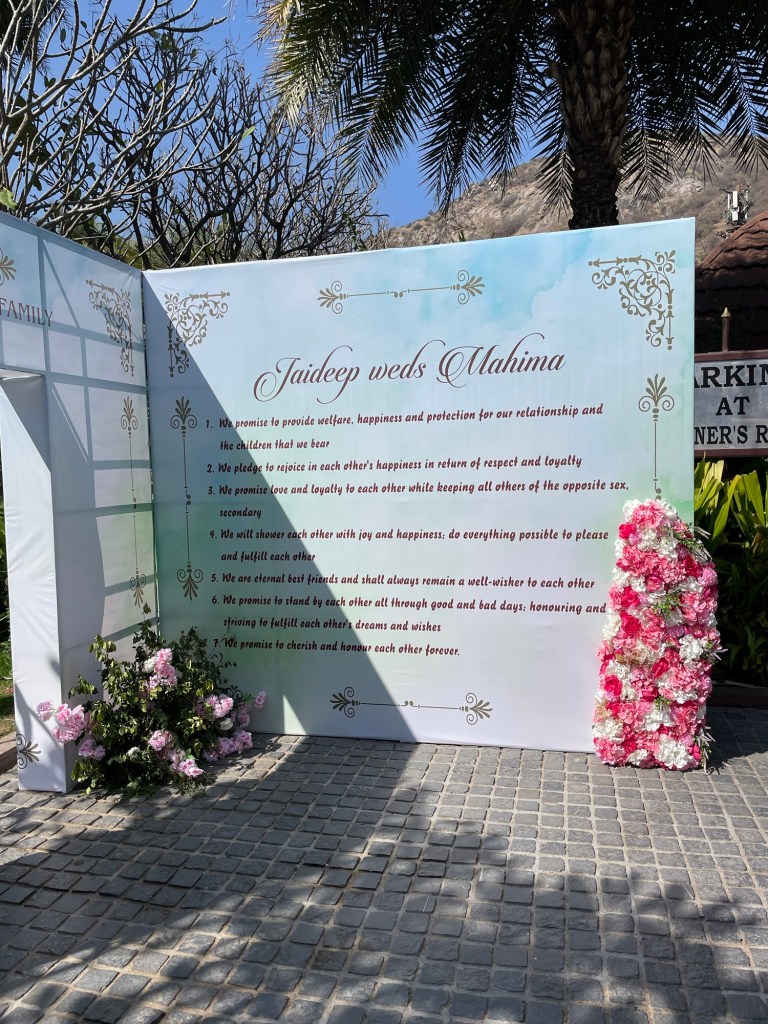
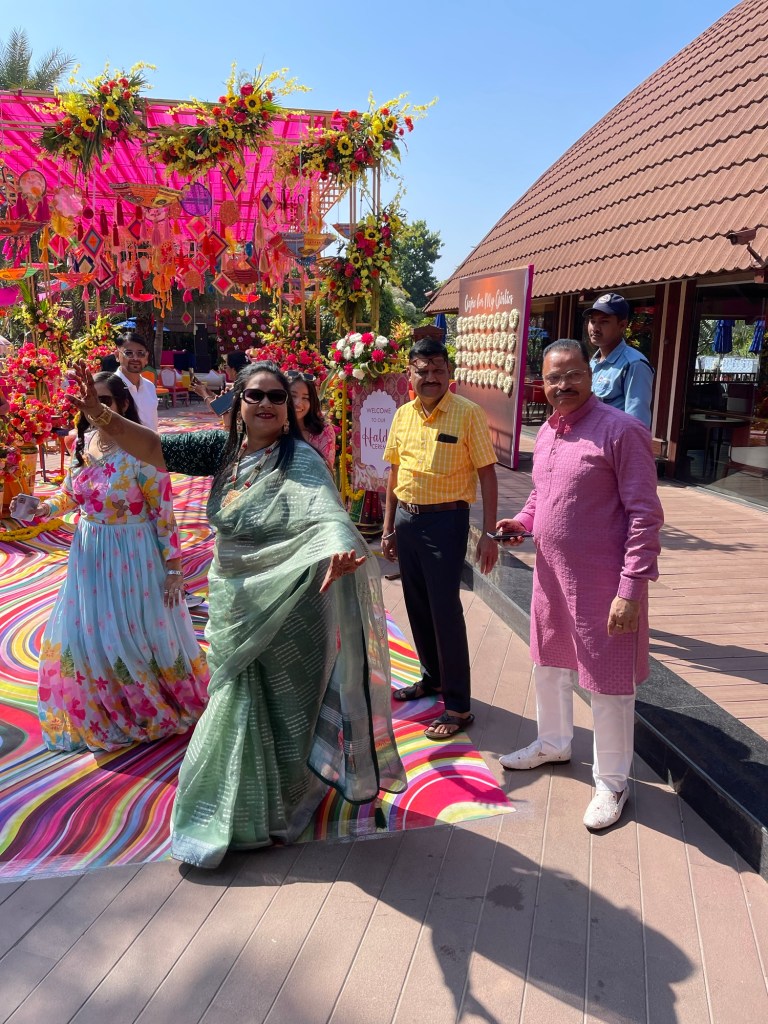
As in India, weddings are an extraordinarily big deal, with families earnestly starting to save for the big day upon the birth of a daughter.
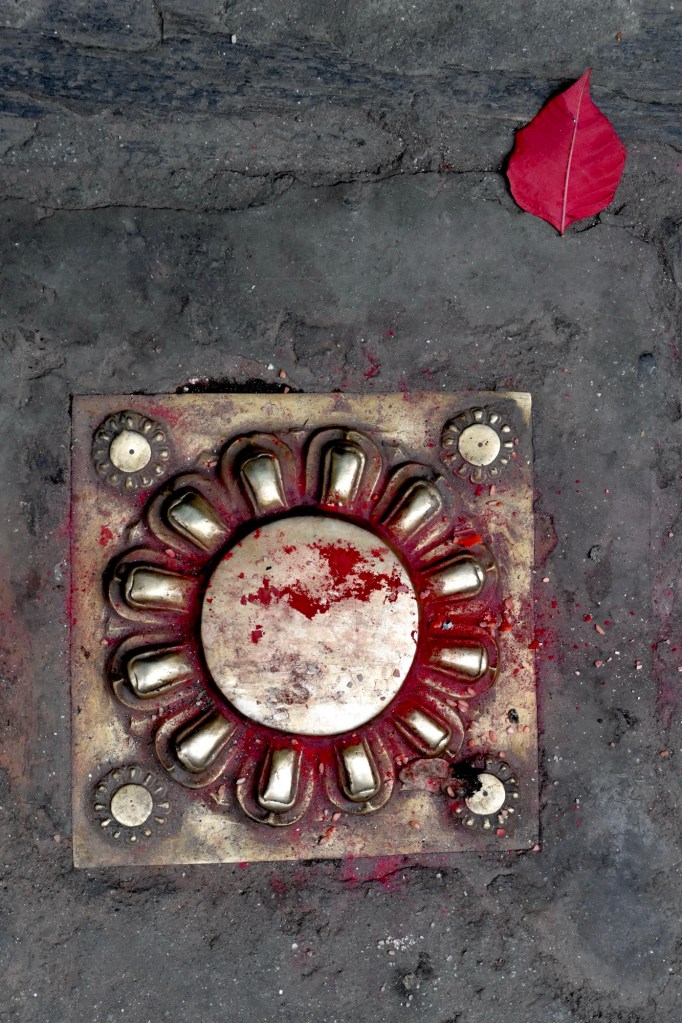
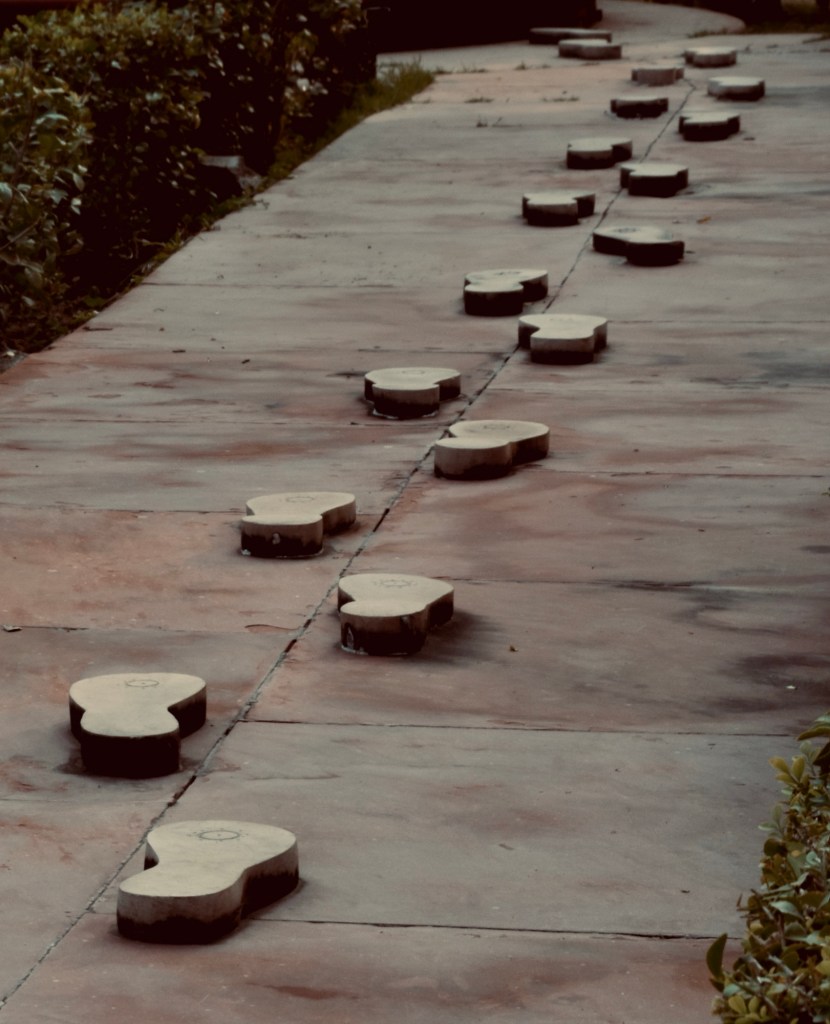
Seen around town – these markers are embedded in the ground in front of homes, with residents tossing colorful flour for good luck.
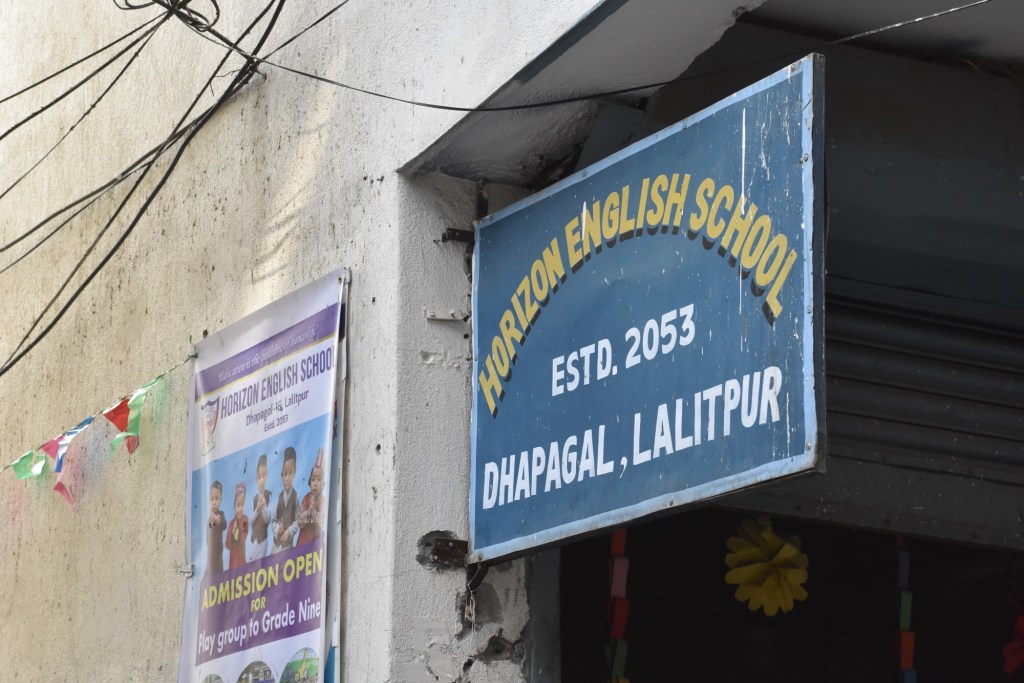
The Nepalese calendar is based upon lunar calculations, so this school was founded 28 years ago.
Here’s the translation, a room charge that I dated using both western and Nepalese calendar systems.
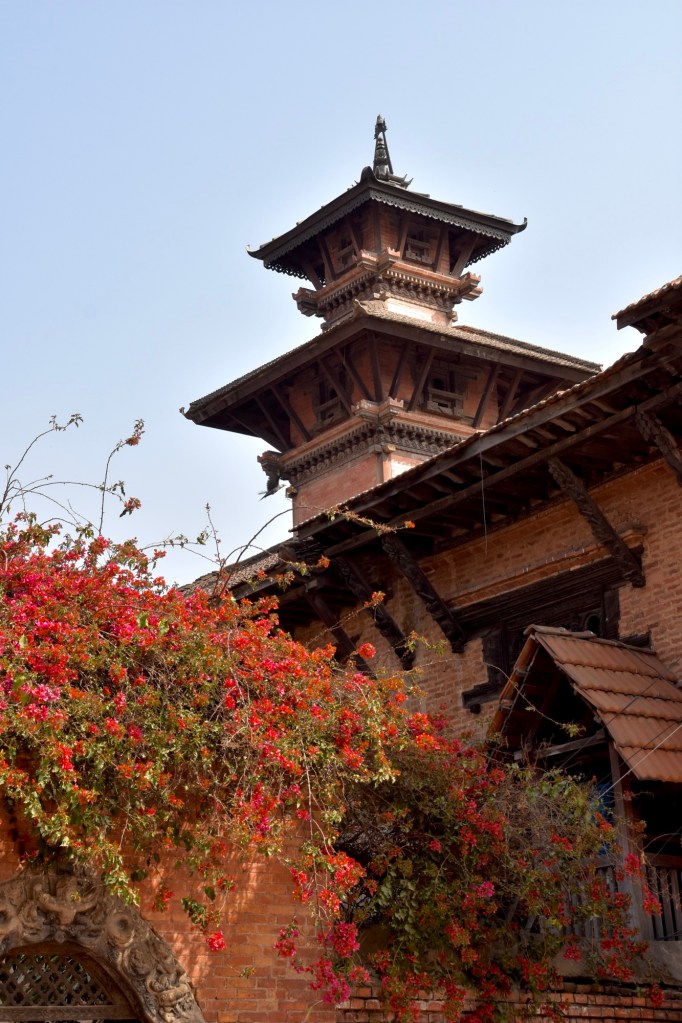
Leveled in 2015 by a 7.8 earthquake, restoration, rebuilding and makeshift fixes will be going on for many years to come.
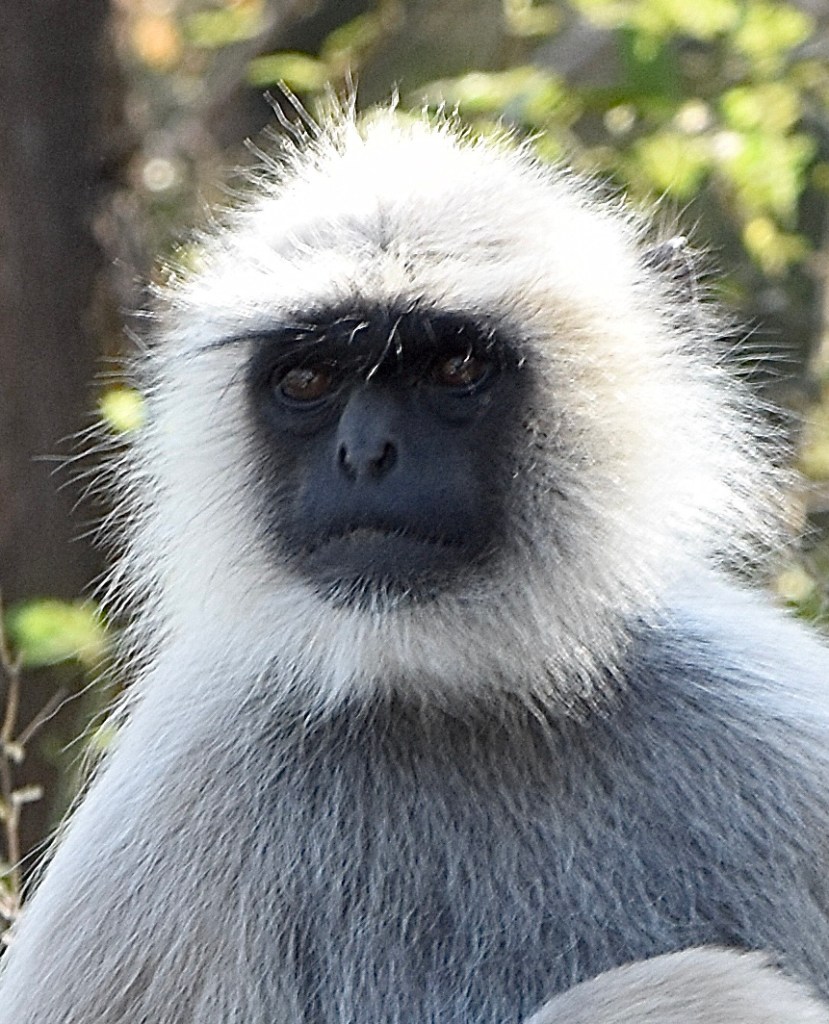
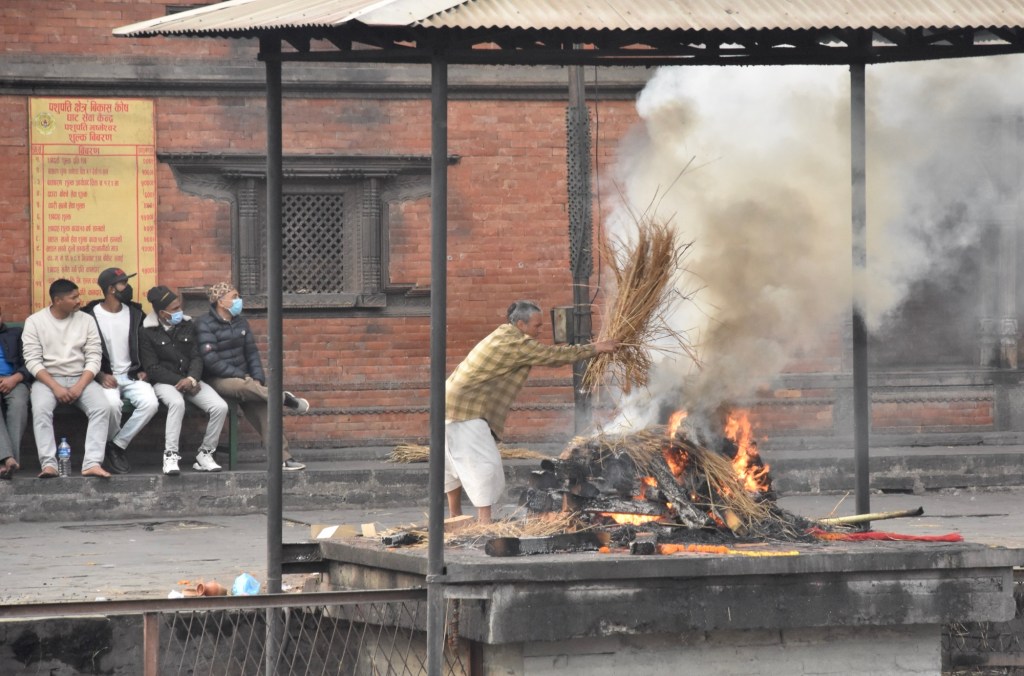
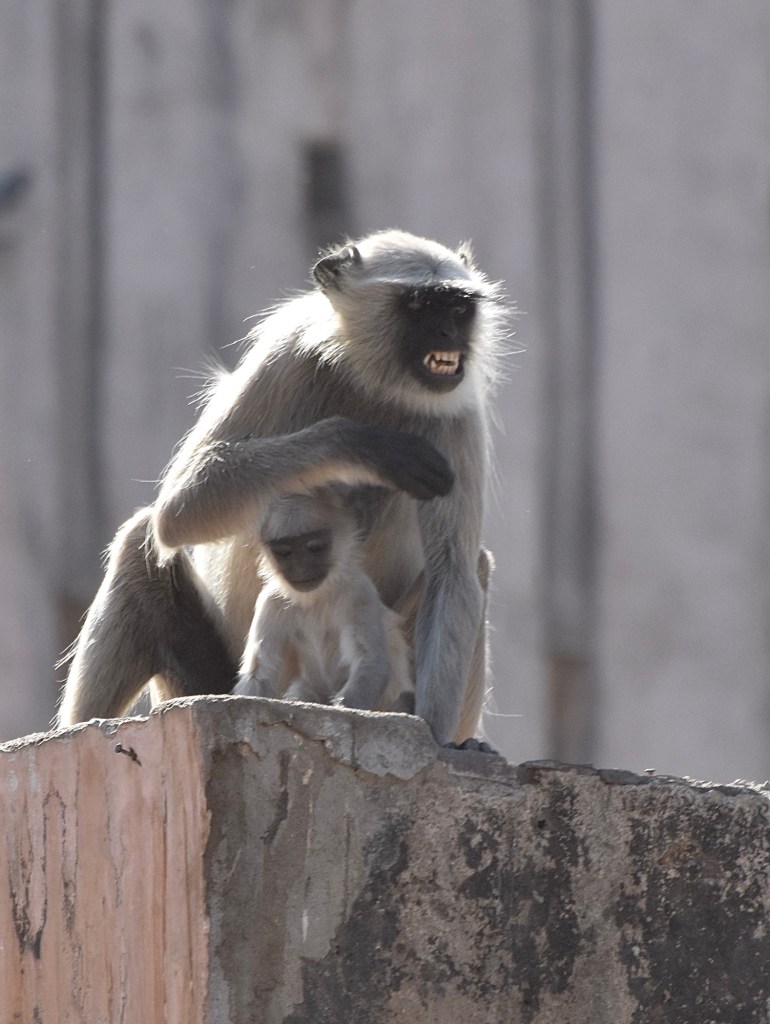
Walking down a path in the middle of Kathmandu this monkey was on the bank of the river overlooking an open air crematorium that runs 24/7, burning 600 pounds of trees to consume one body. Families pay $200 for the full ritual, and there are as many as six funeral pyres at once. Ashes are deposited into the river in the foreground as it ultimately drains into the Ganges.
The eldest son will have his head, beard, eyebrows fully shaved as part of the ritual’s acknowledging the loss of a loved one.
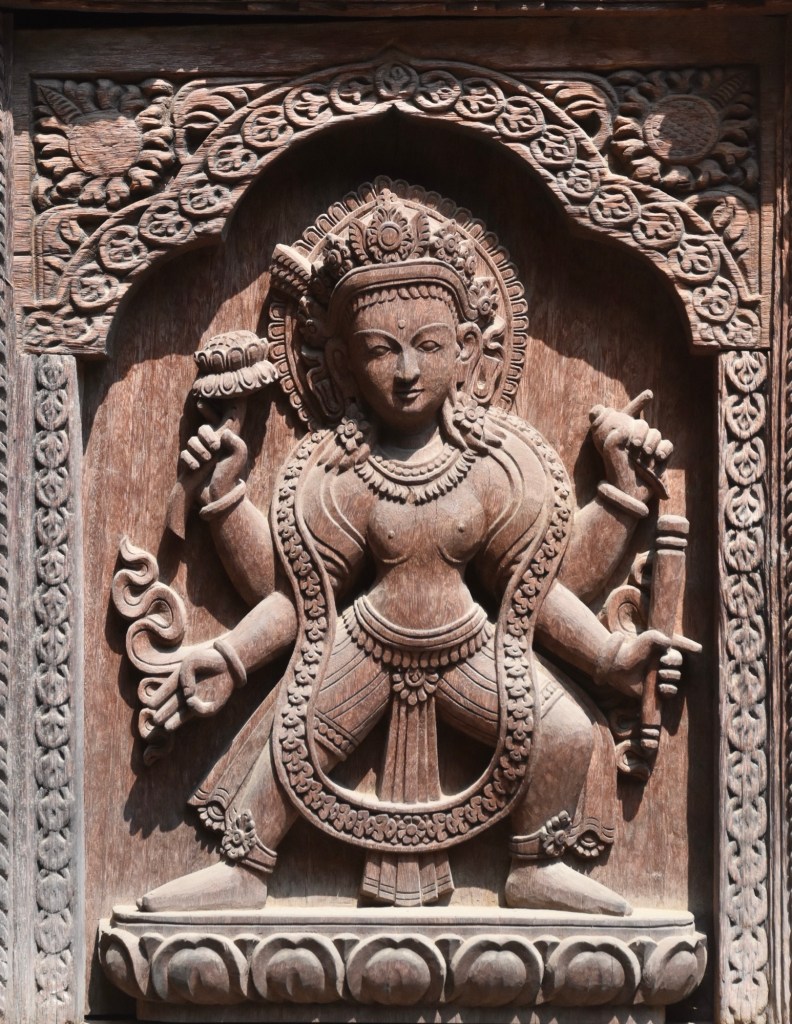
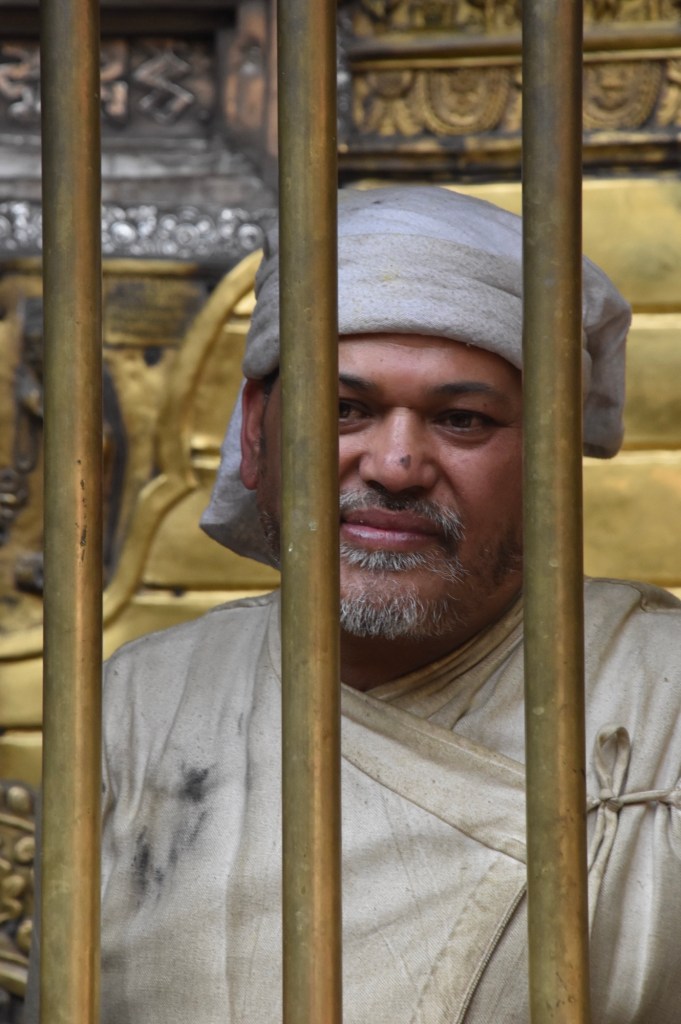
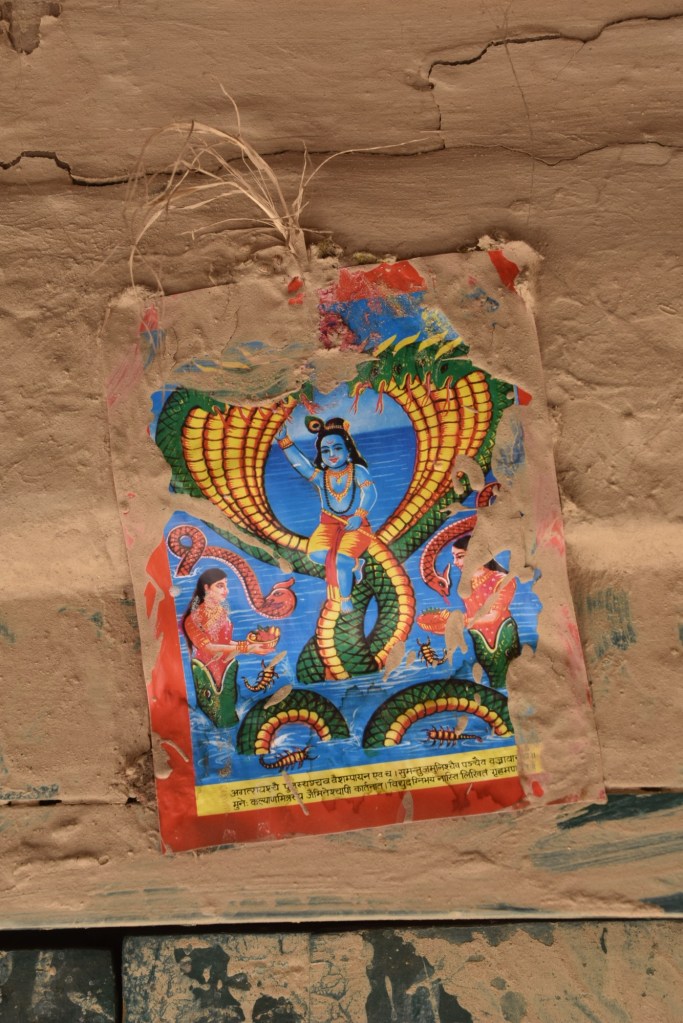
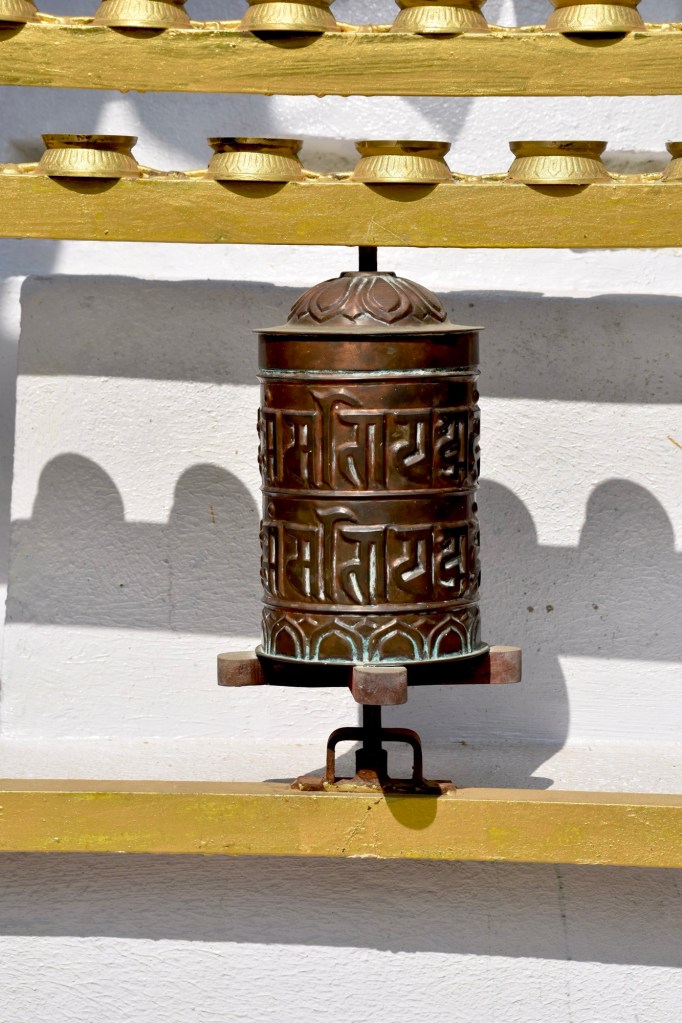
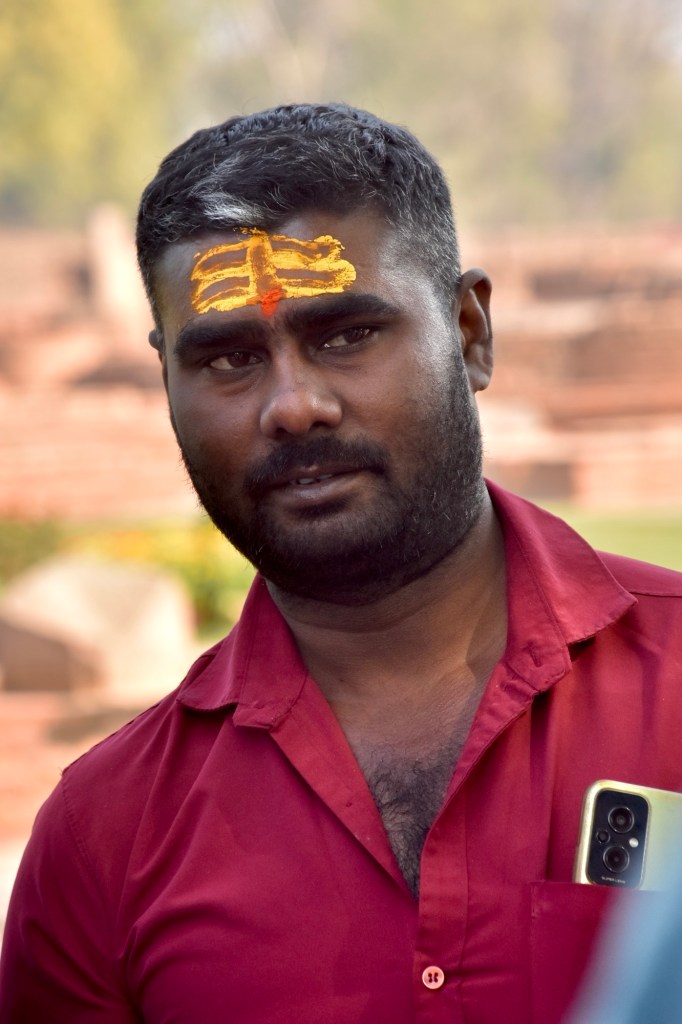
80% Hindu but with a strong Buddhist population, there seems to be a greater melding / overlap of these two major religions compared to India. Temples and religious iconography are pervasive, literally everywhere.
Nepal closed their borders, tightly, for about 150 years, just recently opening in 1954. Friendly and courteous to be sure, but not as effusive and joyful and open as the Indians of northern India. Nepalese features, customs, values, religion, all reflect the Asian influence to the north and Indo influence to the south.
What a big and sprawling and warm and friendly and interesting and diverse and dirty and polluted and tasty and flavorful and religious and devout and tolerant and intolerant and loud and noisy place: India.
It’s all of these things and more, because, quite simply, it’s a Confounding place.
Before departing for good, a British colonialist observed that India is more a Continent than a Country.
A large majority Hindu population is firmly in control, living more or less peacefully with Sikhs, Jaines, Muslims, Buddhists, it’s a very long list. And yet the current federal government leadership’s focus is on promoting a nationalistic Hindutva, or Hinduness, as the glue of the future, ignoring the irony that India’s signature architectural gem, the Taj Mahal, was built as an Islamic temple.
The world’s largest country with 1.5 Billion people, about 80% of whom continue to live in poverty, in no small part due to the deeply embedded continuation of the caste system.
The world’s largest democracy modeled on the British parliamentary system, which serves as a permanent reminder, along with roundabouts, school uniforms, and afternoon tea, of what is referred to as the British Hangover.
A land of peaceful worshippers prone to quiet and contemplative meditation, but the same people who are incapable of driving their motorcycle or tok tok or car or truck more than 15 seconds without laying on the horn.
Over a Billion people whose very survival relies on living off the land, a life of subsistence, a life centered on agriculture to support a mostly vegetarian diet, but who don’t think twice about just throwing trash on the ground. It’s everywhere. And in the cities, millions and millions who must deal with the plethora of health issues that come with having 83 of the 100 cities in the world with the worst air quality.
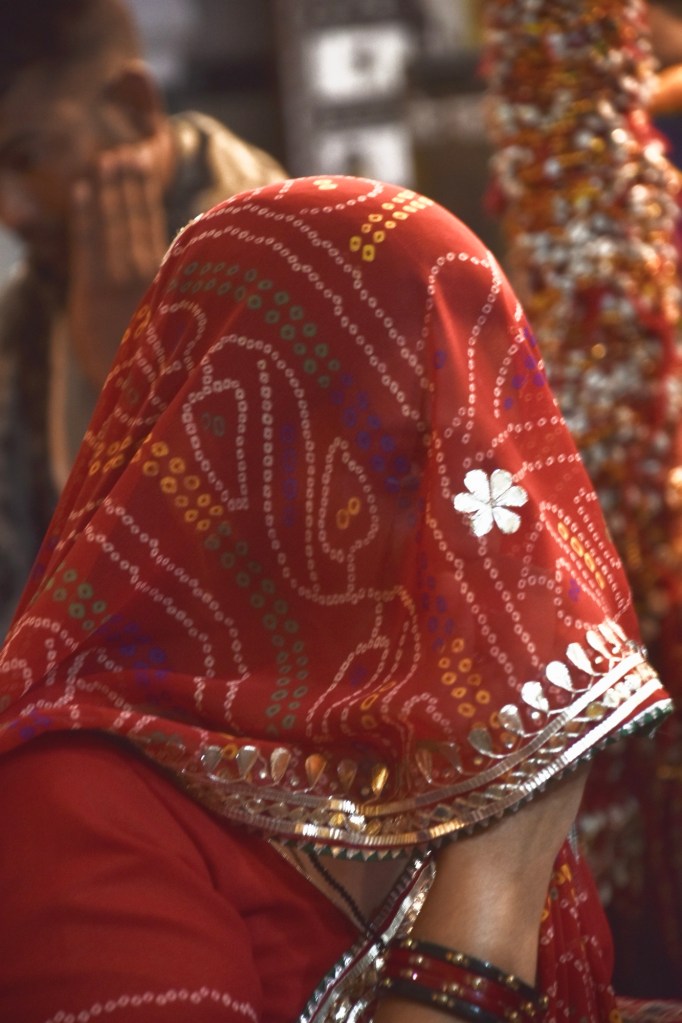
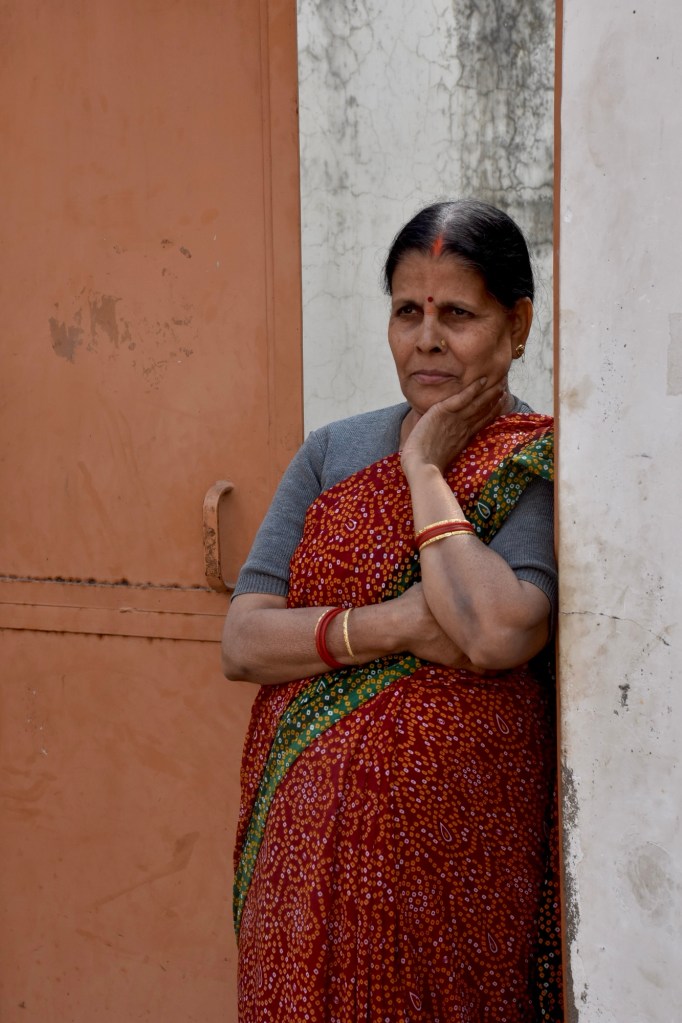
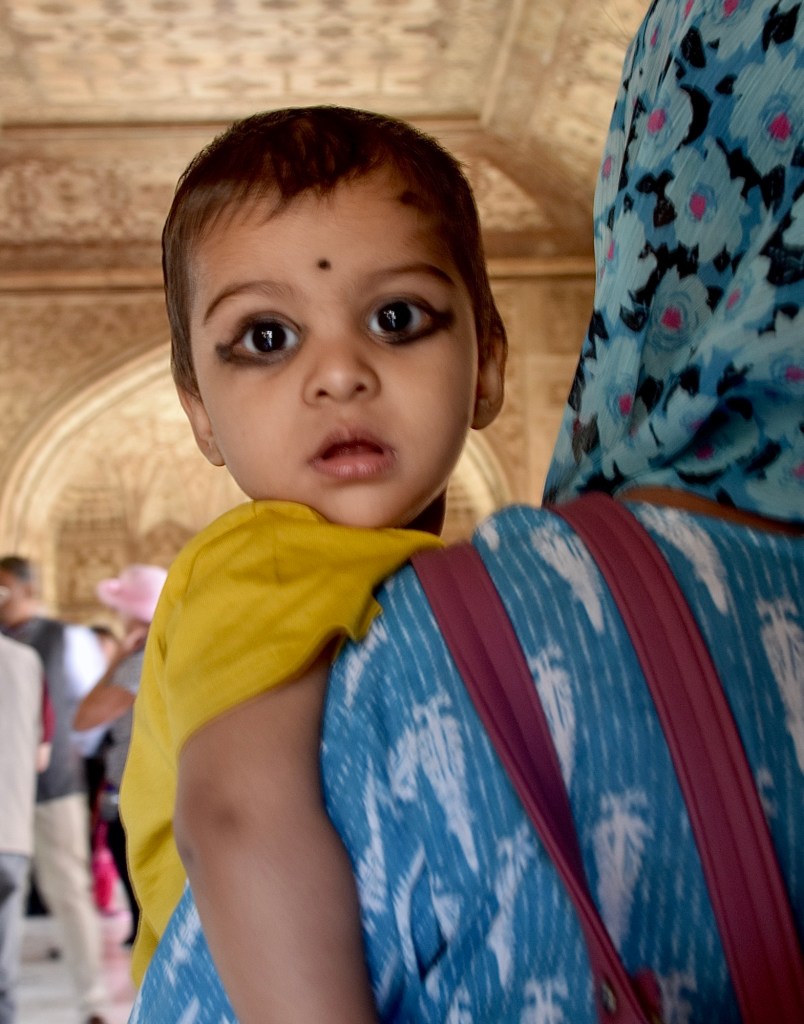
A culture that places an extraordinary, absolutely extraordinary, emphasis on weddings, some arranged, others organic. And yet, the vast majority of men and women will live their entire remaining lives hanging out in small groups of, yes, men and women. Occasionally one will see a couple together in public, but rarely will one observe any form or expression of affection.
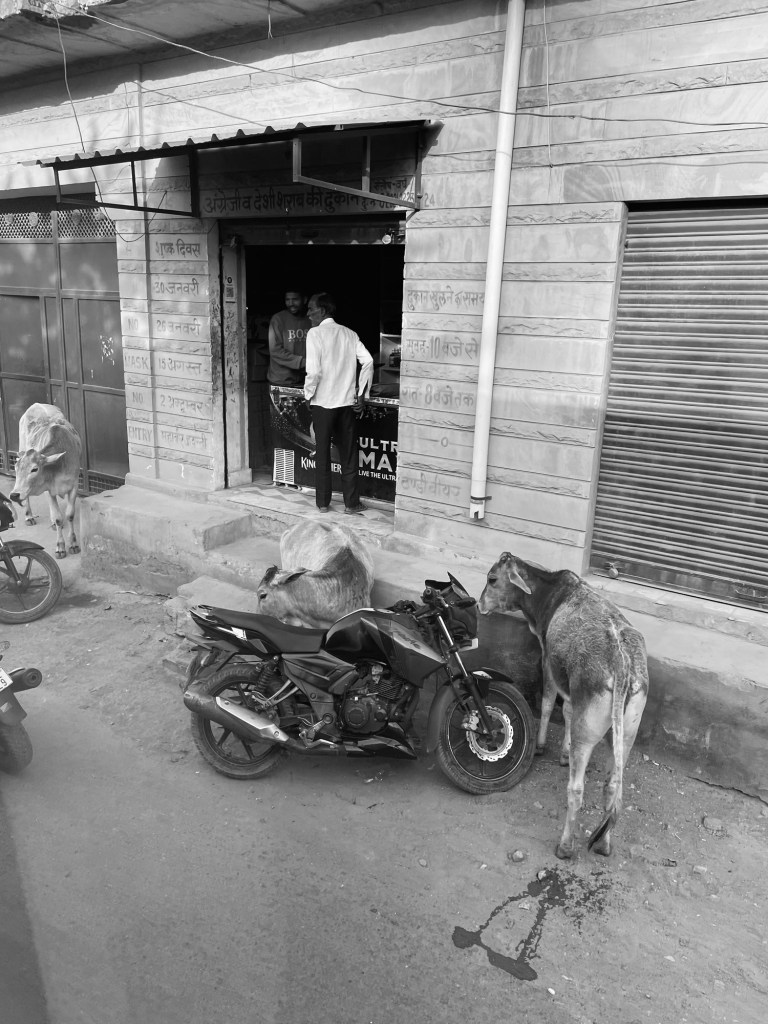
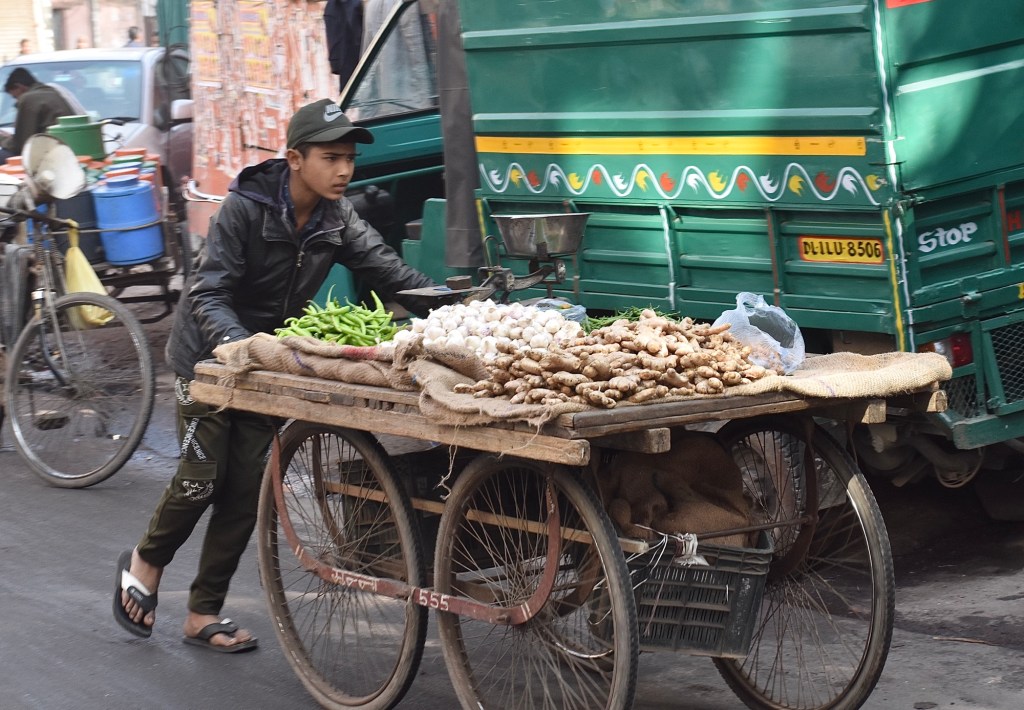
It was said that Indians do not play Soccer, because a soccer field has four corners and whenever an Indian sees a corner he opens a shop. Reality is not far away, entrepreneurism and self reliance are innate to Indians – their economy seems to revolve around small, individually owned shops, Everywhere!
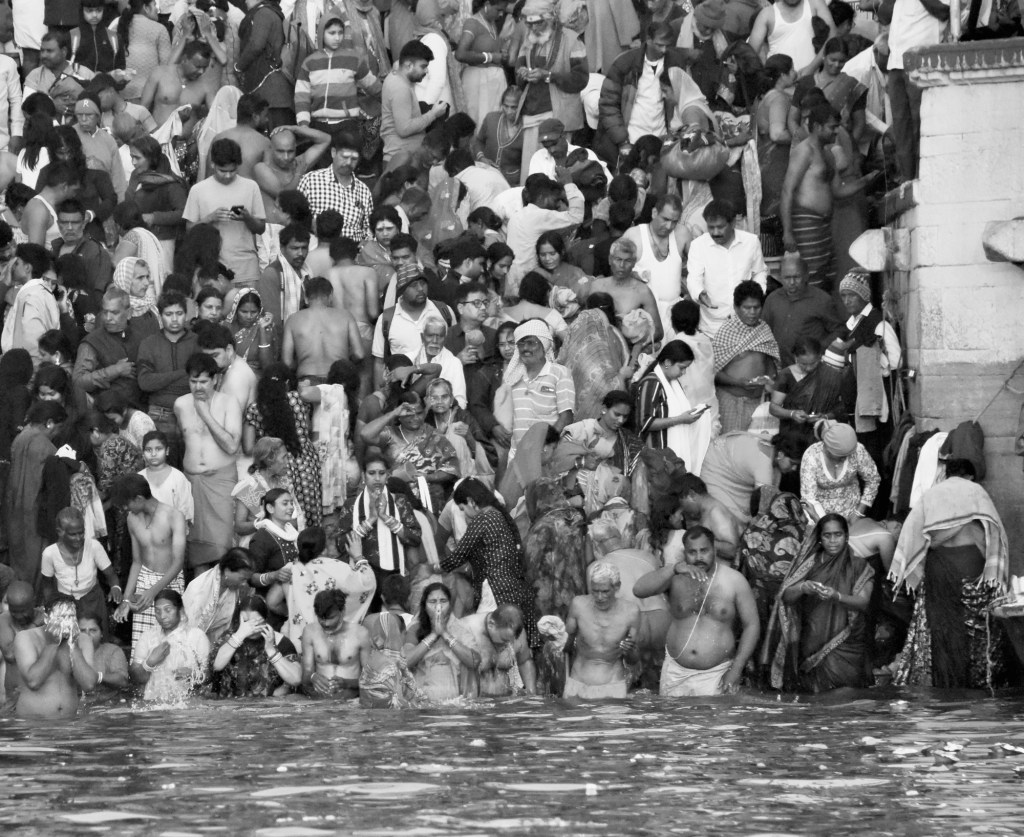
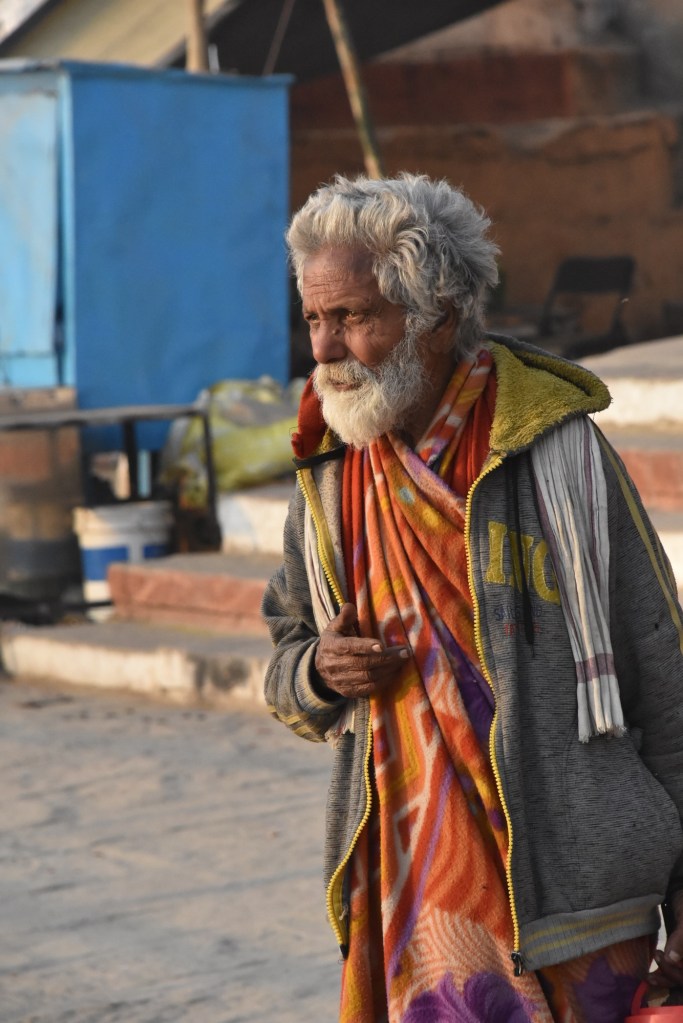
Religion, whichever it might be, that seems to guide nearly all of daily life. So much so that 90 million Hindu pilgrims will not think twice about journeying across the vast countryside to pray and worship and bathe and eat and sleep on the banks of the Ganges River. And quite literally everything has a meaning, is a symbol, the oral history that is the Hindu belief system is really quite extraordinary and something to be in awe of.
And of course Family. More than country or religion or business, Family is the glue that holds this entire confounding place called India together. Family is quite simply Everything, in all facets and in all respects, of everyday life.
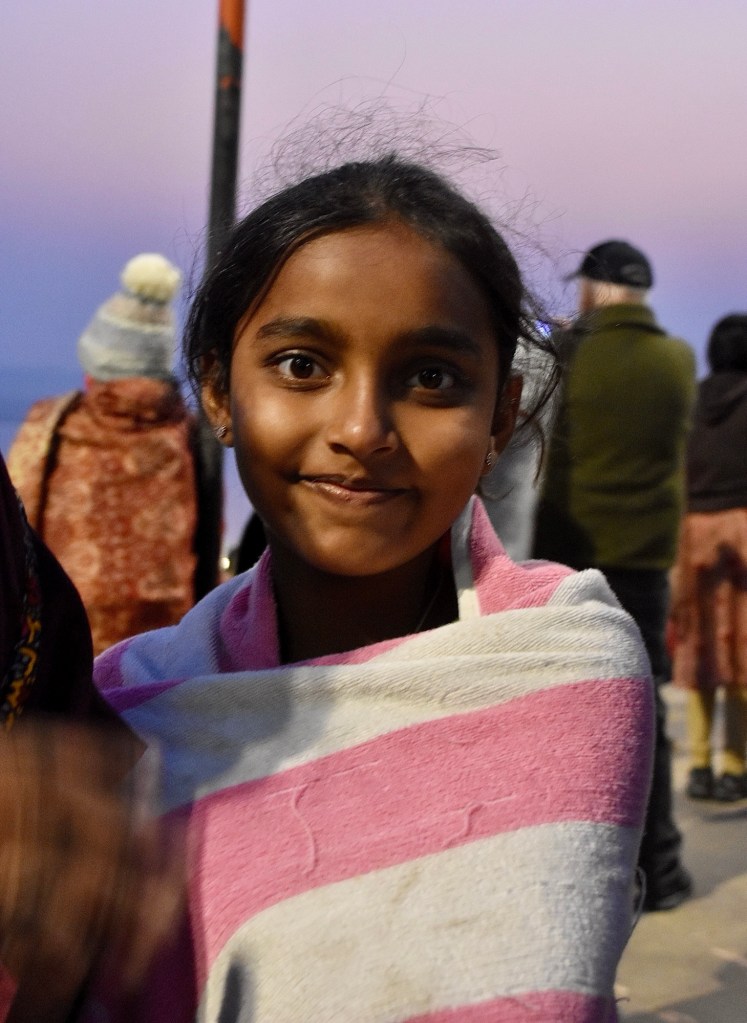
We travel, we listen, we observe, we learn, but we know enough to not judge, for with knowledge comes understanding. And so we are reminded of the universal nature of life: people everywhere, wherever they might live, all seek the most basic things, to live a life with dignity and respect, to spend time with their family and their God, and to hope for a better life for their children.
Thank you India for your friendliness, your kindness and your warmth – it will forever be held close. Namaste 🙏
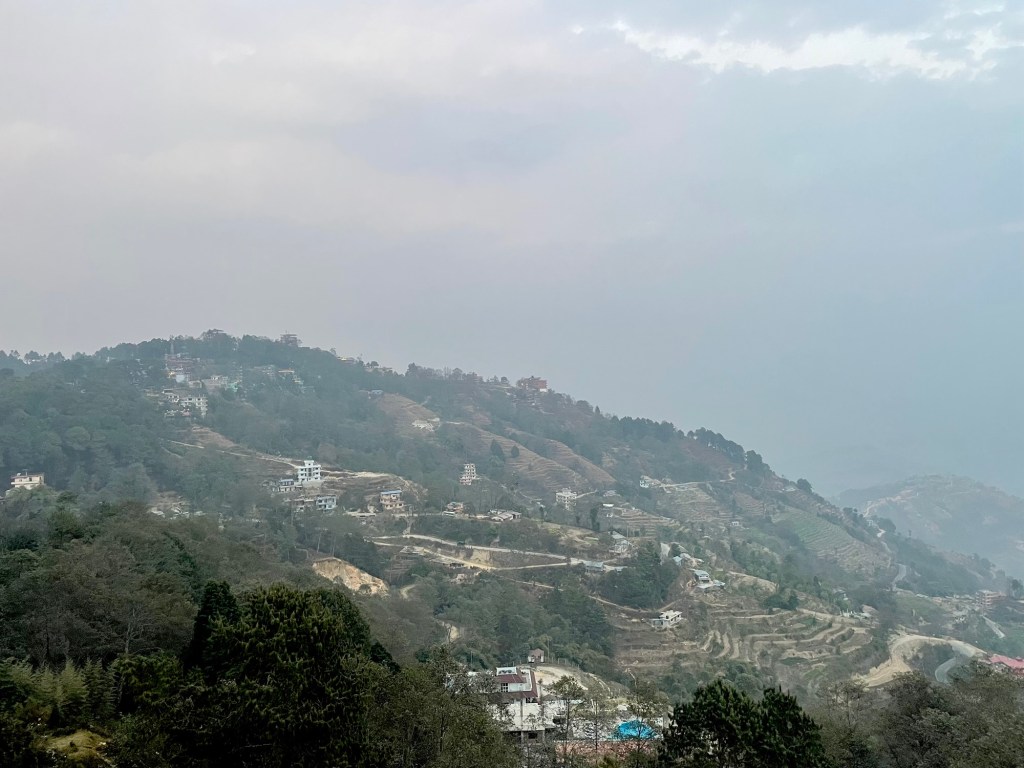
High in the hills above Kathmandu is an old Nepalese village called Nagarkot, sitting atop the ridgeline and offering stunning views of the Himalayan range. The views are dependent, though, on seasonal rains and winds to clear out the choking fog, smog, smoke and general air pollution that we also experienced in India.
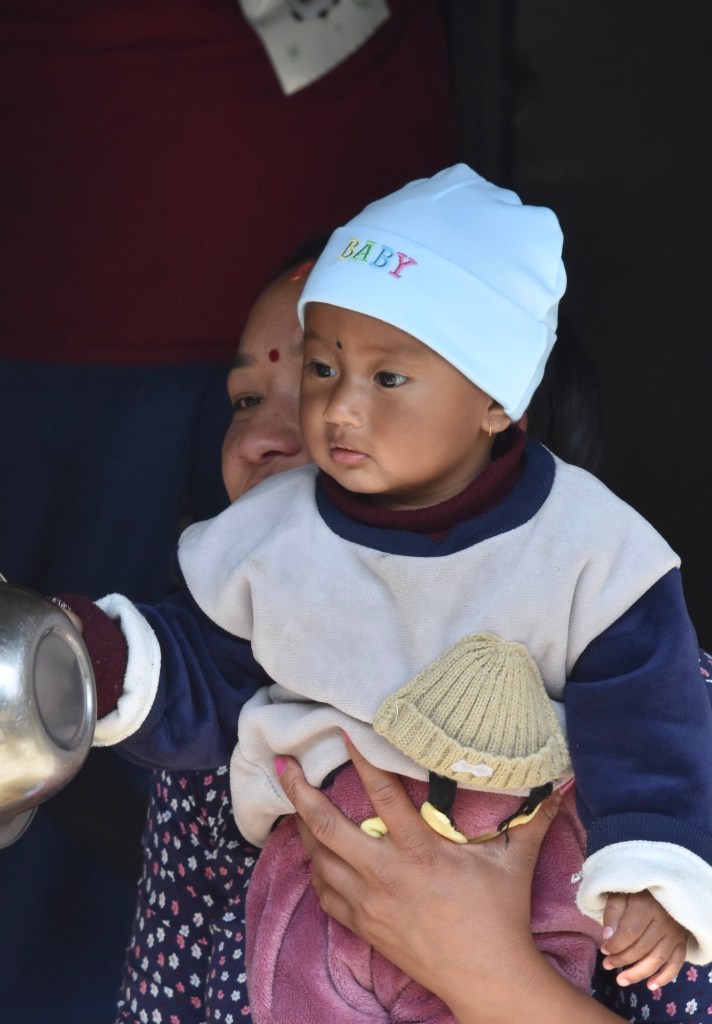
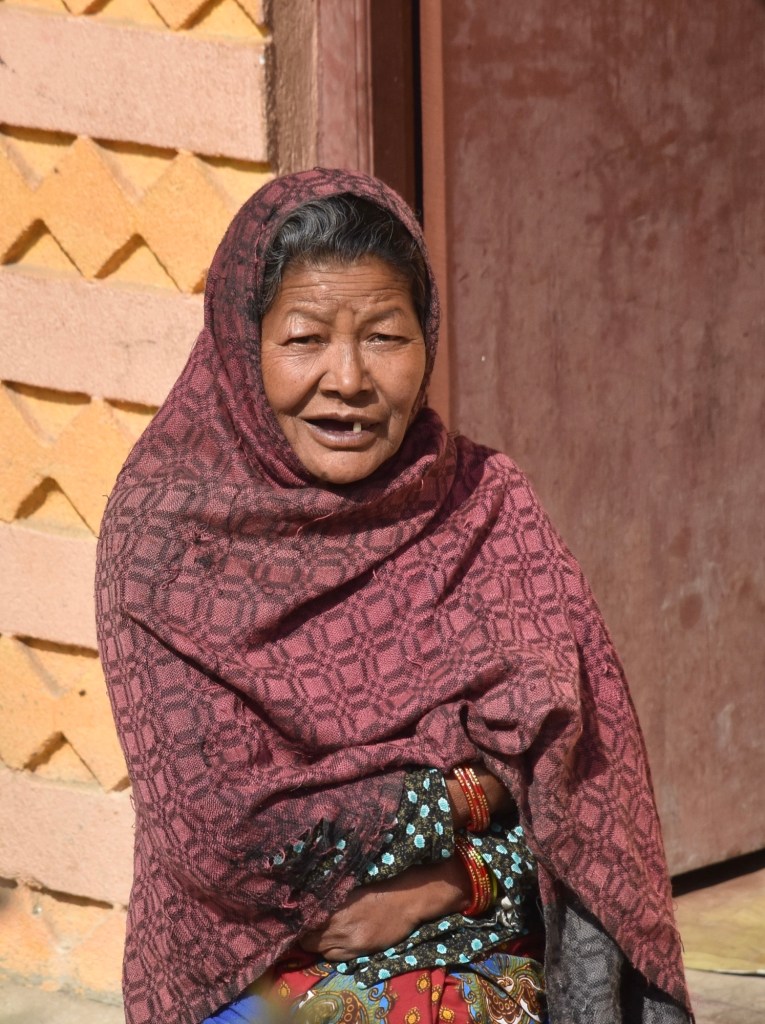
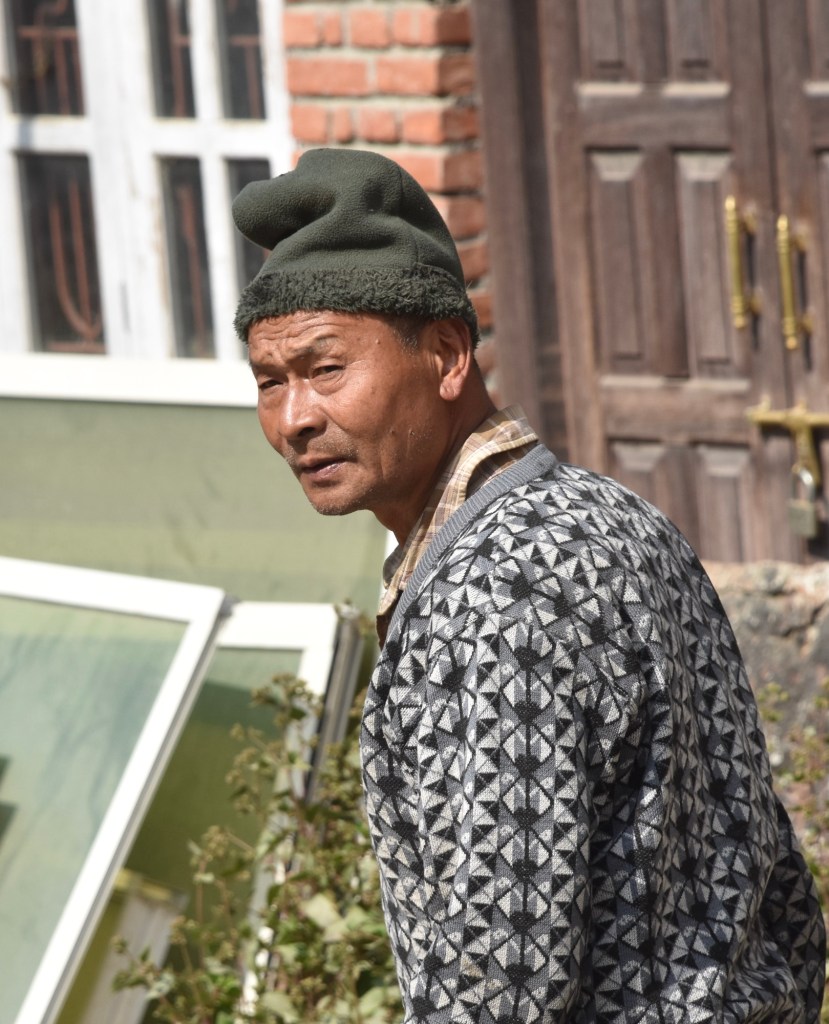
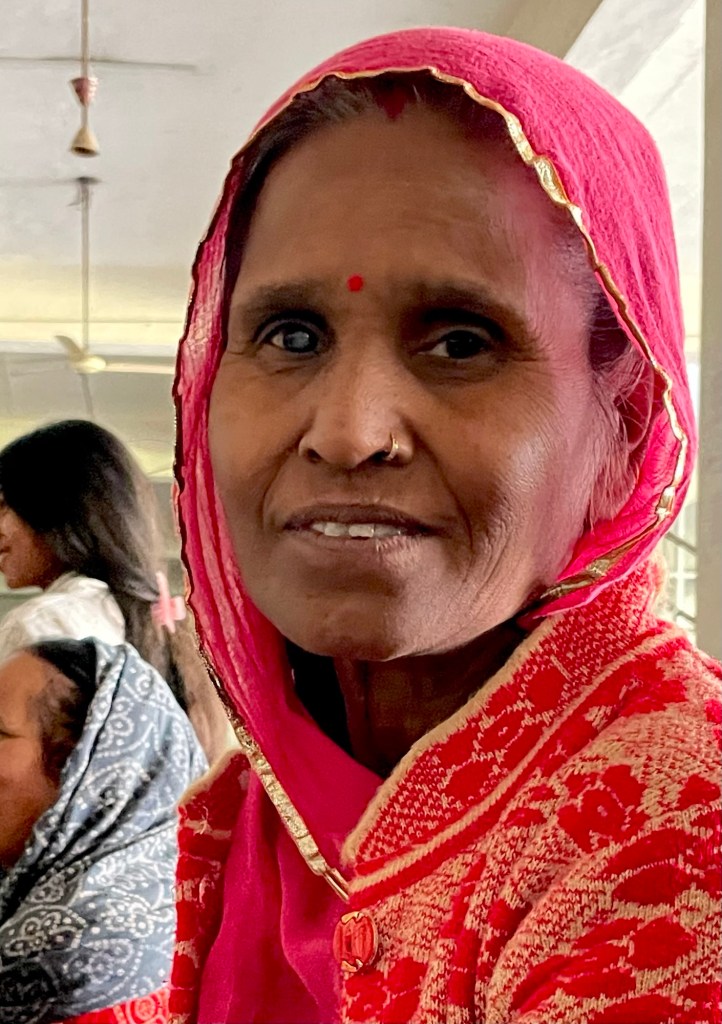
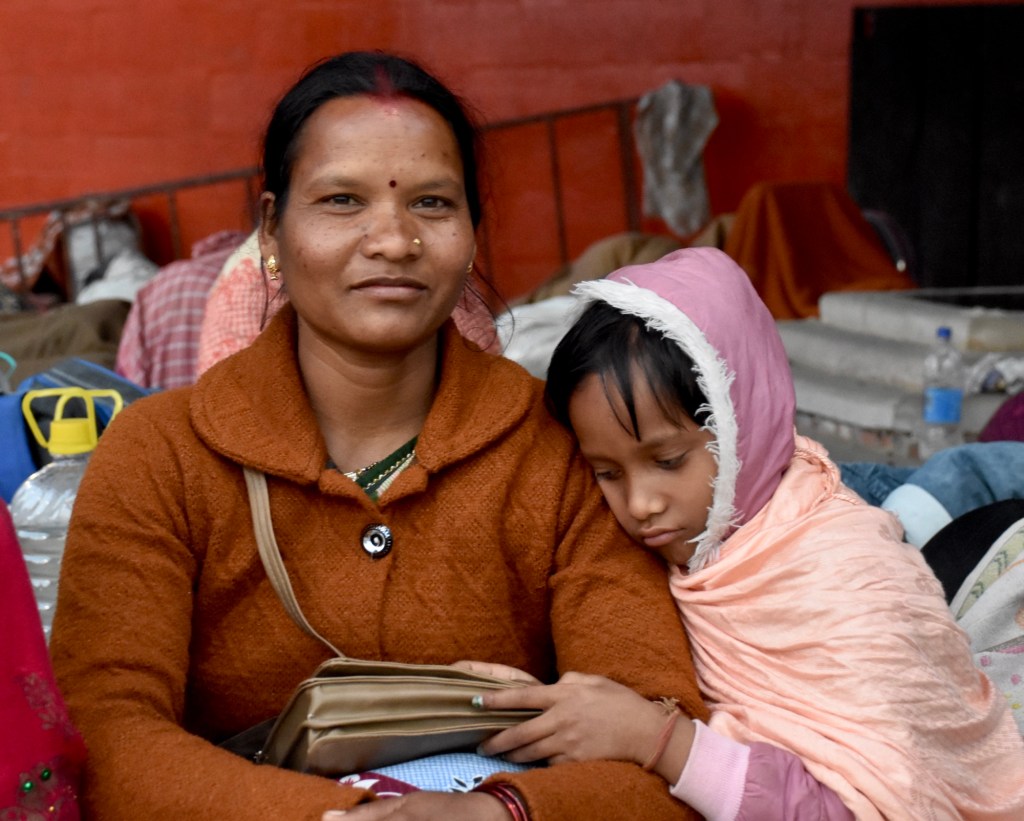
As with India, the beauty here lies within the people. About 80% are Hindu, 10% Buddhist, and the remainder a melting pot.
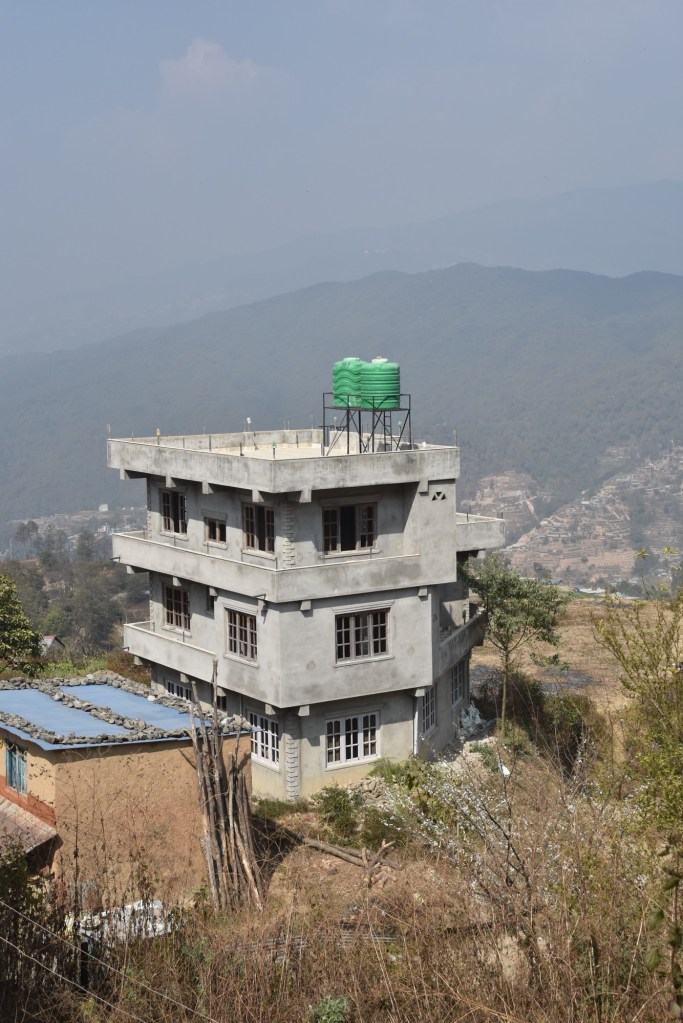
Nepal was leveled in 2015 by a 7.8 earthquake, causing 10,000 deaths and widespread structural damage.
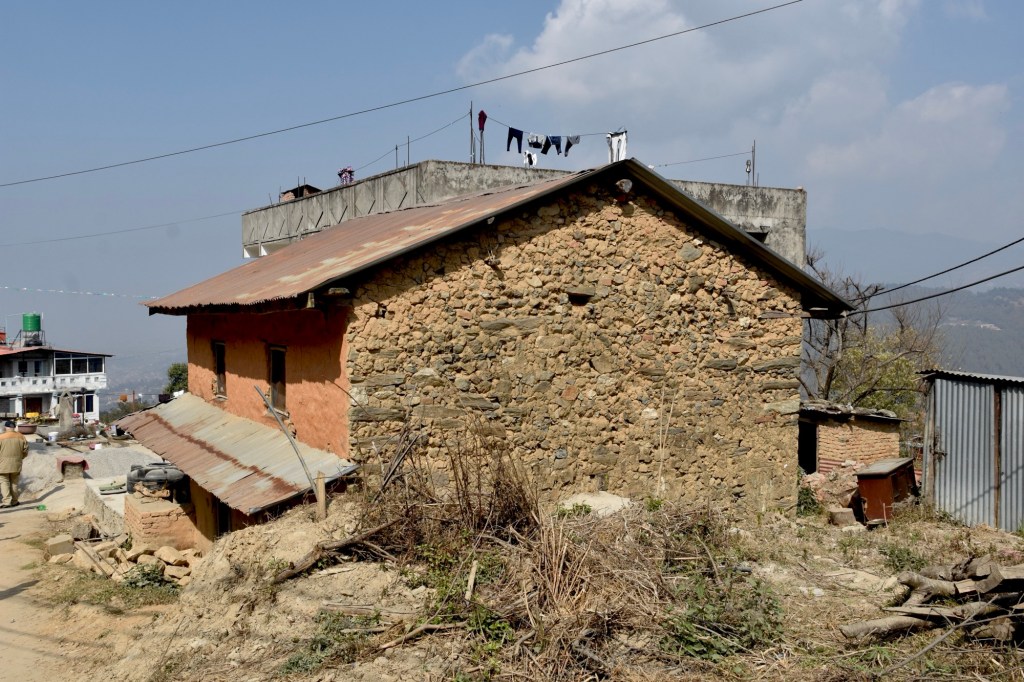
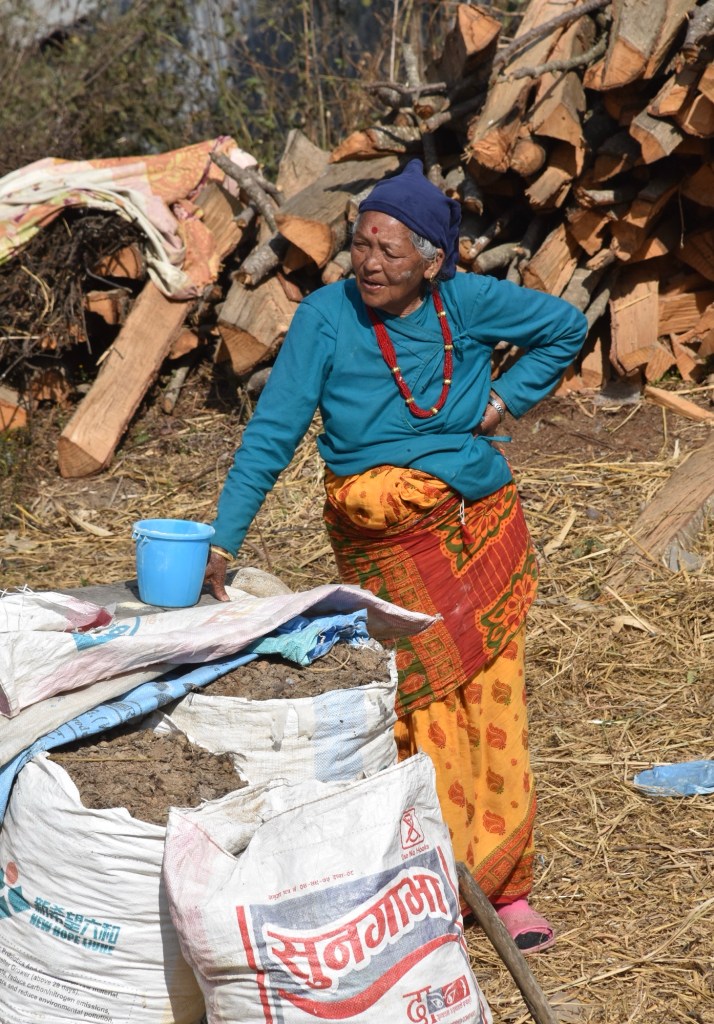
Homes built of concrete were okay, until the concrete cracked and then the homes often times came down. Older designs, such as the one below, fared somewhat better as their walls are made from a mixture of clay, mud, and cow manure. 
Potable water came to this mountain village about 10 years ago, though many still boil and chlorinate the water for safety purposes.
With about 120 different ethnic groups living in Nepal and speaking about 85 different dialects, it’s another reminder what an artificial construct nation states are in many parts of the world. 
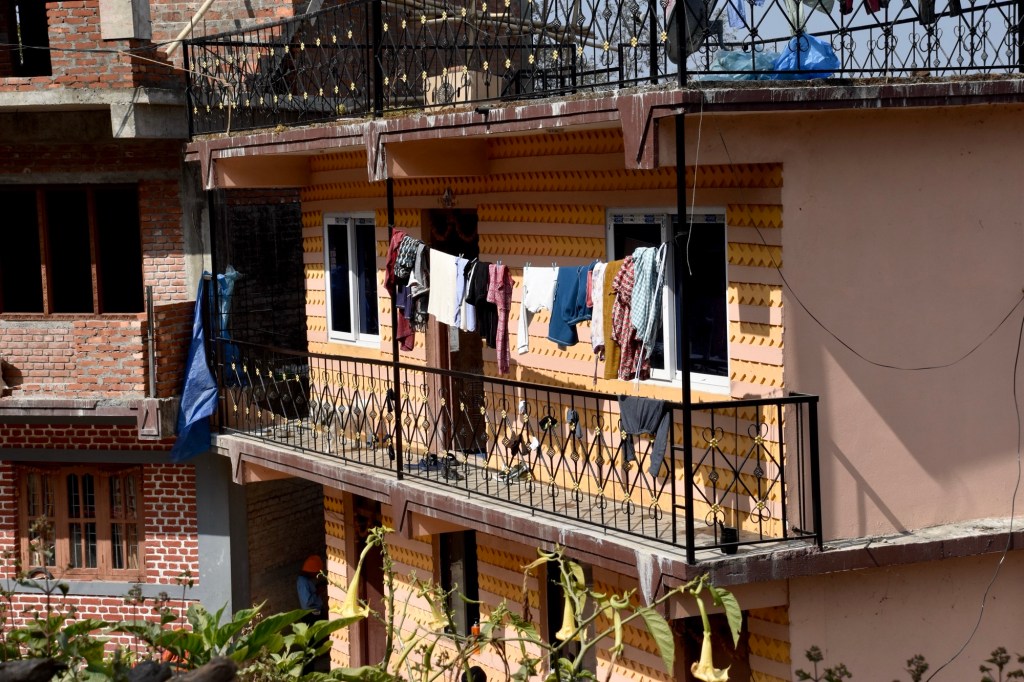
Drying herbs and tending to the garden was pervasive throughout this mountain village.
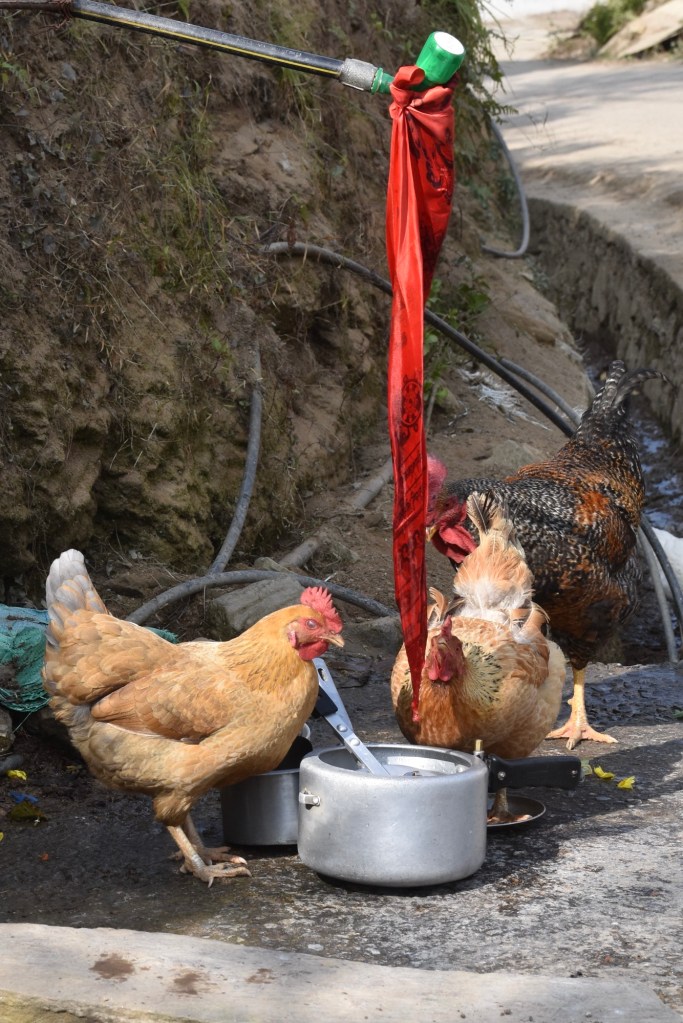
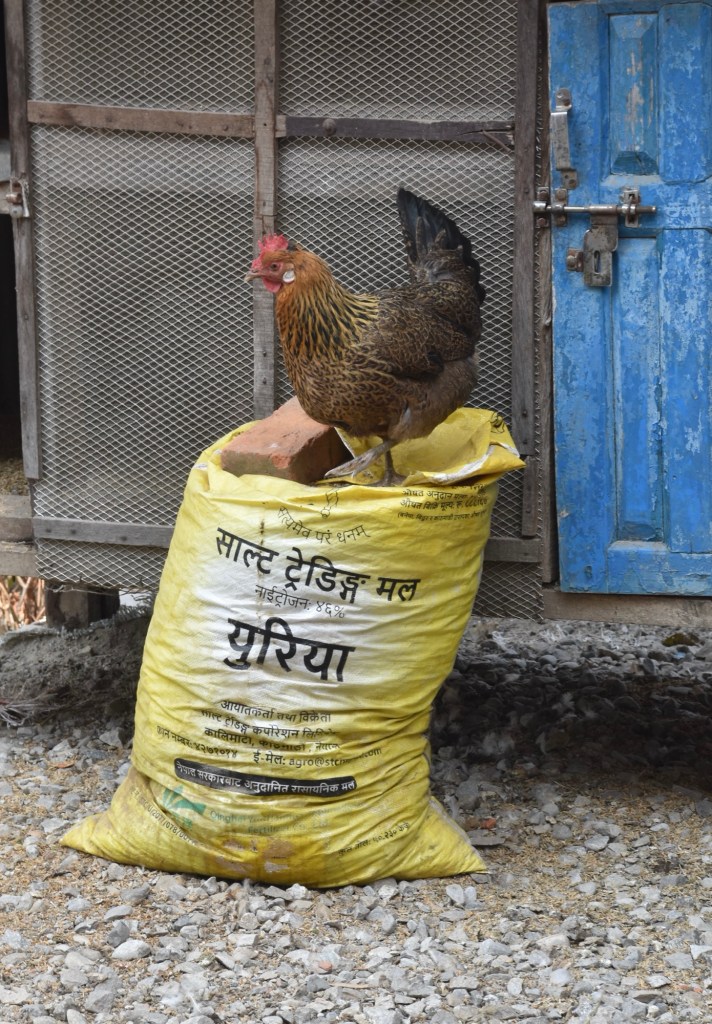
Just keep the chickens away, and nearly everyone has chickens!
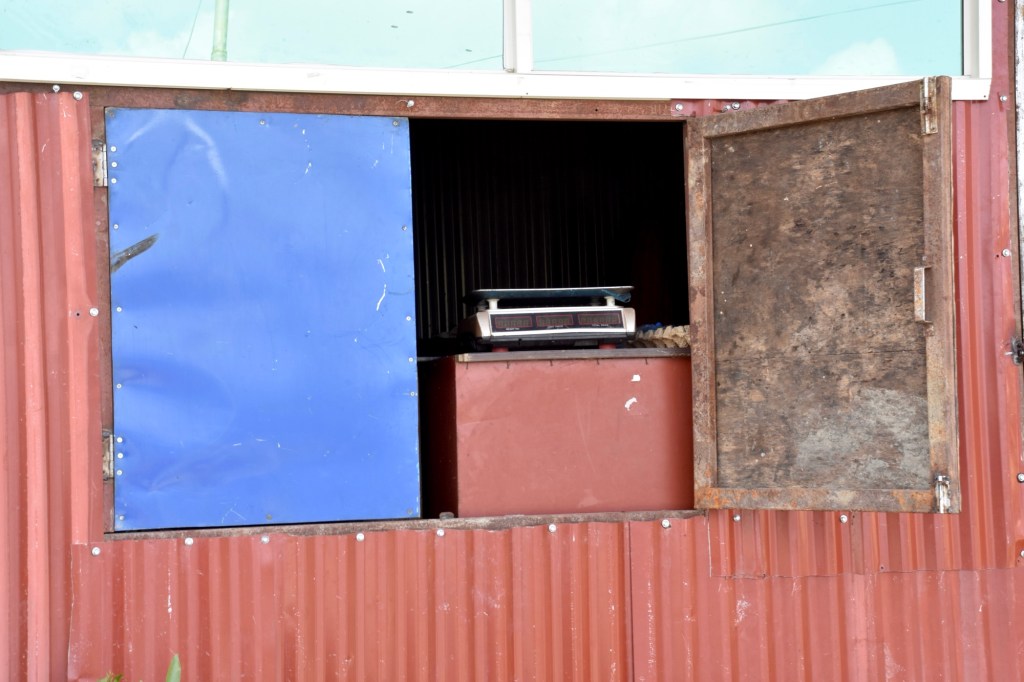
An open air meat market, just walk up, talk to the Butcher and he weighs your purchase right there in the window. 
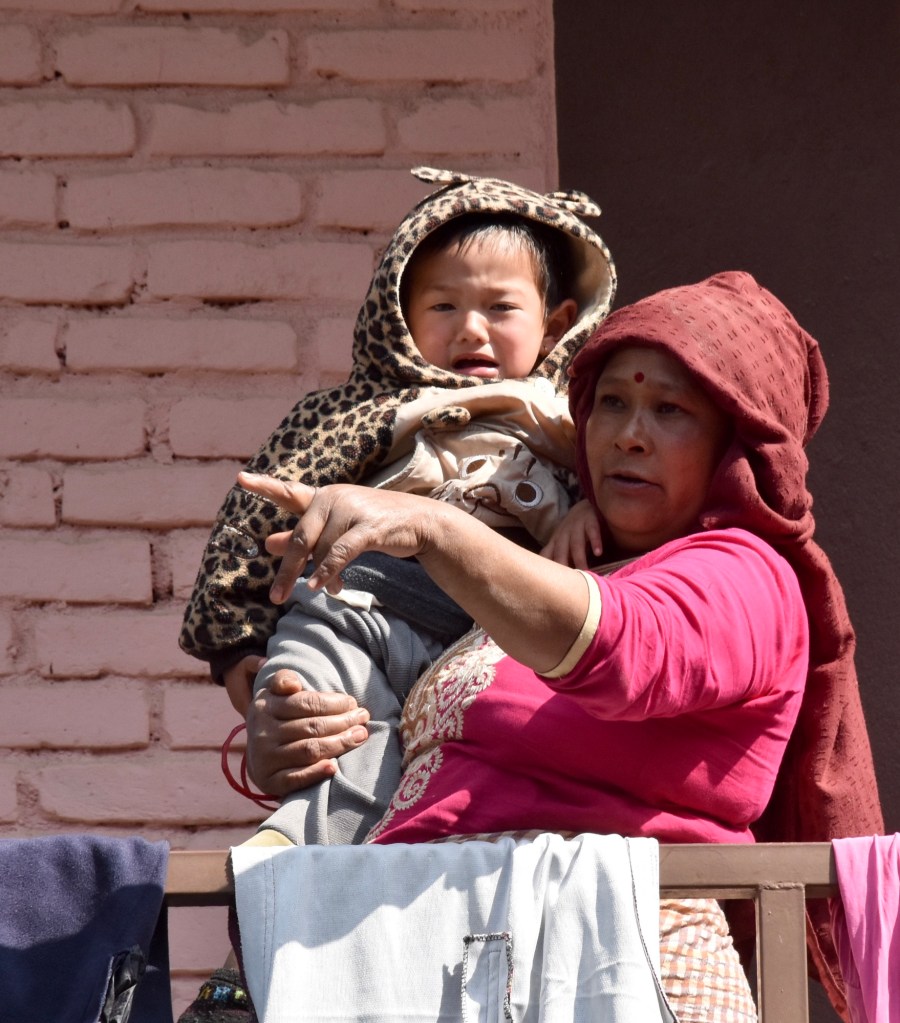
As we walked by this home, we could hear a baby just wailing and wailing away. Then grandma came out and started gesticulating and pointing and yelling our direction. Thinking we had done something inappropriate, we kept walking. Our guide later told us that the grandma was yelling at the grandchild: If you don’t stop crying, I’m going to give you to these white people to take you away. 
Many homes have a painting of a various God over the front door, as there is a designated time each year to pray to each God.
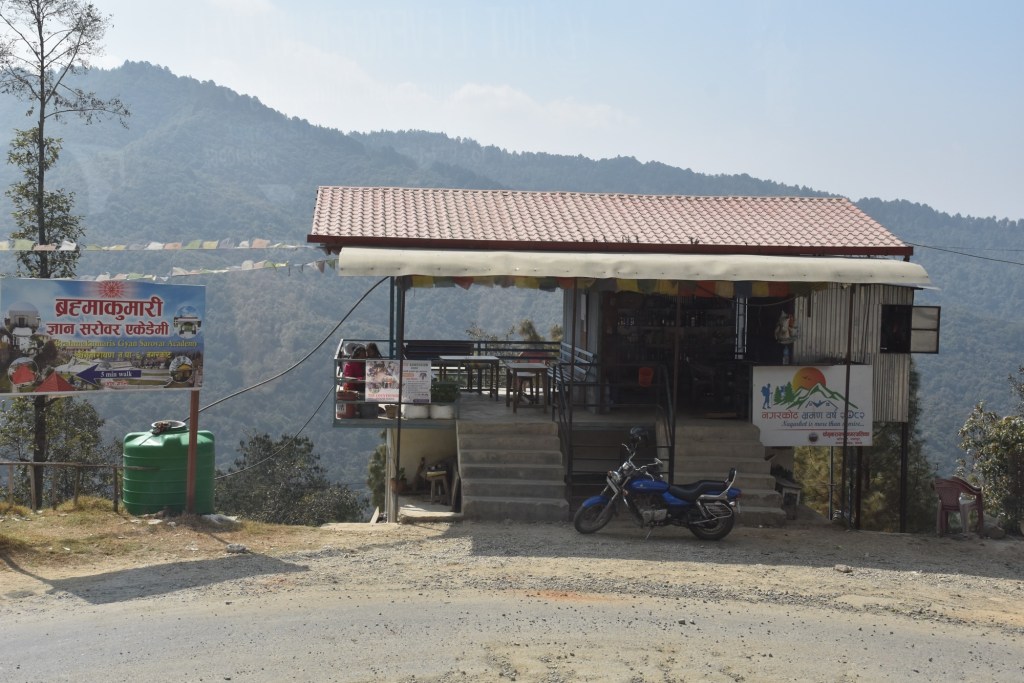
And then we come around the corner and find this very nicely developed Brahma Kumaris, a destination meditation center. 
Playing hide and seek with a school boy doing his homework on the front porch. Mother was not amused with either one of us!
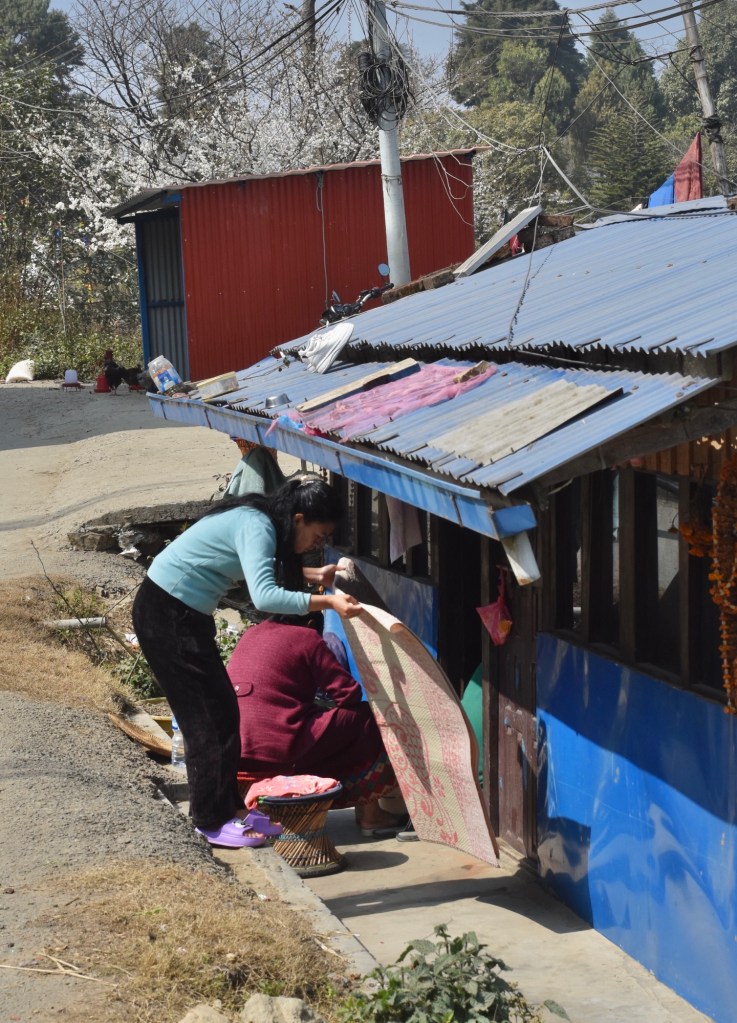
When people come to visit at your home, the custom is to put carpets out in front where everybody sits. It is a rare exception where guests would be invited inside the home. 
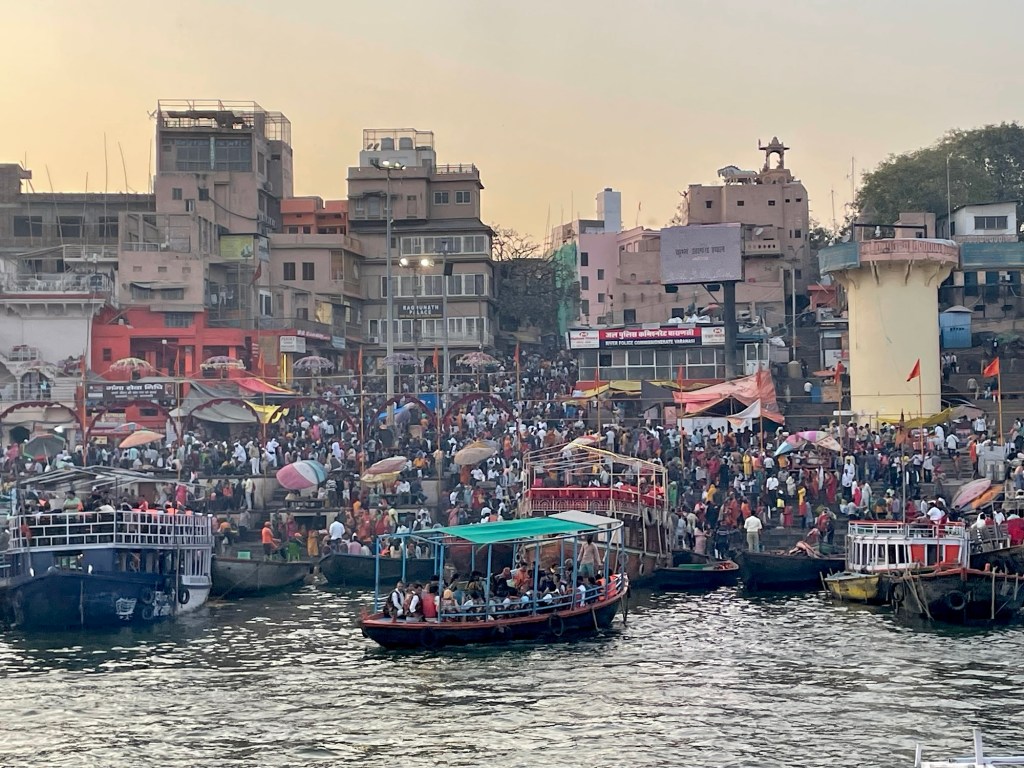
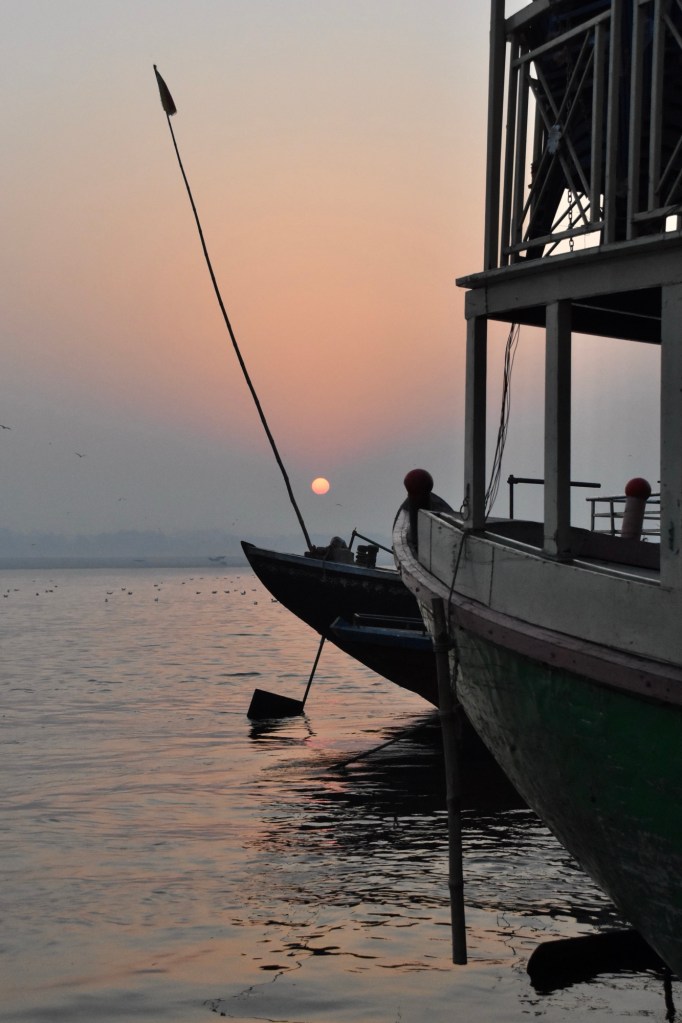
For millennia the spiritual home of the Hindus is this place where the Ganges River makes a big, long arcing turn, carving the riverbed into the sandstone bluffs on the edge of Varanasi, a city of 3.5 million deeply religious people in Uttar Pradesh.
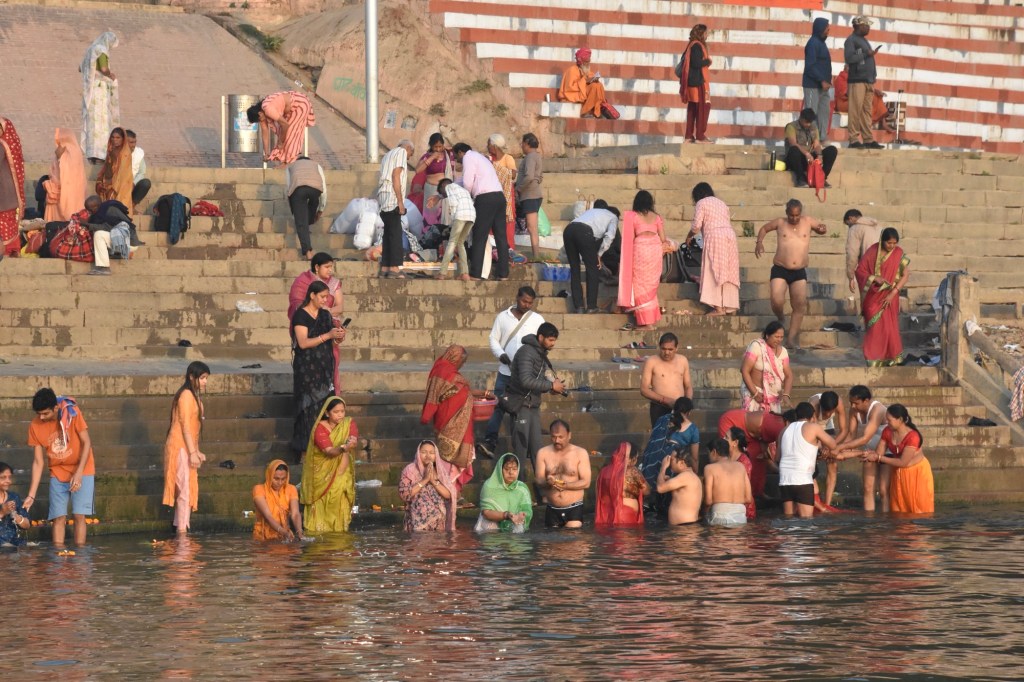
It is so important that at any given time throughout the year there can be as many as 8 million pilgrims. Everyone comes for their own reason, but it’s important to understand that the Ganges River is viewed as the source of all life for Hindus, from the beginning to the end.
Some times of year are considered more auspicious than others. Some years are more auspicious than others, and when the astrology lines up, extremely important gatherings occur every 12 years such as what has happened over the past one month in conjunction with the Kumbh Mela festival. In fact, the 2025 festival was a Maha (Great) Kumbh Mela, and this occurs only every 144 years. It brought an astonishing 90 million pilgrims, the largest religious gathering on Earth!
An open air crematorium on the shores of the Ganges River.
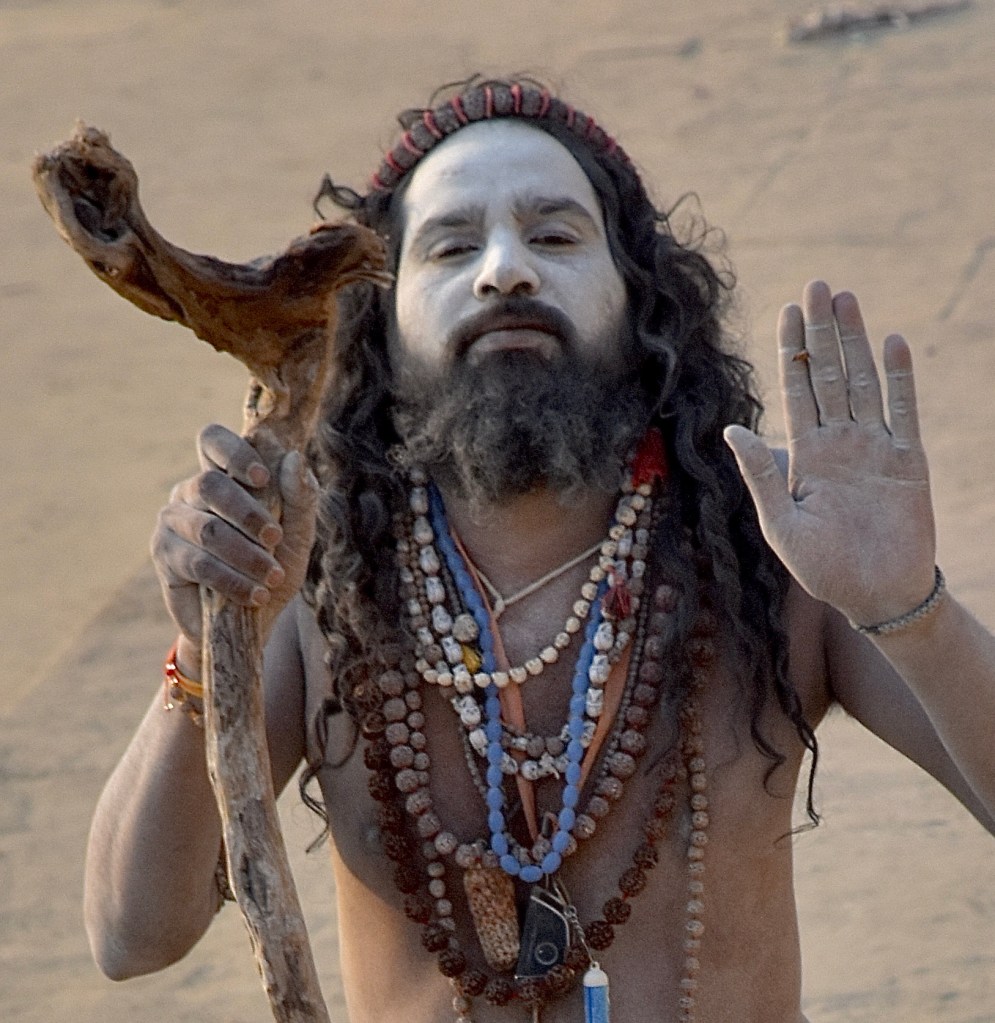
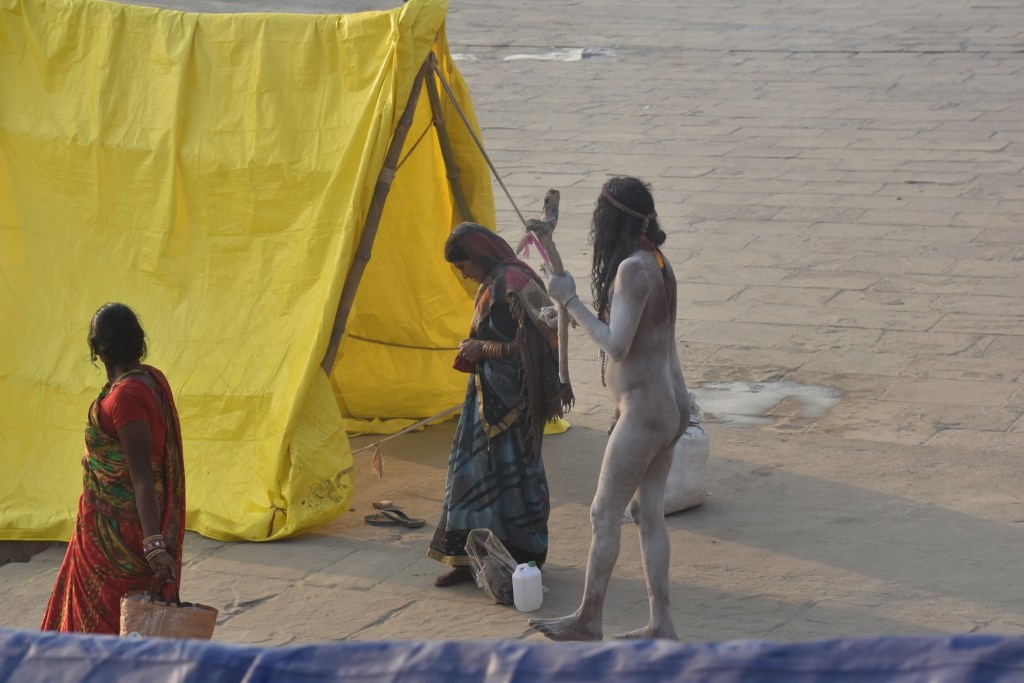
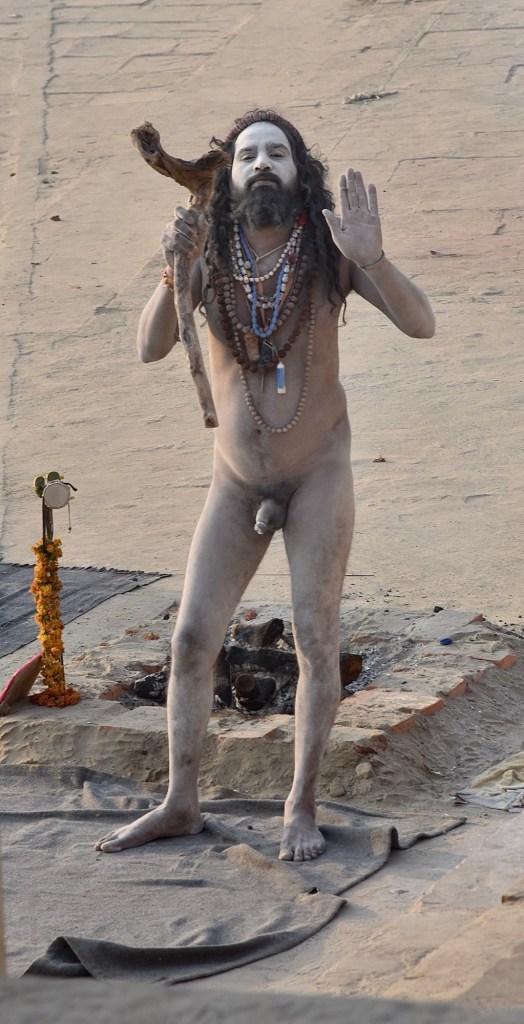
Pilgrims bathe in the sacred river, ceremonies include processions on elephants, horses, and chariots. And the Naga Sadhus perform rituals with shining swords. 
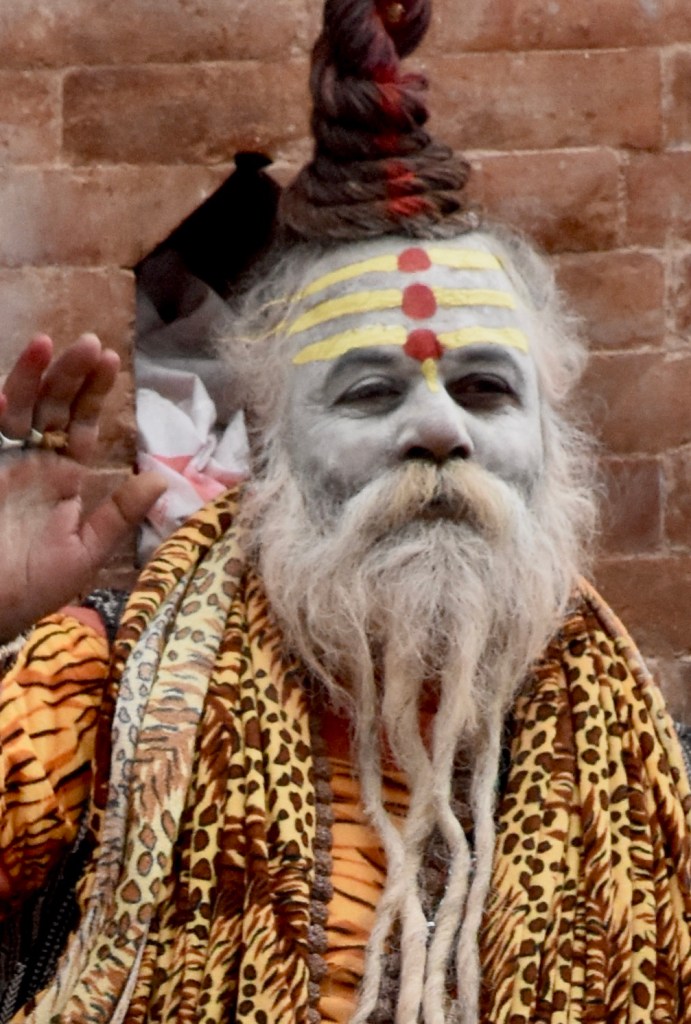
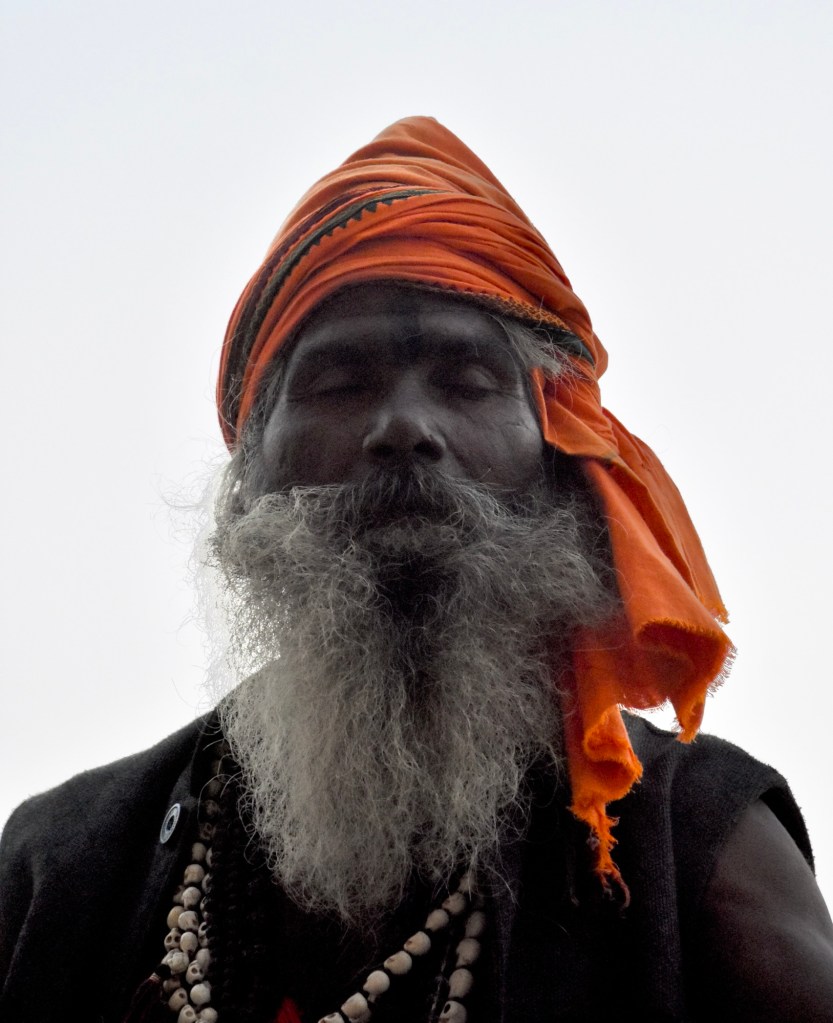
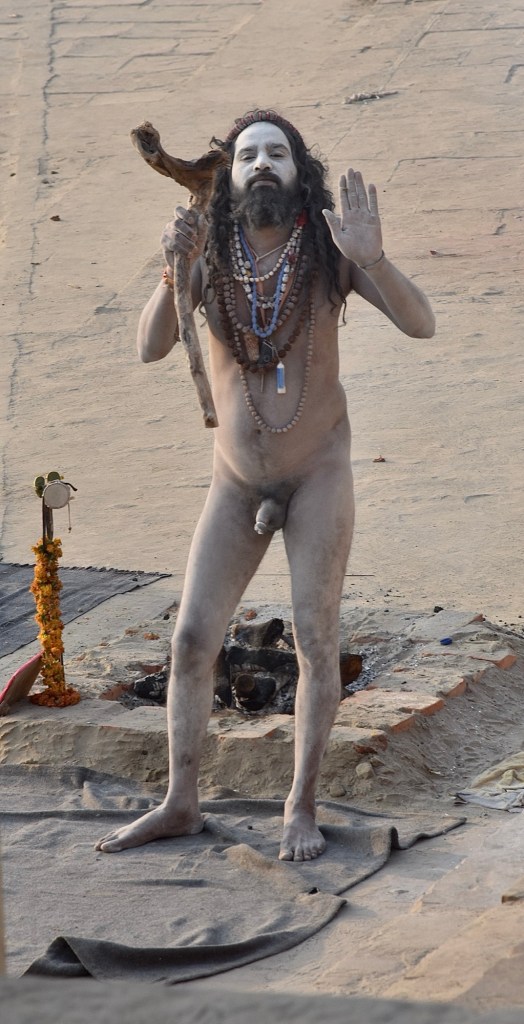
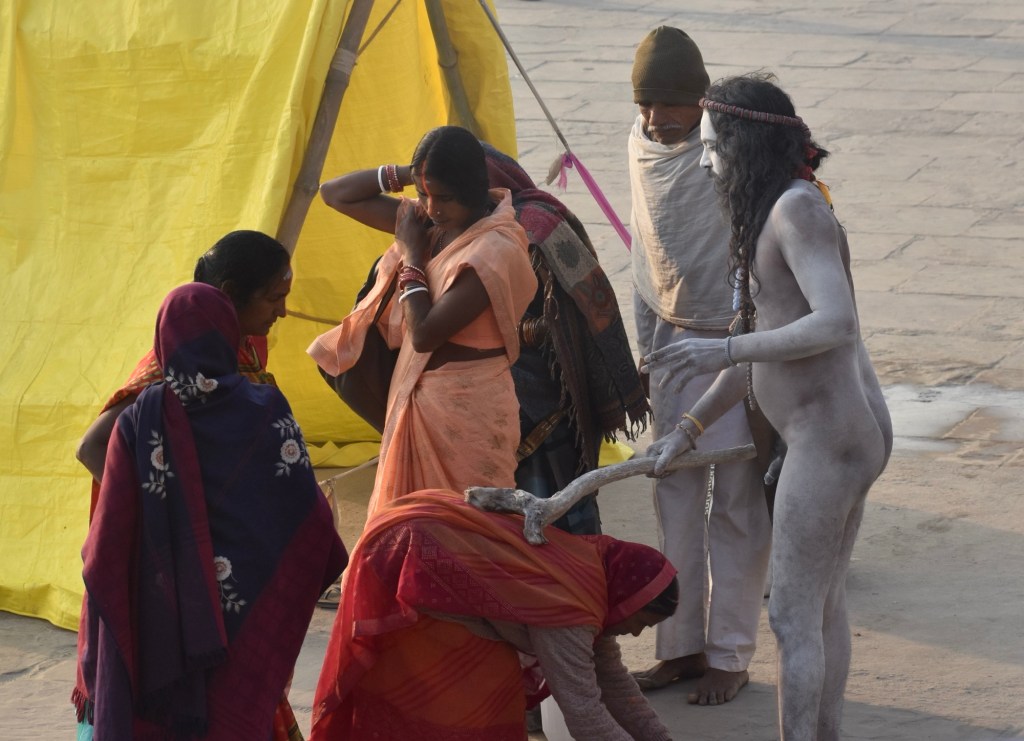
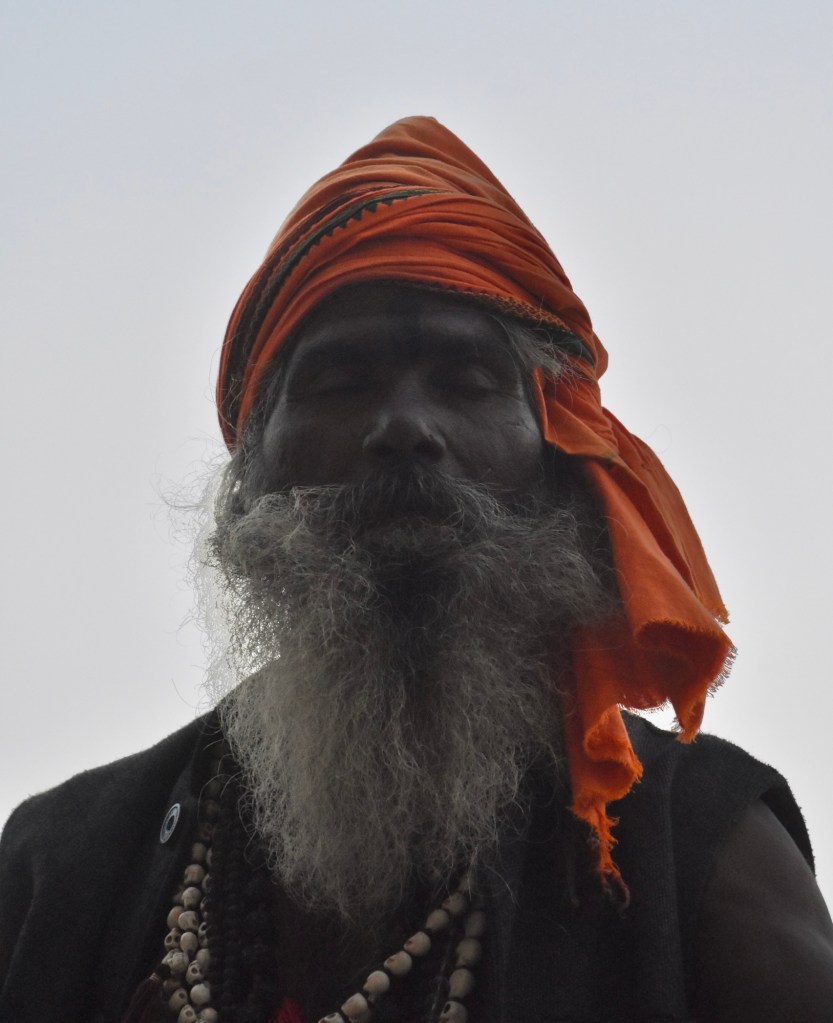
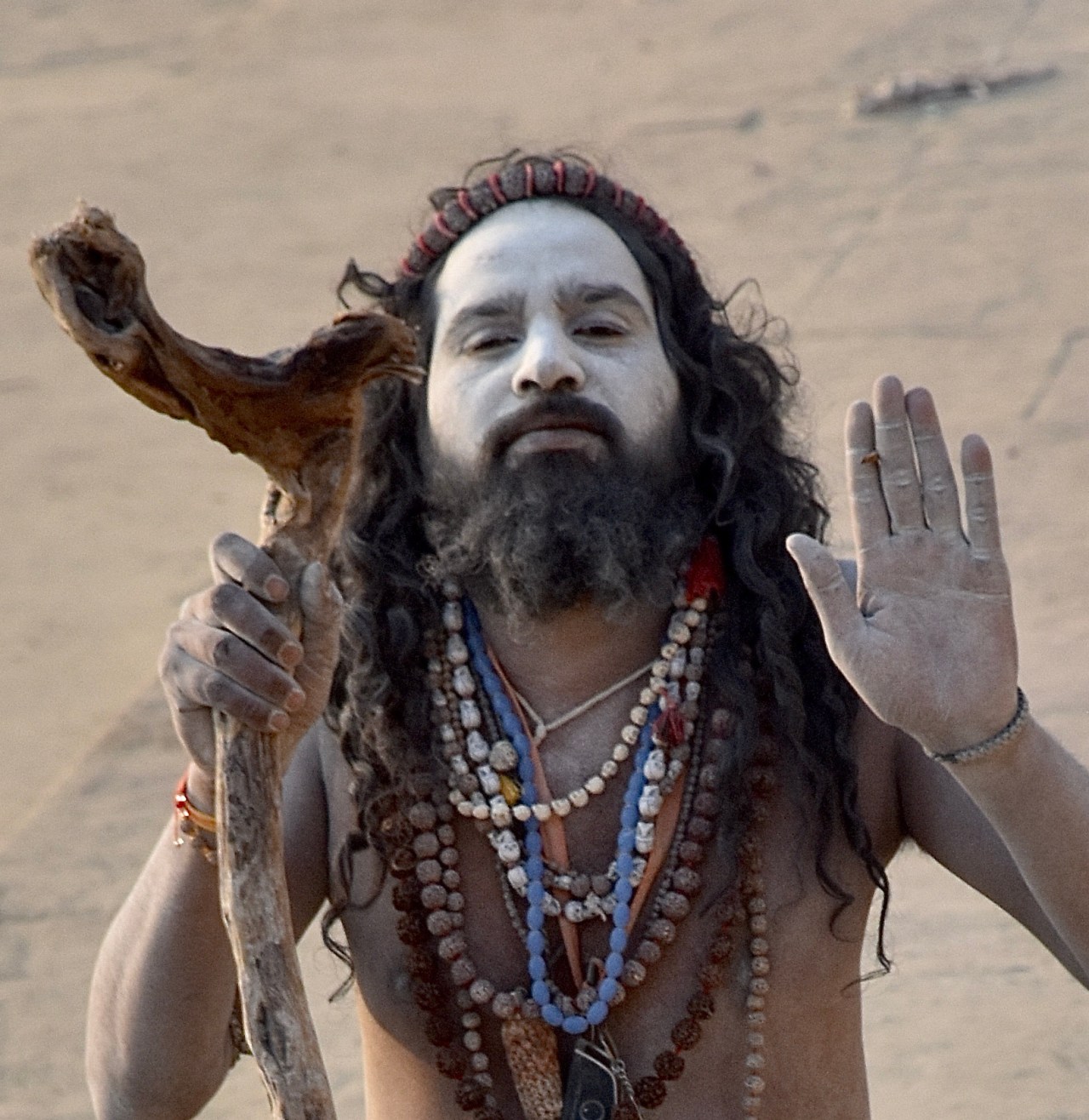
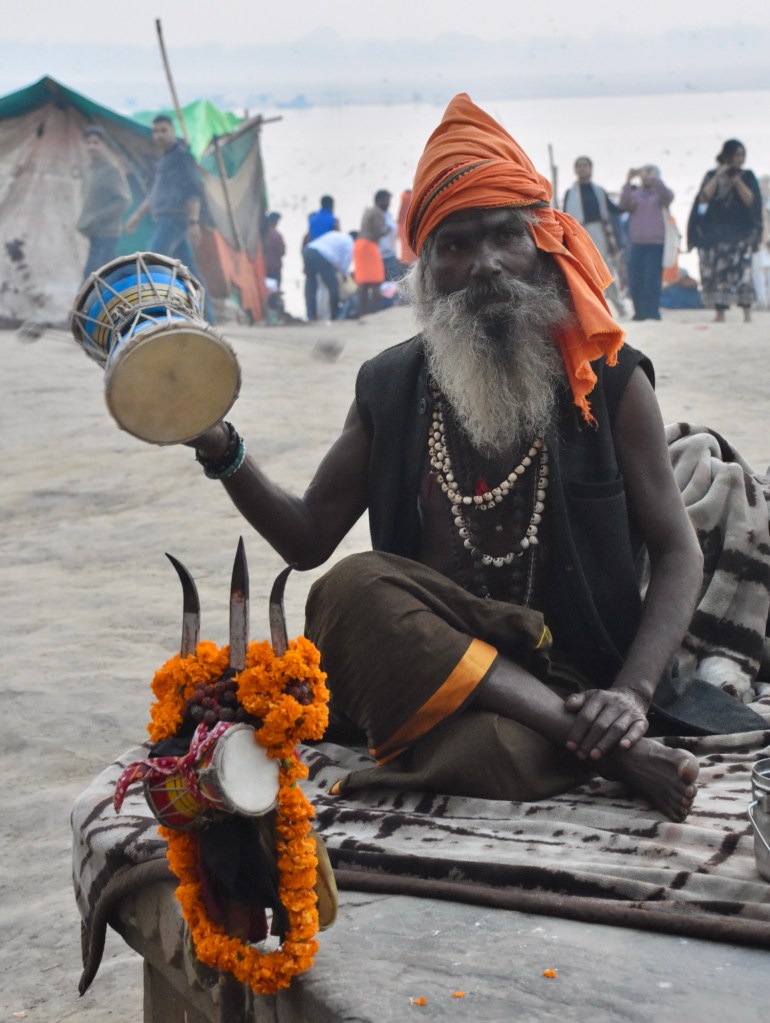
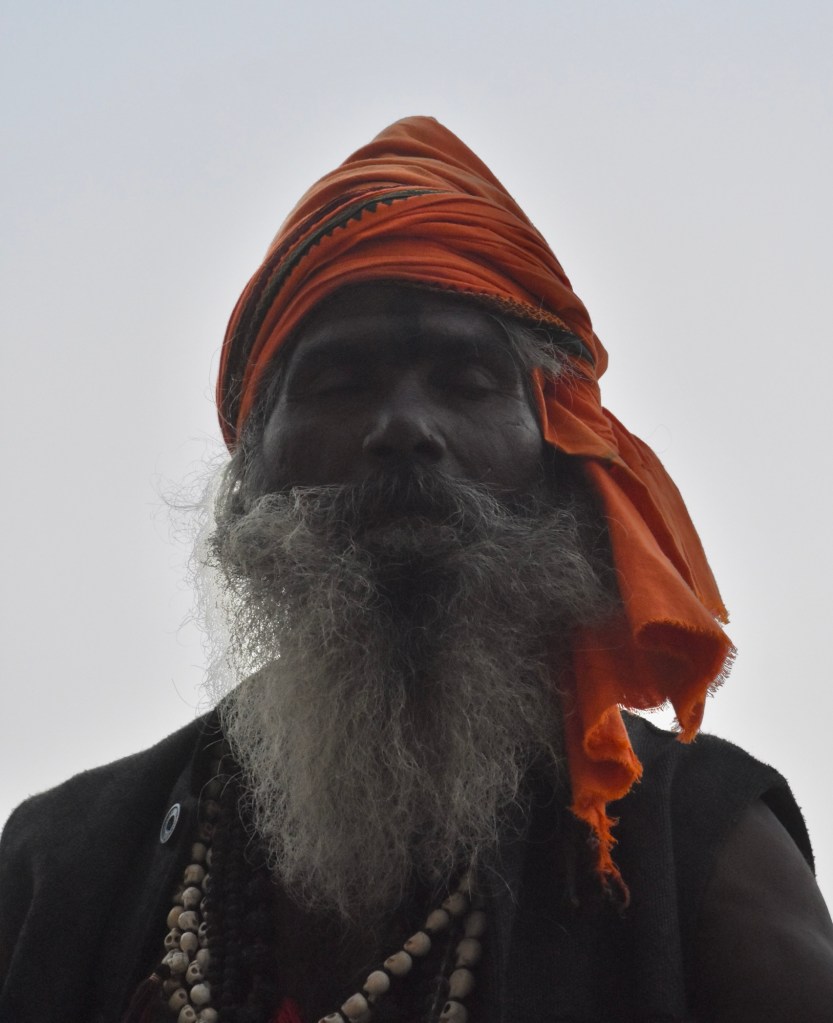
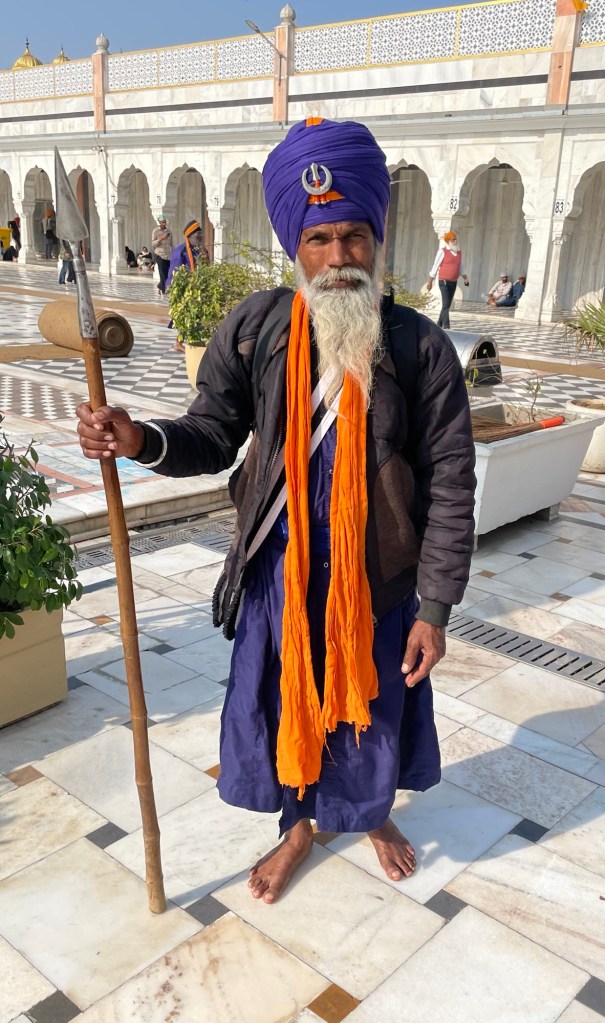
The Naga Sadhus are not just spiritual seekers, but they are also warrior aesthetics. Historically, they were trying to protect Hinduism and it’s sacred spaces from invasions. Their martial spirit is evident today as they carry swords, Trident, and Spears during the Kumbh Mela processions, and they will on occasion bless pilgrims.
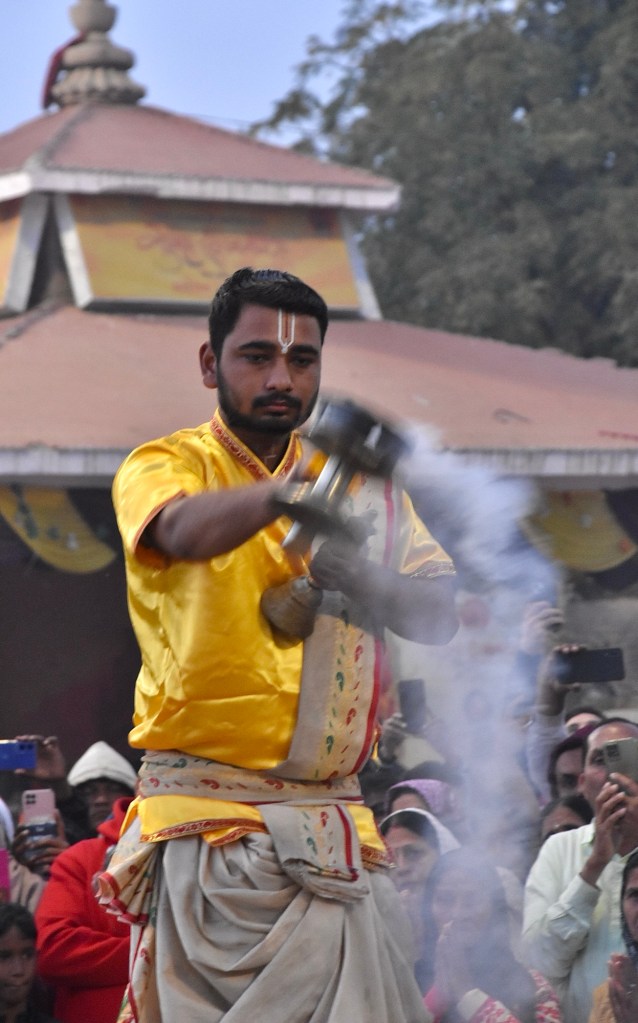
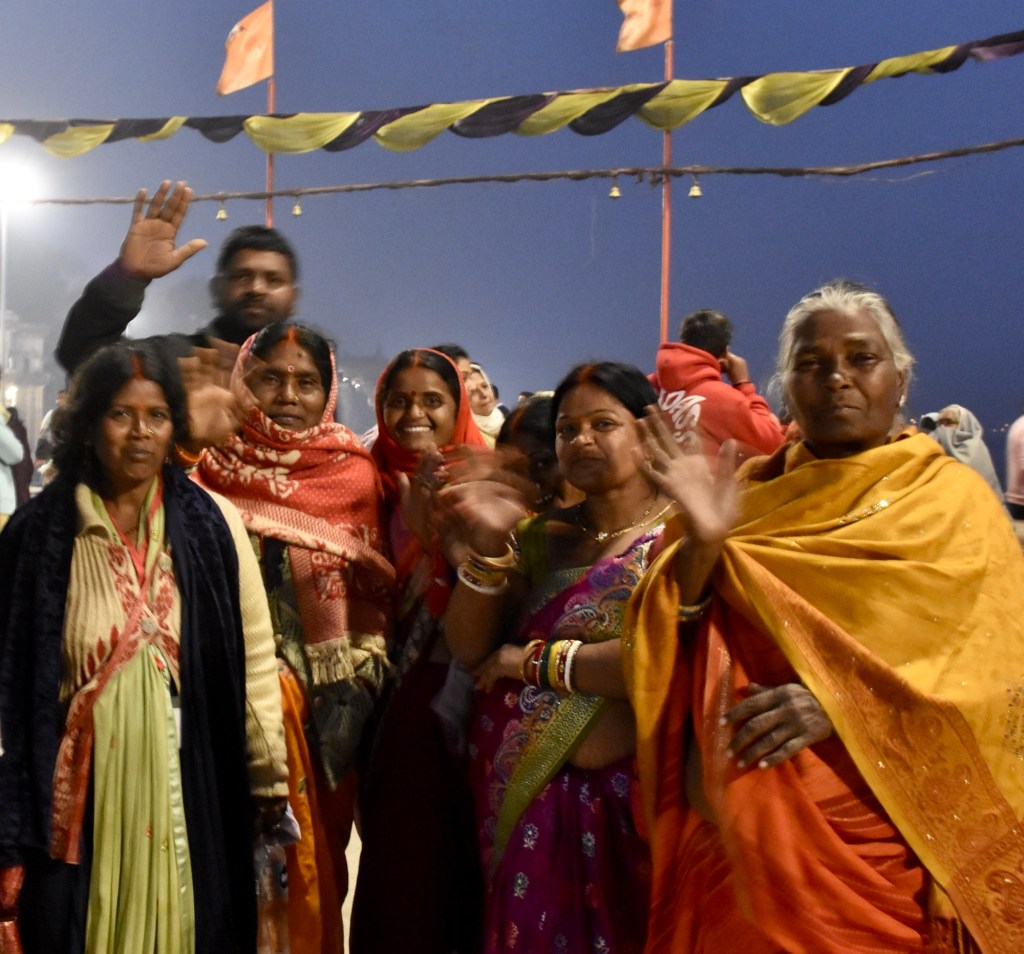
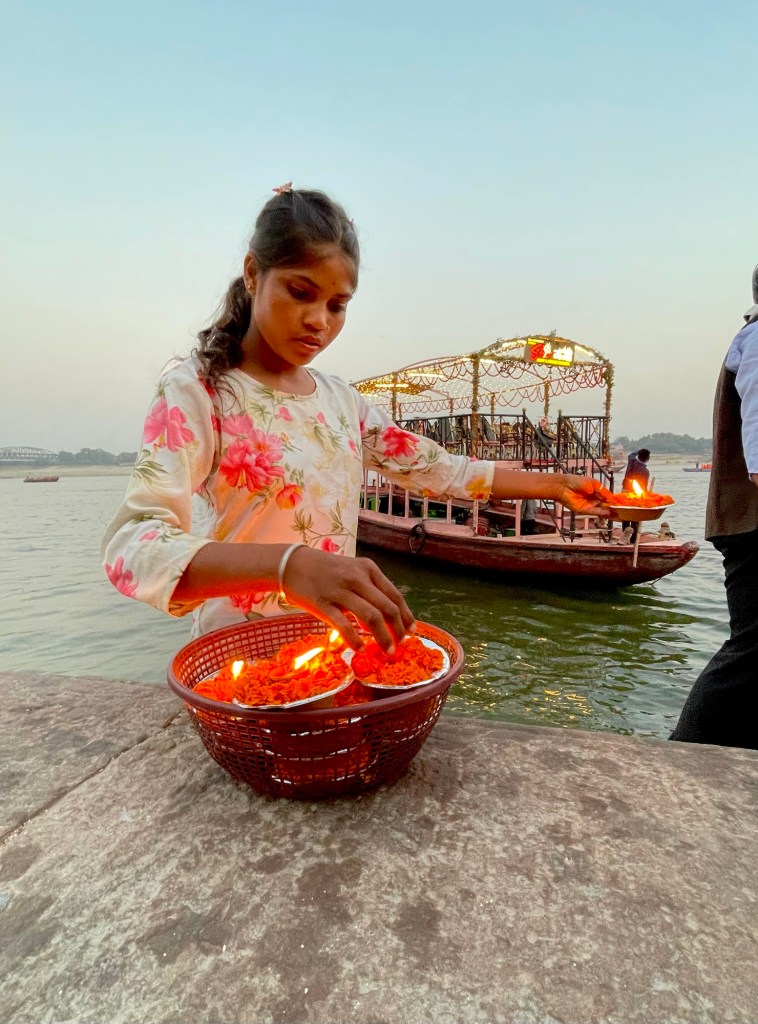
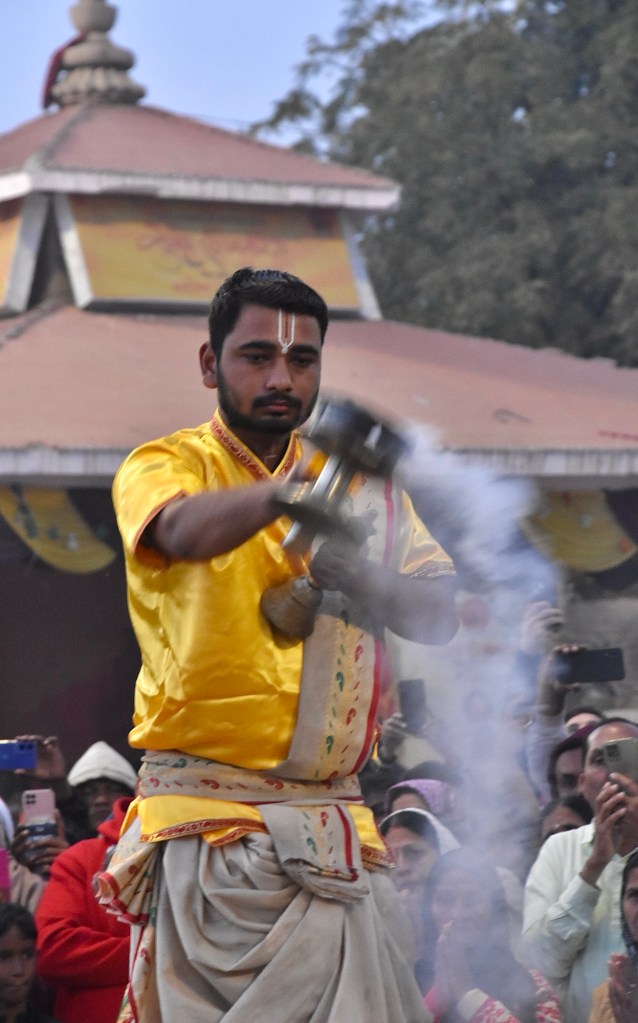
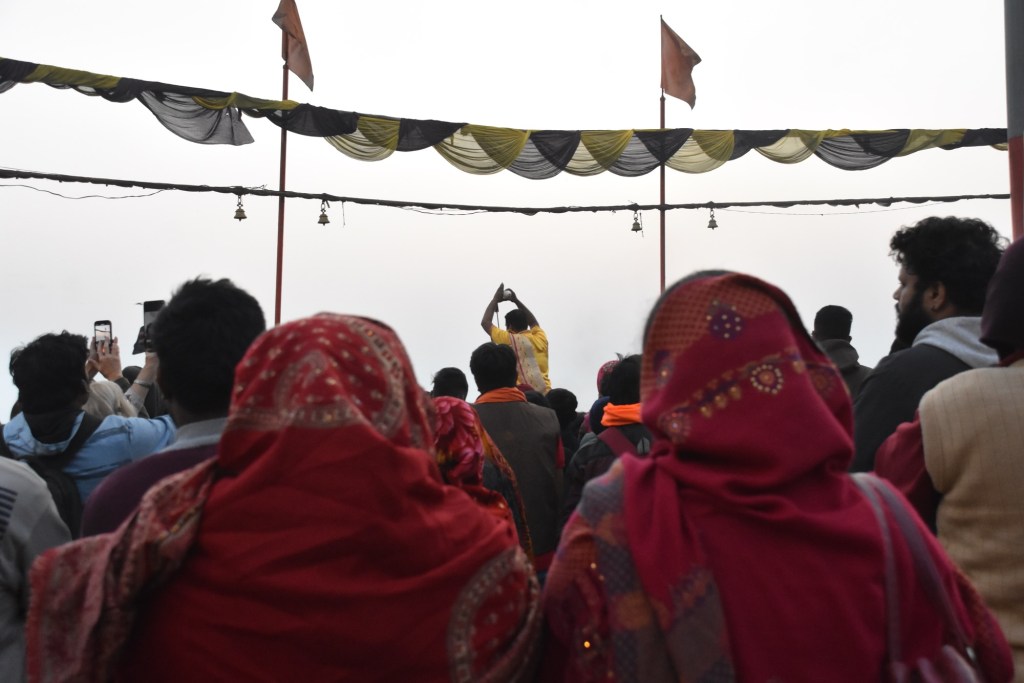
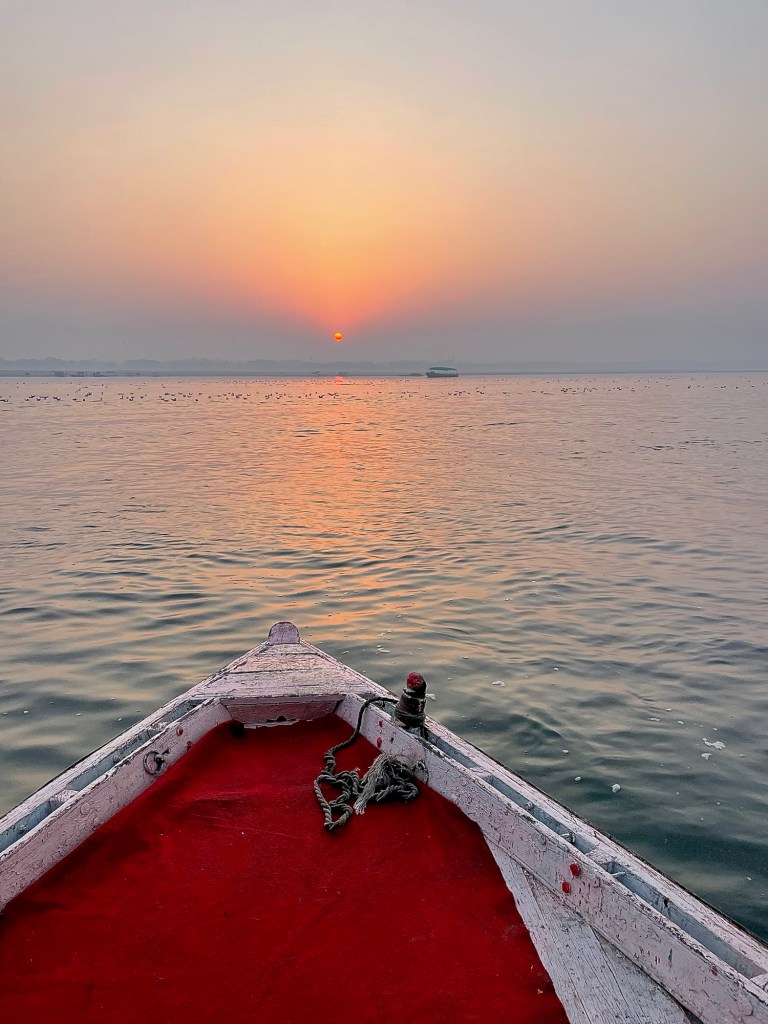
Here a young priest hosts a ceremony on the banks of the Ganges, worshiping the arrival of the early morning sun, as it arises above the hill beyond the distant riverbank. The women in the fourth photograph below her lighting candles, and offering worship to the sun.
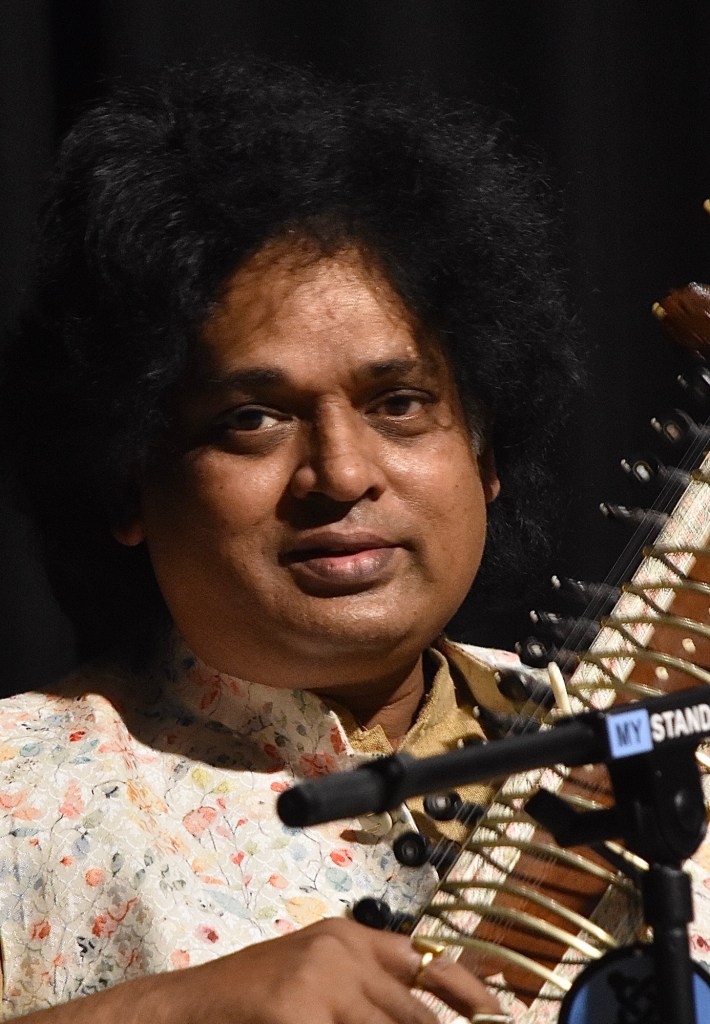
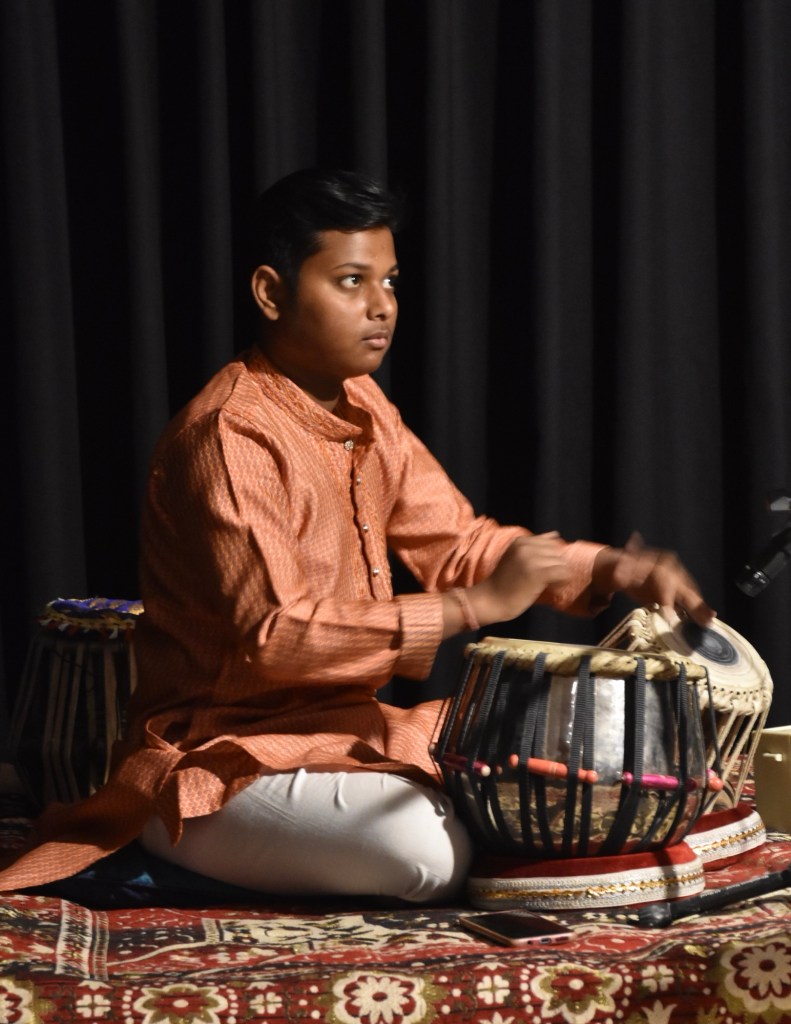
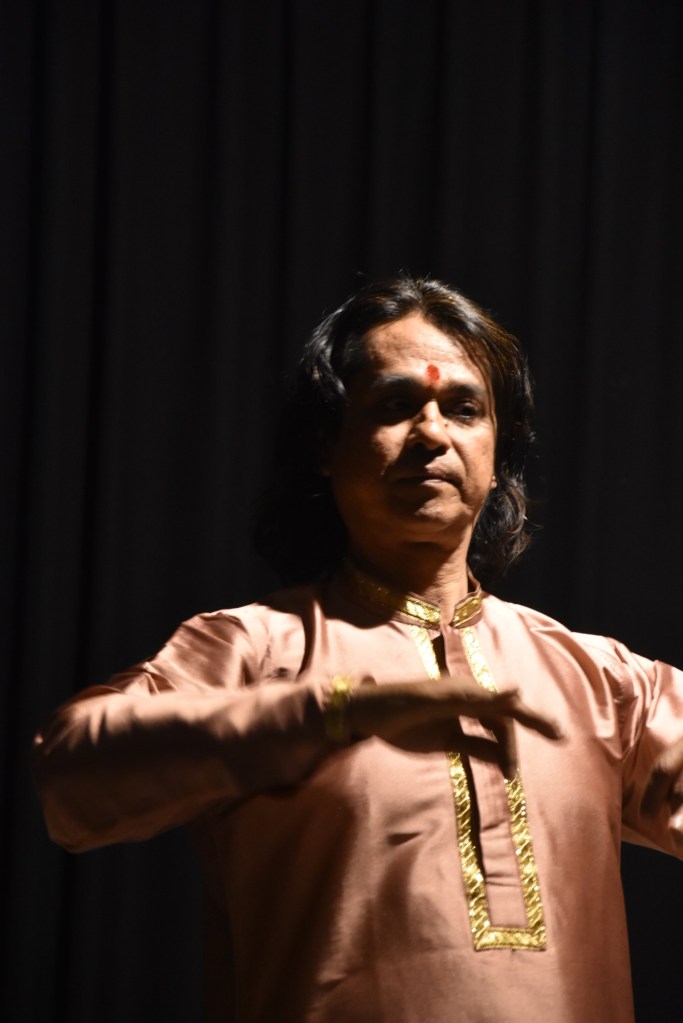
A private concert in the home of a world famous sitar player, representing 11 generations over the past 500 years composing, recording, and performing classical Indian music. Accompanied by a traditional performance dance.
It’s not all religion! Always time for a little treat.
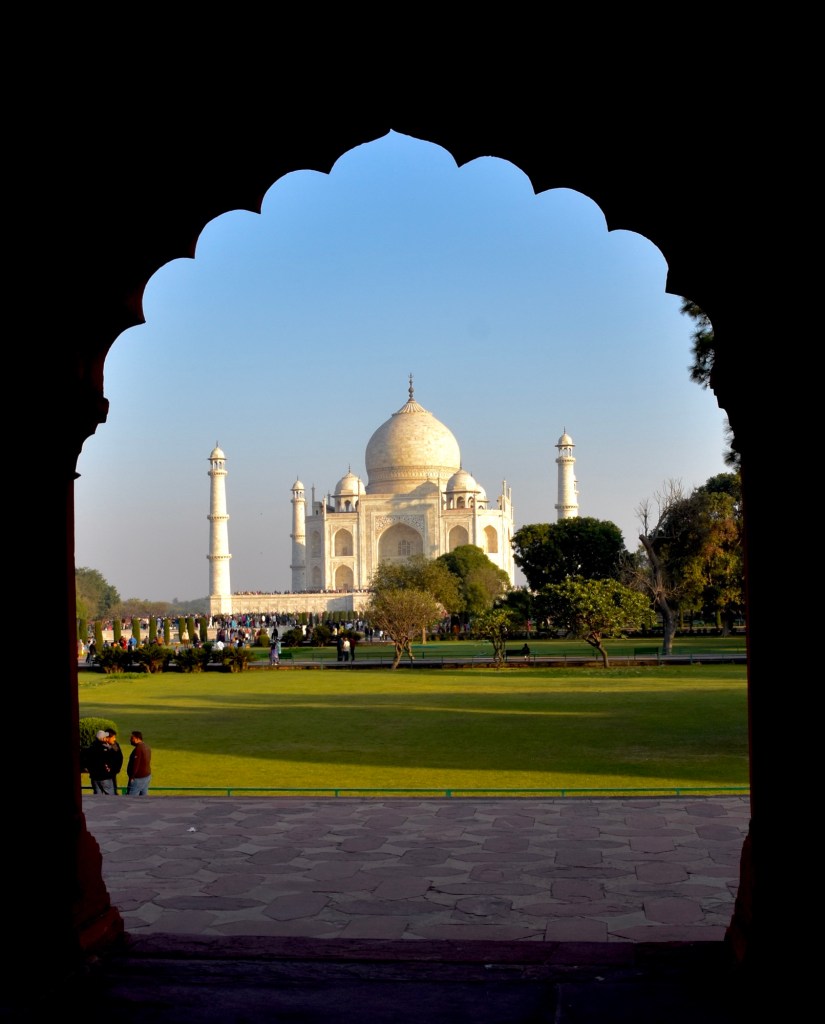
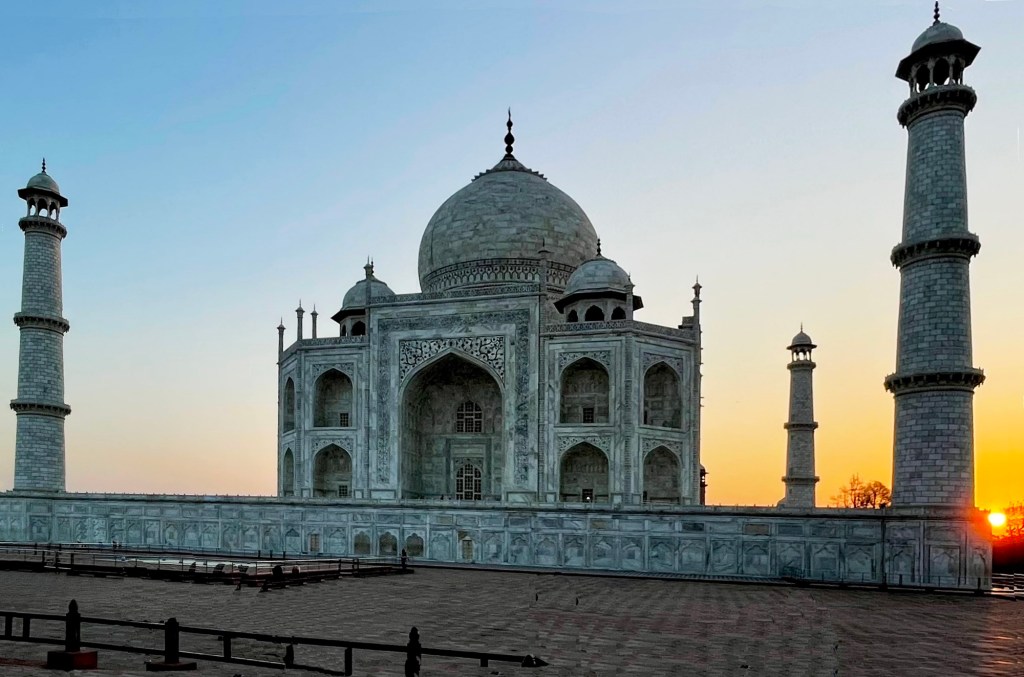
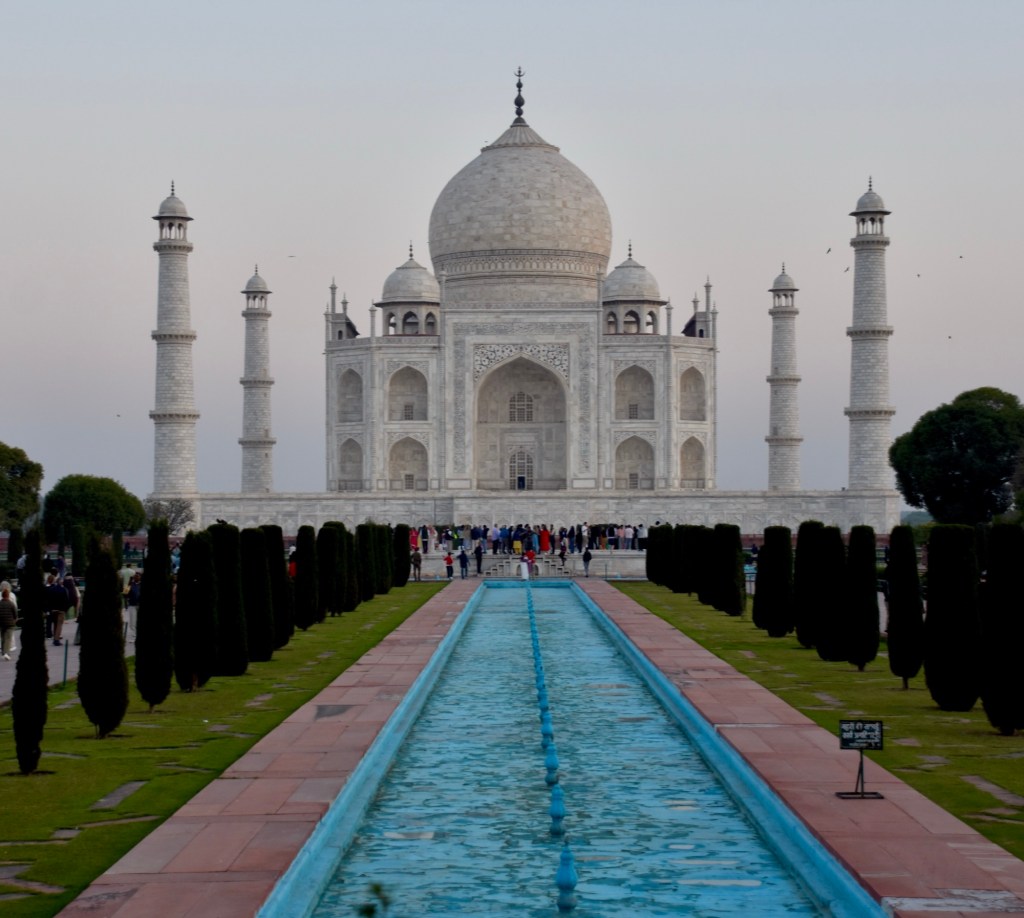
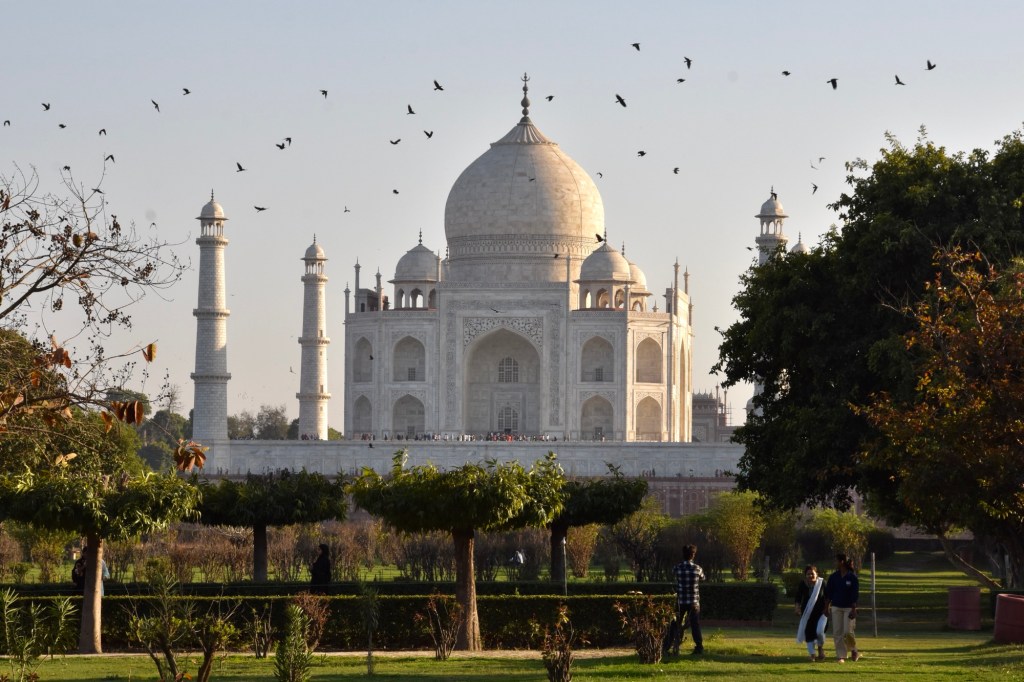
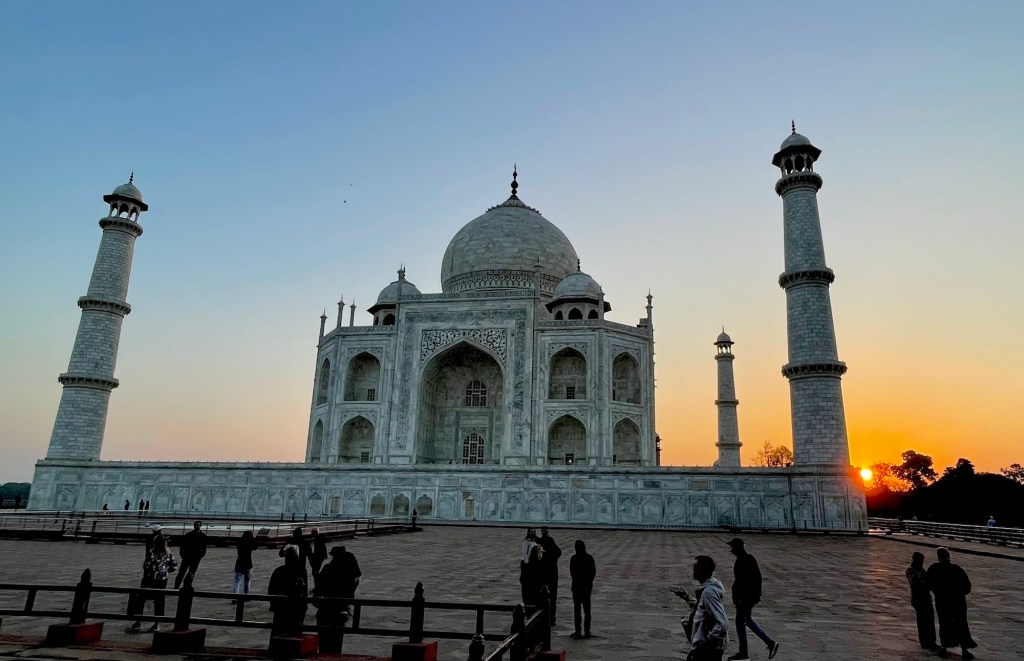
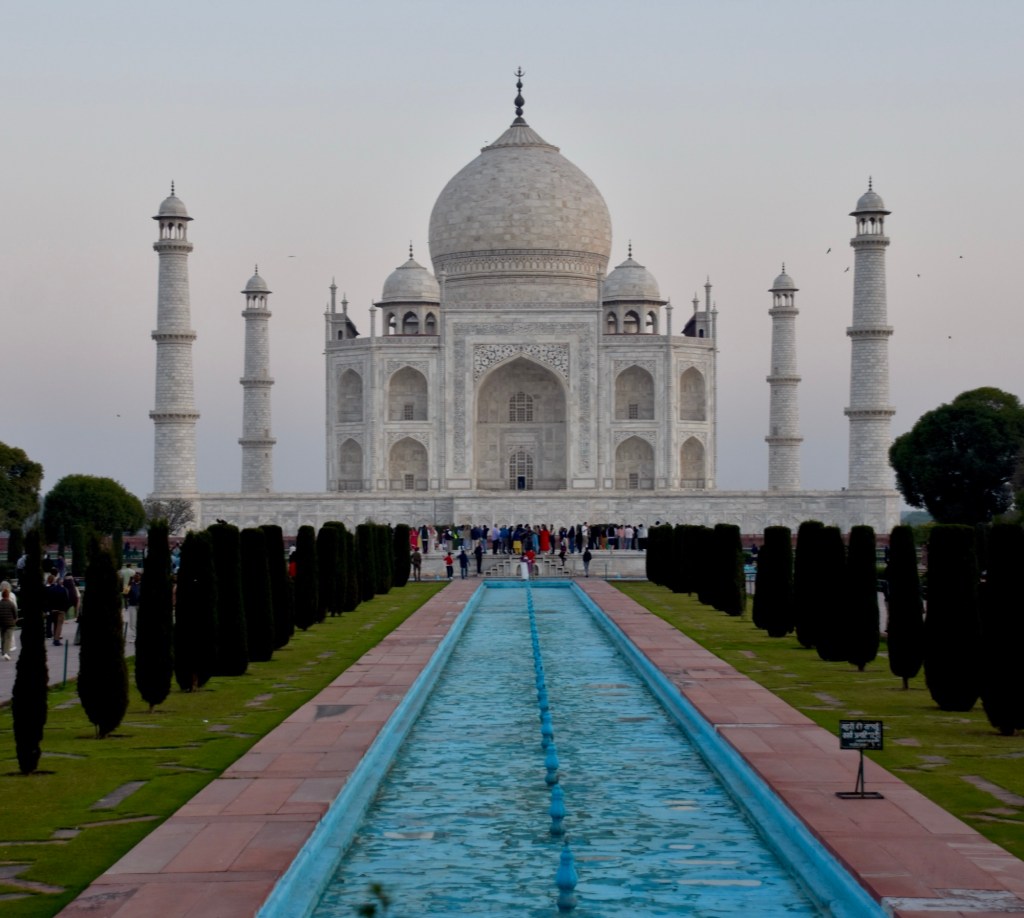
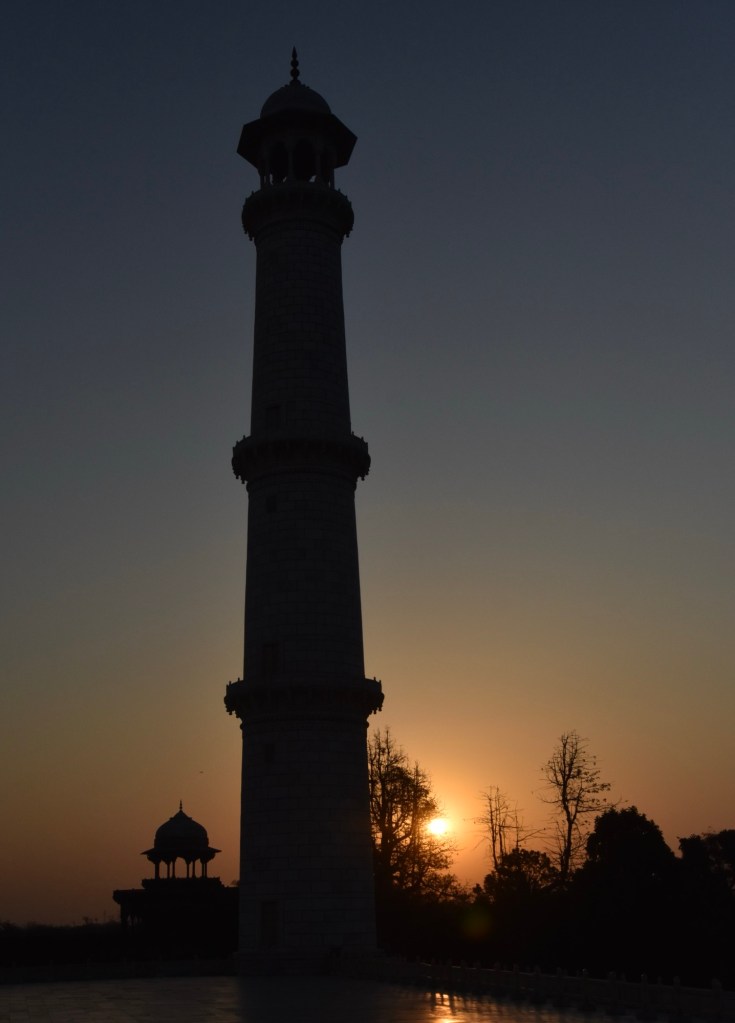
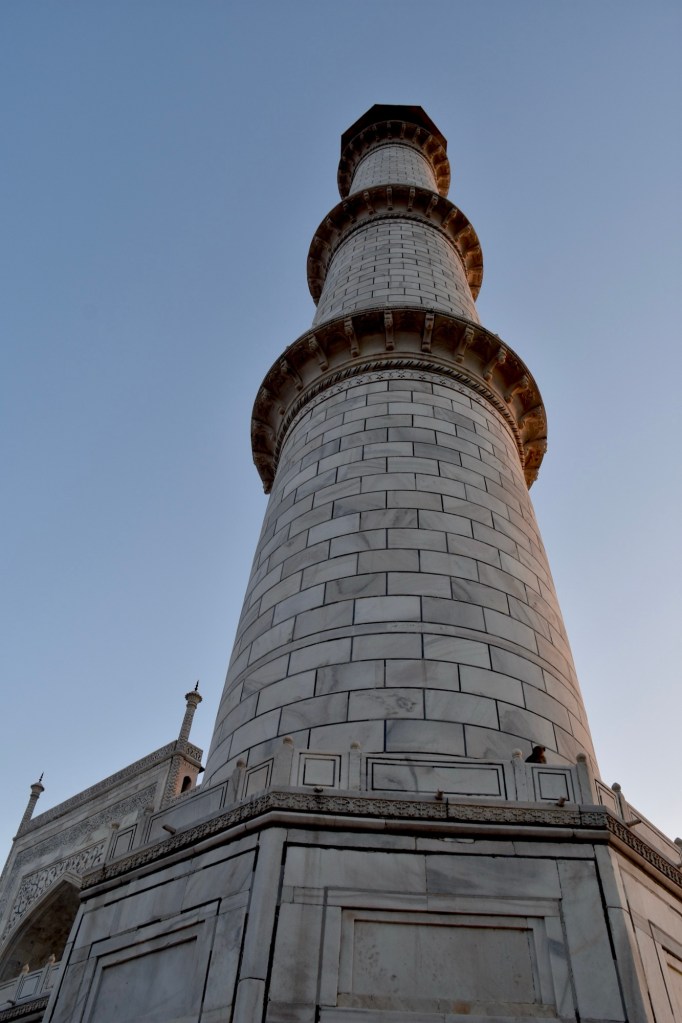
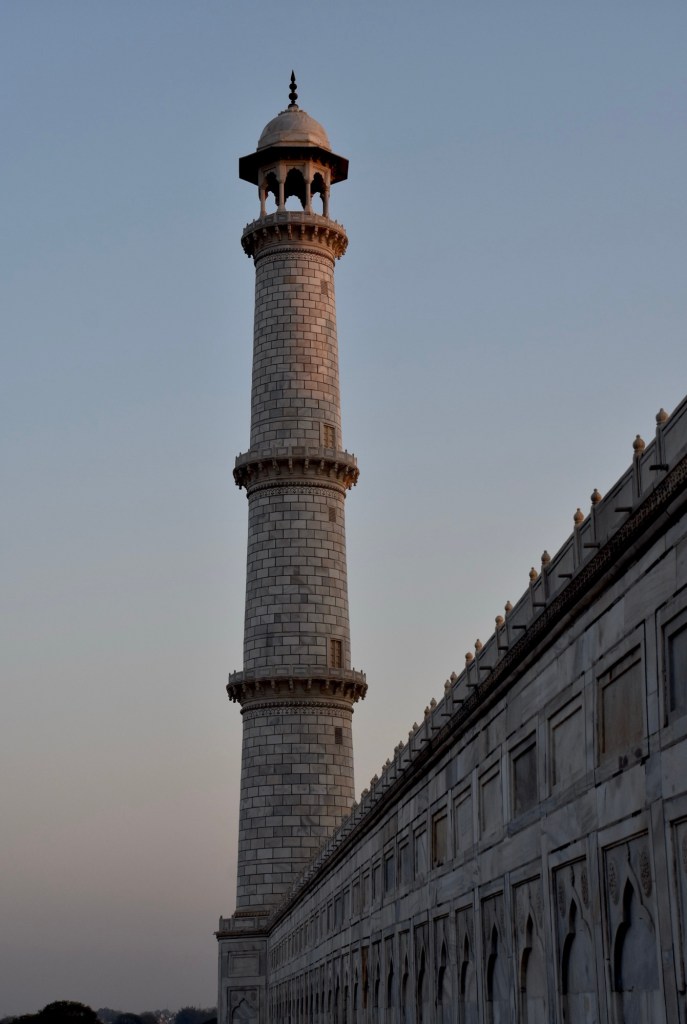
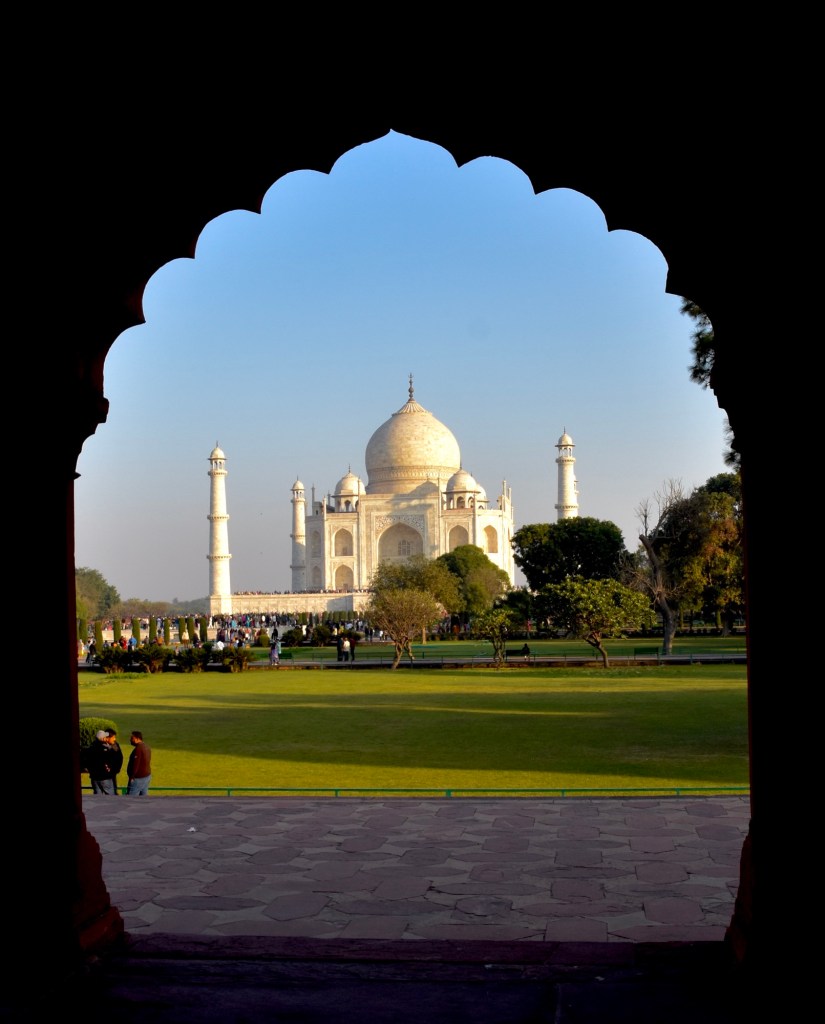
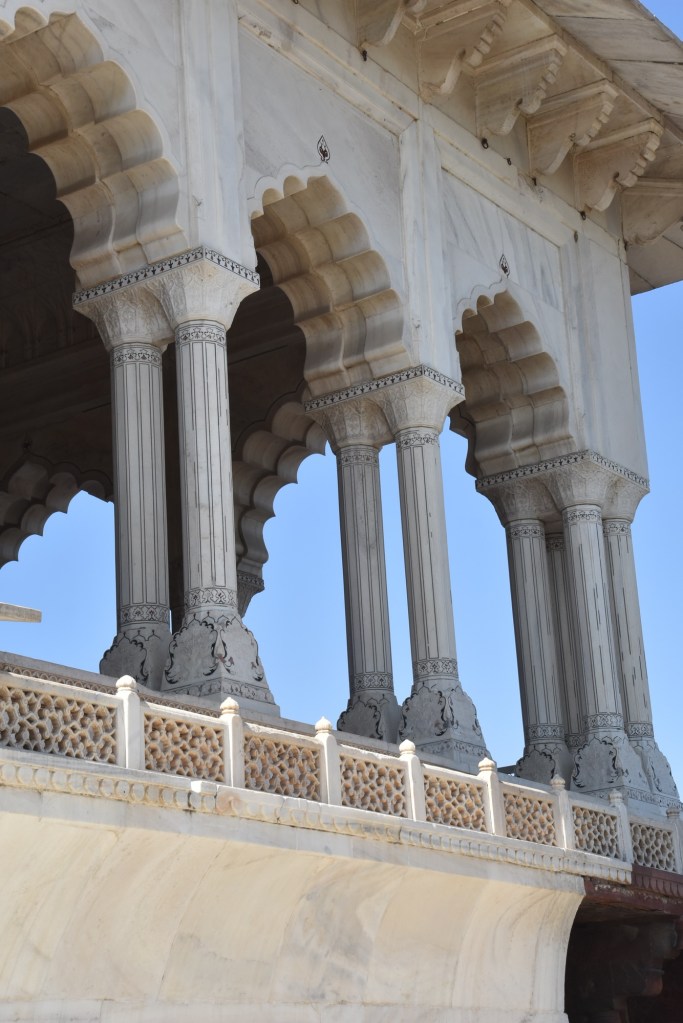
One of the seven wonders of the modern world, Taj Mahal is a white marble mausoleum commissioned by the Mughal emperor Shaw Jahan, in memory of his third wife, Mumtaz Mahal.
Regarded by many as the finest example of Mogul architecture as it combines elements from Persian, Ottoman Turkish, and Indian architectural styles.
In 1612, Shah Jahan married his wife Mumtaz when she was 21 years old. She proved to be his favorite wife and was given the name the Exalted of the Palace. She bore 14 children, but sadly passed away in childbirth. On her death bed, she begged her husband, the king, to build a monument so beautiful that the world would never forget their love. It took 20,000 laborers over 21 years to create this vast tomb of white marble on the banks of the Yamuna River, visible from Agra Fort.
The Taj Mahal is closed to the public on Friday for Muslim prayer services. On all other days, there is a ceremonial opening of the gates performed at sunrise only by direct descendants of those who were guards in the 1600s.
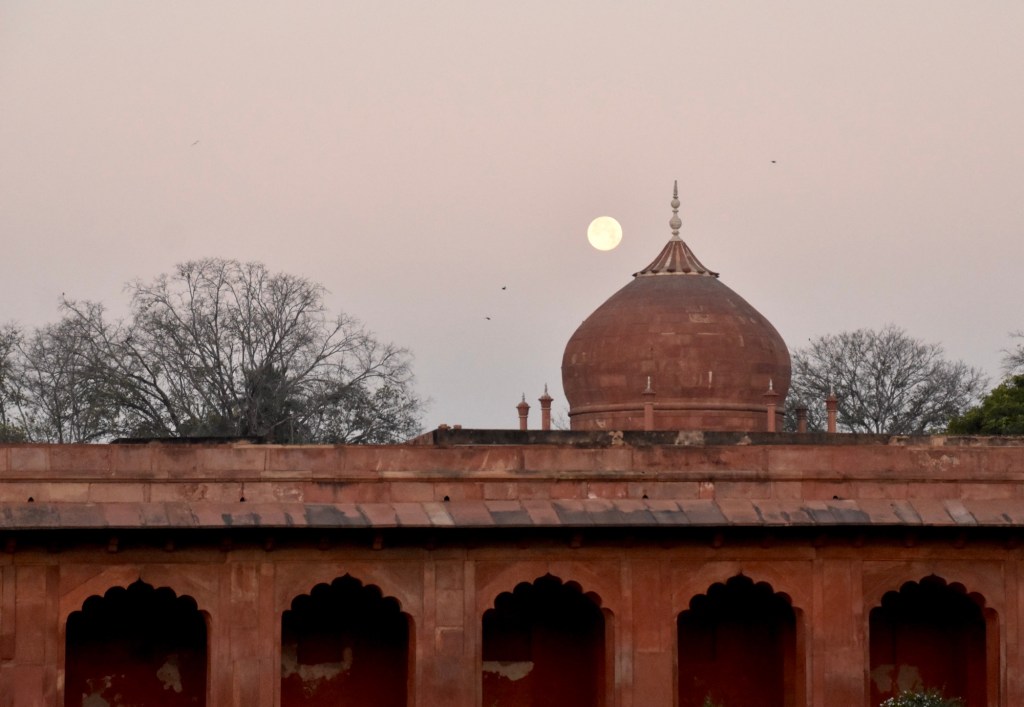
The gate houses are equally impressive – red sandstone with marble tops.
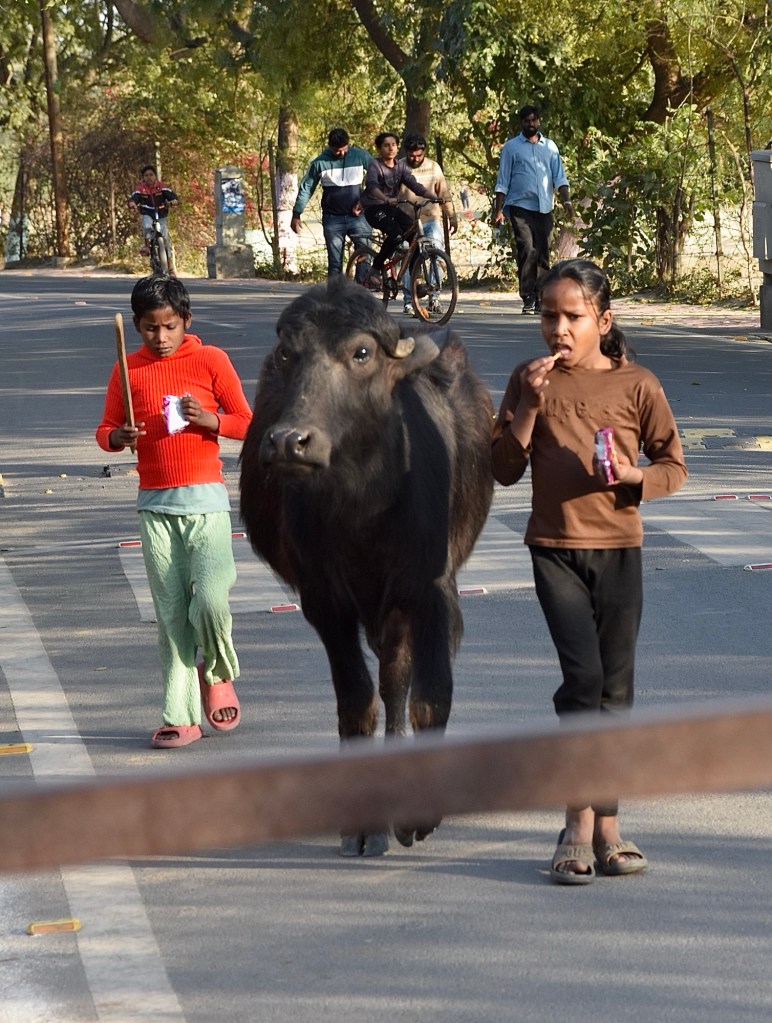
Leaving the Taj Mahal – two kids eating potato chips and walking their cow.
Goats walking across a cricket pitch in the shadow of a Muslim mausoleum, the most iconic architectural masterpiece in an 80% Hindu majority country.
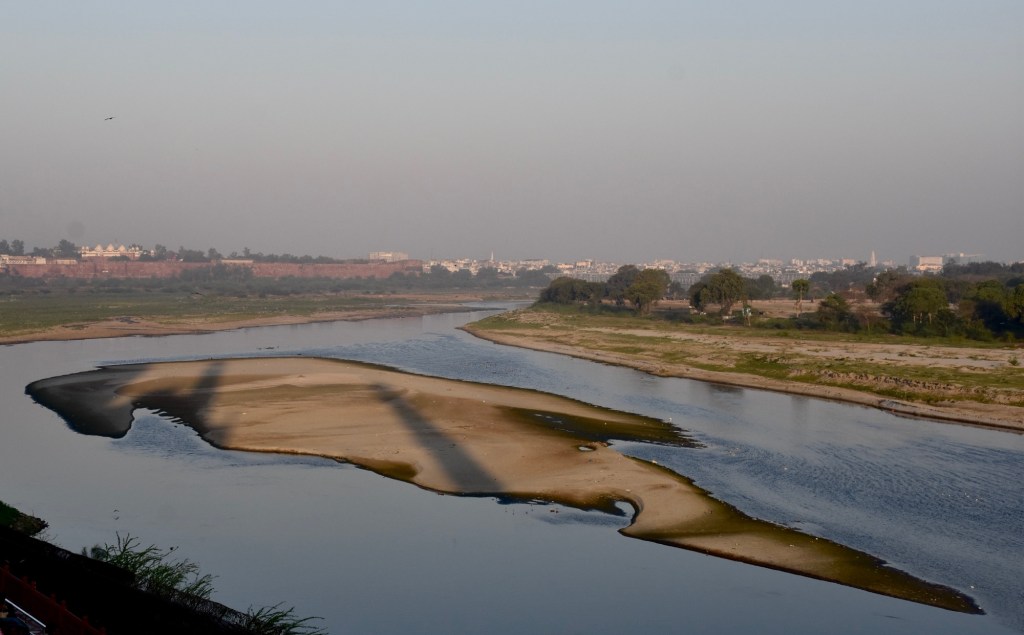
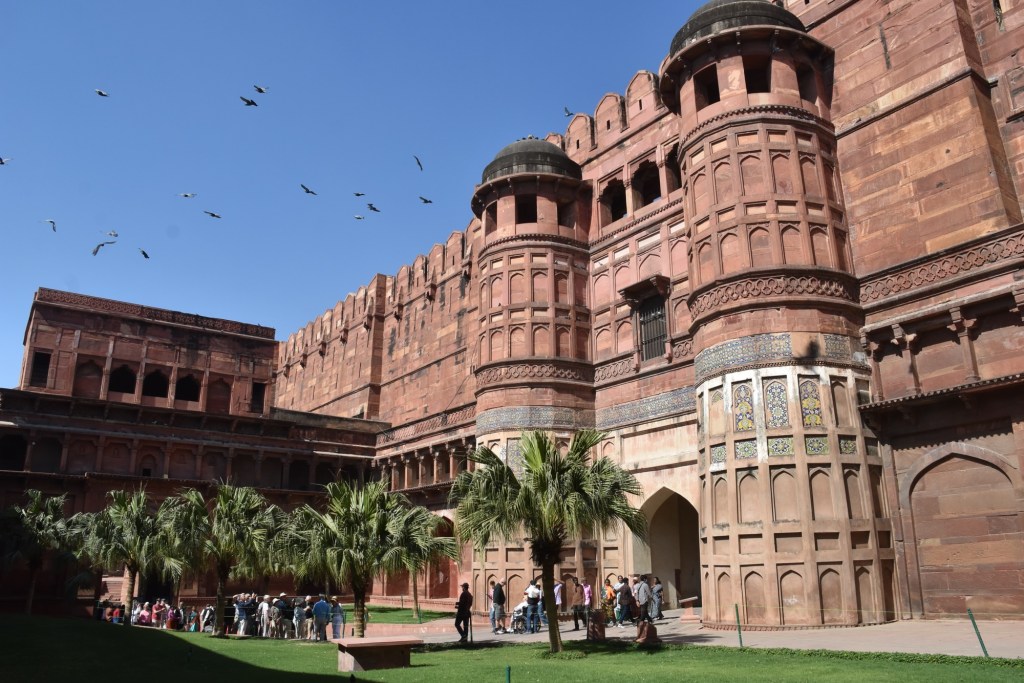
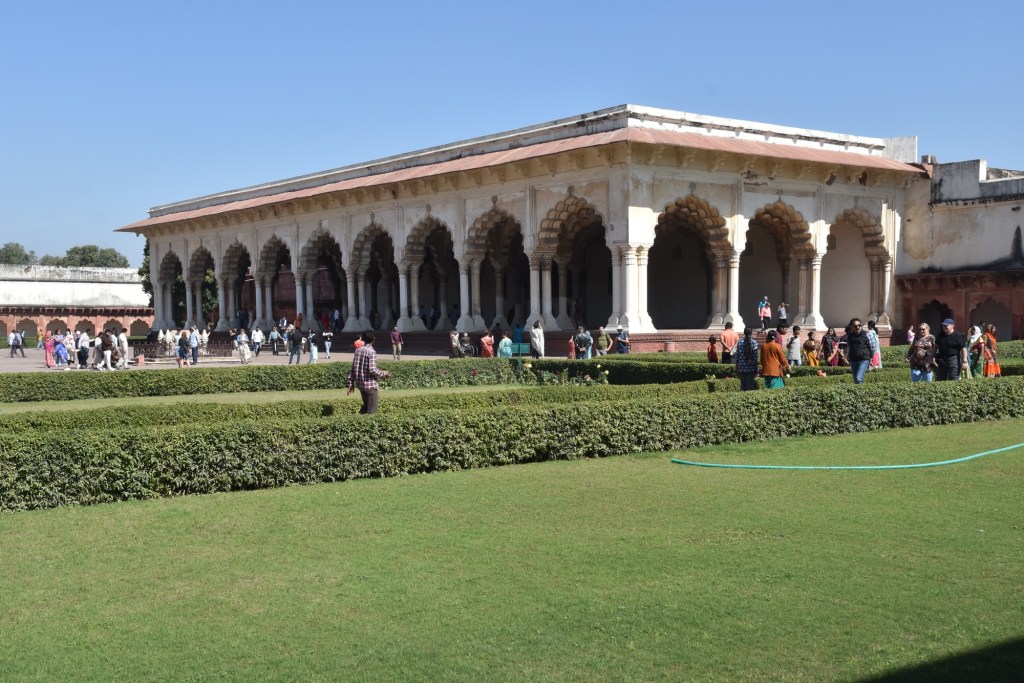
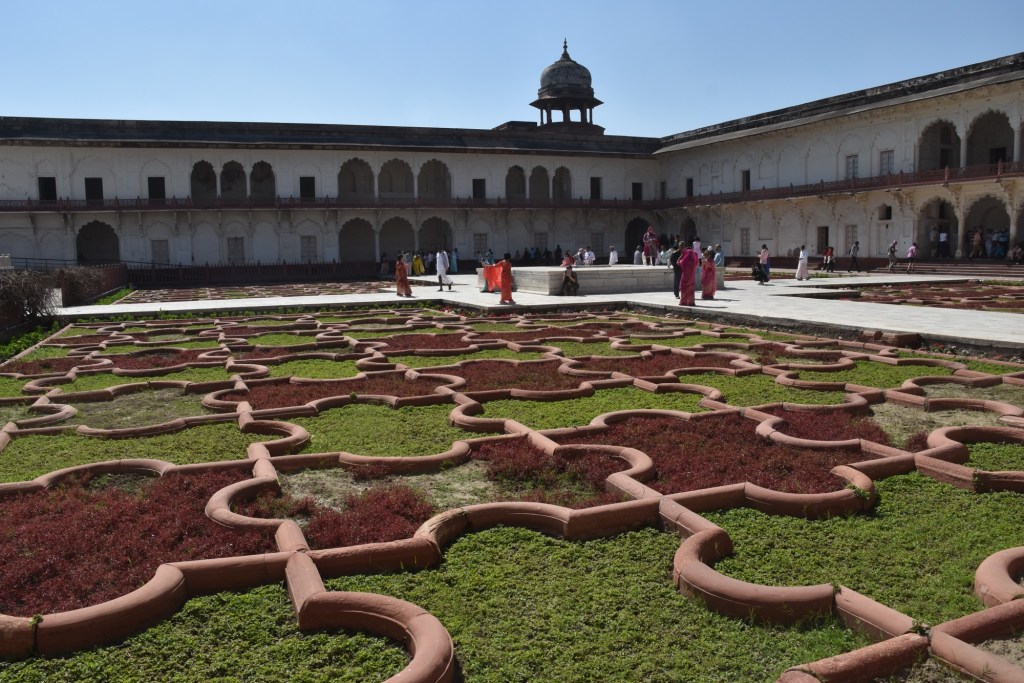
The Yamuna River with Agra Fort in the distance. As with the Taj Mahal, the size and scale of Agra Fort is incredible, bringing thoughts to the complexities of society, engineering, logistics, mining, craftsmanship and culture in the 1600s in India.
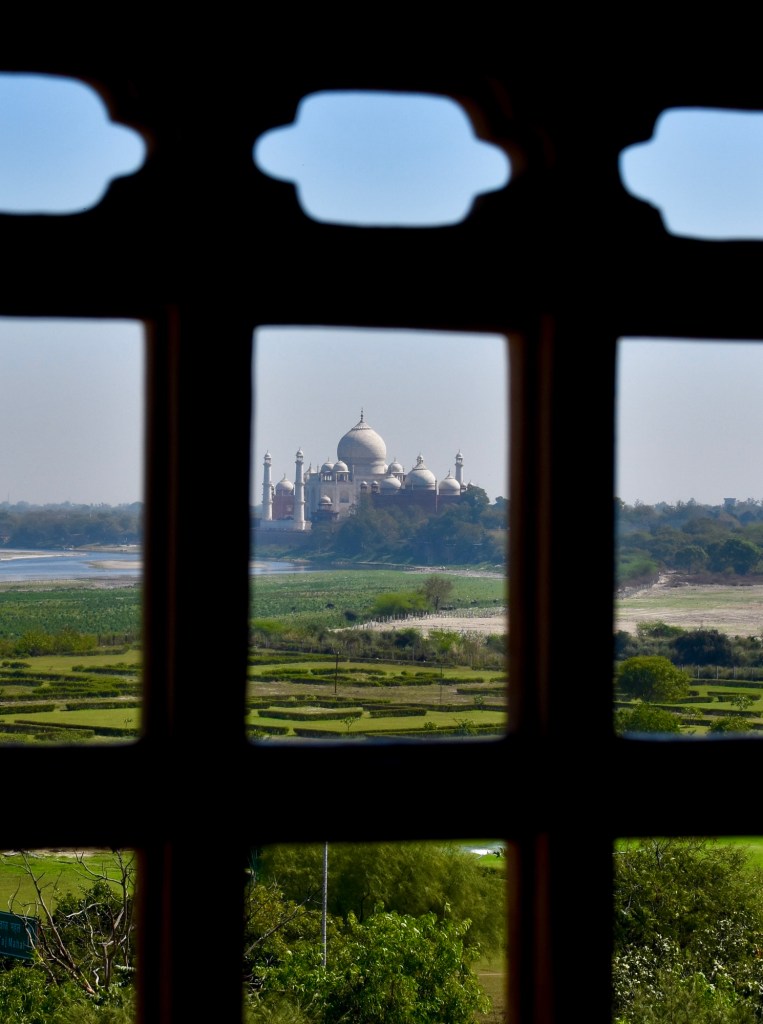
Shah Jahan was ultimately deposed by his son who felt that his father, the king, was spending too much money building architectural gems, and not investing enough in the kingdom. So the son had his father placed under house, arrest, and in a cruel twist of fate, Shah Jahan lived his remaining years in Agra Fort, in a room with this view of the Taj Mahal. 
All of the inlay is cut in polished marble, at an extraordinary level of detail. The craftsmen who originally did the inlay work kept secret the recipe to create the glue that holds the inlay pieces together, and they passed down that recipe through generations. Therefore, the craftsmen who do repair work today are direct descendants of the original craftsmen, and they too have never once shared the recipe for the glue.
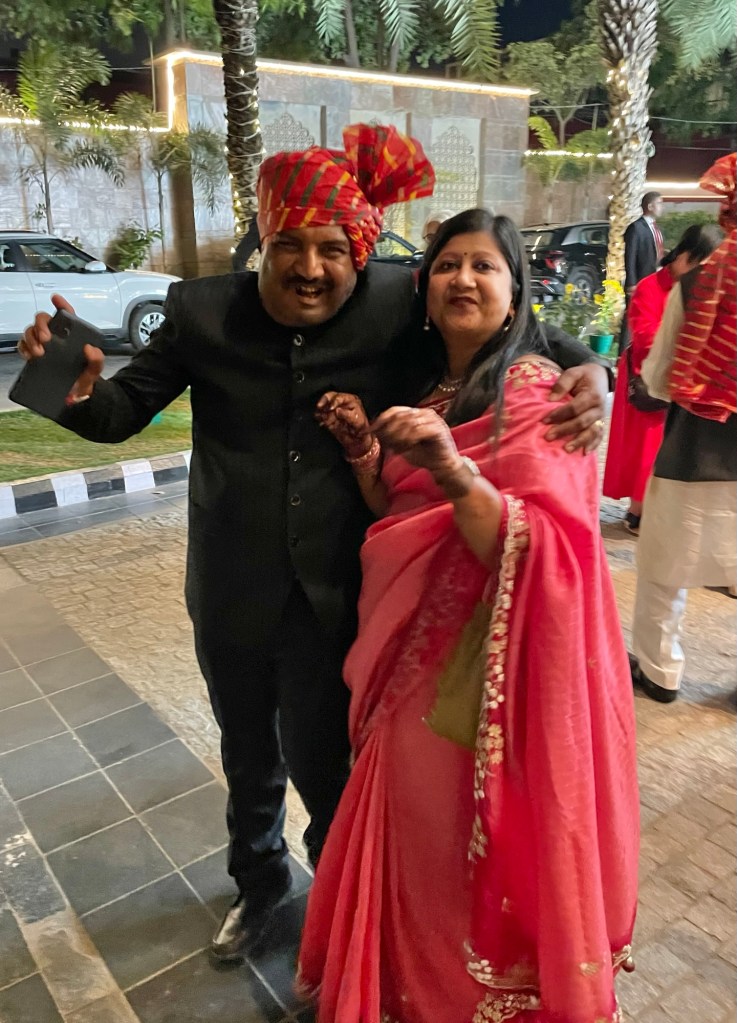
That time you’re sitting in an Agra hotel lobby about 8.30 on a cool Thursday evening, families are quietly milling about.
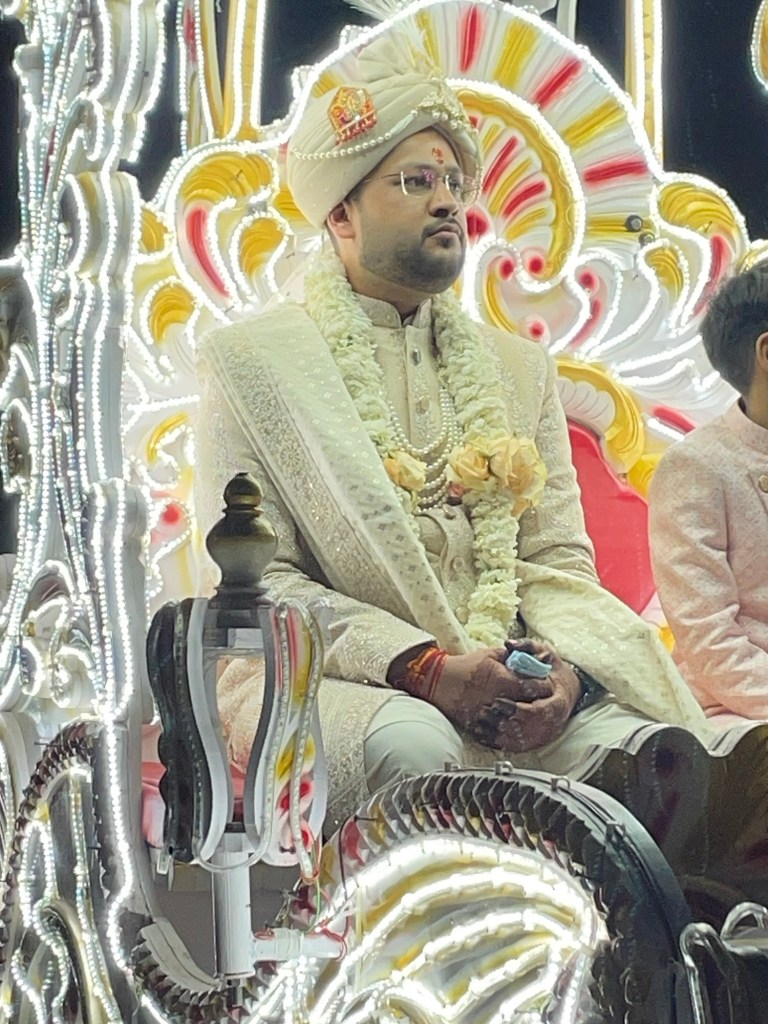
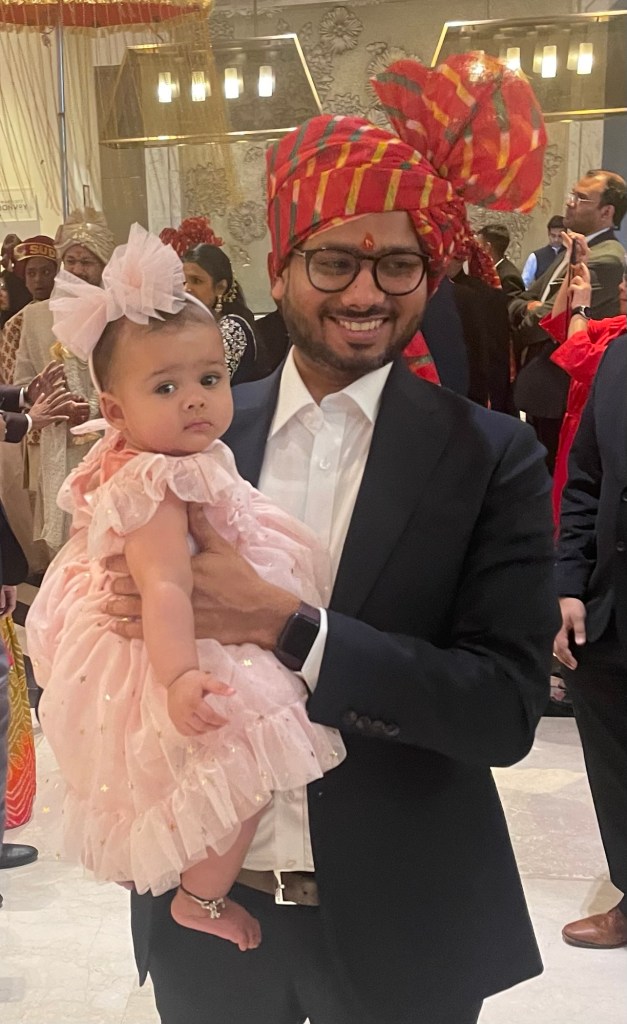
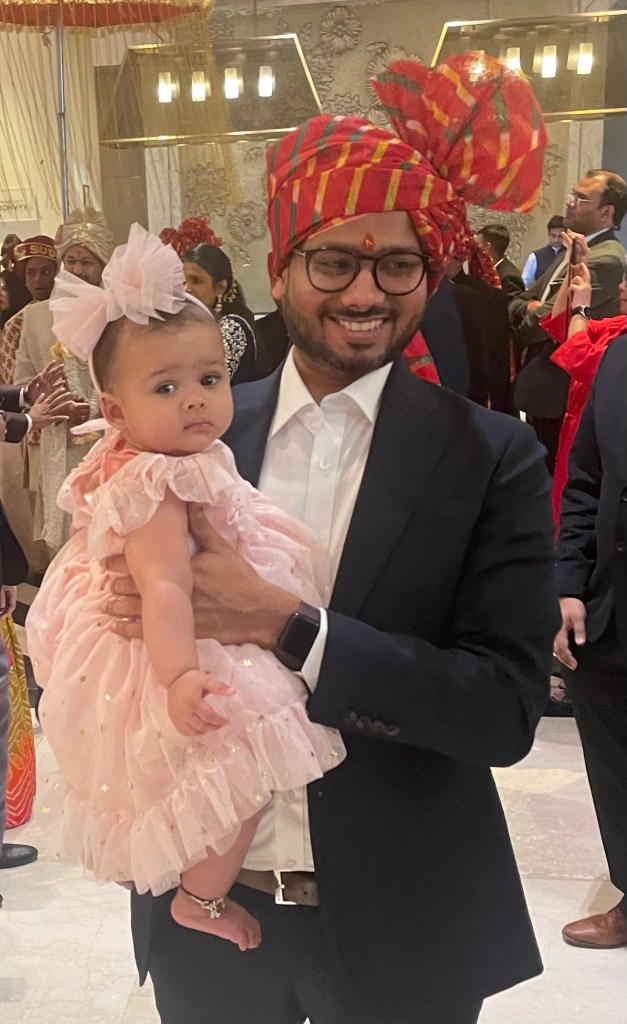
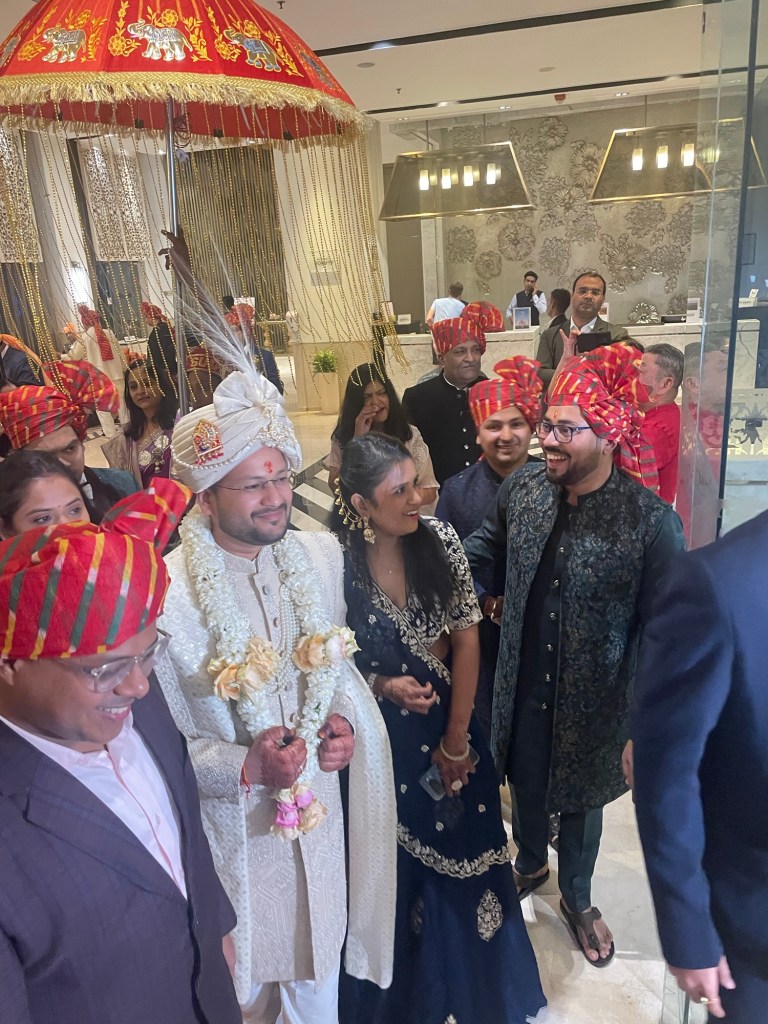
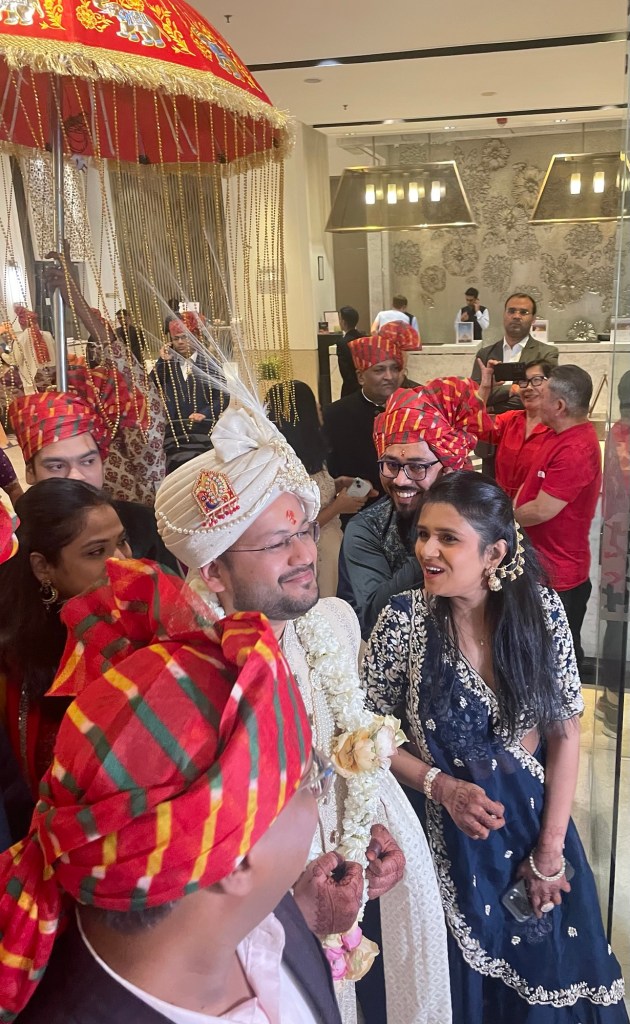
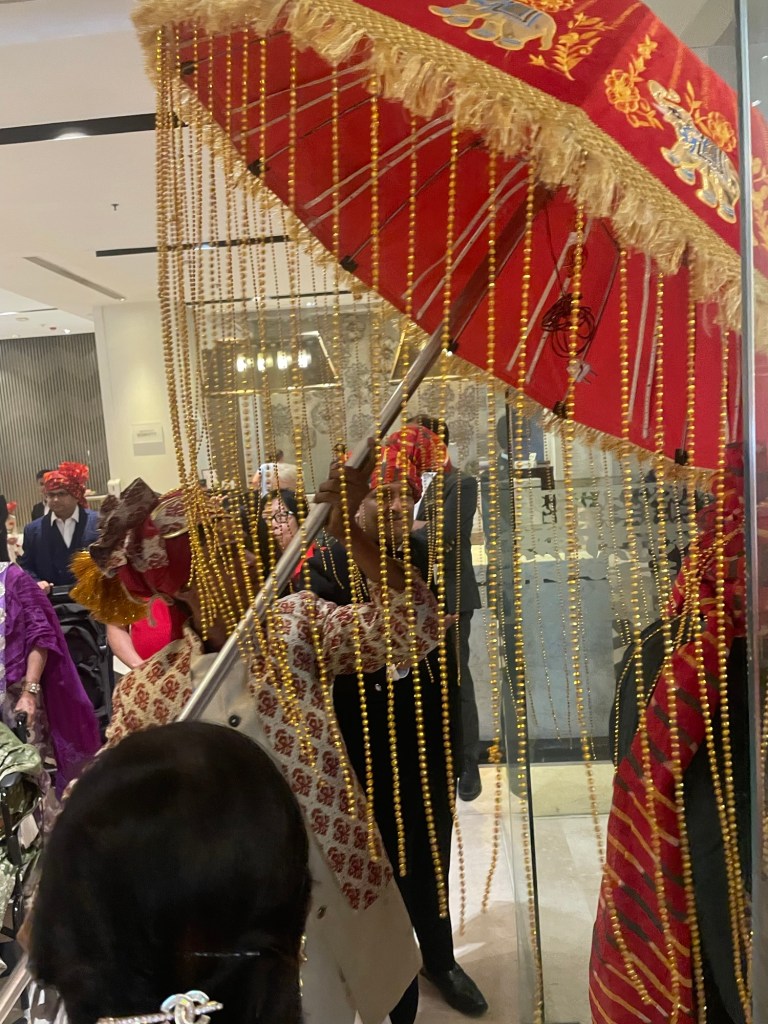
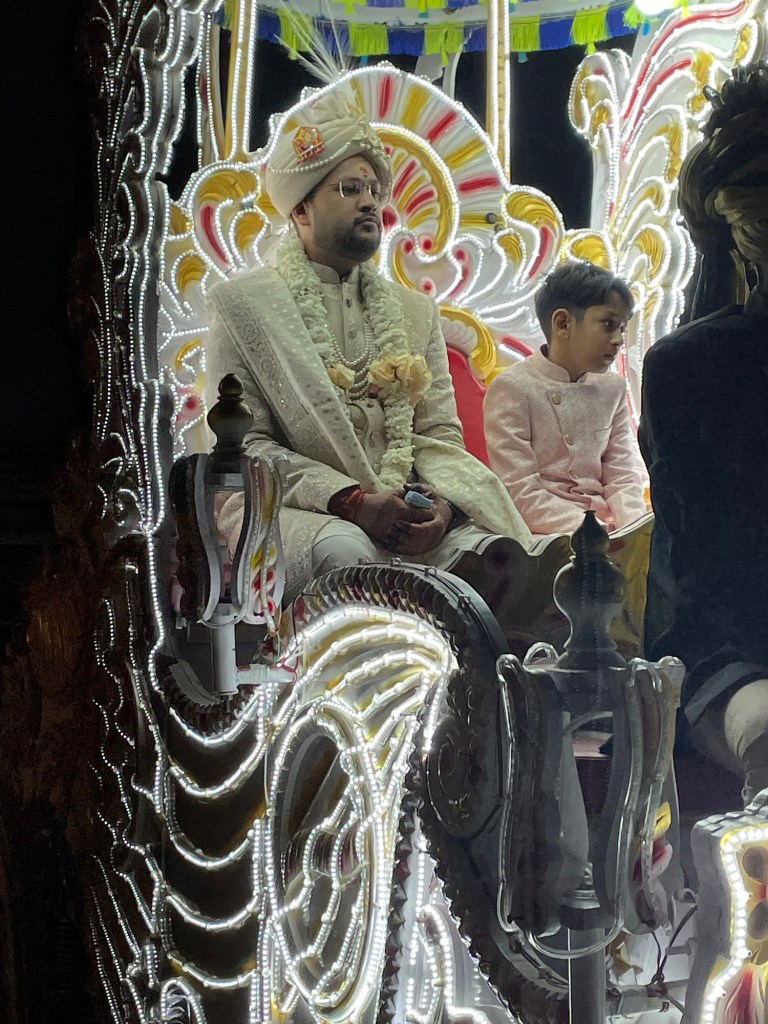
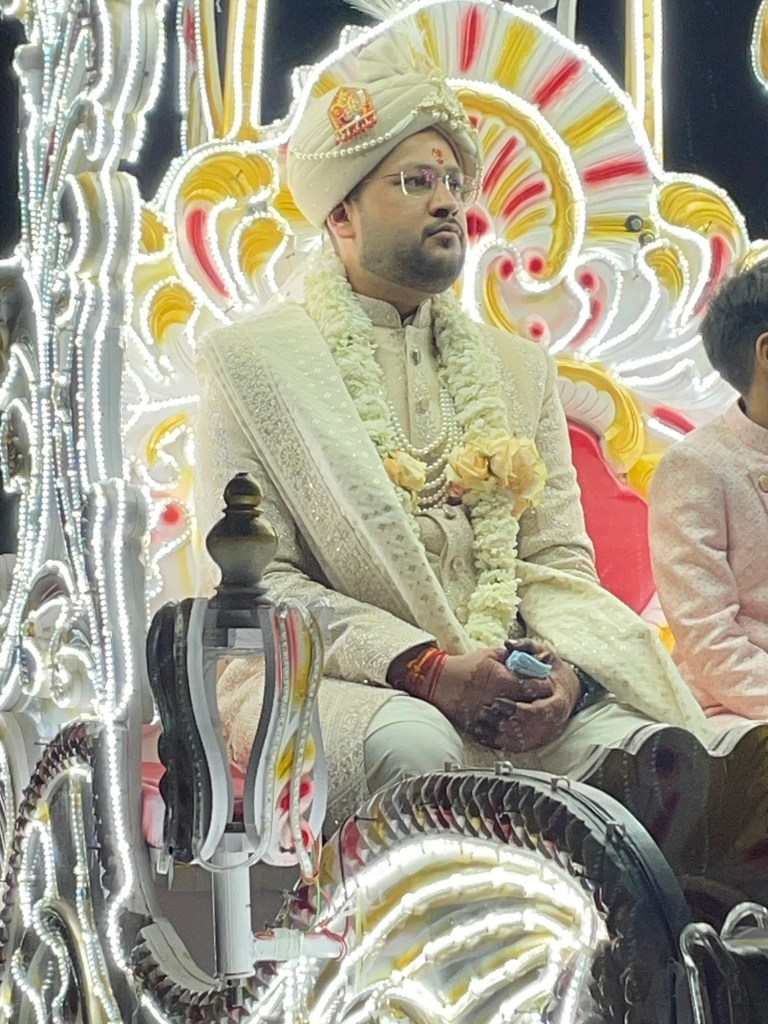
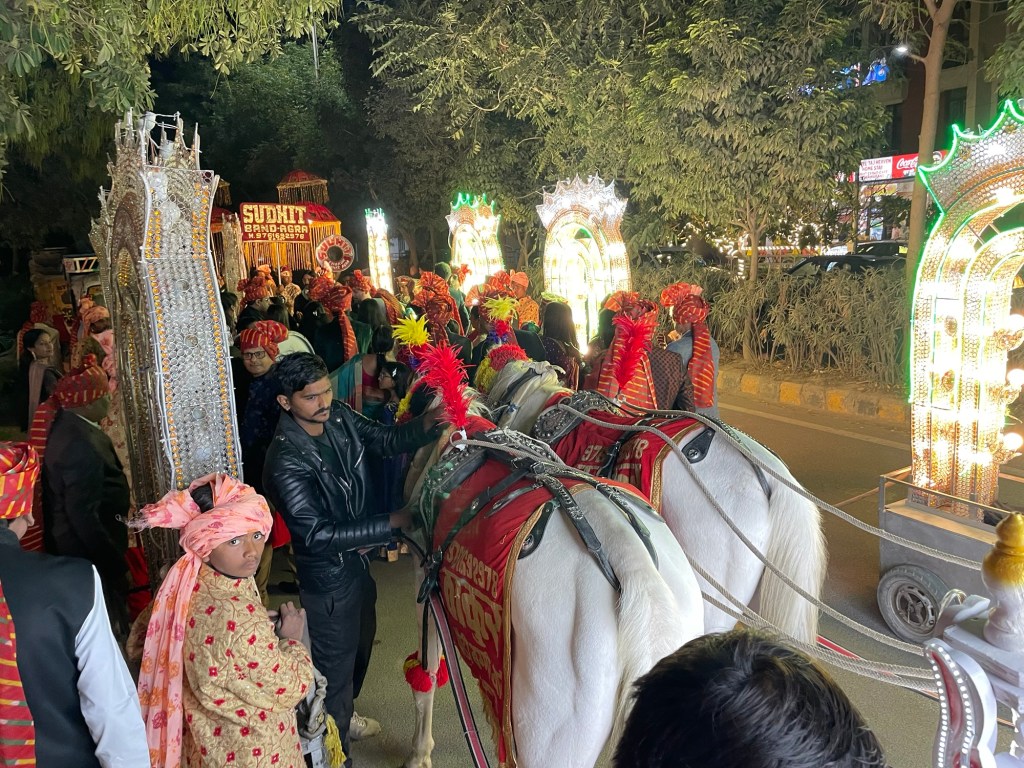
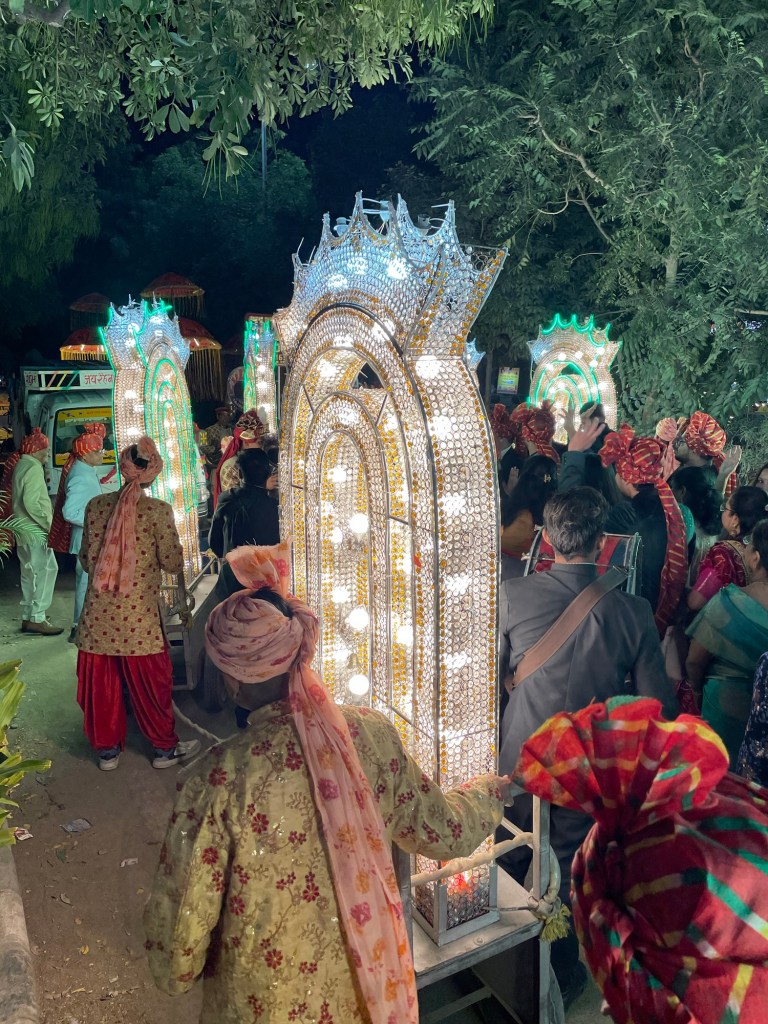
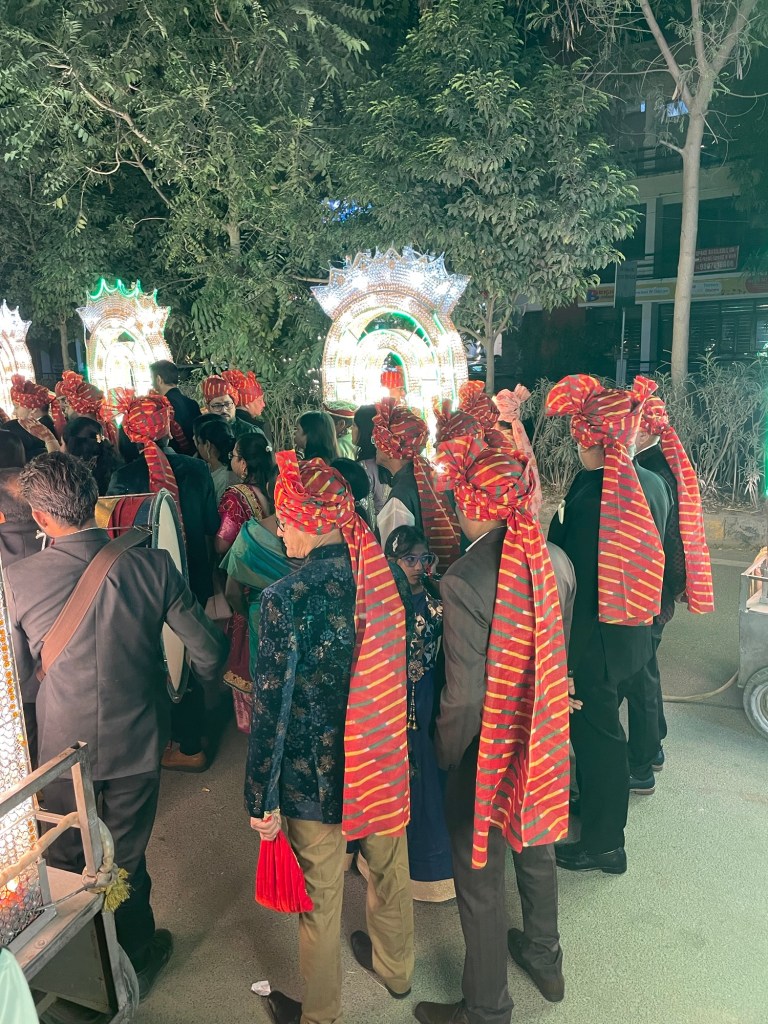
The beginning of a wedding parades by, the groom in white.
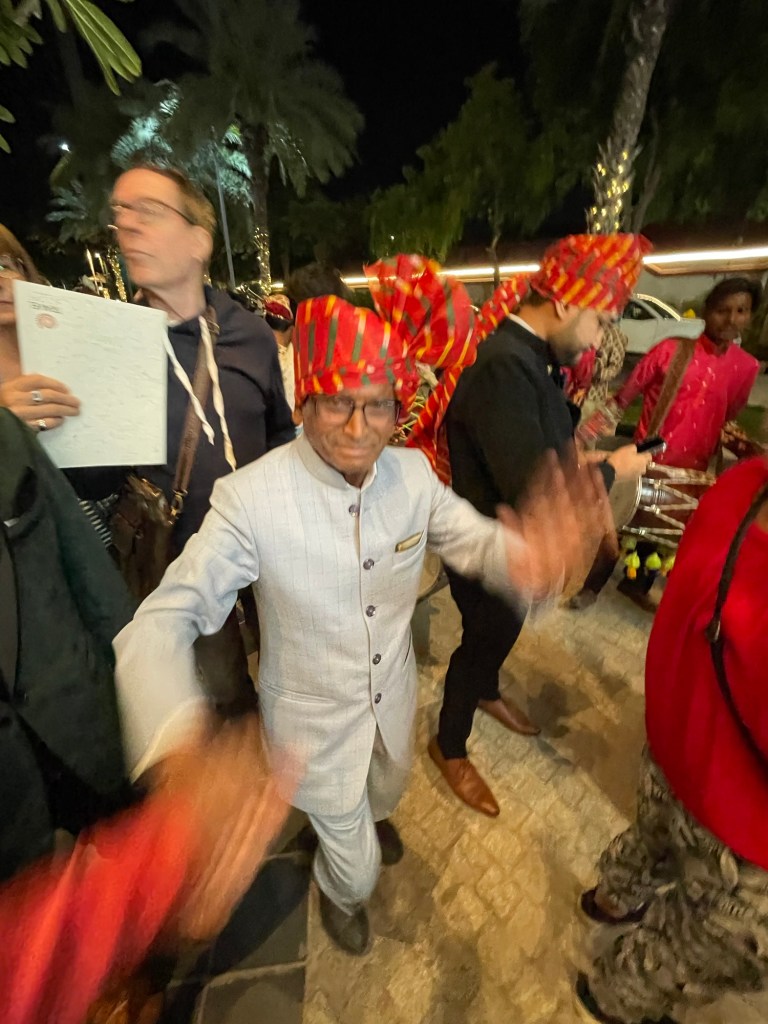
And the band was playing, LOUD!
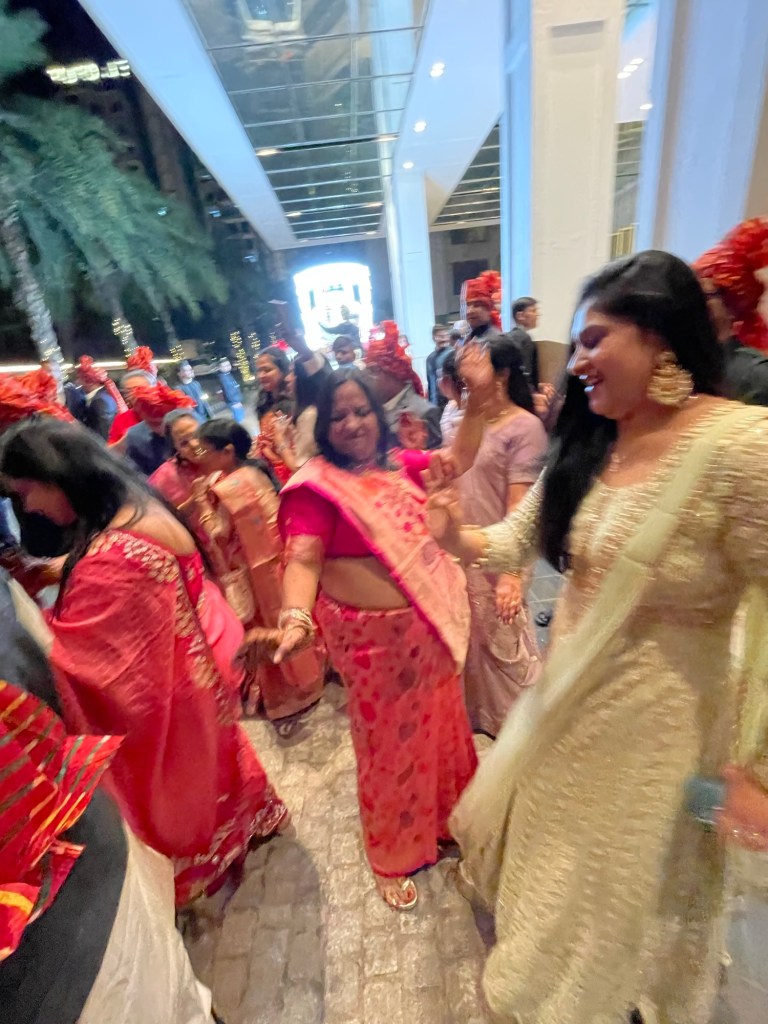
So people start dancing on the front steps of the hotel entryway.
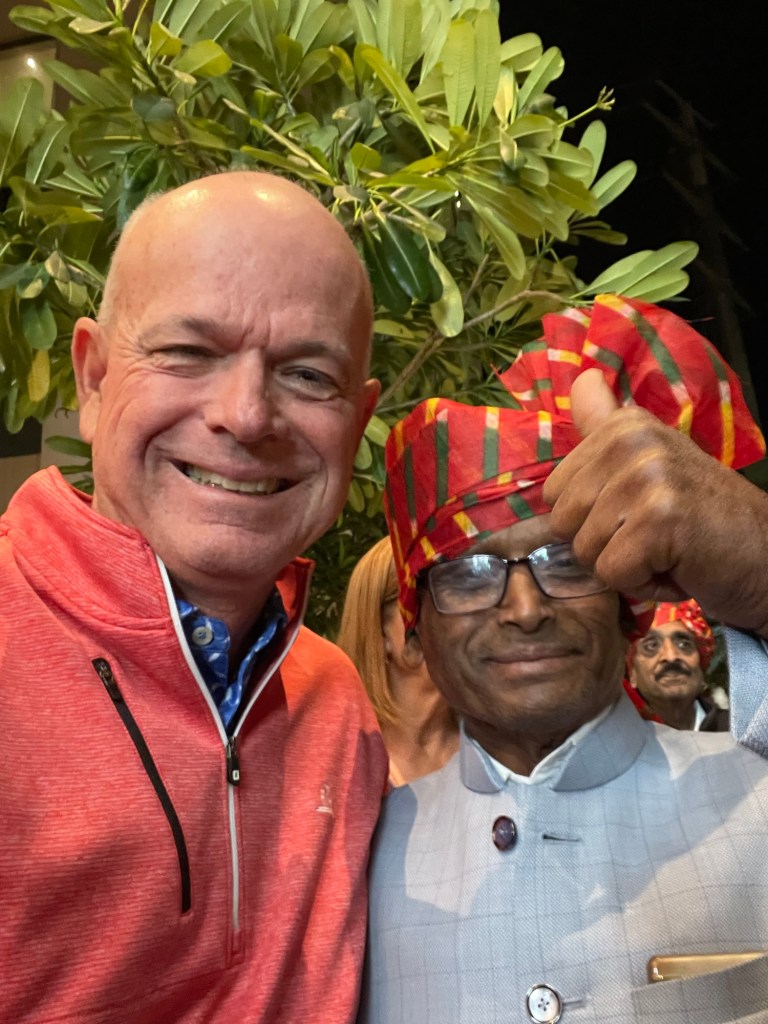
And a few friendly people grab your hand to dance with them.
New best friends 
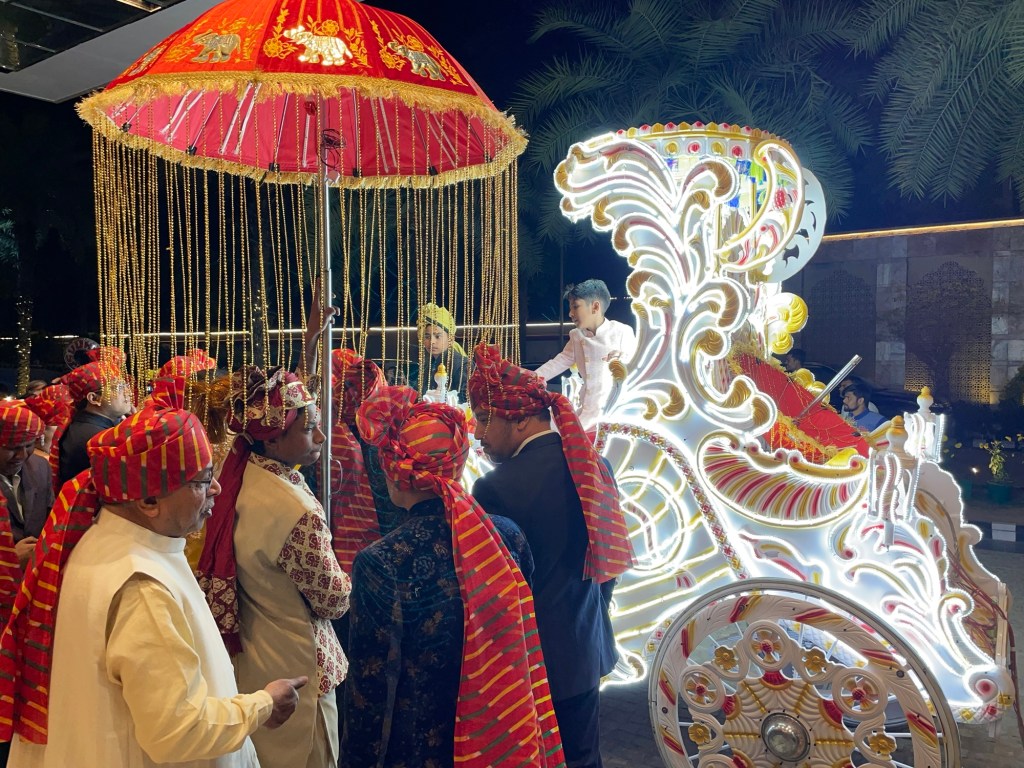
The groom is now comfortably settled into his brightly lit white carriage. Now the wedding party will parade to the wedding grounds at a nearby Park, and dance to the music for two hours before the bride arrives. 
The driver of the white carriage is ready, though he doesn’t really look old enough to drive a car.
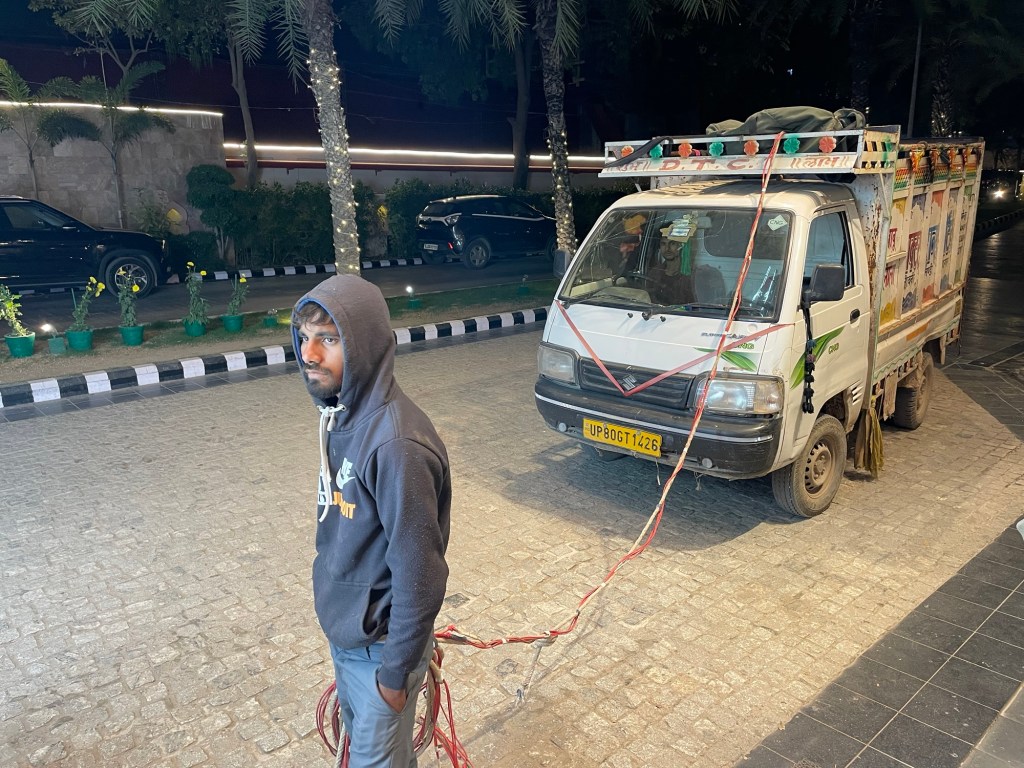
As the white carriage departed for the park, it became apparent how the bright lights were powered. The guy is carrying the cables connecting the carriage to a large and loud generator in the truck following close behind.
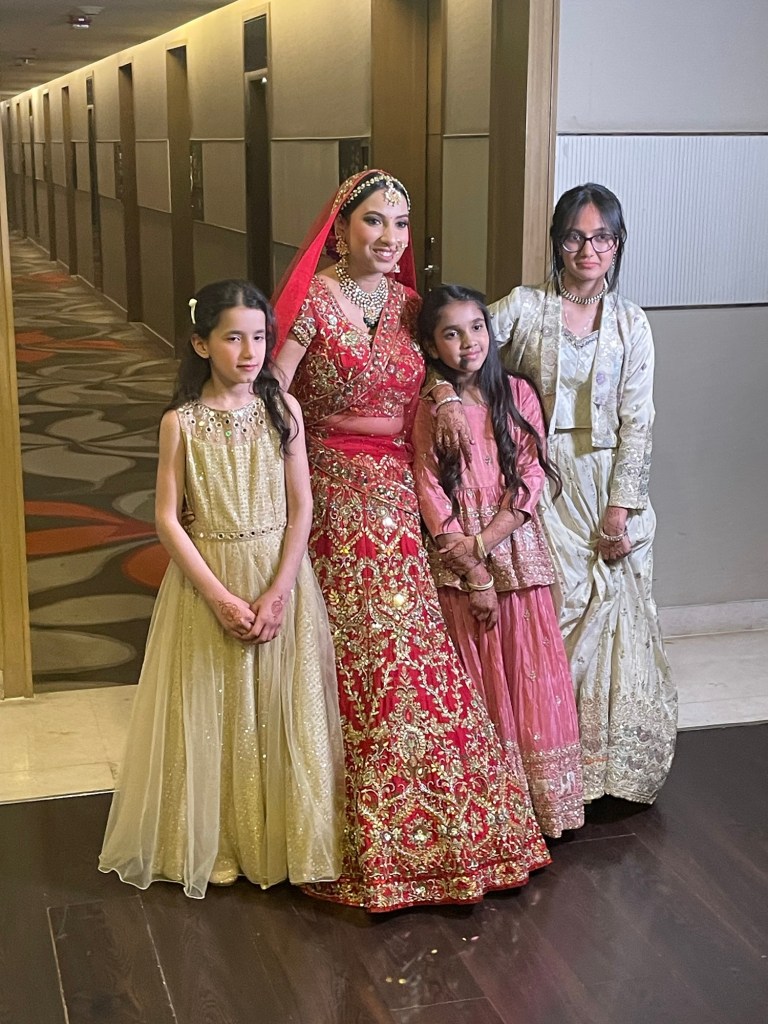
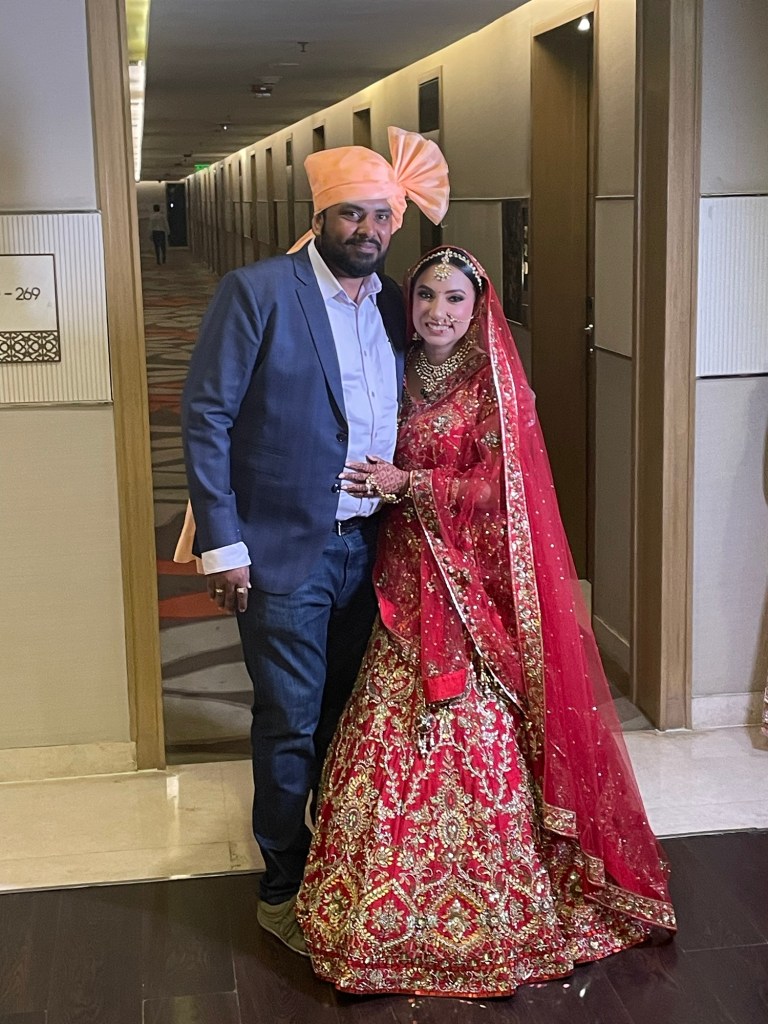
That was quite an unplanned adventure! Time to go to bed. But wait, my room is on the third floor, and when the elevator opened on the second floor, I looked out and it was the wedding shoot for the bride. Better jump off here and see what it’s all about.
Best wishes to the bride and groom for a long and happy life together.🙏
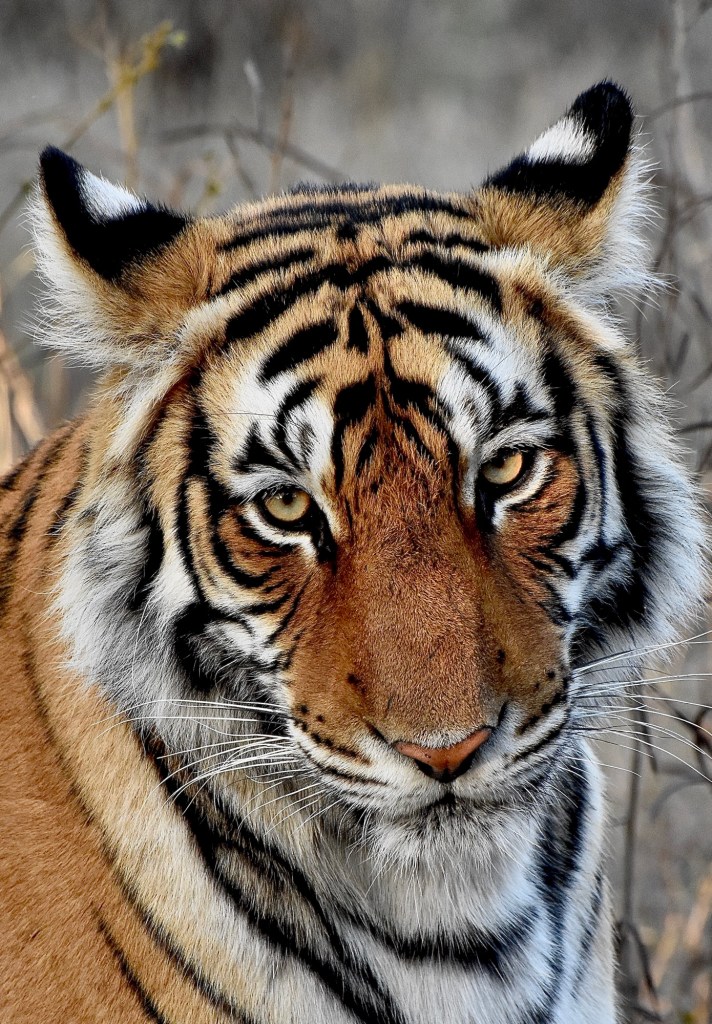
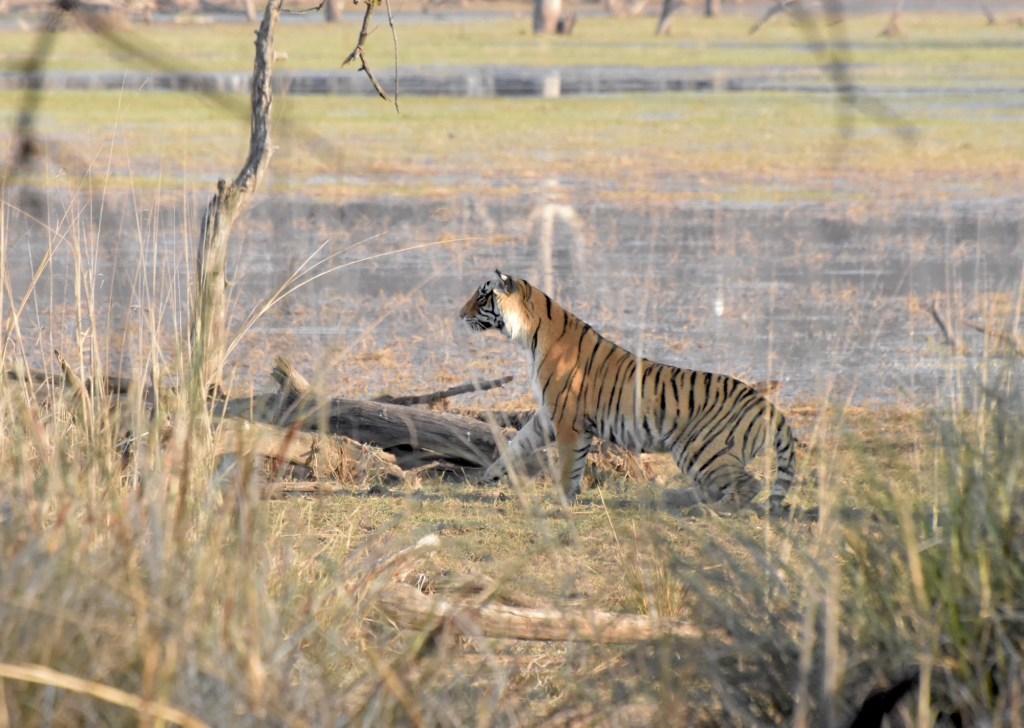
When the Maharaja ruled India they created their own private hunting grounds on what is now Ranthambhore National Park.
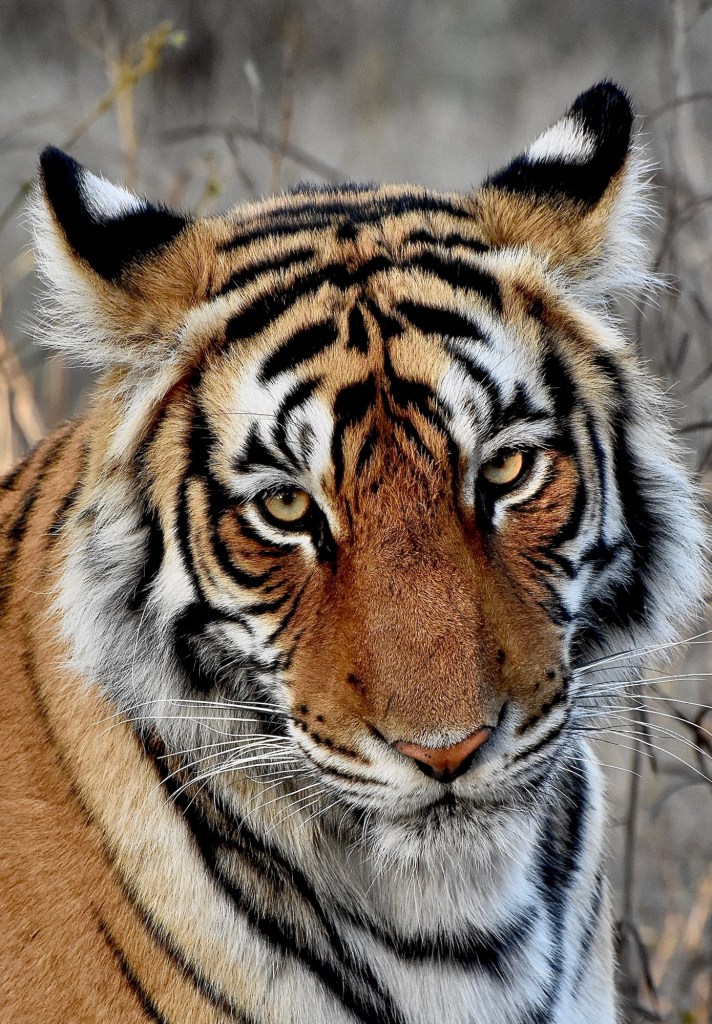
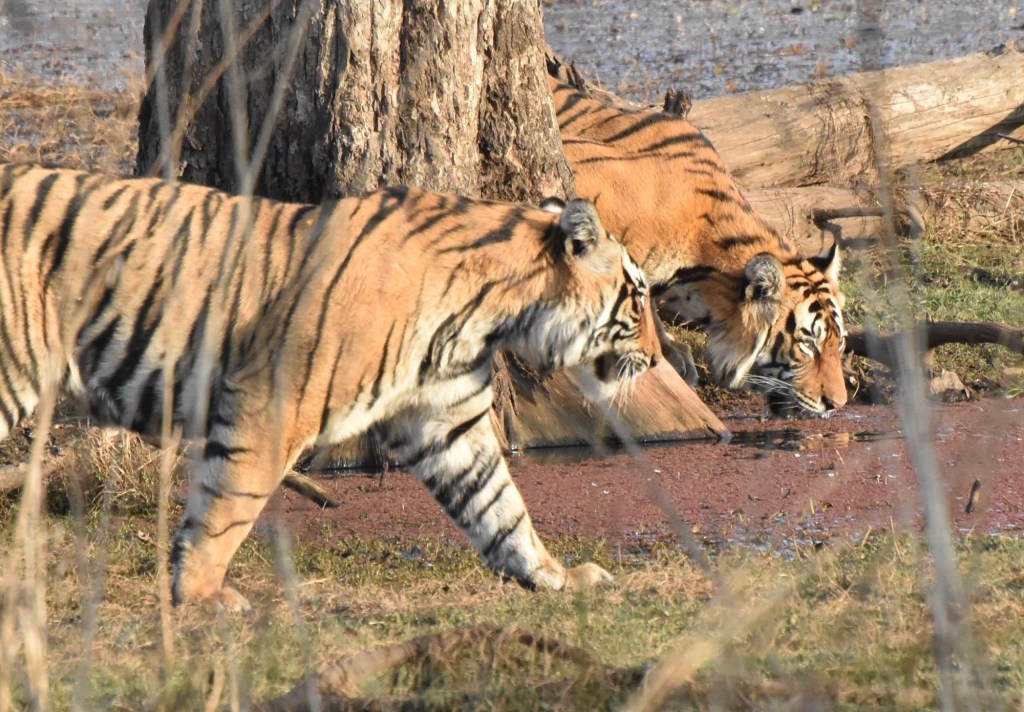
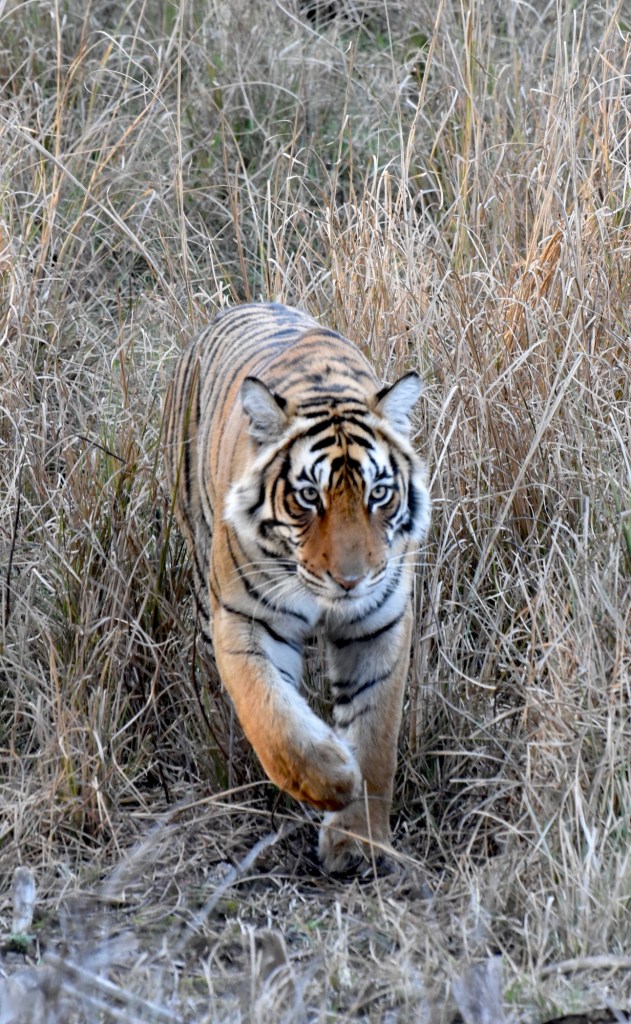
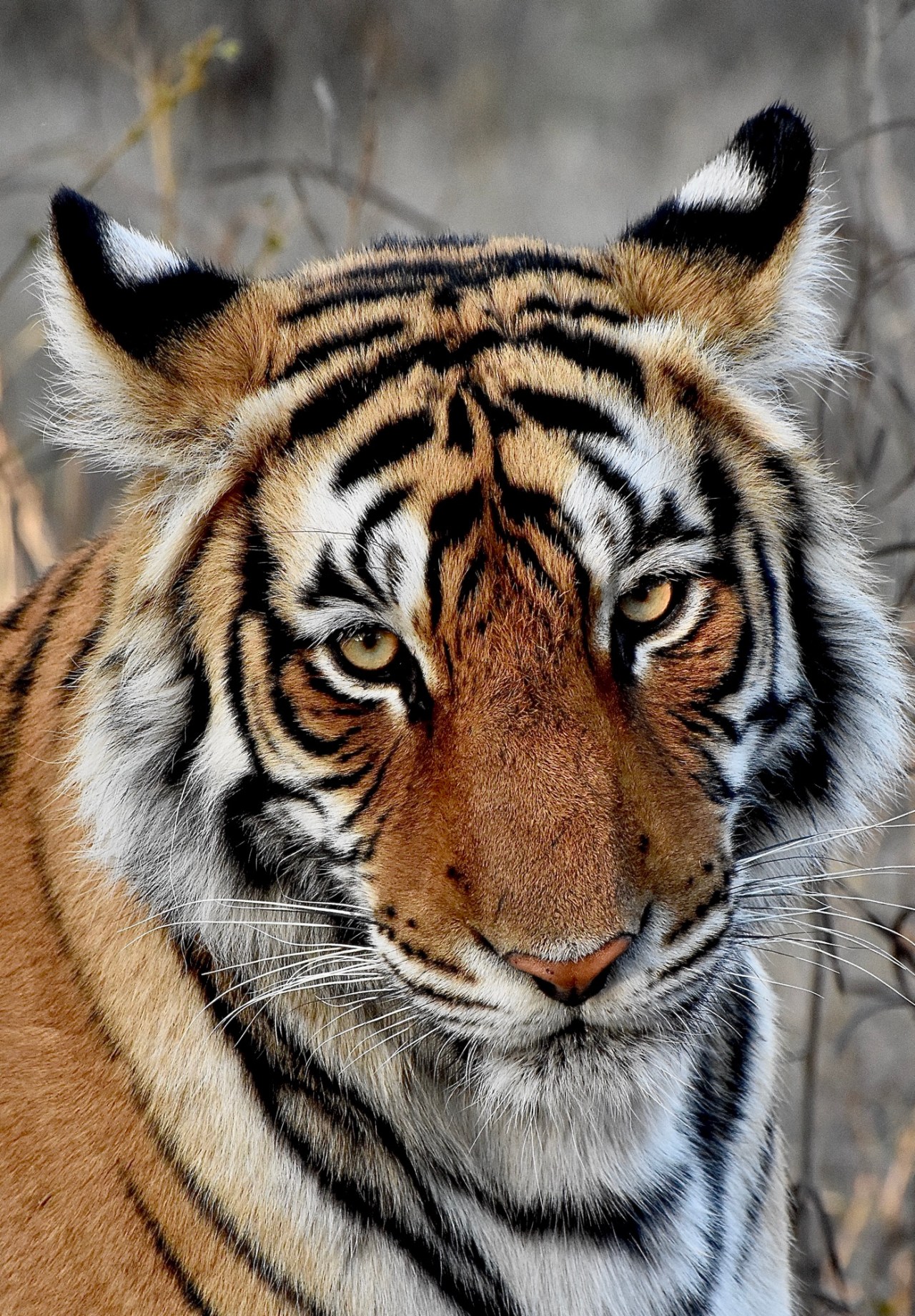
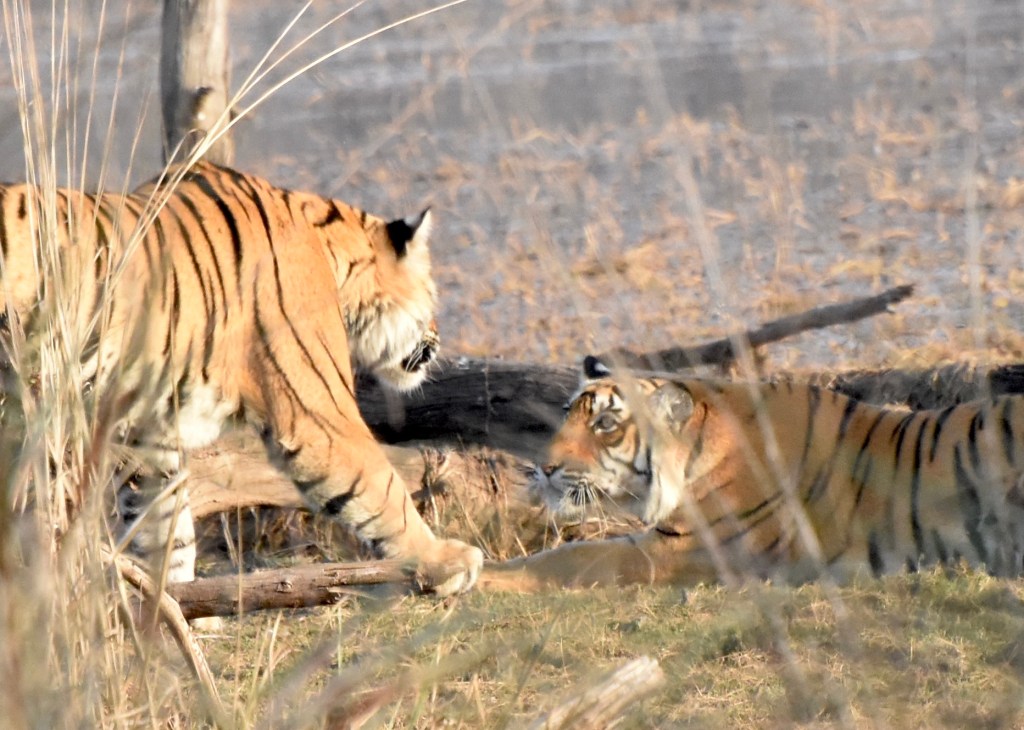
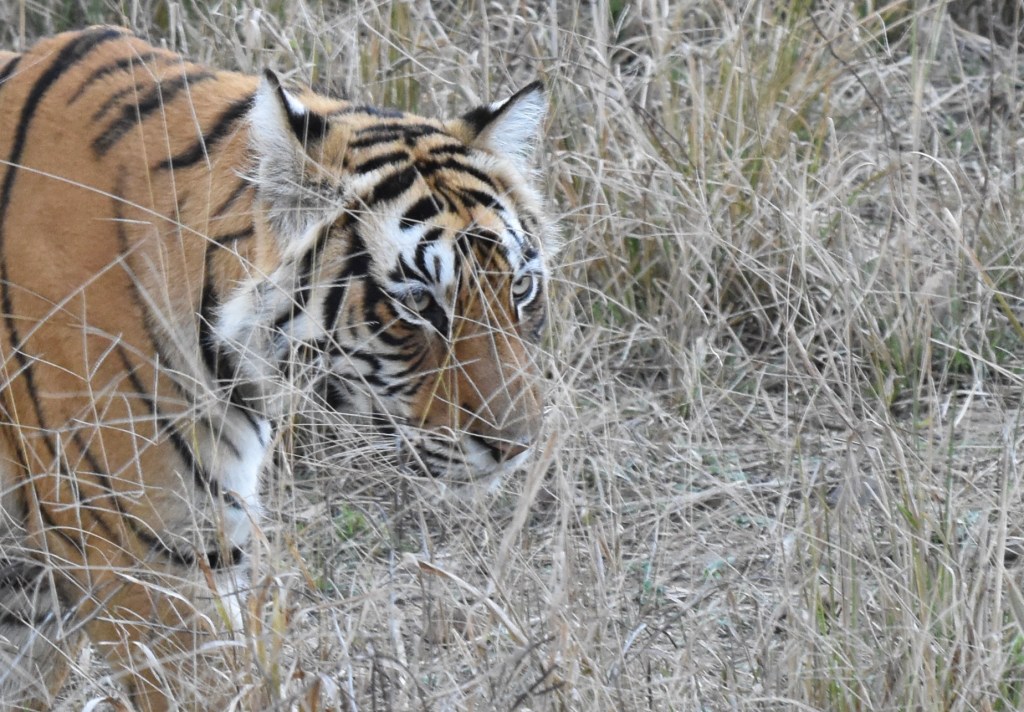
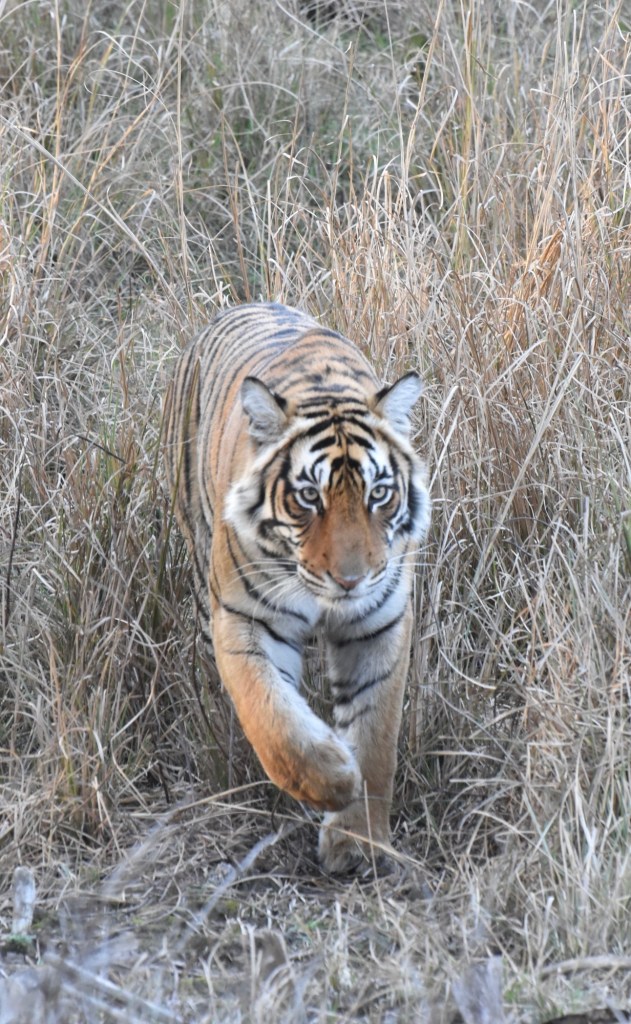
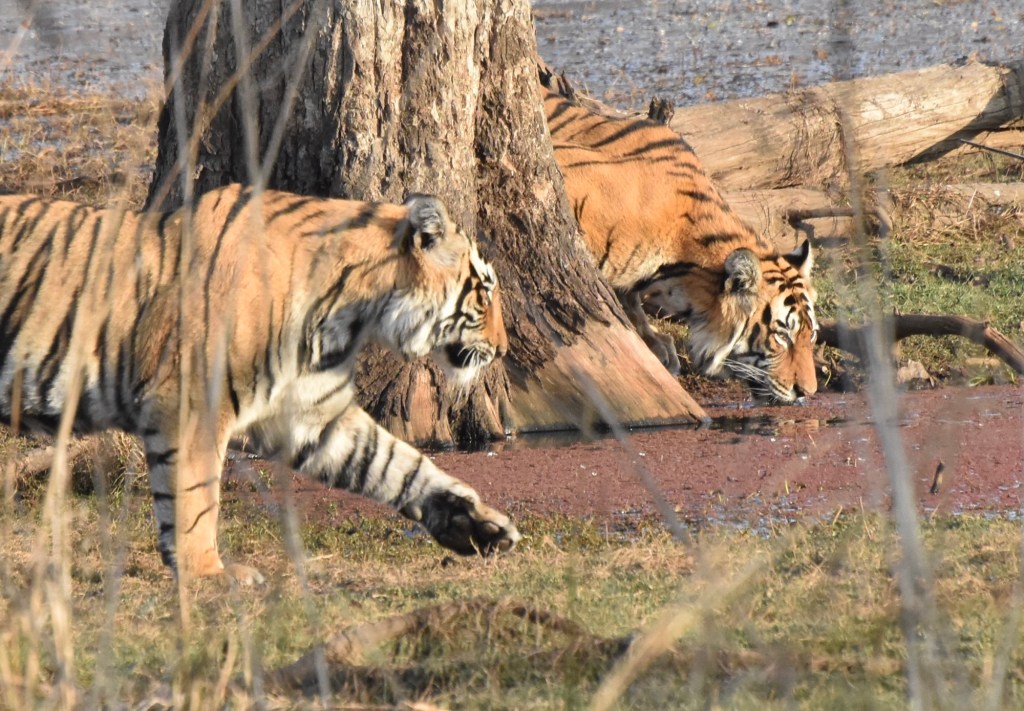
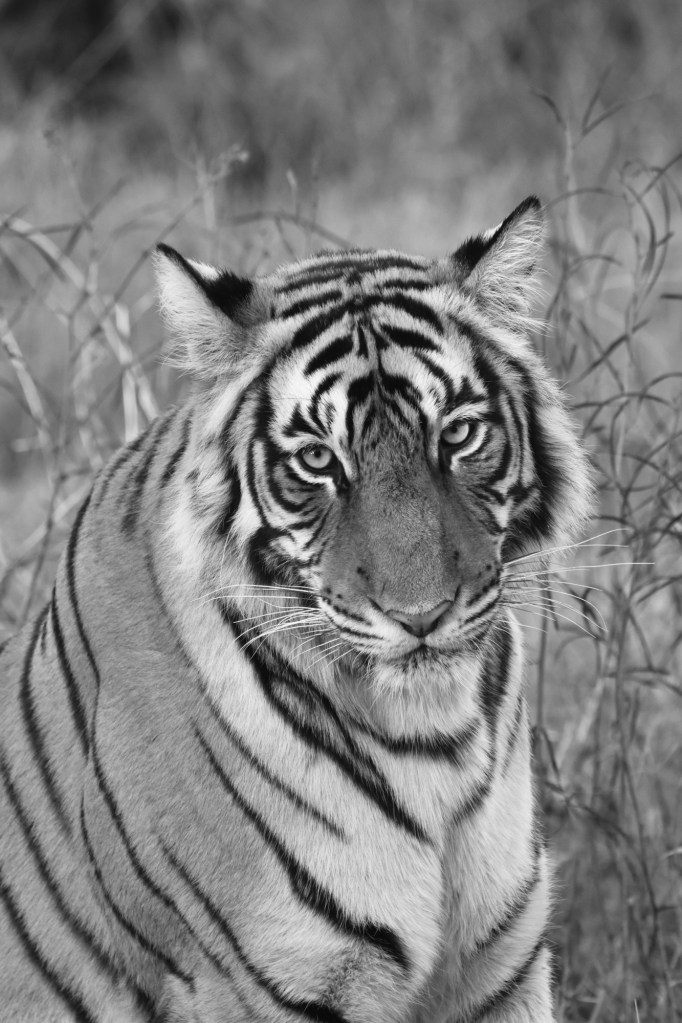
Bengal tigers were the hunting trophy back then, and are the viewing trophy today. Our ranger told us that in 100 trips into the park, only once will he see multiple tigers at such close distance. It was quite an experience!
We watched as the male cub on the left joined his brother along the riverbank, and then spent a couple minutes giving him a tongue bath.
A few more to acknowledge their stunning beauty.
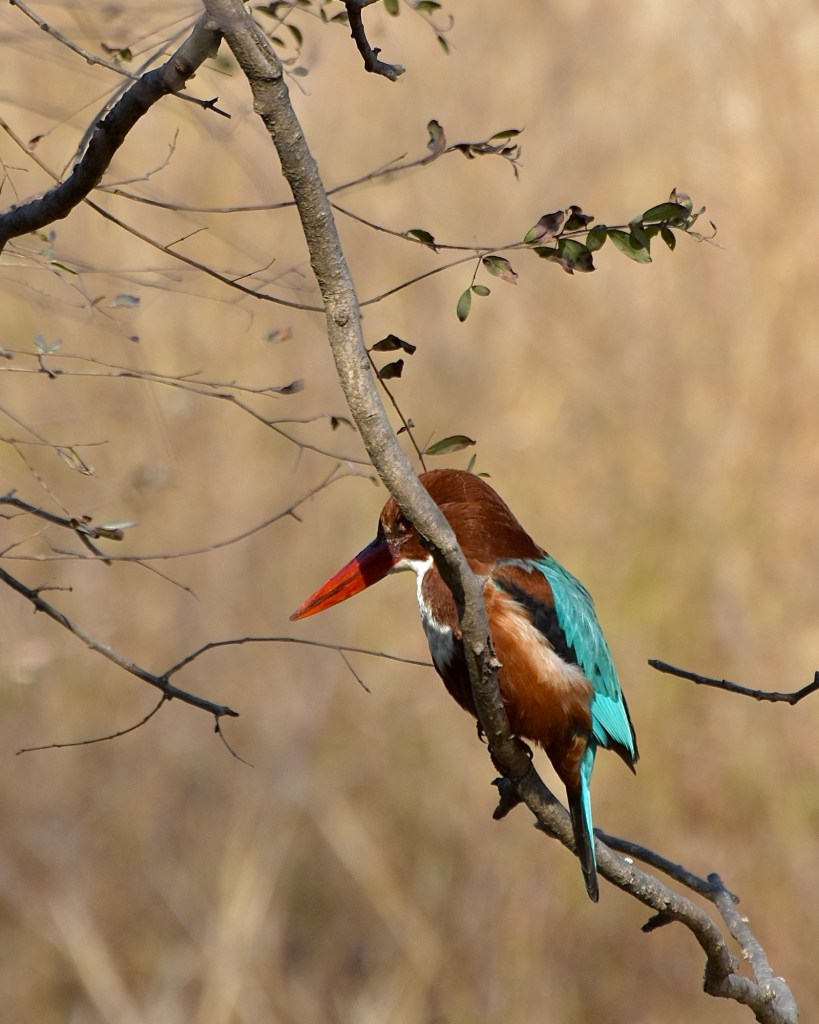
Ranthambhore offers so much more than tigers. Who knew a Kingfisher was both a beer and a bird 🤷🏼♂️
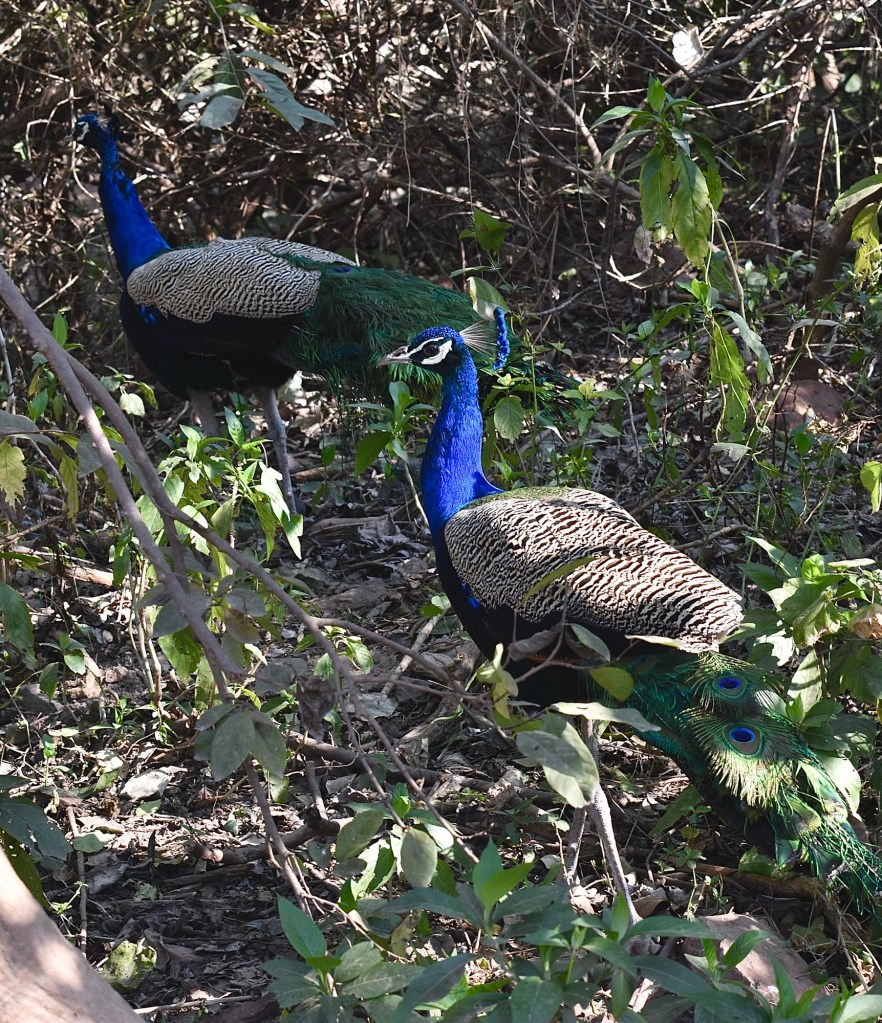
The penalty for killing a Peacock, the national bird of India, is more severe than for killing a cow.
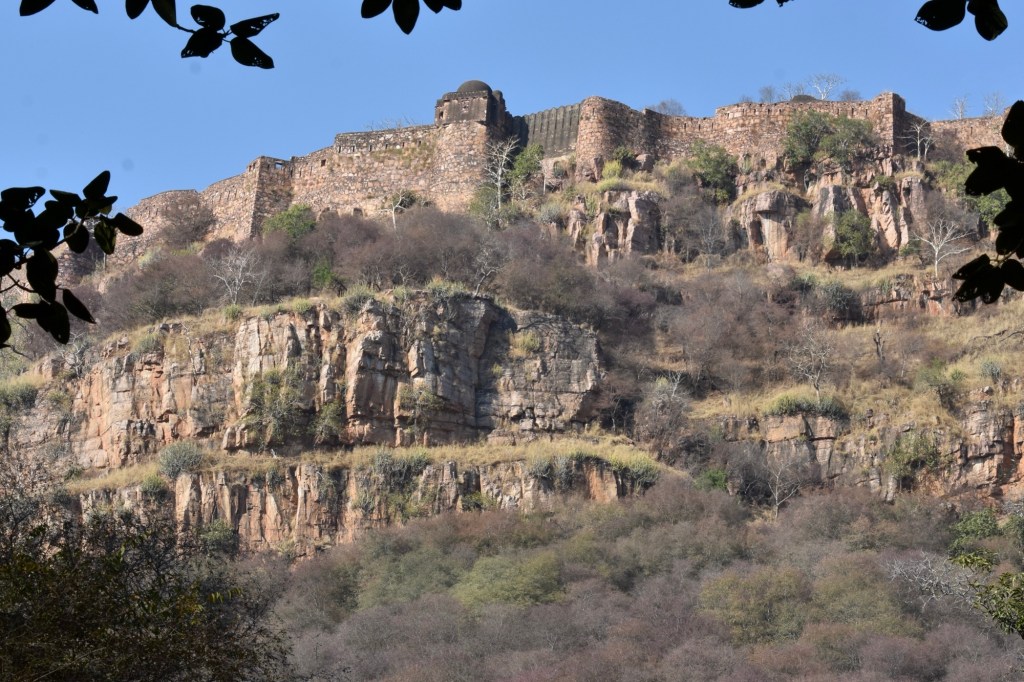
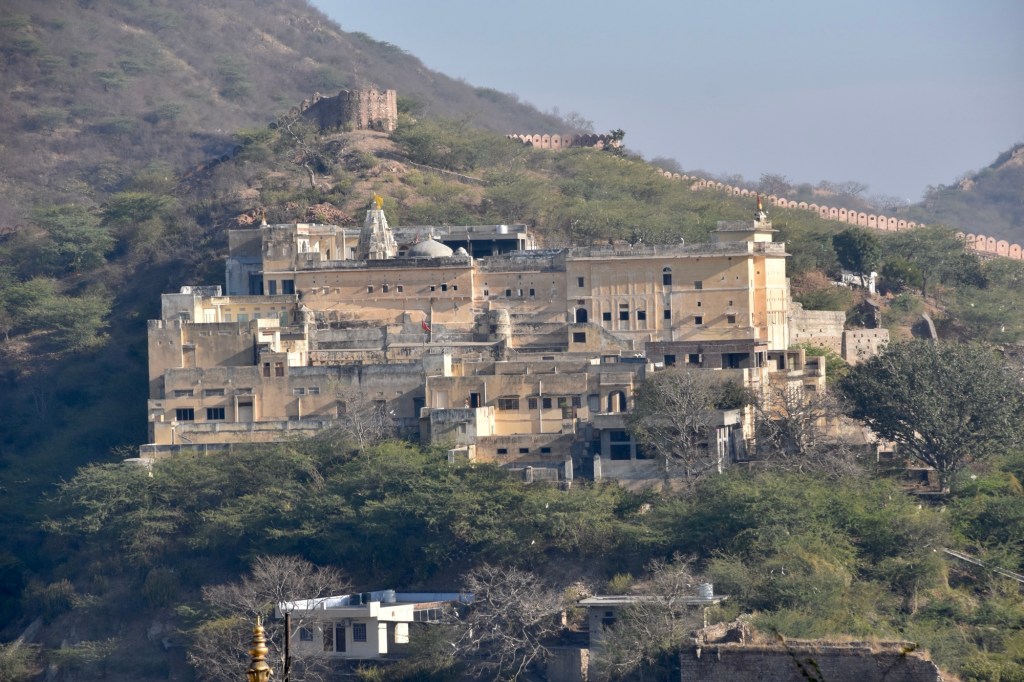
An historic castle sitting on the mountaintop overlooking the NP.
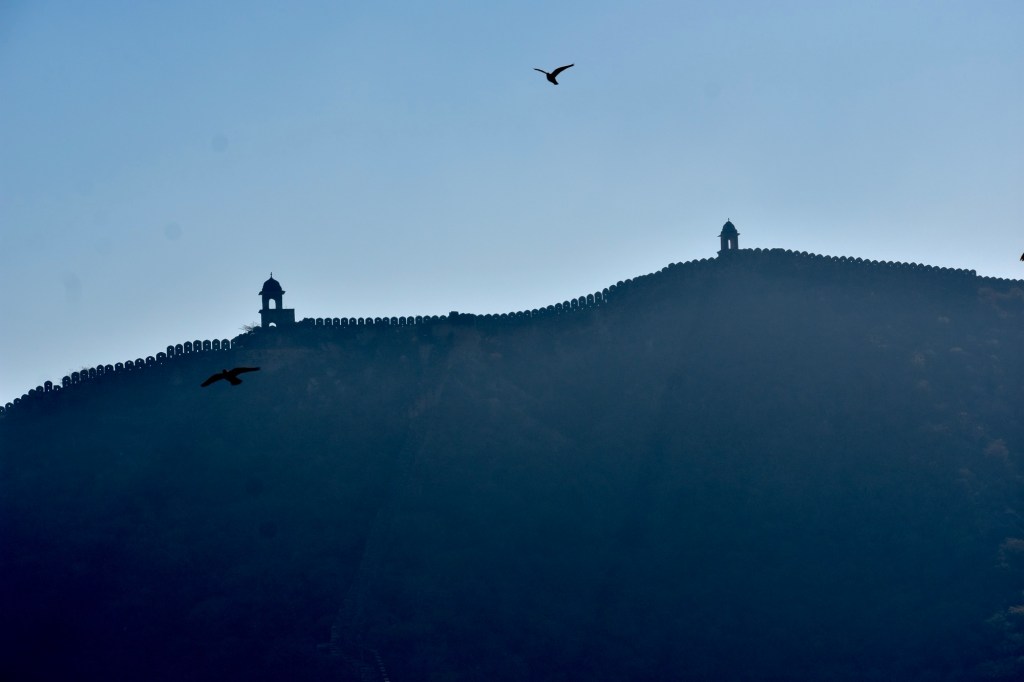
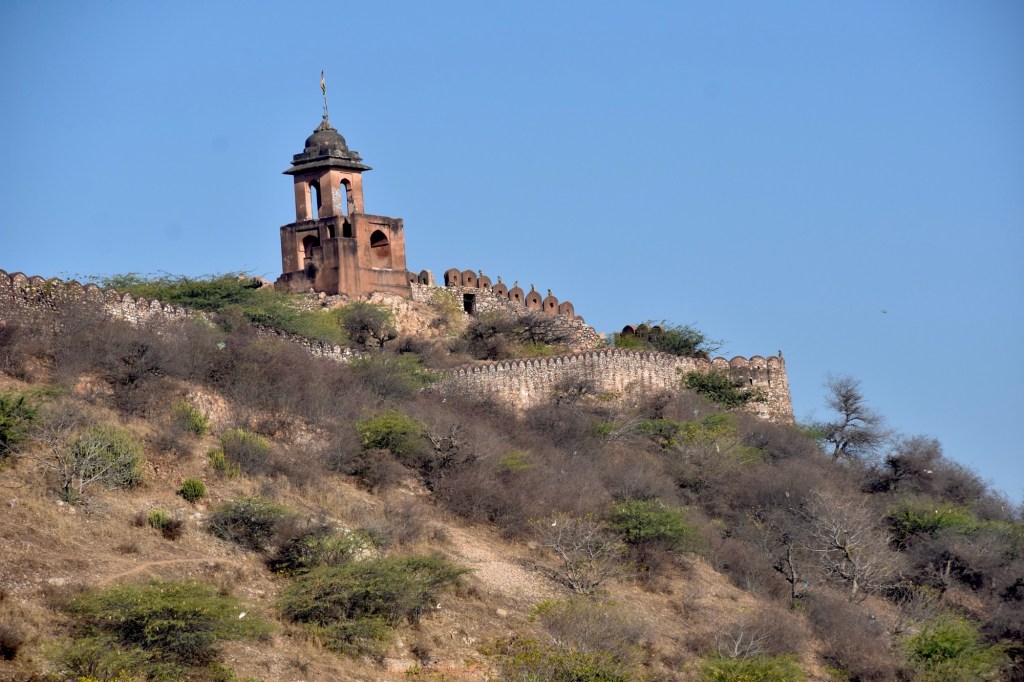
The history of India is one of invasion and occupation, for they had natural resources that others wanted. In the forever and never ending struggle for power and wealth, India’s abundant supply of spices and precious metals meant their strategically located cities would need to be fortified for, let’s say, the past 16 or 17 centuries.
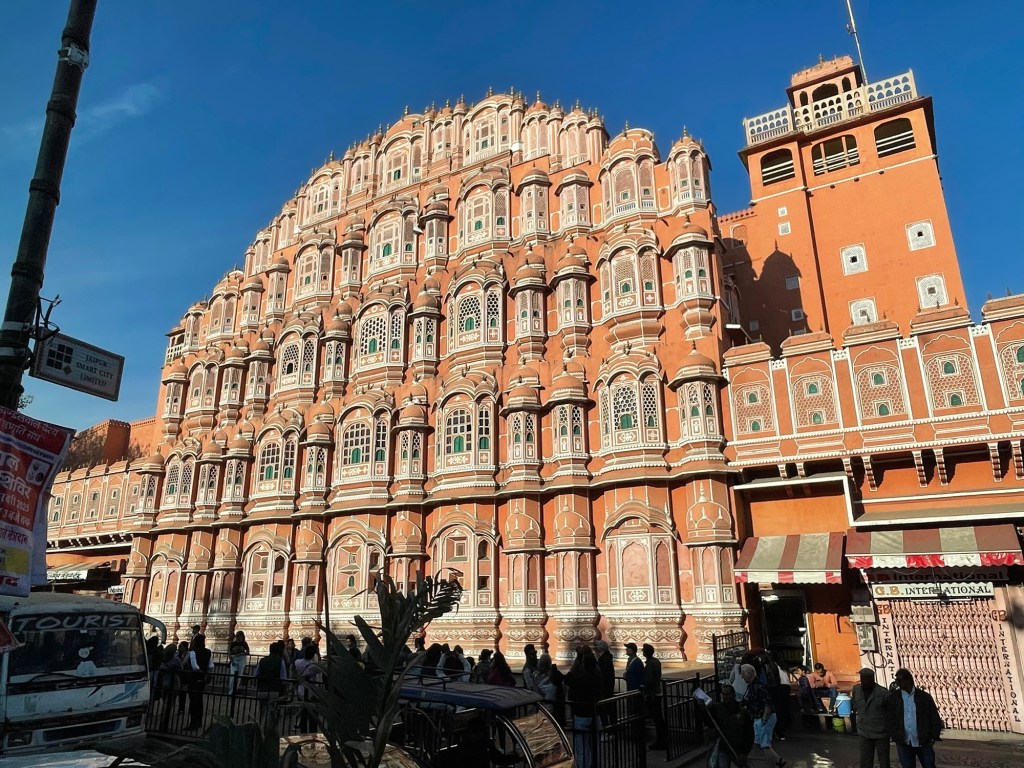
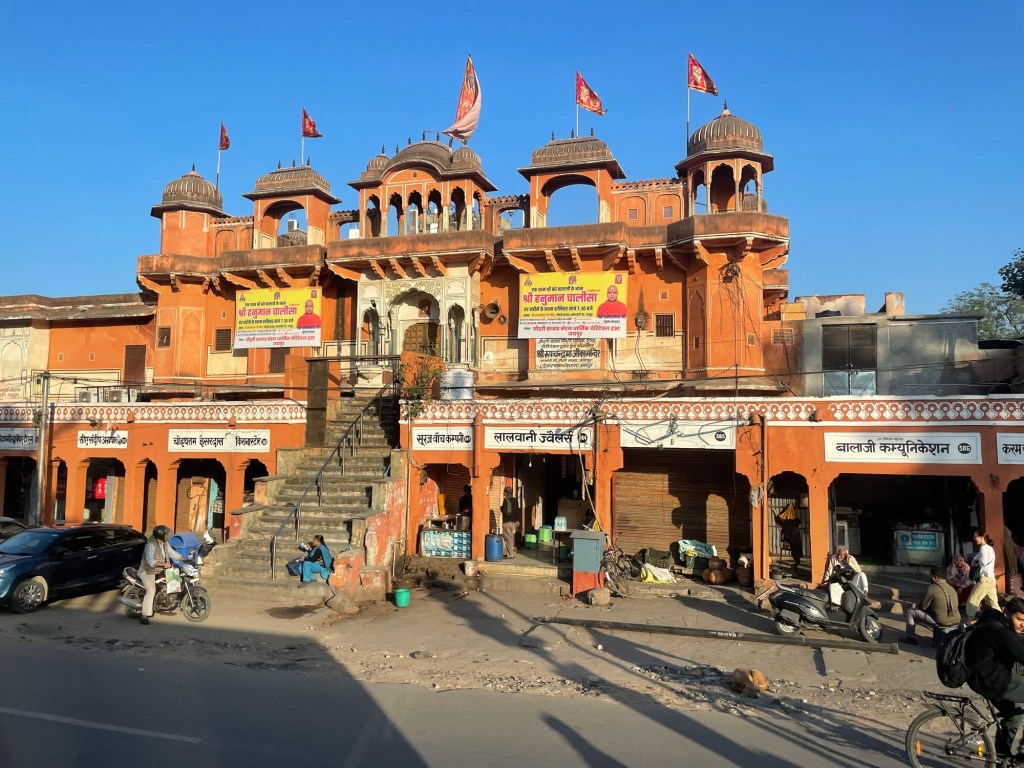
Here is one day in Jaipur, the capital of Rajasthan.
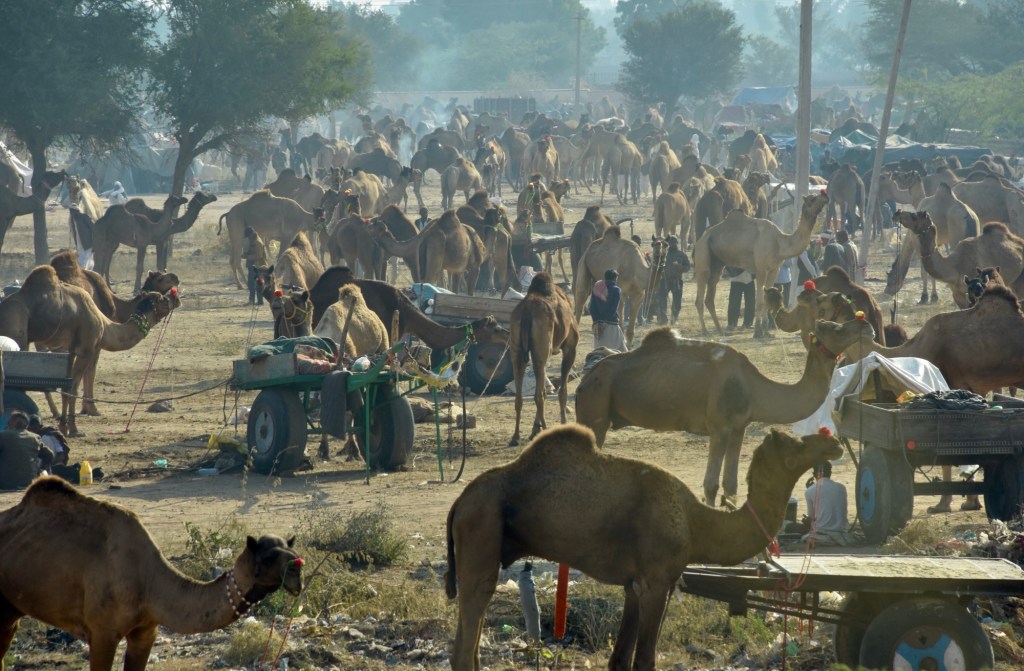
Leaving Nagaur, home of the Camel Festival
Stopping for lunch at a beautiful, modern restaurant in the middle of nowhere, we came across a Sikh wedding.
Late afternoon arrival in Jaipur with that soft magical light.
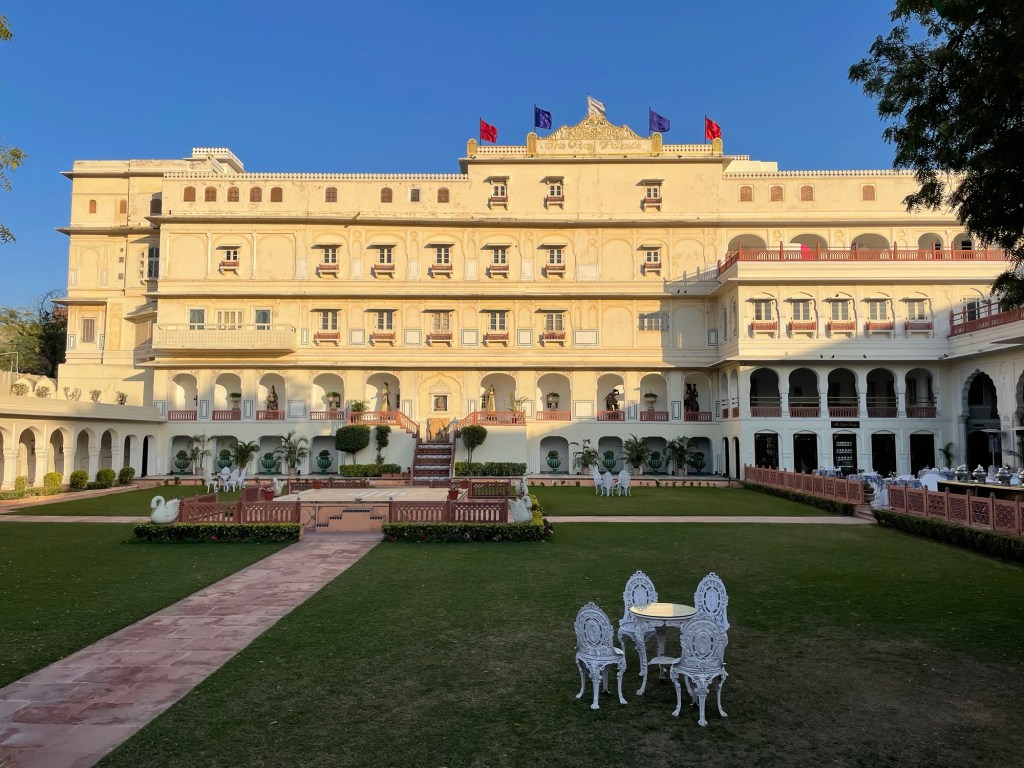
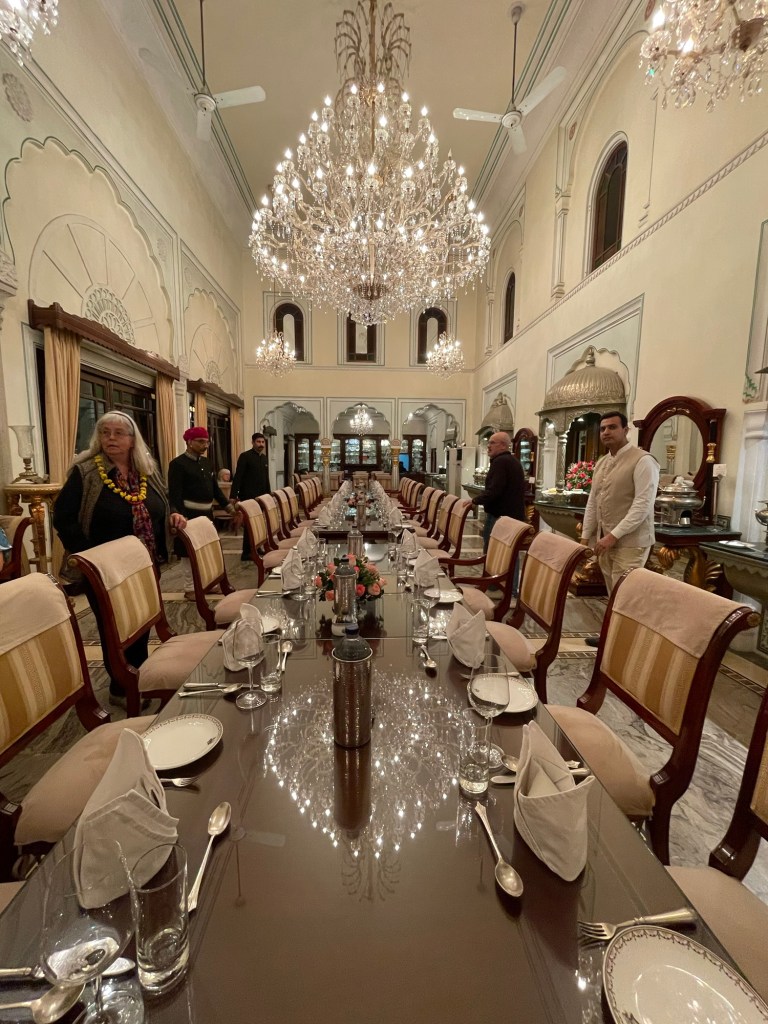
Three nights at the Raj Palace, quite literally a palace of the Royal Jaipur family, converted to a fine hotel in the heart of old town.
No digital room keys here, this is the lock on my hotel room!
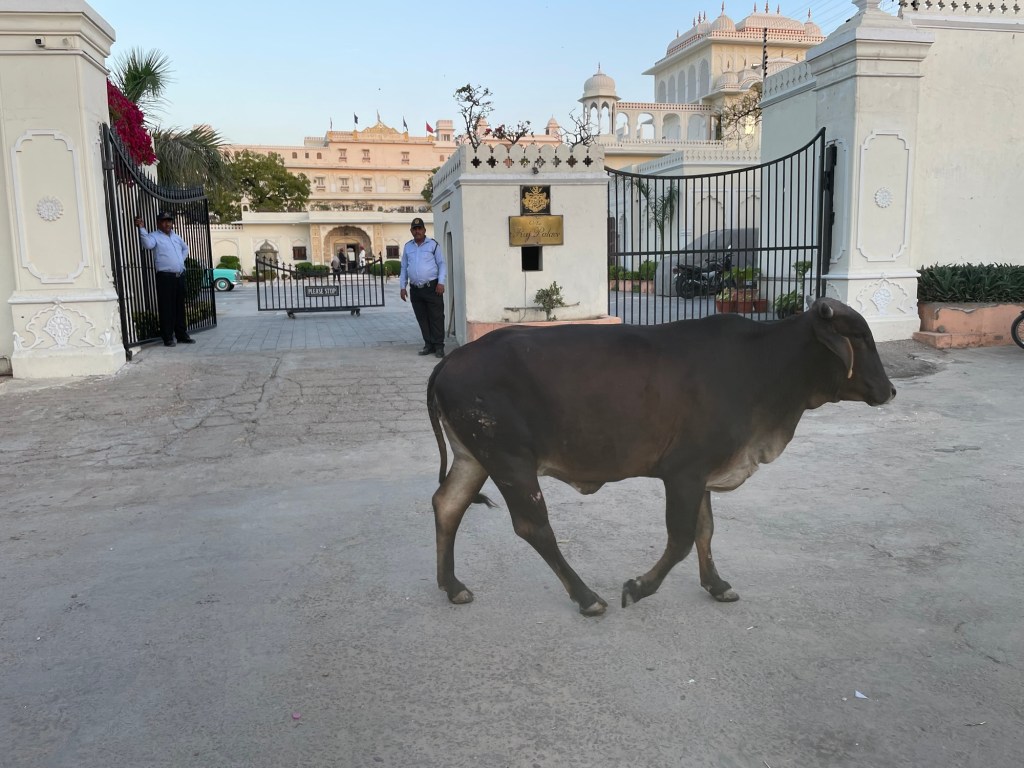
Leaving the hotel to go explore the city, I glanced over my shoulder at the Royal Jaipur Hotel that we just checked into, and was reminded that India like so many places in the world, is full of contrasts.
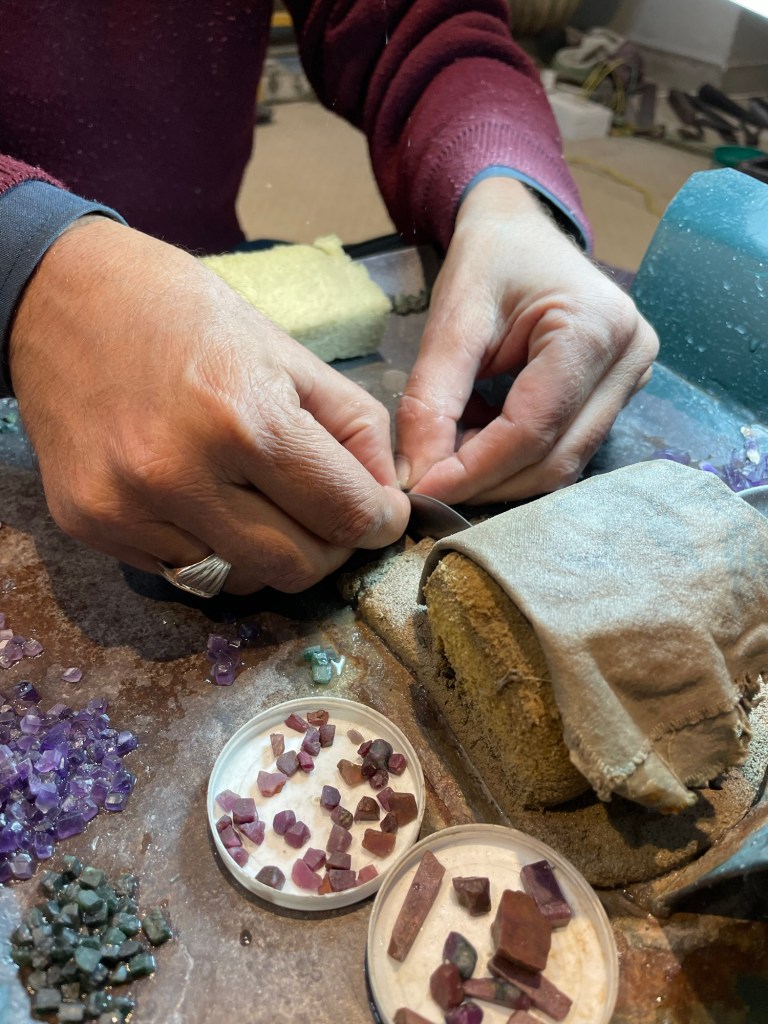
World famous for their diamonds, gemstones, and fine textiles, we came across many artisans at work. This guy is cutting emeralds, and if you look closely in the second photograph, you’ll see he is simply holding them in his bare fingers right next to the sawblade.
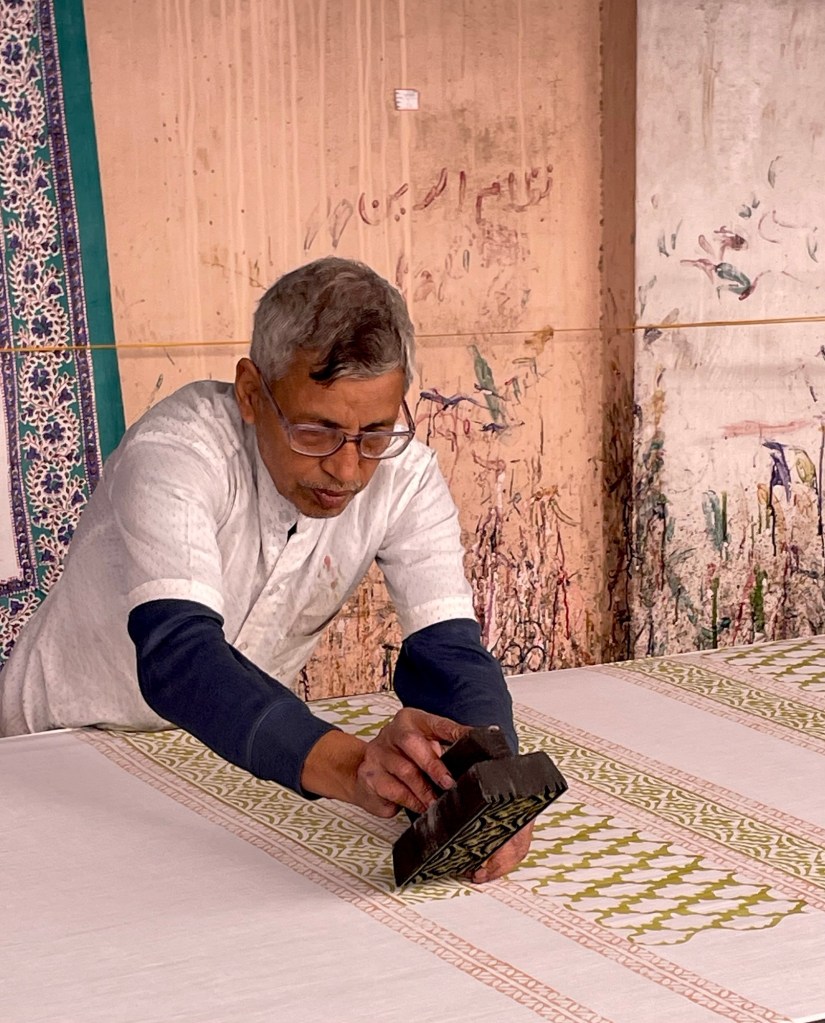
Block printing textiles, up to seven overlapping layers on fine muslin cotton.
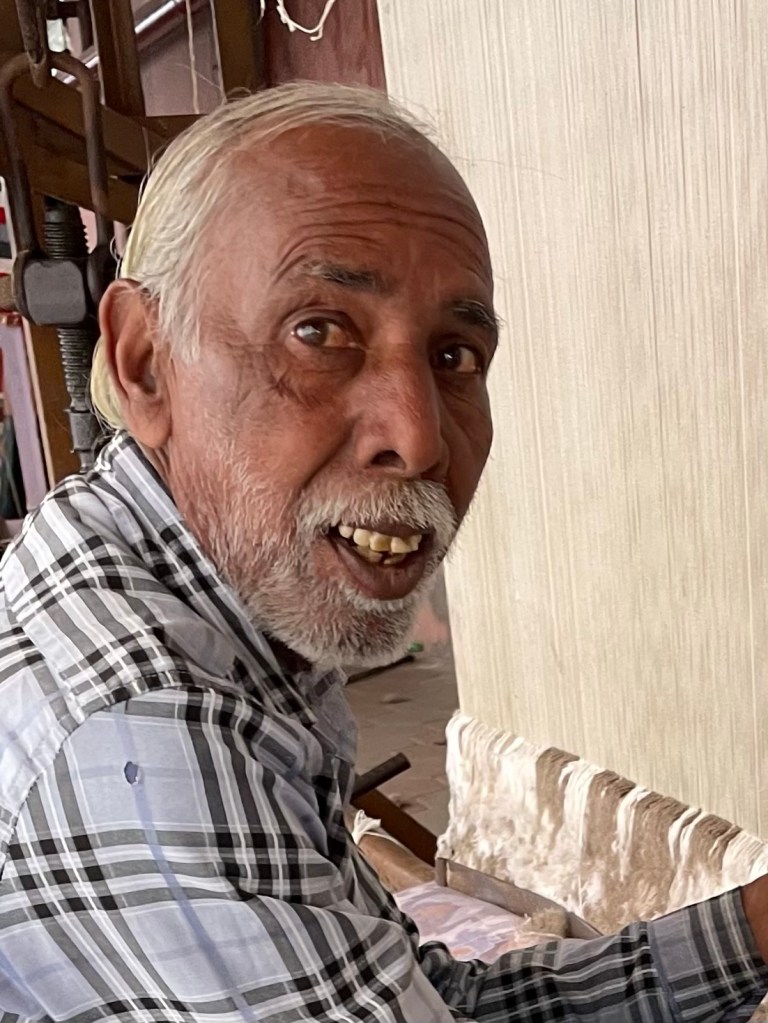
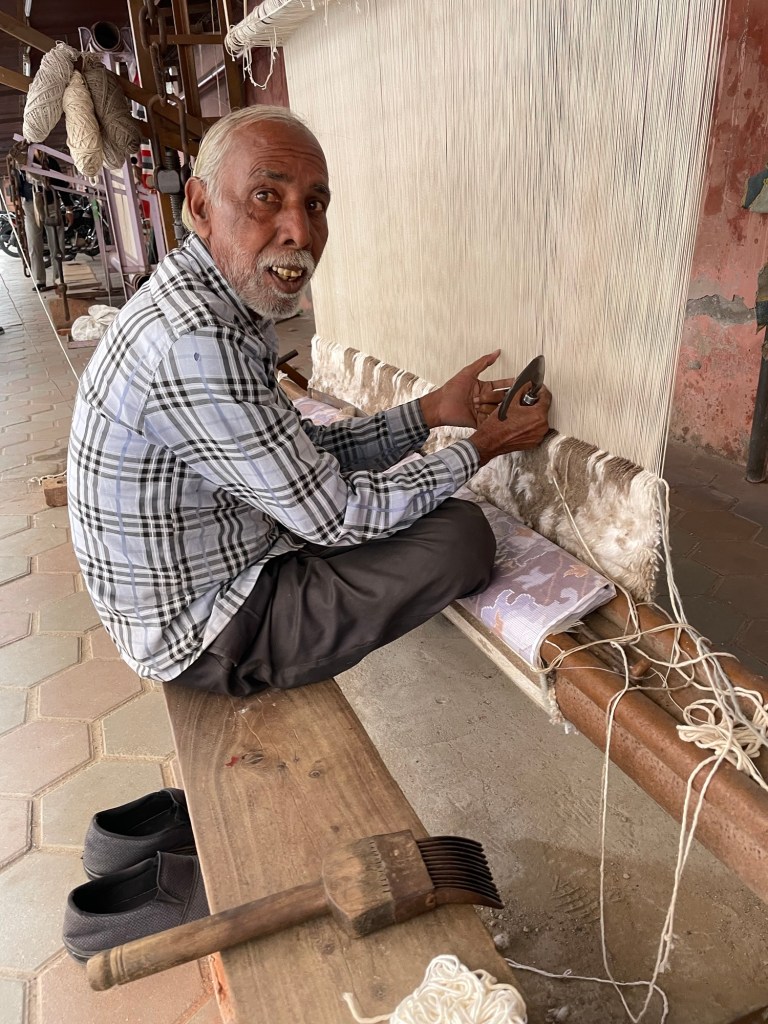
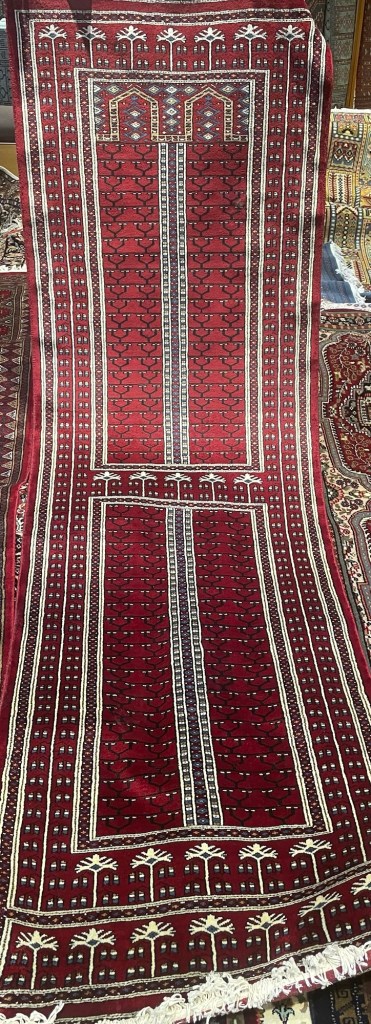
Hand tying wool and silk rugs, fun to bring home the red Jaipur patterned runner below.
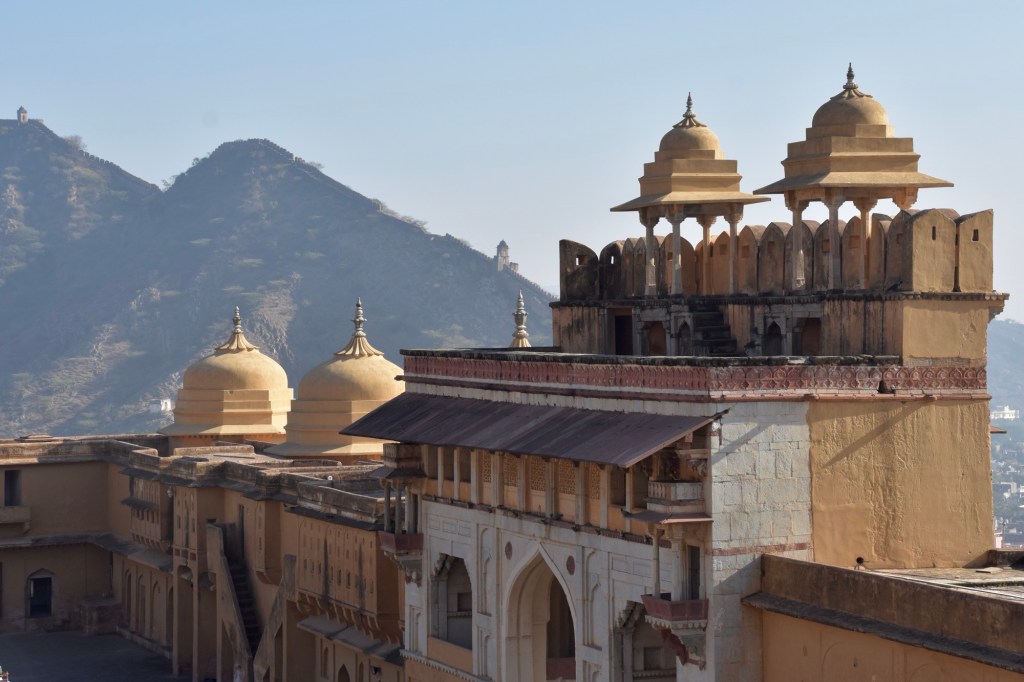
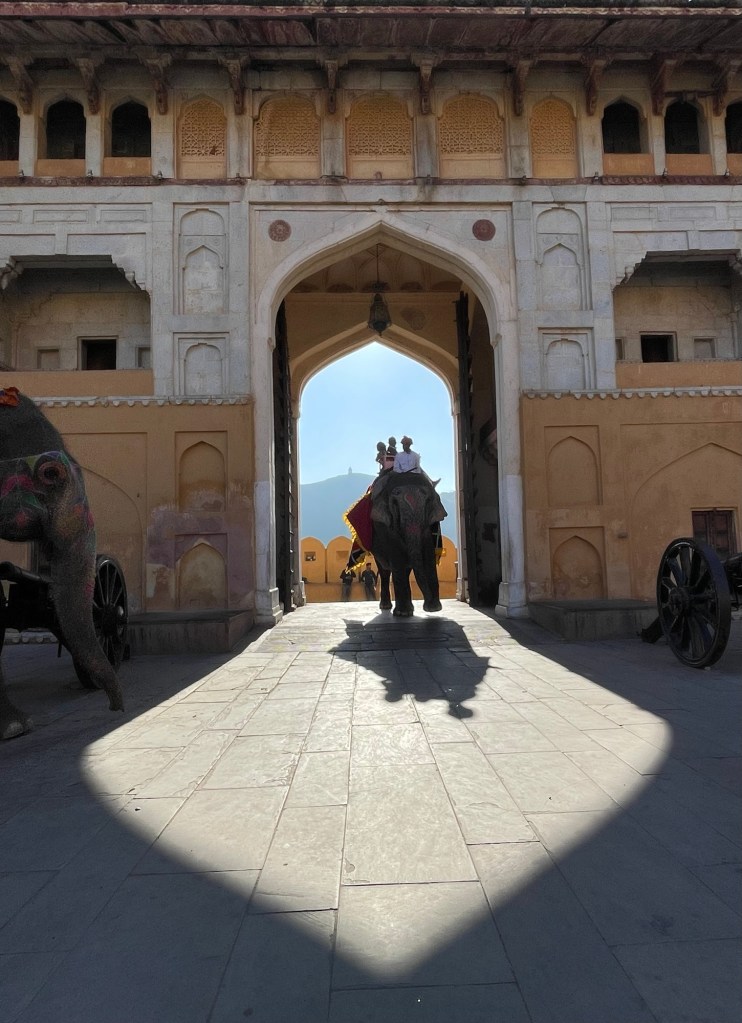
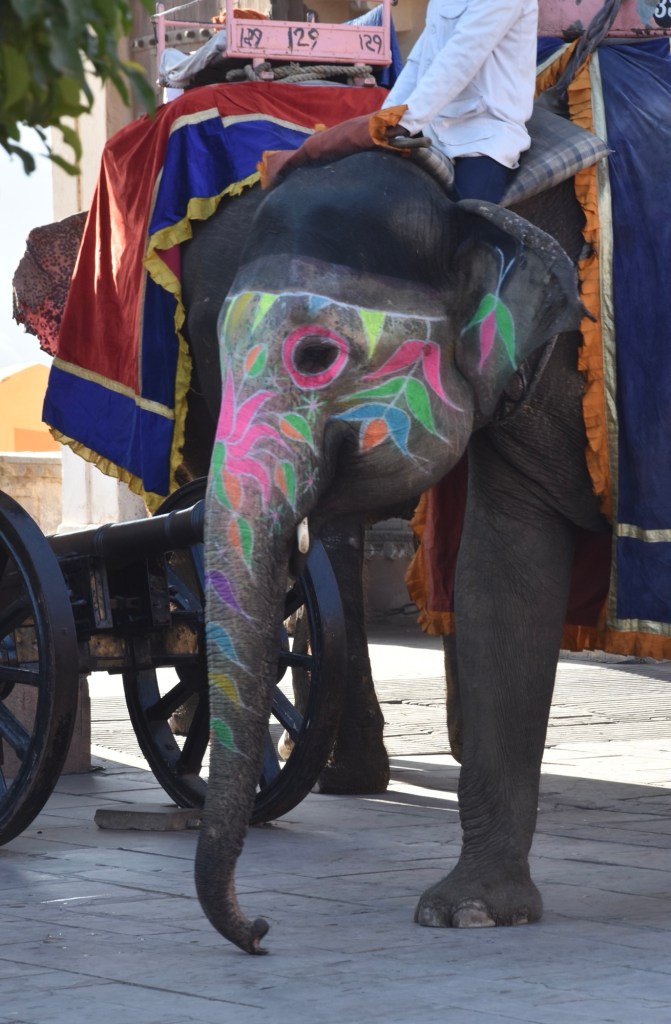
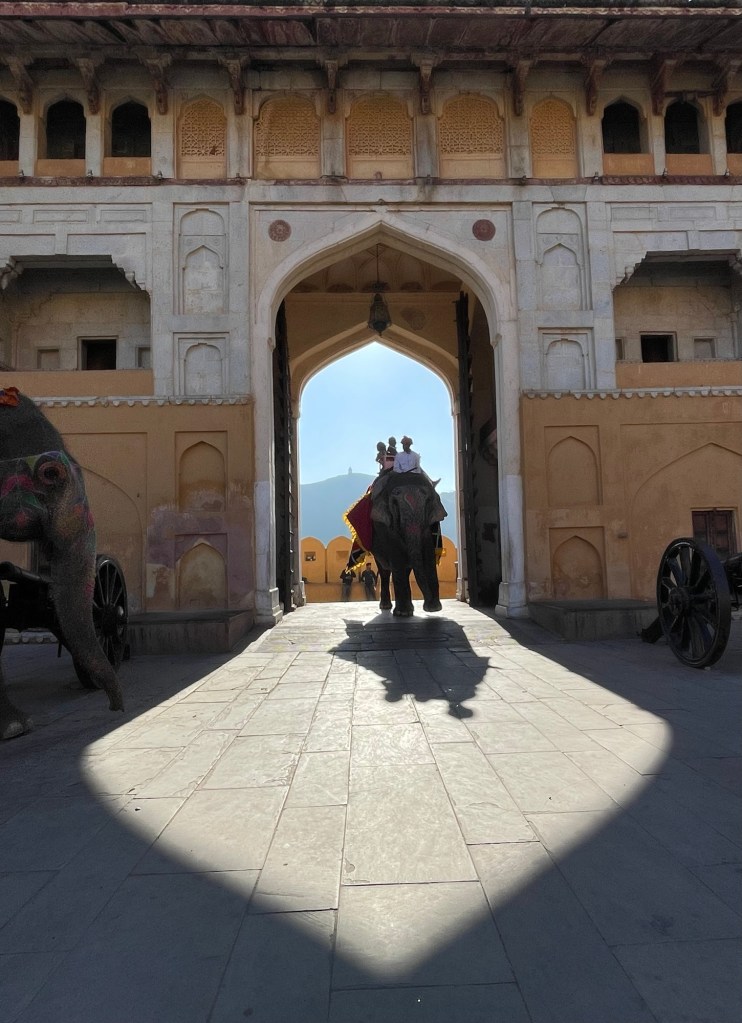
Visiting the Amber Fort high on a mountain top.
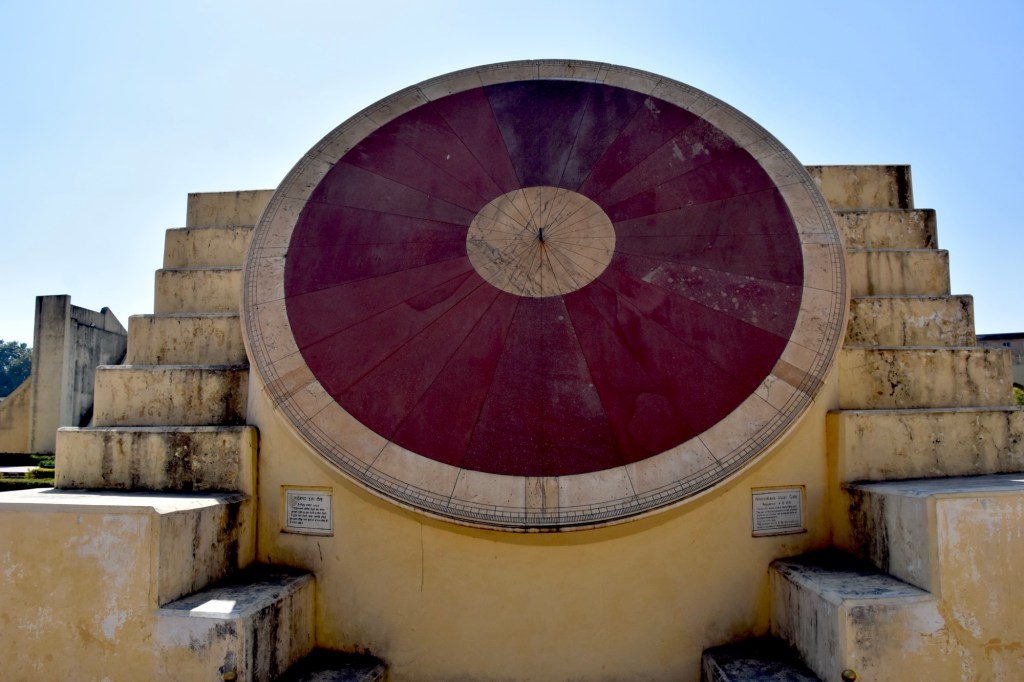
A quick stop at the Astronomical Center, no surprise that astronomy and astrology play big roles in Hindu culture.
The end of a long and memorable day, taking a break from the photography and enjoying the late afternoon sunshine.
Well, it’s a camel fair, like no other because, well, who in the world has ever been to a camel fair?!
And if there is a camel affair, why? And who would need to attend? Come to find out if you own a farm, or ranch, or are a nomad with a long trip ahead, then you probably find yourself in need of a camel or a horse or a cow. And so for centuries, there has been a camel fair in this northwest section of India, a town called Nagaur.
Look closely at what appear to be albino eyes, almost translucent.
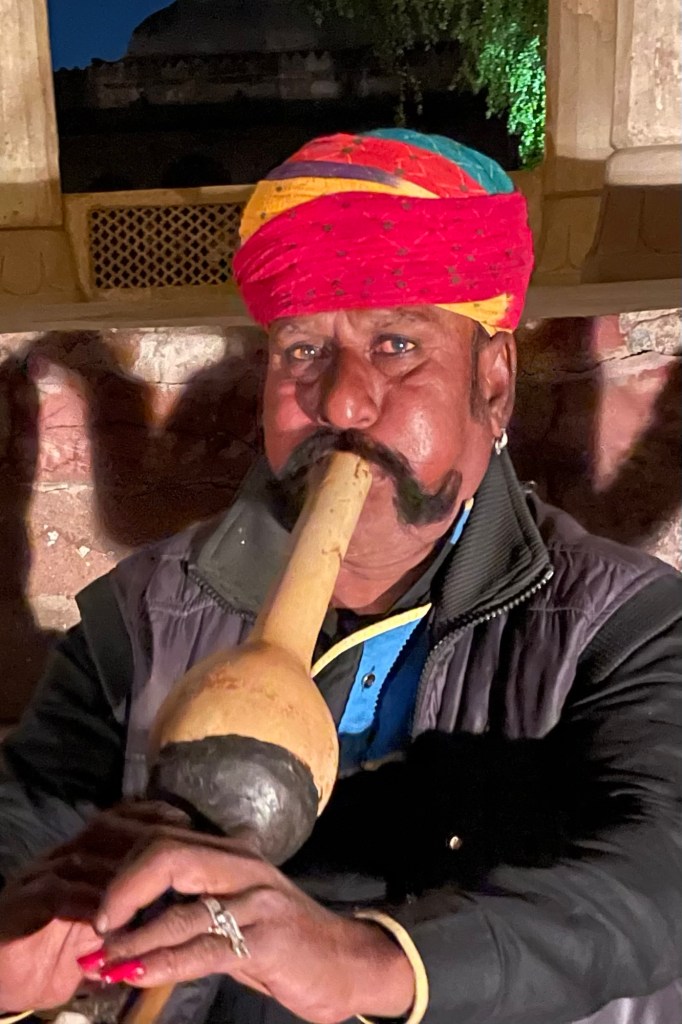
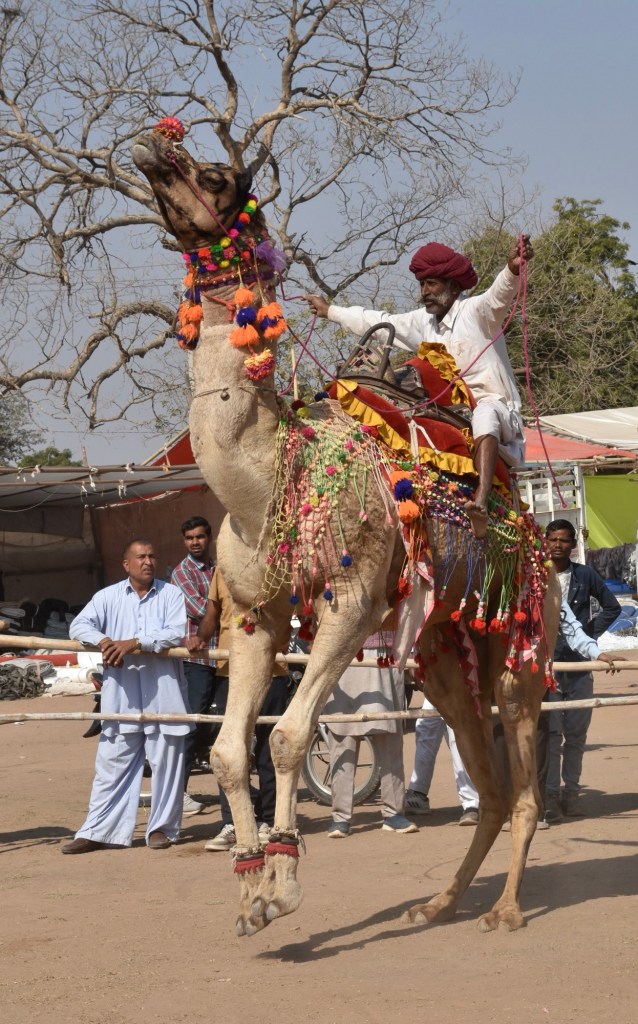
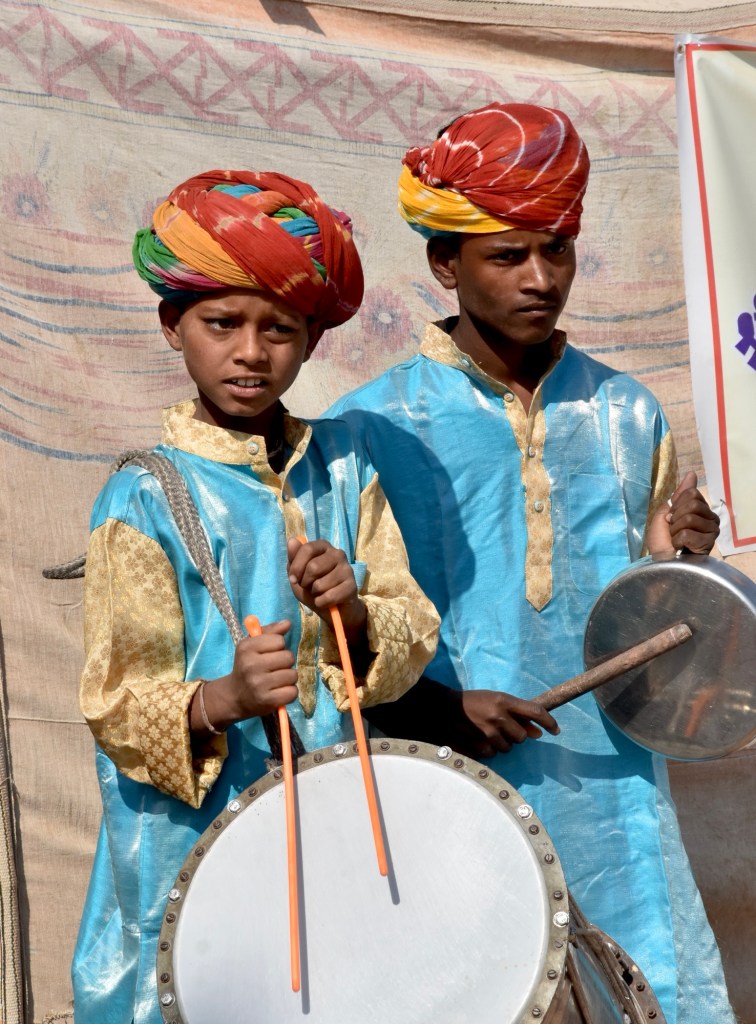
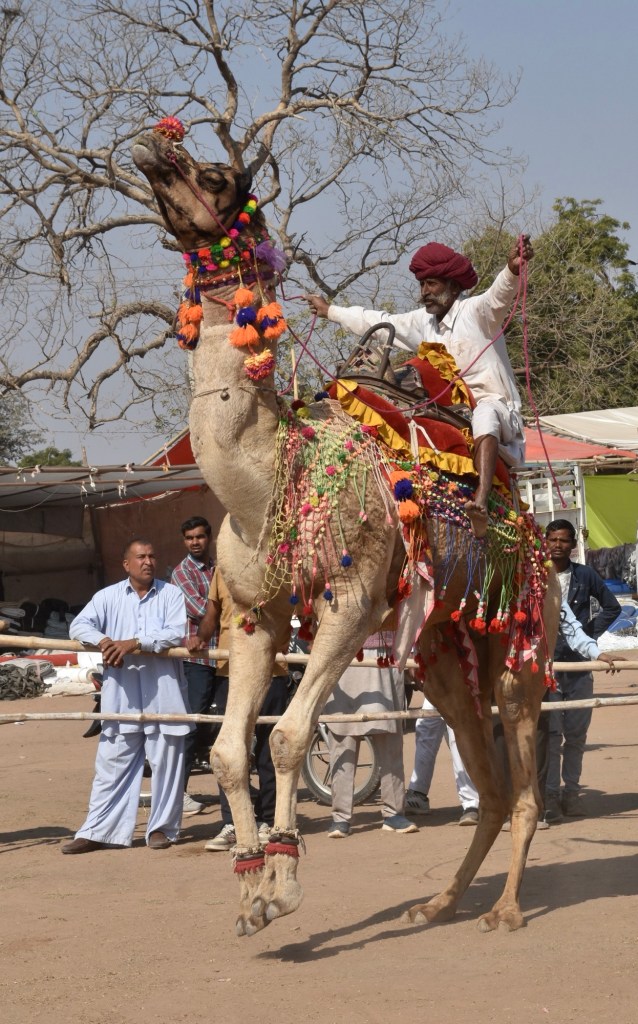
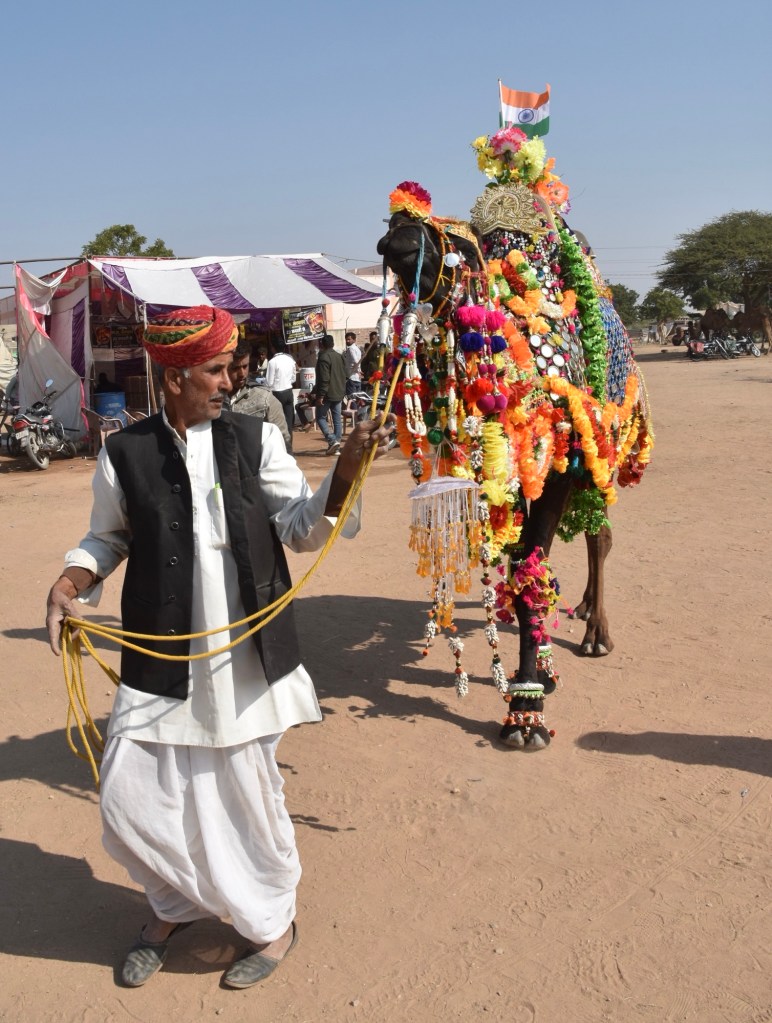
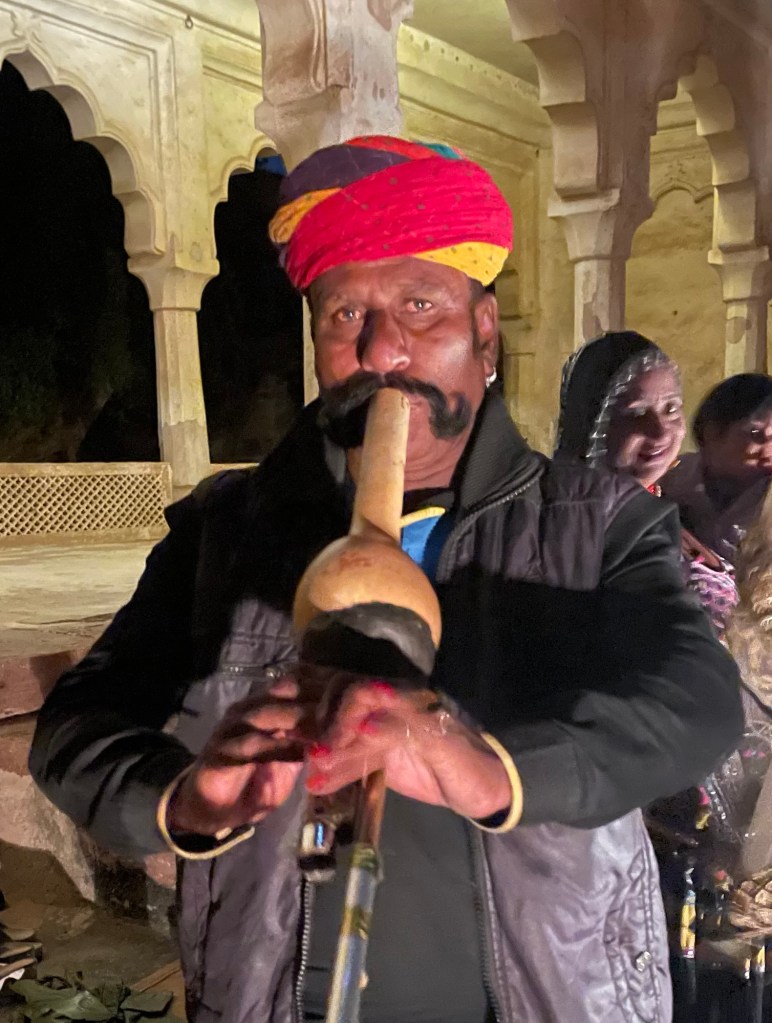
One of the activities was a Camel Dancing and Decorating competition. These two boys along with their father provided live music for the event.
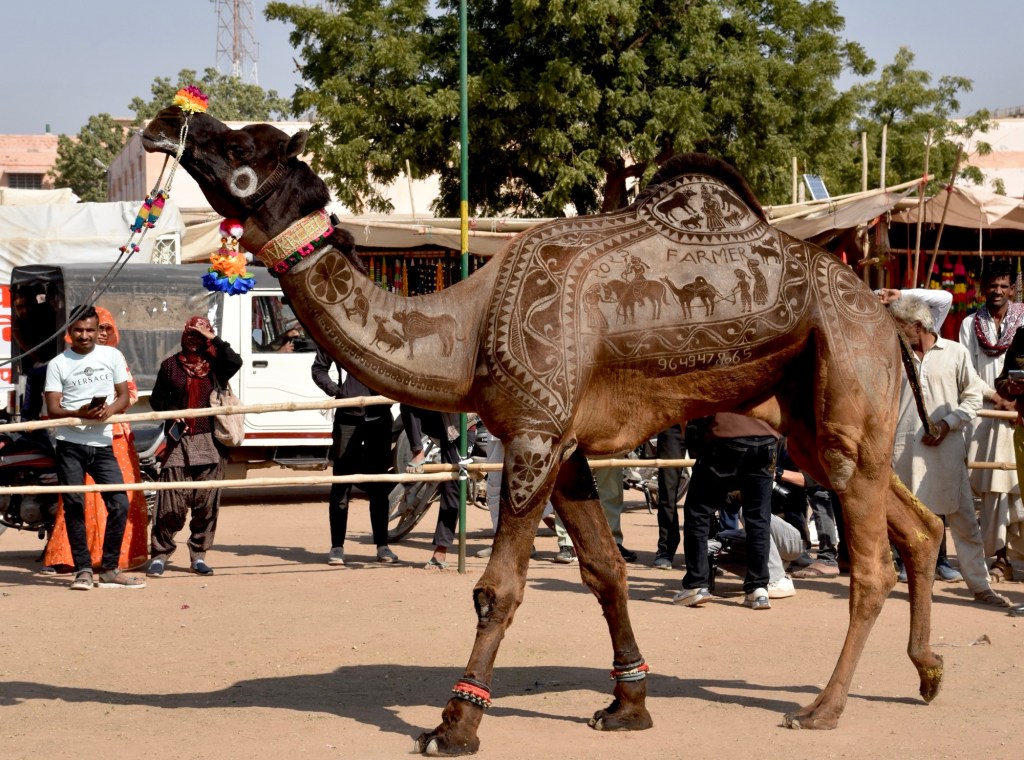
The owner of this camel spent hours and hours meticulously shaving the camel, providing a storyboard on both sides of the camels body .
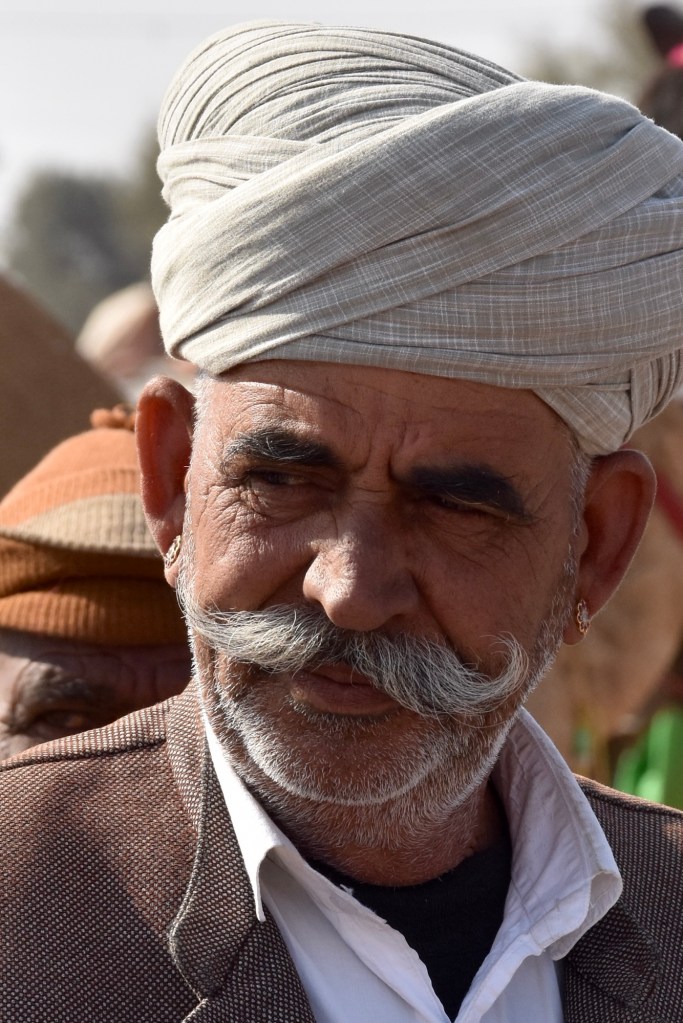
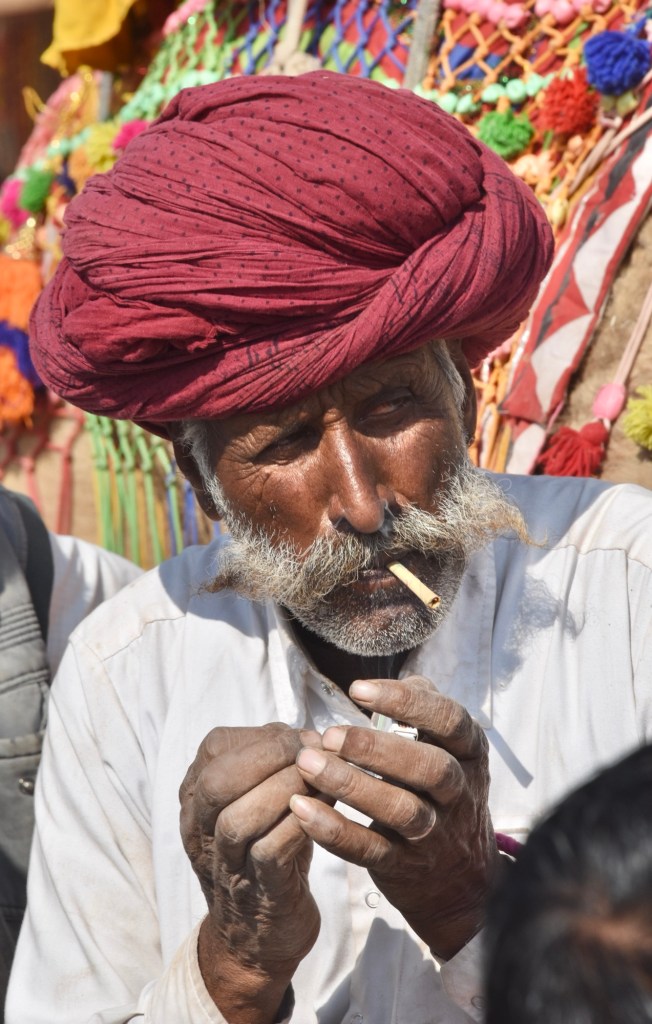
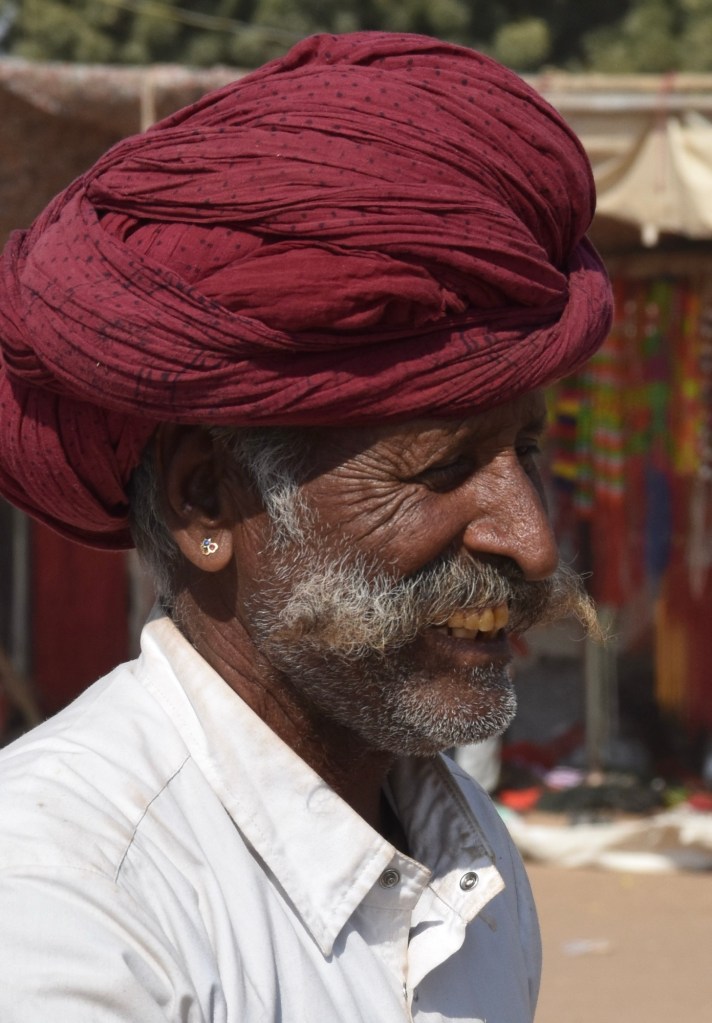
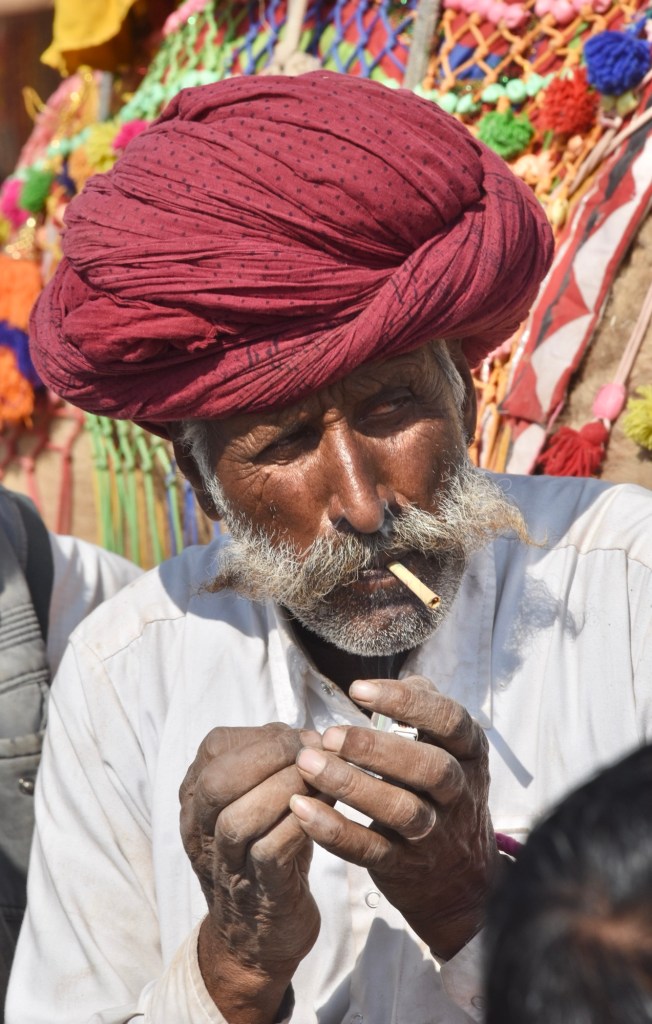
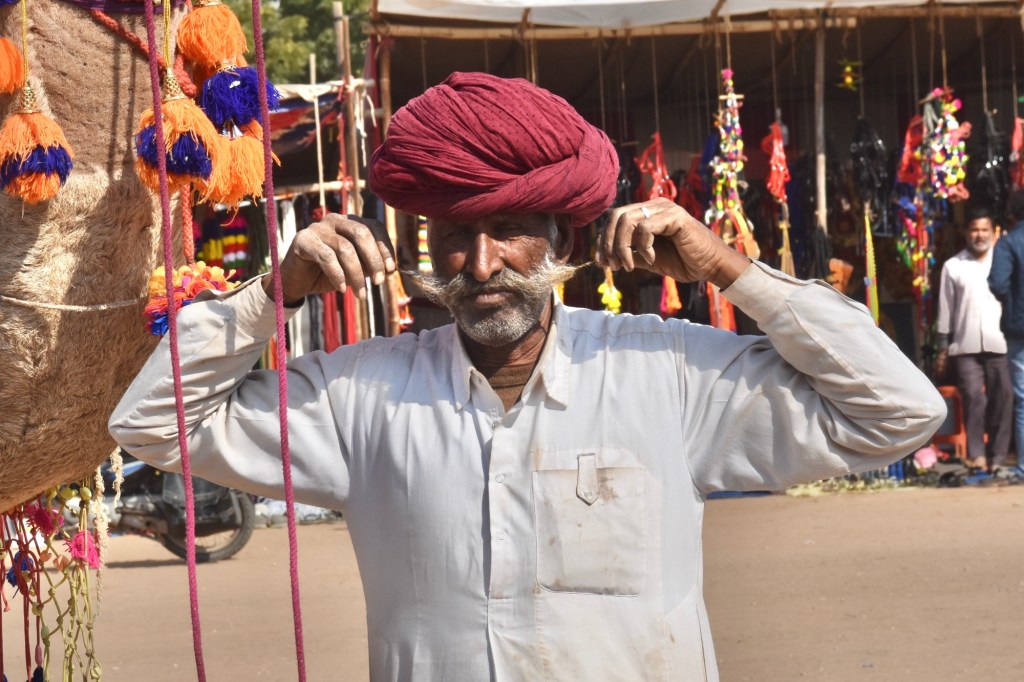
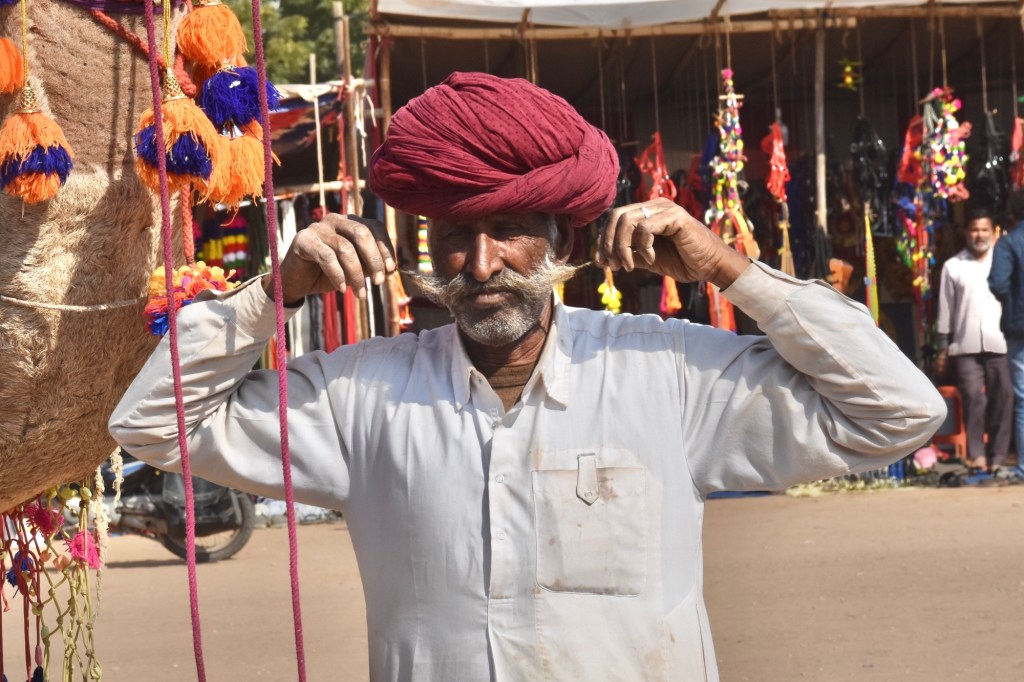
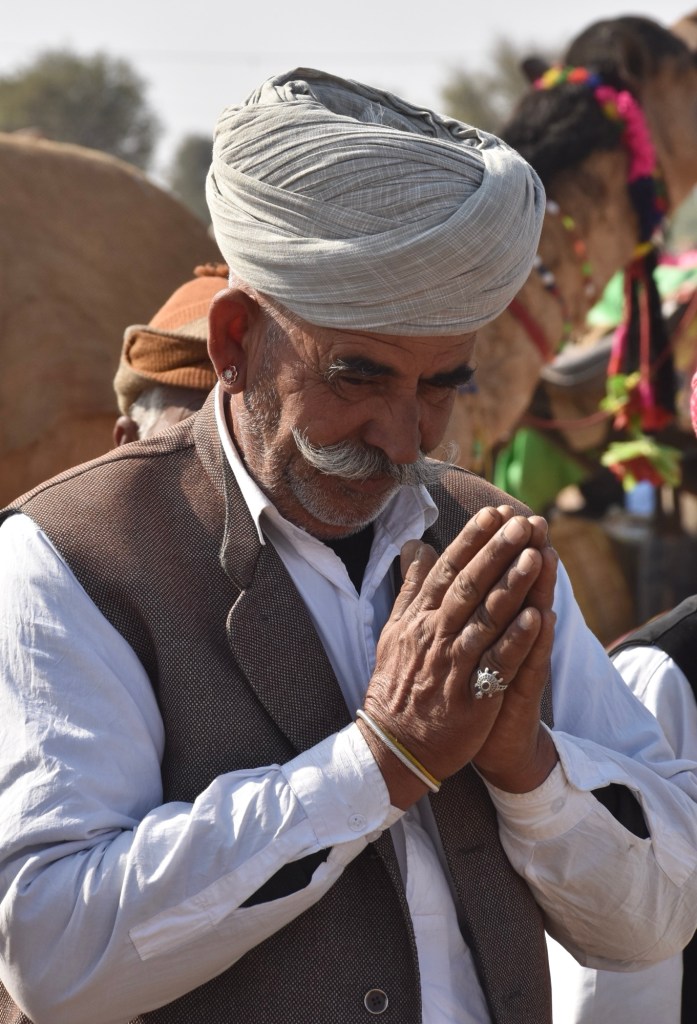
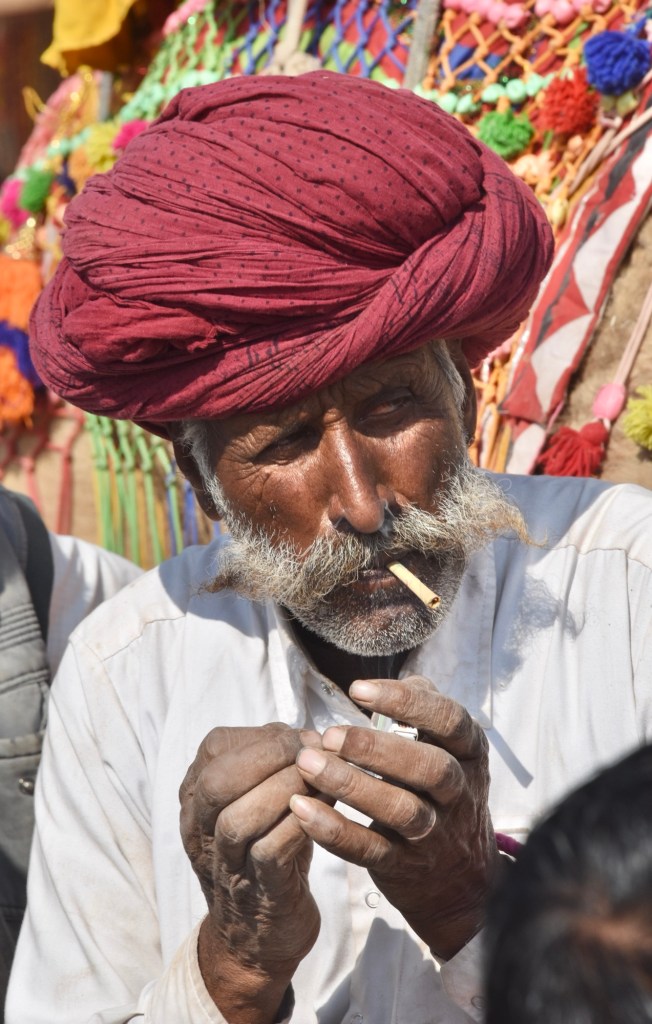
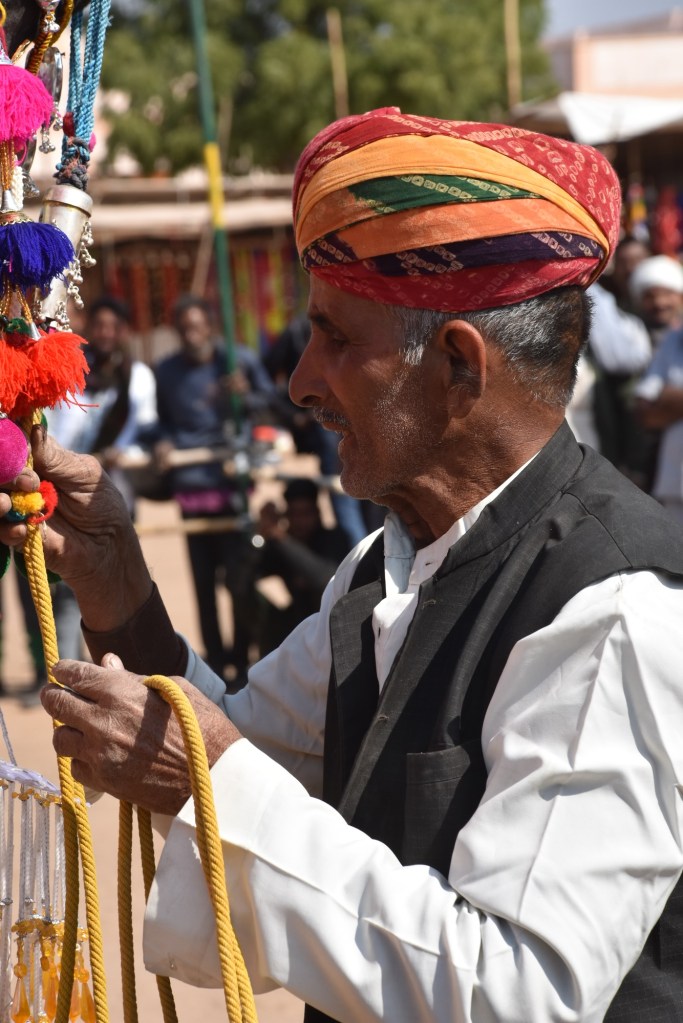
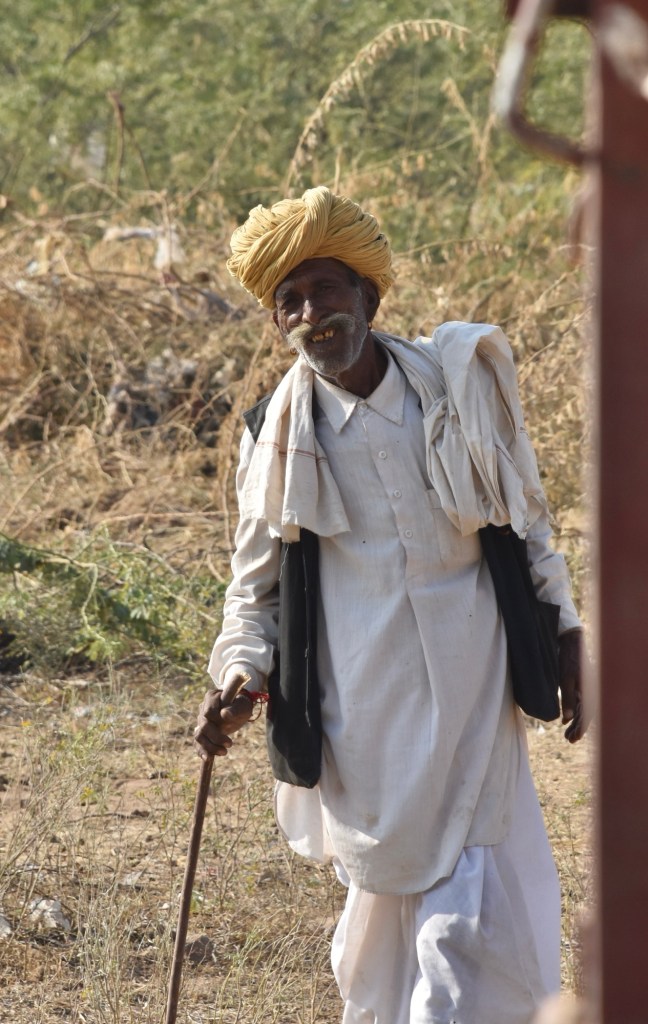
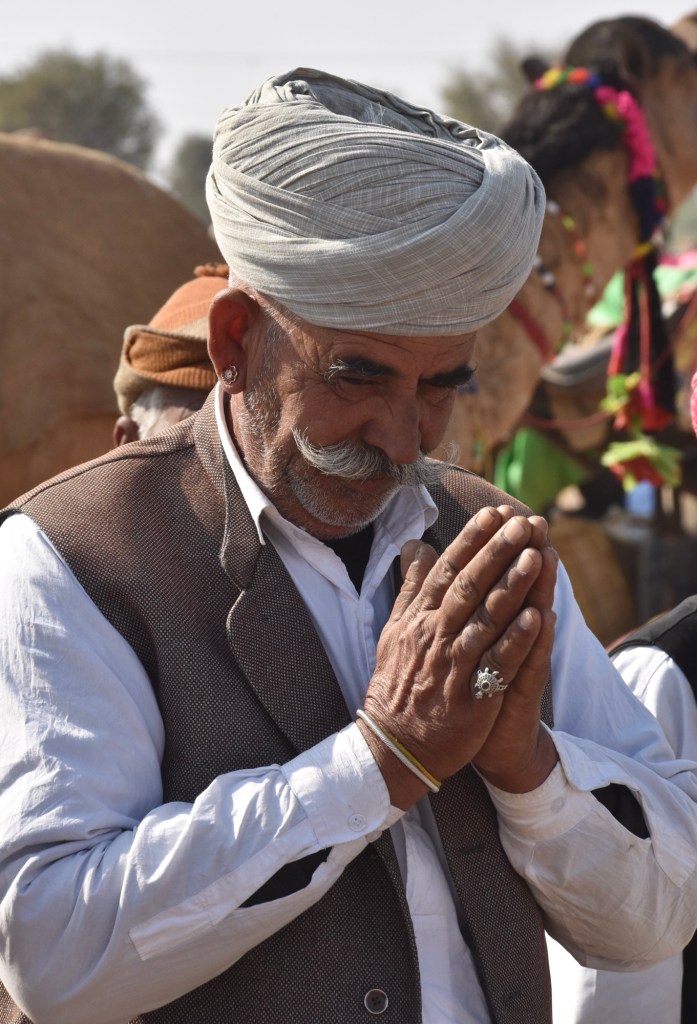
This guy below was quite the showman. He stood in front of the crowd for about 30 seconds prior to starting with his camel, and he flamboyantly stood there, twisting the ends of his mustache, quite proud of the handlebars. 
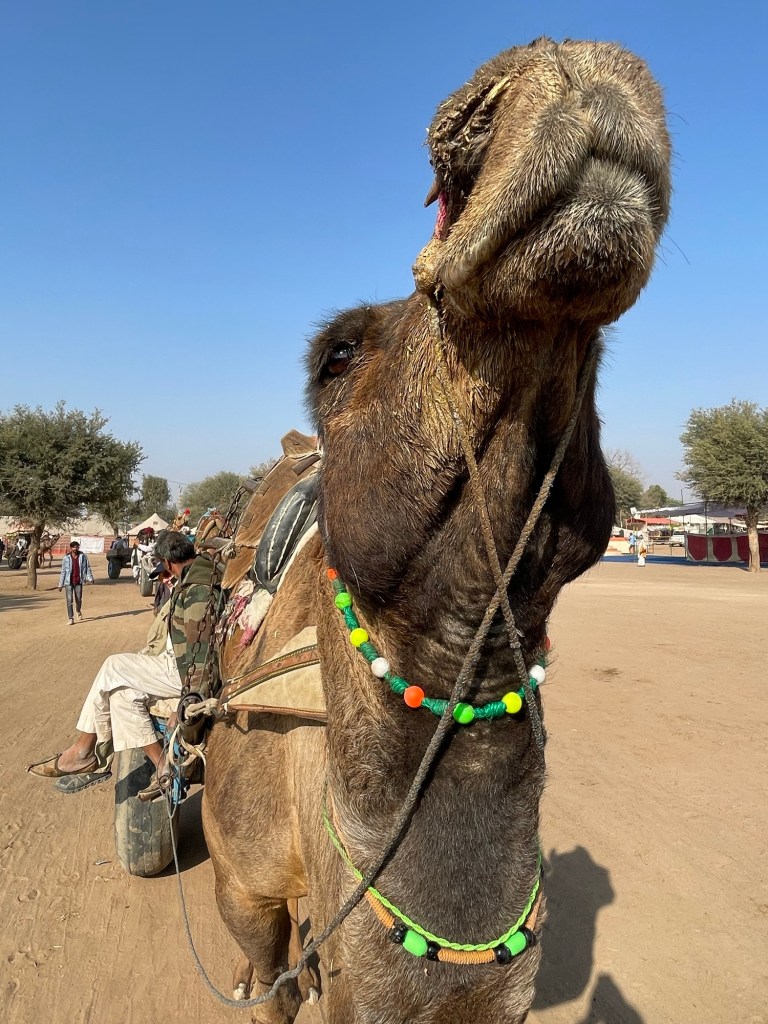
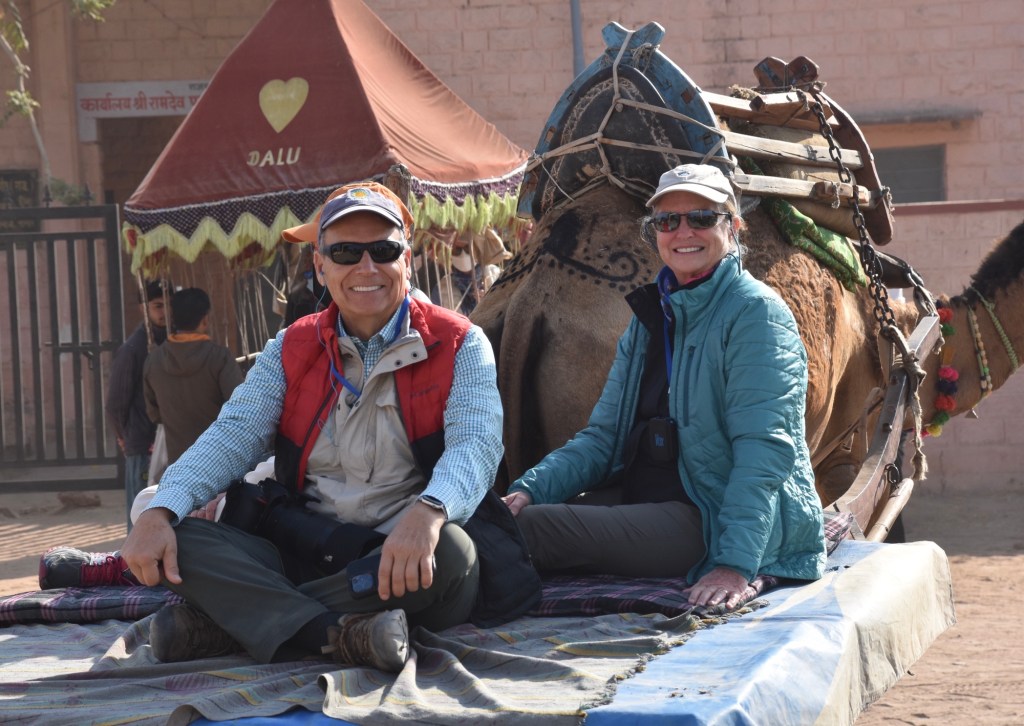
Upon arriving at the Camel festival, everybody in our group piled onto these old, rickety wooden carts that were pulled by a camel, and we went on a tour of the camel fairgrounds for about 45 minutes. Joy and Francisco below were all smiles as they headed out. 
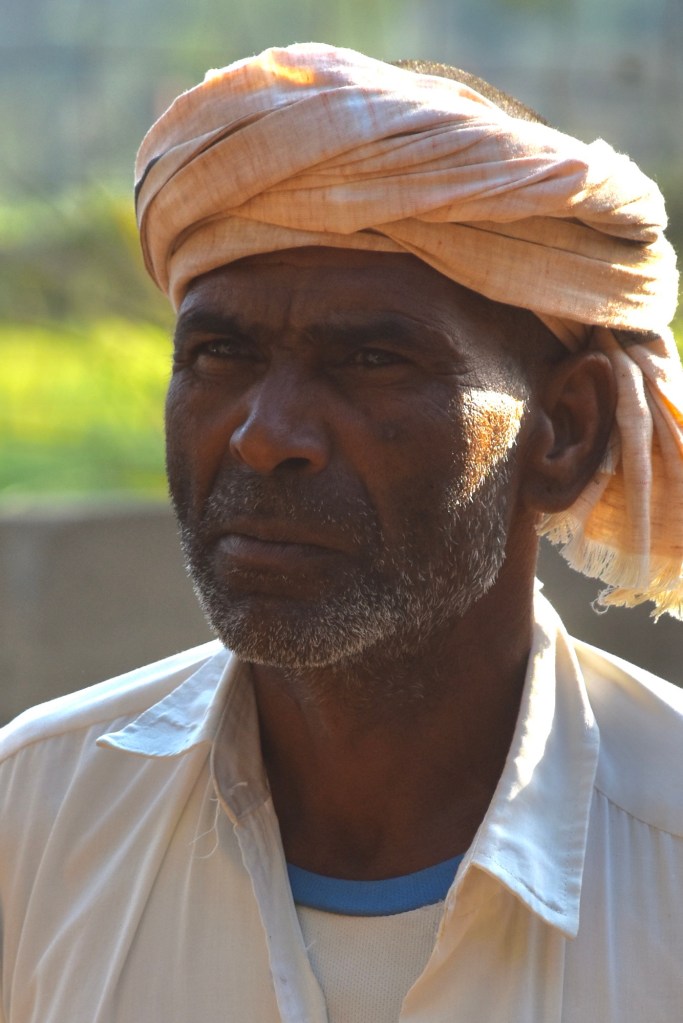
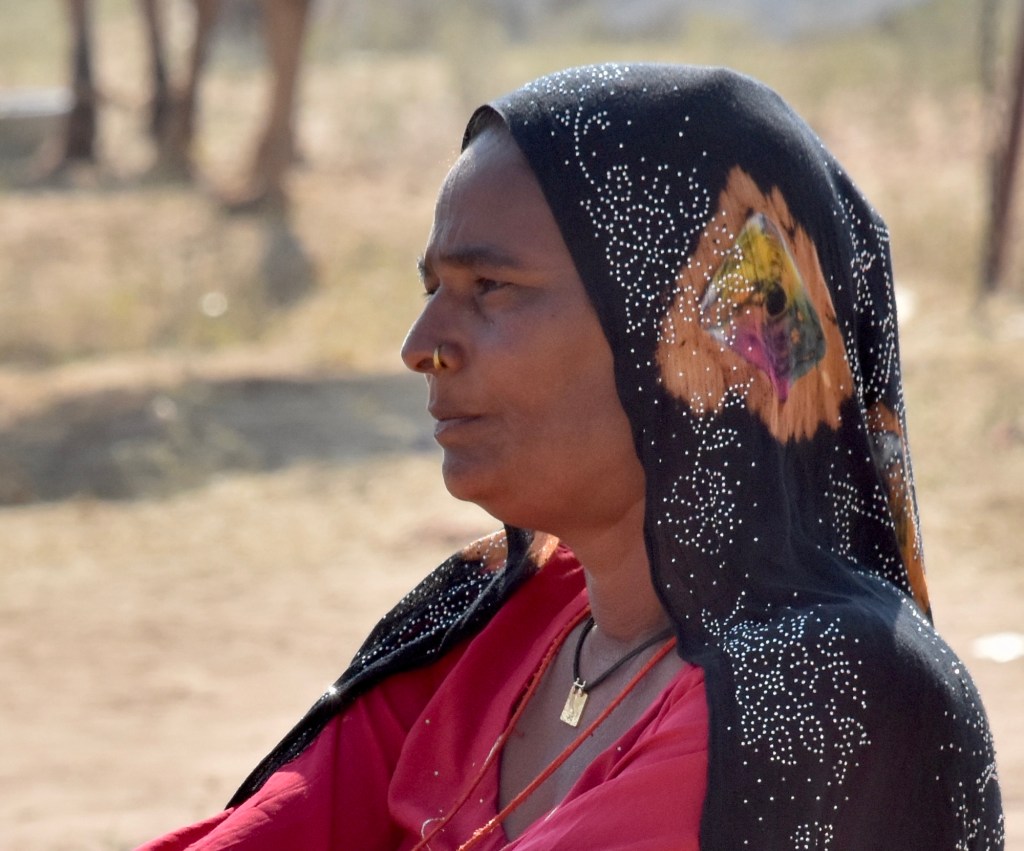
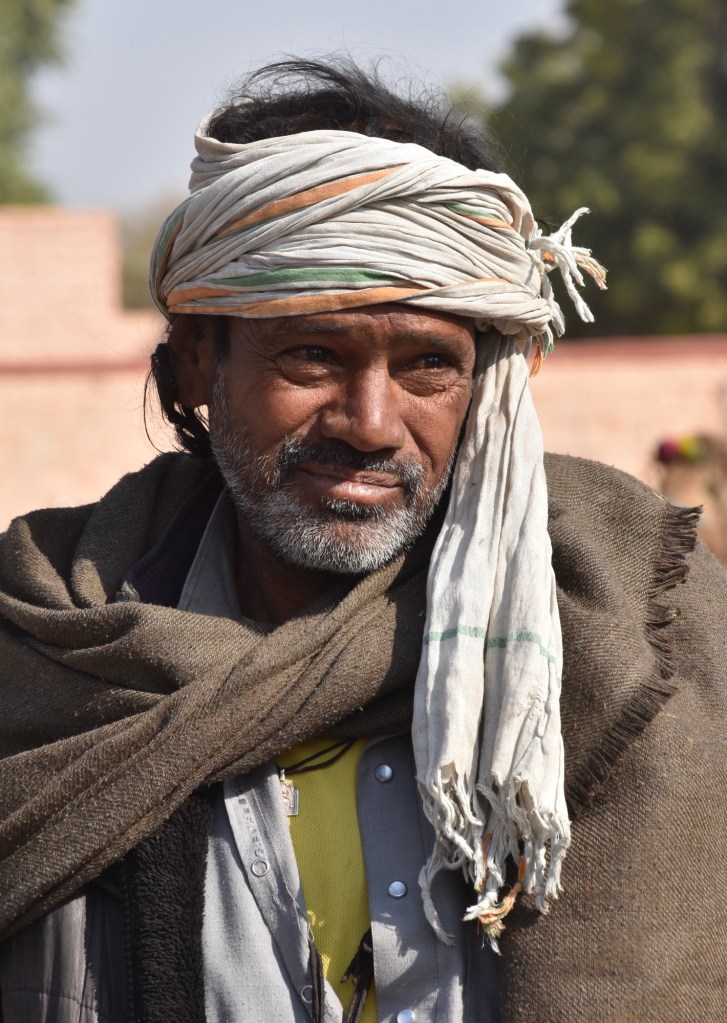
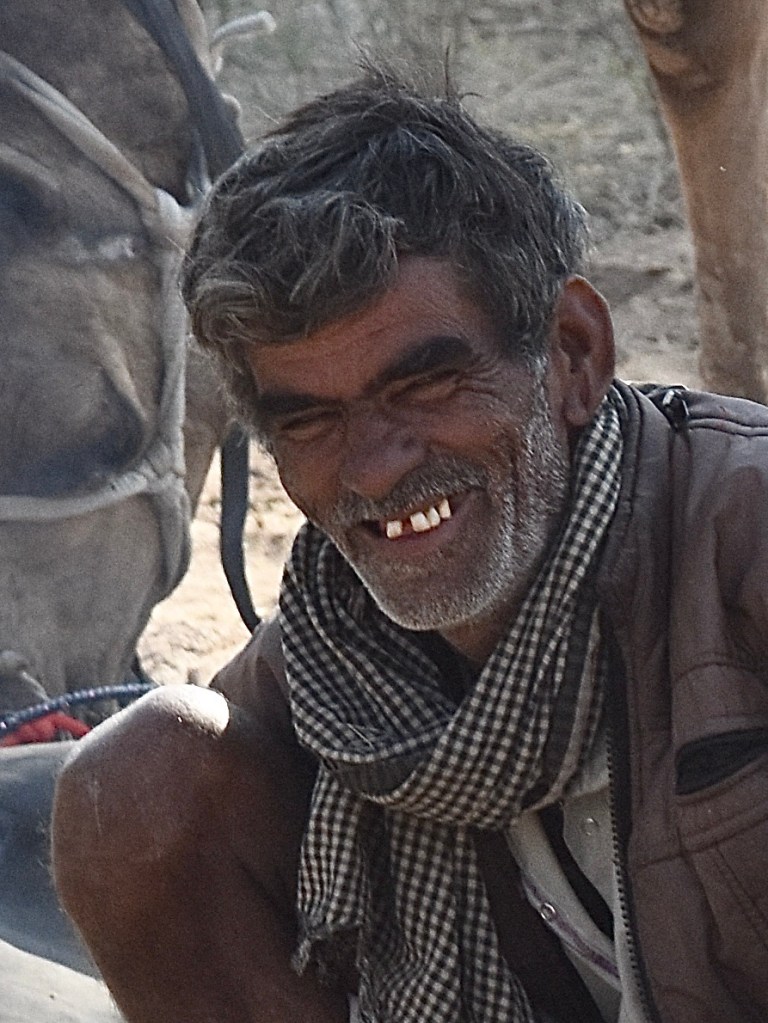
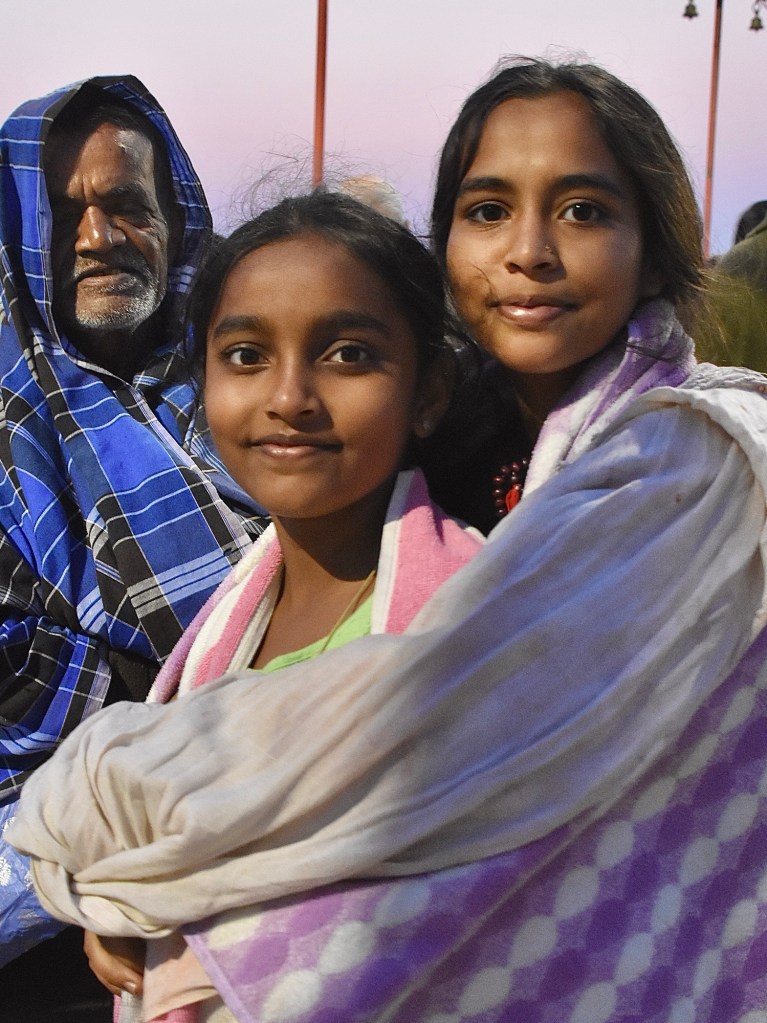
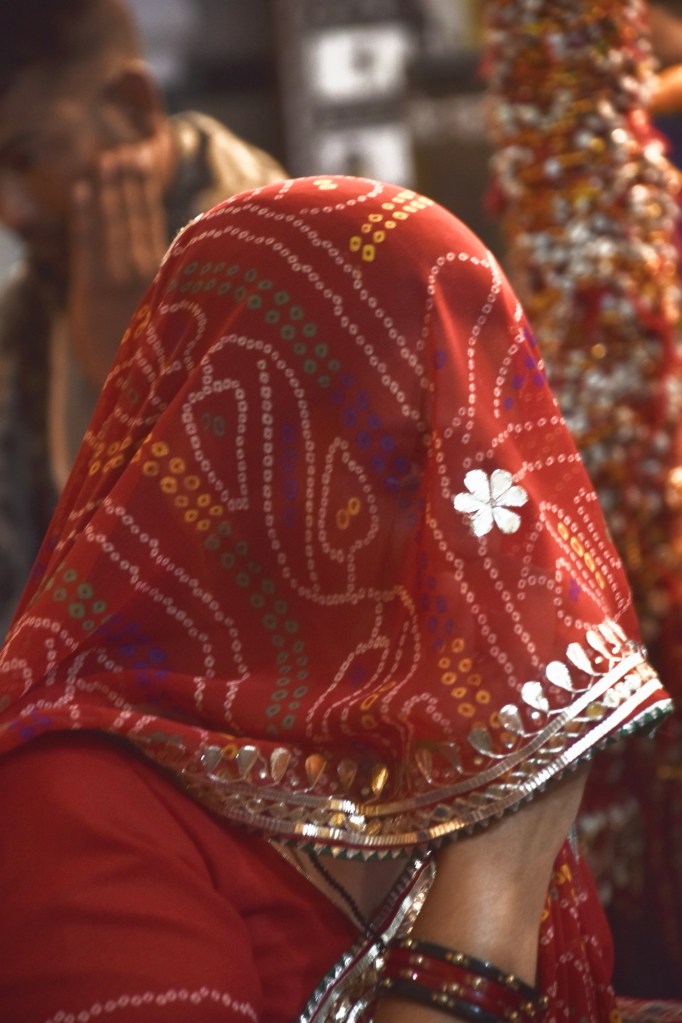
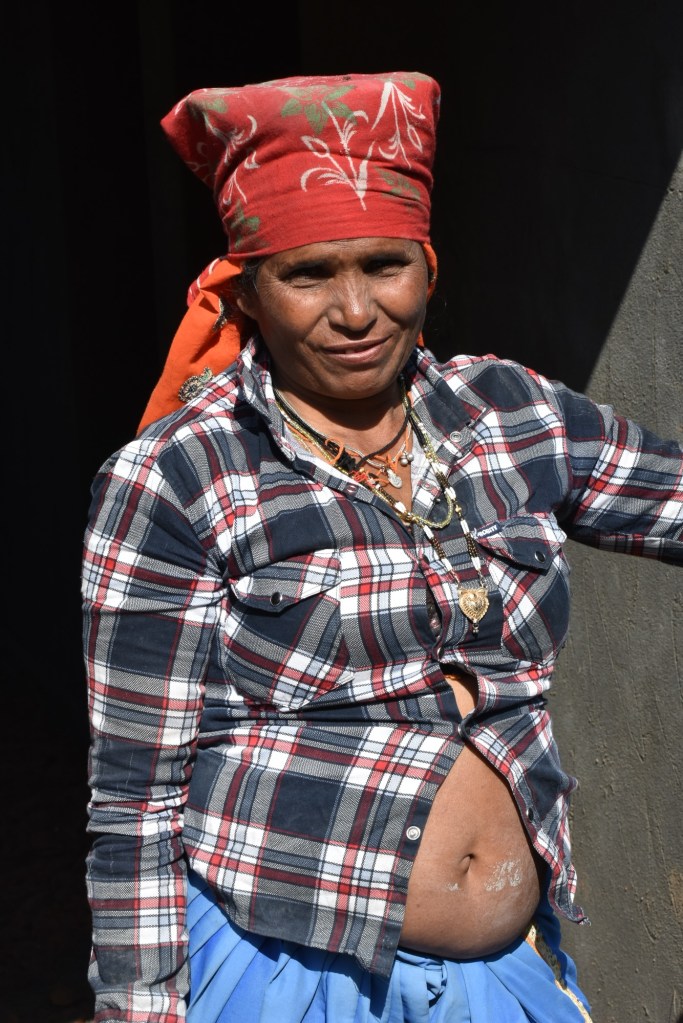
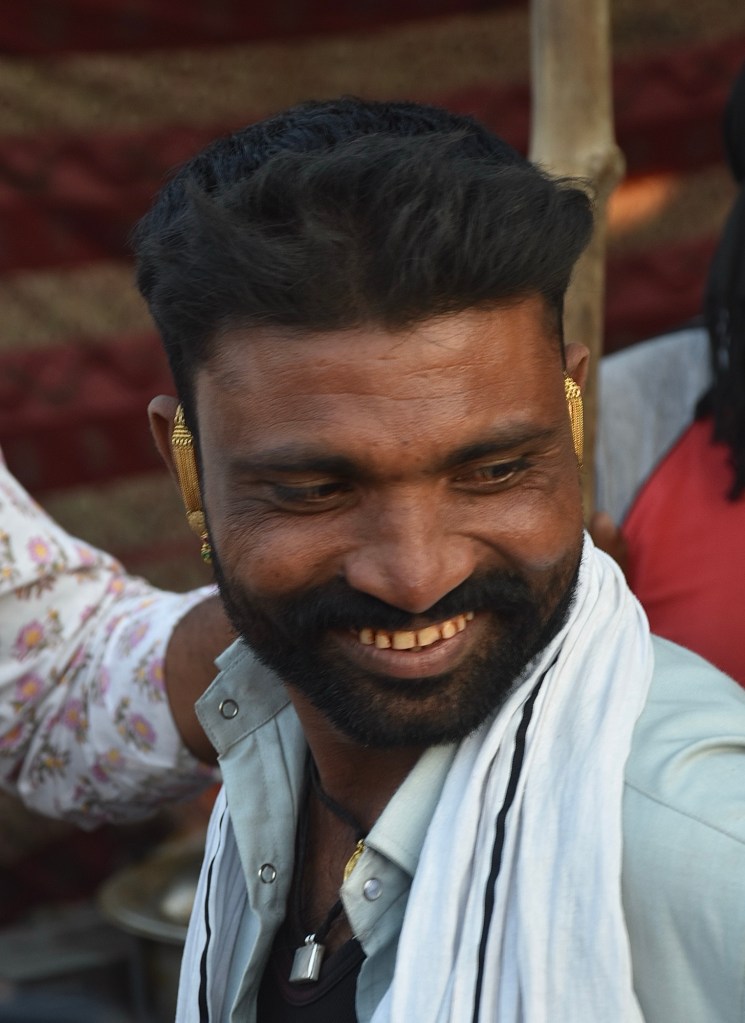
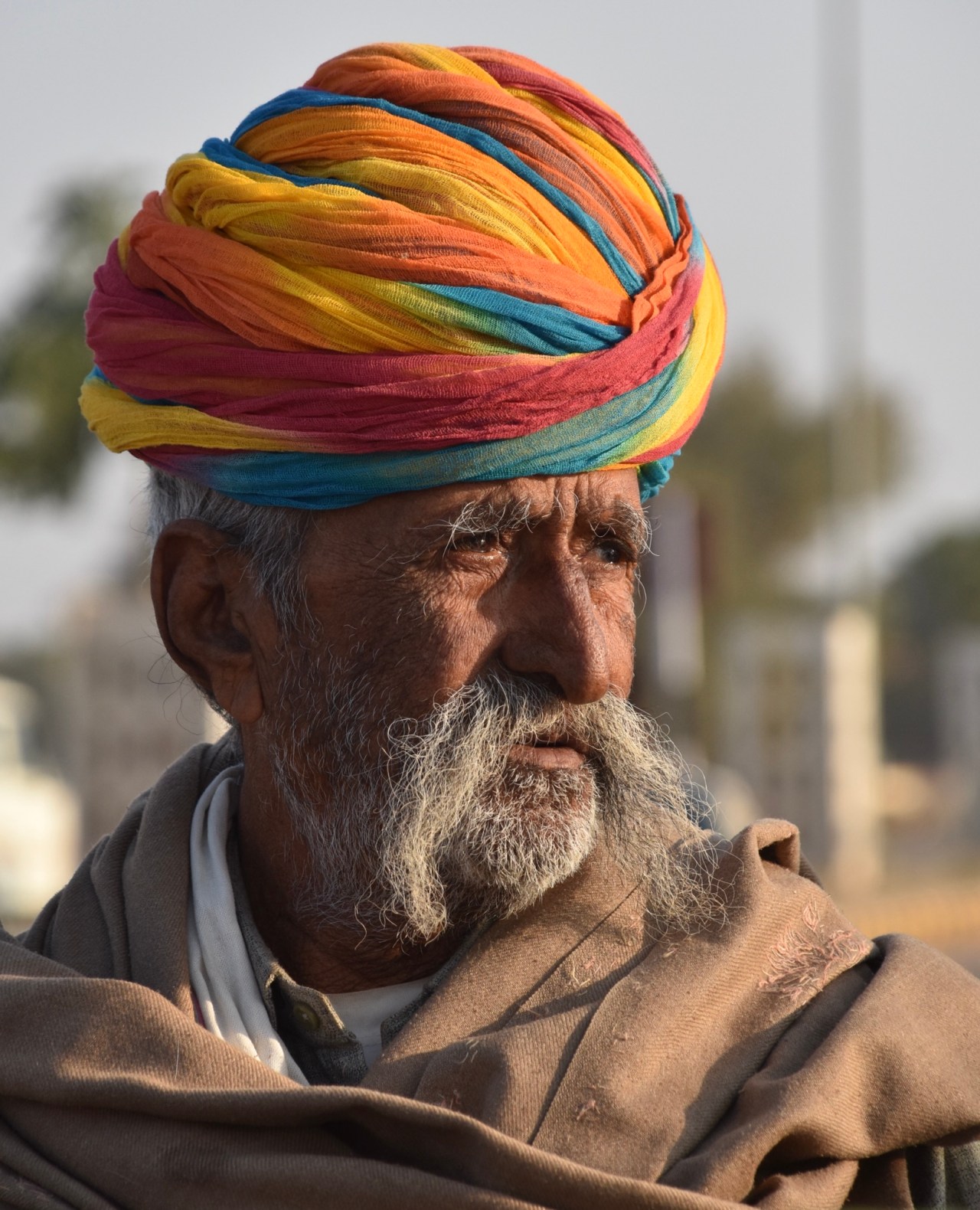
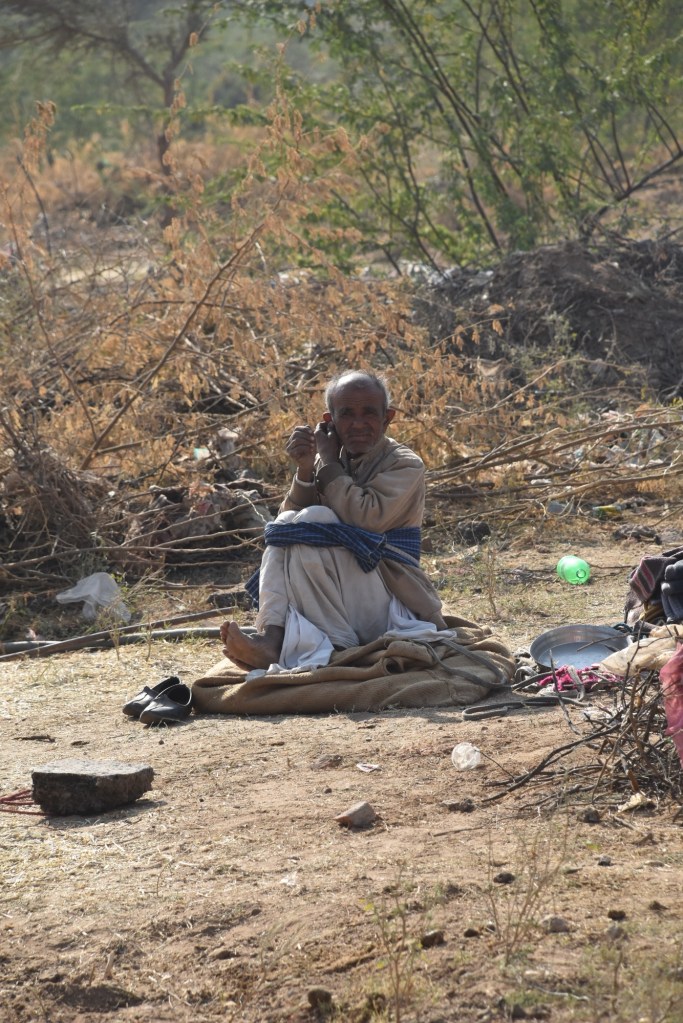
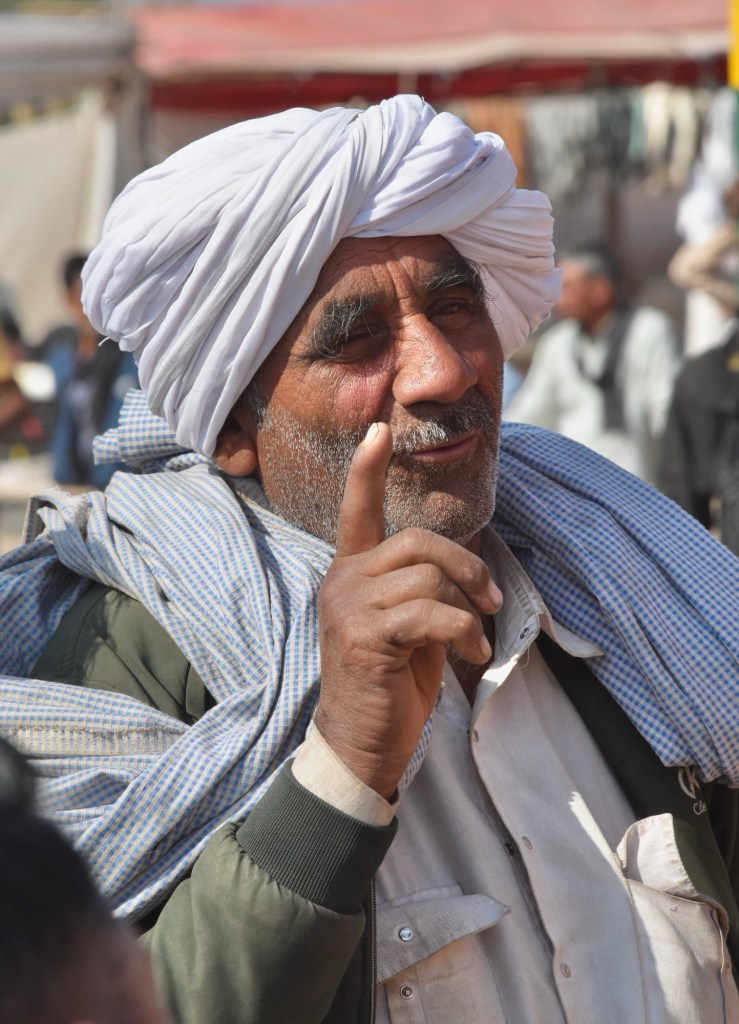
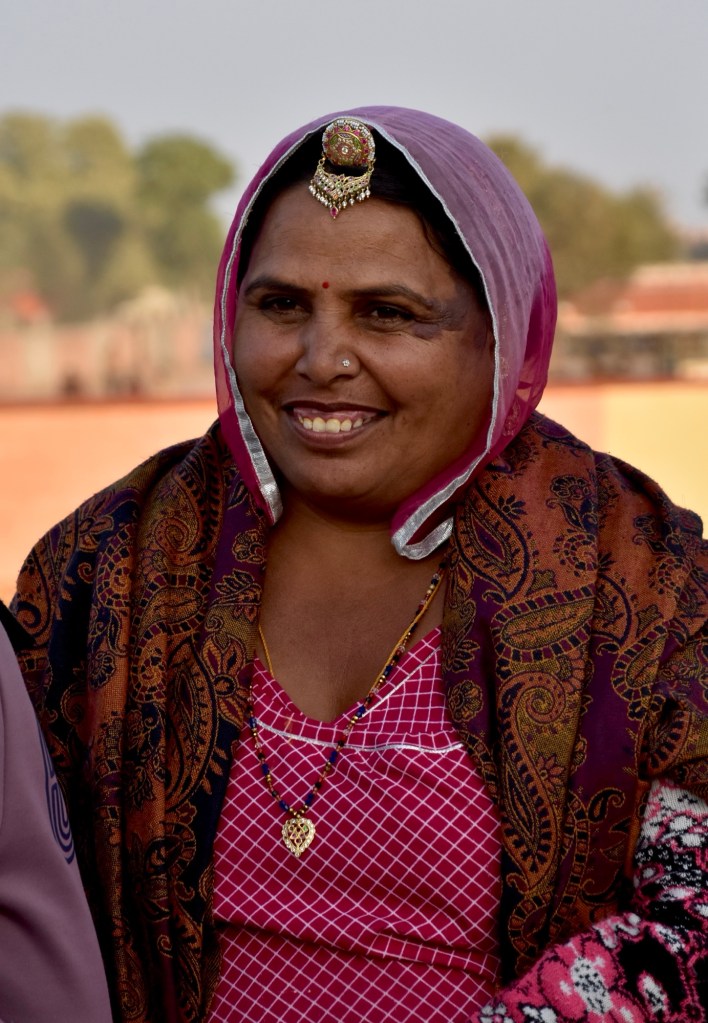
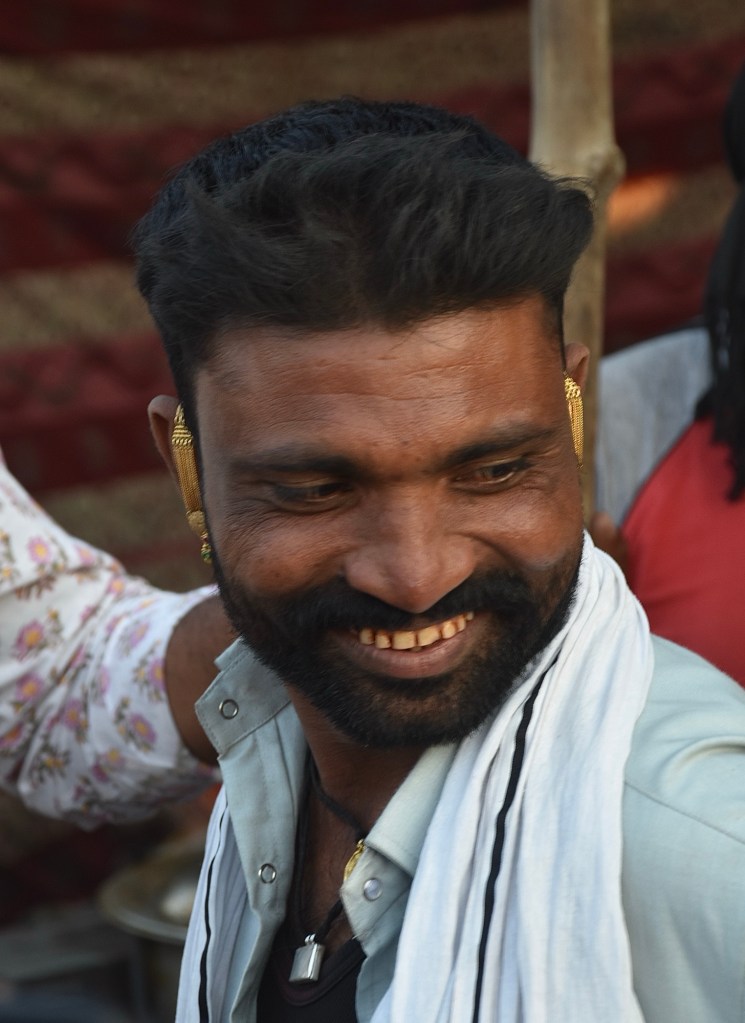
Turns out this is a completely authentic event as we were the only tourists there for the entire day. Folks travel long distances to attend, and camp in very basic, rustic conditions at the fairgrounds. Here’s a variety of images taken over the course of the day of the various buyers and sellers.
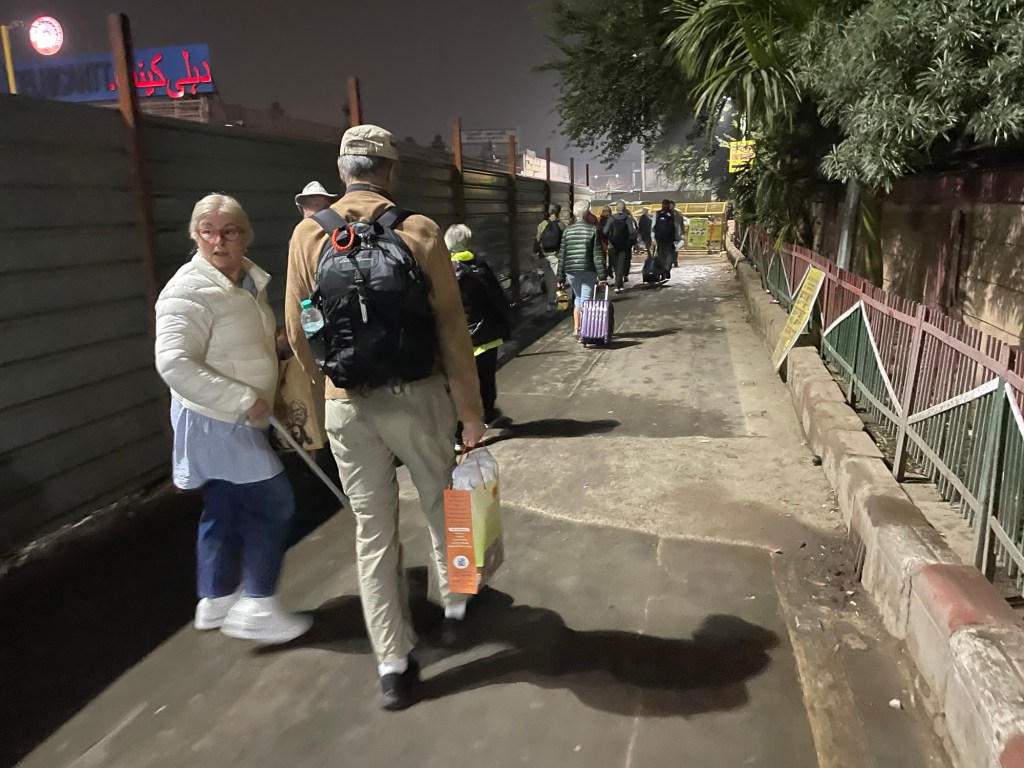
The alarm came early, zero dark thirty, to be precise. We had left Old Delhi for New Delhi the prior day, and now it was time to leave New Delhi and travel by train, bus and foot 500 km WNW to Nagaur in Rajasthan province for the annual Camel Festival.
The Indian Railway staff, as with nearly every Indian with whom we interact, greeted us with a warm smile. 
Traveling, observing, listening, learning, we see the universal nature of humans, that they are all wishing to live with dignity and respect, to be a part of their community, and to make a better life for their families.
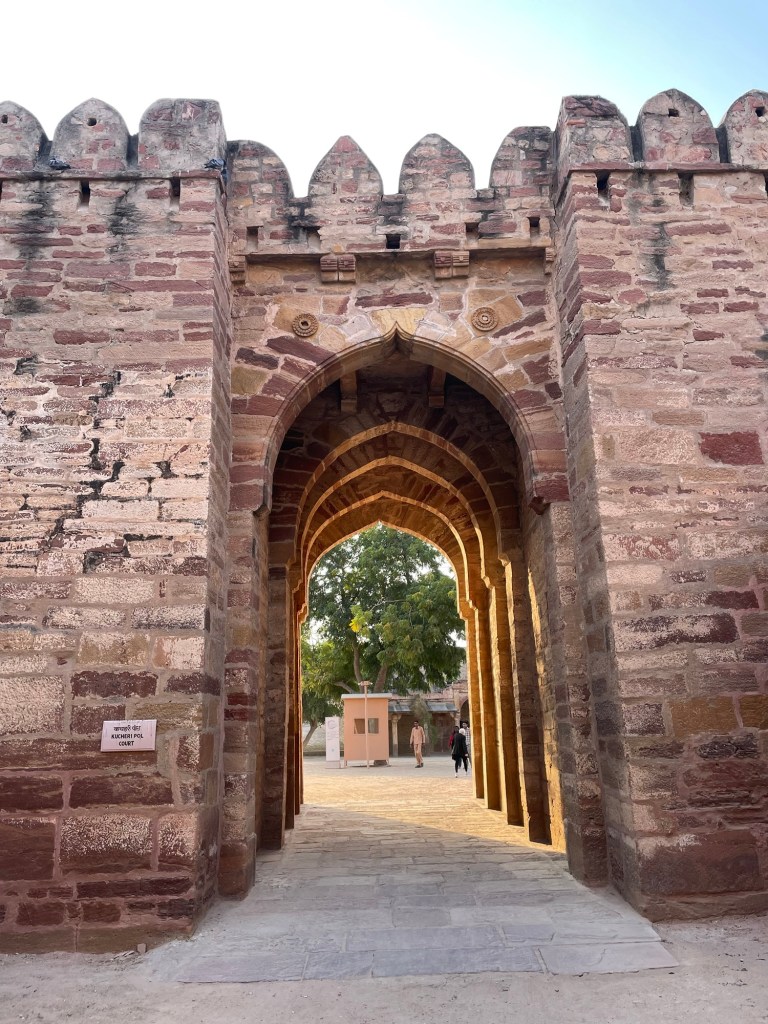
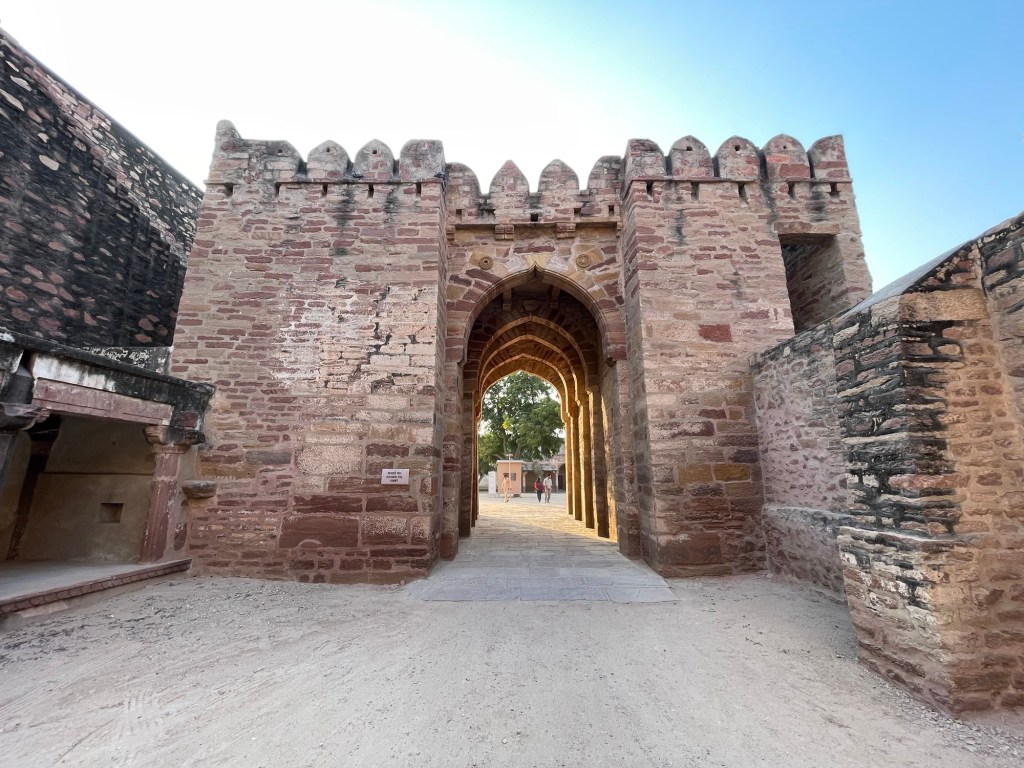
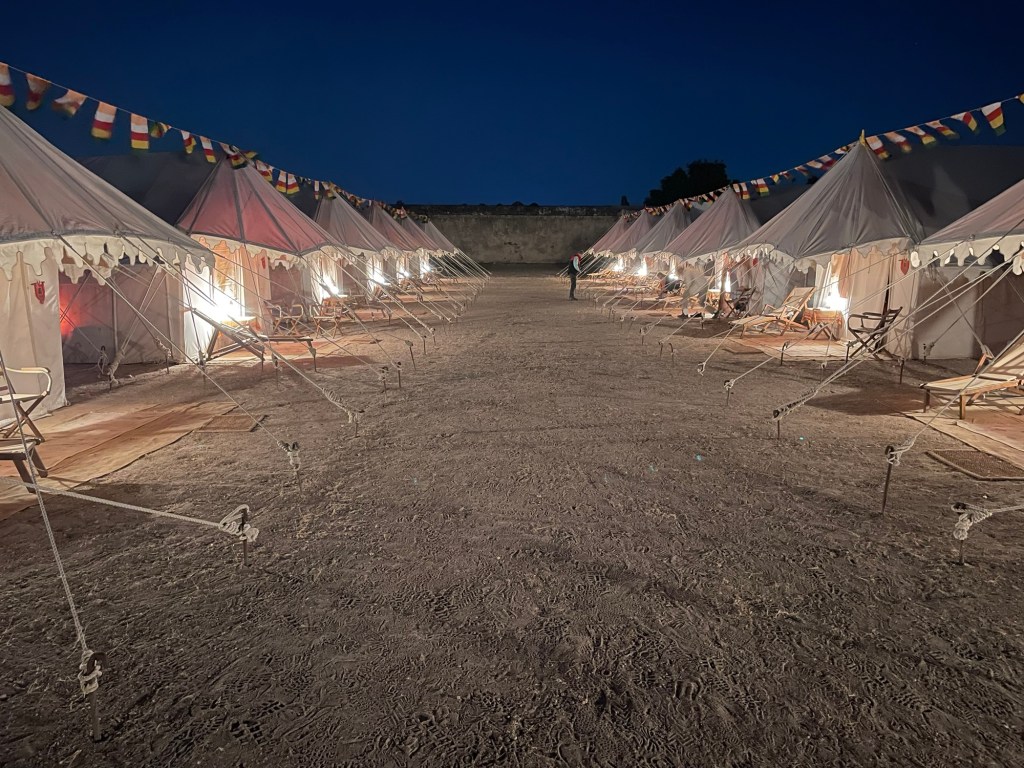
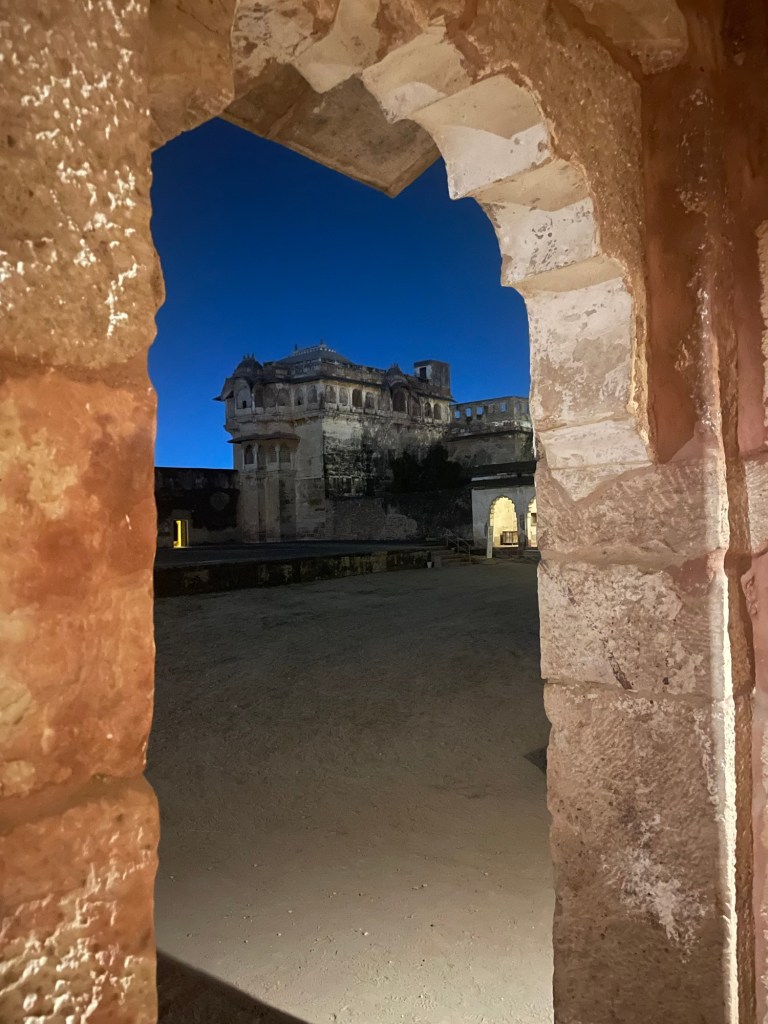
Our destination is the Jaipur Royal Family Fort in Nagaur. Construction began about 400 A.D. and the Fort and Palace buildings are in extraordinary condition. The Fort comprises a protected living area of 1.5 km², and at its peak had about 2000 residents. We are here staying in a tent encampment placed inside the walls of the fort in conjunction with the annual Nagaur camel festival.
Not exactly a long walk to freedom, but still very memorable.
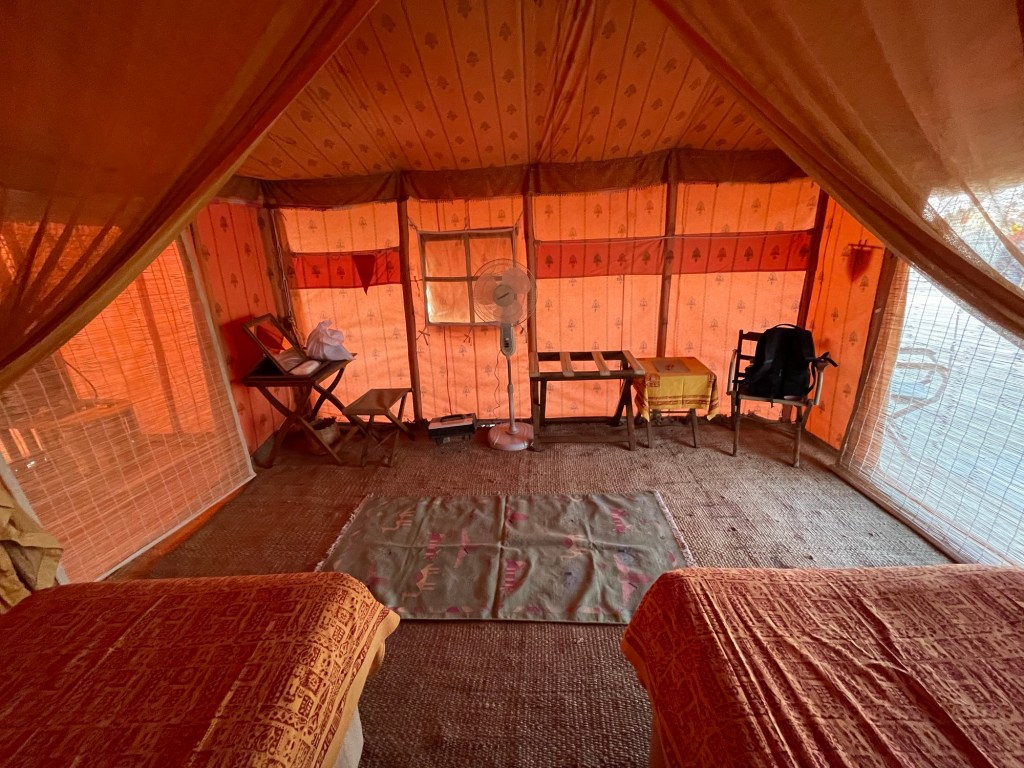
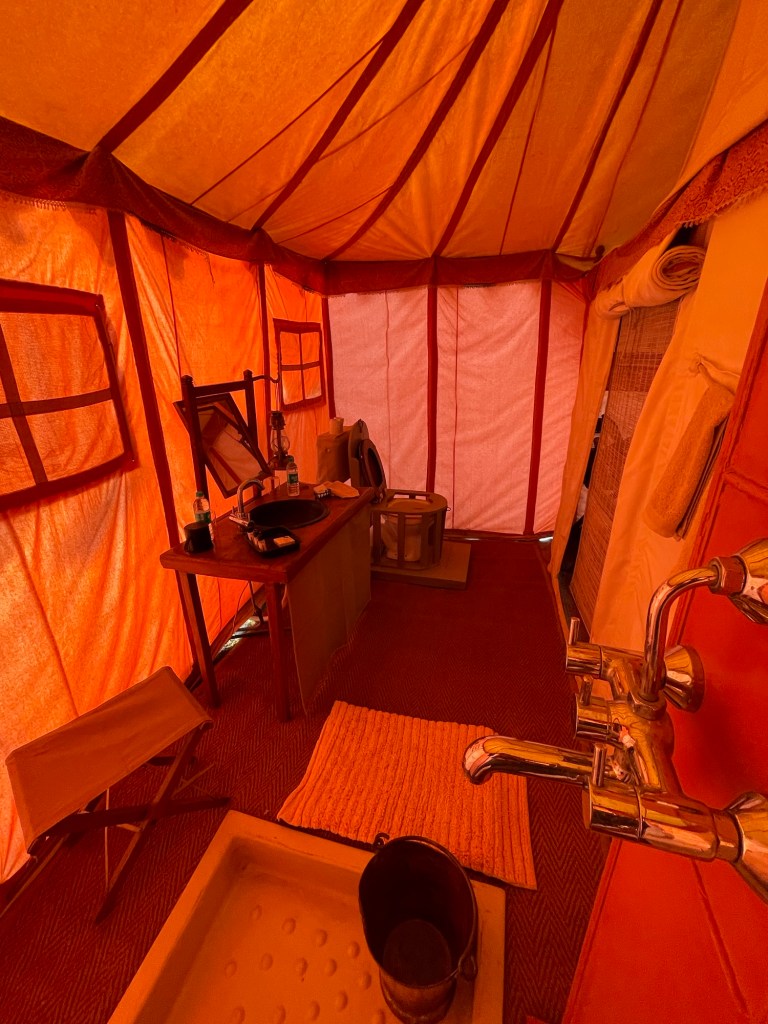
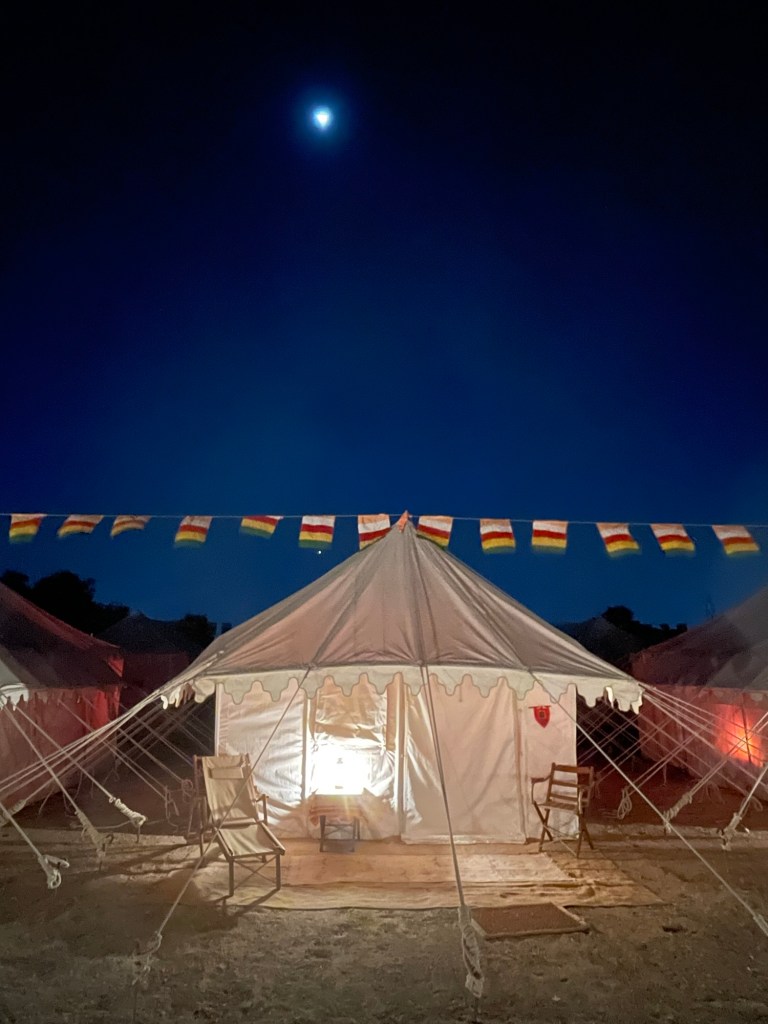
Tent 25, erected for just 10 days each year, my home for the next two evenings.
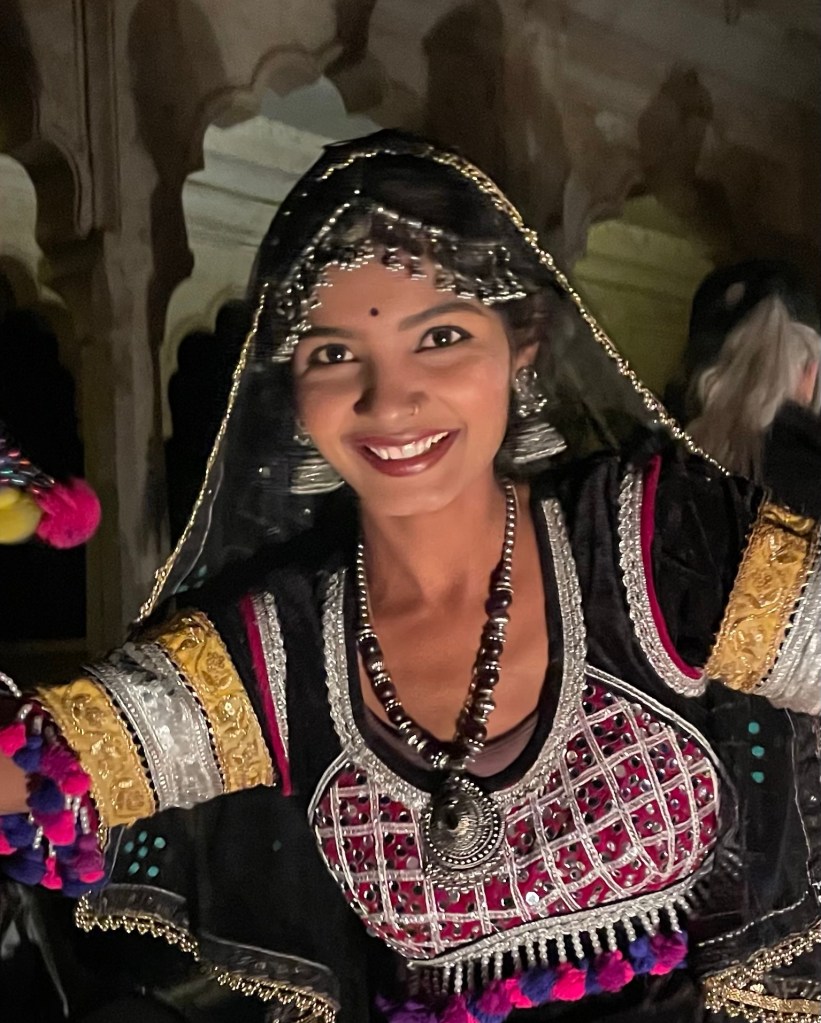
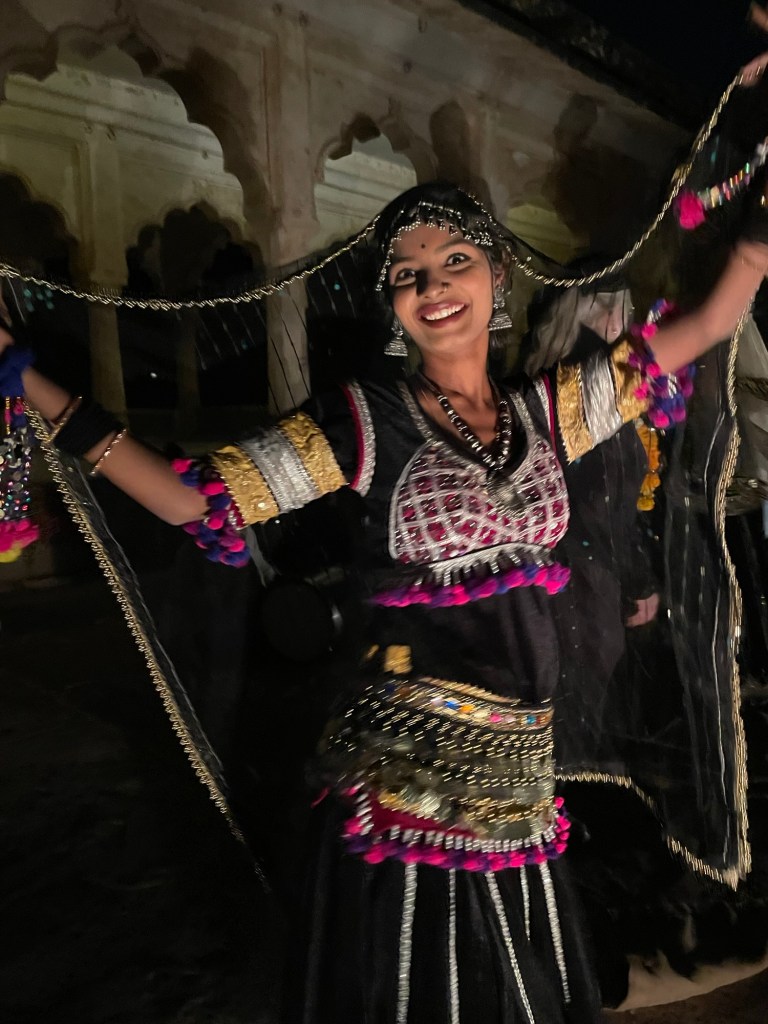
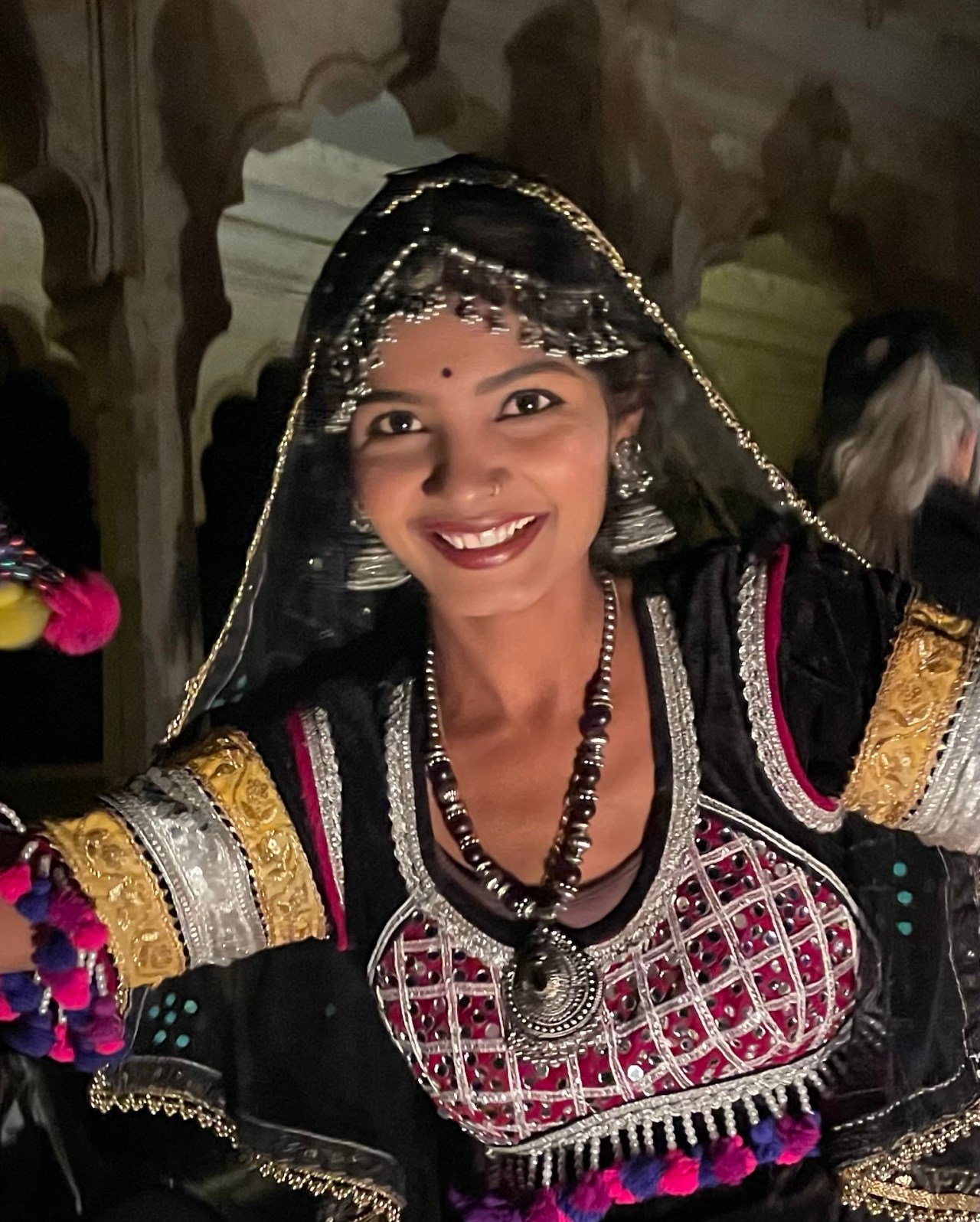
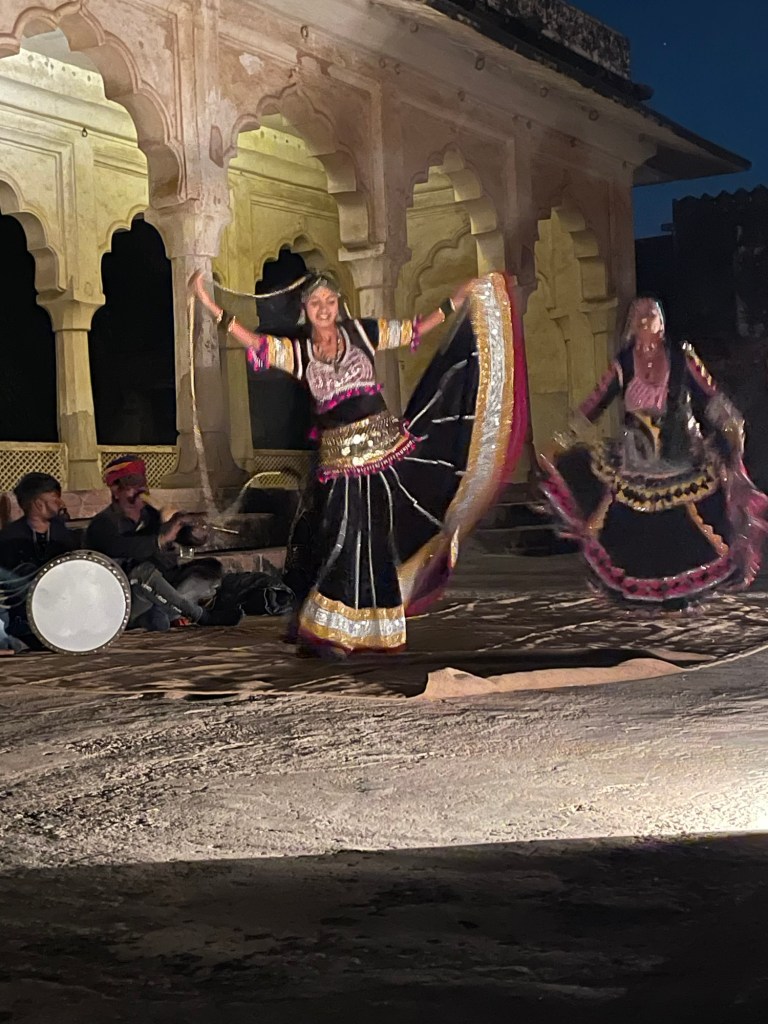
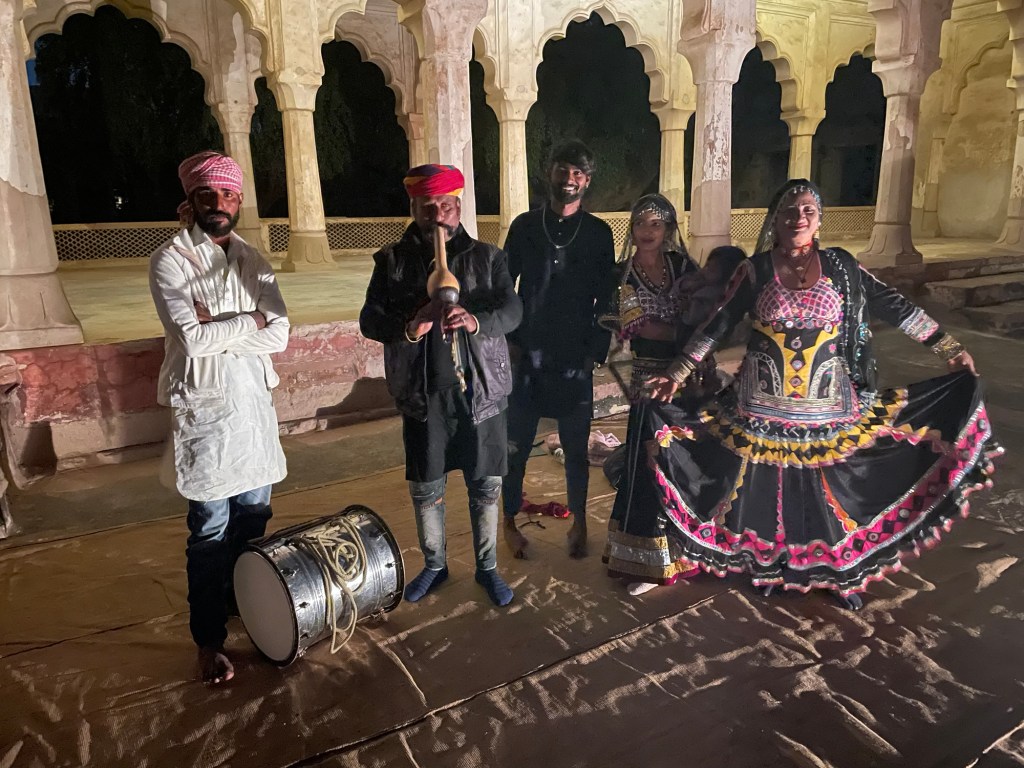
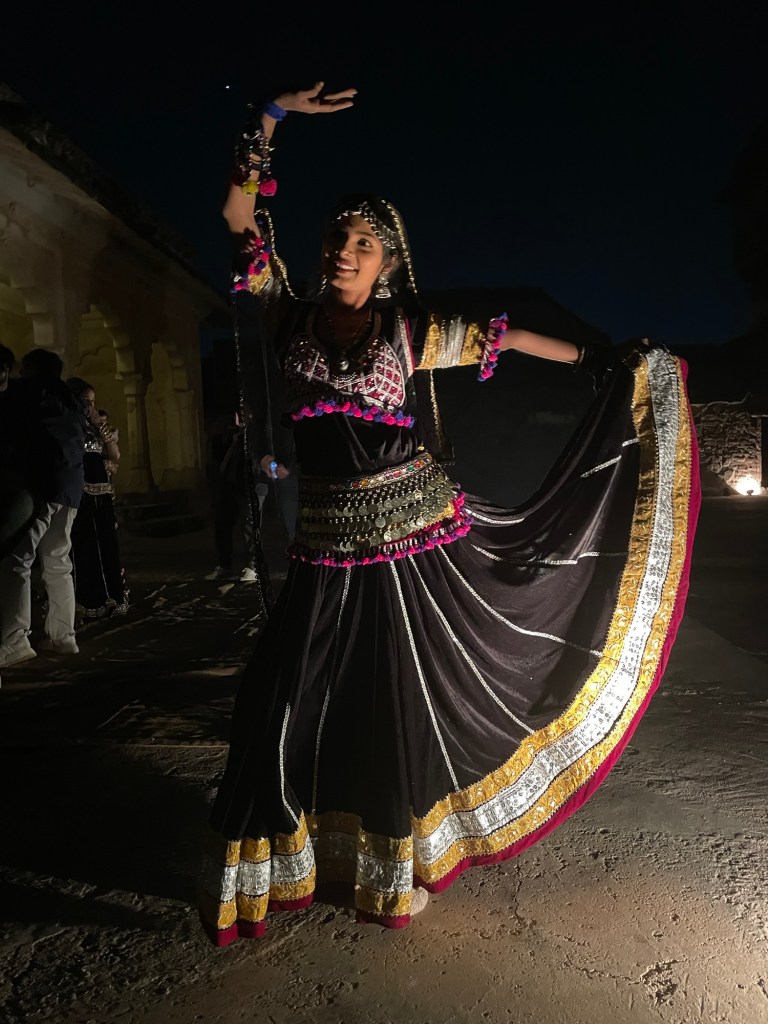
As evening arrived, we headed into the palace grounds for a cultural dance and music show followed by dinner under the stars. 
And then, a quiet and peaceful walk home under the stars.
The Indian trifecta seems to be Family, Religion and Business, but it’s not at all clear yet what order these are prioritized. Maybe they’re not, possibly a dynamic balancing act akin to a juggler always having three balls in the air simultaneously.
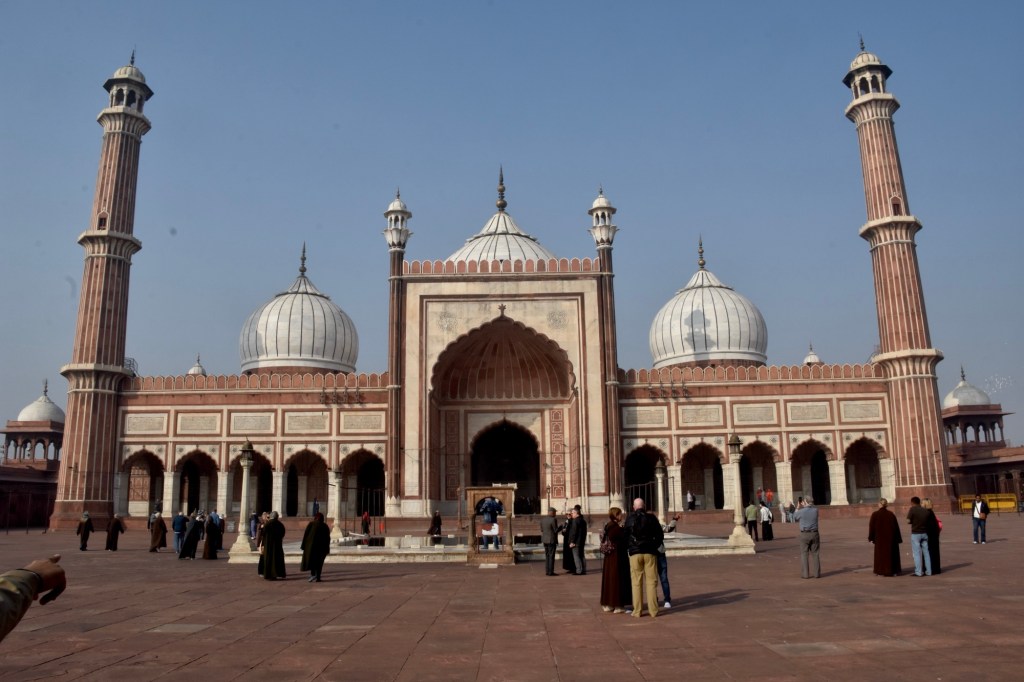
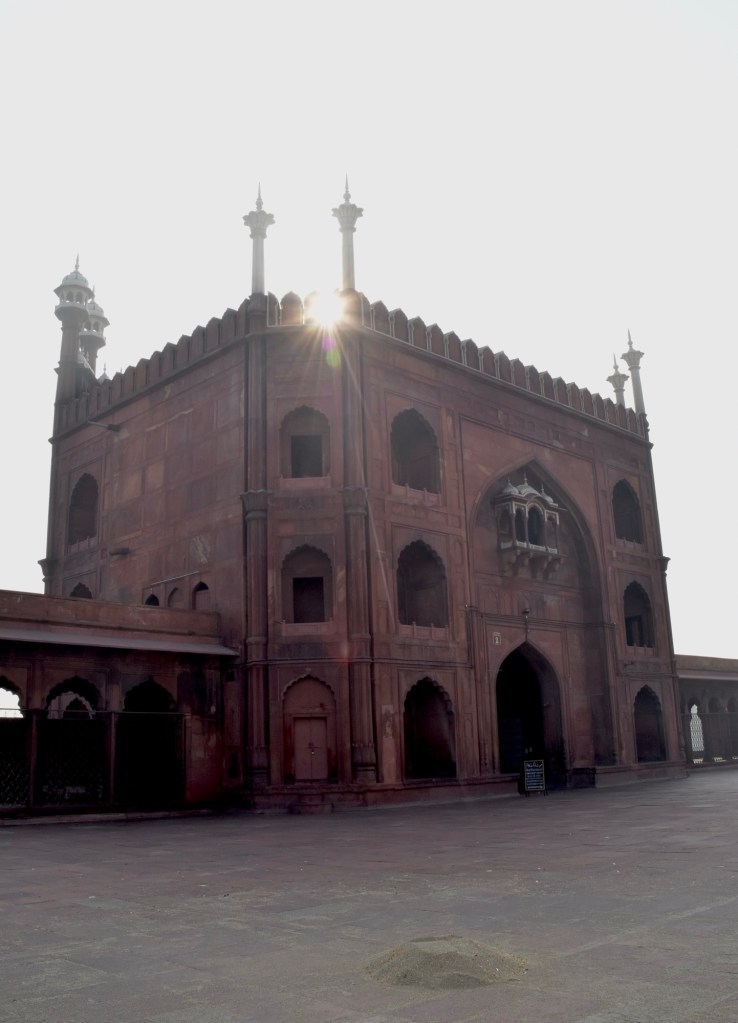
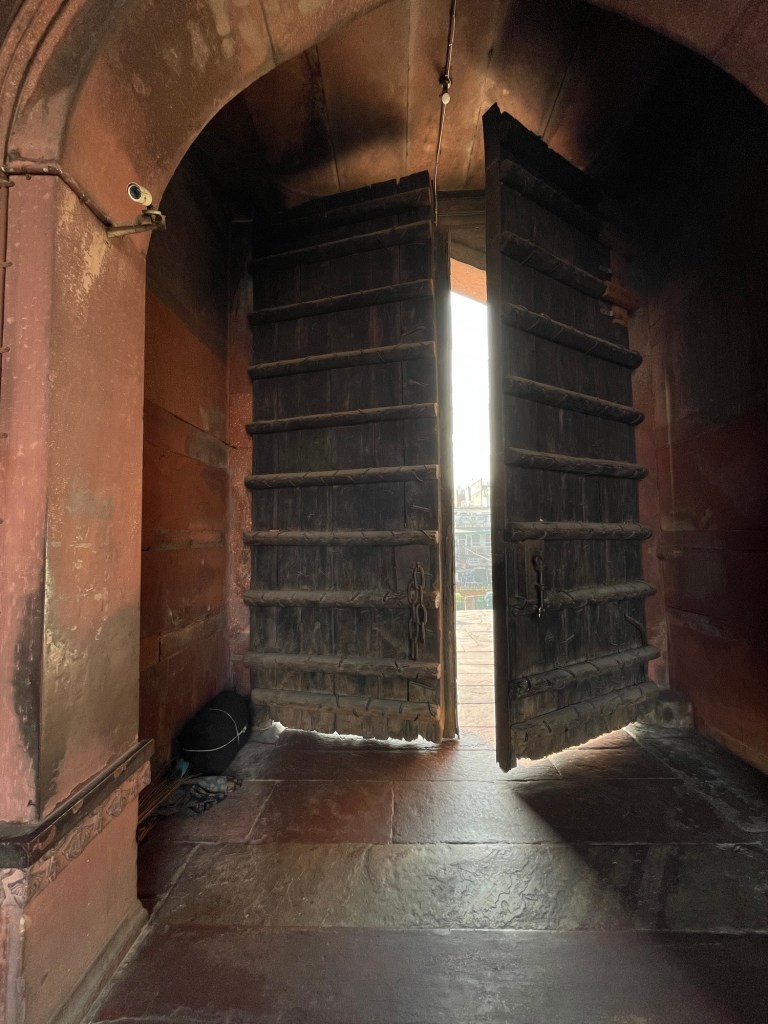
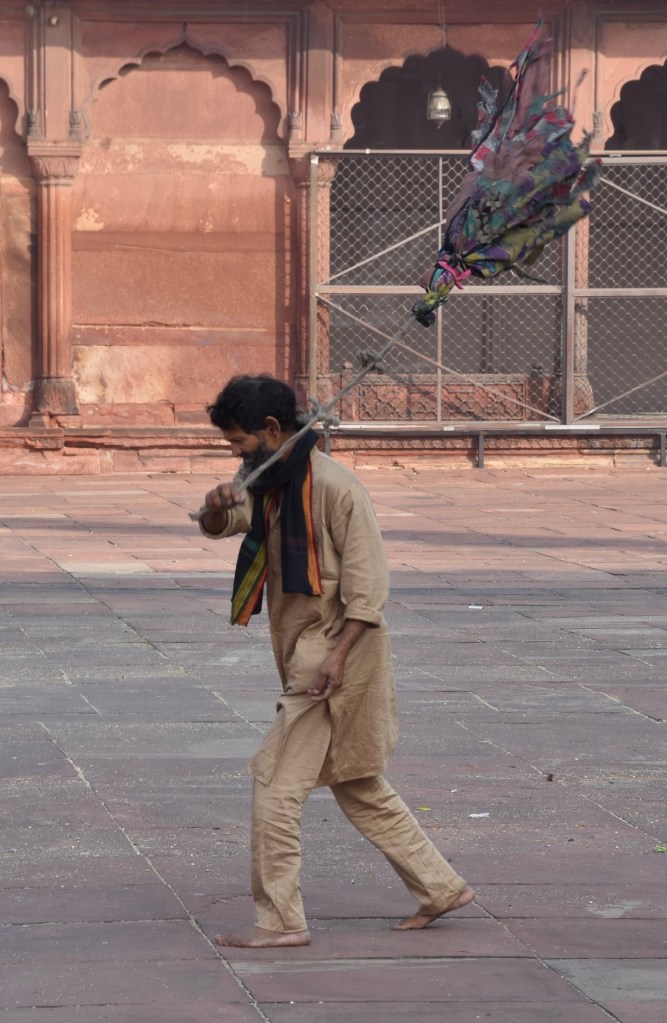
At the mosque:
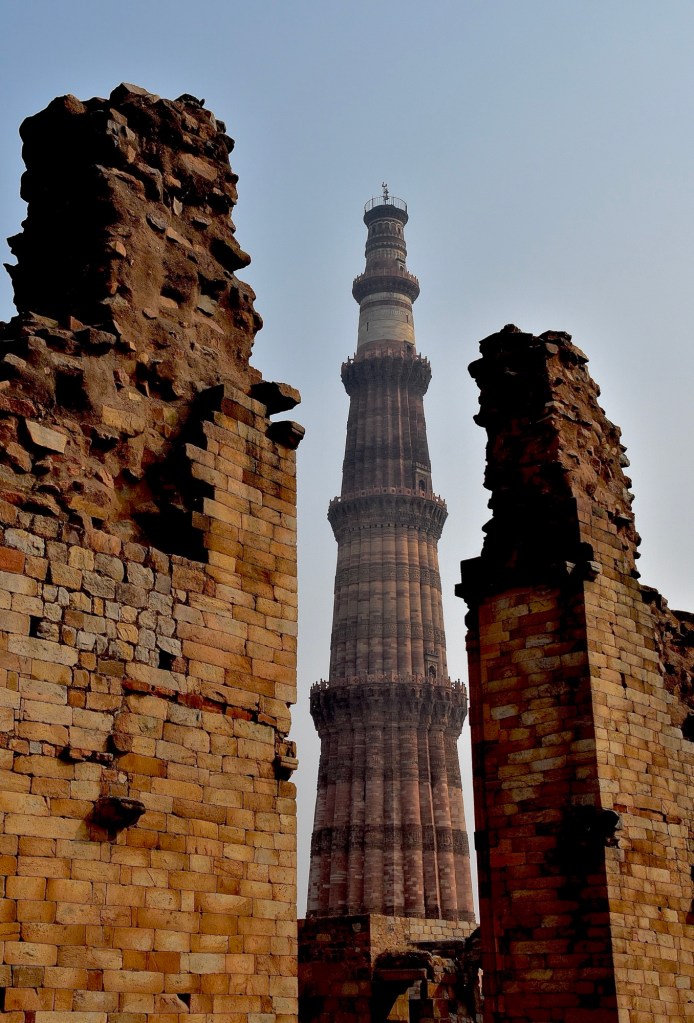
The Mughals invaded in 1200 and started building
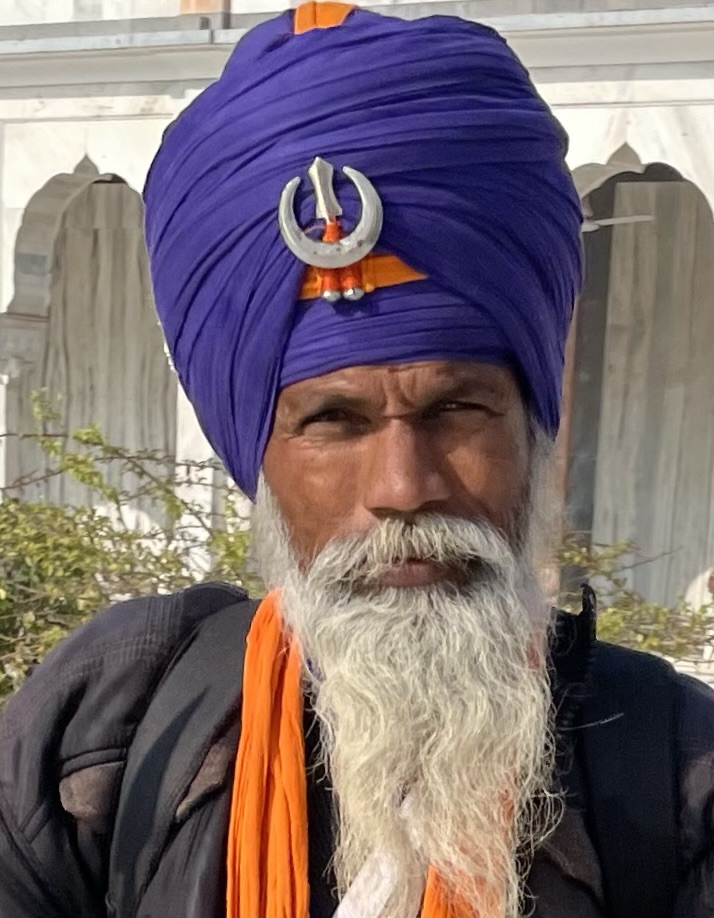
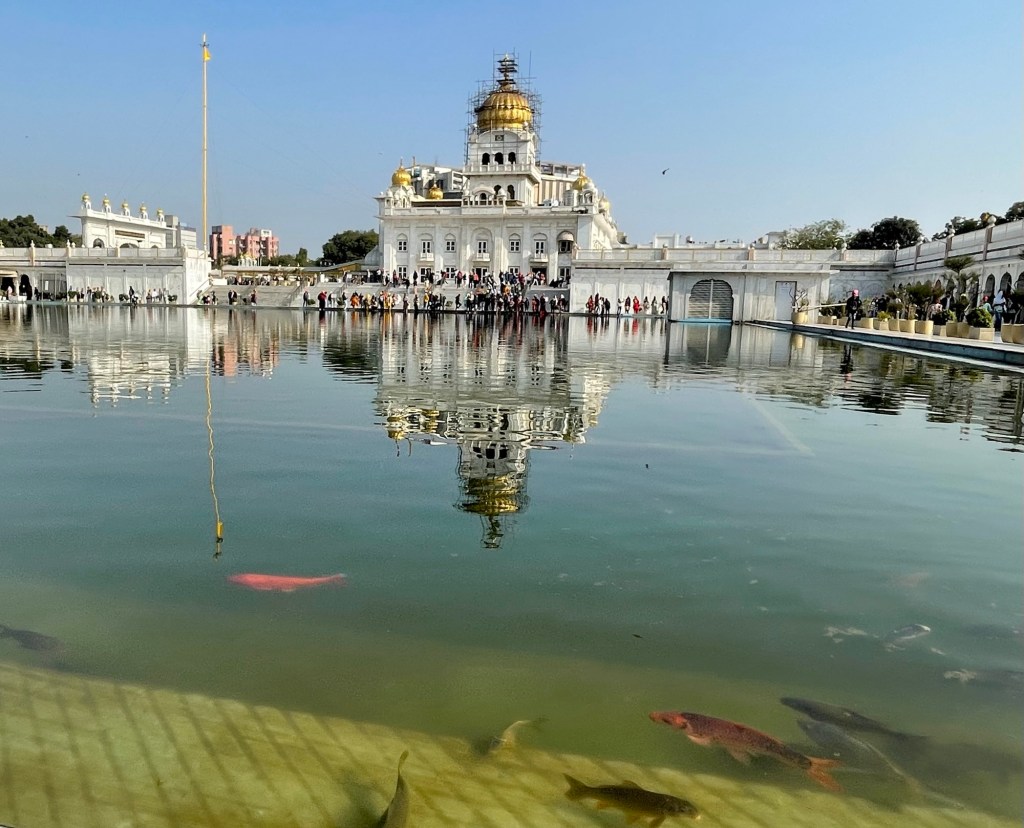
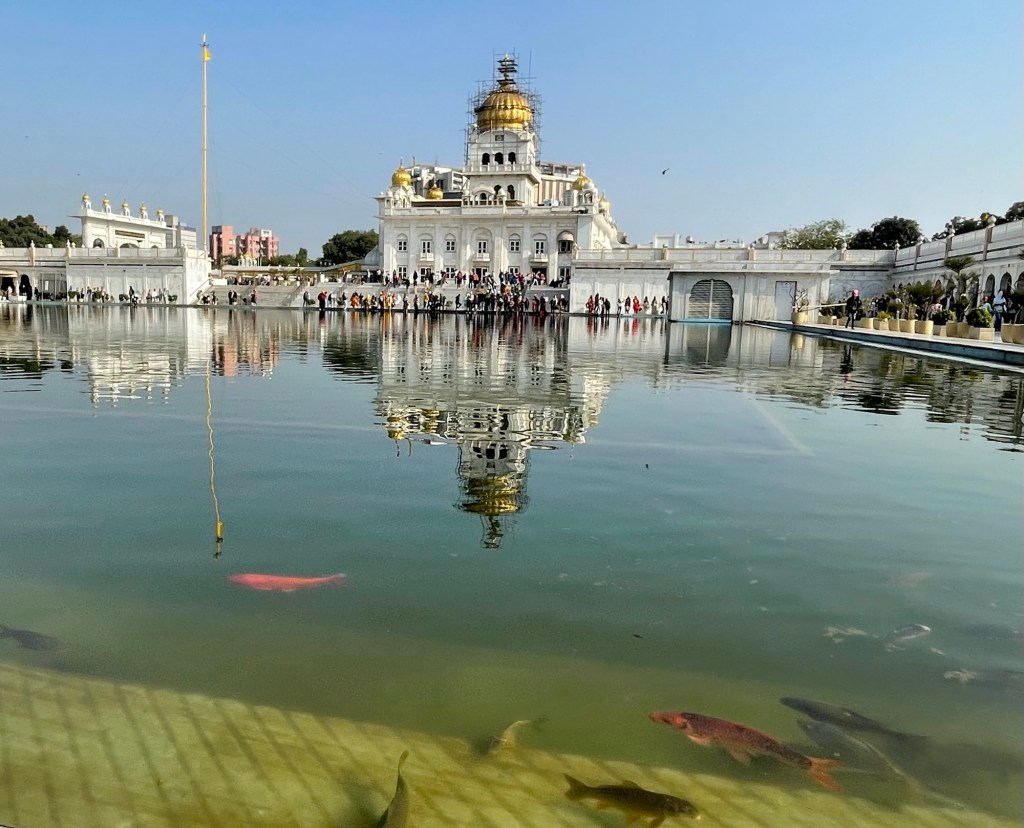
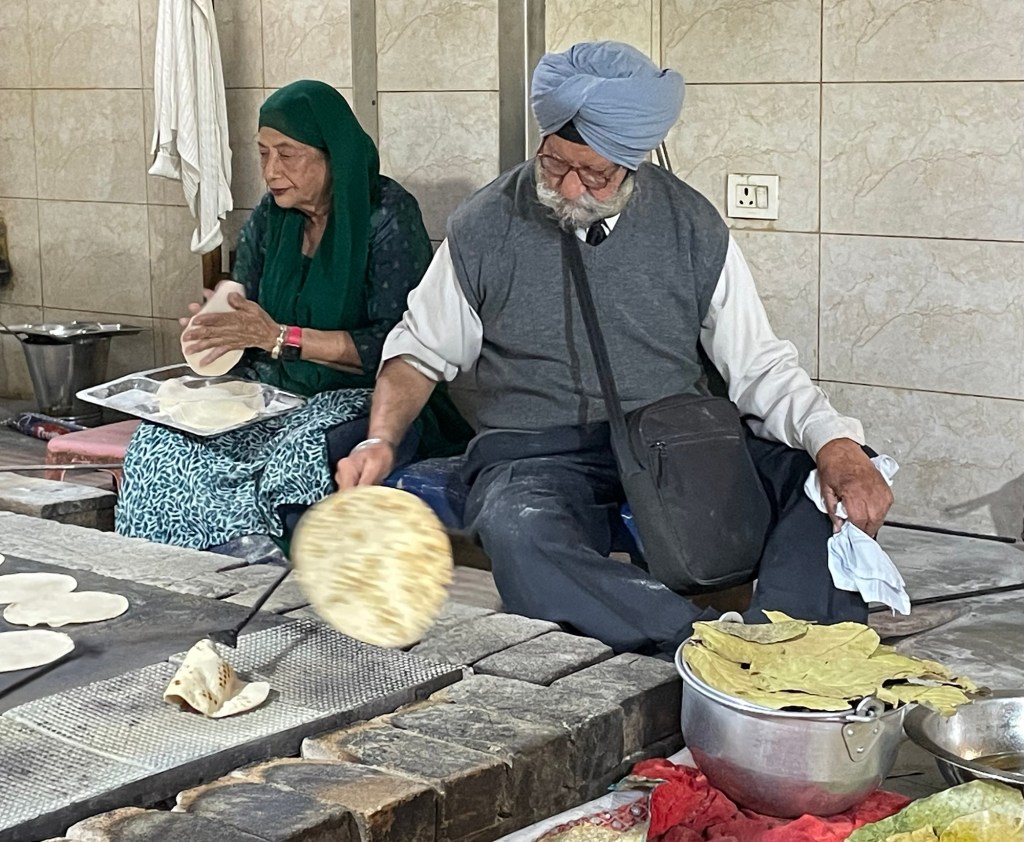
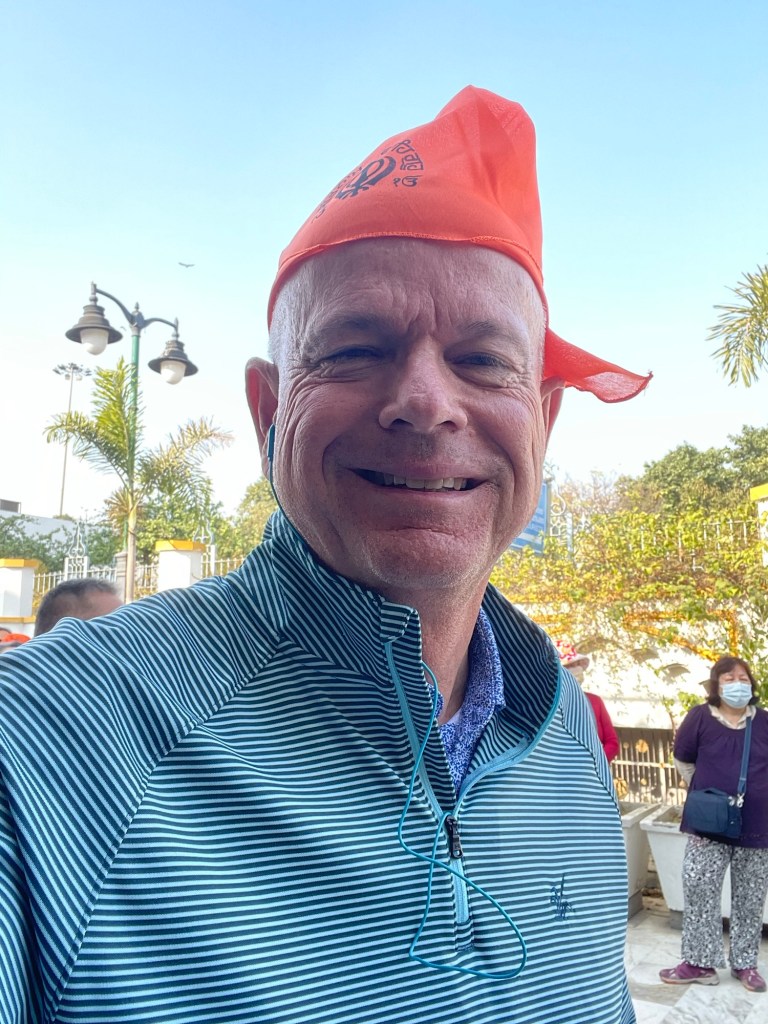
The Sikhs have a beautiful temple that serves 20,000 meals a day to anyone. Central to their belief system is Equality, so everyone is welcome
Nestled under a dense grove of western NC evergreens, the Airstream was situated for a quiet week of camping. But the quiet didn’t last long as during the first night there was a loud Bang! on the roof. Startling but unknown. A couple hours later, another Bang! Turns out these trees were shedding acorns from above, as in 50-60’ above, and so when they hit the tin can roof it made quite the statement.🌴📣💥
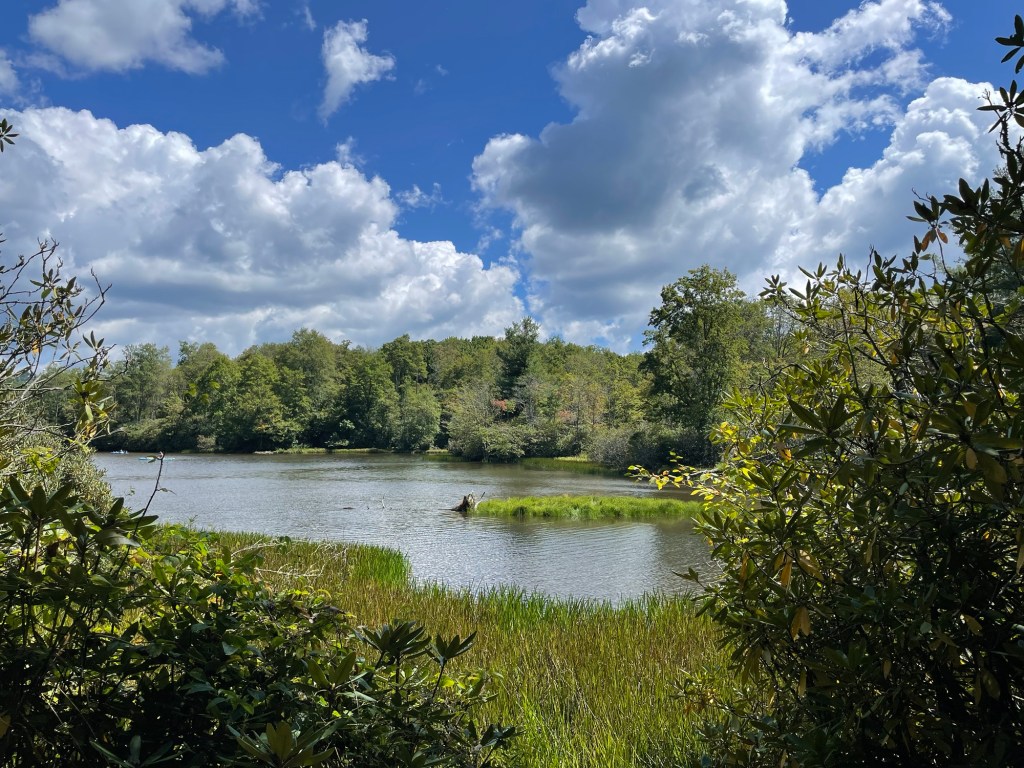
Lake Price and the Blue Ridge mountains west of Blowing Rock offer gorgeous autumn scenery.
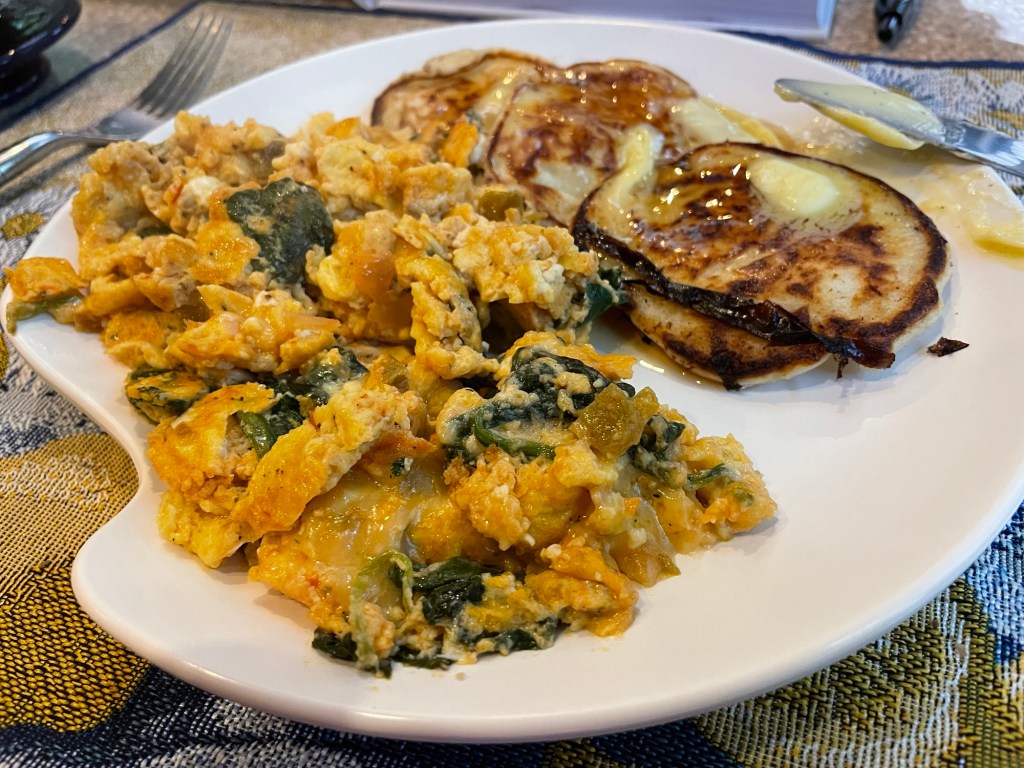
What is camping without good food? How about an omelette and pancakes? 🍳🥞
Whoops – the pancake mix requires milk.
No milk.
Substitute Greek yogurt? Why not, it’s dairy?
Batter is too thick.
Add butter to the skillet. This works.
Start the omelette.
Too much butter, it’s now cooking faster than the pancakes.
Omelette is almost ready.
A Shrill high pitched sound!
Smoke alarm!
The butter is carmelizing and putting off lots of smoke but chef doesn’t notice as that would require multi-tasking…..and there are already two skillets in action.
Should have had fruit and granola….🤷♂️
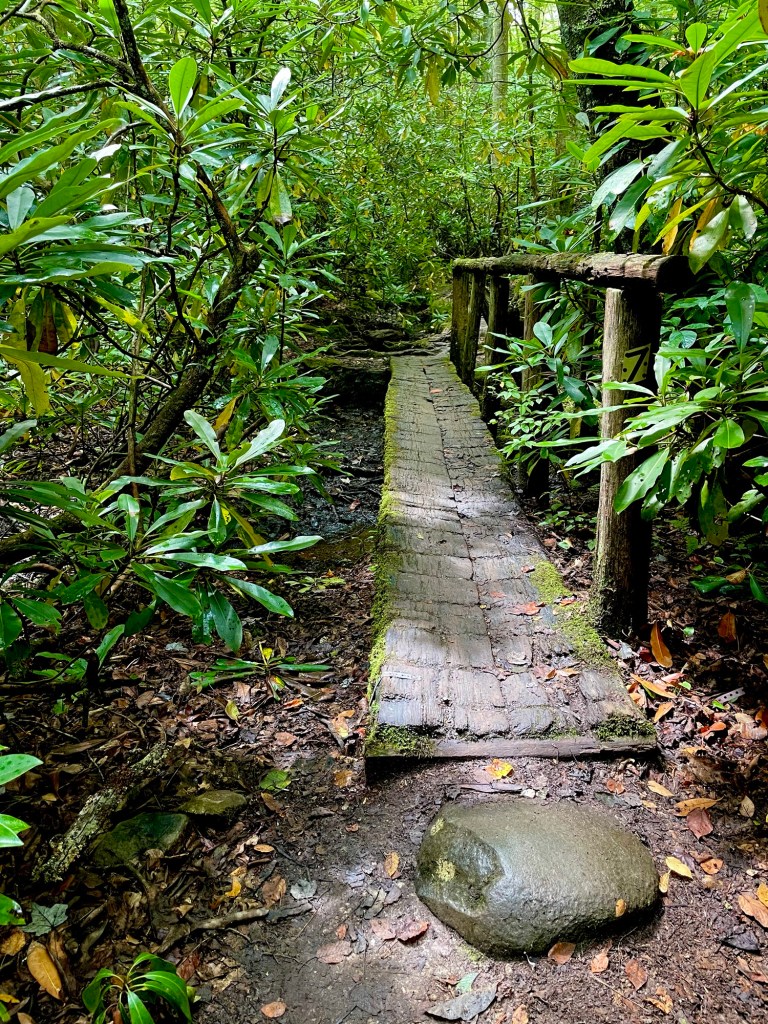
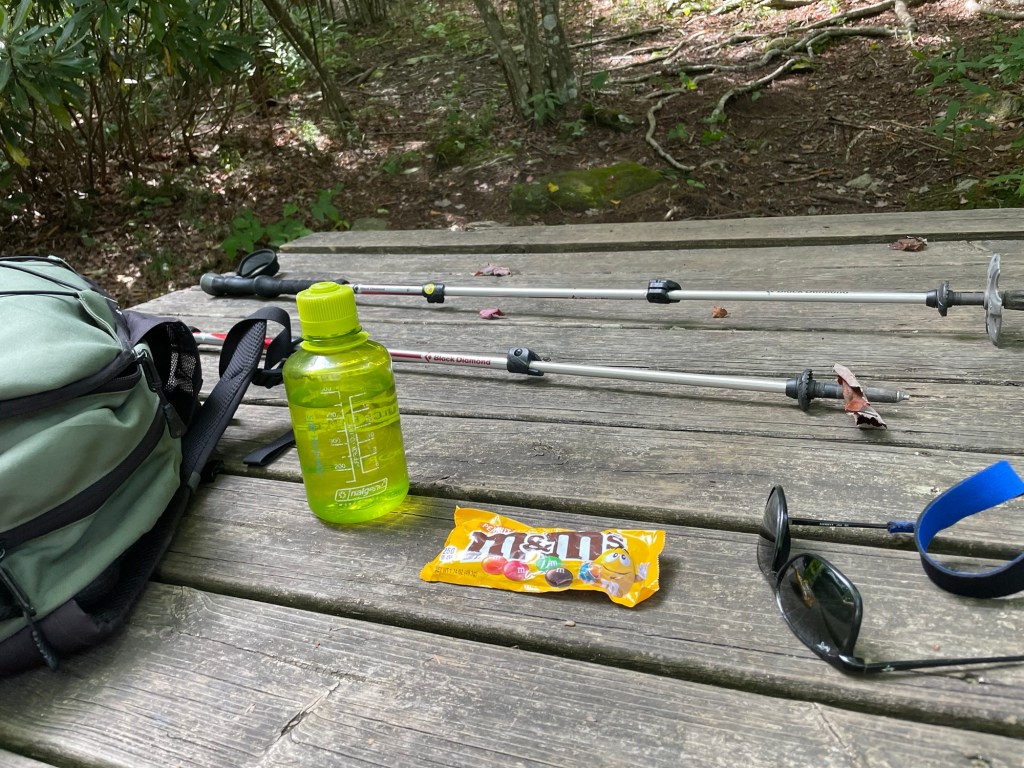
Time to go hike Grandfather Mountain. A very lonely trail as not a soul for the 2 1/2 hour round trip, not a good time to roll an ankle. Made it to the top to discover the last climb sign posted as:
Whatever, never quit, keep going.
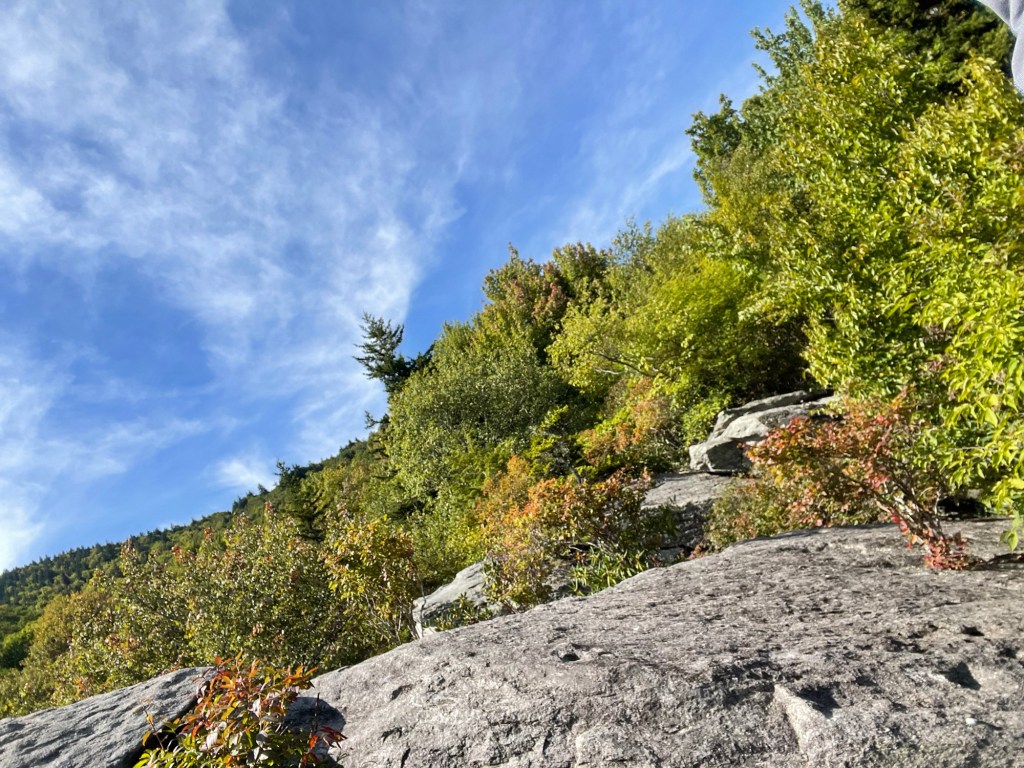
Okay, so maybe not the greatest destination view…
But a good excuse for a high protein snack
Another late dinner that night by heating a frozen lasagne in the oven for quite some time. Tired legs, full stomach, tasty red wine, hmm maybe I’ll doze off reading after dinner. Slipping off then Wham! Another piercing alarm, but a different one. Look around, holy cow, it’s the carbon monoxide alarm. Oven is still on, and I learn that it does not vent directly outside; the cooktop hood has to be on full blast. Open every door and window, turn on every vent fan, replace the warm and cozy 74 degree fouled air with 60 degree fresh air. Time to don long underwear, burrow under the big comforter, sleep with windows open, and call it a day. Could have been a lot worse, but it fortunately wasn’t…..
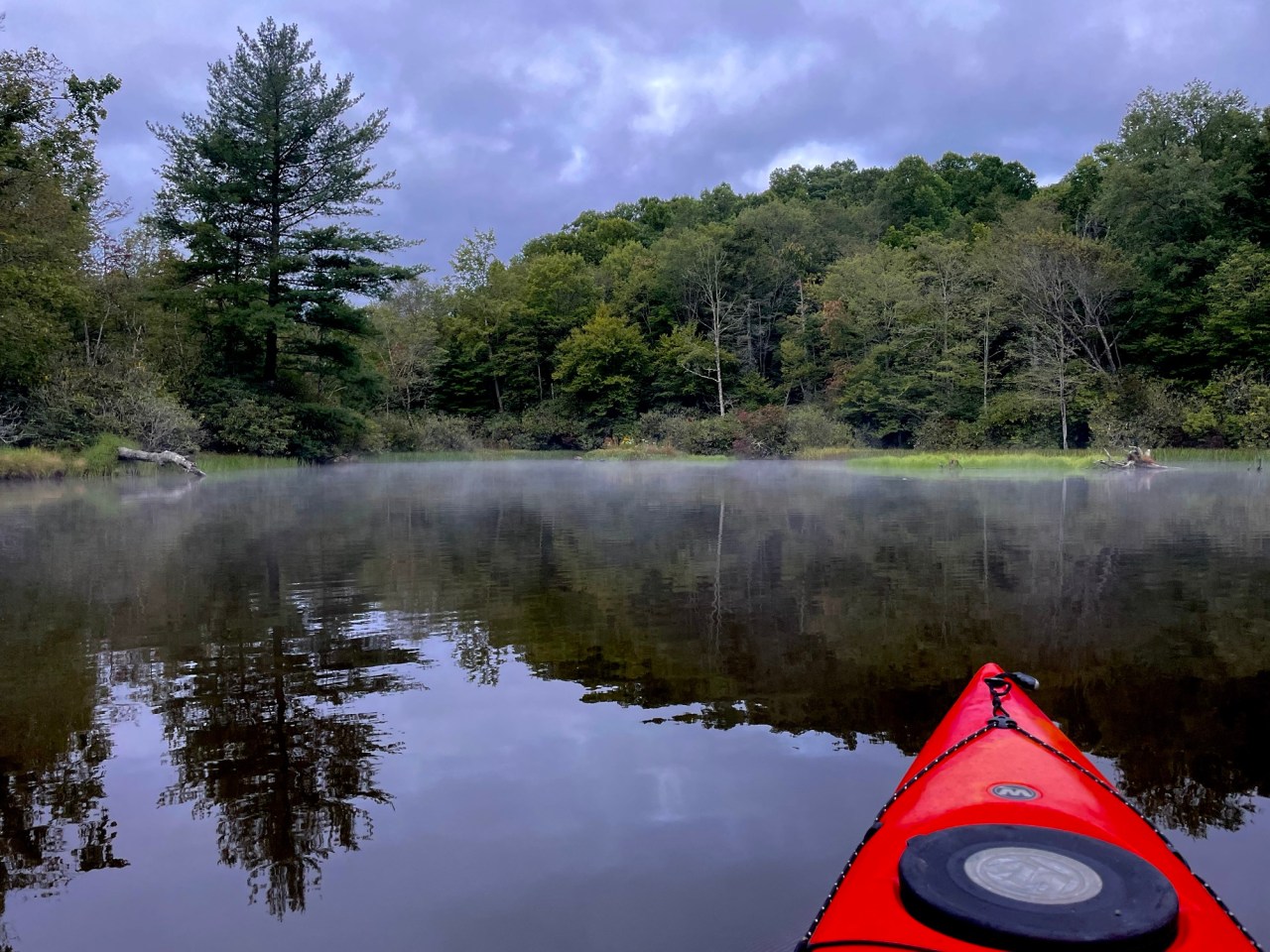
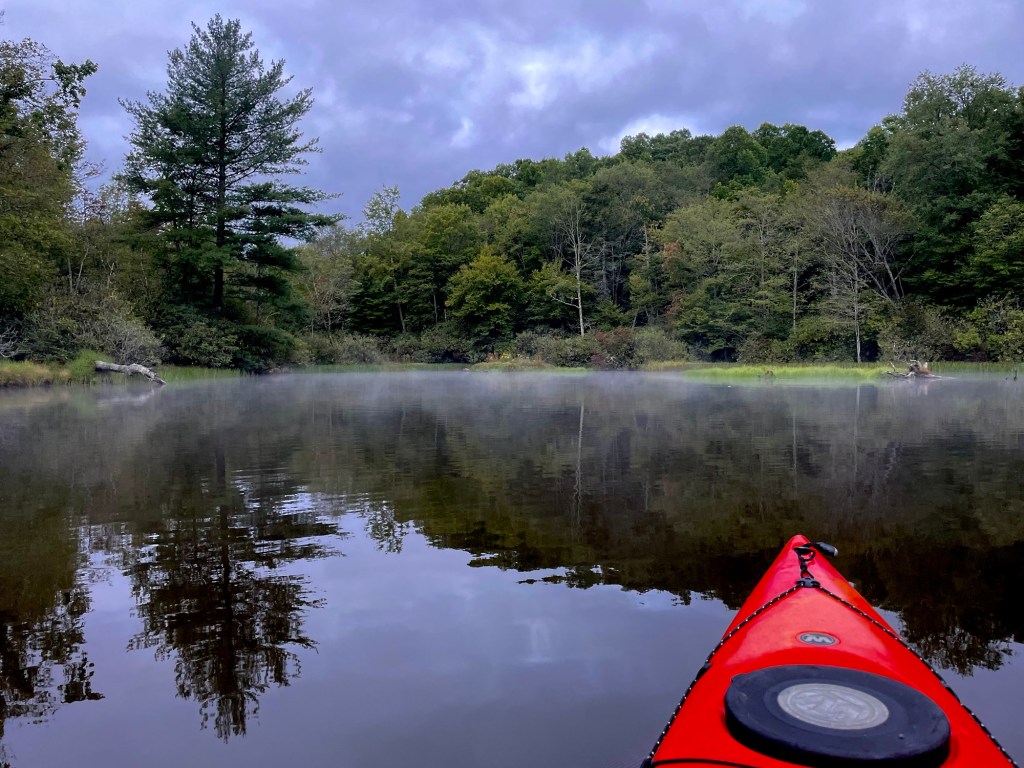
The next morning’s alarm was intentional – up at 6 am to get the kayak launched before 7 for a sunrise paddle before heading home.
Alone with an ethereal mist floating gently above a mirrored lake
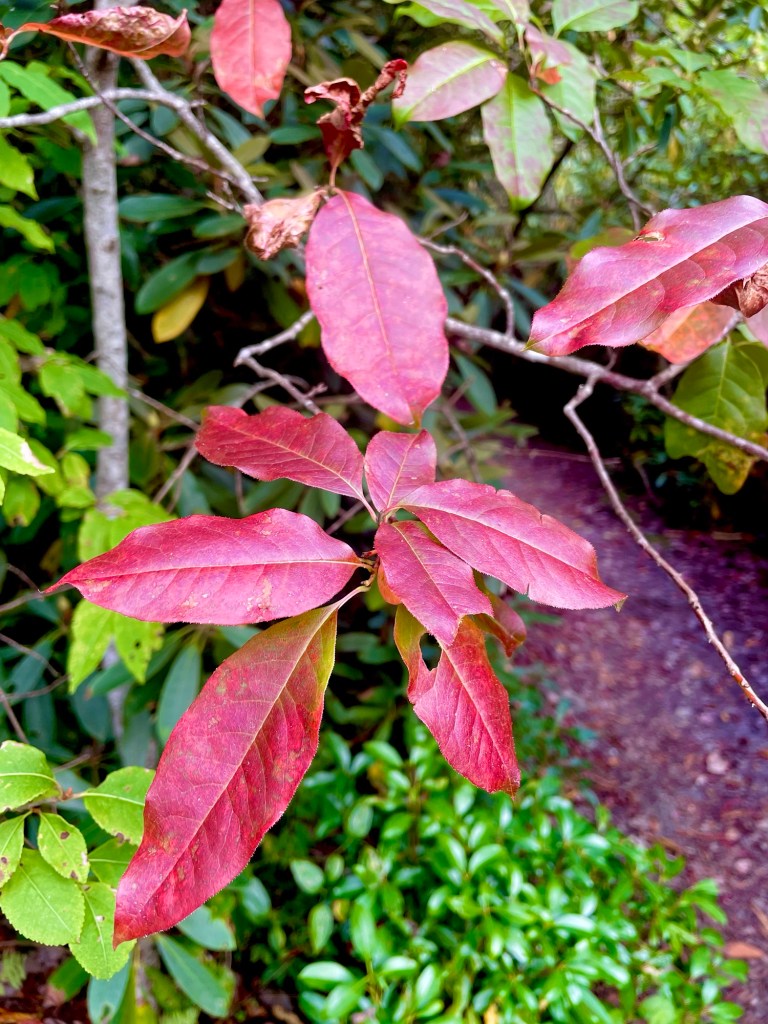
A sign that autumn is in the air…..
…..and a reminder that there is so much Beauty around us, for when we experience Beauty, in whatever form it takes, the warmth it creates nurtures our soul and reminds us to have gratitude for all that we cherish.❤️
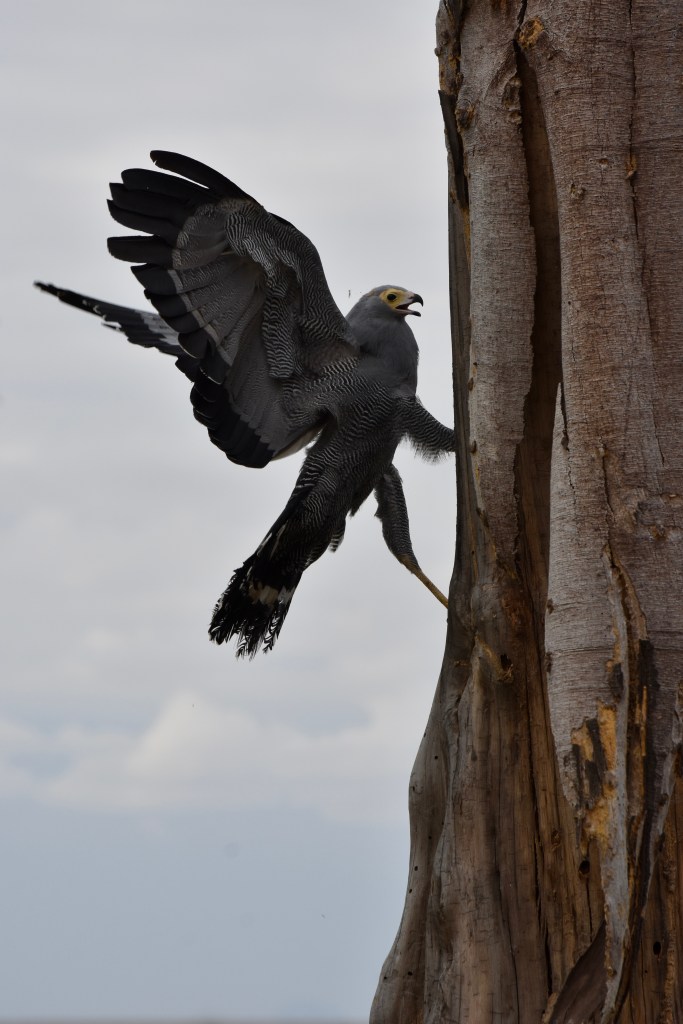
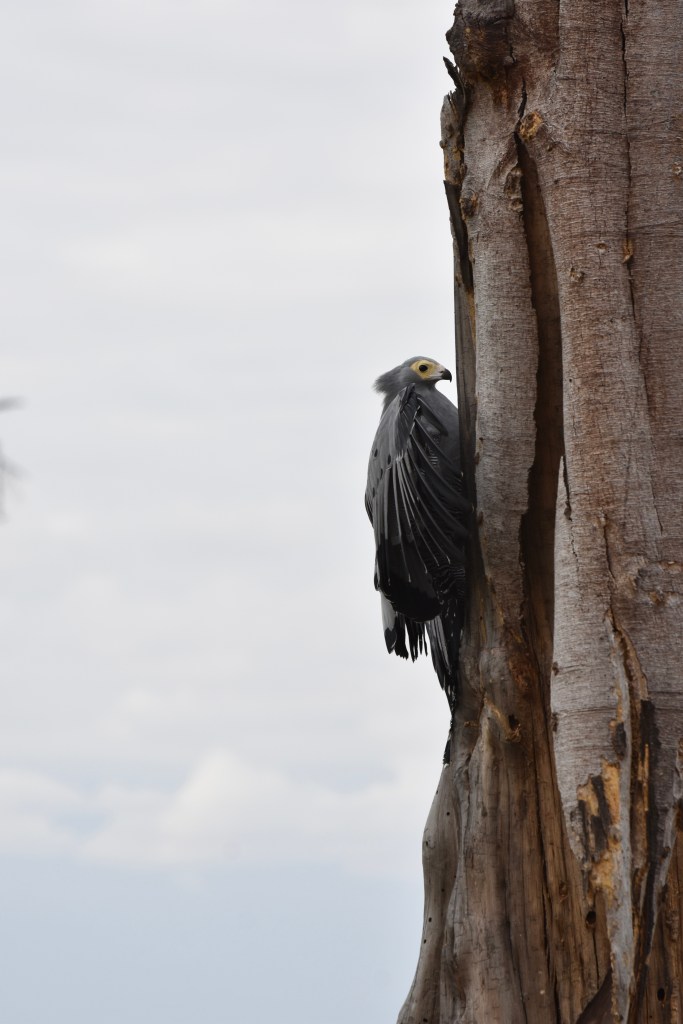
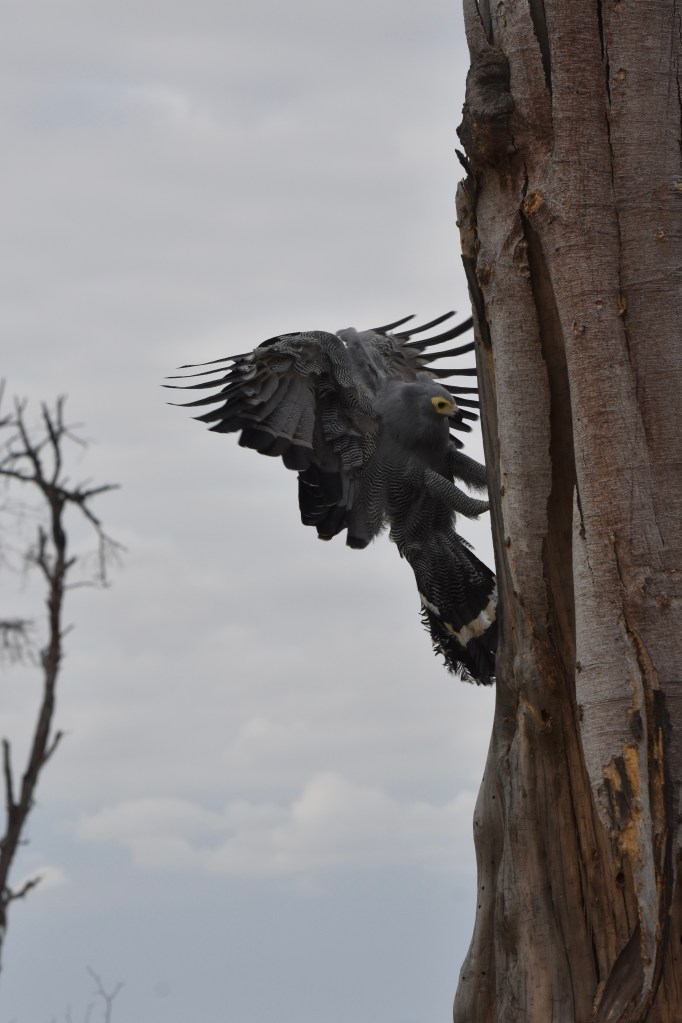
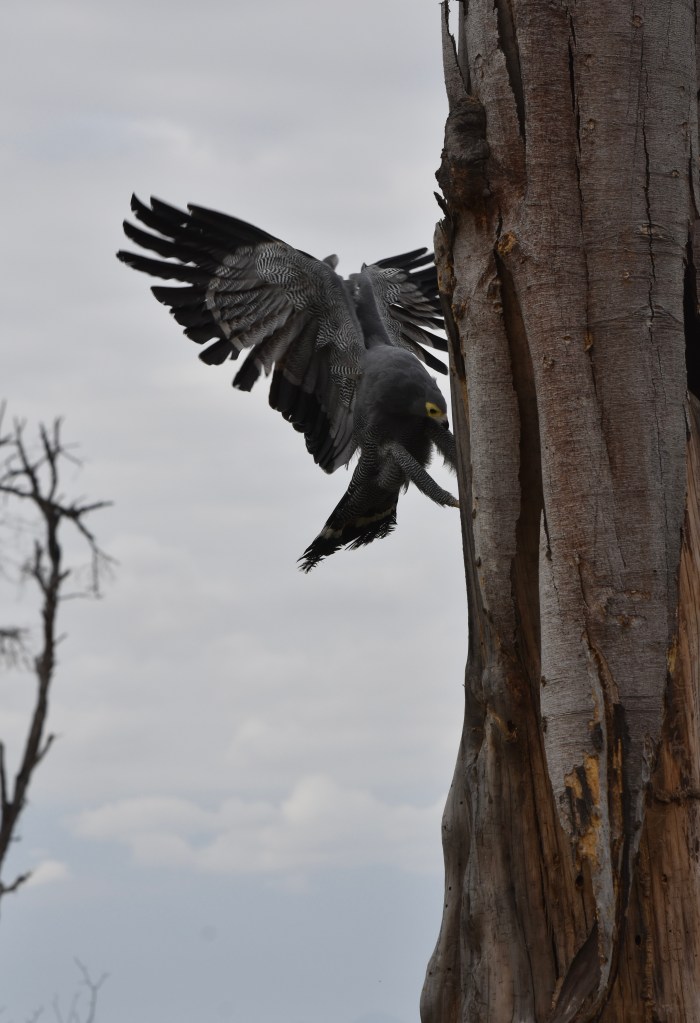
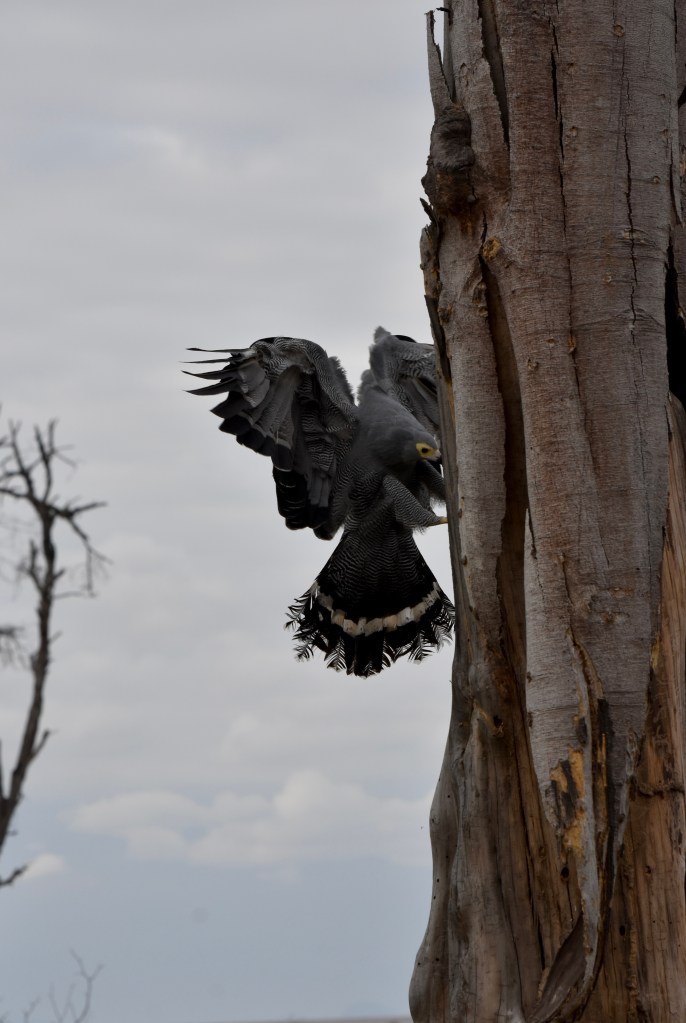
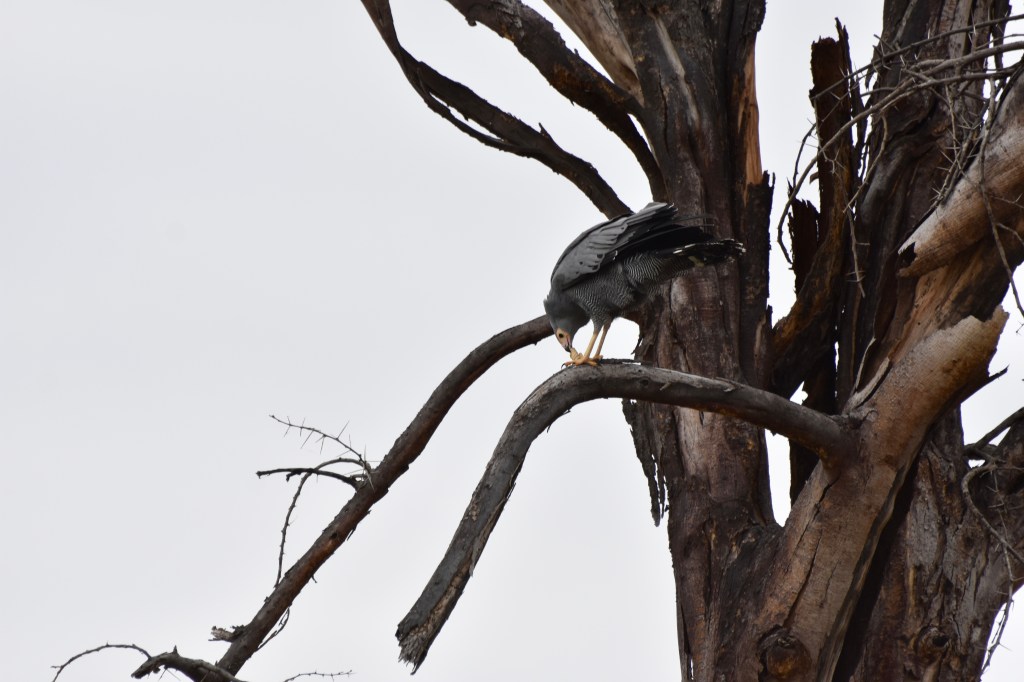
I am an African Fish Eagle, considered by many to be one of the iconic birds of Africa. Blessed with extraordinary eyesight, my vision is 8 times stronger than yours and I can see prey up to a mile away. One of the largest from the eagle family, my wingspan can reach a massive 2.4 meters and my loud screeching call is said to be one of the sounds of Africa.
Come along with me as I go find my next meal.
This is me, an African Fish Eagle. Ok, it’s safe to focus on my prey
My life is consumed by just three activities: being a predator and eating things like tree lizards and fish, and by staying safe from predators who eat birds like me, and by reproducing to keep my species alive.
That’s it, that’s all I do.
It’s everyone for themselves out here, so I better get focused and find me a tree lizard or this feeling of Hangry will be the end of me!
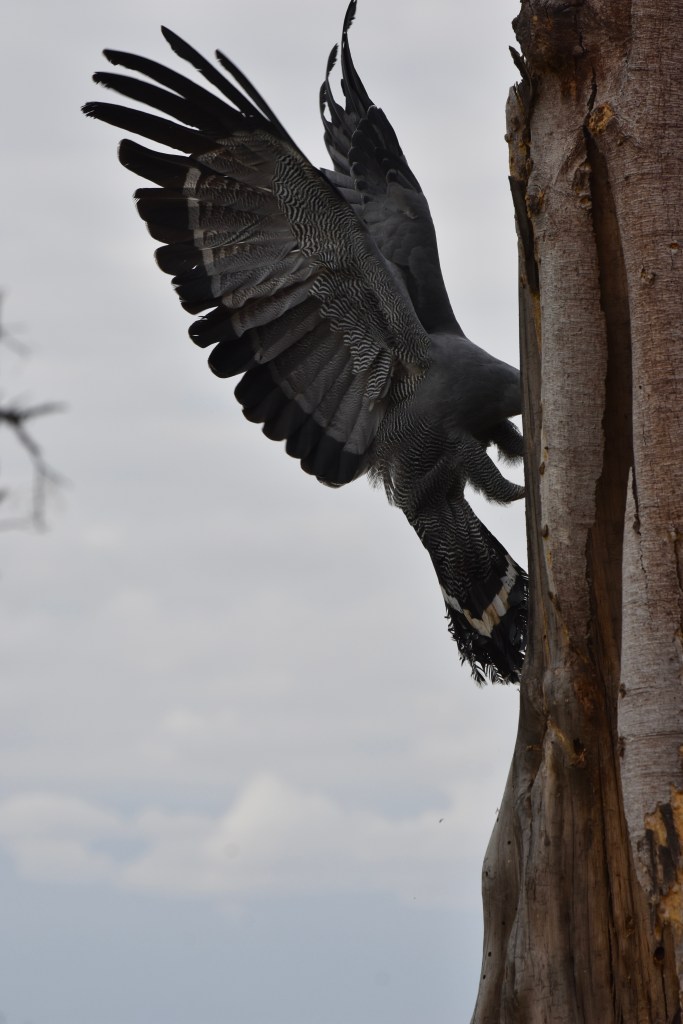
Ah ha, I see you!Incoming!Engage wings, pushing the beak farther into the crevice Losing altitude, flap harderLook closely and you’ll see I’m flinging tree bark as I close in on my prey This is exhausting, I’m burning more calories than I’m going to getPlan B, try with the toes as I have sharp barbs on themNever quit I see you…Coming in for the captureSome tourist named Warren in a nearby Land Cruiser captured the attack on videoAnd just like that I pulled the tree lizard from the crevice, found myself hovering in mid-air, so took flight to the comfort of a nearby tree branch to enjoy my next meal.And that, folks, is why it’s every animal for themselves out here. The food here, it’s local, it’s healthy, and it’s organic, but it ain’t as easy as Whole Foods Market!😉
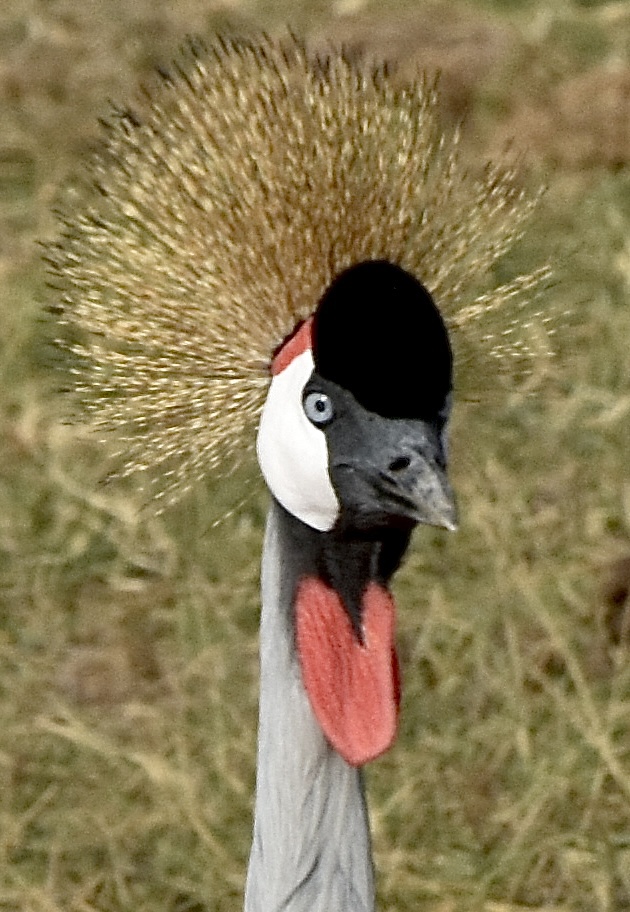
Crested Crane, or a Crown Crane, but not a Crested Crown Crane
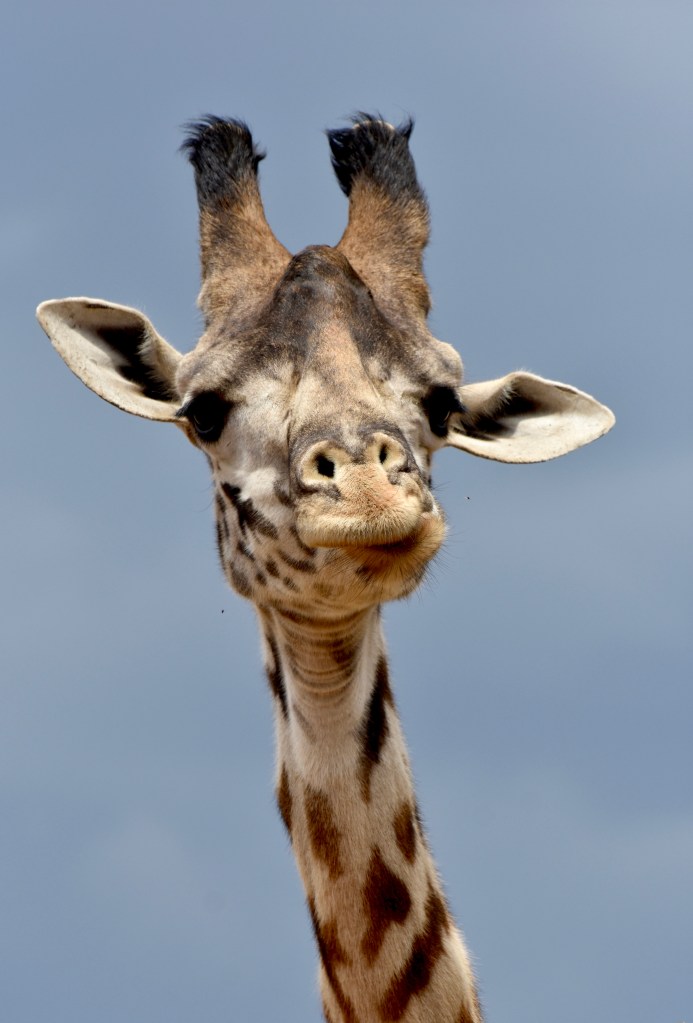
The human connection comes from eye contact, looking another in the eye and conveying a message, whether it be admiration, love, understanding, or something so simple as an acknowledgement, I see you and I recognize you and I value who you are.
It is uncanny in the wild animal world, in fact sometimes a little bit spooky, how they seem to look you directly in the eye, and you cannot help but wonder if they’re thinking, if not for that Toyota Land Cruiser I’d munch on you too! But they don’t, they’re not remotely aggressive, due to the fact that since 1977 when hunting was outlawed in Kenya, they have never, not once, been threatened by a Land Cruiser.
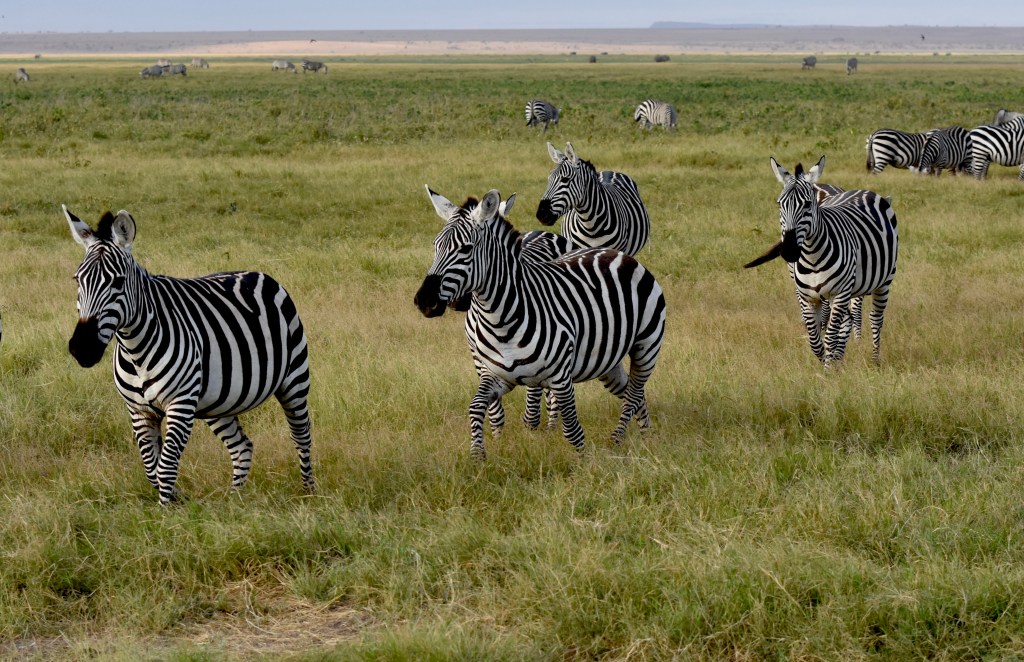
So we continue to co-exist like the giraffes and warthogs, or maybe like the wildebeests and zebras.
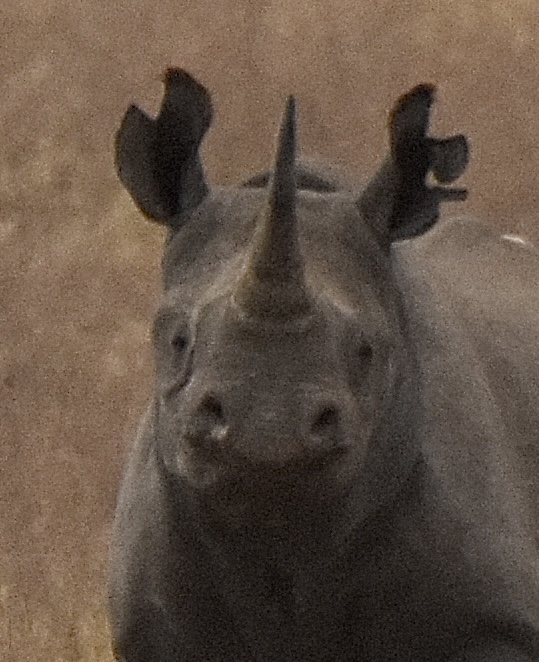
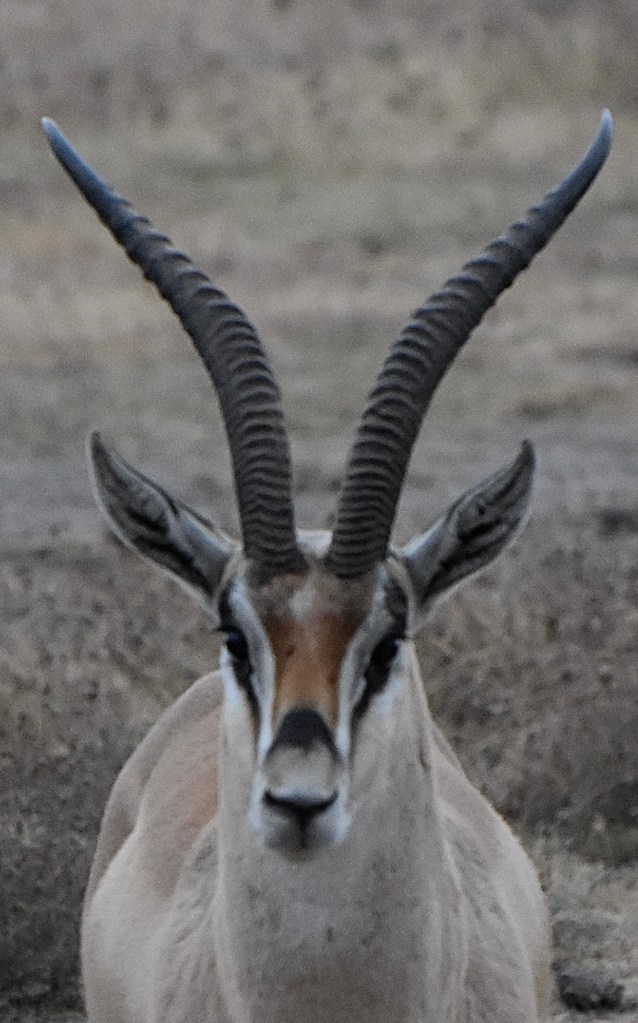
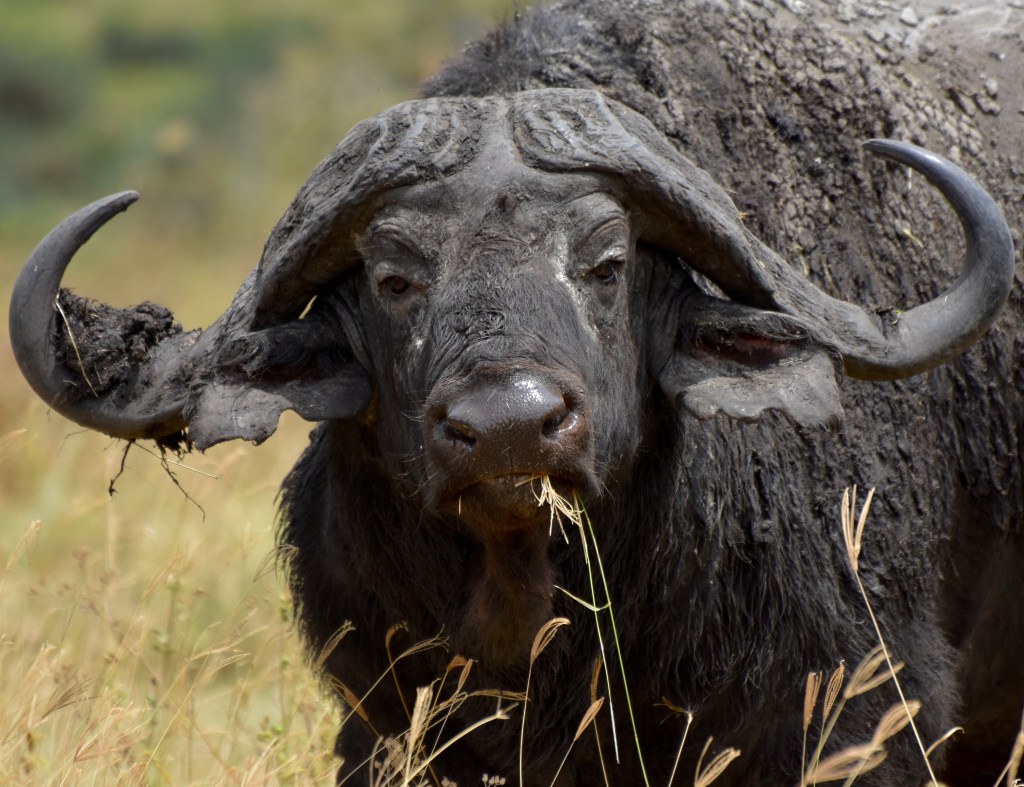
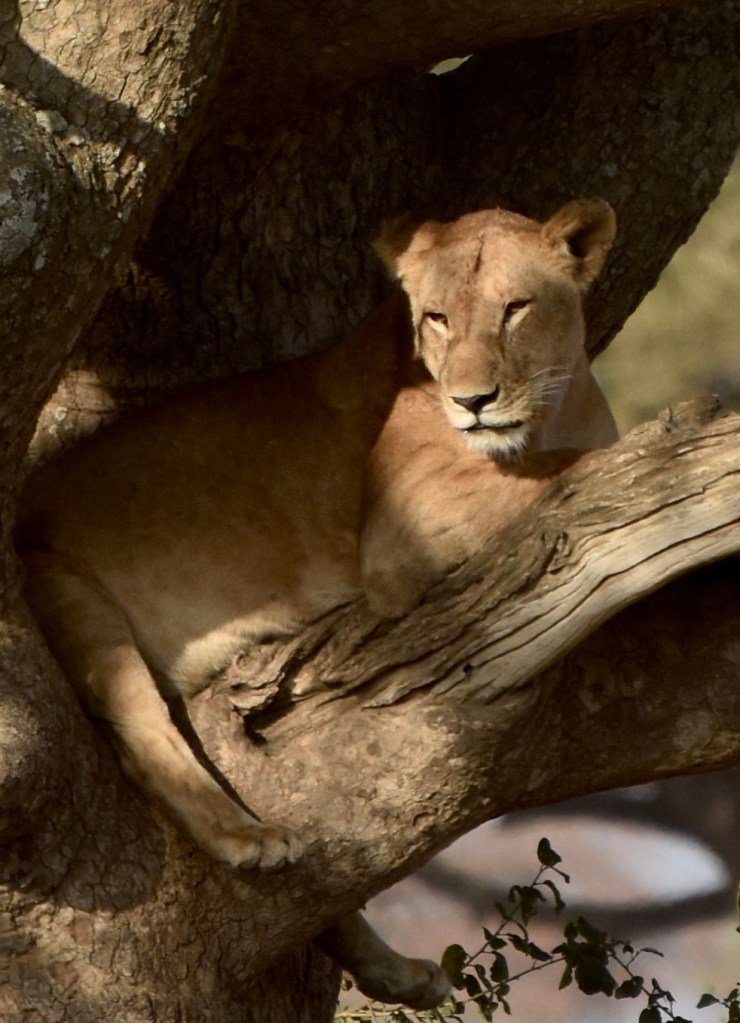
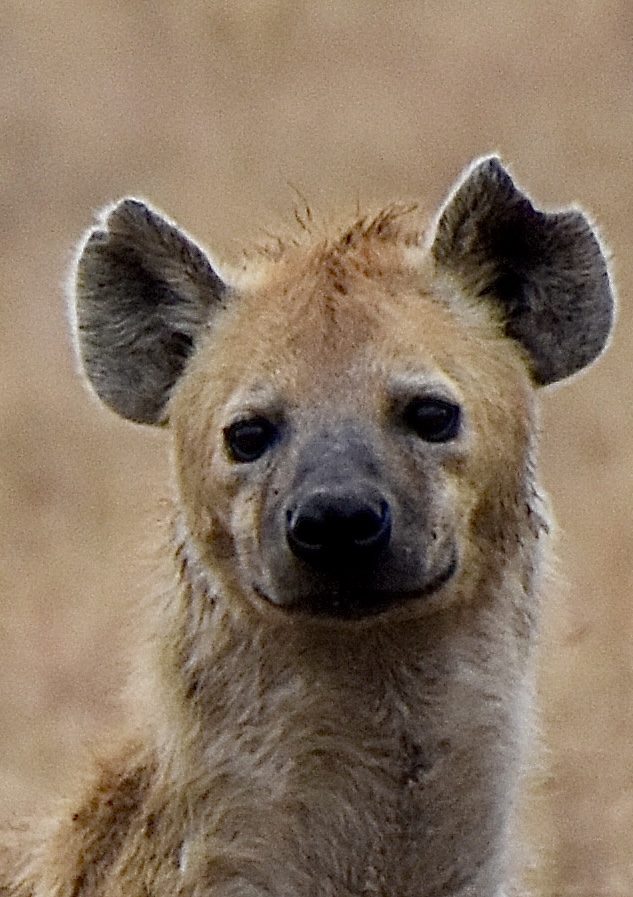
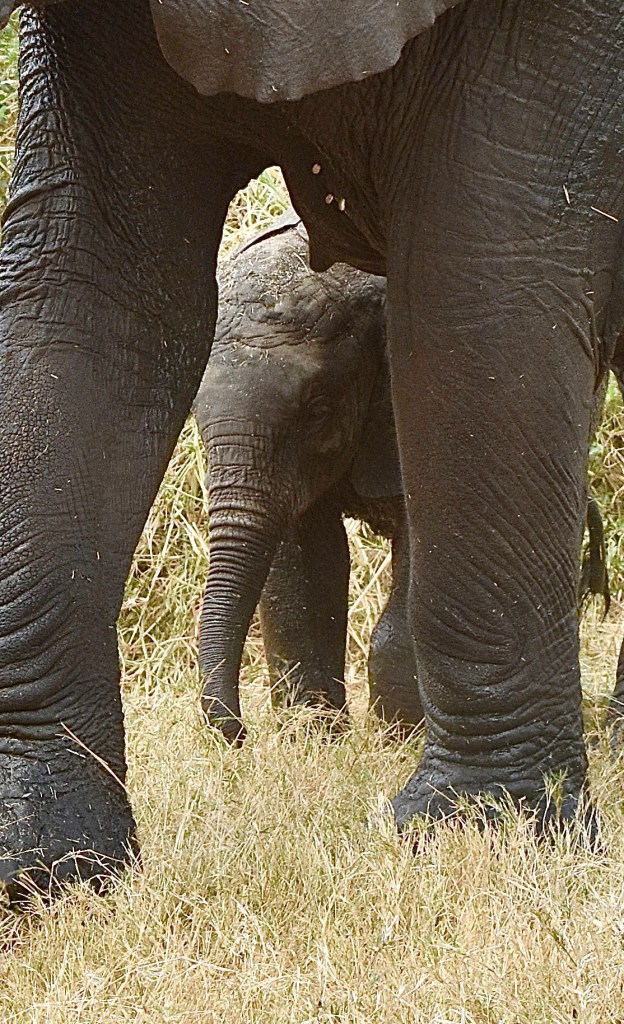
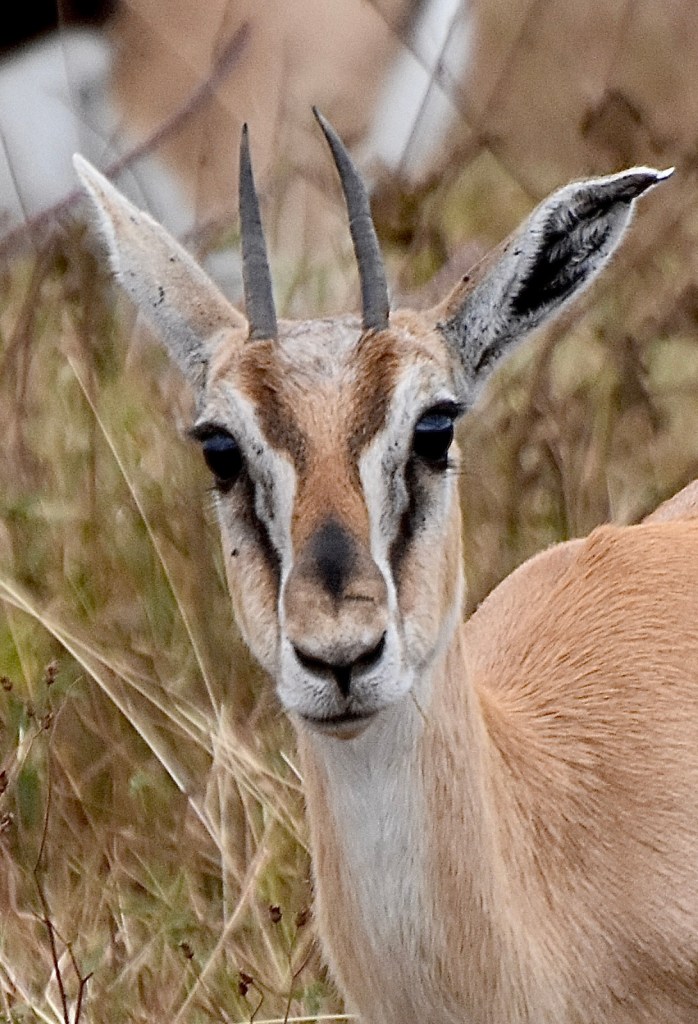
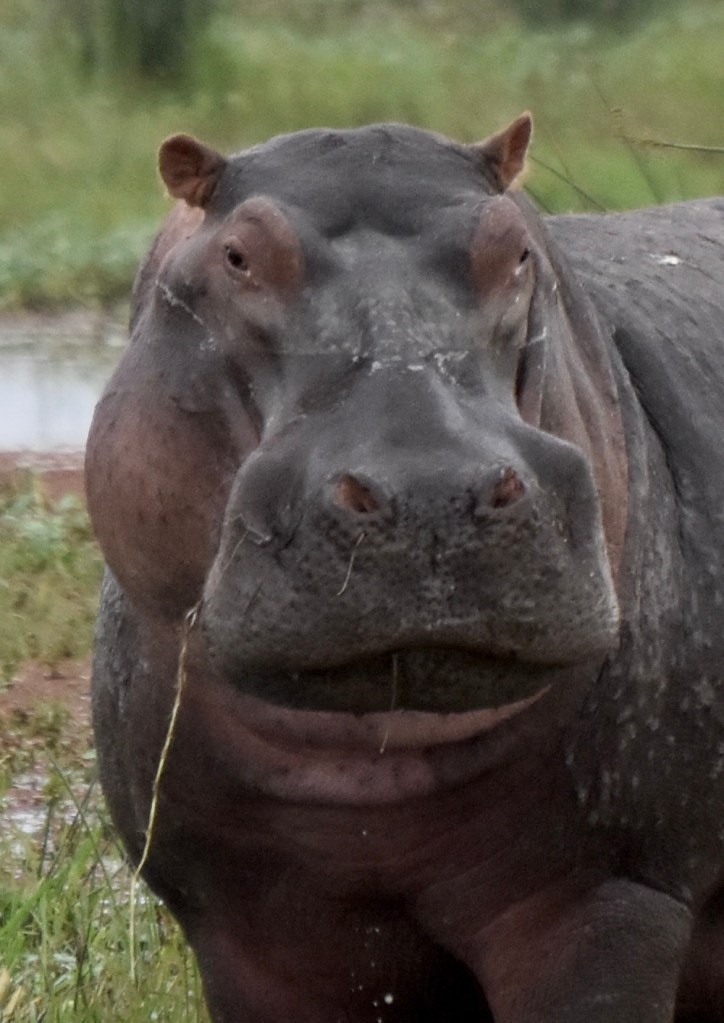
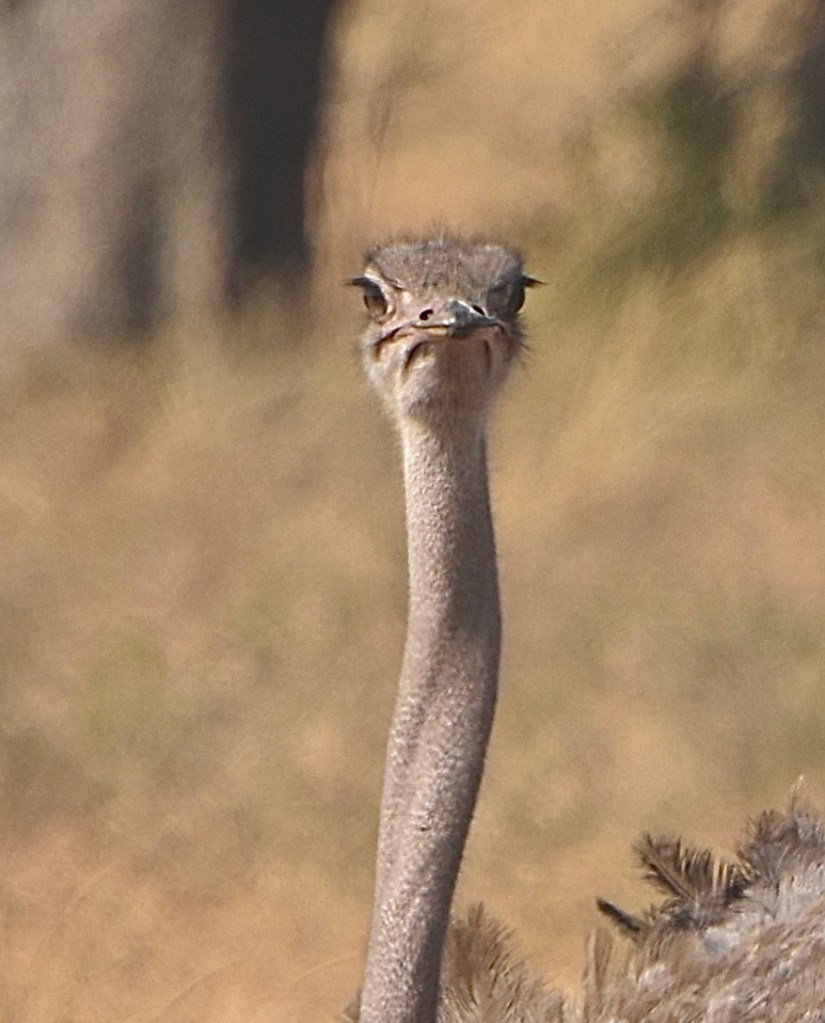
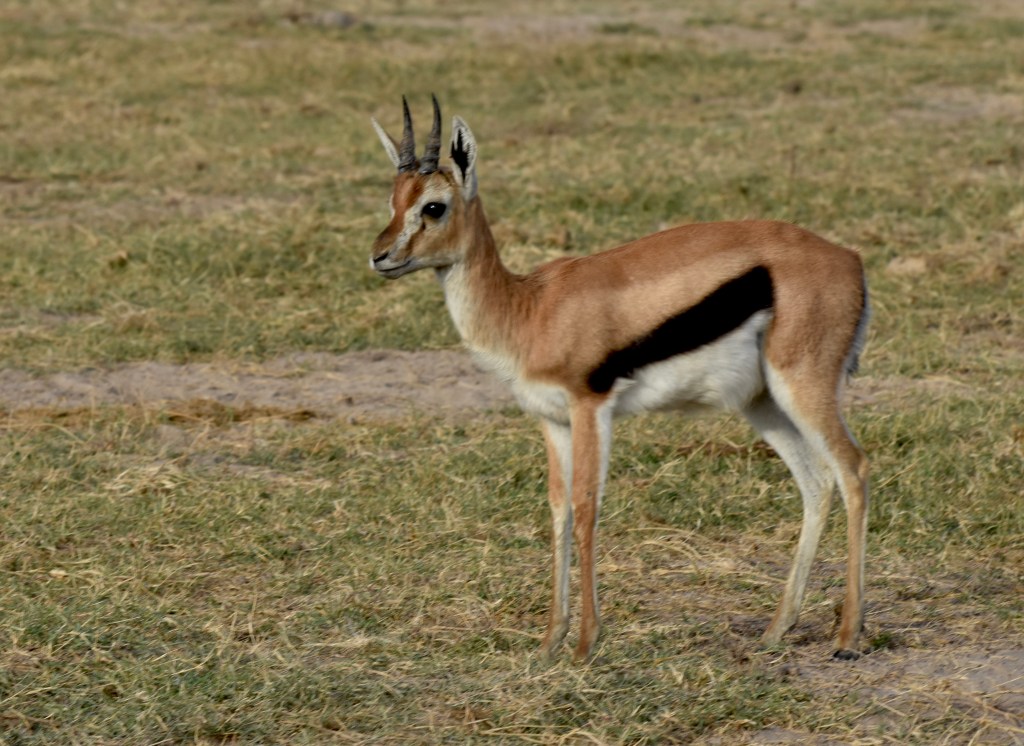
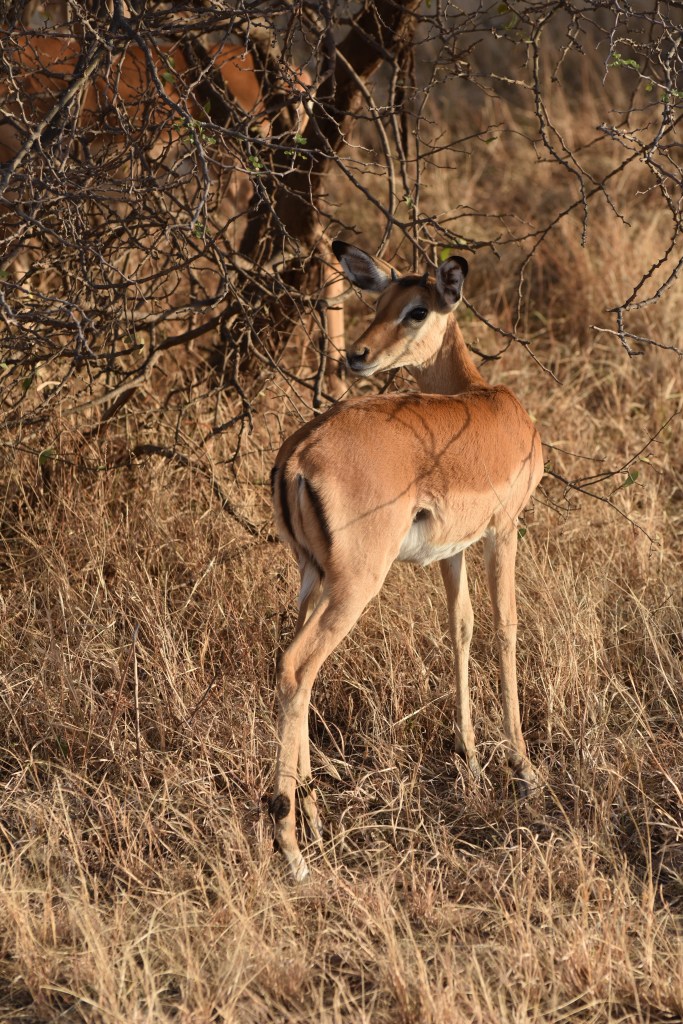
LionessPrehistoric Rhinoceros lends itself to a grainy imageThe Wildebeest’s best friend and traveling companion Wise guy ImpalaCape Buffalo, founding member of the Ugly 5Stunningly Beautiful WomanHyena, a scrappy fighter as evidenced by the missing earlobe Brown Eyed GirlBaby in awe of following in Mom’s footsteps Thomson’s Gazelle, member of the Antelope family HippopotamusCheetah, identified by lines on faceOstrich Dik DikTourist, you would taste very yummy I own this place
A collection of mostly very short stories compiled after two weeks on safari in Kenya and Tanzania.
***********
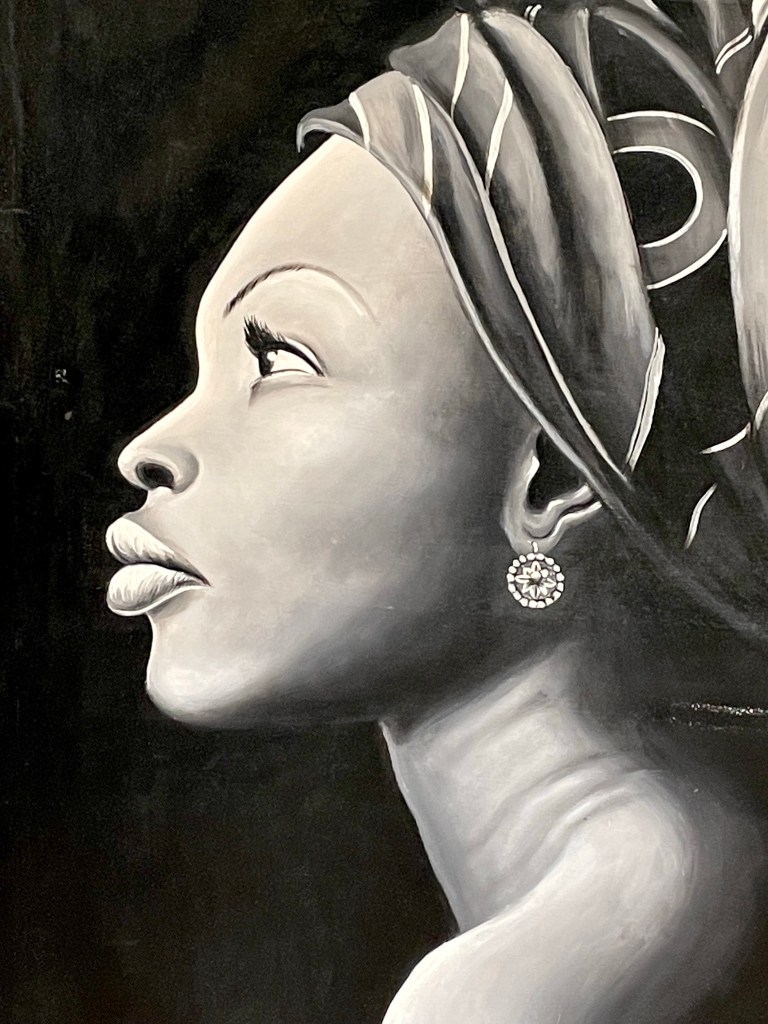
The painting conveys so much; at first glance it’s mostly the radiant beauty, for a portrait to render a young woman so beautiful she must surely have been even more-so in life beyond the canvas. However there are layers here, and the layers have context, to really appreciate the beauty that lies within it’s the context that must be understood.
In Kenya, a suburb of Nairobi called, simply, Karen, on an historic coffee plantation with a single story ranch home, built by colonialists from Europe, here to exploit the natural resources and the local people, a failed marriage, a dream of a business that died, but in the loss came rebirth in the form of a novel, Out of Africa, written by Karen Blixen, and later an eponymous movie, and with it recognition and fame and money and a place on the map, all for both the author and the subject.
And it was in this life that Karen began painting portraits of young Kenyans who had became a part of her life, or maybe she had become a part of their lives.
Recognized as the most beautiful young girl in the entire area, tribal custom followed that she would be presented for marriage to various tribes near what would much later become the suburb Karen, and as if to validate the consensus of her beauty, the most affluent tribe won her hand with the unheard of offer: 250 goats and a pot of honey.
***************
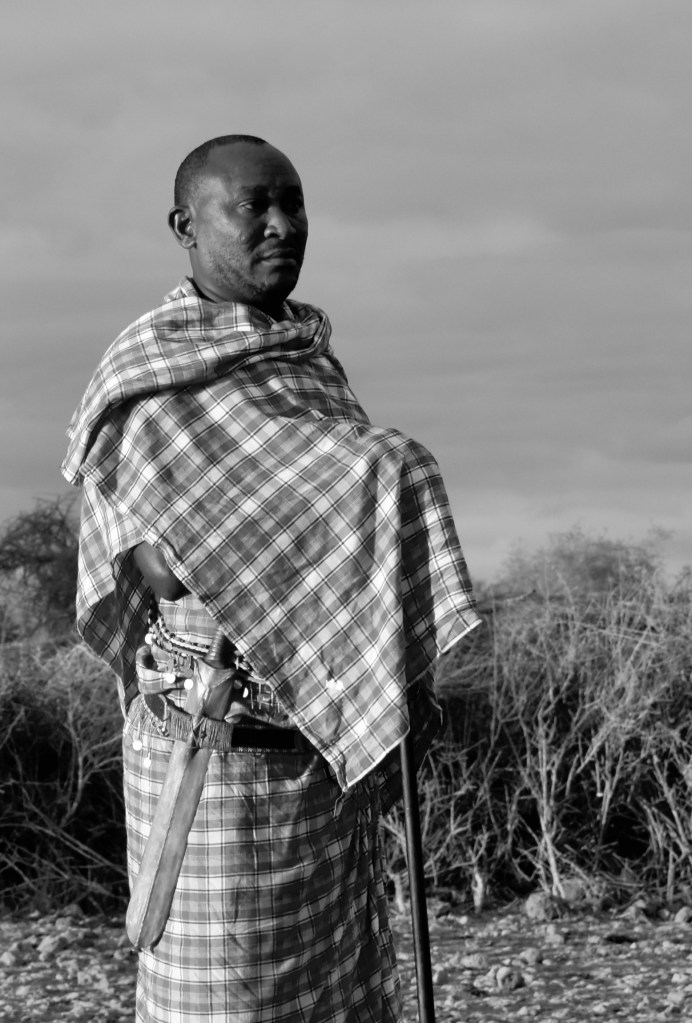
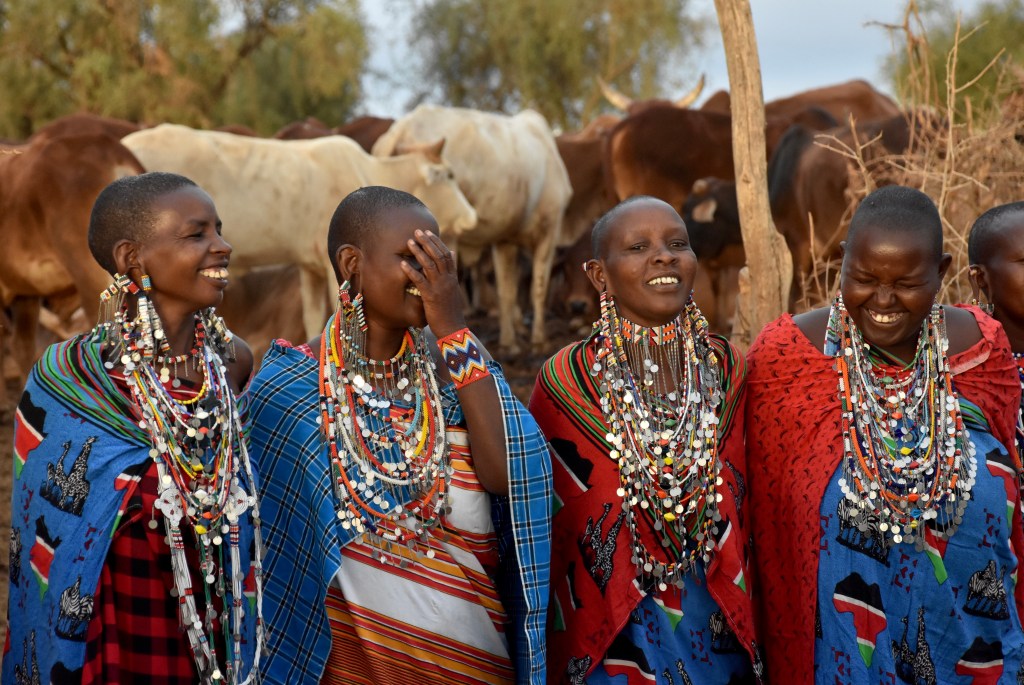
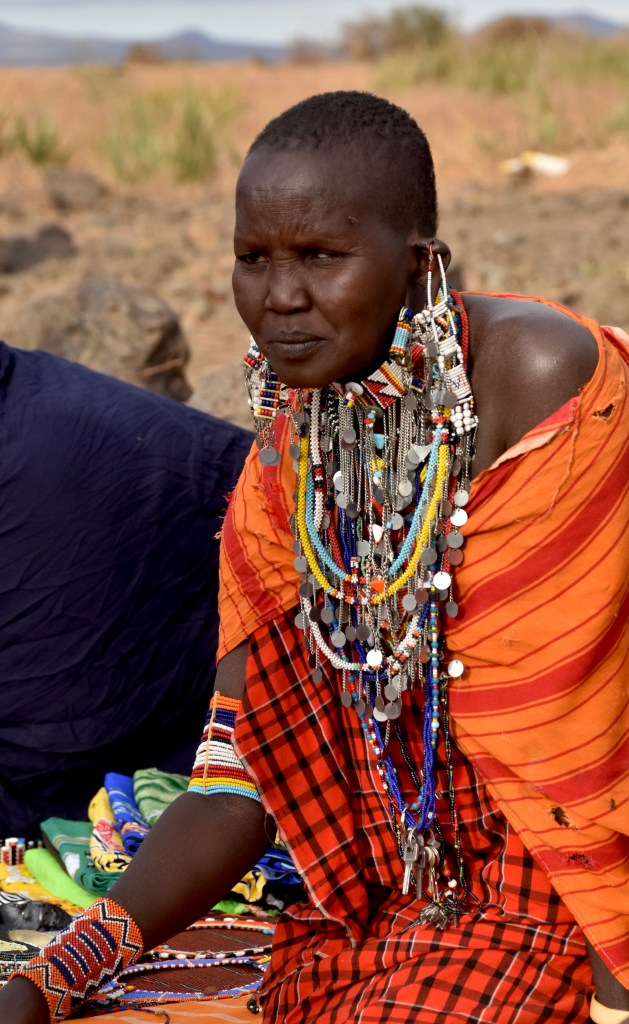
Culture is a fascinating concept, for it can never be Right and it can never be Wrong, it is simply different, and the difference is better to be understood than to be judged. In the Maasai culture, a man can have more than one wife but only if he has the financial wherewithal to support her, for that support comes in the form of her having her own home. The Maasai woman owns All the property inside the home. For the Maasai man, his wealth is measured not by a bank account but by the number of cows and goats he owns.
***************
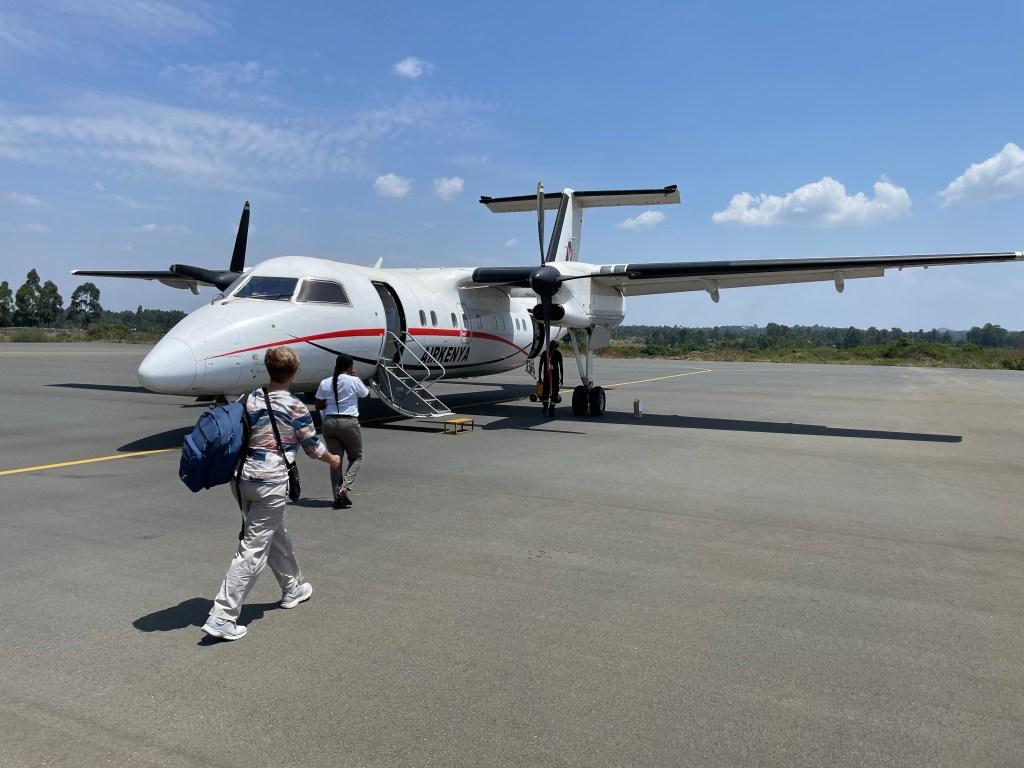
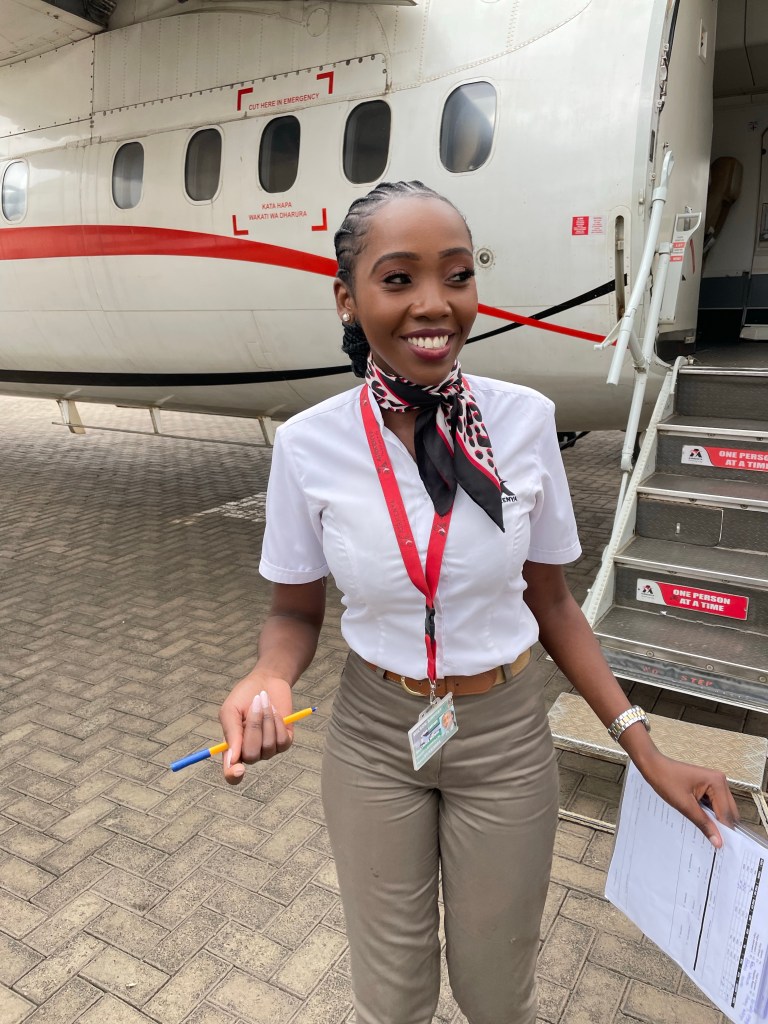
Walking across the runway, we boarded the Air Kenya de Havilland Dash 15 bound for the Masai Mara.
Directed to the front of the plane as boarding passes have not yet made the trip to remote Kenyan border towns, we found ourselves occupying the emergency exit row. The flight attendant’s extensive, earnest and detailed instructions on our responsibilities hinted at her expectation that a reasonable likelihood existed where we would actually have to do what she said. (There was a flash of a good future consultant – someone with the knowledge that giving advice is much easier than actual implementation.) She explained in great detail exactly how to remove the emergency exit door, but stopped mid sentence and said “Before opening the door, first look through the door window and check for fire, propellers and lions!”
**************
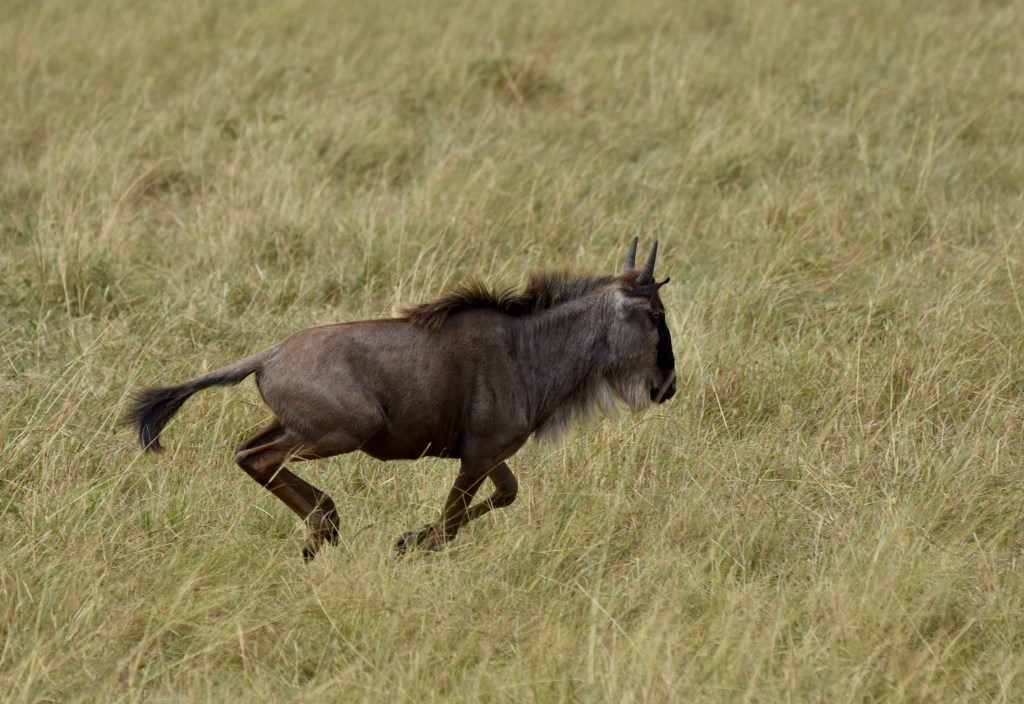
It is said that the wildebeest was the last animal made by God. He was essentially finished with his work, but had leftover body parts so made the wildebeest, whose horns come from the Cape Buffalo, face from the locust, short rear legs from the hyena, and mane from the lion.
**************
Having colonized a good part of the world, the British were very experienced, so when the British Road Engineering Office was called to the Ngornogoro Crater to do site selection and road construction from the crater rim to the crater floor, they surveyed numerous locations and chose the optimal path. Building the road was made easier by the fact it was already an existing path – the smartest animals living on the crater floor, the elephants, had already figured out the optimal path and had been using it for millennia. The British simply had to widen the path to create a safe and navigable single lane road.
**************
Migration in central Africa is a fact of life, and a matter of life and death, for many species especially the herbivores as they require vast amounts of land for grazing on the wild savanna grasses. The rut happens in one designated locale, babies are born where water and food are plentiful, but as grasses are depleted and weather turns hotter, the clockwise migration begins – another form of the cycle of life, this one repeating annually. Zebras in the hundreds of thousands lead the migration as they eat the tops of the tall grasses, followed by the wildebeests who eat the middle grasses as they are a source of water, and finally the gazelles who enjoy the short grasses. Lions, leopards and cheetah trail the annual migration as they enjoy all three of these road warriors.
*************
These Toyota Land Cruisers work as hard as the men who drive them. 80 km/hour on dusty, hardened washboard roads, absolutely pounding tires, rims, shocks, springs, bearings and bushings. Dust everywhere. 6-8 passengers plus luggage and supplies. Two spare tires on the back as every safari has at least one flat tire. These things are bulletproof, there is no alternative. Service life in this harsh, unrelenting environment is 20 years!
Recently the Four Seasons Serengeti bought a fleet of Range Rovers because, well, because they’re the Four Seasons. But what happens when you get dust on a vacuum sensor and it shuts down the engine? Six months later the Range Rovers were auctioned and replaced with, well you already know.
Bruised but not injured, and just 1/4 mile from arrival at the lodge, we heard the driver was severely fatigued with a late night arrival. Lodge staff gathered later that morning and rolled the Land Cruiser back up.
**************
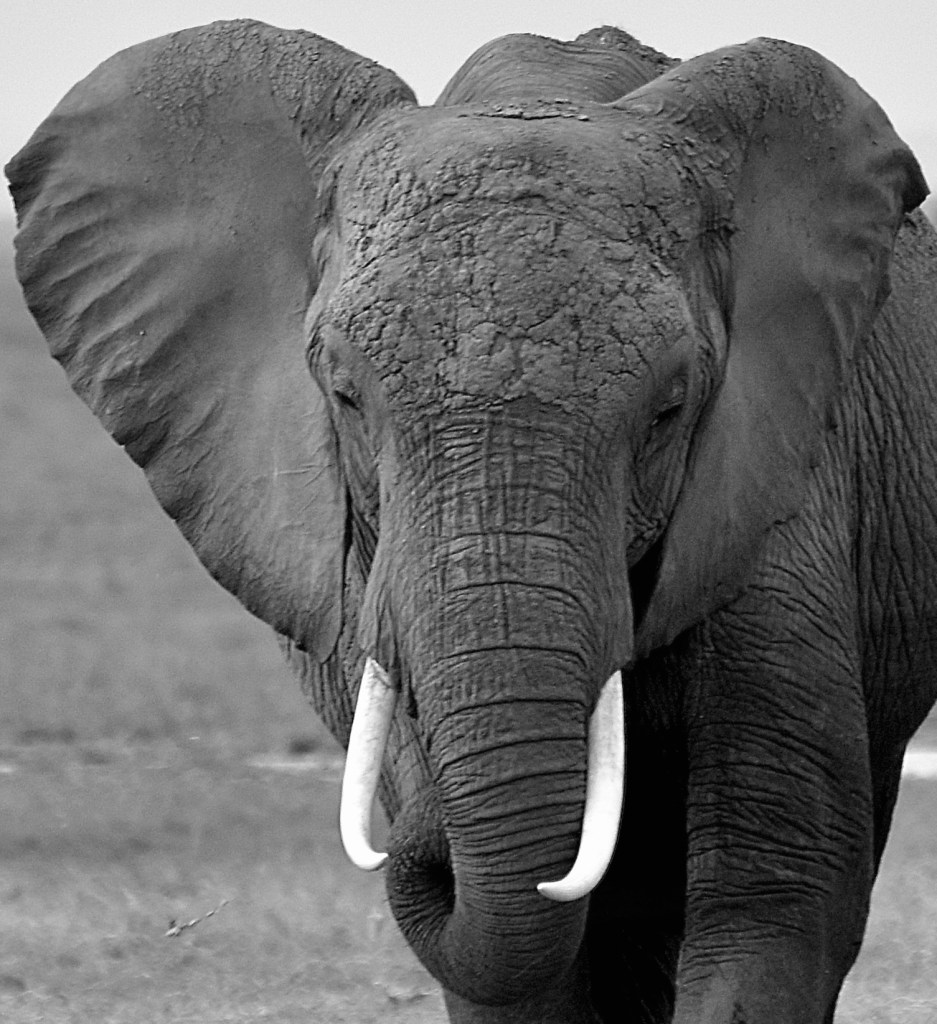
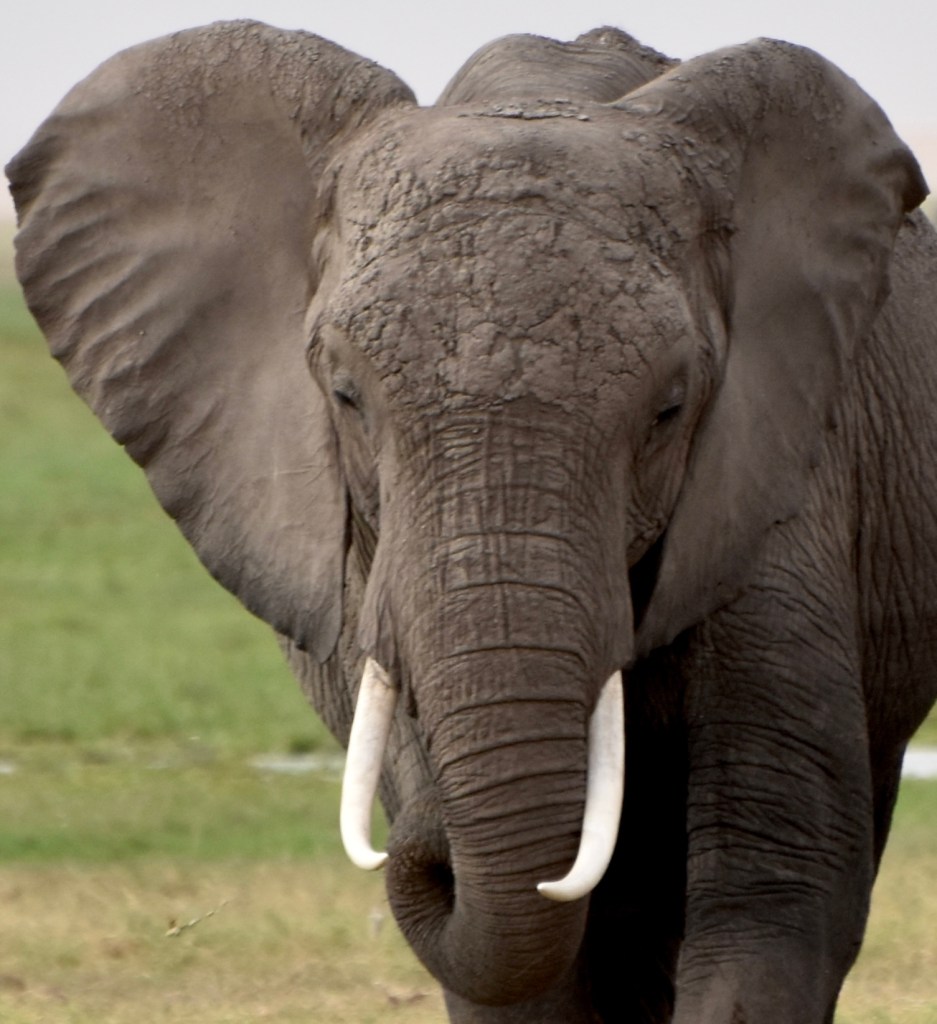
Elephants are either left handed or right handed, and you can tell by the tusks, the dominant side is shorter because that’s where all the work is done.
***************
In the early days of colonizing Africa, the missionaries ventured into the bush to meet and convert the locals. Camping under a specific type of shade tree that they favored, malaria became problematic so they named this genus of tree the Fever Tree. Much later they learned the malaria came from mosquitoes.
****************
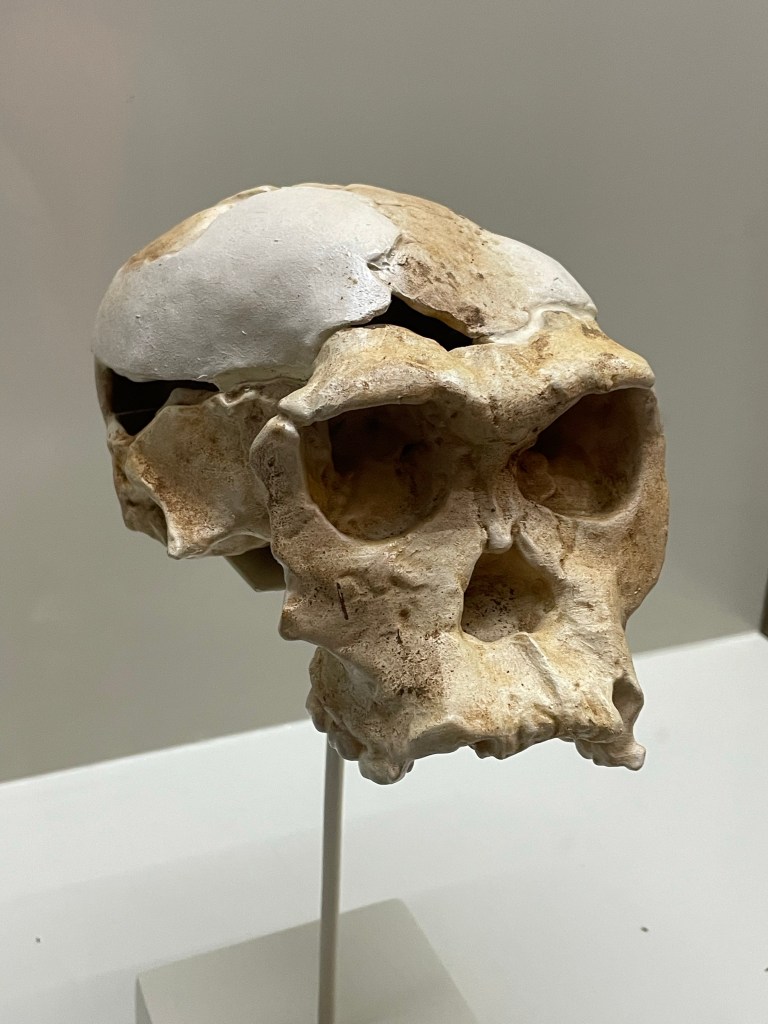
Visiting the Nairobi National Museum, our guide Winnie led us to the Cradle of Mankind wing, stopping abruptly at the entrance, asking if anyone was a devout Christian and if so, are we okay proceeding as this permanent exhibit is centered around Evolution and some Creationism visitors refuse to enter.
A similar conversation ensued at the entrance to the Modern History of Kenya wing – turns out some British visitors also refuse to enter, something to do with oppressing an entire population, slave trade, stealing land rights, separate and unequal….
With Knowledge comes Power.
*******************
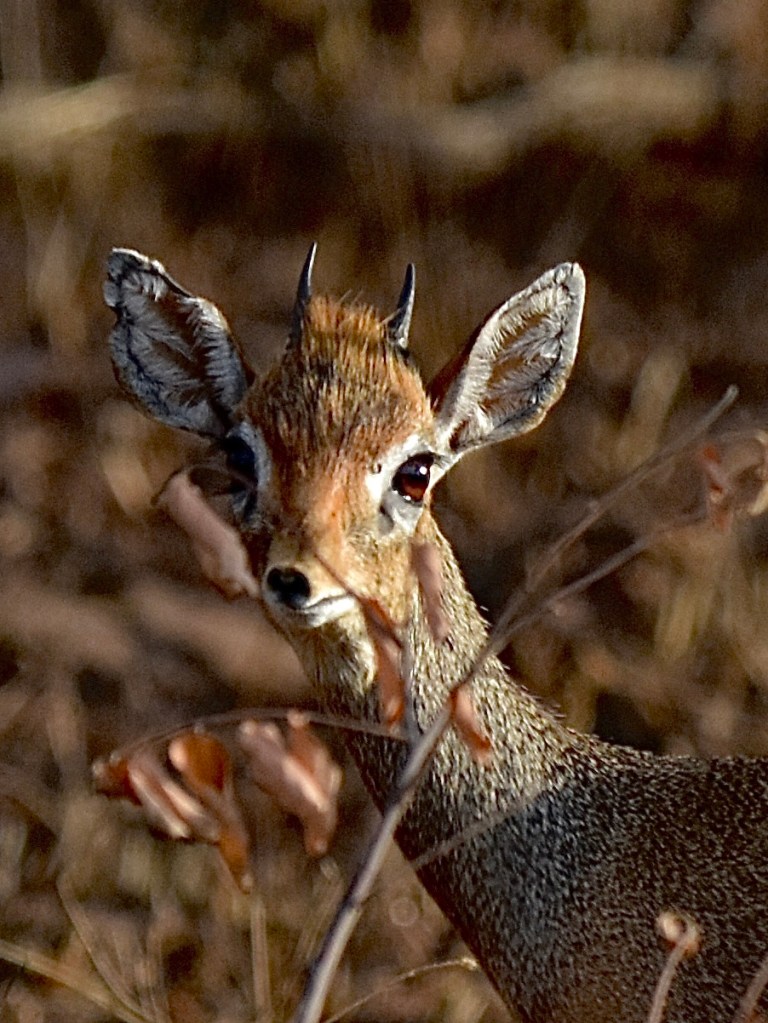
In Maasai culture it is widely believed that if a Dik Dik runs across your path then something bad will happen. Possibly because a running Dik Dik is often closely followed by a very hungry leopard.
*****************
When walking, giraffes are unusual in that both legs on the same side move together. They gallop with front and rear legs moving as pairs, enabling them to reach speeds up to 37 mph.
******************
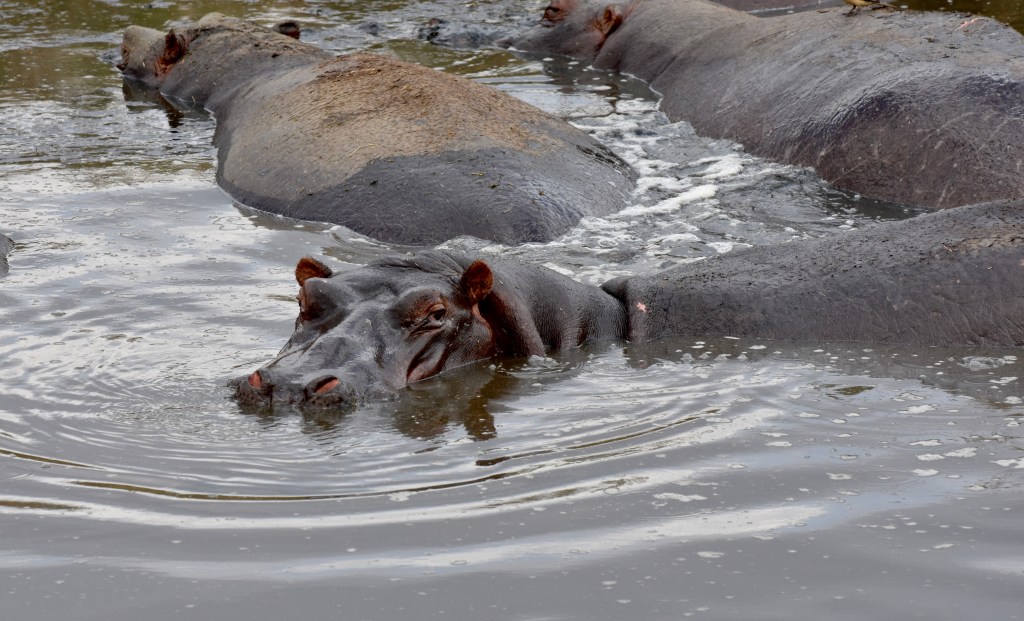
Hippopotamus are the most dangerous animal in this part of Africa, responsible for over 500 human deaths each year, far in excess of other predators such as lions or crocodiles. The threat comes from their territorial nature – we were told more than once that if you enter their space, they will simply kill you. Herbivores, they won’t eat you, they’ll just use their jaws, which open to 180 degrees, to bite you in half and leave you for the hyenas.
With Knowledge comes Survival.
*******************
Giraffes feed on the stately and shapely Acacia tree, but in an example of survival of the fittest, the Acacia tree had to develop protective mechanisms. It holds ants within the tree bark and structure, not causing structural problems, but rather warding off the giraffes for if they eat too much of the tree the ants go up their nose and they immediately stop.
**************
Kenya encompasses 44 distinct tribes, each with their own unique identity, customs and language. To unify the country around a common language, Swahili was selected. To enable the country to be a part of the global community, English was adopted. And so nearly all Kenyans speak at least three languages: Swahili, English and their native tribal language.
Learning and using just a little Swahili, derived from Bantu and Arabic, makes for a completely different experience.
Hello – jambo
Please – tafadhali
Thank you – Asante
You’re welcome – Karibu
What’s happening – mambo
Cool – poa
Everything is good – acuna matata
Goodbye see you soon – kwaheri ya kuonana
***************
Felix and Oscar. Giraffes and Warthogs. They both get along because they each bring something to the table. Given giraffe’s height and better vision, they can identify predators early. Similarly, warthogs have extraordinarily good hearing, so they hear what the giraffe doesn’t see. They keep each other safe and do not pose a threat to each other.
***************
A group of tourists
A tower of giraffes
A pride of lions
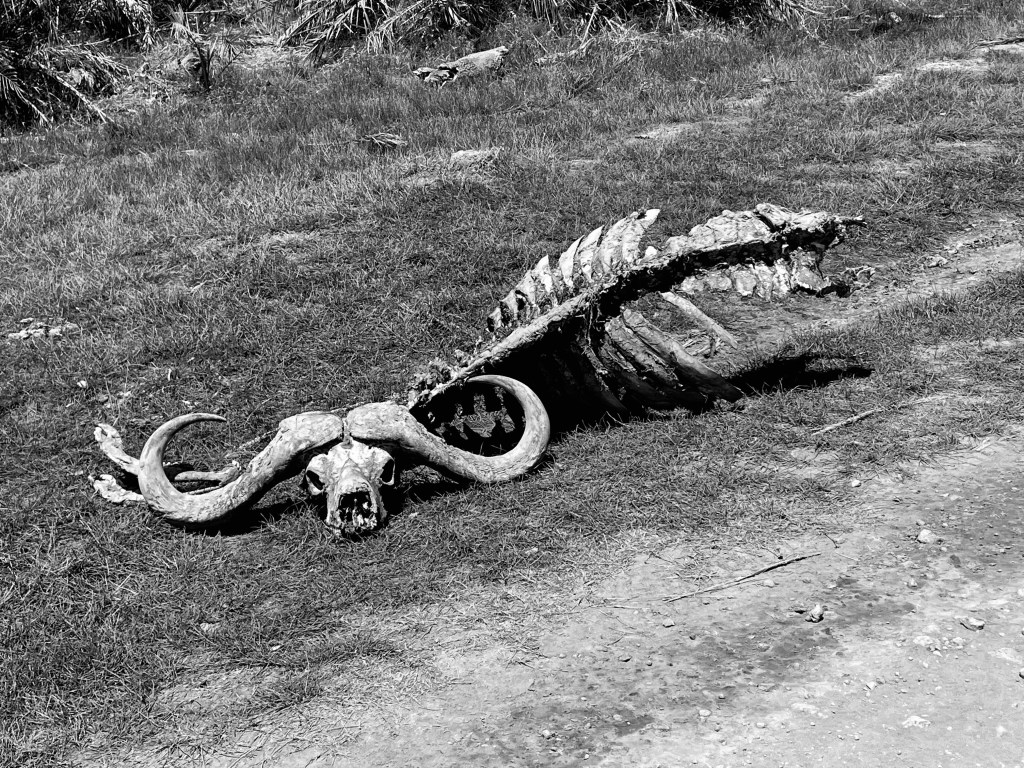
A herd of Cape buffalo
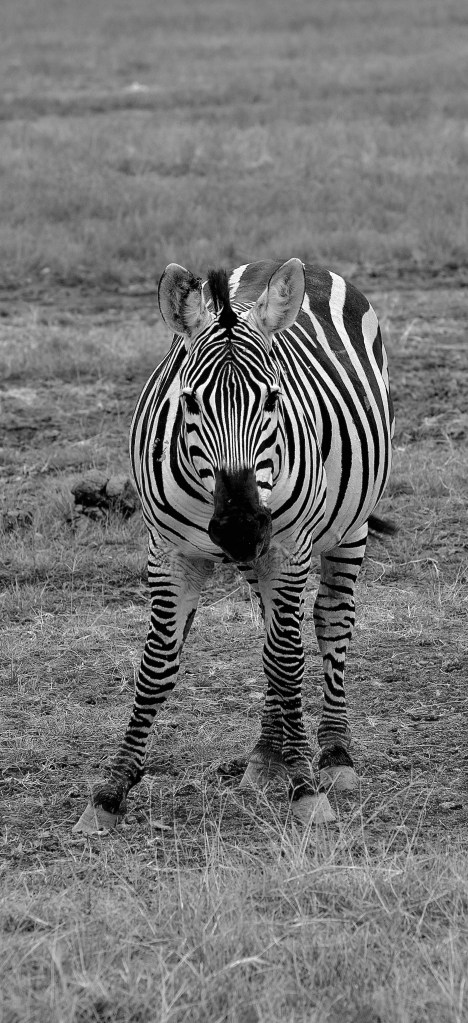
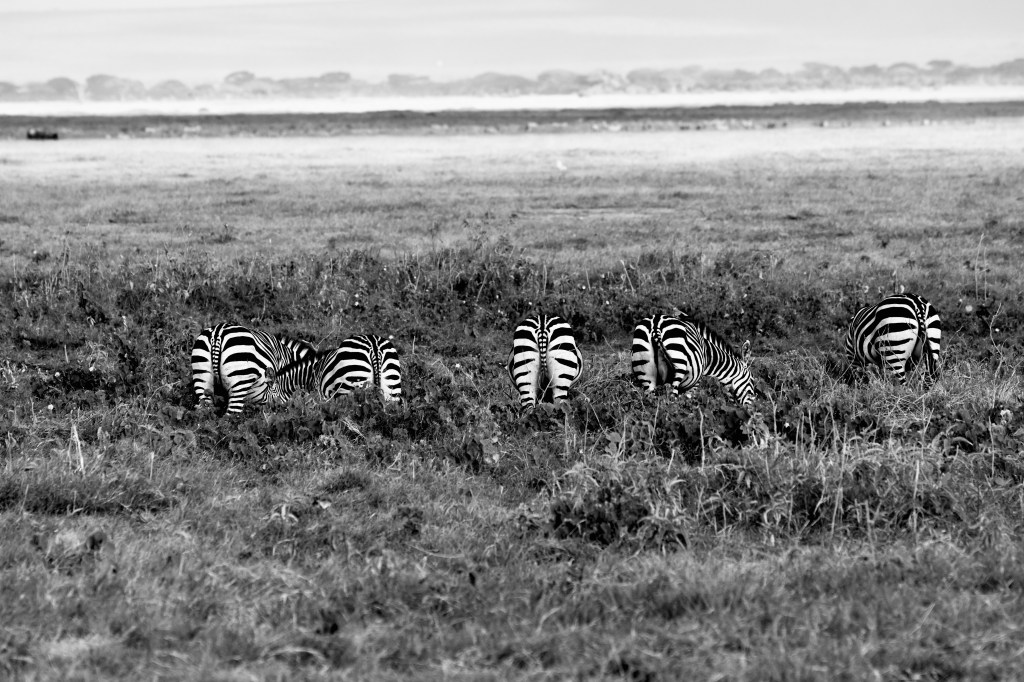
A dazzle of zebras
A bloat of hippopotamus
A harem of impala
A sounder of warthog
A collision of cheetahs
A journey of giraffes when on the move
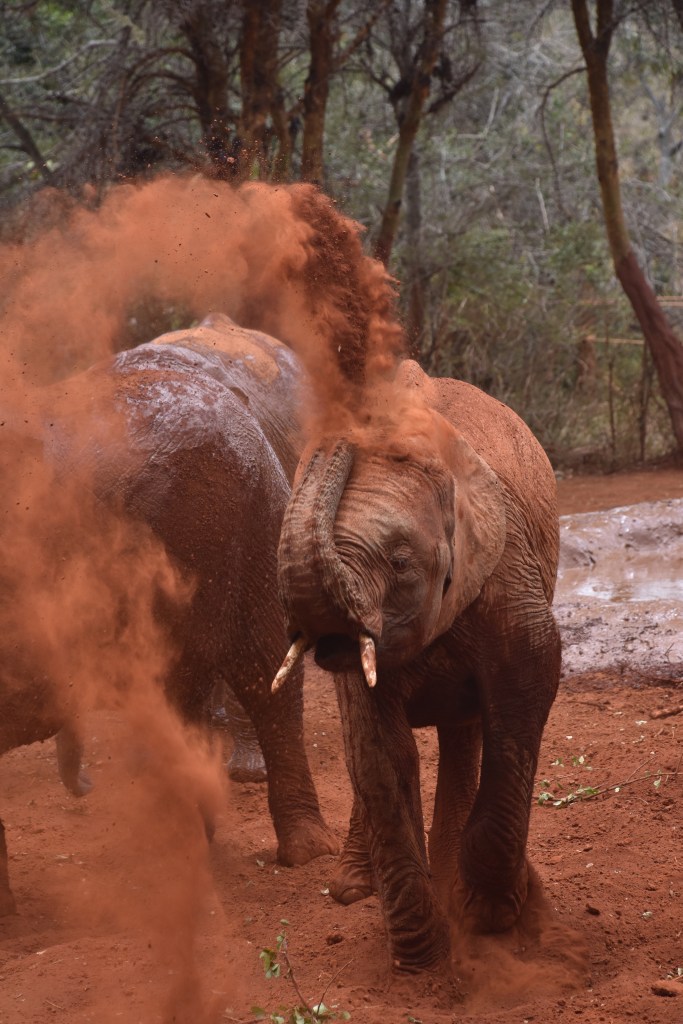
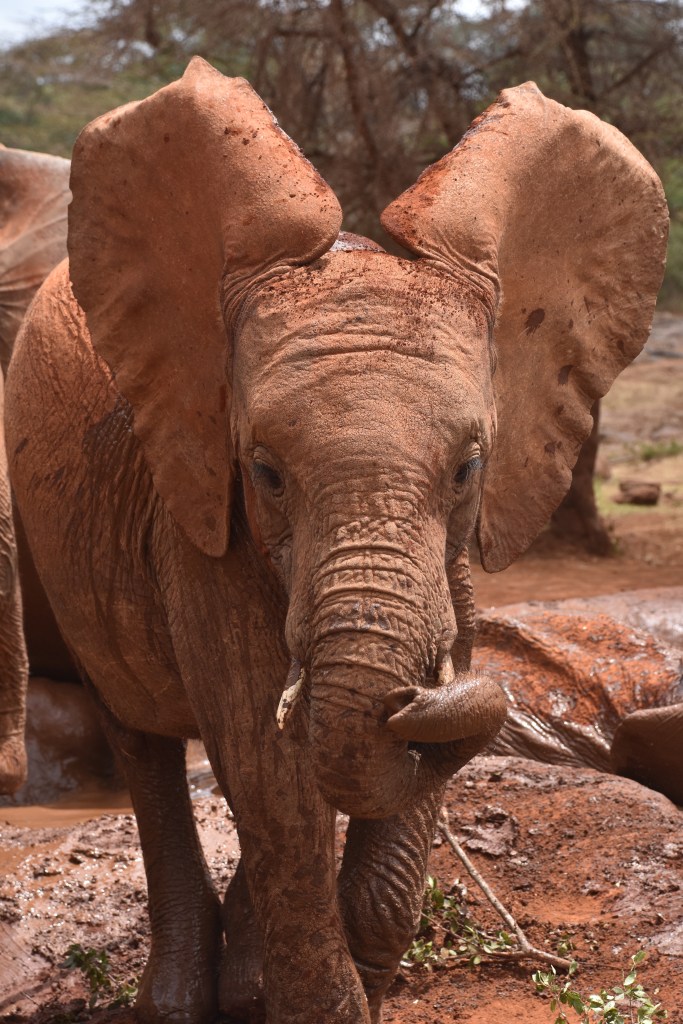
A herd of elephants
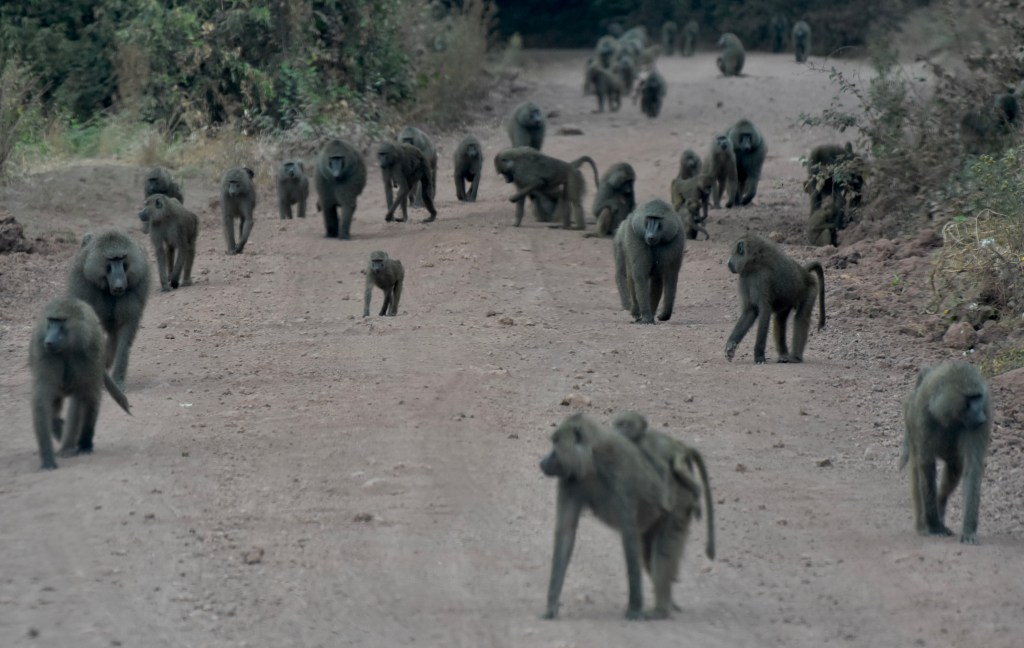
A troop of monkeys
A nothing of leopards, for they are solitary creatures
*********************
Just for the fun of it…..
*********************
Those who wander are not lost.
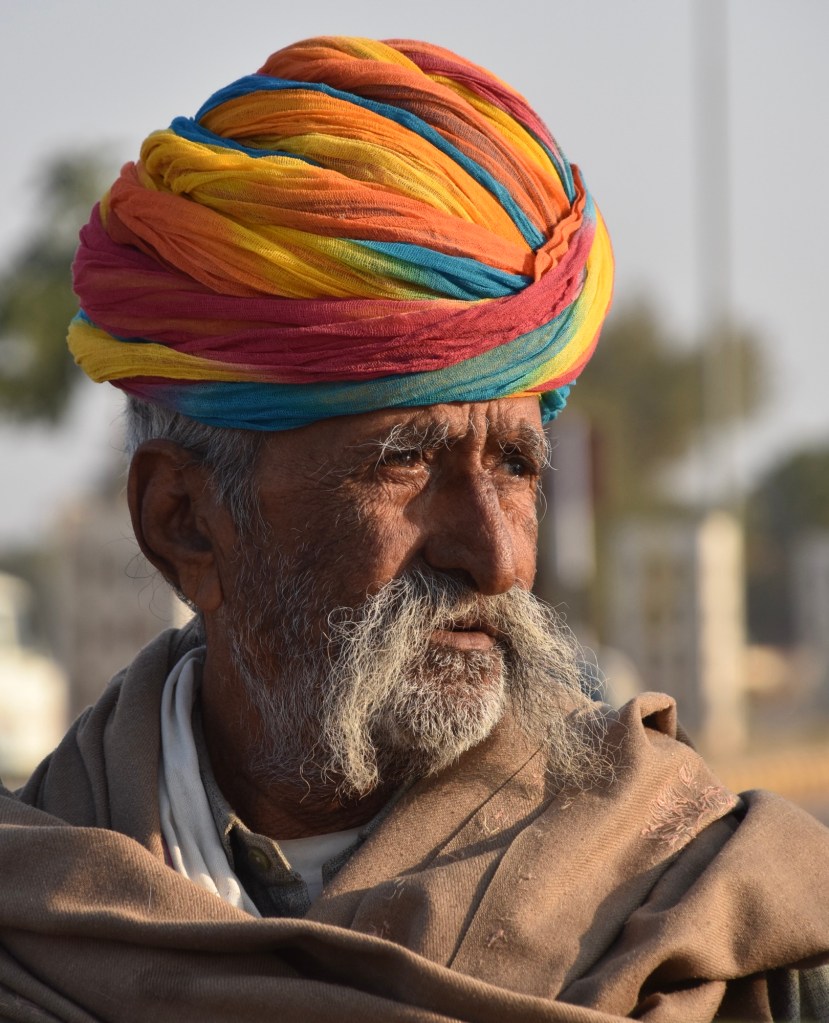
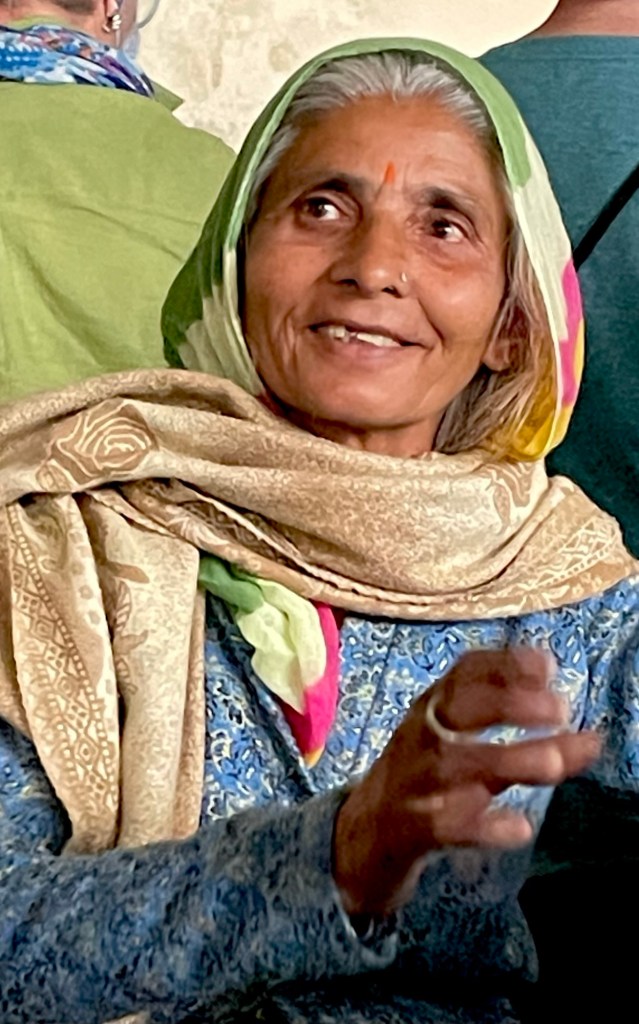
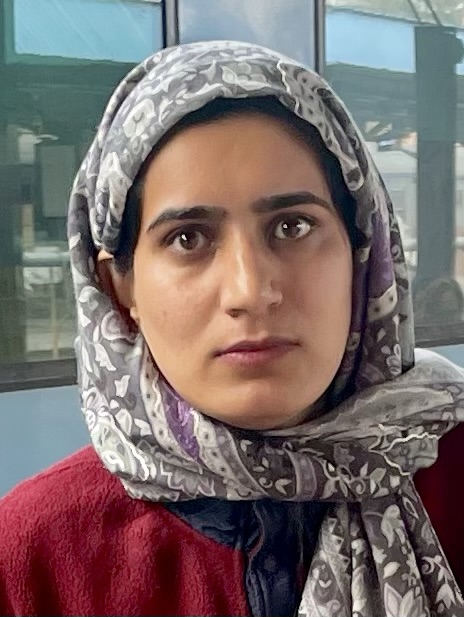
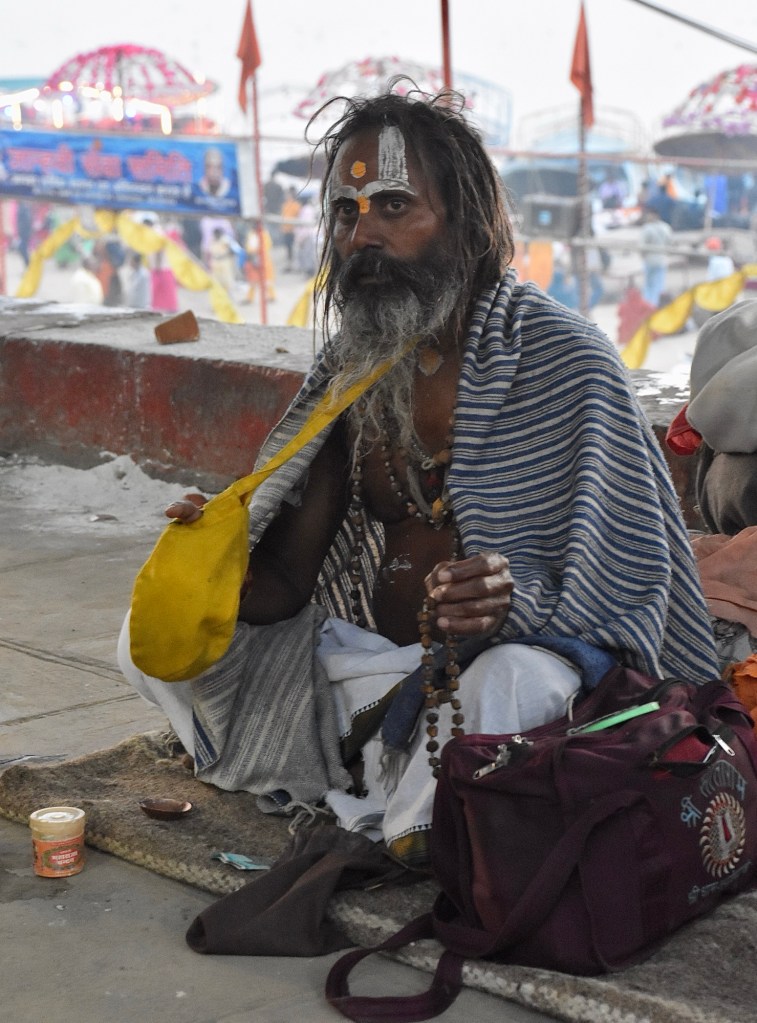
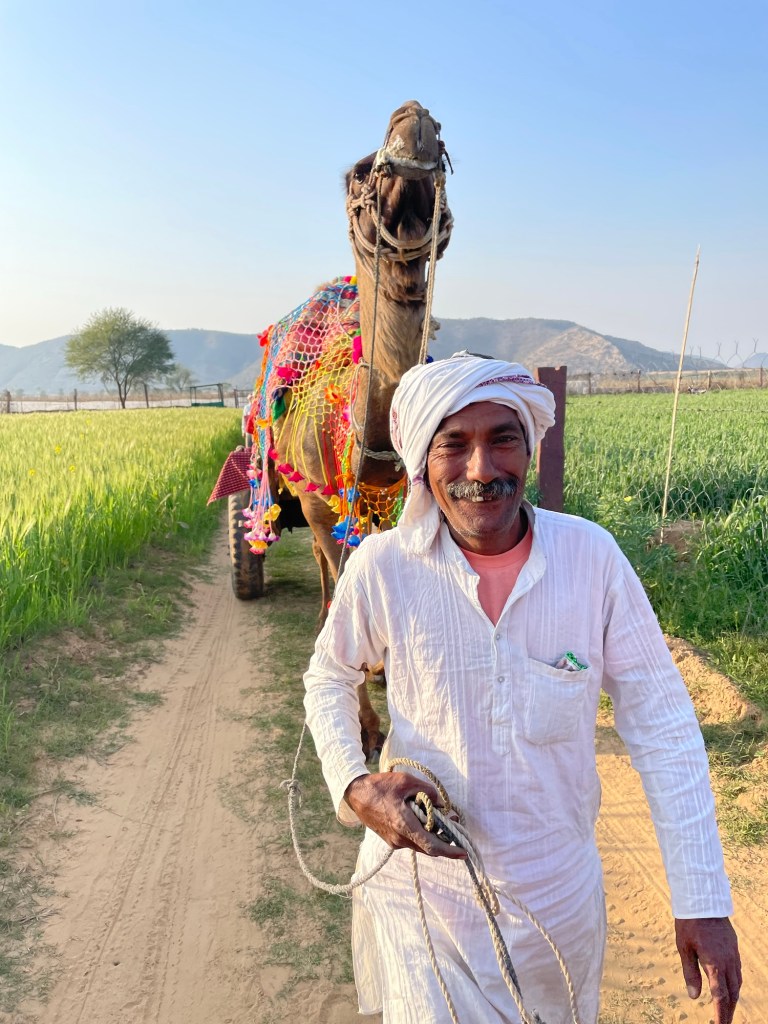
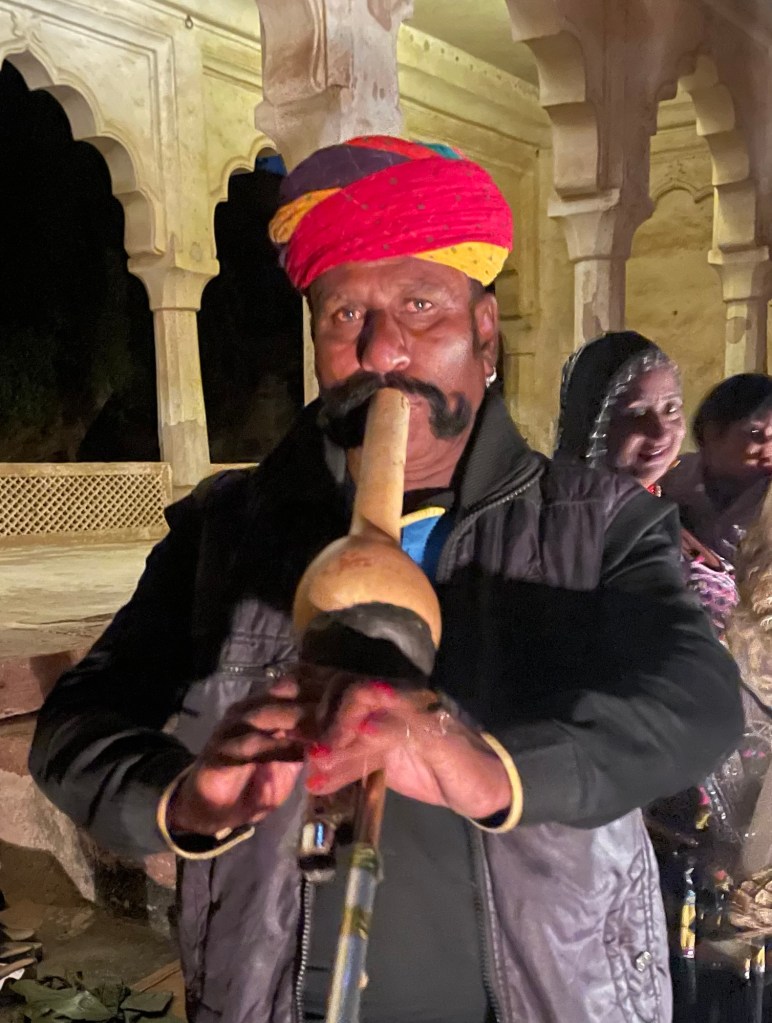
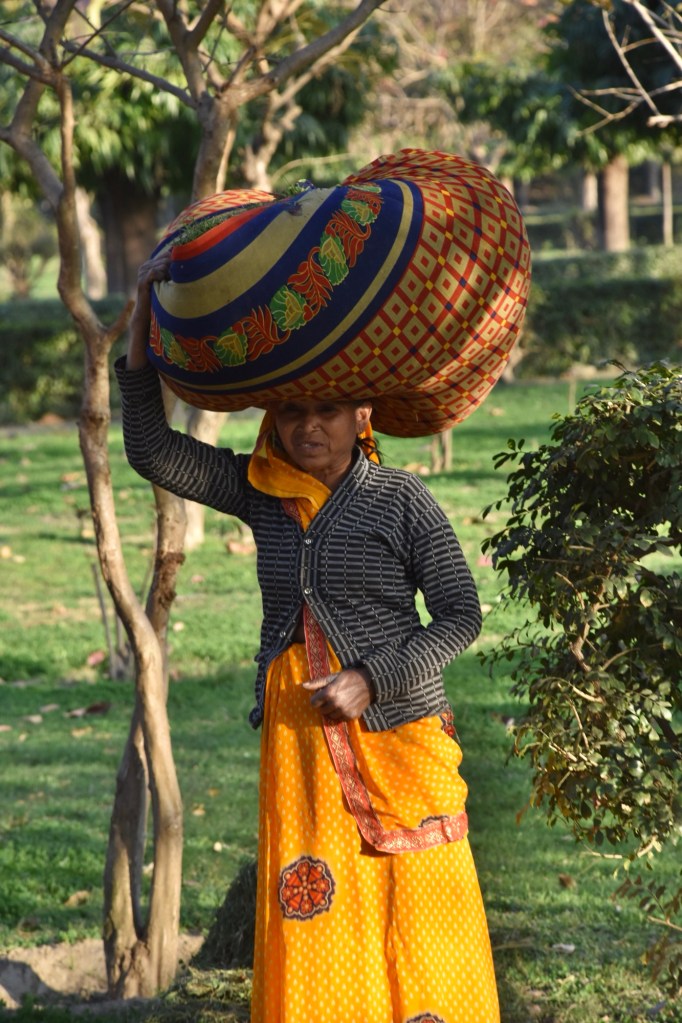
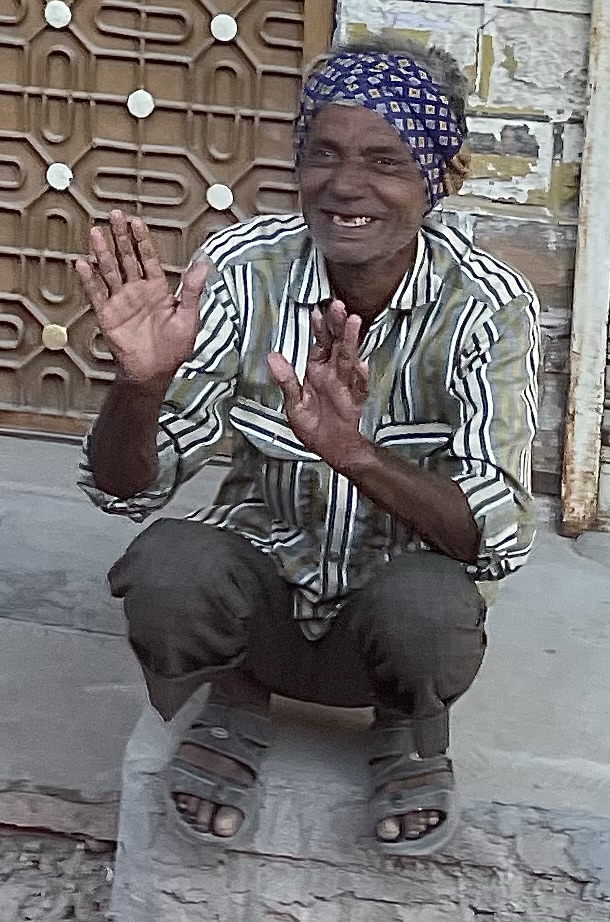
As this marks the end of the Great African Safari blog, it is dedicated to the most wonderful people of Kenya and Tanzania, whose smiles and warmth and beauty and kindness will forever be remembered.


































































































































































































































































 Dragonfly Waypoints