At first you notice the light. The clarity, the purity, the way it illuminates the surroundings.
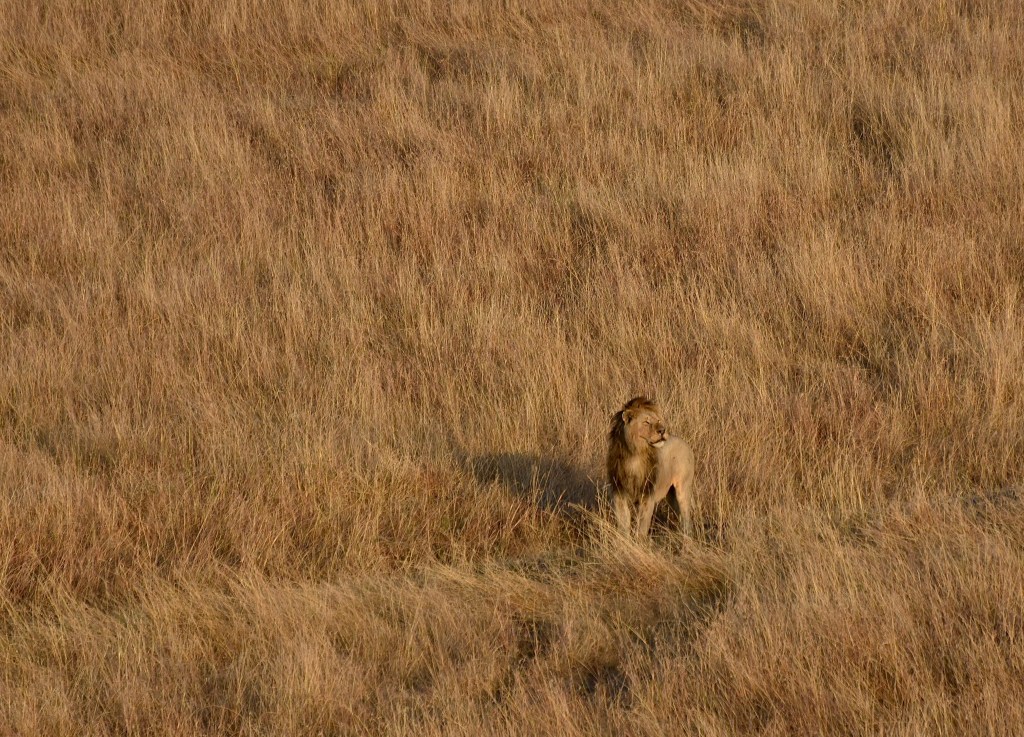
And then: Amber waves of grasses. Rolling hills extending beyond the horizon. An animal here. An animal there. Acacia trees. A long string of green surrounded by yellow, hinting at the existence of a fresh water stream. A narrow, winding trail running through a field, only set foot upon by an indigenous animal.

A Balantine tree, always solitary, always just one.

A herd of animals grazing.

Always grazing.
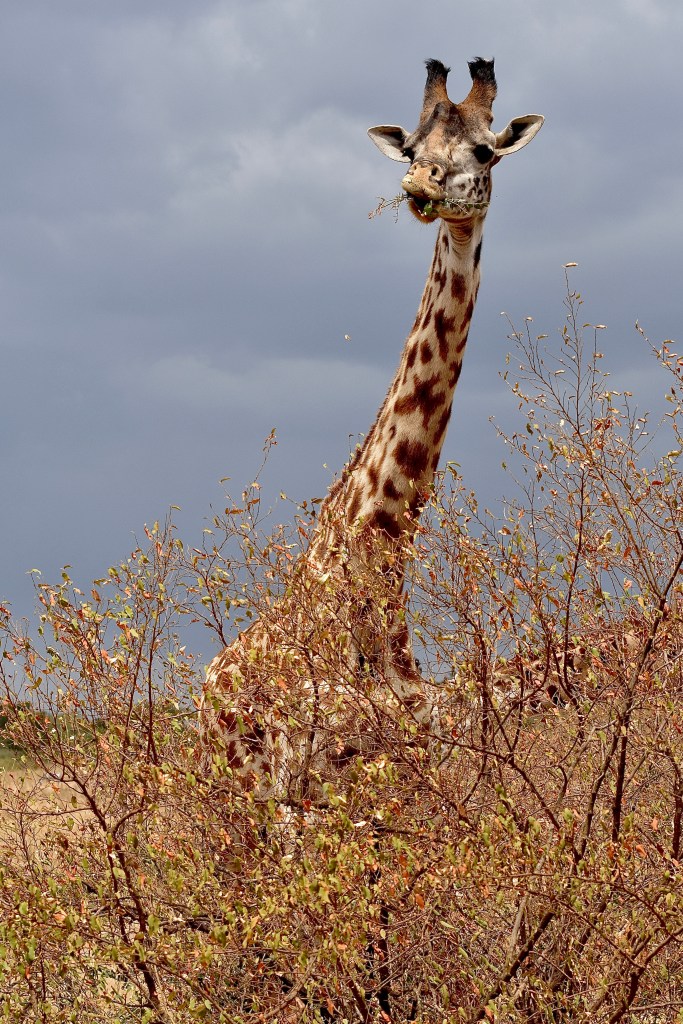
Always grazing, for there’s only three things all of these various species do: eat, reproduce, and seek protection to stay alive another day.
The herbivores are always eating. No hobbies, no activities, no outside interests, nothing. Just grazing.
The carnivores eat when they’re hungry. Maybe once every 3-4 days. But when they do eat, it’s more consequential than it is when the herbivores eat, for while the grasses are alive, there’s no heartbeat, no instinctive duty to raise an infant, no will to live.
Reproduction happens, it’s a certainty given the size of the herds and the many babies seen each day, but it’s seldom seen.

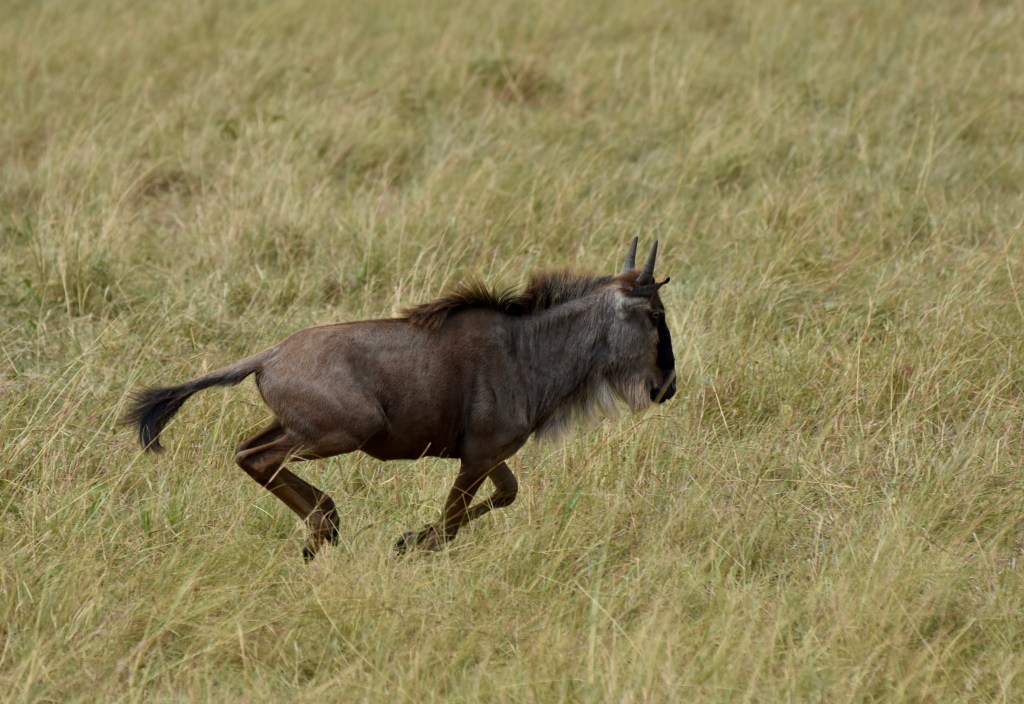
Often the time of fertility might last just a few weeks, so with the wildebeest 85% of all calves are born within a three week period, ensuring that predators such as lions, leopards and cheetah are overwhelmed by the food supply thus maximizing the herd survival rate. Female impala can delay birthing up to a month if grazing conditions are not satisfactory. A typical female elephant becomes fertile once every 3-9 years, but they live to about 60. And so it happens but it’s not often seen.
Seeking protection is innate.
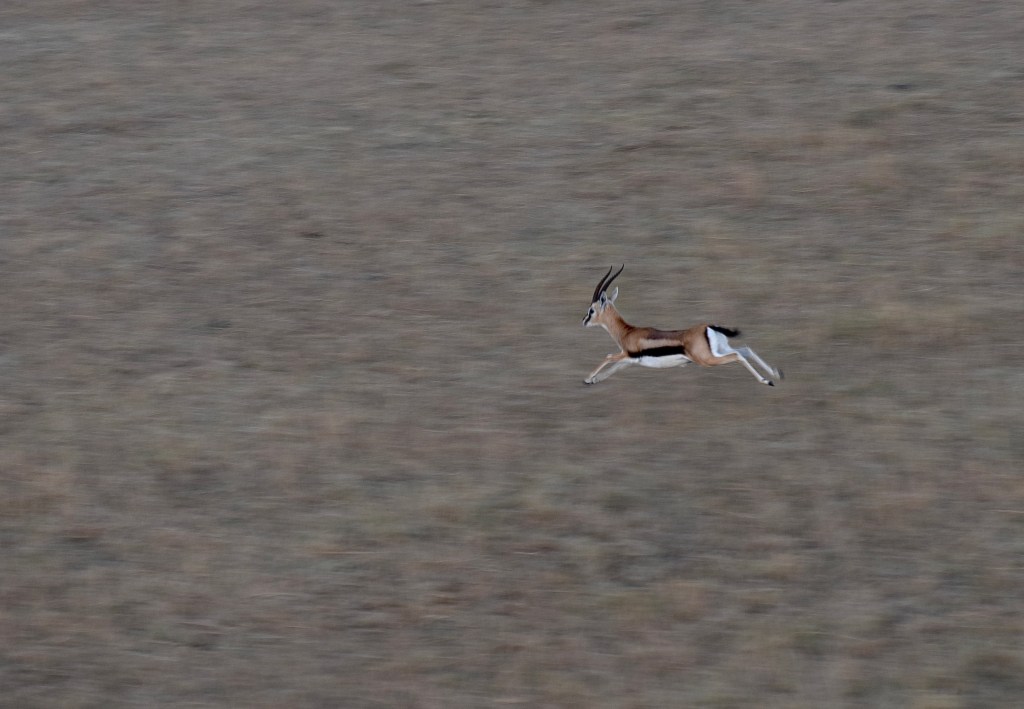
It happens every minute of every hour of every day. And especially of every night, because some of the most fearsome hunters – think the big cat family – are nocturnal and hunt at night. So much for a good night’s sleep.
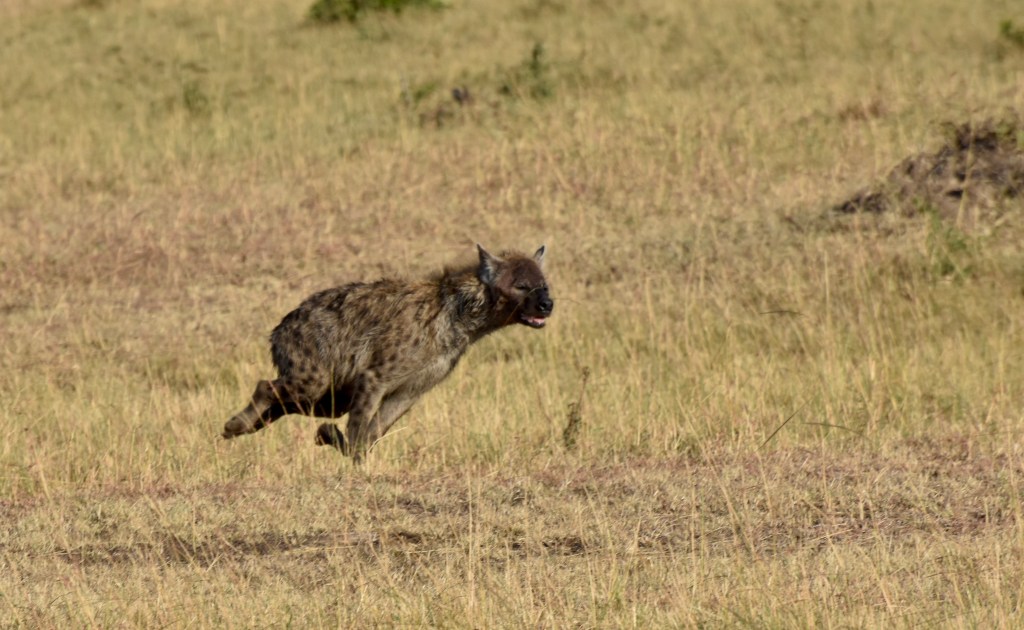
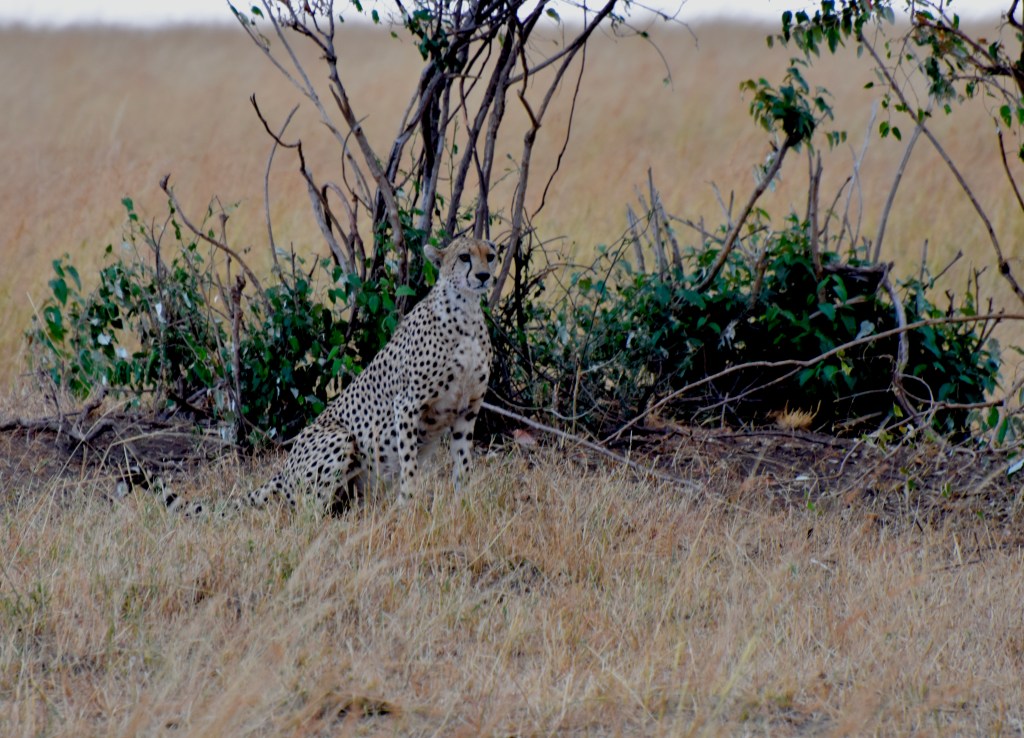
The efforts to survive are on display every day and every where. It’s in the body language. The twitch of a head. The slow and subtle relocation to safer ground. The rejoining the herd for safety in numbers. Stopping the grazing when a lion or a leopard or a cheetah or a hyena enters the Perimeter of Fear, and just watching it intently – Is it hungry? Is it aggressive? Is it focused on me? Should I go stand next to a slow poke?
In the language of the Maasai, Mara = spotted. As in spotted land.
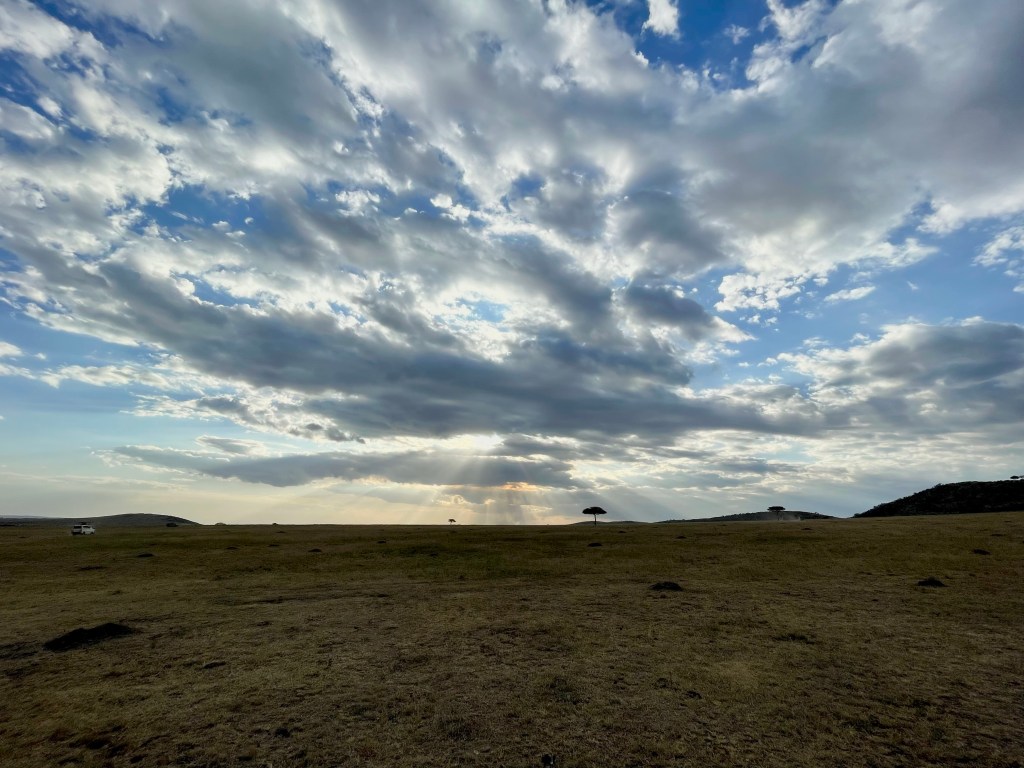
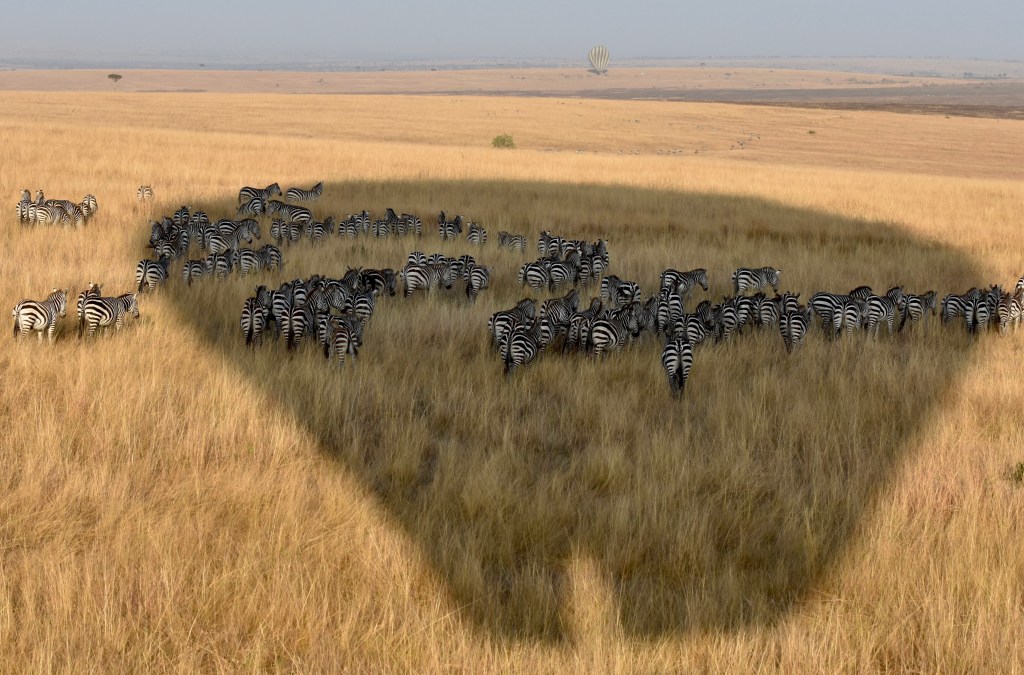
Visualize a vast and beautiful and remote and undeveloped expanse of central Africa, the territorial home for centuries of the Maasai tribe, and the land upon which 1.5 million wildebeests and 400,000 zebras and who knows how many other species rely upon for their annual migration in an effort to, you guessed it, stay alive for another day. These herds of animals create spots on the vast landscape, as do the cluster of trees and the shadows of white, fluffy clouds above – a landscape spotted in every direction with beauty and so named by the Maasai – the world famous Masai Mara – the Spotted Land of the Maasai!
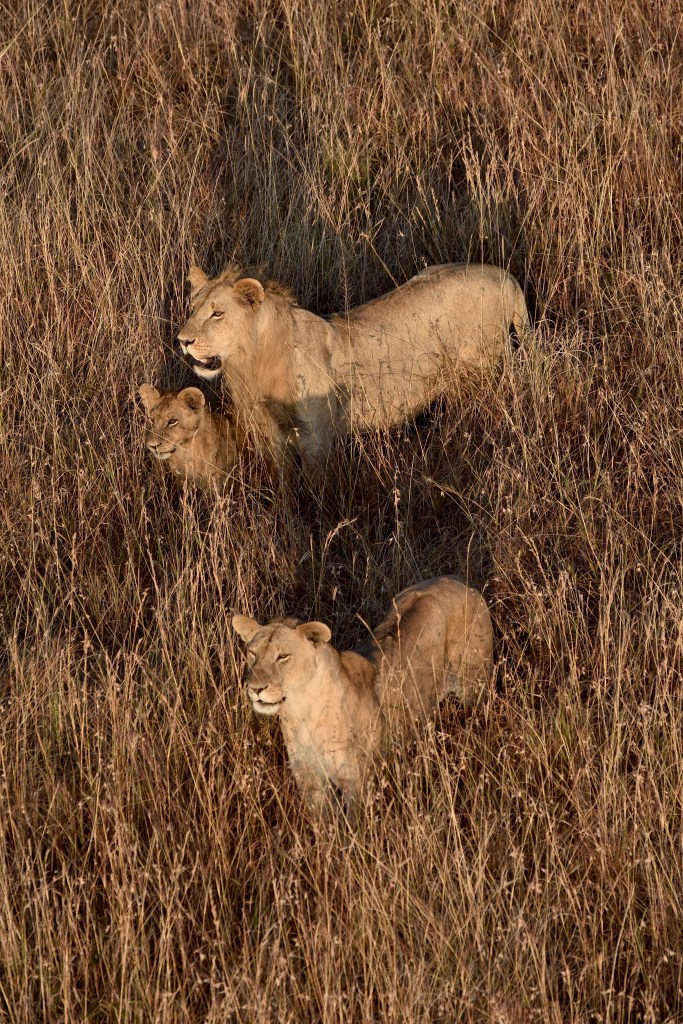
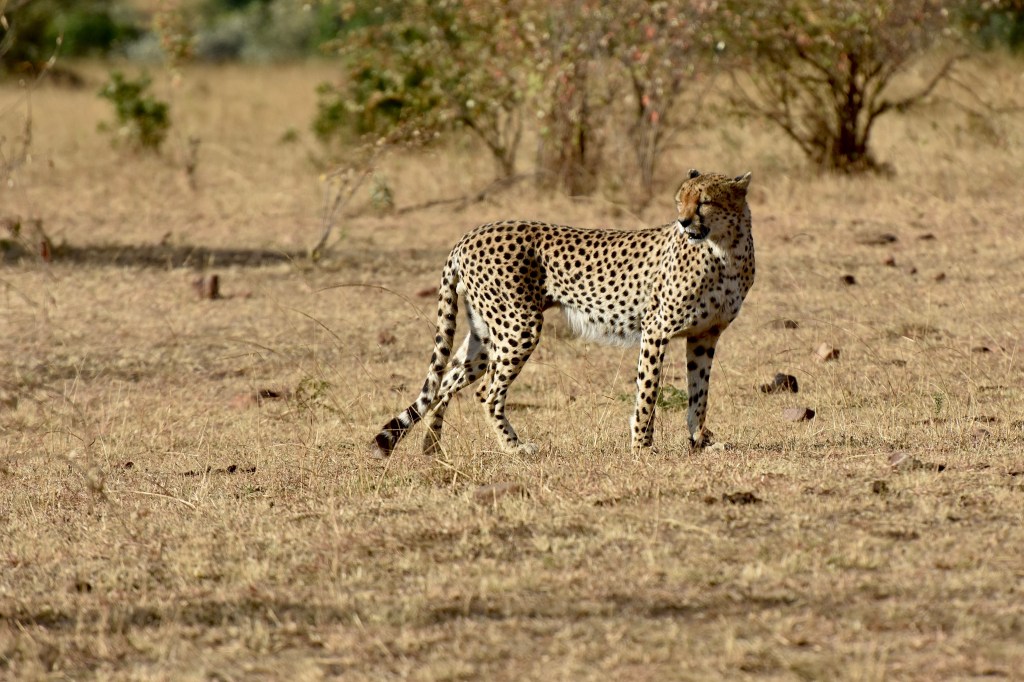
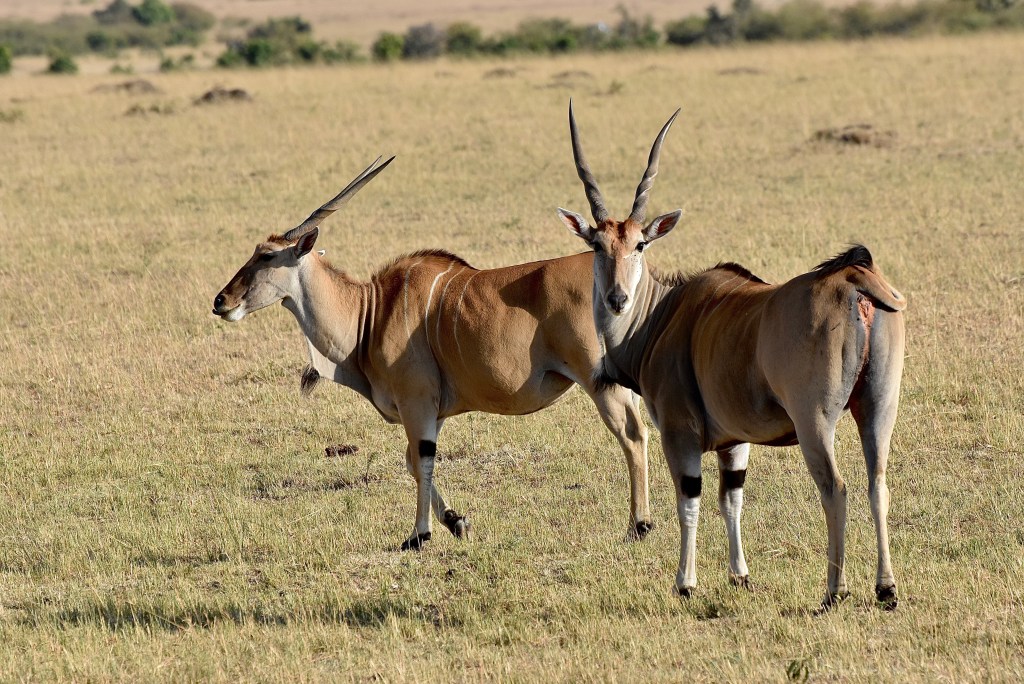
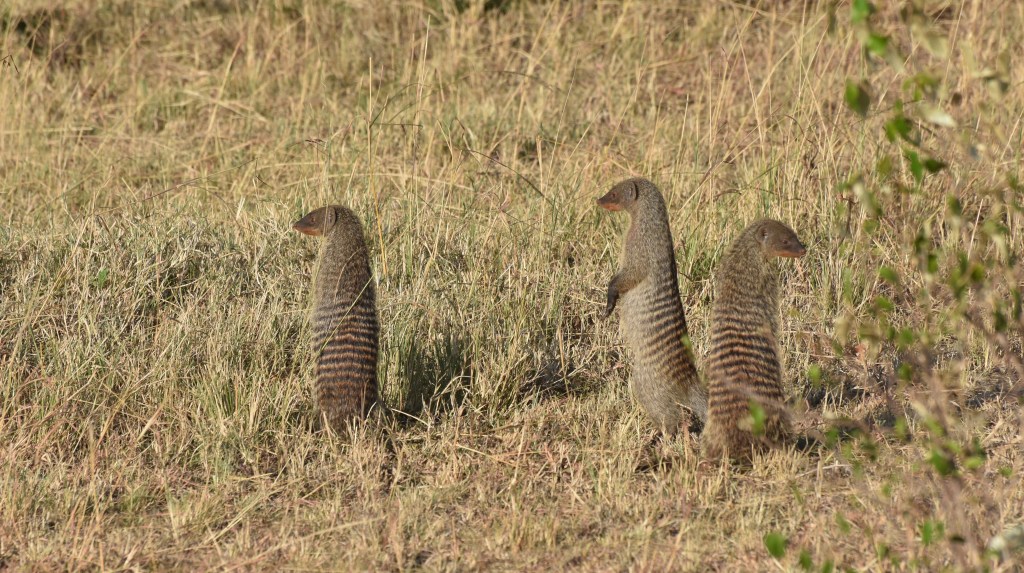
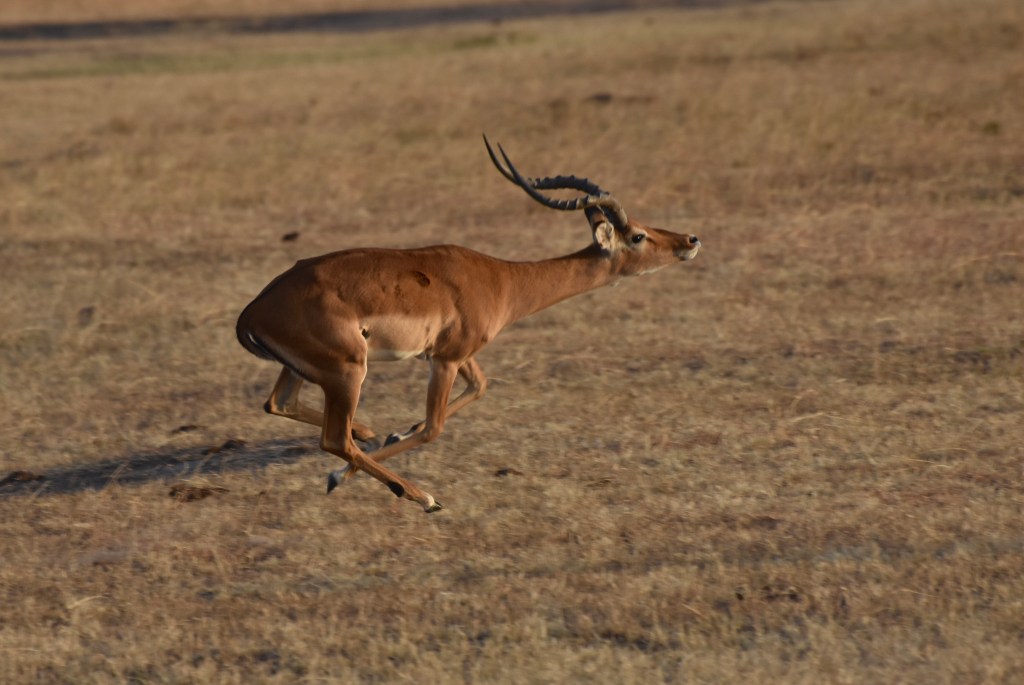
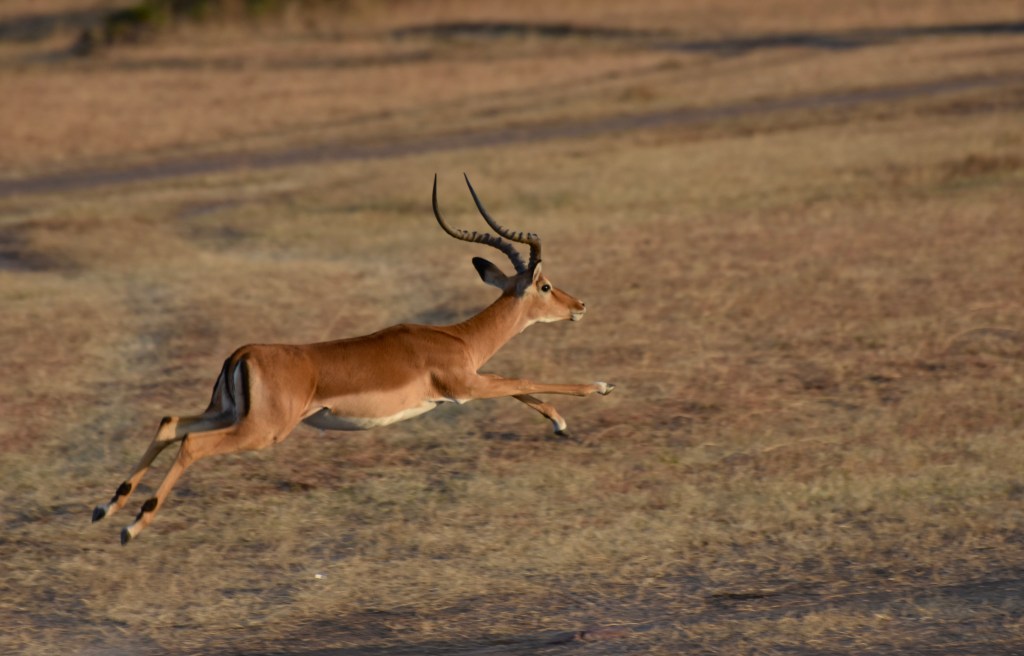
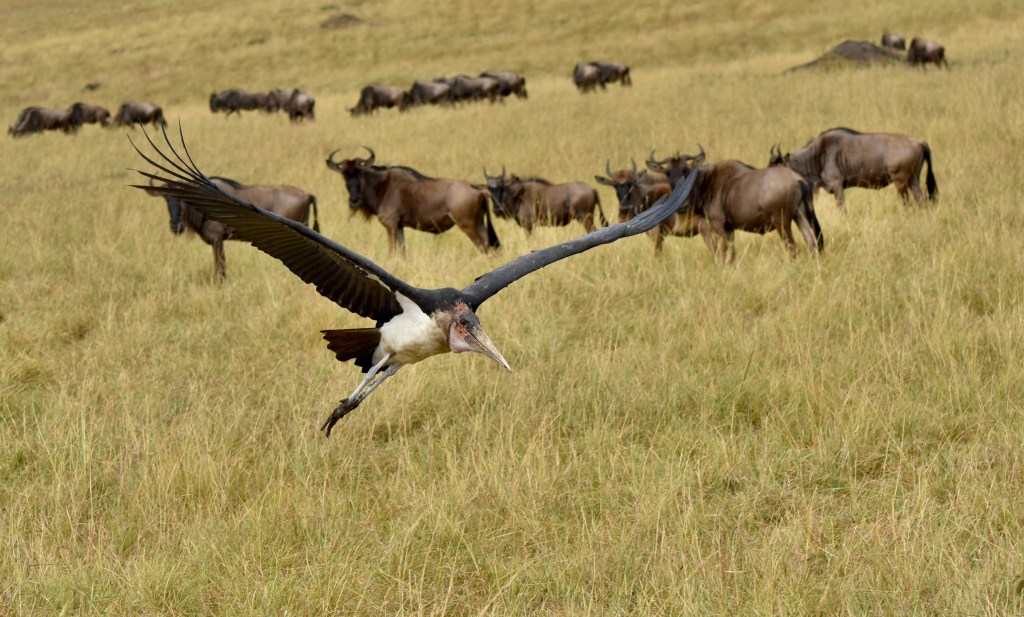
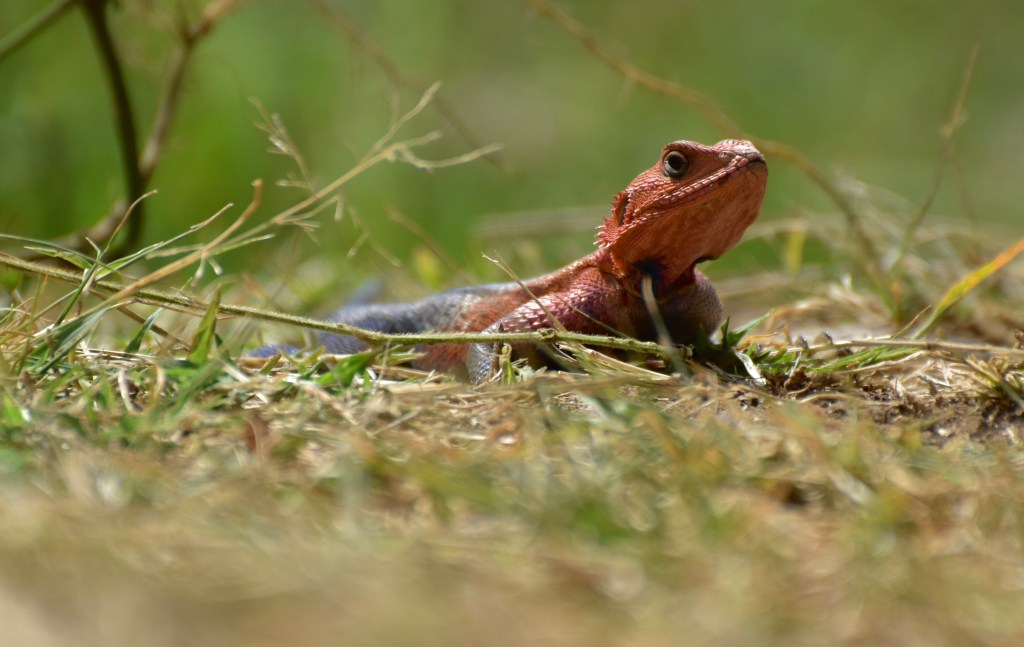
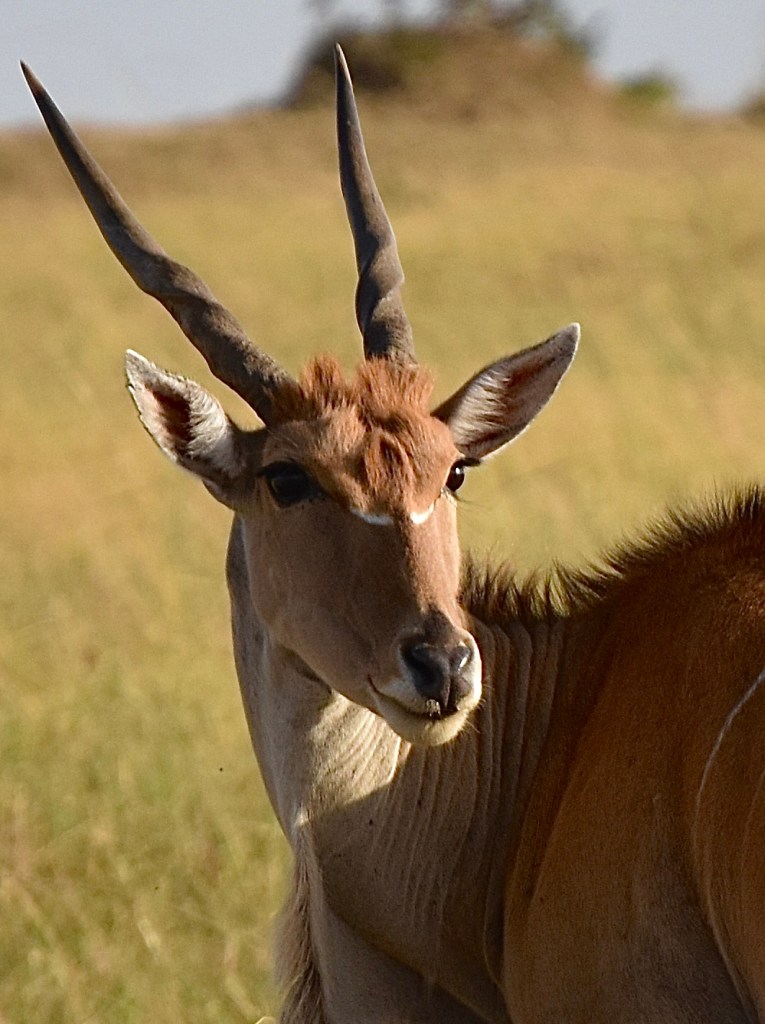
Introducing just a few of the wild majestic aggressive nervous hungry satiated young old residents passersby of the Masai Mara:










 Dragonfly Waypoints